
The Pamyat Ulyanishcheva apple tree stands out for its winter hardiness, compact size, and high yield. This variety is prized for its large, juicy fruits with excellent flavor and good shelf life. Thanks to its disease resistance and low maintenance, it is suitable for growing in a wide range of climates. It is the best choice for beginning fruit growers.
History of selection and zoning
The variety was developed at the Rossoshan Zonal Experimental Horticultural Station, located near Voronezh. The initial breeding work was initiated by the institution's founder, M. M. Ulyanishchev, and completed by his successors—A. M. Ulyanishcheva, O. I. Kolodiy, and N. A. Polyakova.
Basic data:
- Welsey was used as a winter hardiness donor, crossed with Chinese Candil, a variety developed by I.V. Michurin. Years of breeding and careful selection resulted in a stable and promising variety, named in honor of the eminent scientist.
- An application for testing was submitted in 2000, and already in 2004 the Pamyat Ulyanishcheva variety was included in the State Register.
Description of the tree
This medium-sized, semi-dwarf plant reaches a height of up to 3.5 m. Its distinctive characteristics are:
- Crown – Rounded, sparse, with a diameter of about 3 m. Shoot formation is weak, the branches are located close together but do not intertwine, due to which the crown remains airy.
- Bark - Smooth, with a bright green hue, turning fulvous-brown on young shoots. The shoots are slightly pubescent. The lenticels are light yellow, clearly visible against the bark, and round or elongated. Annual growth is small—no more than 20 cm—but the variety is noted for its early fruiting.
- Leaves - Large, green, oblong-oval leaves with a short, pointed tip. The edges are wavy and serrated. The leaf surface is slightly wrinkled and shiny. The petioles are medium-length and covered with fine pubescence.
- Flowers – Large, five-petaled, white, up to 3.5 cm in diameter when fully open. The petals are arranged loosely, not overlapping. Blooming is uniform, lasting 10-12 days, usually beginning in late May. The compact crown makes the tree easy to care for.
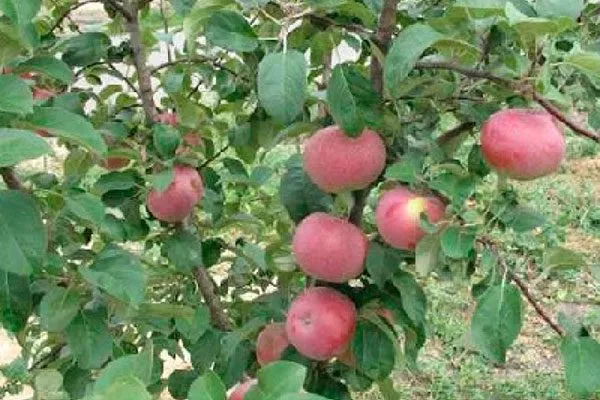
What do the fruits look like?
Apples have a striking and attractive presentation. Their thick skin and resistance to spoilage allow them to be stored well, maintaining their flavor and juiciness for a long time.
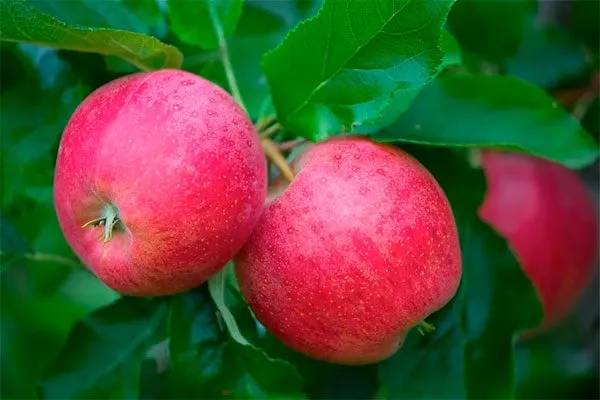
Main characteristics of the fruits:
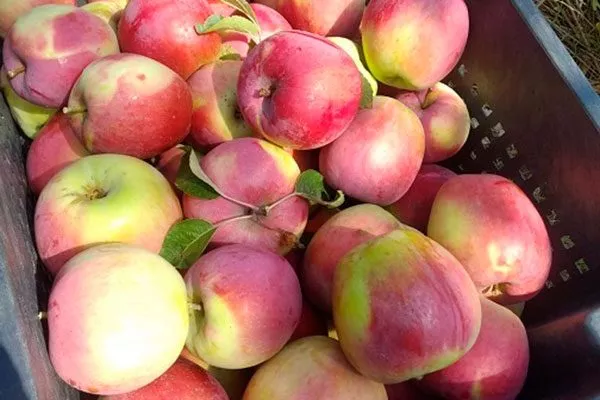
- Shape and color. The apples are large, oblong-conical in shape, and uniform in shape. The base color is greenish-yellow, with a diffuse raspberry-red blush covering most of the peel (up to two-thirds).
- Surface. The subcutaneous dots are large, light, and clearly visible. A medium-thickness waxy coating is present. The fruit has a narrow funnel, a closed calyx, and a shallow saucer. The seed chambers are open, and the peduncle is short and does not protrude beyond the apple.
The skin is thin but strong and is practically not felt when eaten. - Size. The average weight of an apple is about 220 g, but with good care, individual specimens can reach 300 g.
- Pulp. White in color, fine-grained, juicy and tender in texture.
- Taste. A dessert-like, harmonious sweet and sour taste with a pleasant wine aroma. Tasting score: 4.8 out of 5.
- Compound. Apples contain up to 10.1% sugars, 0.57% acids, 8.3 mg vitamin C and 280 mg catechins per 100 g. Energy value is 45 kcal per 100 g.
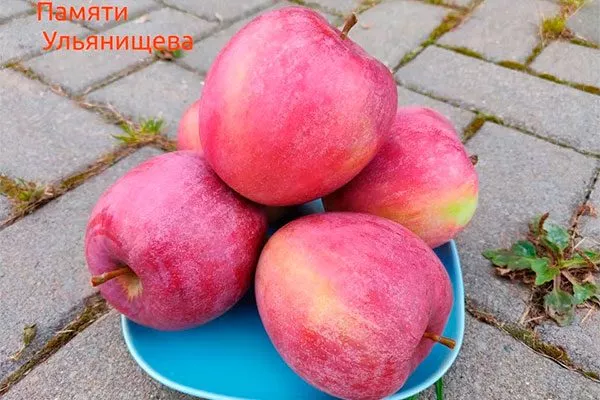
The variety is valued not only for its stability and productivity, but also for the high taste and nutritional qualities of its fruits.
Characteristics of the variety
Crop productivity is closely linked to its biological characteristics. Understanding a tree's key qualities not only helps improve performance but also avoid common growing mistakes. Proper agricultural practices ensure consistent fruiting.
Pollinators and yield
The 'Pamyat Ulyanishcheva' apple tree is self-fertile, meaning it produces consistently regardless of weather conditions or the presence of pollinators. Natural fruit set rates are 55-70%. To improve fruit set rates, plant nearby pollinator varieties with similar flowering times.
The tree begins to produce its first full harvest in the fifth year after planting, yielding up to 60–65 kg per plant. With age, the yield gradually increases, especially with proper care.
Ripening and fruiting
This is a late-autumn variety: the fruits reach harvestable maturity in mid-September, hold well on the branches, and do not fall off until harvest. The apple tree is noted for its early fruiting—the first harvests can be collected as early as the fourth year after planting.
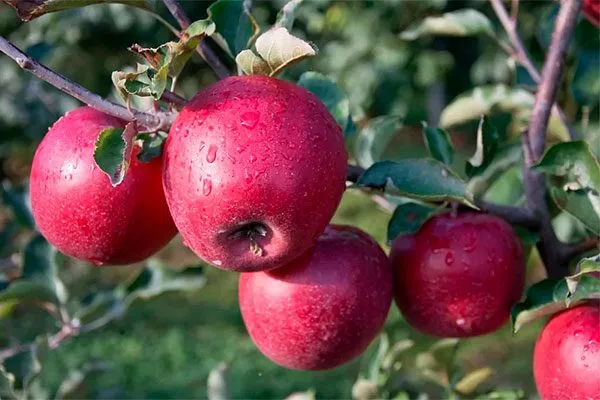
This variety has mixed fruiting: fruits form on rings, spears, and twigs. They grow densely, often with 2-3 fruits per node.
Drought and frost resistance
Variety trials confirmed the plant's high frost resistance in the Central Black Earth Region. Even with temperatures dropping to -35°C, no freezing of the bark or shoots was observed.
However, in cooler areas, such as the Moscow region, it is recommended that young trees be protected for the winter for the first 2-3 years after planting until they are fully established and strengthened.
The variety exhibits tolerance to short-term drought without affecting productivity. However, during prolonged drought, the plant requires regular, moderate watering.
Application and storage
Apples are suitable for both fresh consumption and processing—they make flavorful compotes, preserves, jellies, and other preserves. They have a long shelf life: when stored properly, they retain their freshness and flavor for up to 5 months.
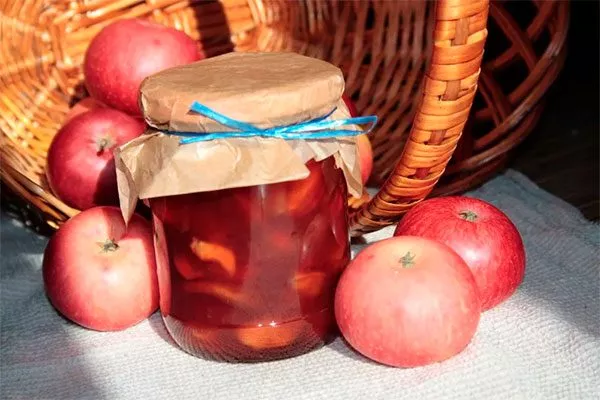
To ensure maximum long-term storage, it is recommended to adhere to certain conditions:
- Keep the crop in a darkened room at a temperature of +1…+3°C and air humidity of 80-85%.
- Since the fruits have thin skin, it's important not to damage it when harvesting. Pick them in dry weather, along with the stalks, avoiding mechanical damage.
- Before placing in wooden or cardboard boxes, wrap each piece of fruit in paper to prevent contact and minimize the risk of spoilage.
Rootstocks and subspecies
This variety is considered relatively new, so no subspecies have yet been identified, although breeding efforts are ongoing. It is most often grown on clonal standard rootstock, but dwarf and semi-dwarf rootstocks are also acceptable.
Landing
Proper apple tree cultivation is an important step for future growth and fruiting, but the process isn't particularly difficult. Even a novice gardener can easily handle the task if they follow simple guidelines. The key is to take your time and handle the seedling carefully.
Recommended timeframes
The "Pamyat Ulyanishcheva" apple tree can be planted either in the fall after the sap flow has ended or in the spring before the growing season begins. For fall planting, the optimal time is considered to be late September to early October, allowing the seedling to establish itself well before frost sets in.
Choosing a suitable location
Choose a well-lit location, protected from cold winds. The soil should be loose, fertile, and well-drained to avoid waterlogging.
Avoid planting the tree in low-lying areas or areas with a low water table. Consider the proximity of other plants—avoid dense plantings to ensure good air circulation around the tree.
What crops can and cannot be planted next to each other?
Fruit trees such as pear, plum, cherry, and some berries are good to plant near the "Pamyat Ulyanishcheva" apple tree—they won't compete for nutrients and will help create a favorable microclimate. Anteaters and green manures, which improve the soil, are also beneficial.
Selection and preparation of planting material
Choose strong, healthy seedlings with a well-developed root system—the roots should be flexible, free of rot and dryness. The optimal plant height is about 1-1.5 m, with a well-formed crown or at least several shoots.
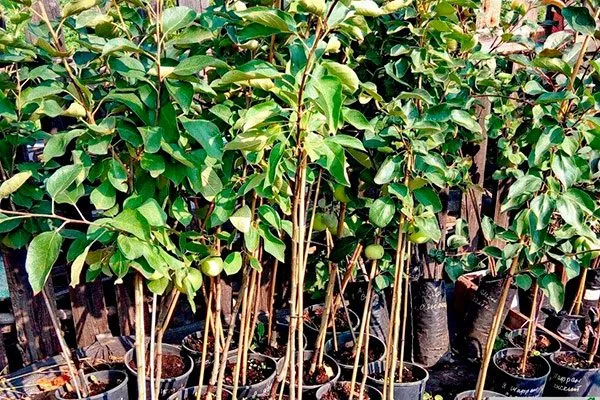
Key recommendations:
- Inspect the shoots: the bark should be intact, without damage or spots, and the leaves (if any) should be fresh, without signs of disease or pests.
- If the seedling is closed-root (in a pot), soak its roots for several hours in room-temperature water before planting. If the plant is open-root, carefully trim off any damaged or dry areas.
- To improve rooting, treat the roots with a growth stimulant (for example, Kornevin).
- Keep the planting material in a cool place with damp sand or sawdust to prevent the roots from drying out.
Such preparation will ensure good survival and health of the apple tree in the future.
Landing algorithm
The variety doesn't have any particular soil requirements, but it should be well-drained and neutral in pH. The groundwater level in the planting area should be at least 2 meters deep to prevent root damage from overwatering.
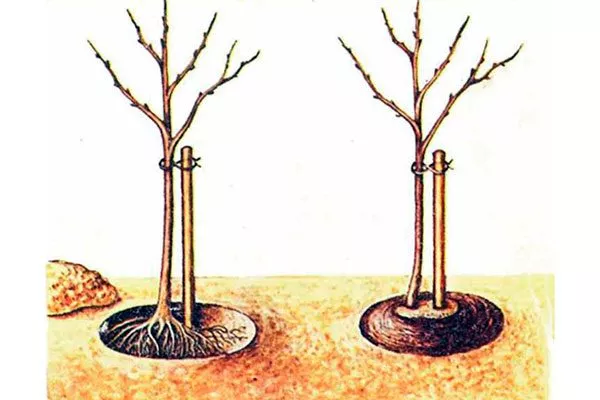
The step-by-step process of planting an apple tree looks like this:
- Place a 10 cm layer of broken brick or crushed stone at the bottom of the hole. Then fill the hole two-thirds full with a nutrient-rich mixture of turf, sand, humus, and peat in a 2:1:1:1 ratio. Add 200 g of wood ash to the mixture and mix thoroughly.
- Form a small mound in the center of the hole.
- Install a support 1.2-1.5 m high nearby.
- Inspect the roots of the seedling and remove damaged areas.
- Place the seedling on the mound so that the root collar is 3 cm above the soil level.
- Carefully spread the roots and cover them with soil, thoroughly filling all the gaps. Firm the soil around the base of the plant.
- Tie the seedling to the support. Water it generously.
Aftercare of the apple tree
The "Pamyat Ulyanishcheva" apple tree is easy and accessible to care for. Standard agricultural practices are essential.
Fertilizing and watering
During the first year after planting, regularly monitor the soil moisture, preventing the roots from drying out. If there isn't enough rainfall during this period, water the plant once a week, then approximately every 14 days.
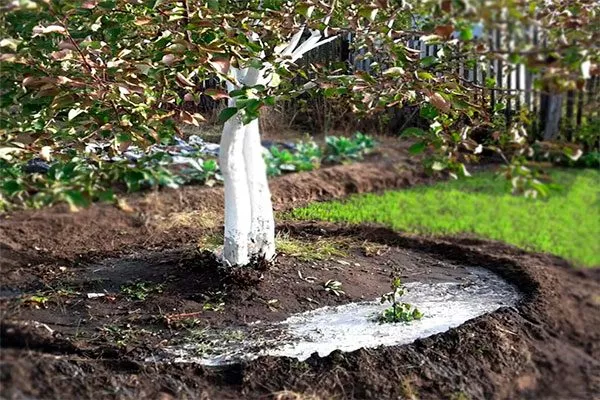
Please meet other requirements:
- Water a mature tree 3-4 times per season: before and after flowering, during fruit formation, and in the fall after harvest. Water so that water penetrates to a depth of about 10 cm throughout the entire area under the canopy.
- The variety responds well to fertilizing. During the period of active green growth, use organic fertilizers, as well as urea or ammonium nitrate.
- After flowering and during fruit formation, feed the apple tree with superphosphate (40-150 g) and potassium sulphide (30-100 g), adjusting the dosage depending on the age of the tree.
Weeding, loosening
Regularly removing weeds around the tree helps prevent competition for nutrients and moisture, which positively impacts root development. Loosening the soil improves aeration, allowing moisture and nutrients to reach the roots.
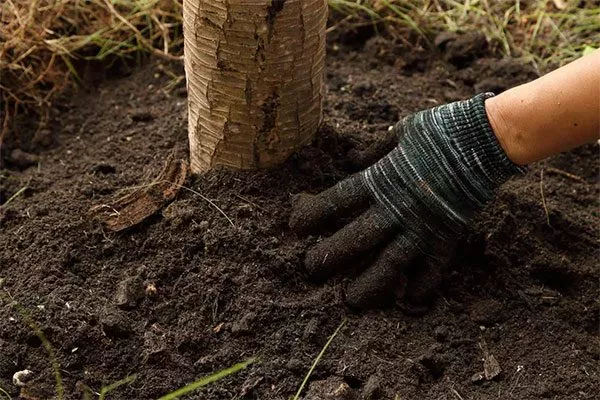
Loosen the soil after each watering or rain to prevent a hard crust from forming on the surface. Pay particular attention to the area under the tree's crown, being careful not to damage the roots.
Trimming
Structure the crown of the Pamyat Ulyanishcheva apple tree during the first 2-3 years after planting. During this period, establish the main skeletal branches and remove excess shoots.
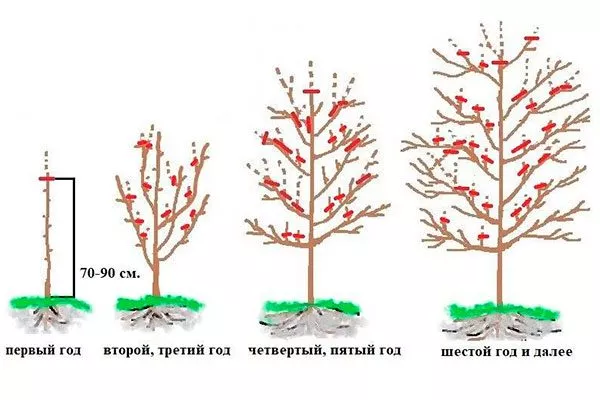
Use a sparse, layered crown formation scheme. In subsequent years, regularly prune broken and damaged branches to maintain the tree's health.
Preparing for winter
This plant is characterized by good winter hardiness, but requires additional protection during cold and harsh winters. Follow these recommendations:
- Wrap the trunk with roofing felt, agrofibre, roofing felt, or burlap, and place a thick layer of straw or dry grass around the base. You can also add a 10-15 cm layer of soil around the plant, which will need to be removed in the spring.
- To repel rodents, lubricate the trunk with melted lard or a pleasant-smelling grease.
- To protect the tree from insects that damage the bark and wood in the spring, whitewash the tree with lime solution to a height of 1.2-1.5 m.
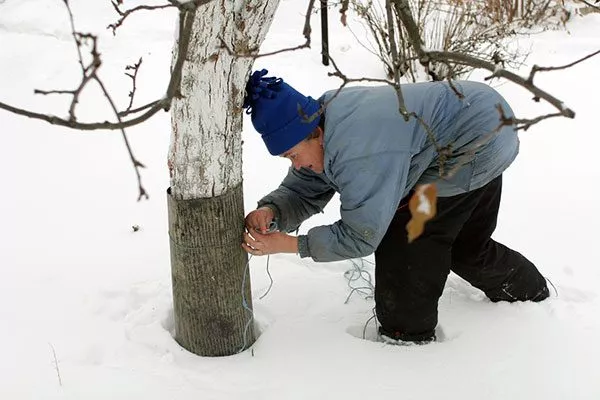
Regular treatment of the trunk with insecticides and fungicides helps prevent the development of pests and fungal diseases.
Diseases and pests
The variety has a high natural immunity, but in cool and damp summers, the apple tree can be susceptible to scab. This fungal disease attacks the leaves and fruit. To strengthen the tree's defenses, treat it with copper-containing preparations in early spring and late fall.
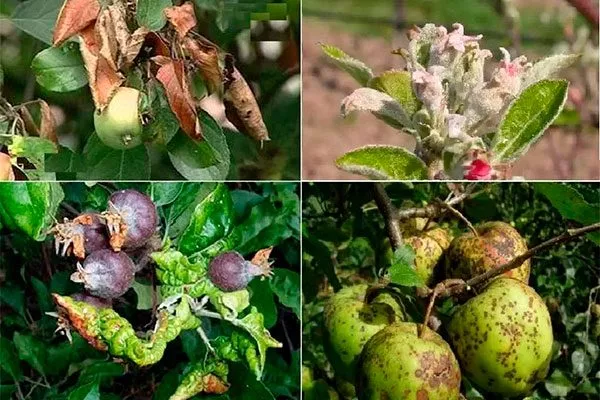
Apple trees are also threatened by the codling moth. To combat this pest, use insecticides such as Bi-58, Fufanon, and Karbofos.
Pros and cons
Ulyanishchev's memory is characterized by numerous advantages that distinguish it from other varieties. However, it also has some drawbacks that are worth noting.
Similar varieties
Several apple varieties share similar traits with the Pamyat Ulyanishcheva, but each has its own unique characteristics. Similar varieties:
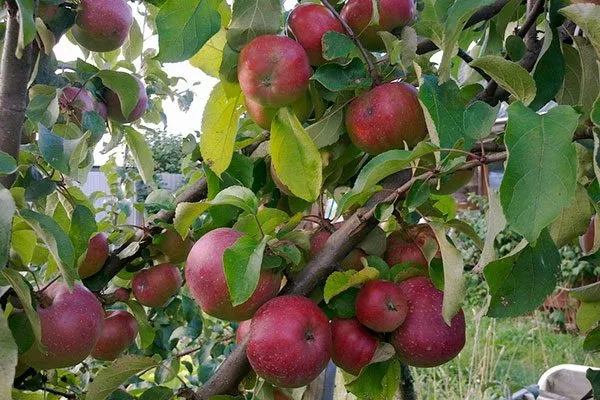
- Orlik - An old winter variety, bred in 1958 from the Mackintosh and Bessemyanka Michurinskaya varieties. Recommended for cultivation in central Russia.
The tree is medium-sized with a compact crown. The fruits are slightly flattened and conical, weighing approximately 170 g. The outer skin covers almost the entire surface of the apple and is a deep red blush with smoothly merging stripes.

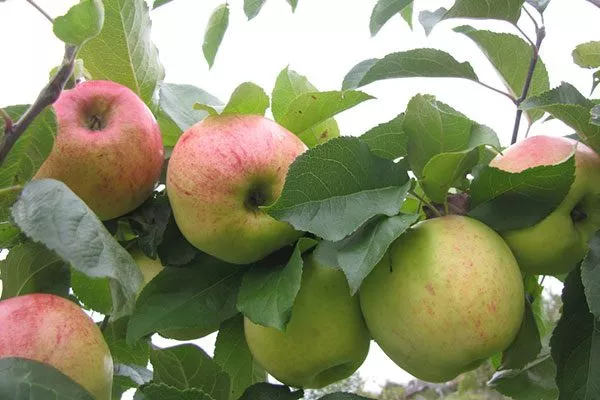
- Flagship – A winter variety intended for the Central Black Earth Region. Added to the State Register in 2009. This apple tree is medium-sized with a rounded crown.
The fruits are round and flattened, weighing approximately 170 g, and greenish-yellow in color. The integumentary layer occupies approximately half the surface and appears as a brownish-red, diffuse blush.
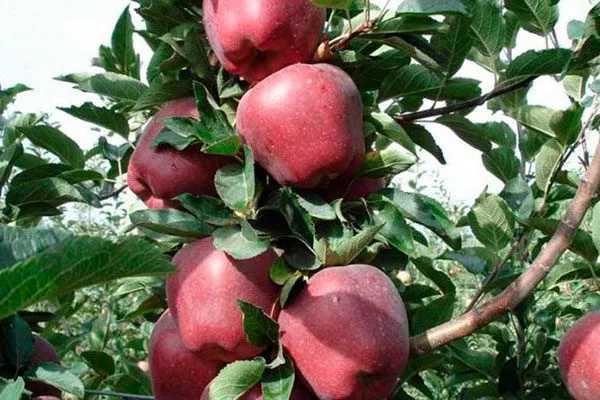
- Red Chief - An American-bred cultivar, a clone of Red Delicious, added to the Russian State Register in 2016. Recommended for the Central Black Earth and North Caucasus regions. It is characterized by rapid growth, reaching a height of 7-8 m.
The fruits are large, oblong-conical, weighing about 175 g. The color is green, with a covering in the form of a blurred red blush, covering most of the apple.
Reviews
The Pamyat Ulyanishcheva apple tree combines reliability and high-quality fruit. The compact tree is easy to train, and the delicious, large apples are ideal for fresh consumption and storage. Frost hardiness and high disease resistance make this variety practical and convenient for gardens, ensuring a consistent and abundant harvest each season.