
The columnar apple tree Ostankino attracts attention with its compact size and good productivity. It is considered an ideal choice for small plots. It is characterized by early fruiting, disease and pest resistance, and the fruits have an excellent dessert flavor and attractive marketable appearance.
History of apple tree breeding and regions for cultivation
The variety was developed back in 1974 at the Institute of Horticulture, located in Moscow's Biryulevo Vostochnoye district. The head of the breeding and genetics department, V. V. Kichina, led the development of the new variety.
The breeders' primary goal was to create a compact, productive tree with excellent-tasting fruit and resistance to adverse conditions. The variety is based on the Vazhak and Obilnoye apple trees. The new hybrid inherited their best traits and, in many ways, surpassed them.
Following successful testing, the variety was included in the State Register in 2002. Initially intended for cultivation in Central Russia, as well as in the Perm and Samara regions, it eventually spread to many regions of the country.
Features and specifications
This domestic dwarf apple variety is renowned for its many positive qualities, including generous yields with proper cultivation techniques. While this variety requires careful care and adherence to a number of conditions, with the right approach, it consistently produces abundant and high-quality harvests.
The appearance of the tree
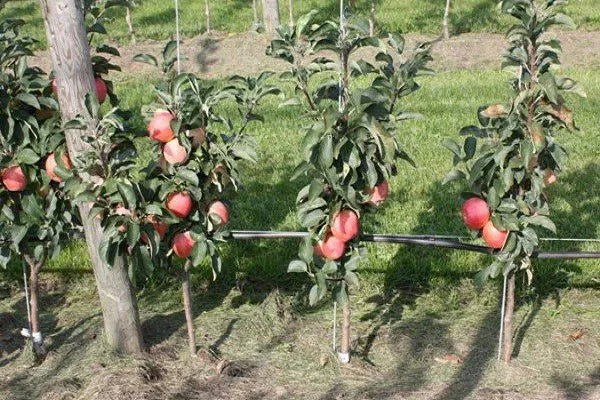
Ostankino is a medium-sized, compact plant reaching up to 2.5 m in height. Thanks to its thick, strong trunk, it can easily withstand the weight of fruiting and is unaffected by strong winds.
Distinctive features:
- crown – densely foliated, but not spreading - its diameter is only 40-50 cm, which makes the variety suitable for small areas;
- vegetative shoots – thick, covered with gray-brown bark without pubescence, with short internodes;
- kidneys – have a broadly conical shape and a grey-brown hue;
- leaves - large, up to 14 cm in length, obovate, smooth, dark green, with a serrated edge and pronounced veins;
- petioles – thickened, short, with an anthocyanin tint at the base;
- stipules – narrow, ovoid, with a dissected edge;
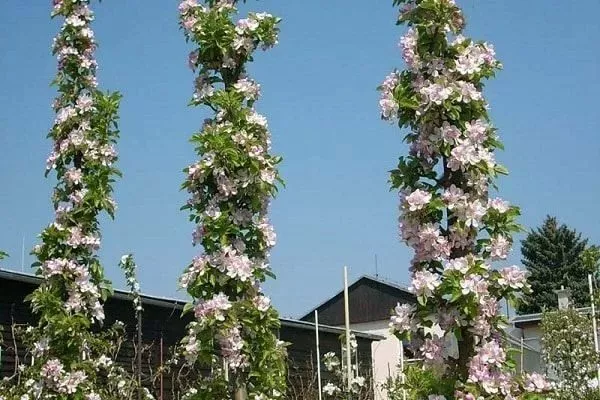
- buds – small, simple, with five white-pink petals that have a corrugated texture.
Flowering begins in the second half of May. All flowers produce ovaries, so thinning is recommended to improve the quality and size of the fruit.
Description of fruits
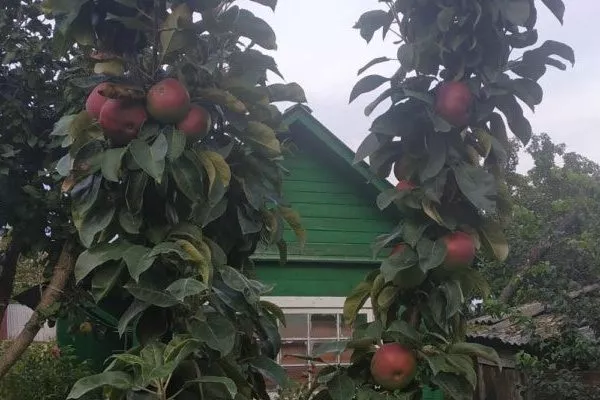
Apples form densely and evenly along the entire length of the trunk, starting at a height of 35-40 cm from the ground. Their main characteristics:
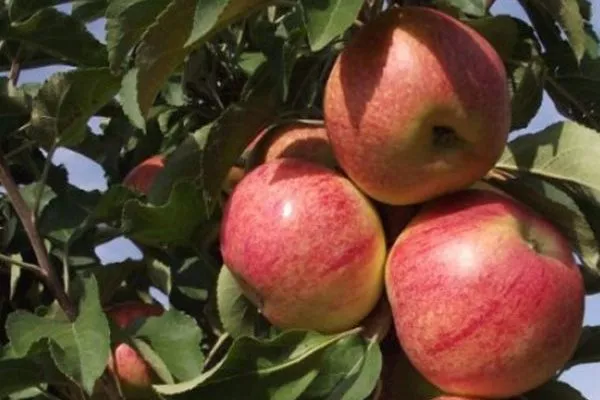
- form - round, slightly flattened;
- weight - varies from 100 to 150 g, but larger specimens weighing up to 250-300 g are often found;
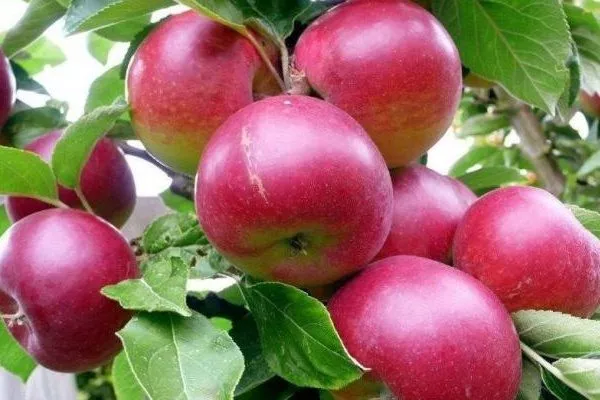
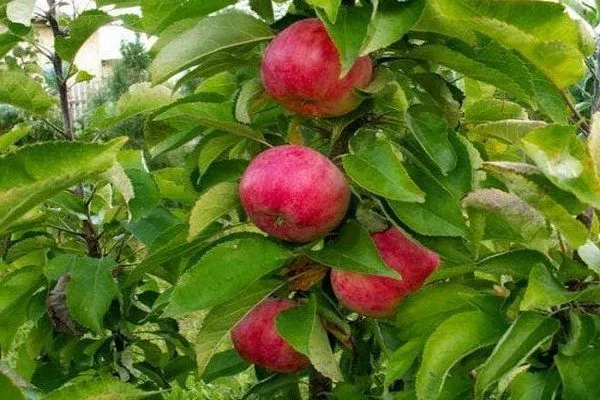
- coloring – two-color: the main background is greenish-yellow, and the cover color is a red-violet blush, occupying approximately two-thirds of the surface;
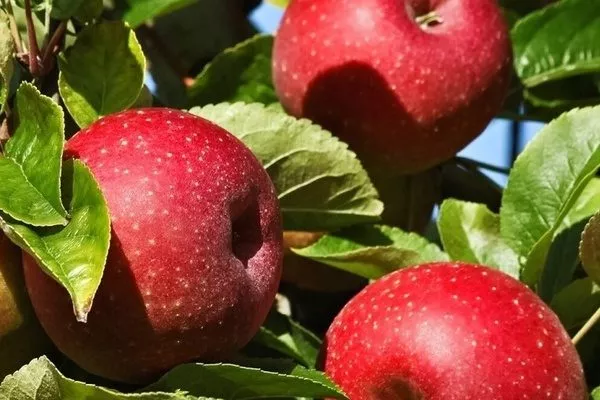
- skin – thin but dense, resistant to damage;
- seminal chambers – closed type;
- peduncles – short;
- axial cavity – absent;
- pulp – When cut, it is white, juicy, with a fine-grained texture.
Taste, application, storage
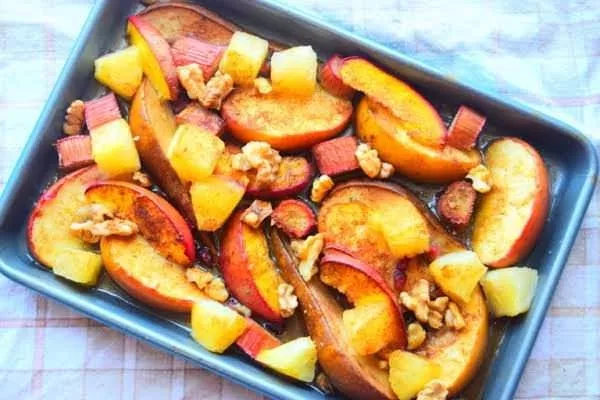
The Ostankino apple tree's fruits have a pleasant, balanced dessert flavor, dominated by sweetness and a hint of tartness. These apples are versatile: they're delicious fresh and suitable for processing, such as making juice, preserves, and jams. In a tasting, the variety received a score of 4.3 out of 5 possible points.
Harvest in dry weather, preferably in the morning. For best shelf life, trim the fruit with scissors, stems included. Store in cardboard boxes, layering them with paper. Ideal conditions include a dark room with a temperature of 2 to 4°C and humidity around 70%. This will ensure a long shelf life without loss of quality.
Pollination, ripening, fruiting and yield
It's a self-pollinating variety, allowing it to produce apples without the need for nearby pollinator trees. Thanks to this characteristic, the variety consistently demonstrates high fruit set.
The crop is characterized by early fruiting—the first fruits can be harvested as early as the second year after planting. Harvest usually occurs in early or mid-September, depending on the regional climate. By the age of five, the tree produces up to 7-9 kg of yield, and with proper care, this figure can double.
Resistance to frost, diseases and insects
The apple tree has moderate frost resistance and can easily withstand temperatures down to -25°C, making it suitable for growing in central Russia. The tree overwinters successfully and does not require extensive shelter in temperate climates.
The variety has high resistance to scab and other common fungal diseases, and also exhibits low susceptibility to pests. However, if agricultural practices are not followed, the risk of damage increases. Therefore, regular preventative treatments are recommended.
Features of cultivation
Columnar apple trees, due to their compact size, require more careful care than standard varieties. They require regular watering, systematic fertilizing, special pruning, and adequate shelter during the cold season. However, they require minimal care, and harvesting is significantly easier.
Choosing a location
The apple tree is characterized by its decorative shape and does not form long side shoots, making it ideal for planting along garden paths. Basic requirements:
- Choose a sunny, wind-protected location, such as near a fence, buildings, or tall trees.
- These trees are typically planted in groups rather than individually to ensure better pollination and increased yield. The optimal planting pattern is 50 cm between plants in a row and 100 cm between rows.
- When purchasing, carefully inspect the seedling: the top shouldn't be dry or wrinkled. A damaged central conductor will result in a typical, spreading crown instead of a compact, columnar shape.
Landing
Ostankino has a compact root system, so in fertile soils, pre-drilling a planting hole is not necessary. However, when planting in clay or sandy soils, it is important to provide additional nutrition for the seedling.
Step-by-step algorithm:
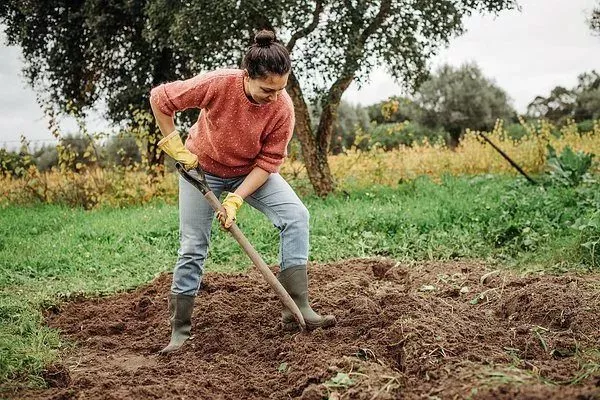
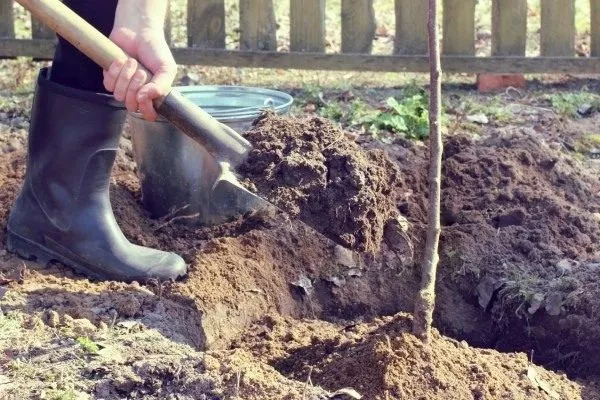
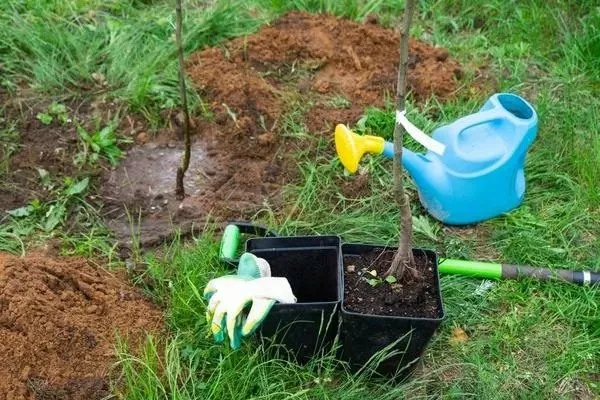
- 2-3 weeks before planting (or if planting in spring, prepare the hole in the fall), dig a hole at least 50 cm in diameter and about 60 cm deep.
- Mix the excavated soil with equal parts humus or compost. In acidic soils, add approximately 100 g of slaked lime or dolomite flour to neutralize the acidity. Fill the hole with the resulting mixture.
- Make a hole the size of the roots, and position the seedling so that the root collar is level with the surface and the graft is 7-10 cm higher. Do not pack the soil around the roots too tightly to ensure oxygen access and prevent root rot.
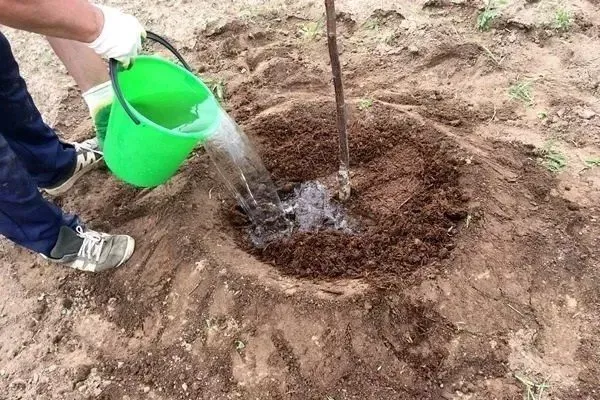
- To ensure stability, tie the young tree to a stake, then water it well and mulch the area around the trunk to retain moisture and protect the roots.
Watering and weeding
Columnar apple trees are unable to extract moisture from deep soil layers. The best solution for providing the tree with water is drip irrigation. If this is not possible, water the plant 2-3 times a week during dry periods.
Weeds are a serious threat to dwarf plants, especially in the first years of growth. They shade young plants and steal water and nutrients. Since the Ostankino's roots are mostly located close to the surface, digging around the trunk is not recommended, so carefully remove weeds by hand.
Pest control
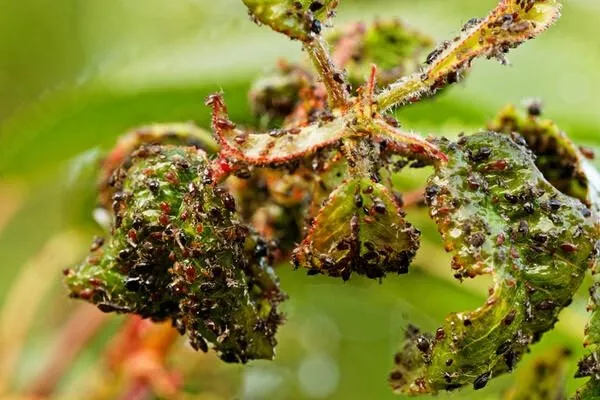
The crop is highly disease-resistant but attracts pests, especially aphids. These insects are very prolific—a single female can lay up to 100 eggs every 10-15 days. Aphid larvae overwinter on branches at the base of buds and can hide underground, where they are protected by ants.
With the onset of warmer weather and the emergence of the first leaves, aphids become active, so control or preventative measures should begin early in the spring, immediately after bud break. Use universal insecticides – they will help kill not only aphids but also other pests.
Effective products include: Karbofos (60 g per 10 liters of water), Aktara (2-4 g per 10 liters), Iskra (1 tablet per 10 liters), etc. Repeat treatment after 1.5-2 weeks. To control codling moth, spray immediately after flowering and after 10 days.
Top dressing
A columnar apple tree that has already begun to bear fruit requires enhanced nutrition. From the moment the leaves emerge, apply nitrogen-containing fertilizers three times, at two-week intervals. Suitable infusions include:
- fresh mullein - diluted in a ratio of 1:10 with water;
- bird droppings – 1:20;
- nettles - pour water over the grass and place it in the sun, after fermentation is complete, dilute it 1:5.
Use ready-made horse manure extracts or specialized vermicompost complex fertilizers for apple trees. Urea or ammonium nitrate (50 g per 10 liters of water) are beneficial. Apply as you would for regular watering. Alternate different types of fertilizer.
After harvesting, in the fall, evenly scatter 40 g of superphosphate and 200 g of wood ash around the tree trunks, or use complex fertilizers for autumn feeding of the garden:
- Fasco;
- Forte;
- Agrooptorg;
- Vetch;
- Autumn universal, etc.
Preparing for winter
When daytime temperatures consistently drop below 10°C, insects hibernate and are unable to actively move or seek new shelter. If you mulched the tree trunk area with hay, straw, or grass in the summer, remove these materials to deprive pests of overwintering sites. Mice can also be found in the mulch.
Key recommendations:
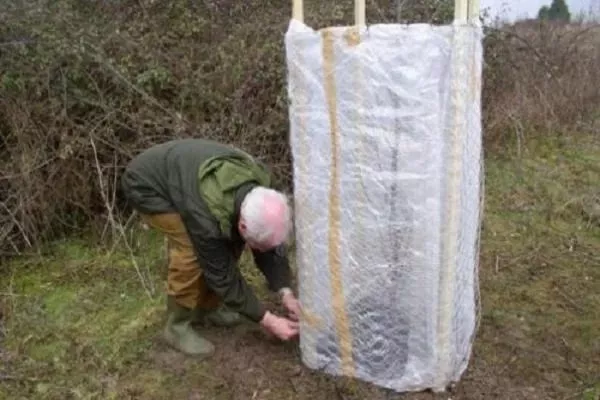
- After cleaning the tree trunk circle, cover it with spruce branches, tying them around the apple tree trunk at the same time, placing the branches with the needles facing down.
- For additional protection, cover the ground around the tree with burlap, newspaper, or another breathable material. These measures not only protect the dwarf trees but also make the area beautiful even in winter.
- Rake the snow toward the tree, trying to bury it as high as possible. In the spring, when the ground thaws and warms, remove the coverings and apply a fresh layer of mulch only after the soil is ready for planting and fertilizing.
Pruning and shaping
Frostbite of the apical bud is possible near Ostankino. There are several measures that can help avoid various problems in the future.
What should you remember?
The top of columnar apple trees should not be shortened or damaged, as this significantly complicates and prolongs the pruning and crown shaping process. In this case, you will have to constantly select one main shoot, one guide shoot, or one of the new shoots, and remove the rest.
If frozen, dried, or broken tree tops are ignored, the tree will grow into a panicle-like structure with numerous long shoots. These shoots will also freeze and branch out, leading to a broad crown and reduced productivity, especially for inexperienced gardeners.
Stages and rules of formation
The apple tree grows as a compact columnar form, with virtually no lateral branches. To ensure the tree looks neat and produces a rewarding harvest, adhere to the following structuring guidelines:
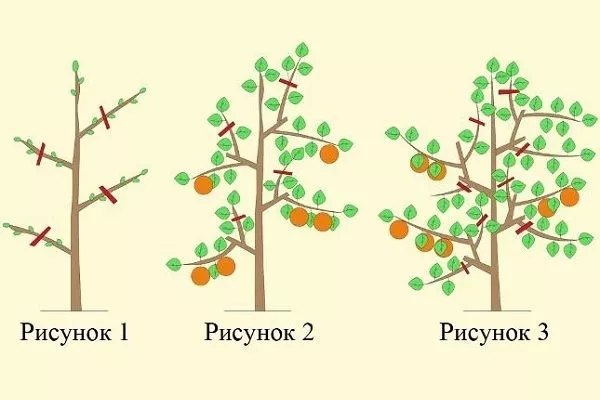
- The main trunk should remain single. If branches (spurs) or 3-4 shoots appear at the top, select the most vertically growing one and remove the rest.
- In the first year after planting, shorten the side branches, leaving branches with two buds on them.
- In the second year, secondary shoots will grow from these buds. Leave the horizontally growing one intact, and prune the one growing upward, closer to the trunk, to two buds. The intact branch will bear fruit, and new shoots will emerge from the shortened one.
- In the third year, repeat the pattern: leave the shoot that is most deviated from the trunk intact, and cut the vertical one back to two buds.
- After the branch bears fruit, cut it back to the ring, just below the trunk. This forms fruiting links, which bear fruit for about five years. Afterward, remove them, exposing the lower part of the tree.
Pros and cons
The Ostankino apple tree has many advantages that allow it to compete successfully with new varieties. However, when choosing this variety, it's important to consider some of its disadvantages.
Pros:
Cons:
Reviews
The Ostankino apple tree combines ornamental beauty with fruitfulness, making it a popular choice for limited spaces. Despite its relatively short life cycle, it delivers a stable and delicious harvest from an early age. Its compact size, ease of care, and high adaptability make it an ideal choice for modern gardeners.