
The "Osennee Polosatoe" apple tree is an old autumn variety, one of the most common among home-bred apple trees. Over many years of cultivation, this apple variety has proven its reliability, productivity, and adaptability to various climatic conditions.
History of the variety's creation
The Autumn Striped variety was developed in the Baltics through folk selection. These apples have been widely cultivated since 1947. Other names include Livonian Grafenstein, Autumn Streifling, Shtrifel, Autumn Striped, and Obrezkovoe.
This variety is widespread in central Russia. It is recommended for cultivation in the Northern, Northwestern, Central, Volga-Vyatka, Central Black Earth, and Middle Volga regions.
Description of the tree
The Autumn Striped variety has a vigorous tree with strong branches and abundant foliage. It can reach a height of 10 meters.
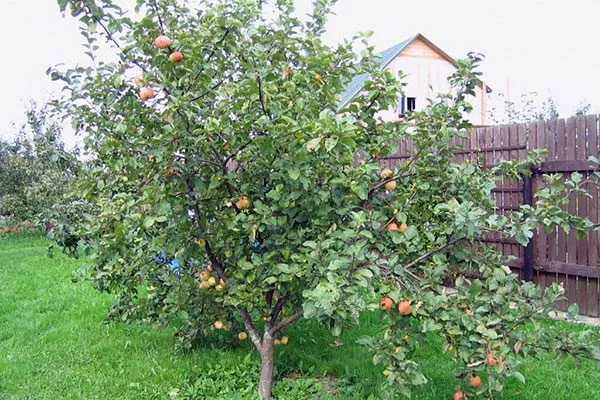
Tree description:
- Crown wide, cauldron-shaped, with drooping ends of branches.
- Escapesthick, brown, heavily pubescent.
- Leaves Rounded, wide, with jagged, coarsely serrated edges. The leaf blade surface is wrinkled and heavily pubescent.
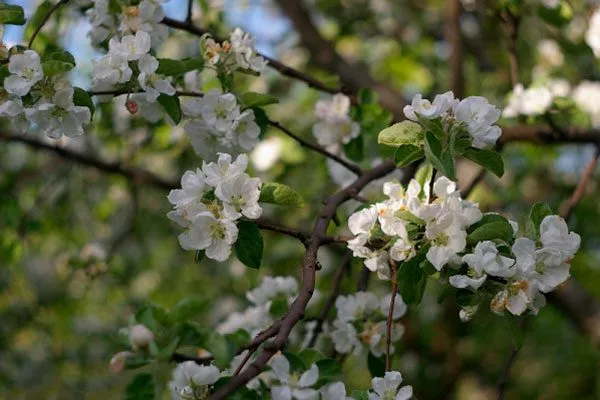
- Flowers Large, saucer- or cup-shaped. The buds are light pink, and the petals are white; they are rounded and slightly concave.

- Bark smooth, slightly shiny.
- Lentils round or elongated, light yellow in color.
- Kidneys wide, convex, gray in color.
Description of fruits
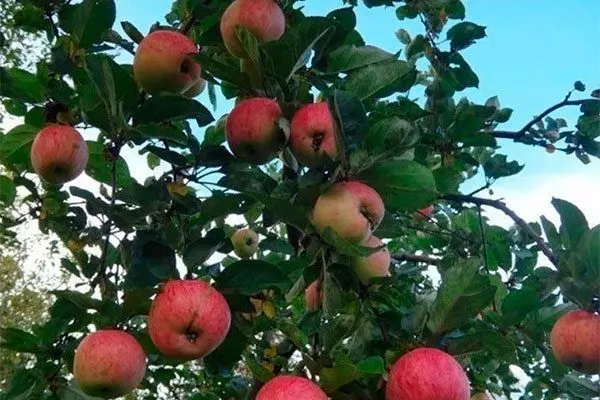
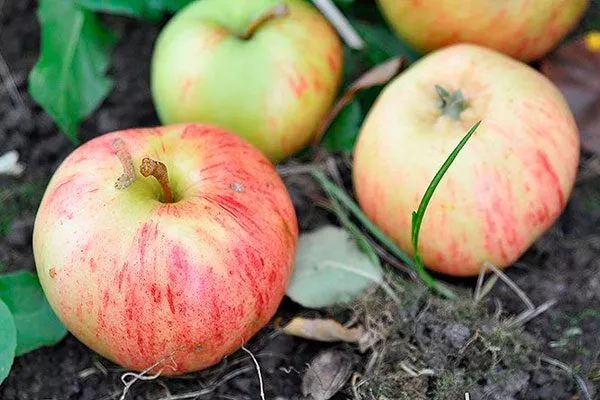
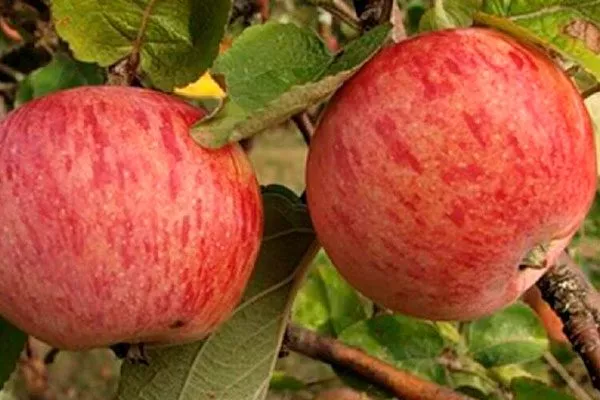
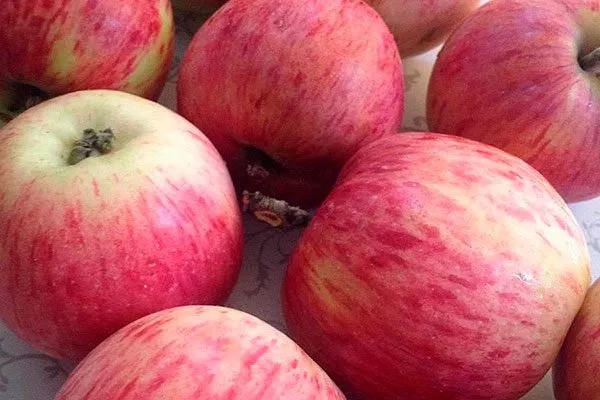
The fruits of the Autumn Striped variety are large, smooth, often with uneven sides and well-defined ribs at the base.
- Main color: greenish-yellow, yellow when removed.
- Intercession coloring: initially in the form of orange-red stripes on a mottled background, becoming brownish as they mature.
- Form: truncated-conical or rounded-conical.
- Skin: dense, slightly oily, shiny, with a thin matte finish.
- Seeds: brown, large, long.
- Pulp: light lemon, sometimes pinkish, loose.
- Average weight: 160-180 g.
- Maximum weight: 200 g
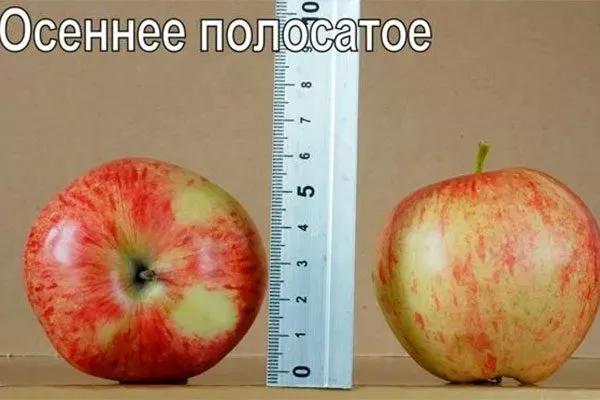
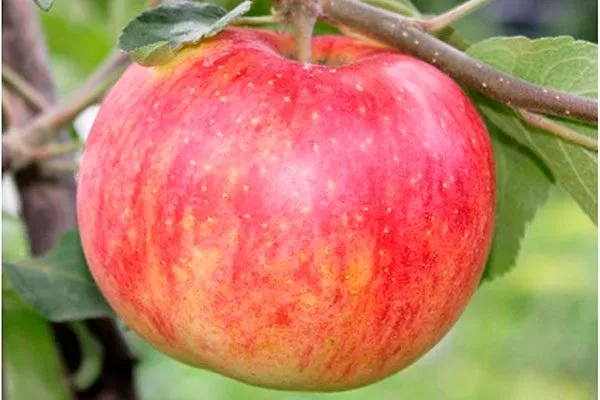
There are also red-fruited mutations of the Livonian apple tree - with dark red fruits.
Characteristics
The Autumn Striped variety has good agronomic characteristics, allowing it to be successfully grown in most regions of Russia.
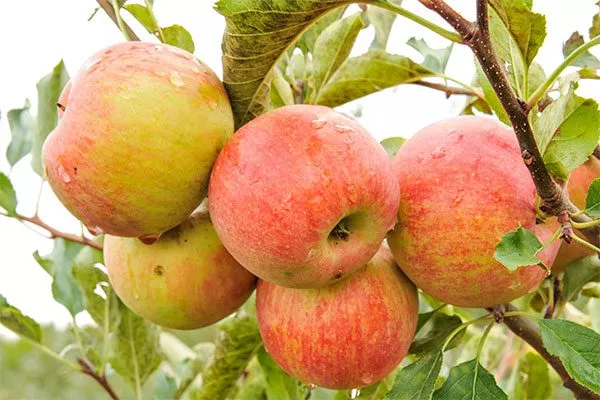
Main characteristics of the Shtrifel variety:
- Productivity. Mature trees yield 15–18 tons per hectare. Young trees yield slightly less, but bear fruit annually; mature apple trees over 18–20 years old bear fruit intermittently. The average yield is 75–85 kg. However, larger yields are possible—up to 300 kg per tree.
- Winter hardiness. This variety is winter-hardy. Trees can withstand temperatures down to -25 to -30°C and maintain fruit production even after extremely cold winters.
- Disease resistance. Average or above average. Despite the lack of genetic immunity to infectious fungal diseases, the Autumn Striped apple tree is rarely affected by scab and powdery mildew. Infections are most common in cool and wet years.
- Early fruiting: The apple tree usually produces its first harvest in the 8th or 9th year after planting.
- Drought resistance: weak. During drought, trees may shed their leaves prematurely.
- Ripening periods. This is an early autumn variety. The apples ripen in late September to early October.
- Longevity of trees. With proper care, apple trees bear fruit for 30 years or more.
Taste and application
The apples have a balanced, sweet and sour flavor with a slightly spicy aftertaste. Wine notes may be present. They are versatile; the fruits are eaten fresh and processed. Over time, the apples become even tastier and sweeter. However, they are not intended for long-term storage.
Chemical composition of fruits:
- Sugars - 10.1%.
- Titratable acids - 0.57%.
- Ascorbic acid - 8.3 mg/100 g.
- P-active substances - 280 mg/100 g.
- Pectin substances - 12.0%.
Pros and cons of the Autumn Striped variety
Before planting the Autumn Striped apple tree, it's a good idea to familiarize yourself with all its advantages and disadvantages. This will help you determine whether this ancient variety is suitable for your garden.
Landing
A tree's yield, health, and viability largely depend on proper planting. It's important not only to purchase high-quality planting material but also to plant it according to the prescribed technology.
Selecting a seedling
Seedlings of various ages can be used for planting. Nurseries offer the "Osennee Polosatoe" variety in a fairly wide age range. You can find not only 2-5 year-old seedlings but also older ones—6-7 years old.
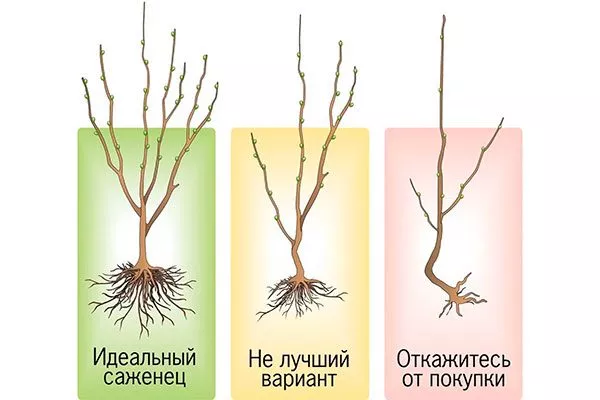
It's advisable to purchase seedlings with a closed root system (CRS). Containerized apple trees are transplanted with the root ball in place using the transshipment method. They don't experience transplant stress and can survive even in summer. Bare-rooted seedlings should not be planted in summer, as their roots may overheat after planting due to high soil temperatures.
Selecting a site
The Streifling apple tree thrives in sunny areas protected from cold winds. The tree is planted on level or slightly elevated sites. South- and southwest-facing slopes are best. Low-lying areas where meltwater and rainwater accumulate are unsuitable, as the tree's roots will rot and eventually die.
Other recommendations for choosing a site for the Autumn Striped apple tree:
- The soils should be loose and fertile, with a neutral pH. Waterlogged and dry sandy soils are unsuitable, as are areas with lime, crushed stone, and dense clay horizons. Light loams are ideal, but sandy loams and light chernozems are also suitable.
- The minimum groundwater level is 2 m. If the water table is higher, the tree's roots will rot.
- The distance to the nearest trees should be at least 5-6 m.
- Locations where old trees grew are unsuitable, as the soil there is depleted. Furthermore, these areas may harbor pathogens that affect apple trees.
- The best neighbors for apple trees are pear, plum, cherry, honeysuckle, raspberry, and maple. To repel pests, lupines and marigolds can be planted near apple trees; these flowers not only provide excellent garden decoration but also repel certain insect pests.
- Bad neighbors: peach, bird cherry, viburnum, rose hips, gooseberries and black currants, sunflowers, conifers.
When choosing neighbors, consider the size of the tree canopies and their root systems. They should be located at different levels to avoid competition for moisture and nutrients.
Site preparation
About a few months before planting, this allows the fertilizer to dissolve and soak into the soil. If planting in the spring, you can prepare the site (and then the planting holes) in the fall.
Features of site preparation:
- The area where you plan to plant one or more apple trees is thoroughly cleared of plant debris and dug up to a spade depth. During digging, remove any rhizomes of perennial weeds (sow thistle, couch grass, etc.).
- Organic fertilizers are added during digging, such as well-rotted compost at a rate of 10 kg per square meter. If the soil is poorly fertile, mineral fertilizers, such as nitroammophoska, are also helpful. Apply 40–50 g per square meter.
- The optimal soil acidity for apple trees is pH 5.5–6.5. If the soil is too acidic, it should be deacidified using wood ash, slaked lime, or dolomite flour—apply 300–400 g per square meter.
- If the soil is too alkaline, it is necessary to increase its acidity using high-moor peat - add 1.5 kg per 1 sq.m.
- Heavy clay soils should be loosened with coarse-grained river sand. Add 10 kg per square meter. Add the same amount of clay to sandy soil to help retain moisture and nutrients.
- The surface of the site must be leveled. This prevents the formation of potholes and uneven areas where water can accumulate.
How to prepare a planting hole?
The hole should be prepared approximately a month before planting the apple tree, or at least 10-12 days beforehand. For spring planting, the holes can be prepared in the fall. It's important to allow the fertilizer placed in the hole to dissolve and the soil to settle.
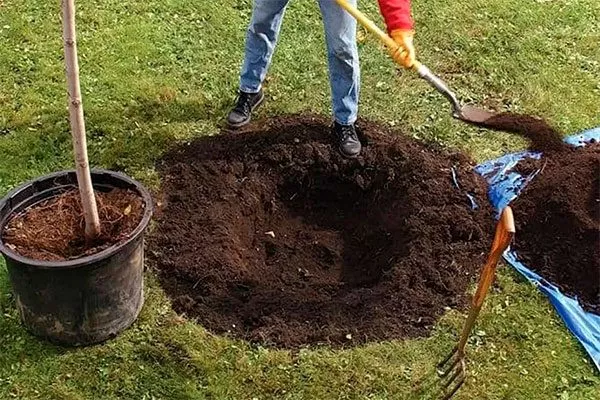
The last point is important for the root collar: if you plant a tree in a freshly dug hole, the soil will settle over time and the root collar will deepen, which is unacceptable, as it can lead to rotting and the subsequent death of the tree.
Features of preparing a hole for planting the Streifling apple tree:
- The hole should be large enough to accommodate the seedling's root system. The minimum depth is 60 cm, and the diameter is 80 cm.
- The distance between adjacent holes (if two or more trees are being planted) is 4-5 m. Between adjacent rows (if an entire garden is being planted) is 5-6 m.
- If the soil is normal or clayey, a layer of drainage material should be placed on the bottom to wick away moisture from the roots. You can use pebbles, expanded clay, crushed stone, broken brick, etc. The drainage layer should be 8-10 cm thick.
- To fill the hole, prepare a soil mixture from the top layer of soil obtained when digging the hole, humus (or rotted manure) and sand, mixed in a ratio of 1:2:1.
- Fill the hole one-third full with the prepared soil mixture, to which it is recommended to add 30-40 g of superphosphate and potassium sulfate, and 250 ml of wood ash. Mix everything thoroughly and leave it until planting.
Preparing a seedling for planting
To ensure that a seedling takes root quickly and well, does not become diseased, and is strong and viable, it is prepared in a certain way before planting.
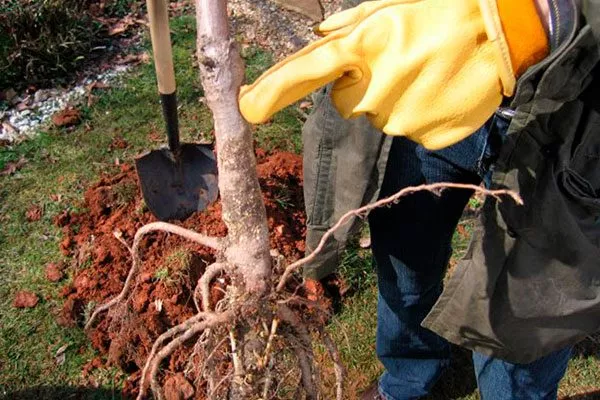
Features of preparing Autumn Striped apple tree seedlings:
- The roots are inspected to identify and remove any dry or rotten areas. Broken shoots are also trimmed. Trimming should be done down to healthy tissue—the cut should be white. Roots with swellings—signs of disease—are also removed.
- Remove roots growing upward or toward the center of the root system, as well as shoots with flattened ends or damaged bark. Pruning is performed with sharp, disinfected pruning shears. Trim any roots that are too long. They should not be longer than 30 cm, otherwise they will bend, which is undesirable when planting a tree.
- The seedling's roots are immersed in a container of water for 5-12 hours. Do not leave them longer, otherwise they will become oxygen-starved. The root collar should not be submerged in water. The water temperature should be the same as the air temperature, but not below 5°C.
Planting a seedling
For planting, it is advisable to choose a cloudy day, morning or evening, as exposure to sunlight can cause burns on the seedling.
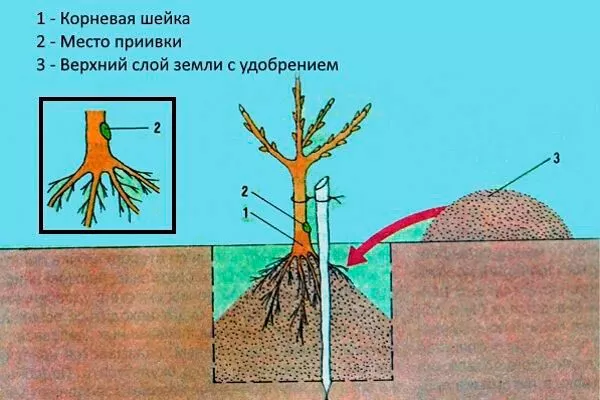
If planting a container seedling, water it thoroughly beforehand to ensure the entire root ball is wet. This is essential to ensure the root system and soil can be removed from the container with minimal effort and without damaging the roots.
Features of planting a seedling of the Autumn Striped variety:
- A seedling with a closed root system is simply transferred to the hole using the transshipment method. Bare-rooted trees, on the other hand, are placed on top of a mound of soil made from the soil mixture poured into the planting hole.
- The empty spaces are filled with fertile soil, which is periodically compacted. The seedling itself is shaken periodically. This manipulation helps prevent air pockets from forming between the roots.
- After planting, the root collar of the seedling should be 5–6 cm above the ground surface.
- A trunk circle is formed around the trunk to prevent water from flowing out during watering, and the tree is watered generously with warm, settled water.
- After the moisture has been absorbed, the tree trunk area is mulched with peat, grass clippings, straw, etc. Mulching slows water evaporation from the soil. Mulch also prevents weed growth.
- The top of the seedling is shortened to 80-90 cm. Lateral shoots are trimmed back by two-thirds. Buds at a height of 50 cm from the ground are removed to prevent the young tree from wasting energy on unnecessary shoots.
- The tree is tied with a figure-eight loop to a pre-installed support. Soft twine, bandage, fabric, or plastic are used for tying.
Care
The Autumn Striped apple tree isn't fussy, but it does require care. Moreover, the yield, flavor, size, and marketability of the apples directly depend on the quality and regularity of this care.
Watering
The Streifling apple tree requires abundant and regular watering, as this variety does not tolerate drought well. Without adequate watering, the tree begins to shed its leaves and fruit.
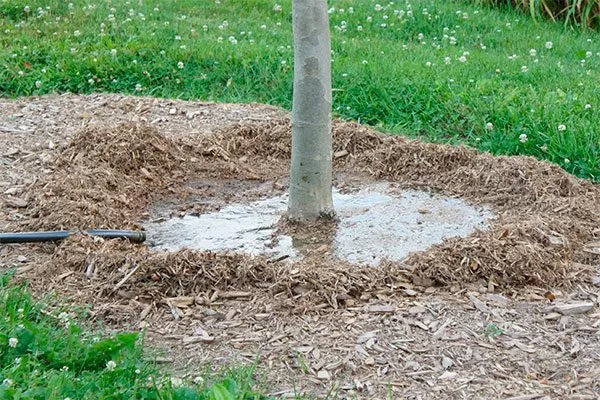
Watering features:
- After planting, water the tree 1-2 times a week to help the seedling establish itself quickly. Mature trees are watered as needed, typically 1-2 times a month.
- The watering rate for a young tree is 20-30 liters of water, for an adult tree - 50-70 liters of water.
- Watering is especially important during flowering and fruit ripening. Just before the onset of frost, perform a moisture-replenishing watering.
- It is not recommended to water the apple tree immediately before and during harvesting, as this may cause the fruit to crack.
Top dressing
The Autumn Striped variety is fertilized 4-5 times per season. Fertilizers are selected based on the tree's needs at this stage of the growing season.
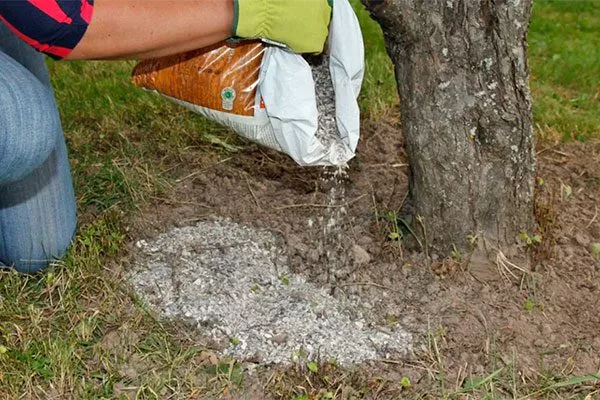
Approximate feeding regime:
- After the snow melts, mulch the tree trunk with rotted manure (30 kg per tree). Rain and watering will dissolve the nutrients into the soil.
- In April and early May, the tree is fed with a urea solution (50 g per 10 liters of water) or nitroammophoska (40 g per 10 liters). A young seedling requires 20 liters of solution, while a fruiting tree requires 30-60 liters.
- During the flowering period, the apple tree is sprayed with boric acid (5 g per 10 l of water) to improve fruit set.
- When the ovaries fall off, add mullein or bird droppings, diluted with water 1:10 and 1:20, respectively.
- During fruit ripening, it is recommended to carry out foliar feeding using preparations containing microelements - copper, manganese, boron, magnesium, zinc, molybdenum.
- In September, apply phosphorus-potassium fertilizers to the roots to help the tree prepare for winter. Suitable options include superphosphate (50 g per 10 liters) or potassium sulfate (30 g per bucket of water).
Trimming
The Autumn Striped variety requires regular pruning, both formative and sanitary. Formative pruning is necessary when the tree is young to create a strong skeleton, and when mature, it is used to thin out the crown. It is important to prevent the crown from becoming too dense and to ensure good light for the fruit.
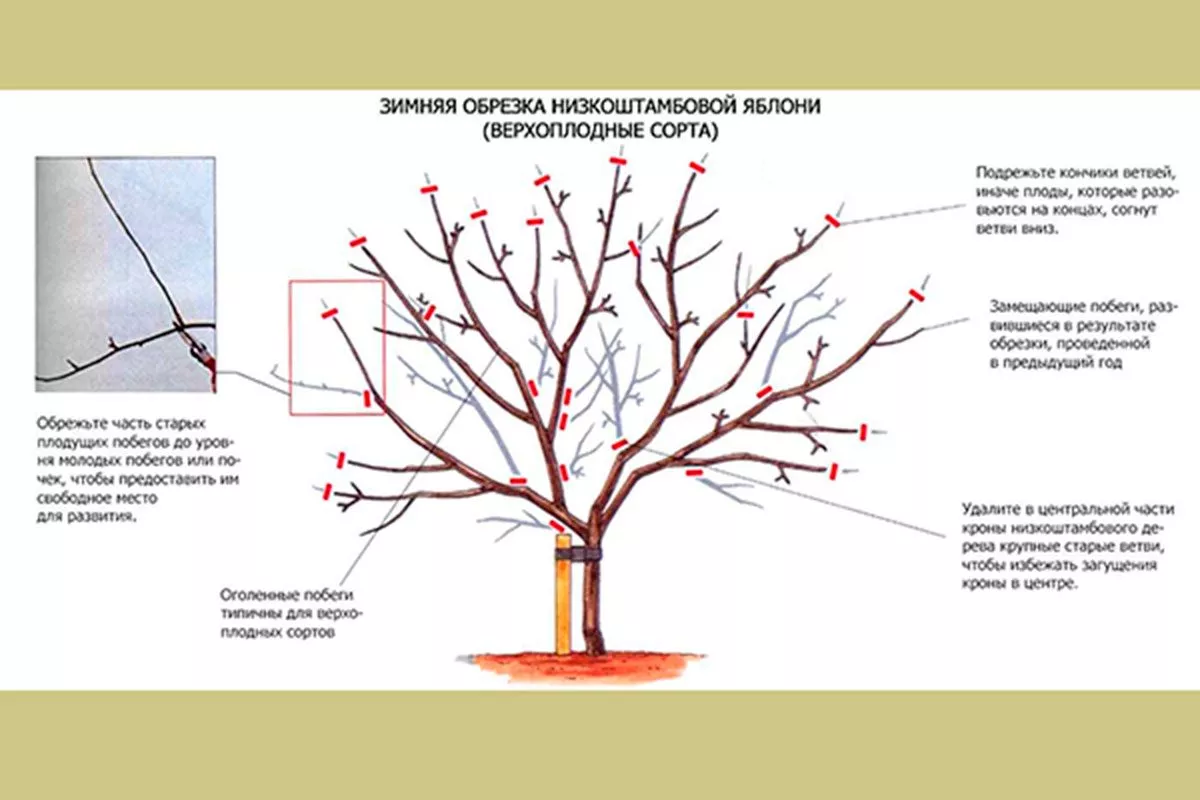
The Streifling variety has virtually no superfluous branches. The only precaution required is to promptly remove shoots growing inward and parallel to the trunk—either downward or upward. During sanitary pruning, all broken, weak, dry, and damaged branches are removed.
Both formative and sanitary pruning are performed in the spring, before the buds swell. Old apple trees are periodically rejuvenated to increase yield and extend their lifespan.
Preparing for winter
In regions where winter temperatures are critically low for Livonian apple trees, the tree needs to be insulated in anticipation of the cold weather. Mulching the area around the tree's trunk is essential—applying a thick layer of peat, sawdust, straw, or wood chips.
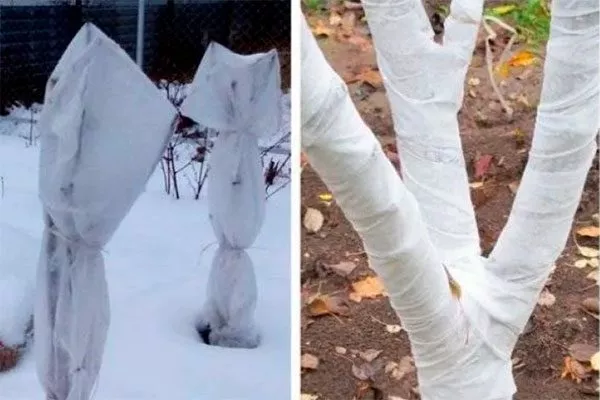
Young apple trees (and their trunks) are wrapped in several layers of agrofibre or spunbond. The covering material is secured with rope or twine. To protect the tree trunk from rodents, it is wrapped in fine-mesh metal mesh.
In regions with consistently snowy winters, a snowdrift is formed around the trunk, onto which snow is regularly piled. Spruce branches can also be used to insulate trees. However, plastic film should not be used, as it does not allow air to pass through, which can lead to bark rot.
Pest and disease control
The "Osennee Polosatoye" variety has good immunity, but under unfavorable conditions it can be affected by scab. To combat this, use "Fitosporin," "Skor," "Strobi," or similar products. It is also recommended to whitewash the trunk with a special lime and copper sulfate mixture to kill fungal spores.
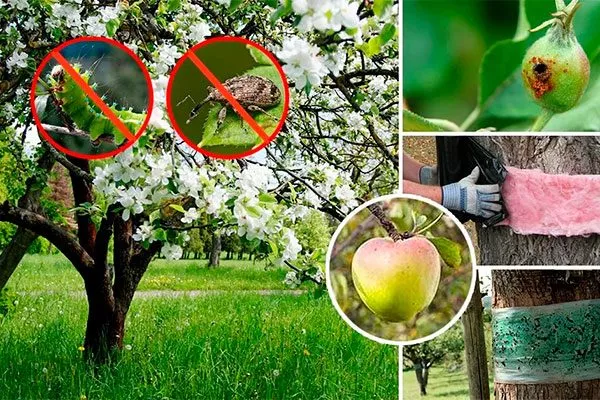
The Streifling apple tree can also be affected by fruit rot (moniliosis) and cytosporosis. The former is controlled with the product "HOM," while the latter is treated with a 3% copper sulfate solution.
The most dangerous pests for the Autumn Striped apple tree include the codling moth, aphids, and psyllids. To combat these and other insect pests, chemicals such as Decis or Karbofos are used. Folk remedies, such as wormwood infusion, can also be helpful.
Harvesting and storage
The Streifling apple tree is harvested in the fall. Ripeness is indicated by a glossy skin and dark brown seeds. It's important to pick the apples promptly. If you rush, the apples won't taste as good, and if you pick late, their shelf life will suffer.
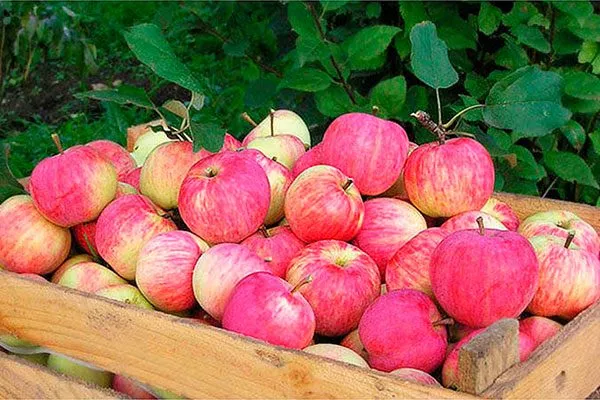
Apples are carefully removed from the tree, stems included. If the tree is too tall, special tools called fruit pickers are used. Only undamaged fruits are selected for storage.
Apples are stored in wooden or plastic crates, interleaved with paper or dry straw to prevent the fruits from touching each other. The optimal storage temperature is +2…+4°C. Humidity is 70%. Under these conditions, apples will last for 2.5 months.
Reviews
The Autumn Striped apple tree is an excellent choice for growing in private gardens. However, be prepared for this tree to grow tall and spreading—an important factor to consider when choosing a planting site.