
Orlik apple trees are popular among gardening enthusiasts. Their fruits are rich in vitamins and minerals, possessing a distinctive aroma and rich flavor. The trees exhibit dynamic growth, which promotes rapid fruiting.
History and regions, winter hardiness
The Orlik apple cultivar was created through breeding at a research center located in the Oryol region. Breeding experts E. N. Sedov and T. A. Trofimova combined the characteristics of the McIntosh and Bessemyanka Michurinskaya apples, which differ geographically, in a single variety.
Experiments began in 1958, and after the new variety was bred in 1970, its refinement and testing continued. Ultimately, researchers improved Orlik's frost resistance and yield, and reduced its vulnerability to disease.
Key indicators:
- It is characterized by moderate winter hardiness, which makes it suitable for cultivation in the Northwestern, Central and Central Black Earth regions of Russia.
- It is in demand for both home and industrial gardening, and is also popular in Ukraine and Belarus due to its suitable climate.
- It can withstand temperatures down to -25 degrees, but in the absence of snow cover, severe frosts can cause damage to branches and trunk.
Features of Orlik
The Orlik apple tree is compact and ideal for growing in limited spaces. To better understand this variety, it's worth carefully examining its tree, leaves, flowers, and fruit.
Description of the tree
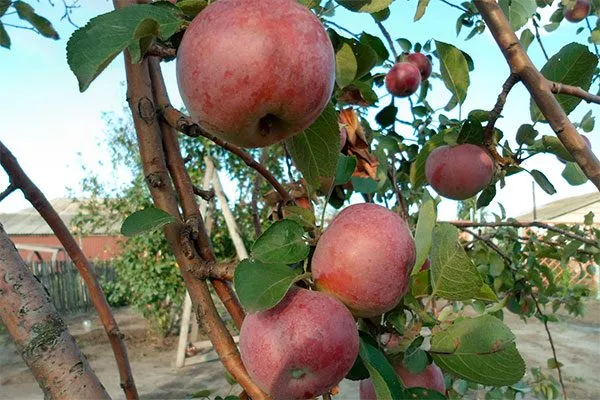
Trees of medium height with a rounded crown can reach a height of 5 m, but not higher. Main branches radiate from the trunk, arranged horizontally and slightly tilted upward. The crown can be 2 m wide.
Other indicators:
- The bark is light yellow in color and smooth, which is rare among apple trees.
- The shape of the crown resembles a round sphere.
- The tree's shoots are thick and straight, brown, and strongly drooping. The buds are medium-sized, located on simple and compound rings (the apple tree also bears fruit on spears). The buds are tightly attached to the branches and can be round or conical.
- The Orlik variety has large leaves, densely packed on the shoots. They are flat with a slight curve in the center, wrinkled, and richly green with grayish hues, resembling an egg. They are also wide at the base, but taper toward the base, reaching a pointed tip.
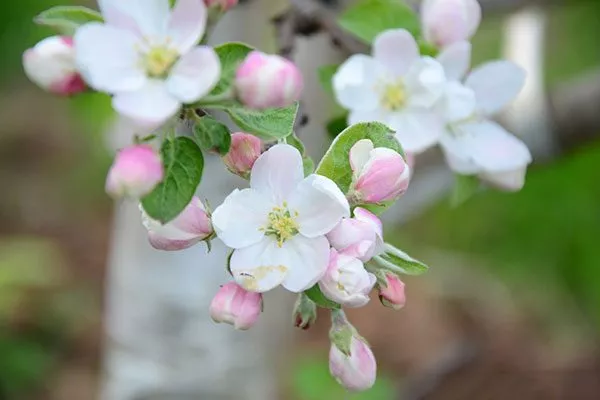
- The flowers are distinguished by their large size. They are pink in bud, and as they open, they take on a more vibrant color. As they fade, they become lighter, almost white. The flowers are closely spaced, almost touching, with the anthers visible within, located above the stigma.
Fruit characteristics
Orlik apples have a number of unique characteristics:
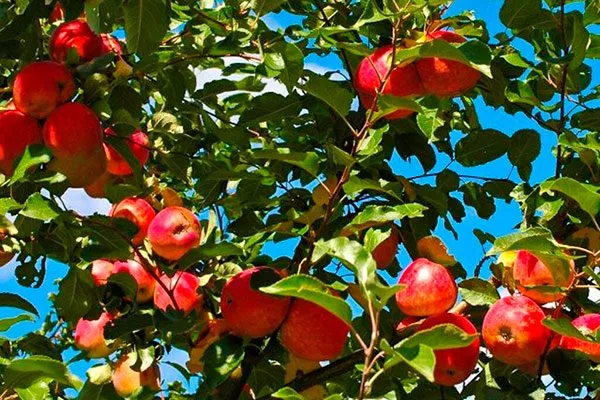
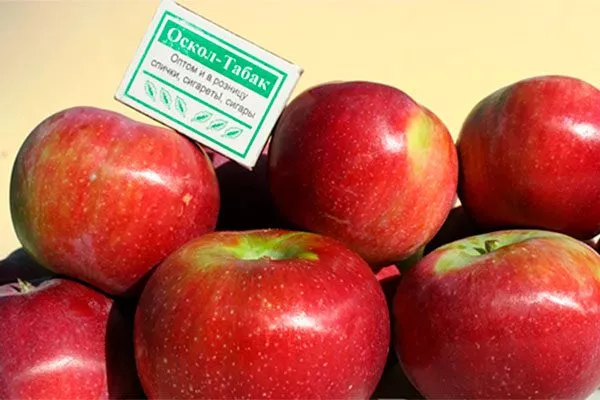
- Appearance. The fruit's skin has a slight oily sheen and a slightly waxy coating. Its shape resembles a flattened cone. When ripe, it takes on a greenish-yellow hue, which fades to a lighter yellow over time.

Deep reddish spots are visible on the apples' surface, especially on the side exposed to direct sunlight. These spots can cover the entire surface, creating an iridescent stripe effect. - Weight. The average weight of ripe apples ranges from 85 to 120 g, but individual specimens can reach 180-200 g, which is the maximum.
- Pulp. The apples are creamy inside with a slight greenish tint. The flesh is firm but grainy, characterized by increased juiciness and a rich aroma.
- Safety. This variety has a fairly long shelf life, lasting until mid- to late February. Under special conditions, the apples can be stored until the next harvest.
- Taste. The fruits have a sweet and sour flavor, rated at 4.4-4.6 on a tasting scale, which is considered decent for a winter variety. This flavor makes them suitable for baby food and juices.
- Composition and caloric content. 100 grams of Orlik apples contain:
- 11% sugar;
- 8.9 mg ascorbic acid;
- 167 mg of P-active substances;
- 12.7% pectin.
Orlik apples are recommended for dietary purposes. They are rich in nutrients and components essential for metabolic disorders. Their consumption helps prevent atherosclerosis, vitamin deficiency, and anemia.
Ripening and fruiting
This variety is characterized by late ripening, but experienced gardeners know the secret to accelerating the tree's growth and adaptation to the soil. To do this, remove more than 75-80% of the apple tree's flowers during the first year of flowering.
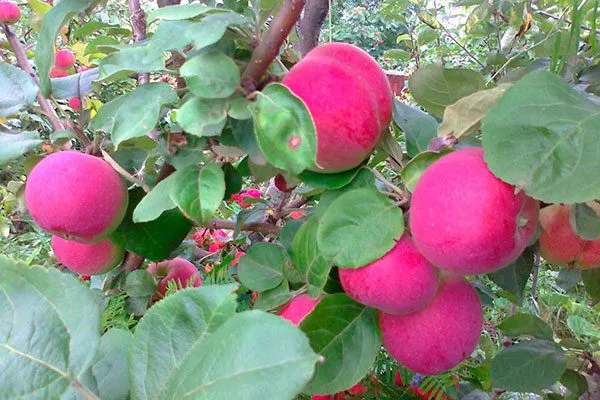
This species is self-fertile, meaning it can produce a bountiful harvest regardless of weather conditions or the presence of other apple trees nearby.
Other features:
- After planting, the tree needs to wait four years for fruiting. With proper care, the plant can produce up to 50 kg of fruit by the fifth year.
- The Orlik apple tree begins blooming in spring and continues until early summer, and the fruit can be harvested only in early fall, usually around September 20th. If an apple falls from the tree, it's best to use it immediately or process it, as it spoils quickly after impact.
- Wooden boxes and clean sawdust are used to preserve the fruit. The apples must be stacked in two layers to prevent damage to the skin. The box is then moved to a cool place with a temperature no higher than 5 degrees Celsius.
Pollination, yield
This apple variety is distinguished by its excellent productivity. Over the course of a season, growers can harvest over 90-100 kg of apples. The yield depends on the tree's age:
- from 7 to 10 years – from 15 to 55 kg of apples;
- from 10 to 15 years – from 55 to 80 kg;
- from 15 to 20 years old – from 80 to 120 kg.
These figures apply to one mature tree. In the first few years after planting, don't expect a significant harvest, as the tree hasn't yet fully adapted to its location. However, the guaranteed yield of winter apples is 10 kg.
Orlik is self-pollinating, so it doesn't require pollinators, but nearby plantings of pollinators can significantly increase yields. Varieties suitable for this purpose include:
- Renet Chernenko;
- Northern signal;
- Bogatyr;
- Moscow winter;
- Zhigulevskoe;
- Saffron pepin.
It is possible that some of these varieties are already growing in neighboring areas, so additional planting will not be necessary.
Rootstocks and subspecies
Currently, no distinct varieties of the Orlik cultivar exist, and it's unlikely that any will ever be created. However, it is cultivated on a variety of rootstocks, which leads to variations in its original characteristics.
For example, on semi-dwarf or dwarf rootstocks, trees become even more compact, typically not exceeding 2.5-3 m in height. At the same time, the fruits retain all the advantages of the original variety.
Boarding order
To begin the planting process, it's necessary to prepare an open area for the seedling. At this point, it's crucial to apply the necessary fertilizer. Orlik apple tree seedlings must be carefully prepared before they can be planted.
Selection of seedlings
Orlik seedlings can be found in specialized gardening stores or nurseries. You can also order them online, but this carries the risk of purchasing low-quality planting material.
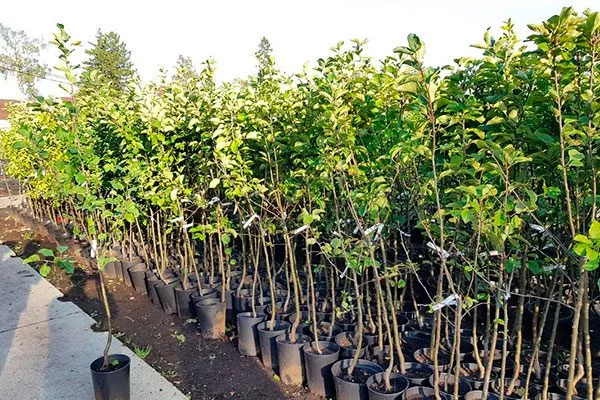
When choosing a seedling, you should consider several important details:
- the root system is strong, with a solid node, without signs of cuts or damage;
- there should be no traces of mold or rot;
- the height of the seedling is not less than 1.5 m;
- the root collar is healthy and undamaged;
- number of branches - not less than five;
- bark without damage.
Preparing seedlings
Orlik apple trees can be planted in either spring or fall. Soak the tree in water for 24 hours before planting.
Basics of planting at different times:
- When planting in spring, which usually occurs after April 20 (before May 10), when the soil has warmed up sufficiently, the tree has time to root well and become stronger. This allows it to better prepare for the coming seasons.
- Autumn planting This is done in October, giving the roots enough time to adapt to the new environment before the winter cold sets in. It is recommended to plant the tree at least two to three weeks before the cold weather sets in.
- Check the soil acidity and add lime or ash to reduce it if necessary.
- Remove all weeds and their roots from the area.
- Add organic fertilizers (compost or humus) and dig up the area.
Selecting a site for planting
The ideal location for an apple tree is an elevated area where the groundwater level is far enough away from the roots of the plant to avoid excessive waterlogging and rotting of the seedling.
Other requirements:
- Maintain a minimum distance of 200-250 cm between apple tree seedlings. The prepared area should be cleared of all unnecessary debris, including waste, rotting fruit, and dry leaves.
- Apple trees require a location with adequate sunlight and protection from winds. The recommended groundwater depth is 200-220 cm.
- Apple trees thrive in rich black soil, while rocky or waterlogged areas are unsuitable. They thrive in soils composed of clay, peat, sand, and compost, preferring a neutral or slightly acidic pH.
If the soil acidity is high, you can reduce it by adding alkali when planting. It's important to ensure sufficient oxygen for the roots, which requires periodic loosening of the area around the roots.
Apple tree seedling planting algorithm
A few weeks before planting the seedling, prepare a soil mixture of clay, sand, peat, and compost mixed with garden soil. Spread a layer of crushed brick, stones, or coarse ceramic chips in the hole itself. Place half of this mixture in the hole, and save the rest for later filling around the apple tree's roots.
- ✓ Use ash only from deciduous trees, as ash from conifers may contain resins that are harmful to plants.
- ✓ The ash must be completely cool and dry, without any coal residue.
The process of planting an apple tree does not require any complicated manipulations:
- Treat the roots with ash to stimulate their development and prevent infections.
- Fill the hole halfway with soil, reserving the other half for backfilling around the roots.
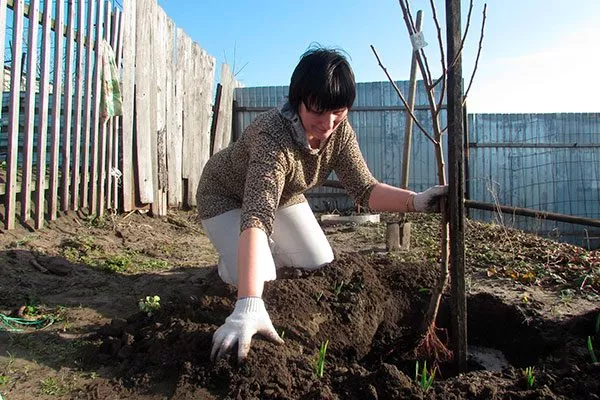
- Place the tree in the hole, carefully straightening out the root shoots.
- Install a stake to secure the young plant.
- Fill the hole with soil, leaving the root collar at a height of 6-7 cm above the surface.
- Firm the soil around the trunk and water. Young seedlings will require 40-45 liters of filtered water. On dry and hot days, protect the young plant with a layer of straw, compost, or non-woven fabric.
Care instructions
Cultivation of Orlik requires careful and proper care, including systematic watering, application of fertilizers and periodic pruning.
Watering an apple tree
To ensure sufficient moisture for apple trees, soil irrigation is essential. For this purpose, special trenches are created between the rows of trees.
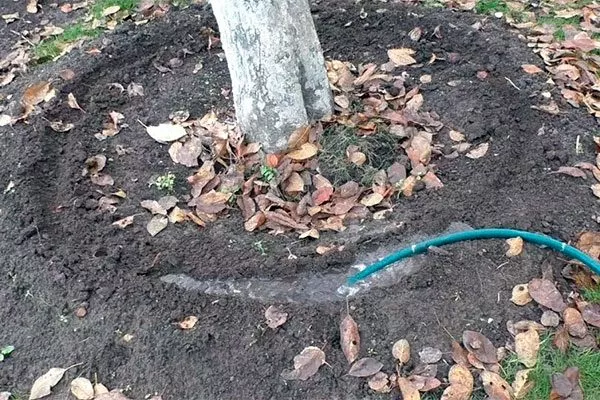
Water should be applied using a fan-shaped spray to distribute it evenly in numerous small droplets. The volume of water used for irrigation depends on the age of the tree (the norm is given for 1 square meter):
- in the first year of life – 20 l;
- in the second year – 40 l;
- in the third to fifth years – 70-80 l;
- for older trees – 90-100 l.
Trees under five years old require weekly watering. The second watering should be done after flowering has finished. In hot weather, water more frequently.
The final watering, which should be done two weeks before harvest, is extremely important. If the fall is dry, additional watering is necessary.
Fertilization
A year after the Orlik apple tree was planted, it begins to be fertilized:
- at the beginning of spring, urea and ammonium nitrate are used to feed the plant;
- When digging the soil around a tree, add wood ash;
- Before the arrival of cold weather, a liquid mixture is created from mullein, which is combined with superphosphates and ammonium nitrate.
Pruning an apple tree
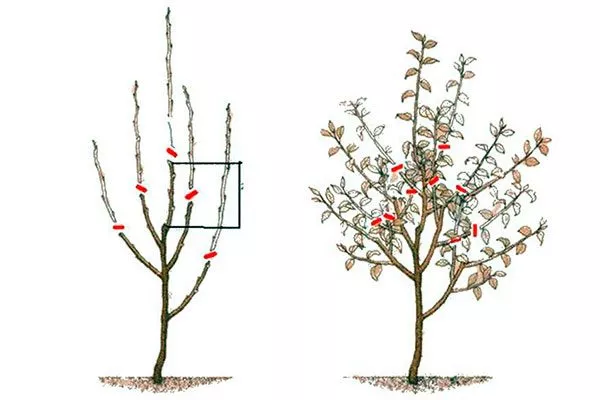
Orlik apple trees are pruned to remove dying and damaged branches. The best times for this are spring, when the crown is forming, and fall, to remove underdeveloped branches.
- Spring pruning takes place in March – on young trees, the top is cut off at a height of 0.8 m and lateral shoots.
- Autumn pruning is carried out after the leaves have fallen. At this time, excess shoots are removed. It is important to ensure that the apple tree grows from a single main branch, eliminating all offshoots, to prevent the trunk from splitting and the tree's death.
Harvesting and storage
Harvest your fruit promptly to avoid delays, as failure to do so can reduce the fruit's shelf life. Orlik apples are known for their excellent storage and transportation stability.
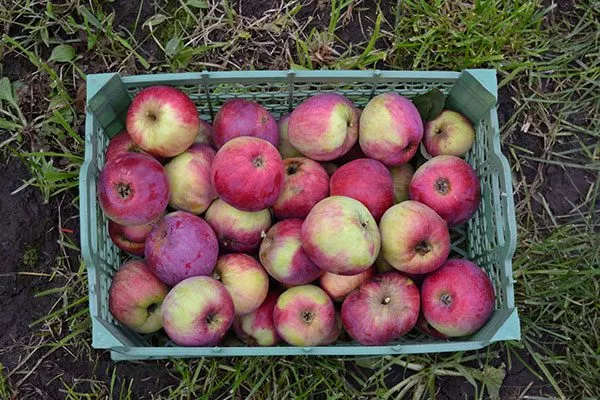
In a cool cellar or basement, where the temperature does not exceed +5 degrees, these apples retain their quality until March.
How to store correctly:
- For storing fruit, it is preferable to use wooden crates, and use paper or cotton fabric as a base for the apples to provide a softer base.
- When stacking fruit in several layers, ensure that the top apples do not damage the bottom ones, while avoiding removing the stems, which can lead to the development of fungal infections.
- It's also a good idea to place fabric, sawdust, or paper between the layers. Avoid creating too many layers in a single box to avoid the top fruits pressing on the ones below, which could cause them to become damaged or spoil.
Prevention of diseases and pests
Despite the variety's resistance to various diseases and pests, it is important to regularly care for the trees to prevent their occurrence in time:
- To control green aphids and red apple mites, spray apple trees with a 0.3% solution of malathion during bud break in the spring.
- Before flowering, treat trees against scab, powdery mildew, and fruit rot using a 1% Bordeaux mixture solution. Spray starting from the soil around the tree, gradually moving up to the trunk and crown.
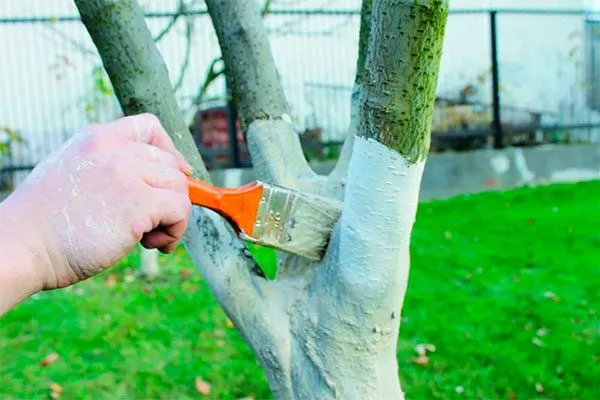
Whitewashing tree trunks is an effective method of preventing pests that infest crevices in the bark, as well as lichens and fungi. Instructions:
- It is optimal to carry out work in spring and autumn;
- To create an effective solution, dilute 1 kg of clay, 0.7 kg each of manure and slaked thick lime or chalk in 10 liters of water - after three days the mixture will be ready for use;
- Whitewash the trunks to a height of 1.3-1.5 m, deepening the “whitewash” into the underground part of the trunk by 5 cm, having first dug up the trunk and then filled it up again.
Protection from frost and rodents
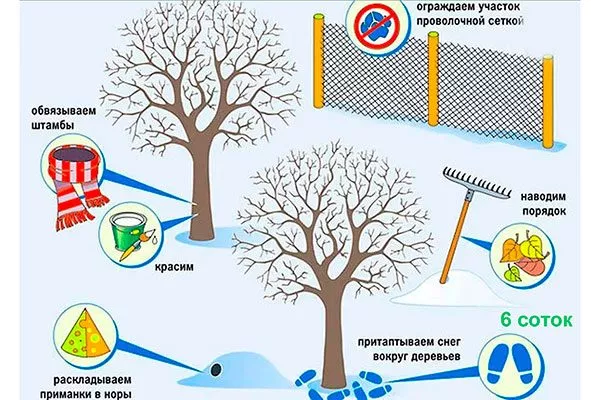
Although trees are quite resilient, their protection from winter frosts should not be ignored:
- In areas with a harsh climate, it is recommended to cover the root system of trees with straw or grass mulching materials, as well as humus and compost.
- In milder climates, it is enough to wrap tree trunks with burlap or roofing felt to protect them from the cold.
- Small and semi-dwarf tree varieties can be protected with a canopy cover.
- To deter rodents such as hamsters, hares, and mice, which can cause damage, treat the trunks with grease or drying oil. Alternatively, install a protective fine-mesh net around the trunk.
What to do if the apple tree does not bloom or bear fruit?
Sometimes even experienced gardeners encounter problems when a planted tree fails to bloom or bear fruit. There can be various reasons for this behavior:
- It's possible that a completely different plant is growing instead of an apple tree. This can happen if the tree wasn't purchased from a specialty store.
- Incorrect care or unfavorable growing conditions. Apple trees cannot grow in the shade or in full sun, exposed to wind, or where the groundwater is too close.
- The pruning was done incorrectly, which did not allow the shoots to develop and form buds.
- When planting, the root collar was buried too deep, which interferes with the normal development of the plant.
- Incorrect nutrition: either not enough fertilizer is added, or too much.
- The apple tree may suffer from pests or fungal diseases.
To achieve flowering and fruiting, you should follow these recommendations:
- Analyze the conditions in which the apple tree grows: is there enough light, shade, is there groundwater nearby.
- Stop pruning shoots for a long time to allow the plants to grow and become stronger.
- Carry out preventive measures and treatment with insecticides or fungicides, after inspecting the plant for pests and fungal infections.
- Consider what fertilizers are being applied and in what quantities, and adjust their application: for two-year-old plants, superphosphates and potassium compounds are necessary, while nitrogen should be excluded.
- Stop overly frequent watering by increasing the intervals between waterings.
Usually, changing care methods or replanting to a new location helps solve the problems that arise.
Methods of reproduction
The process of apple tree propagation is key, as it allows for the renewal of orchards and their expansion. This is preferable to purchasing new trees, as the fruit's flavor is already known.
There are several methods of propagating the Orlik apple tree variety:
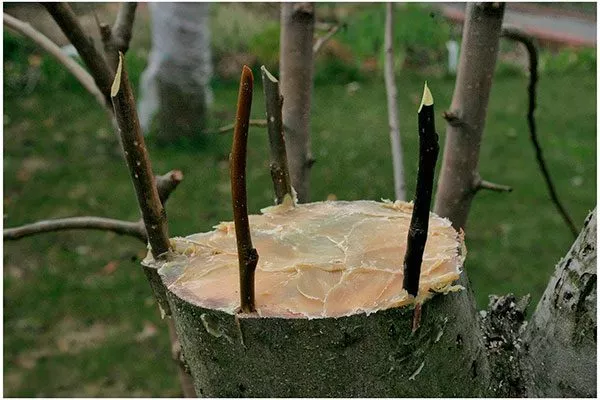
- Grafting onto rootstock. Cuttings with buds are attached to the trunks of other fruit trees or to wildings. To stimulate root growth, the cuttings must first be treated with a special agent. A T-shaped cut is made in the trunk.
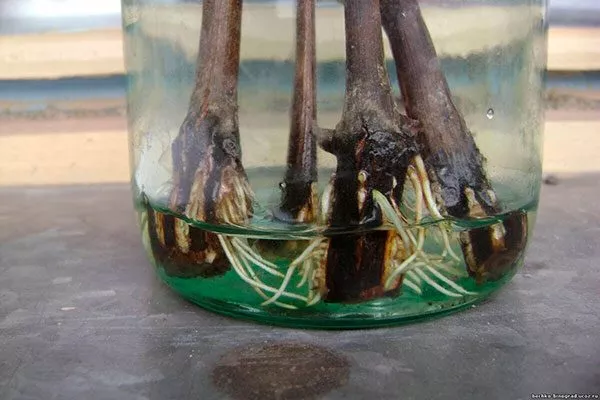
- Cuttings method. One- or two-year-old branches are cut into 20-35 cm long cuttings with buds, with one end cut at an angle. The cuttings are rooted in water over the winter and planted in open ground in the spring. After a few years, young apple trees grow from these cuttings.
Pros and cons
The Orlik apple tree has gained popularity due to a number of its advantages:
Reviews
The Orlik variety is deservedly popular among gardeners. It adapts to low temperatures and thrives in northern regions. It is prized for its regular and abundant fruiting. Its juicy and healthy apples are a delight to any table.