
High-quality pollination of apple trees is the key to fruit production. While some varieties are self-fertile, many others rely directly on pollinator trees for their fruit yield. We'll explain how to choose the right pollinators for self-sterile and partially self-fertile varieties with different ripening times.
How does apple tree pollination occur?
For a flower to be pollinated, pollen from the stamens (the male organ) must reach the pistil (the female organ). This can happen in a number of ways.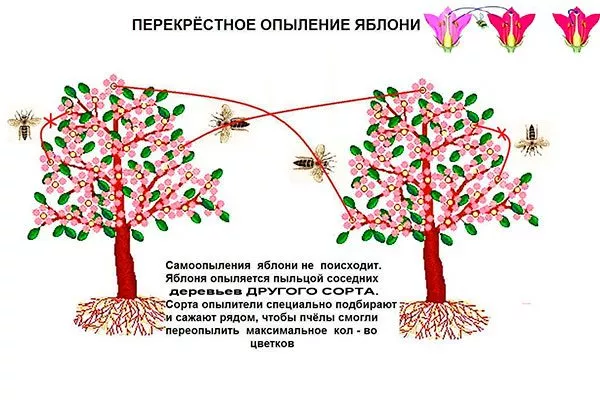
Pollination methods:
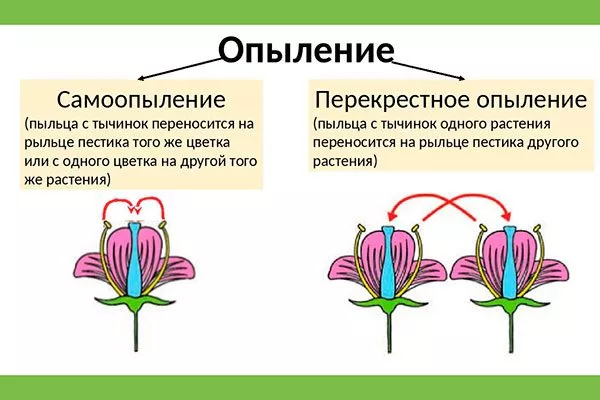
- Self-pollination. Pollen is transferred from the stamens to the stigma within the flower itself or from flower to flower, but within the same apple tree. This means that other trees are not needed for self-pollination.
- Cross pollination. It occurs with the participation of a third-party tree. There are several variants of this type of pollination:
- Biotic - pollen is carried from flower to flower, from one tree to another, by pollinating insects.
- Abiotic—pollen is transferred without the mediation of insects. Typically, it is carried by wind.

Types of varieties by pollination method
The method of pollination and the percentage of self-pollinated flowers depend primarily on the ability of the apple tree to set fruit without the participation of insects and neighboring trees.
The following types of varieties are distinguished:
- Self-fertile. The plant produces fruit using its own pollen. It can bear fruit alone. However, pollinating varieties increase its yield by approximately 20%. Examples of varieties include: Uralskiy Souvenir, Spartak, Bogatyr, Baya Marisa, and Melba.
- Partially self-fertileSelf-pollination produces a small percentage of fruit—around 20%. The presence of pollinators significantly increases the yield of these varieties. Examples of varieties include Konfetnoe, Rossiyanka, Pamyat Voinu, Antonovka Obyknovennaya, and Bely Naliv.
- Self-sterile. These varieties are unable to set fruit without pollinators. They require pollinators to produce fruit. Examples include Bolotovskoye, Aphrodite, Orlik, Golden Delicious, Fuji, and Ranet Simirenko.
Why do you need pollinator varieties and how to choose them?
To ensure cross-pollination of self-sterile and partially self-fertile varieties (and, if desired, self-fertile ones), you need to select the right pollinators. If you've purchased apple tree seedlings, be sure to find out what type of pollination the variety supports. If necessary, plant pollinator apple trees at the same time.
How to select pollinator varieties:
- Genetic compatibility. Varieties may have genetic differences that make successful pollination impossible. Compatibility can be determined through specialized cytological analysis and molecular genetic identification using DNA markers.
- Flowering time. The variety being pollinated and its pollinators should bloom at roughly the same time. For summer varieties, for example, any early or early fall variety is suitable, while for winter varieties, winter or late fall varieties are suitable (unless, of course, they are genetically incompatible).
- Climate. For apple trees grown in the south, it is recommended to use late-flowering varieties for pollination, in the north - early-flowering varieties, in the middle zone - universal varieties with medium flowering periods.
How to plant pollinator apple trees?
To achieve high-quality pollination, and therefore maximum apple tree yield, it is recommended to plant pollinators in a certain way.
How to plant pollinator varieties correctly:
- Pollinator varieties are planted at a rate of one pollinator per 4-5 pollinated apple trees - this ratio will ensure an optimal concentration of pollen in the area and high-quality pollination.
- There should be no more than 20-30 m between the pollinated apple tree and the pollinators, otherwise the chances of effective pollination are significantly reduced.
- For each pollinated variety, at least two pollinator varieties should be planted. This will, firstly, ensure maximum pollination, and secondly, guarantee the pollination process if one of the pollinators bears fruit (and flowers) regularly.
- It is recommended to plant varieties in groups - this increases the likelihood of pollen being successfully transferred to its intended destination by pollinating insects.
Factors affecting apple tree pollination
Pollination of self-sterile and partially self-fertile apple trees is influenced by a number of factors. Gardeners can influence these factors to increase pollination rates.
What influences apple tree pollination:
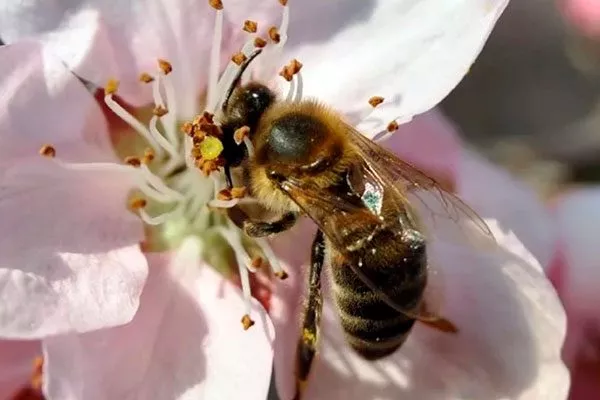
- Insects. Bees are the most active apple tree pollinators. Their activity, in turn, is influenced by air temperature, humidity, weather conditions, and the presence of flowering plants in the area. Bumblebees, wasps, and other insects also contribute to pollination (much less than bees). To attract pollinating insects, it is recommended:
- Plant flowering plants near the apple tree to attract bees - clover, lemon balm, phacelia, mustard, etc.
- Create favorable living conditions for bees - for example, provide them with access to water in the form of small drinking bowls.
- Avoid using insecticides during flowering to avoid harming bees. When using such products, choose options that pose the least risk to bees. It is recommended to spray trees in the evening when bees are sleeping.
- Weather. Bees are most active at temperatures between +15 and +25°C. In cooler weather, honey plants are less active. The following factors also negatively impact pollination:
- rain - it washes away pollen from flowers;
- wind - makes it difficult for bees to fly;
- Frost damages flowers.
- Age of trees affects the number of flowers and, ultimately, the yield of the apple tree:
- mature trees - they have many flowers and more viable pollen;
- young trees - in the first years after planting they produce few flowers;
- Old trees produce fewer flowers than mature, strong, and healthy apple trees.
- Growing conditions. It is important to maintain the spacing between trees as prescribed for a particular variety - in dense plantings, air circulation is poor and pollination is difficult.
How to improve the quality of apple tree pollination?
It's best not to leave apple tree pollination to chance, especially when it comes to self-sterile and partially self-fertile varieties. There are many ways to improve apple tree pollination, and they can be used individually or in combination.
Ways to improve pollination:
- Space pollinator trees evenly throughout the garden.
- Plant bee-attracting plants near your apple trees.
- In unfavorable weather conditions (rain, cool temperatures), manual pollination will be necessary. To do this, collect pollen from the flowers of the pollinator variety with a soft brush or cotton swab and then transfer it to the pistils of the apple tree being pollinated. This procedure is performed in dry, warm weather.
- Spray apple trees with boric acid diluted in water—1-2 g per 10 liters of water. During flowering, boron enhances pollen germination and stimulates fruit set.
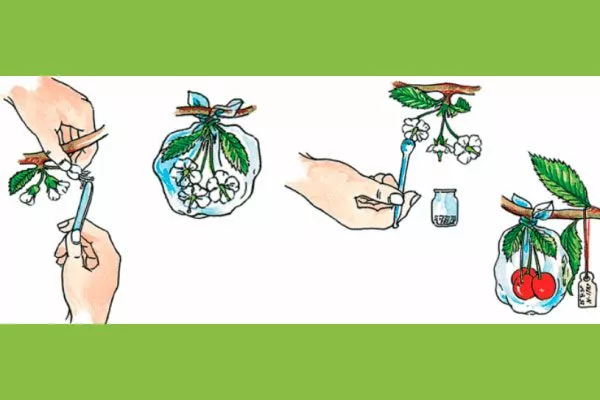
Studies have shown that with a sufficient number of bees or other pollinating insects, apple tree yields can increase by 30-40%. If natural pollination is problematic, artificial methods must be used, and their effectiveness can reach 80%.
Effective combinations of varieties for maximum yield
To get the maximum yield from apple trees, it is recommended to combine several varieties at once - 3 or even 4.
Examples of successful combinations:
- Melba, Papirovka, Quinti, Borovinka.
- Bellefleur Bashkir, Bashkir handsome, Antonovka, Titovka seedling.
- Antonovka, Wagner the Beautiful, Granny Smith.
- Melba, Saffron Pepin, Chinese Bellefleur.
- Zhigulevskoe, Welsey, Renet Simirenko.
Table. Best pollinator varieties for apple trees:
| Summer varieties | The best pollinators |
| Wine | Papirovka, Melba |
| Moscow pear | Papirovka, Autumn striped. |
| Mironchik | White filling |
| Fragrant | Papirovka, Melba |
| In Memory of Lavrik | Melba, Fragrant |
| Korobovka | Papirovka, Cinnamon |
| Suslepskoye | Papirovka, Melba |
| White filling | Wine, Autumn striped. |
| Autumn varieties | The best pollinators |
| Striped anise | Antonovka, Borovinka |
| Baltic | Autumn striped |
| Michurinskaya seedless | Melba |
| Borovinka | Anise, Star, Melba, Autumn Striped |
| Cinnamon New | Antonovka, Autumn Striped |
| Cinnamon Striped | Antonovka, Autumn Striped |
| Melba | Seedless Michurin, Welsey |
| Autumn striped | Antonovka, Melba, Welsey. |
| Tambov | Cinnamon Striped, Autumn Striped |
| Winter varieties | The best pollinators |
| Antonovka ordinary | Autumn Striped, Welsey |
| Friendly. | Antonovka, Ladoga |
| Star. | Antonovka, Autumn Striped, Welsey |
| Ladoga | Antonovka, Autumn Striped, Welsey, Starlet |
| Saffron pepin | Antonovka, Druzhnoe. |
| Renet Chernenko | Antonovka, Welsey, Druzhnoe |
| Tellisaare. | Antonovka, Walesi |
| Welsey | Antonovka, Zvezdochka, Autumn Striped |
The best general-purpose pollinators for different regions
Among apple trees, there are varieties that are most often used as pollinators. These are naturally cross-pollinated, hardy, prolific bloomers, and undemanding.
The most popular pollinator varieties are:
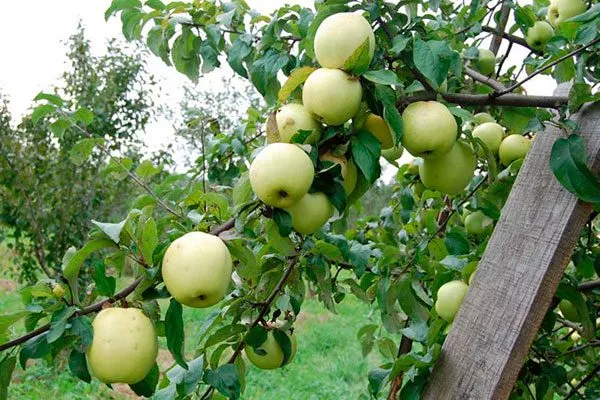
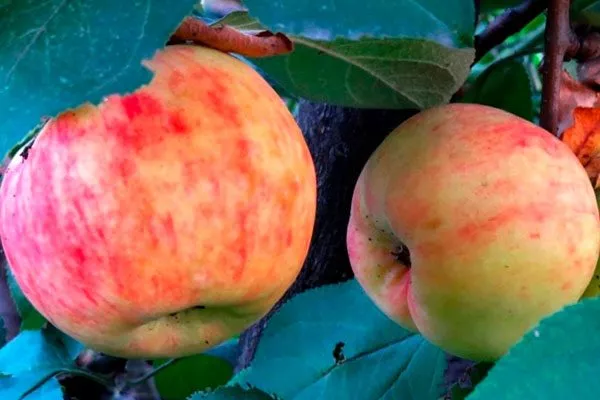
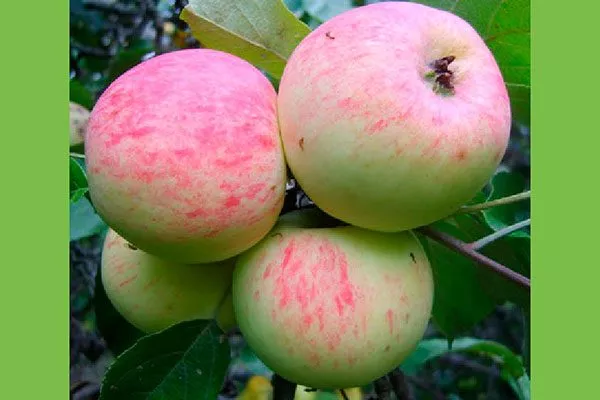
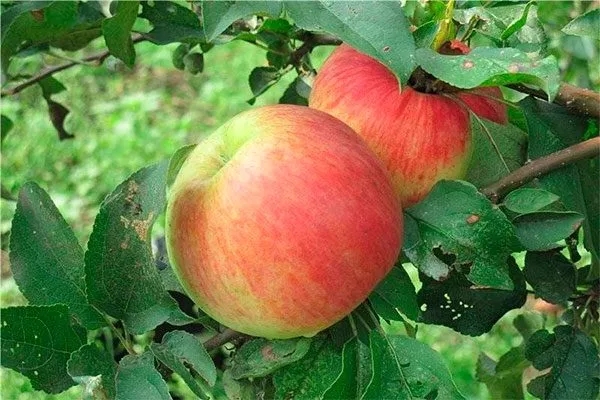
- Antonovka. A winter-hardy and productive variety named after Anton Pavlovich Chekhov. Ripens in autumn or early winter. Yields 120-150 kg at maturity. Tree height is 5-8 m. The variety is partially self-fertile. Fruit shape ranges from flat-round to oval-conical. Color is greenish-yellow. Weight is 120-150 g.
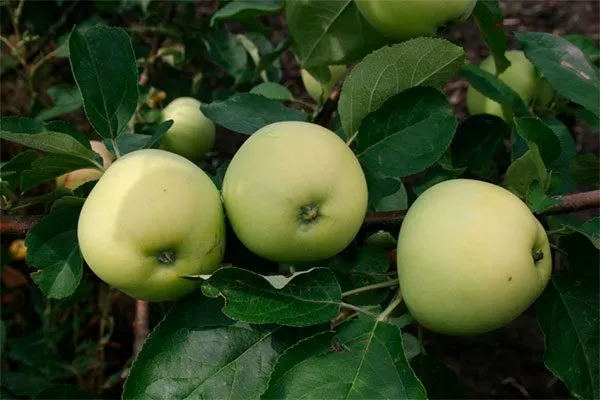
- Folder. Other names: Alabaster, White Baltic Filling. An old summer variety of folk selection. The tree height is 4-5 m. The fruits are greenish-yellow, round-conical in shape. The yield is 15-30 kg. Mature trees produce up to 80 kg of fruit. The variety is partially self-fertile.
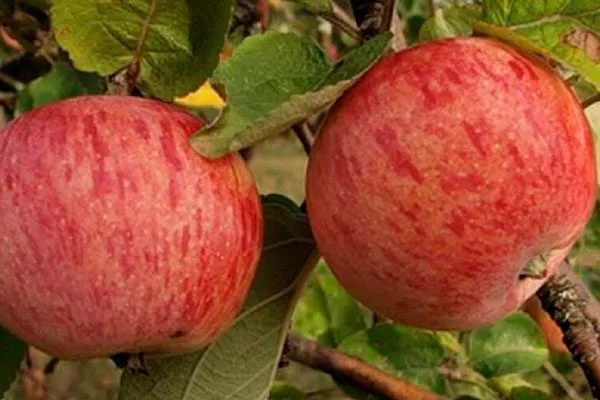
- Autumn striped. An old autumn variety of folk selection. Other names include Autumn Streifling and Strifel. The fruits are large, greenish-yellow, with orange-red stripes. The variety is self-sterile and requires cross-pollination. Tree height is 8-10 m. Yield is 75-85 kg.
- Borovinka. An old autumn variety of folk selection. The tree grows up to 5 m tall. The fruits are round, light green or yellow, with a pink tint. The variety is self-sterile, bearing fruit intermittently. Weight: 80-200 g.
- Moscow pear. Another ancient self-sterile variety, known since the 18th century. It produces small, round, and slightly ribbed fruits of a yellow-green color with pink stripes. Yields are up to 180 kg per tree, with each fruit weighing 80-100 g.
- Bellefleur the Chinese. A late-autumn, self-sterile variety bred by I.V. Michurin. Tree height: 5-7 m. Fruit is large and light yellow. Each apple weighs 190-250 g. Yield: up to 70 kg per tree.
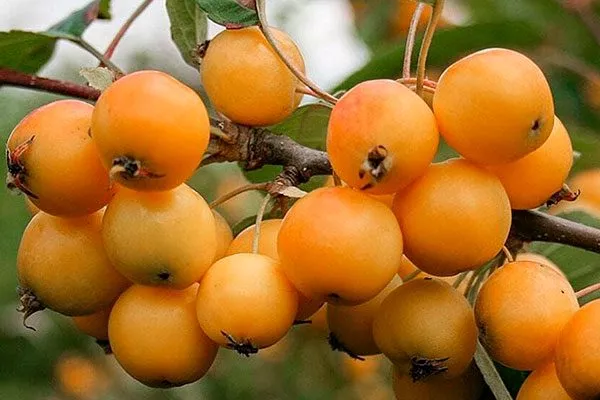
- Chinese gold. An early summer variety bred by I.V. Michurin in 1907. The tree grows to 6-7 m tall. The fruits are amber-colored, round, and slightly ribbed. Each apple weighs 190-250 g. Yields up to 30 kg per tree. Each fruit weighs 25-30 g.
Typical mistakes
Inexperienced gardeners often ignore the pollination issue. They water, fertilize, and prune their trees, but completely forget that no amount of care will produce a harvest if the tree doesn't produce fruit.
The most common mistakes gardeners make that negatively impact crop yields:
- Planting a self-sterile variety without pollinator varieties. Usually, this happens due to ignorance - novice gardeners simply forget to focus on this problem.
- Using incompatible varieties as pollinators. To prevent this from happening, use variety compatibility tables.
- Absence or small number of pollinating insects. It's recommended to attract bees. You can even start your own hive. At a minimum, plant plants that attract honey plants. A serious mistake that can lead to bee death is using poisons during flowering.
Apple tree pollination is an important and crucial process that many novice gardeners ignore, believing that pollination is entirely the apple tree's "responsibility." In fact, pollination can be influenced in a variety of ways, increasing yields by 50% or more.