
The Moscow Necklace is a columnar apple tree characterized by high frost hardiness and resistance to scab. This compact tree with an ornamental appearance is ideal for small plots. It produces a stable harvest of large, juicy fruits with excellent flavor. The fruits are used in a variety of dishes.
Breeding history and regions
The columnar apple tree was created by Russian breeder Mikhail Vitalyevich Kachalkin. The hybrid is based on varieties of North American origin, including the popular McIntosh.
It thrives in various regions of Russia, but is especially popular in Siberia and the central part of Russia. This popularity stems from the plant's high tolerance to harsh winter conditions.
Description and characteristics of the variety
The Moscow Necklace stands out among other fruit trees due to its appearance. Its narrow, compact crown and lack of long side shoots give it an unusual shape, but this structure doesn't hinder abundant harvests.
What does a tree look like?
This is a dwarf apple tree, reaching a height of no more than 3 m. The plant does not take up much space, making it ideal for limited areas.
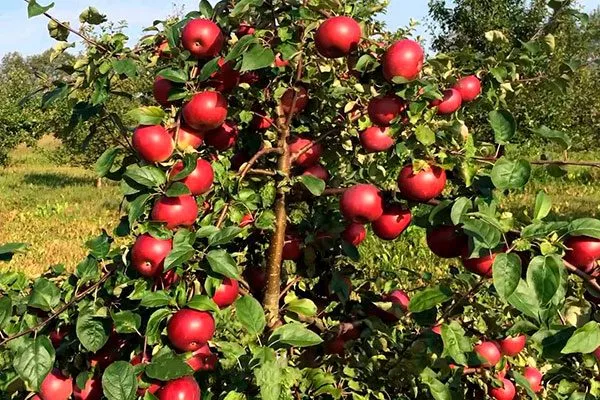
Distinguishing features:
- trunk – thin;
- crown – neat and thick;
- root system – well developed, providing stability and good tolerance to transplantation;
- leaves - They have an oval shape with pointed ends and a rich dark green color.
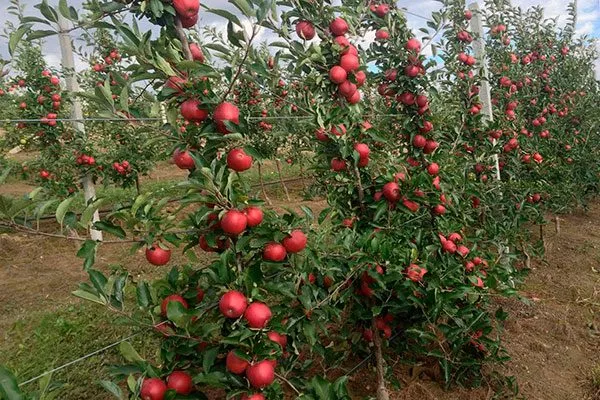
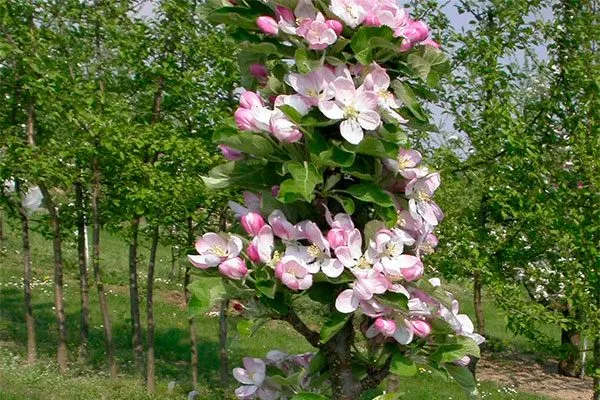
During flowering, the tree is covered with large, flat flowers of a white-pink hue.
Features of fruits, taste and application
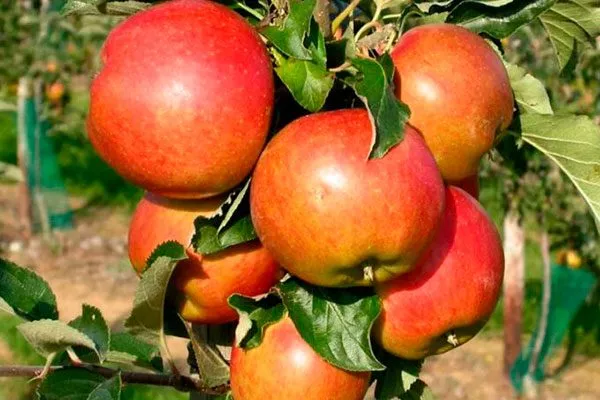
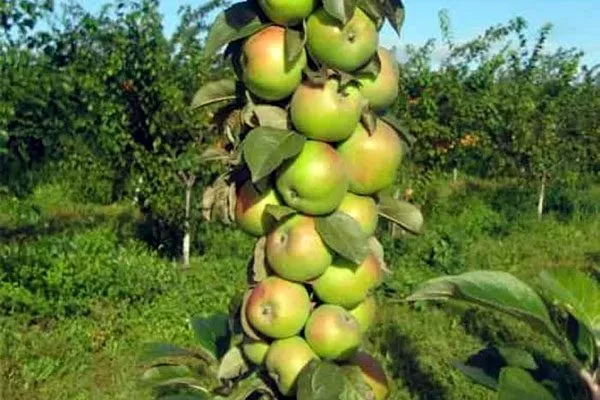
The crop is renowned for its high yield and large fruits: the average weight of one apple is 150-200 g, and individual specimens can reach 250 g. As the fruit ripens, it changes color: initially, it is greenish with a slight blush, and by the time of harvest, it acquires a rich dark red color.
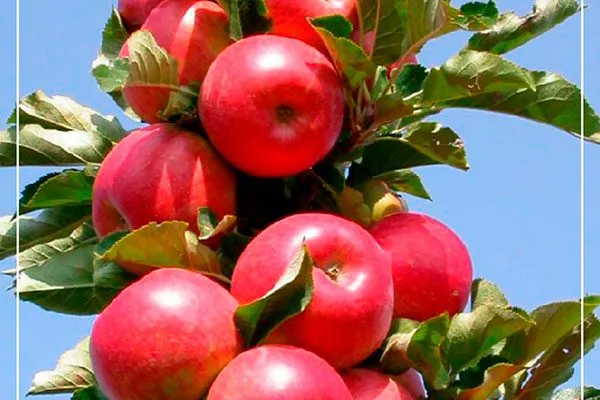
Other features:
- skin – thin but durable, allowing you to transport your harvest without damage;
- pulp – white, juicy, fine-grained and crispy;
- taste - sweet with a slight sourness;
- aroma – delicate, emphasizes the dessert purpose.
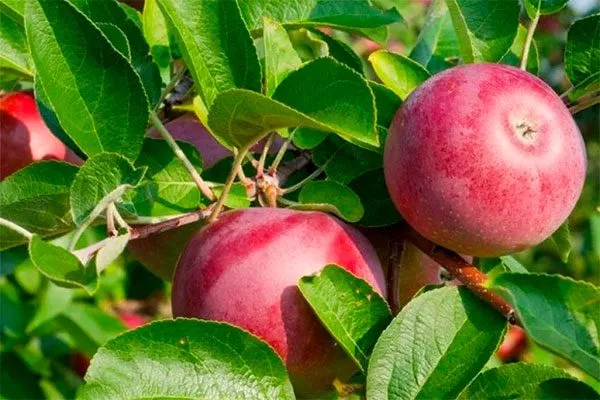
Apples are ideal for fresh consumption, but they also perform well in processing – they can be dried, canned, made into jam, preserves, or marmalade, as their high pectin content allows them to hold their shape well.
Resistance to frost and diseases
The plant is frost-tolerant. Mature trees can withstand temperatures as low as -45°C without damage, especially in regions with consistent snow cover.
This variety has strong immunity to most common fruit tree diseases, meaning it requires virtually no chemical treatment.
Self-fertility and pollinators
The Moscow Necklace is a self-sterile variety, meaning it cannot produce fruit without cross-pollination. To ensure a consistent harvest, other apple trees with similar flowering periods must be planted nearby.
The most suitable pollinating neighbors are the following columnar varieties:
- Vasyugan;

- President.
To boost pollinator activity in the garden, spray the buds with a weak sugar syrup a couple of days before flowering. This will help attract bees and other pollinating insects.
Ripening and fruiting of apple trees
This winter variety produces fruit that ripens late, usually in late September or early October. It's a fast-growing crop: when planted in spring, it produces its first harvest the same season, although experts recommend removing the ovaries in the first year to allow the plant to establish itself. When planted in autumn, apples appear in the second year.
Productivity, shelf life, transportability
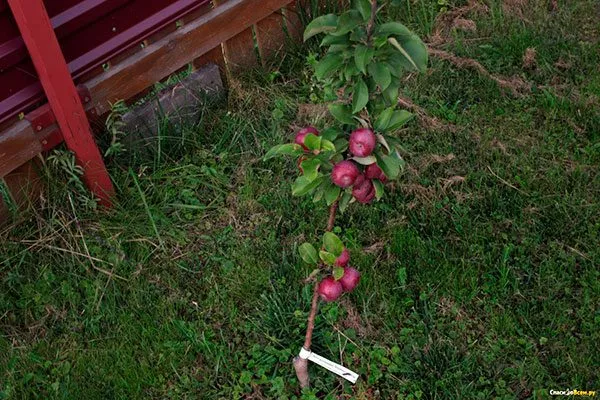
The Moscow Necklace has a distinctive characteristic—a tendency to overload with fruit, a clear sign of its high productivity. A young tree can produce between 1 and 6 kg of apples in the very next year after planting. Fruiting is regular, with no dormant periods, and peak yield occurs in the fourth or fifth year.
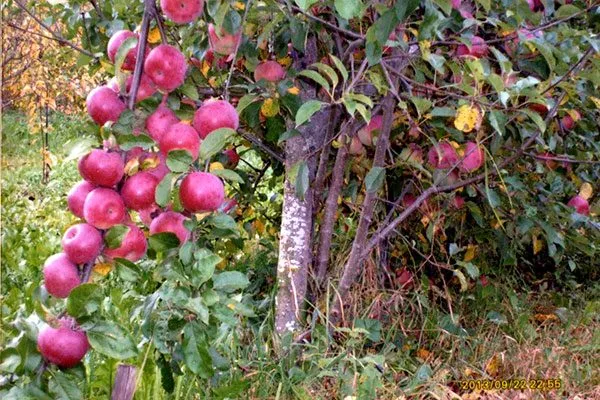
One mature tree yields 6 to 10 kg of fruit. With commercial cultivation and proper agricultural practices, productivity can reach up to 120 tons per hectare. This is possible with systematic care and adequate nutrition.
Fruit stores well – under the right conditions, it retains its flavor and appearance for up to 2-3 months. For transport, store it in crates, layering it with wood shavings or shredded paper to preserve its integrity and prevent spoilage.
Rootstocks and subspecies
The Moscow Necklace includes several subspecies, each with its own growth characteristics, yield, and care requirements. Two of them are listed below:
| Crumb (bush) | It has the form of a bush growing from numerous shoots. The plant does not exceed 50-65 cm in height, but is highly productive, yielding 15-17 kg of fruit per year.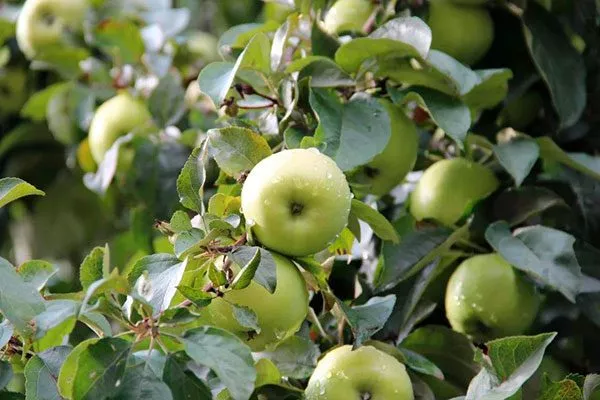 The apples on these bushes are usually smaller, but very tasty and juicy. The hybrid is resistant to scab and frost, making it successfully grown even in the Far North. The apples on these bushes are usually smaller, but very tasty and juicy. The hybrid is resistant to scab and frost, making it successfully grown even in the Far North. |
| X-2 | This columnar tree can reach up to 3 m in height if left unpruned. The hybrid begins bearing fruit in its second year and produces large yields—up to 18-20 kg of apples, each weighing 250 g.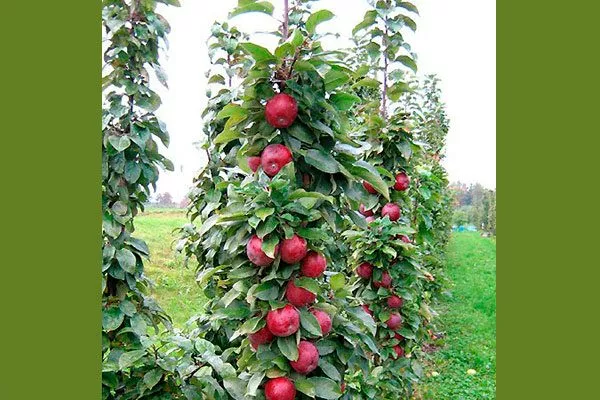 Tree branches can become overloaded with fruit, causing them to break and shortening the plant's lifespan. In the spring, it is recommended to trim the fruit set, using ties and supports. The active lifespan is 10-15 years. Tree branches can become overloaded with fruit, causing them to break and shortening the plant's lifespan. In the spring, it is recommended to trim the fruit set, using ties and supports. The active lifespan is 10-15 years. |
Planting the Moscow Necklace apple tree
Purchase planting material from nurseries or specialty stores. Choose one-year-old seedlings with smooth stems, healthy roots, and full foliage.
This variety tends to flower in its first year, which can weaken spring-grown seedlings. Therefore, the optimal time for planting is late September or early November. This will allow the young tree to establish roots before the onset of cold weather and produce its first fruits the following season.
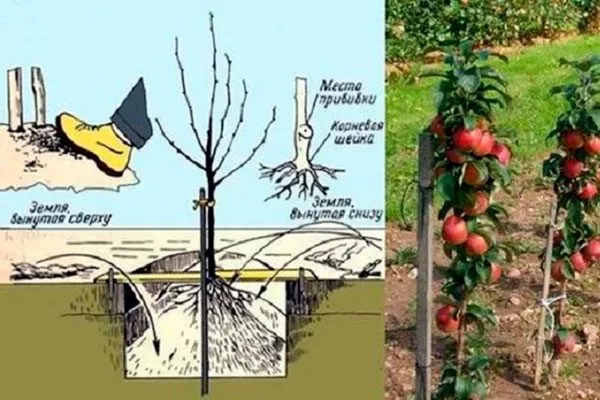
The optimal planting location is sunny and protected from cold winds. Apple trees don't like excess moisture, so sites with a high water table are unsuitable. The soil should be permeable, fertile, and neutral. Black soil, loamy clay, or sandy loam are suitable.
Planting process:
- Dig a hole 80 cm deep and wide.
- Prepare a fertile mixture from the top layer of soil, mixing it with humus, compost and mineral fertilizers.
- Place drainage (pebbles or broken brick) at the bottom of the hole, then fill it with the prepared soil mixture.
- Place the seedling in the center of the hole, carefully spreading out the roots.
- Fill the hole with the remaining soil.
- Compact the soil in the root zone and form an earthen ridge for watering.
- Tie the seedling to a support (stake), driving it in next to the trunk.
- Moisten the plant with 20 liters of water and mulch the soil in the root zone.
Care Features
Caring for the columnar apple tree of the Moskovskoe Orelyushie variety involves several key steps. With proper agricultural practices, you can grow strong trees and significantly strengthen their immune system.
Watering and loosening
To ensure abundant fruiting, regularly weed and loosen the soil around the trunk. Promptly remove weeds, shrub and tree shoots, and any shoots growing near the roots. Perform deep digging once or twice a year, being careful not to damage the root system.
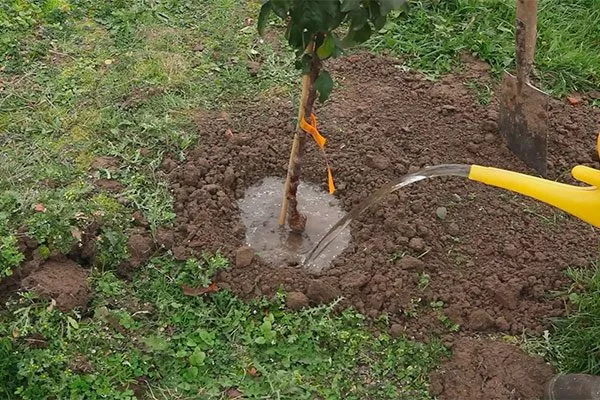
Watering and fertilizing are essential elements of plant care. During dry summer months, water the plants up to twice a week, then apply fertilizer the following day. Maintain a balance and don't overdo it.
Top dressing
Fertilize your crop regularly to provide it with the necessary nutrients – this is important for abundant fruiting and healthy growth.
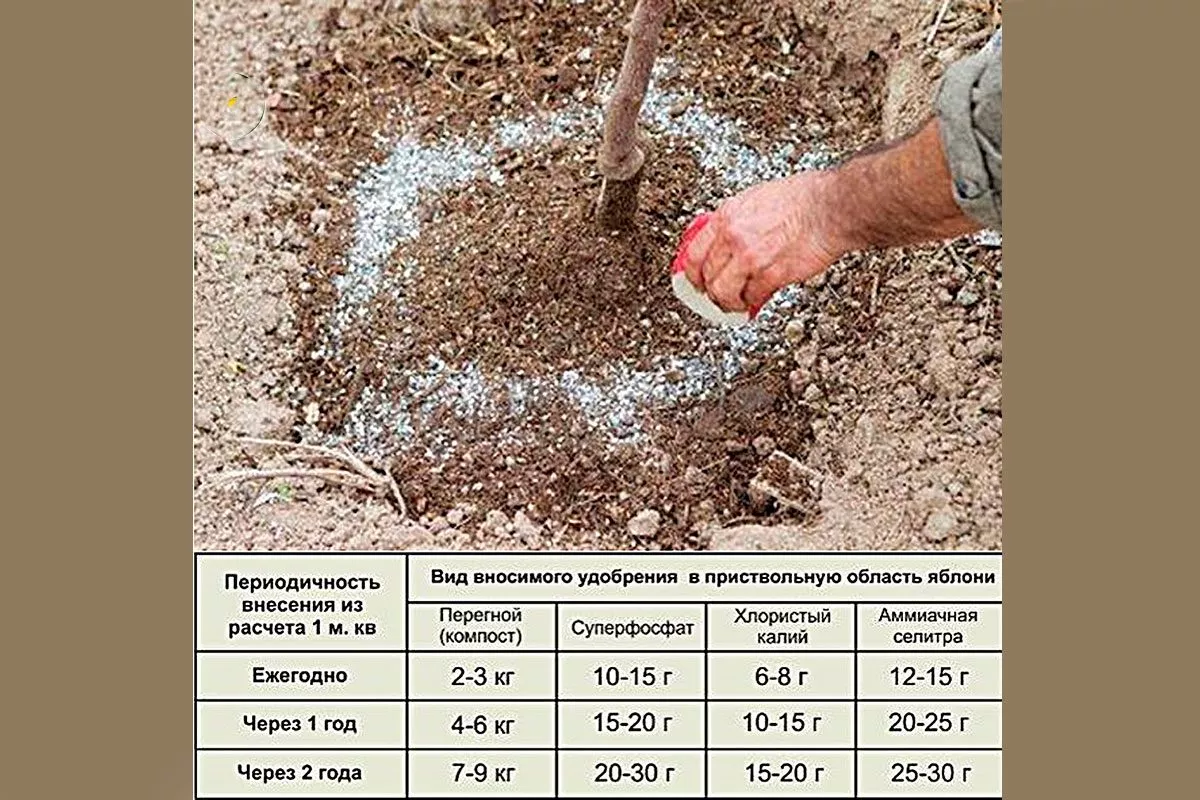
Follow these recommendations:
- In spring (before flowering). Apply nitrogen fertilizers—they promote active growth of shoots and leaves. Use ammonium nitrate or organic fertilizers such as mullein or bird droppings (30-40 g of ammonium nitrate per square meter).
Use complex mineral solutions containing nitrogen, phosphorus, and potassium. This is necessary to strengthen the crop before the growing season begins. - During flowering (or at the beginning of fruit formation). Phosphorus-potassium fertilizers are effective – they stimulate flowering and fruit set, and strengthen the root system. Add superphosphate and potassium salts. For fertilizing, prepare a solution by mixing 30 g of superphosphate and 20 g of potassium fertilizer in 10 liters of water.
- Summer feeding (after fruiting). Organic components such as liquid compost, chicken manure, or herbal infusions (nettle, dandelion) are ideal. They will provide the apple tree with essential micronutrients.
- Autumn (after harvest). During this period, fertilizing helps prepare the plant for winter and strengthen its root system. Add phosphorus and potassium fertilizers, such as superphosphate and potassium salts.
Trimming
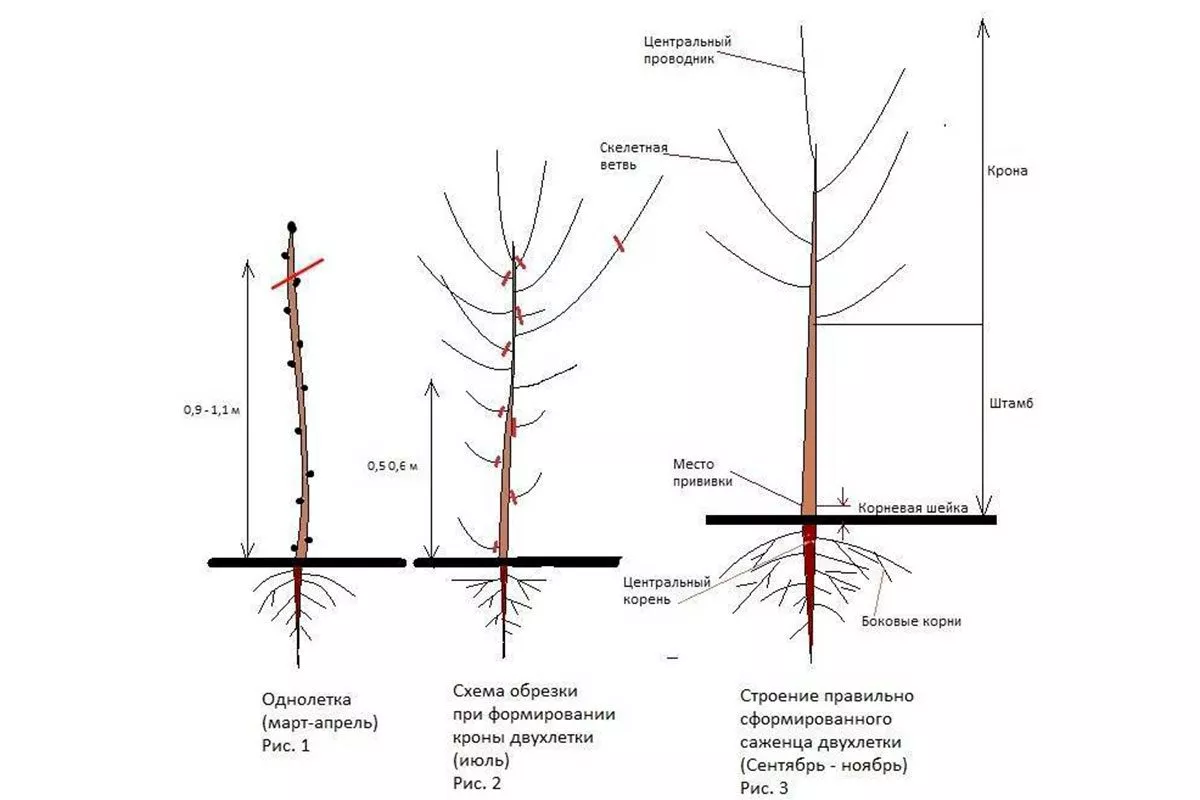
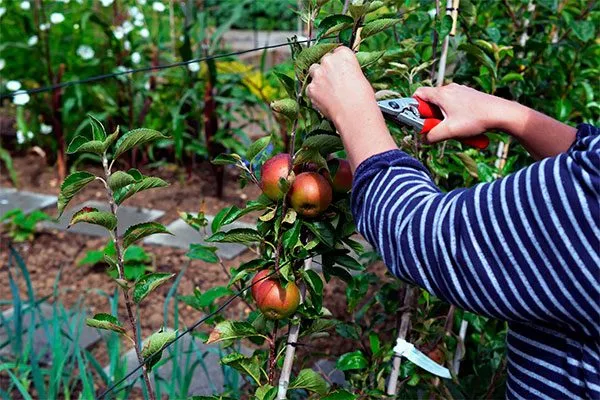
The first pruning, aimed at shaping the crown, should be performed in the year of planting. Prune the main shoot down to the first fruiting branch, leaving it for subsequent fruiting. Subsequent pruning is required as the fruiting branches grow and mature.
Winter shelter and protection from rodents
Young saplings or trees less than a few years old are particularly susceptible to low temperatures. To protect them from frost, cover their trunks with agrofibre, thick fabric, or a special protective net. Wrapping them in spruce branches or straw is a good option.
To protect the apple tree from rodents, wrap a fine-mesh wire mesh around the trunk. You can also coat the trunk with wax or a special pest-repellent compound. Be sure to clear the area of any vegetation, as it can serve as a hiding place for rodents.
Diseases and pests – control, prevention
The Moscow Necklace is characterized by a strong immune system—with proper care, it rarely gets sick and is almost immune to insect attacks. However, excessive moisture and poor agricultural practices can lead to certain problems:
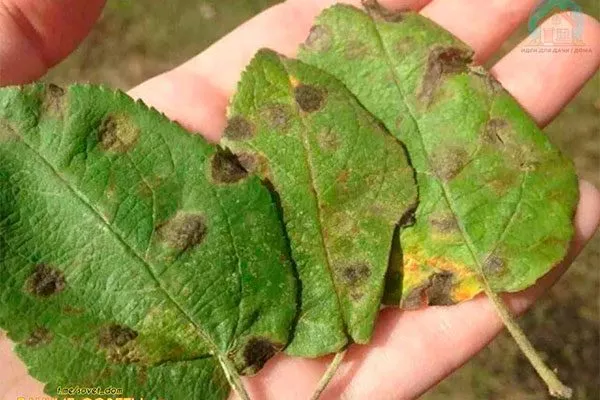
- Brown spot. The disease is caused by a fungus that lives in the upper layers of soil. Symptoms include brown and yellow spots on the leaves. To treat, remove the damaged areas and treat the crown with fungicides.
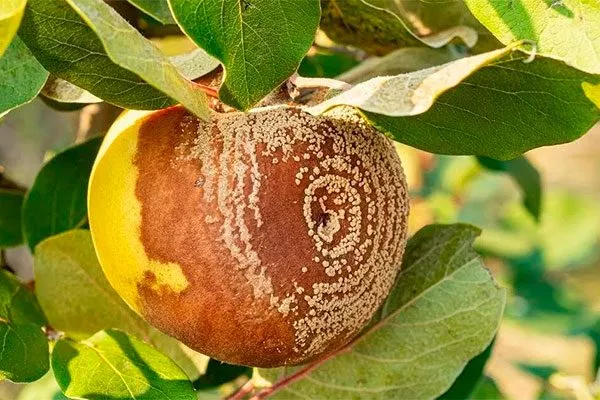
- Fruit rot. The disease manifests itself as brown spots on apples. Over time, they become deformed and completely rot. Remove affected trees and spray the tree with fungicides.
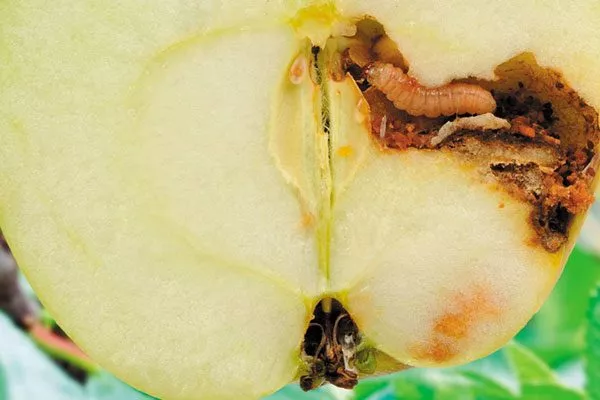
- Codling moth caterpillar. During flowering, butterflies lay eggs on leaves, from which larvae later hatch. The caterpillars damage ovaries and penetrate the fruit, making them unsuitable for consumption and storage. Use insecticides to control the pest.
Collection and storage
Apples reach full ripeness in October. Due to their tendency to crack, apples destined for storage or transport should be picked by hand, carefully placing them in wooden or plastic crates.
Before storing the harvest, carefully sort the fruit, removing any damaged or rotten specimens. In a cool, dark place, apples will retain their flavor and shelf life for up to two months.
Pros and cons
The Moscow Necklace apple variety enjoys a good reputation among gardeners due to its unique characteristics.
Reviews
The Moskovskoe Orelyushie apple tree is an excellent choice for those looking for an easy-to-grow tree for their garden. This variety produces a bountiful harvest every year, and its frost resistance allows it to be grown in the harshest climates. With proper and comprehensive care, productivity can be significantly increased.