
Large, juicy apples are every gardener's dream. Fruit size depends on many factors: variety, cultivation techniques, nutrition, watering, and even weather conditions. In this article, we'll explore scientifically proven and proven methods for increasing apple size without losing their flavor or other qualities.
Selecting a variety is the key to large fruit size
Not all apple trees are capable of producing large fruits—this is largely determined by the genetic characteristics of the variety. When choosing seedlings for large, juicy apples, consider specially bred large-fruited varieties.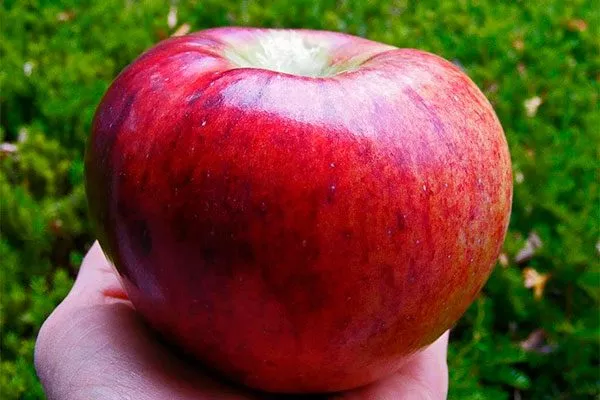
Popular apple varieties with genetically large apples:
- Idared:
- fruit weight: 180-200 g;
- peculiarities: the fruits are round-conical, with a bright red blush;
- advantages: high yield, good keeping quality.

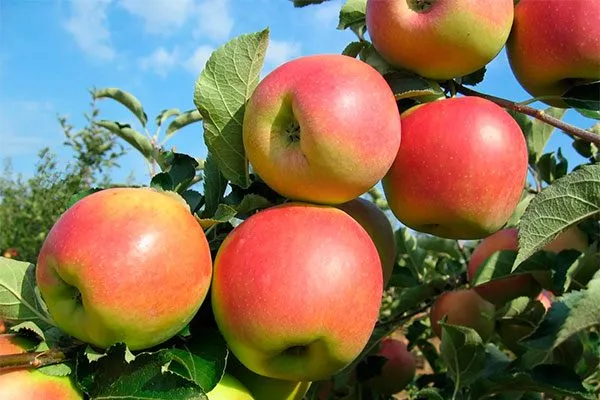
- Gala Mast:
- fruit weight: 170-220 g;
- peculiarities: red-orange color, sweet taste;
- advantages: resistance to scab, regular fruiting.
- Fuji:
- fruit weight: 200-250 g;
- peculiarities: pink-red striped blush;
- advantages: exceptional sweetness, long shelf life.
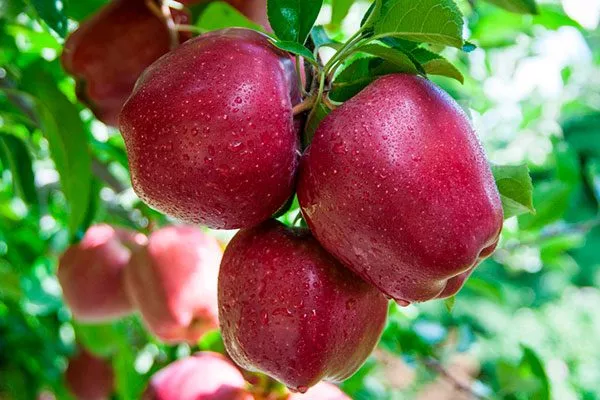
- Red Delicious:
- fruit weight: 180-300 g;
- peculiarities: rich dark red color;
- advantages: crispy flesh, marketable appearance.
- Jonagold:
- fruit weight: 170-220 g;
- peculiarities: yellow-red color;
- advantages: excellent balance of acidity and sweetness.
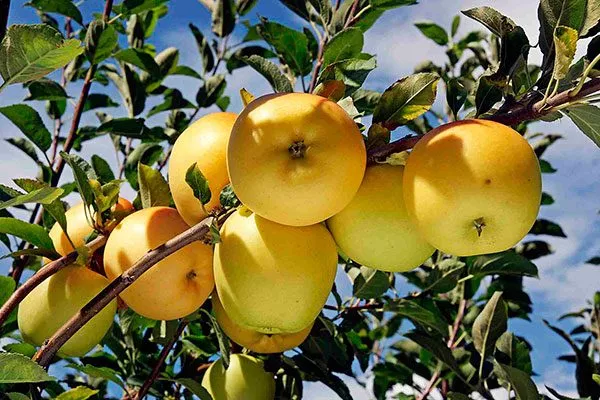
- Golden Delicious:
- fruit weight: 160-190 g;
- peculiarities: golden yellow color;
- advantages: tender pulp, aromatic taste.
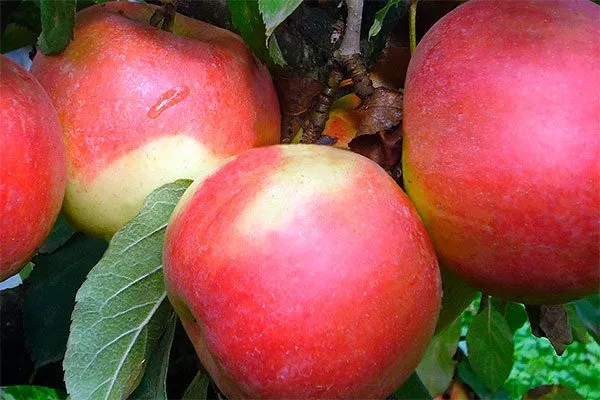
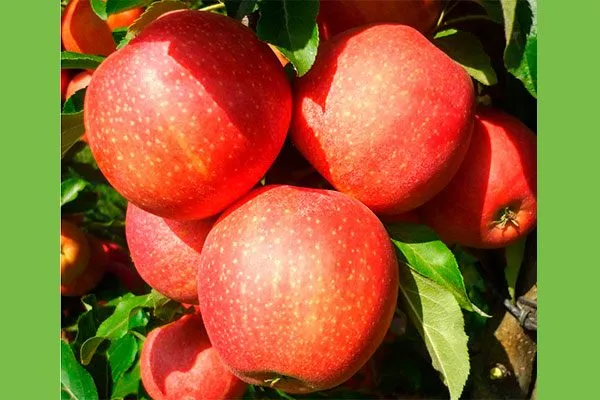
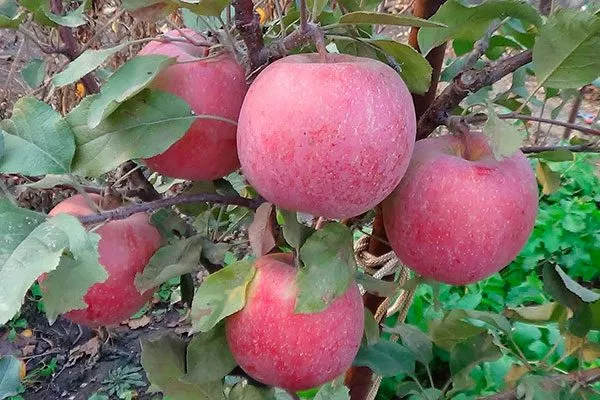
Important selection criteria:
- climatic zonality of the variety;
- disease resistance;
- high maintenance requirements;
- ripening periods;
- taste characteristics.
Practical advice: If you already have an apple tree in your garden, but the fruit isn't large enough, you can improve the situation by grafting. Budding (inoculation) allows you to add a branch of a large-fruited variety to an existing tree. The best time to perform this procedure is spring or early summer, when the sap is actively flowing.
An additional recommendation: when purchasing seedlings, pay attention not only to the variety but also to the rootstock. Dwarf and semi-dwarf rootstocks (M9, M26) often produce larger fruits than vigorous varieties.
Standardization of ovaries
The basic principle is that the more ovaries a tree produces, the smaller the ripened fruit will be. This occurs because the plant is unable to provide sufficient nutrition to all the ovaries that have formed.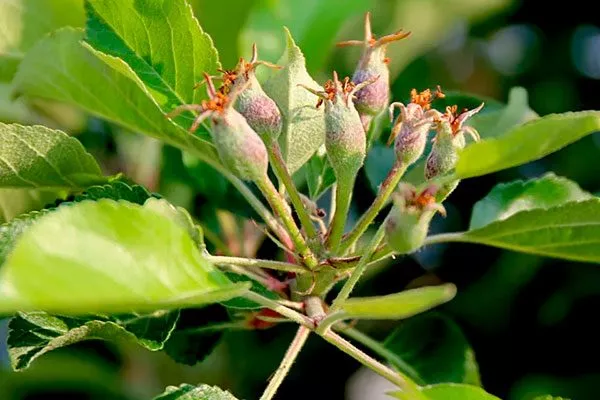
Peculiarities of crop rationing
Physiological benefits of rationing:
- improves the quality of fruits (size, color, taste);
- prevents periodicity of fruiting;
- reduces the risk of branches breaking under the weight of the crop;
- increases the winter hardiness of the tree due to better preparation for the dormant period.
Remember that proper fruit thinning is one of the most effective ways to achieve a consistent harvest of large, marketable apples. With regular use of this technique, you'll notice a significant improvement in fruit quality within just one or two seasons.
Manual thinning
This is a mechanical method for increasing the size of fruit. Please note the following rules:
- Timing: after the natural fall of ovaries in June (June-early July).
- Leave only the most developed, healthy ovaries with the correct shape.
- Remove the central fruits in the inflorescences - they often grow deformed and small.
- Keep the ovaries located closer to the base of the branch - they receive better nutrition.
- The distance between the remaining fruits should be 15-20 cm.
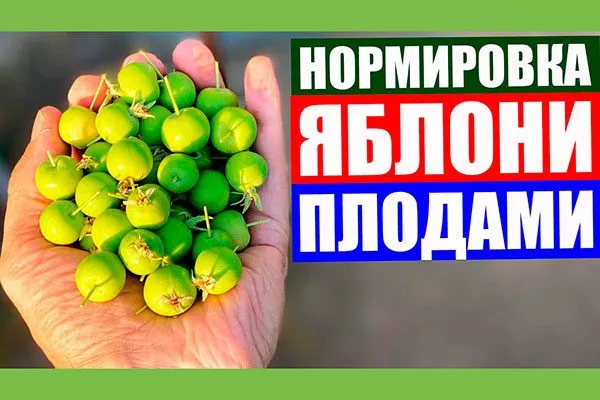
Advantages of the manual method:
- precise control of fruit quantity;
- the ability to select the most promising ovaries;
- minimal stress for the tree.
Chemical thinning
The procedure is performed during and immediately after the flowering period. Features:
- Use of preparations based on gibberellins (Ovary, Bud).
- Use of special thinning tools (for example, Seivin or Atomic).
- The concentration of solutions must be strictly according to the instructions.

Important nuances of chemical thinning:
- Efficiency depends on weather conditions.
- Requires precise adherence to dosage.
- Works best in combination with manual thinning.
Combined method
This is the technology recommended by many experts. It consists of the following:
- Carry out chemical thinning during the flowering phase.
- After 2-3 weeks, perform manual correction of the number of ovaries.
- Re-evaluate the load in the walnut phase (fruits 2-3 cm in diameter).
Additional recommendations:
- For young trees (up to 5 years old) leave the load minimal.
- On mature trees, you can keep more fruits, but distribute them evenly across the crown.
- After rationing, be sure to fertilize with complex fertilizer.
Proper feeding is the key to large fruits
Key elements for increasing apple yields throughout the seasons:
- Early spring:
- fertilizers: nitrogen (urea, ammonium nitrate);
- effect: stimulates the growth of shoots and leaf system.
- fertilizers: nitrogen (urea, ammonium nitrate);
- Flowering and ovary:
- fertilizers: phosphorus-potassium (Superphosphate, potassium monophosphate);
- effect: improves fruit formation.
- fertilizers: phosphorus-potassium (Superphosphate, potassium monophosphate);
- Filling fruits:
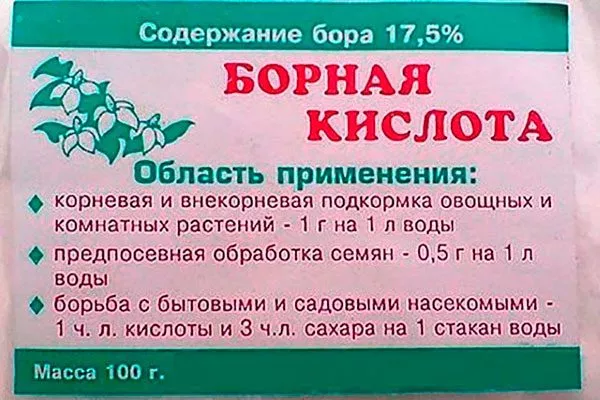
- fertilizers: potassium (potassium magnesium sulfate, ash) + microelements (boron, calcium);
- effect: increases sugar content and size of fruits.
- fertilizers: potassium (potassium magnesium sulfate, ash) + microelements (boron, calcium);

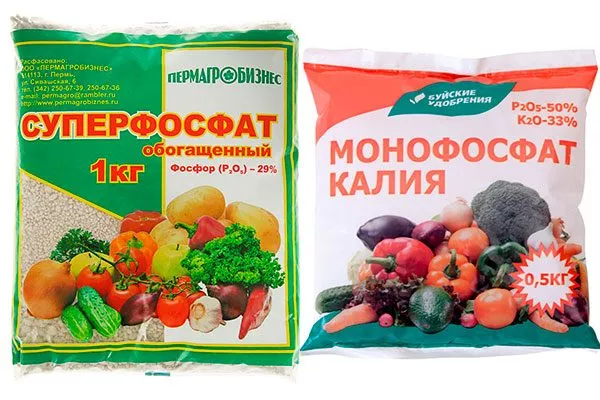
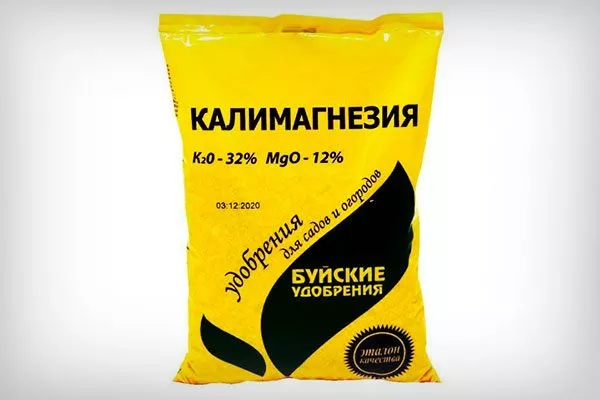
Foliar feeding with boron (2 g of boric acid per 10 l of water) during the ovary stage sharply increases the size of the fruit.
Lack of moisture is the main reason for small apples
Watering plan to prevent small apples:
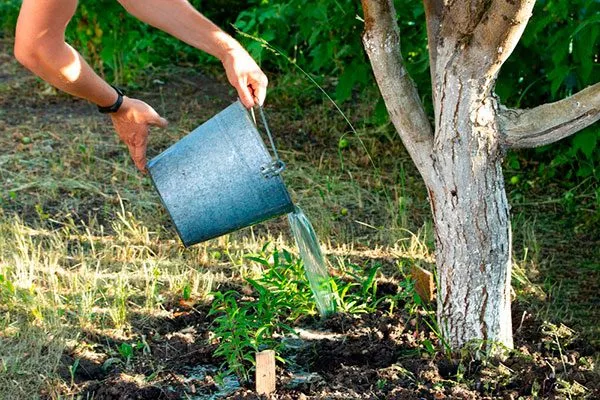
- Spring (after bud break) – 20-30 liters of water per tree.
- June-July (phase of active fruit growth) – 40-50 l every 7-10 days.
- August-September (ripening) – reduce watering to improve taste.
Pruning and crown shaping
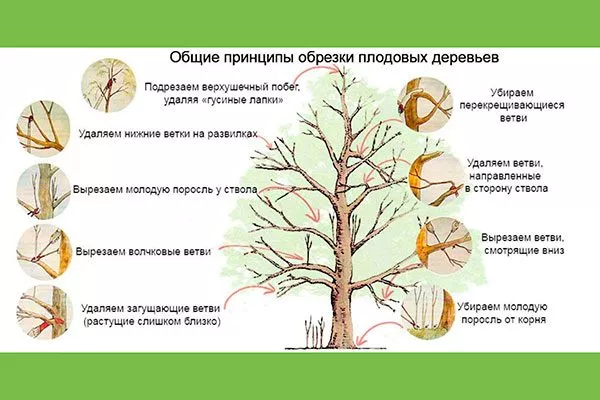
Proper pruning is a crucial agricultural practice, directly affecting the size and quality of the fruit. A dense crown creates numerous problems.
The main consequences of thickening:
- lack of sunlight in the depths of the crown (the fruits turn out small and sour);
- deterioration of air exchange (increased risk of fungal diseases);
- uneven distribution of nutrients;
- decreased winter hardiness of the tree.
Optimal crown shapes for large fruits:
- Sparsely tiered (traditional for medium-sized trees).
- Cup-shaped (ideal for dwarf apple trees).
- Palmette (for intensive gardens).
Pruning techniques by season:
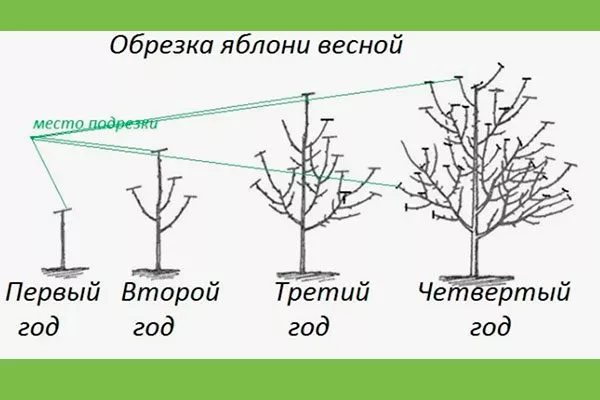
- Spring procedure (before bud break):
- basic crown formation;
- removal of damaged and frozen branches;
- thinning out dense areas;
- shortening the conductors by 1/3.
- Summer pruning (June-July):
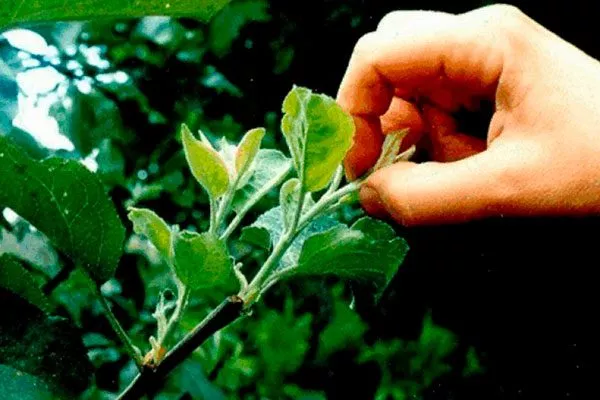
- pinching of young shoots;
- breaking out the tops;
- thinning the center of the crown;
- standardization of fruit branches.
- pinching of young shoots;
- Autumn technique (after leaf fall):
- sanitary cleaning;
- preparing for winter;
- removal of competing shoots.
Special techniques for increasing fruit:
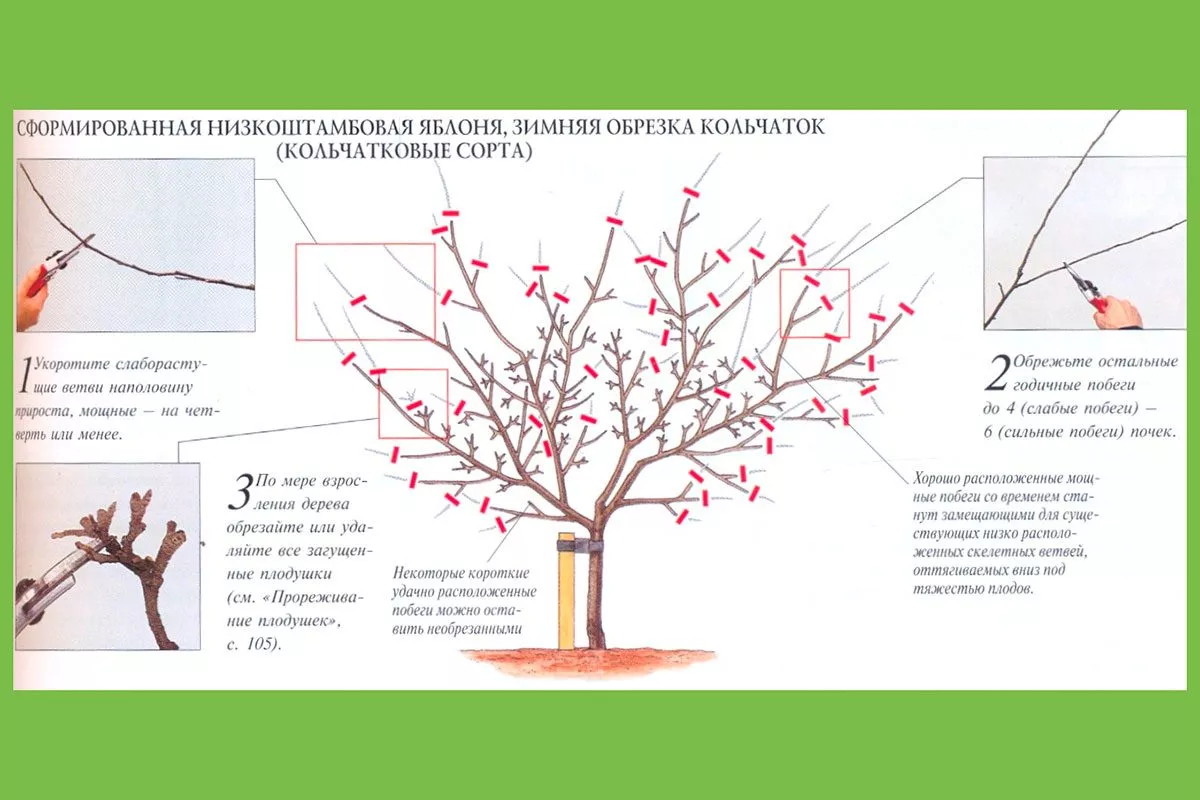
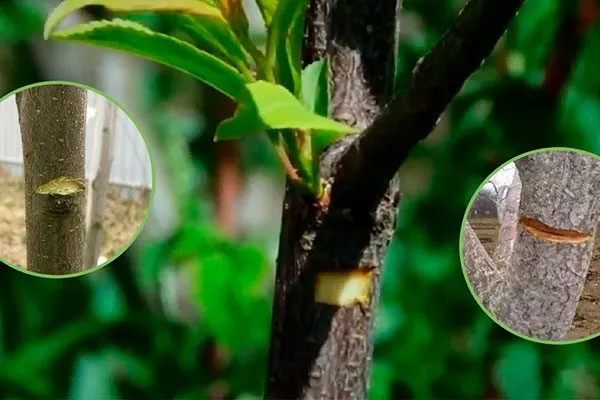
- Kerbovka – cuts in the bark above dormant buds to stimulate fruit formation.
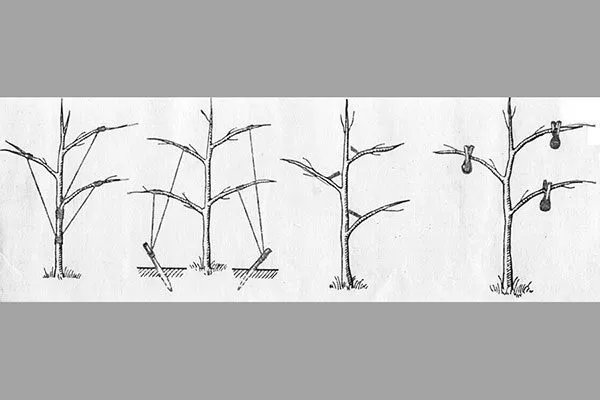
- Branch deviation – fixation at an angle of 60-70° to accelerate fruiting.
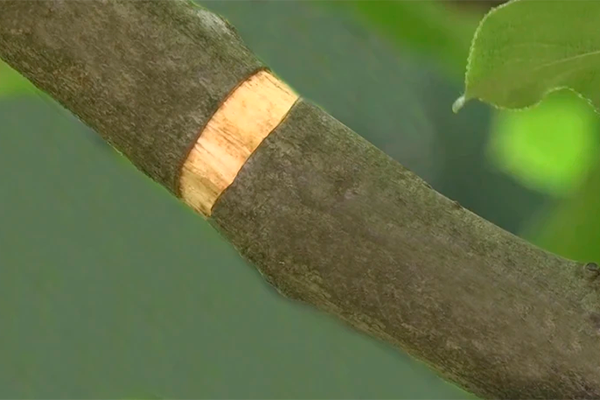
- Ringing – temporary disruption of the flow of nutrients for the formation of flower buds.
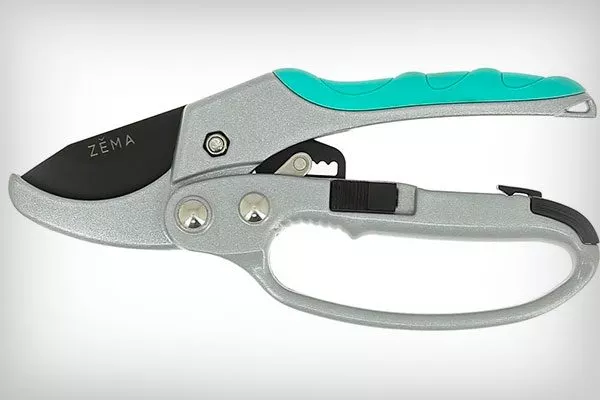
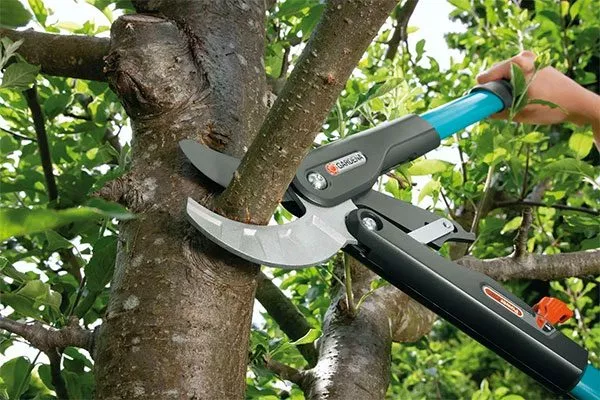
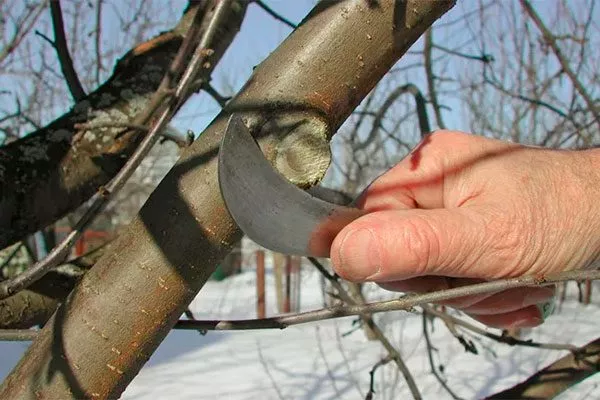
Tools for high-quality trimming:
- ratchet pruner;
- lopper for thick branches;
- garden saw;
- garden knife for cleaning cuts.

Requirements for performing cuts:
- cutting angle – 45°;
- on the ring (without stumps);
- smooth cut surface;
- mandatory disinfection of instruments;
- treating wounds with garden pitch.
Common mistakes:
- excessive shortening (provokes the growth of water shoots);
- uneven thinning;
- ignoring the processing of cuts;
- untimely pruning.
Following these rules will help you create a well-lit, productive crown capable of producing large, high-quality fruits. Remember, pruning is not a one-time event, but an annual process of tree formation.
Using growth regulators to increase apple size
Modern plant growing technologies offer effective solutions for managing fruit growth and development. Growth regulators can significantly improve the commercial quality of apples, increasing their size by 20-30%, and enhancing their shape and color.
Main groups of drugs:
- Gibberellins (Gibberross, Ovary, Bud):
- stimulate active division of fruit cells;
- increase the percentage of useful ovaries;
- accelerate growth processes;
- optimal concentration: 10-20 mg/l of water.
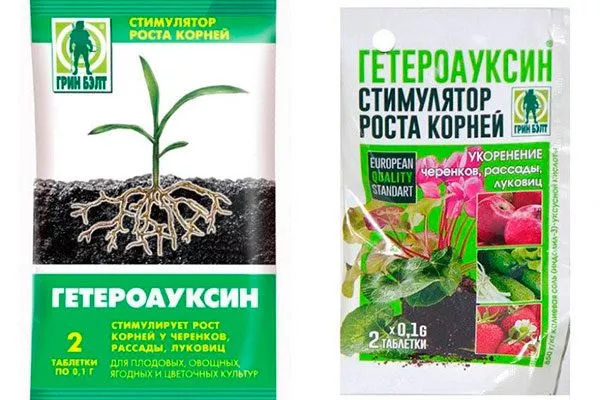
- Auxins (Kornevin, Heteroauxin):
- improve the transport of nutrients to fruits;
- reduce ovary drop;
- promote uniform development of fruits;
- concentration: 5-10 mg/l.
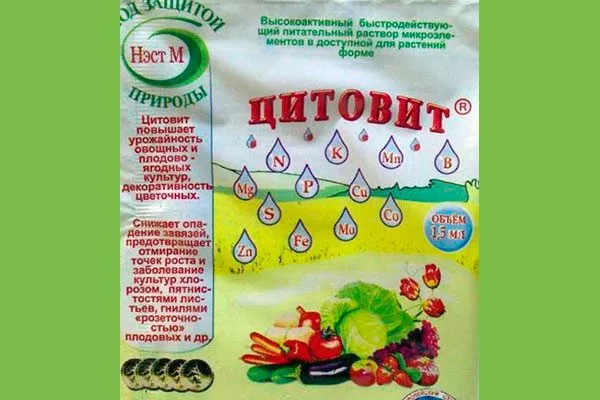
- Cytokinins (Cytovit, Keikigrow Plus):
- prolong active growth of fruits;
- increase the period of cell division;
- improve fruit filling;
- Dosage: 5-15 mg/l.

New generation complex drugs:
- Verks – a combination of phytohormones and microelements;
- Fruktovit – complex regulator of fruit formation;
- Maxifrukt - prolonged-release drug.
Application technology:
- Processing times:
- first spraying – green pea phase (fruits 5-10 mm);
- the second – 10-14 days after the first treatment;
- third (if necessary) – at the beginning of fruit filling.
- Conditions of effectiveness:
- air temperature 15-25°C;
- no precipitation within 6 hours after treatment;
- morning or evening hours;
- use of fine spray.
- Important nuances:
- efficiency increases when combined with foliar feeding;
- It is necessary to strictly adhere to the recommended dosages;
- alternate drugs from different groups for a complex effect;
- stop treatments 3-4 weeks before harvest.
Additional benefits:
- improving the shape and color of fruits;
- increased resistance to cracking;
- increase in shelf life;
- reducing the impact of adverse weather conditions.
To achieve maximum effect, it is recommended to combine the use of growth regulators with other agricultural practices – proper watering, balanced nutrition, and proper pruning.
Protection from pests and diseases
Damaged fruits don't grow large, so it's important to prevent pests and diseases. The main threats and control methods are:
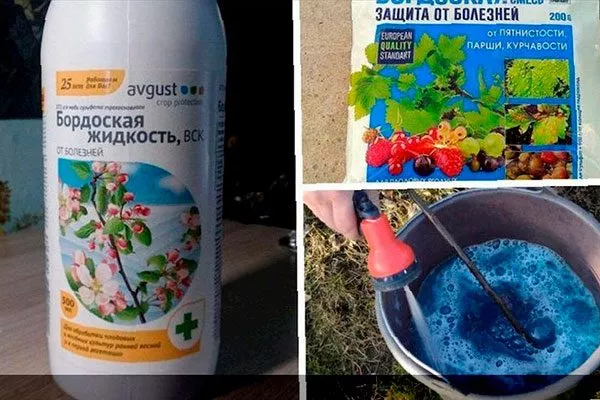
- Scab - spraying with Skor or Bordeaux mixture.
- Codling moth – catching belts + drugs (Decis, Karate).
- Aphids - treatment with soap solution or Fitoverm.


Influence of climate and rootstocks:
- Dwarf rootstocks (M9, M26) produce larger fruits than vigorous ones.
- In cold regions, mulching the tree trunk circle improves soil warming and accelerates fruit growth.
Traditional methods
Folk remedies for increasing the size of apples:
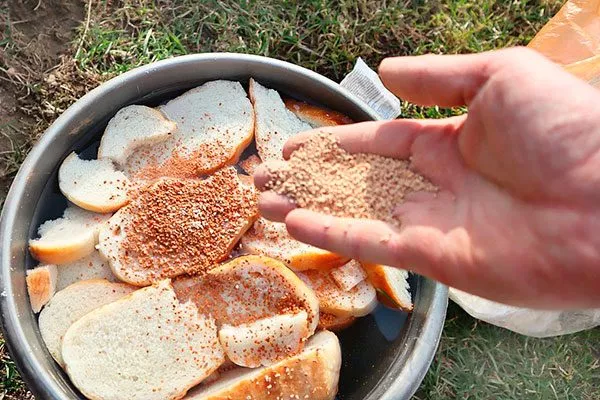
- Bread feeding. Fill half a 10-liter bucket with stale bread, add water, add a little sugar (about 300-400 g), and let it steep for two to three days. Then, pour this infusion over the apple tree roots.
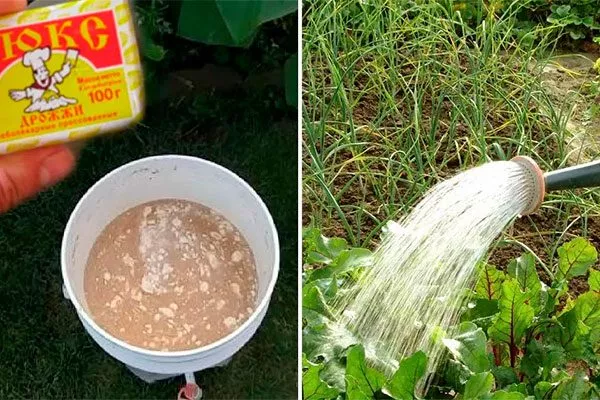
The effect is that apples noticeably increase in size, as if they received an additional boost of energy. - Yeast feeding. Add 100 g of fresh yeast and 2 tablespoons of sugar to a ten-liter bucket of water. Let it sit for a day or two, then pour it under the tree. The result: the fruits begin to grow actively and fill with juice.
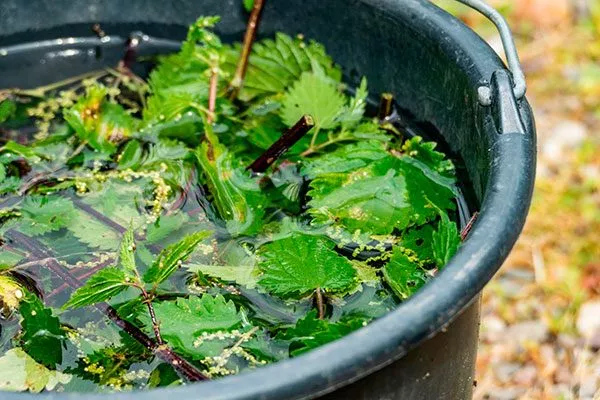
- Nettle infusion. Dilute 1 liter of fermented nettle pulp in 10 liters of water and pour it directly under the root. Effect: nettle is rich in microelements, especially potassium, which makes apples larger and juicier.
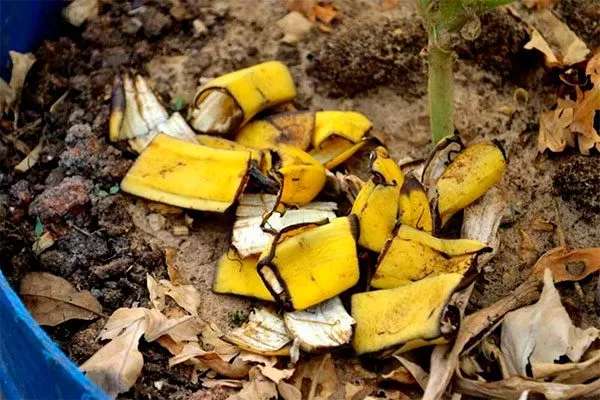
- Banana peel compost. Bury banana peels around the apple tree trunk. They serve as an excellent source of potassium and magnesium, promoting the growth of large, tasty fruits.
Conclusion: How to get large apples?
To get large, juicy apples in your garden, it is important to follow a set of agricultural practices:
- It is necessary to start with the correct choice of variety – give preference to specially bred large-fruited varieties that are genetically predisposed to the formation of large fruits.
- Particular attention should be paid to the standardization of ovaries, leaving only the strongest and most well-developed specimens on the branches.
- Balanced tree nutrition is key: nitrogen fertilization in early spring, potassium fertilizers during the fruit ripening period, and mandatory boron addition to improve crop quality.
- Don't forget about regular watering, especially during the critical period of June-July, when the fruits are actively growing.
- Correct formative pruning will help ensure good illumination of the entire crown.
- In some cases, it is possible to use approved growth stimulants, which can increase the size of fruits by 20-30%.
By consistently following all these recommendations, you're guaranteed a bountiful harvest of large, sweet apples with excellent marketability. Growing high-quality fruit requires a systematic approach and constant attention to the needs of your fruit trees.