
The Medunitsa apple tree is a frost-hardy and self-fertile variety with high disease resistance. It boasts consistent yields and juicy, aromatic fruits with a pleasant sweet-and-tart flavor. The tree has a strong root system and longevity, allowing it to be grown for decades with proper care.
History of Lungwort breeding
The variety was developed in the mid-20th century by breeder S. I. Isaev by crossing the Cinnamon Striped and Welsh apples. The result was an apple tree with excellent qualities. Although not included in the State Register of the Russian Federation, it quickly gained popularity among lovers of sweet fruits.
Description of the variety
The Medunitsa apple tree is a popular variety, long beloved by Russian gardeners. It is prized for its consistent yield, the bright, honey-sweet flavor of its apples, and its resistance to adverse conditions. These qualities make it particularly attractive for cultivation in a variety of climates.
Characteristics of trees
Based on its appearance, Lungwort is a tall apple variety. On seed rootstock, the plant can grow over 7 meters.
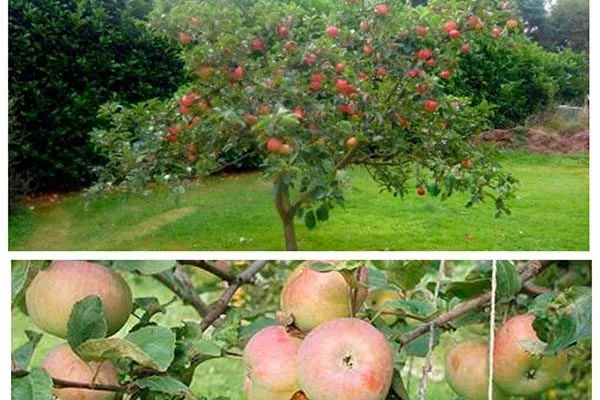
Distinguishing features:
- crown – wide, light green, well-foliated, with a sparse skeleton and a pyramidal shape;
- shoots – light brown;
- leaves - round, slightly elongated, with a characteristic light yellow hue and a curved plate in the center.
The variety actively forms shoots, so annual crown shaping is especially important to maintain the productivity and appearance of the tree.
Characteristics of fruits
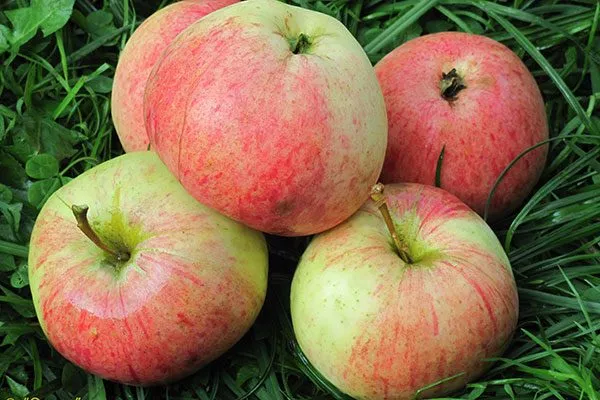
The apples are medium-sized, weighing between 100 and 150 grams; larger specimens are rare. Key features:
- form - predominantly round, sometimes slightly conical;
- coloring – yellow-green with characteristic red-orange flashes, and at the stage of full maturity they acquire a rich yellow or red hue with a bright scarlet blush;
- pulp – dense, juicy, with a subtle honey aroma and delicate taste.
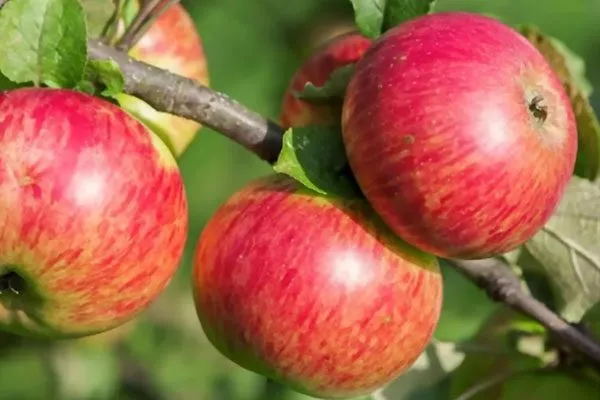
This variety is considered a sweet summer apple: the sugar content in the fruit is at least 14%, often exceeding this mark. Thanks to its low acidity, the fruit is pleasant to eat even before it's fully ripe. Tasting scores for ripe apples range from 4.3 to 4.6 points on a 5-point scale.
Fruiting of Lungwort and yield
Apple tree seedlings grafted onto seed rootstock begin bearing fruit 5-6 years after planting. The period of active productivity lasts for approximately 12-15 years, after which fruiting intensity gradually declines and is directly dependent on the quality of care.
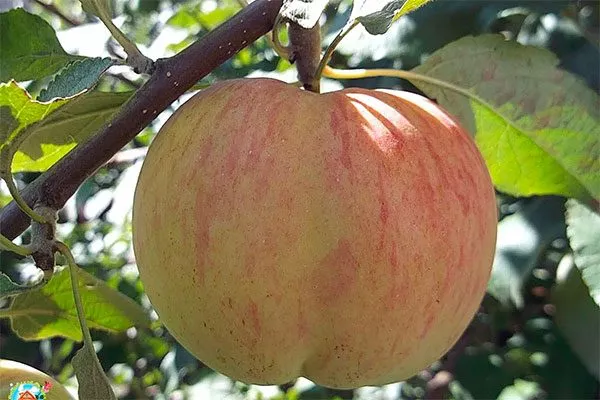
With proper agricultural practices, the tree retains its ability to produce fruit for over 50 years. Harvesting typically begins in mid-August and continues until early September. Due to the dense foliage, the apples ripen unevenly, often lacking sufficient sunlight. The yield per plant is 80-100 kg.
Lungwort flowering and suitable pollinator varieties
It is a self-pollinating variety, capable of bearing fruit without the need for pollinators. However, to increase yield and improve apple quality, it is recommended to plant trees with similar flowering times nearby. Lungwort blooms in late May to mid-June, so pollinators should be planted at the same time.
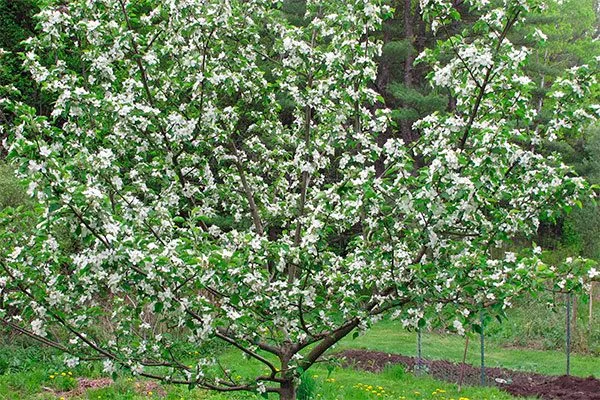
Among summer varieties, Medunitsa stands out for its particularly high sugar content and is rightfully considered one of the sweetest apple trees. Optimal "neighbors" for cross-pollination include:
- Victory;
- Anis Sverdlovsky;
- Cinnamon striped.
Harvesting and storage
Apples can be picked either at the technical stage of ripeness or at the fully ripened stage. The shelf life depends on the ripeness level: unripe apples can last up to 3-4 months, while fully ripe ones don't spoil for more than a month.
The fruits of this variety lose their rich flavor and aroma over time, which are most pronounced during the first 2-3 weeks after harvest. Due to their poor shelf life, the fruits are rarely stored for long periods. Instead, gardeners often use the harvest for home processing.
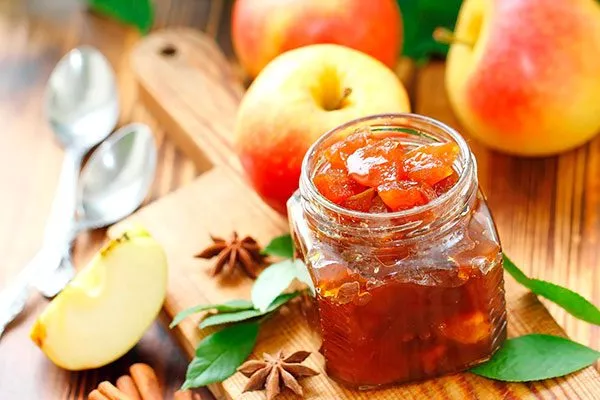
Lungwort is excellent for preparing the following dishes:
- jam;
- jams;
- compotes;
- winter preparations.
Winter hardiness of the Medunitsa apple tree and growing regions
Thanks to its strong resistance to low temperatures, this variety has gained wide recognition among both summer cottage owners and in industrial gardening.
The trees easily survive harsh winters, withstanding temperatures down to -35°C to -40°C. Lungwort responds well to sudden temperature fluctuations and is rarely damaged by spring frosts. These qualities make the variety particularly popular in regions with cold climates.
Disease resistance
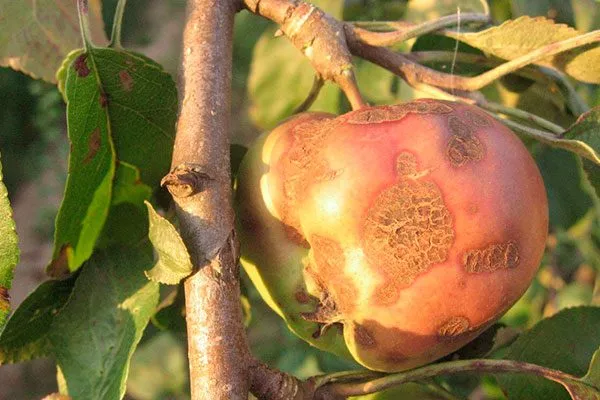
Scab remains one of the most common and dangerous diseases of fruit trees. This problem was already prevalent when the Medunitsa variety was developed and remains significant today.
However, over time, new, aggressive strains of the pathogen have emerged, to which the variety no longer has natural defenses. Therefore, even resistant trees require annual preventative treatment. Spray the crop with fungicides and follow proper agricultural care.
Peculiarities of planting apple trees
Growing and caring for the Medunitsa apple tree is similar to other summer varieties. The main focus should be on choosing the right time and properly preparing the site for planting.
What rootstocks should it be grown on?
When purchasing planting material, pay attention to the type of rootstock the plant is grafted onto. This determines characteristics such as:
- height of the future tree;
- appearance and size of the crown;
- fruit ripening time and fruiting period;
- garden planting scheme;
- duration and regularity of apple fruiting;
- plant lifespan.
Seed rootstock
The Medunitsa apple tree, grafted onto a seed rootstock, requires careful care and regular annual pruning to ensure proper crown formation.
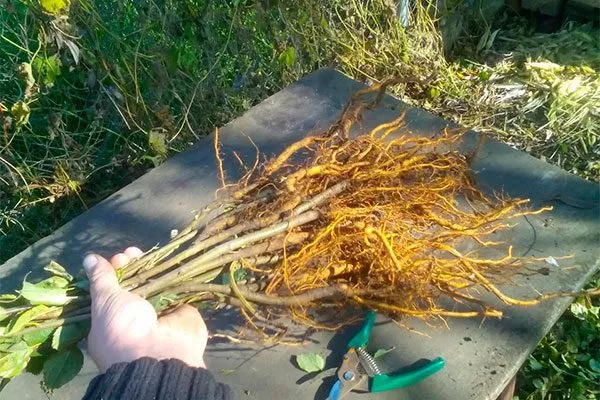
Characteristics of the variety on seed rootstock:
- with proper care, the tree bears fruit for 45–50 years;
- the height of an adult plant reaches 5-7 m;
- fruiting begins 5-6 years after planting.
The recommended distance between seedlings is 4.5-5 m, since the crown of the Lungwort is very wide.
Semi-dwarf rootstock
When planting tall varieties, gardeners often recommend choosing a semi-dwarf rootstock. This option makes tree care easier and allows for a bountiful harvest.
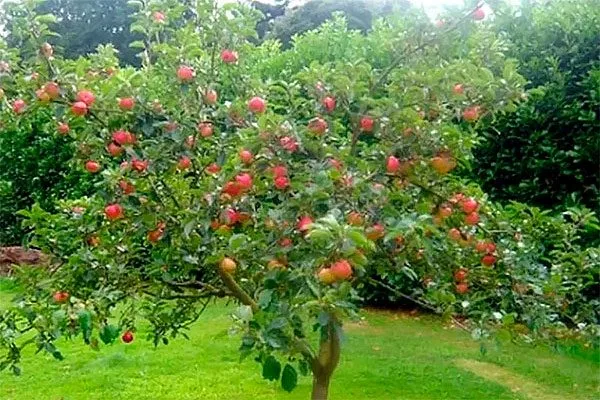
Unlike ordinary tall apple trees, an adult plant on such a rootstock will be shorter, and the fruits will form much earlier.
Main characteristics of the semi-dwarf Lungwort:
- height of an adult tree – 4-4.5 m;
- beginning of fruiting – 3-4 years after planting;
- the optimal distance between seedlings is 3 m.
The crop grows well even in areas with close groundwater levels.
Columnar and dwarf rootstocks
The advantages of miniature apple varieties are obvious. While the standard Medunitsa apple tree has a pyramidal crown, dwarf varieties can have a triangular or spherical shape. Like all representatives of this variety, they require regular pruning to maintain high yields.
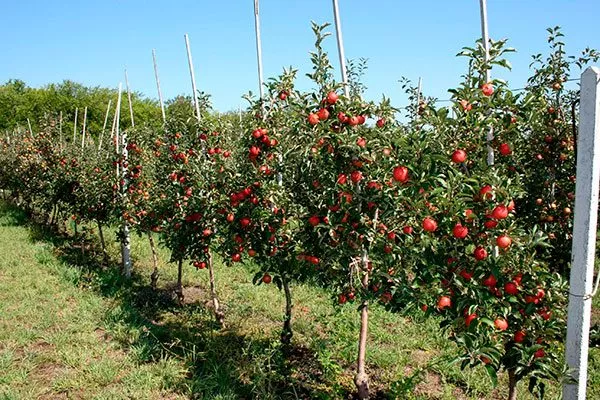
Characteristics of Lungwort on dwarf rootstock:
- tree height – 1.5-2 m;
- fruiting begins after 2.5-3.5 years;
- the minimum distance between seedlings is not less than 1 m.
Features of Lungwort on a columnar rootstock:
- Apples ripen on the tree quite early—as early as the second year. However, to ensure the full development of the seedling, it is recommended to remove the ovaries during the first 1.5–2 years.
- Apple trees are compact and require support and careful maintenance.
- Columnar plants are bred for intensive fruiting, so their lifespan is limited to 10-12 years.
Winter apple variety
Over more than half a century of breeding work, numerous new variations of the Medunitsa variety have been created. The breeders' primary goals were to improve the trees' frost resistance and extend the fruit's shelf life. The result was the winter version of Medunitsa.
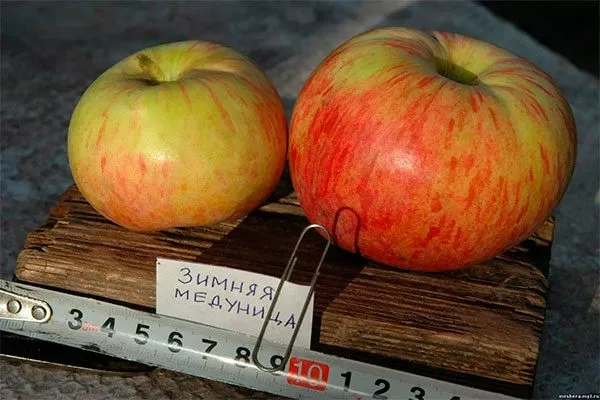
Distinguishing characteristics:
- the fruits ripen about a month later – at the end of September;
- excellent shelf life of fruits;
- the acid content in the fruits is significantly higher than in the summer variety, so they are less sweet during the ripening period;
- The rules for planting and caring for winter Lungwort are practically no different from the recommendations for the summer version.
When cultivating apples, it's important to consider flowering time and select pollinators with similar bloom times. Regular apple consumption can significantly reduce the risk of cardiovascular disease.
Choosing the right time for planting
Depending on the climate region, cultivate the Medunitsa apple tree either in early spring or late fall. For example, in central Russia—the Moscow and Leningrad regions—fall planting is preferable.
In Siberia and the Urals, plant seedlings in the spring to avoid frost damage: spring frosts in the central part of the country and early autumn frosts in the north. If winter snowfall in the region is low, it is recommended to plan the planting for spring.
When planting in autumn, follow these rules:
- There should be at least three weeks left before the onset of stable cold weather;
- Do not plant the seedling too early, as prolonged warmth will cause active growth of shoots, which will die at the first autumn frosts.
In spring, begin work only when temperatures are consistently above freezing. The soil should be thawed and loose to a depth of 50-60 cm for easy planting.
Soil requirements and preparatory measures
This variety grows best in areas with fertile, nutritious soil and good ventilation.
Basic rules:
- The optimal option would be loam with good drainage and a waterproof layer, which protects the powerful root system of the Lungwort from excess moisture and rotting.
- The crop requires ample space for full growth and development. Grow fruit trees in well-lit areas, spacing them so their large crowns don't shade each other.
- Avoid planting young plants near the water table, as this variety does not tolerate waterlogging. The exception is Lungwort on a semi-dwarf rootstock, which is more tolerant of such conditions.
The size of the planting hole is determined by the soil type:
- loose, fertile – approximately 40×35 cm;
- heavy, dense – about 1×0.7 m.
If necessary, apply fertilizer: 15-20 kg of humus, 300-400 g of superphosphate or potassium-phosphorus substances, and 80-100 g of potassium sulfate. Mix all ingredients thoroughly with garden soil before planting.
Rules for planting the Medunitsa apple tree seedling
Before planting, drive a wooden stake approximately 2-2.5 meters high into the center of the hole. Later, tie the young tree to it. This will provide additional support for the plant during the first 1.5-2 years, help it withstand inclement weather and strong winds, and reduce the risk of branch damage.
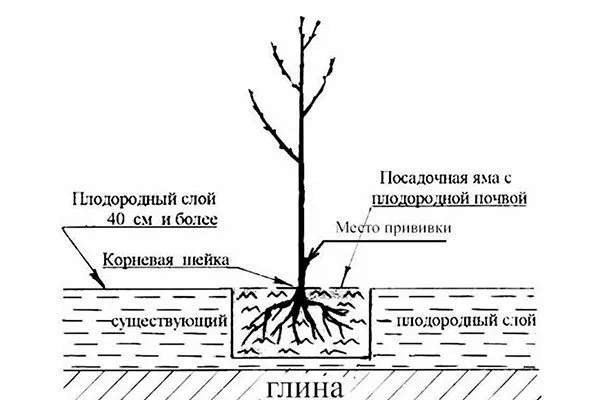
When planting the plant, ensure the root collar is 4-5 cm above the soil level. Place the seedling in the hole. Cover the roots with the prepared soil mixture, compact the soil thoroughly, and water the apple tree generously. Each tree requires at least 50-60 liters of water.
Apple tree care
To consistently produce a high yield, Lungwort requires careful care. Regardless of soil fertility and environmental conditions, it's important to devote a little time to the trees on a regular basis. Following standard agricultural practices will ensure positive results.
Watering an apple tree
The plant has a powerful root system that can independently supply the necessary moisture on hot days. However, during prolonged droughts, when precipitation is absent for several months, irrigation is still essential – apply at least 50 liters of water per tree.
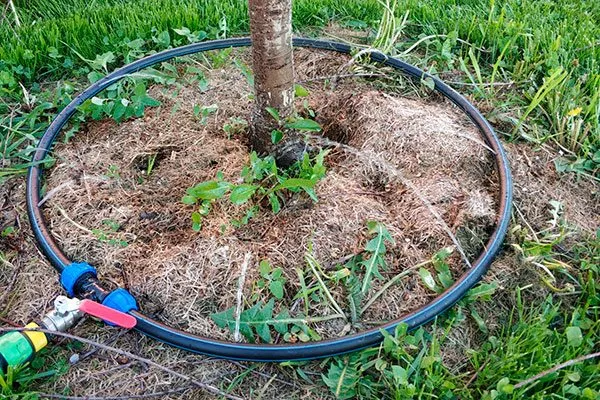
Remember that excess moisture is harmful to apple trees. Overwatering can negatively impact the apples' flavor and the overall health of the tree, so water sparingly.
Fertilizing the tree
After planting a seedling, several important steps should be taken to stimulate the tree's growth. Lungwort requires annual spring application of urea to the soil. To further stimulate growth, add other nutrients:
- in late spring or early summer – sodium humate;
- in autumn – phosphorus-potassium compositions.
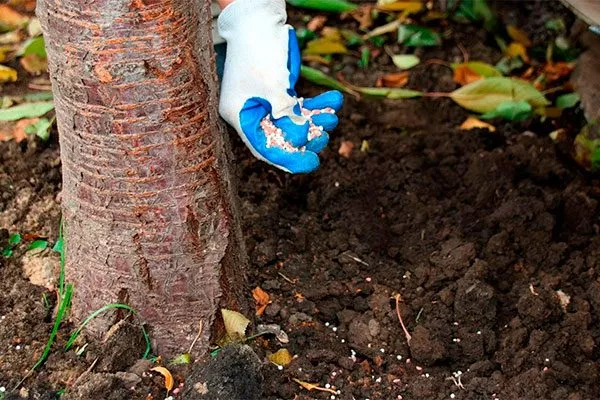
The application of nitrogen-containing fertilizers is especially important – they not only promote tree growth but also positively influence fruit formation. However, before using such fertilizers, carefully read the dosage recommendations, as excessive amounts can have the opposite effect.
Shaping and pruning
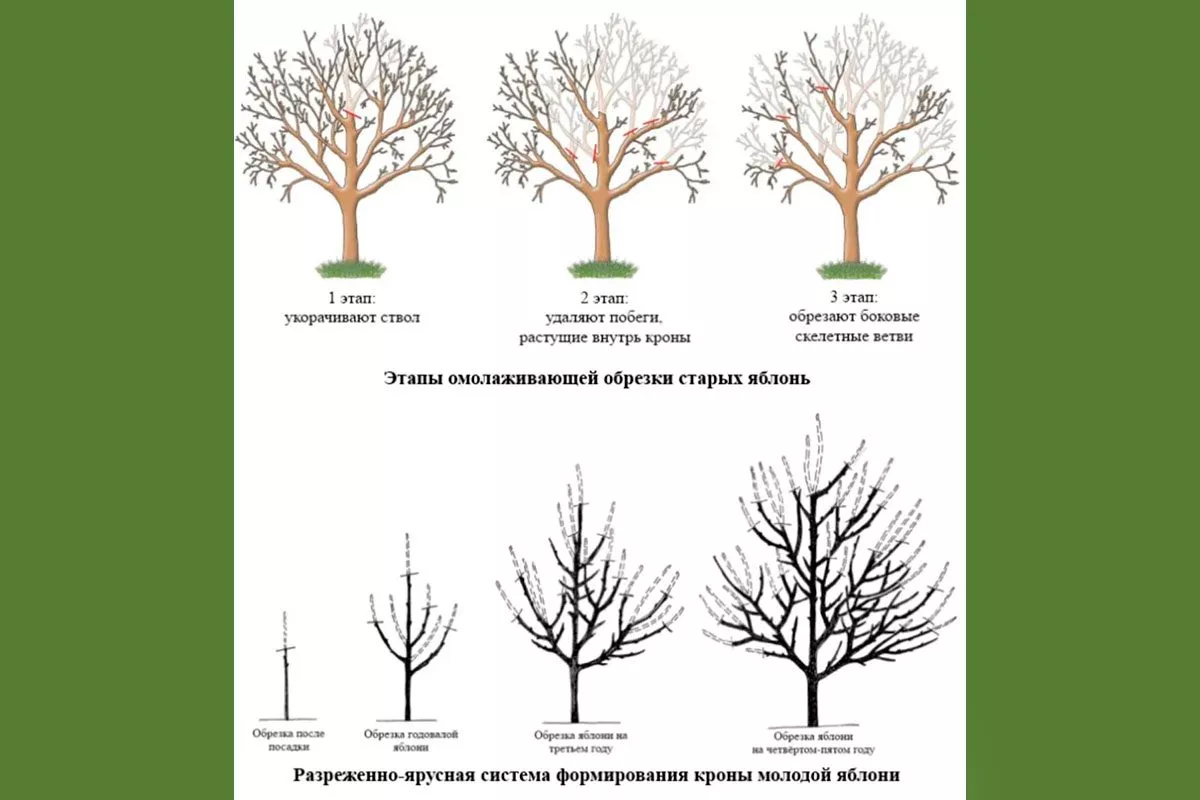
Begin pruning your apple tree the following year after planting. Begin shaping the crown when the tree is two years old. Most often, the tree is formed into sparse tiers with a gap of 30-40 cm between them—this helps maintain the plant's natural pyramidal shape.
Some gardeners prefer to make the crown in the shape of a bowl - in this case, the central shoot is cut out and replaced with 4-5 side branches.
Lungwort is a fast-growing and vigorous variety with moderate shoot formation, which determines the basic rules for pruning a young tree:
- in spring and autumn – sanitary pruning: remove damaged and diseased branches;
- in the spring of every year – thin out the crown to improve lighting and stimulate the growth of new shoots;
- in summer - pinching young growth and removing branches that shade the fruits.
Protection from frost and rodents
Despite Lungwort's high frost resistance, don't neglect winter protection. To protect the root zone, use grass mats, straw bales, or simply mounds of soil. Wrap the trunk with burlap, agrofibre, or other suitable materials.
To prevent damage from rodents, which can damage the bark and young shoots in winter, coat the trunk to a height of about 1-1.3 m with rendered animal fat (lard). Additionally, whitewashing the trunks with lime solution helps repel insects that live in cracks and chipped areas of the bark.
Pest control and protection
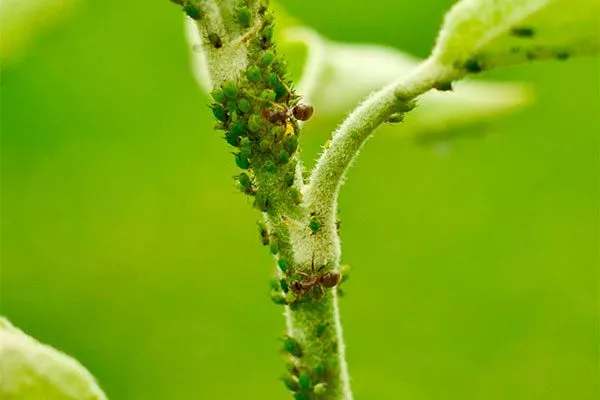
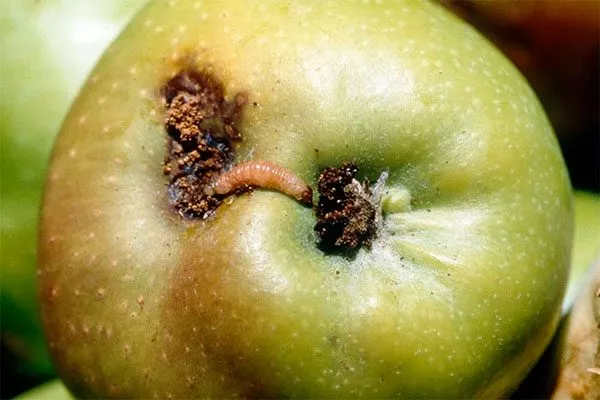
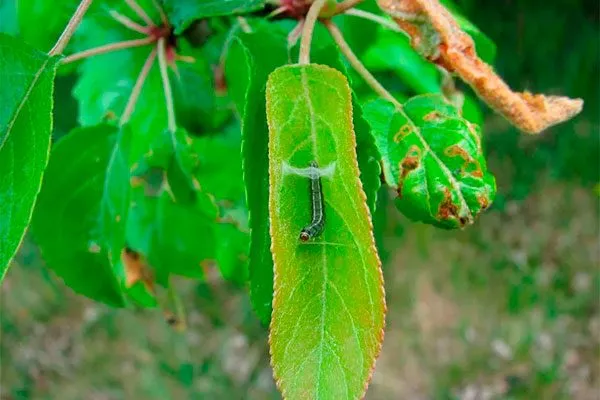
The Medunitsa apple tree is highly resistant to fungal diseases and most fruit tree insects. However, in unfavorable years or with improper care, it may suffer from certain problems:
| Disease/Pest | Symptoms | Prevention and treatment |
| Scab | Dark velvety spots on leaves and fruits, deformation and premature fall of apples.
|
|
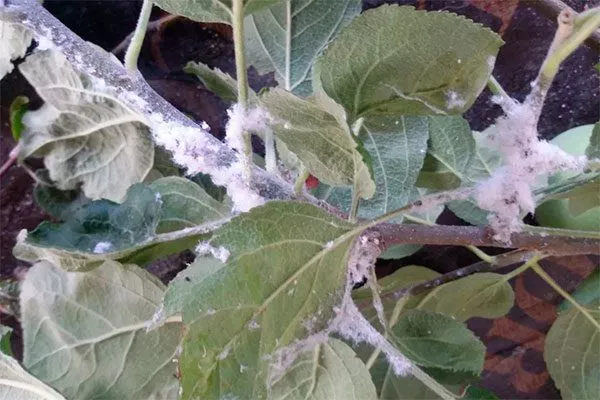
| Powdery mildew | White powdery coating on leaves, buds and young shoots.
|
|
| Aphid | Curling of leaves, sticky coating, slow growth of shoots.
|
|
| Codling moth | Rotting passages inside the fruit, worminess of apples.
|
|
| Leaf roller | Twisted leaves, eaten ovaries.
|
|
Pros and cons
Reviews
Lungwort is deservedly prized for its combination of excellent fruit flavor and resistance to adverse conditions. Despite the need for regular pruning and the limited shelf life of its apples, this variety remains one of the best for those looking to grow a reliable and productive tree with a long lifespan. The key is consistent and proper care.