
The Honey apple tree is an ideal garden tree, promising to be reliable and fruitful. Its sweet aroma and juicy fruit allow it to be used both for direct consumption and for making a variety of preserves. Cultivation of this variety does not require exceptional conditions or specific efforts, making it accessible to gardeners of all skill levels.
History of apple tree breeding and growing regions
In 1935, the "Medovaya" apple variety was created by S. A. Isaev, a renowned plant breeder and biologist. Two varieties, Welsi and Brown Striped, were used to create this hybrid. The goal of the breeding effort was to create a variety that would not only withstand temperatures as low as -38 degrees Celsius but also boast high fruit yields.
The variety is ideal for growing in a variety of climates across our country, with southern regions considered the most suitable. Ukraine and Belarus are also considered ideal regions for the Honey Apple tree.
Description
The Honey Apple is a true dessert for those with a sweet tooth. Its fruits impress with a sweet flavor and a subtly intense aroma, while the flesh is fine-grained and creamy. This variety is distinguished by its summer harvest and low calorie content, making it a dietary choice.
Many people call this apple tree "Medunitsa" or "Medovoe," but this is completely incorrect, as "Medovaya" is a distinct variety. If the seller claims otherwise (that all the names refer to the same cultivar), refuse to buy the seedling—these three varieties have completely different characteristics.
Tree
The Medovaya apple tree has a compact size—up to 200-300 cm in height—which makes it easy to care for and harvest. Its shape is ideal for growing in confined spaces, such as small garden plots and terraces.
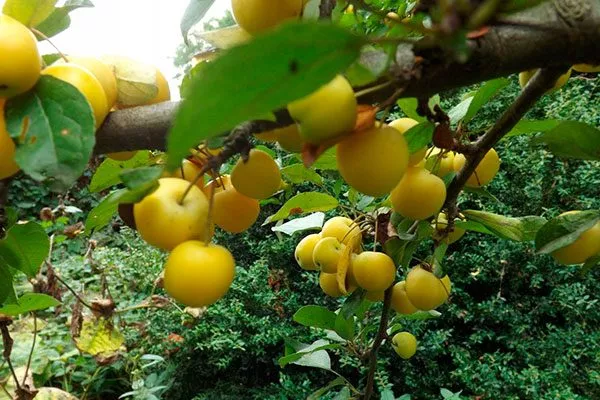
Other varietal characteristics:
- the tree crown has a pyramidal structure;
- leaves are green, medium-sized and glossy;
- the tree grows vertically, forming a narrow columnar crown, which saves space on the site, which is especially important for small gardens;
- branches of medium thickness and straight, growing at an angle from the trunk;
- the main shoots are pubescent and quite thick;
- The Honey Apple's root system is well developed, which allows it to be planted even in areas with high groundwater levels;
- the wood is resistant to high humidity;
- The buds are white and reach 5 cm in diameter.
Fruit
The main advantage of this crop is its fruit. They are distinguished by their light yellow skin and firm texture. The weight of an individual apple ranges from 100 to 250 g. The flesh is rich and grainy, and the flavor is moderate.
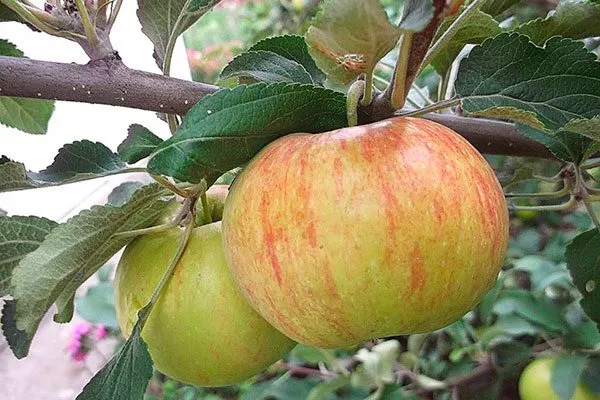
The apple flavor is characterized by sweetness, making the variety ideal for a variety of uses: both for direct consumption and for making compotes, jam, or juice.
Characteristics
The Medovaya apple variety demonstrates remarkable adaptability to a variety of environmental conditions, making it popular for commercial cultivation. Gardeners often use it in combination with other sweet apple varieties for pollination.
Other indicators:
- the summer variety reaches harvest maturity already in August;
- the first fruits can be expected 4-5 years after planting, then the tree will produce a rich harvest every year;
- The yield of the Medovaya variety is quite good: at the age of 5 years, one tree can produce from 8 to 10 kg of apples;
- if stored properly, they can last for quite a long time – up to 7 months in cellars;
- the fruits tolerate long-distance transportation well, maintaining their freshness;
- The crop is resistant to various diseases and pests and exhibits excellent winter-hardiness, making it suitable for growing in regions with diverse climates.
Subspecies of Honey Apple
The Medovaya apple tree variety has many different forms that are worth mentioning.
Nectar
This apple variety is distinguished by its narrower, columnar shape, with apples ripening in August or September. It's ideal for narrow sites, as it doesn't take up much space, has a single trunk, and a crown diameter of no more than 25-30 cm.
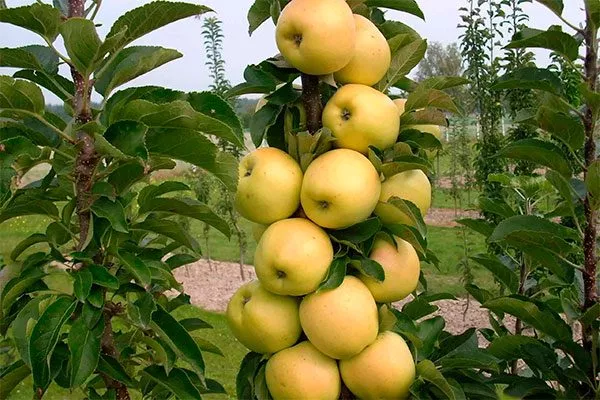
Key characteristics of the variety:
- The apple tree begins to bear fruit already in the second year after planting, and the maximum yield of 9 kg is collected in the fifth year.
- This semi-dwarf variety rarely exceeds two meters in height, making harvesting particularly convenient. Medok also tolerates transplanting well, easily adapting to new conditions thanks to its extensive root system. However, it's important to choose the right time for transplanting: spring or fall.
- The apples are medium-sized, weighing around 250 g, and have juicy, firm flesh with a pleasant honey aroma. The fruit is pale yellow, but it has a shelf life of no more than a month, so it's recommended to either preserve it or eat it fresh.
- Medok has good frost resistance and can withstand temperatures down to -42 degrees.
Columnar Honey Winter
This variety is distinguished by its autumn harvest, reaching its peak ripeness in November. The apples are small in size, golden-pink in color, but their flavor is very sweet, with a distinct honey aroma. Due to their long shelf life until spring, these fruits are popular with gardeners.
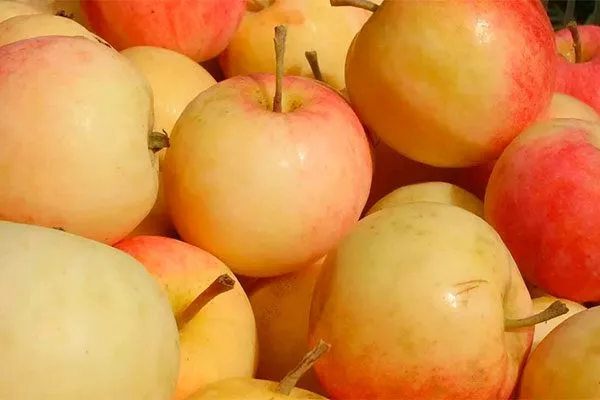
This variety is characterized by good frost resistance, but during the winter months its bark can become prey for rodents and hares, so it is recommended to protect the trunk with a bag. This apple tree's relative vulnerability to various diseases requires regular insecticide treatment.
Ural Honey Apple Tree
The Ural variety is impressively productive: already in the second or third year after planting, it produces a harvest of up to 200 kg per tree. Apples of this variety ripen in the fall, distinguished by their sweetness and aroma.
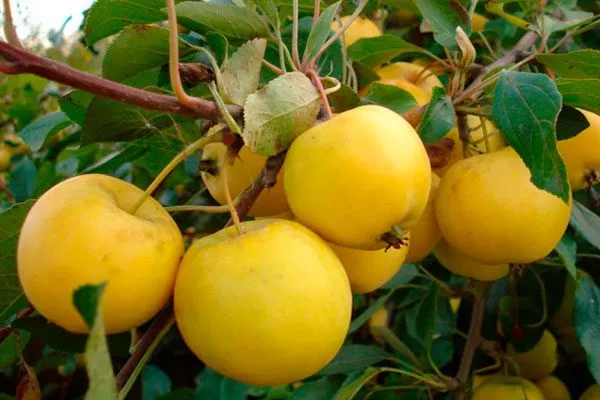
The fruits ripen in stages: the September harvest is ideal for making juice, the second harvest is for eating fresh, and the latest apples are used to make jam or preserves.
Belarusian apple tree Honey
It stands out for its consistent fruit production and exceptional fruit quality. As its name suggests, this variety was developed by Belarusian breeders, but its distribution extends far beyond its native borders—it can be found in many countries around the world.
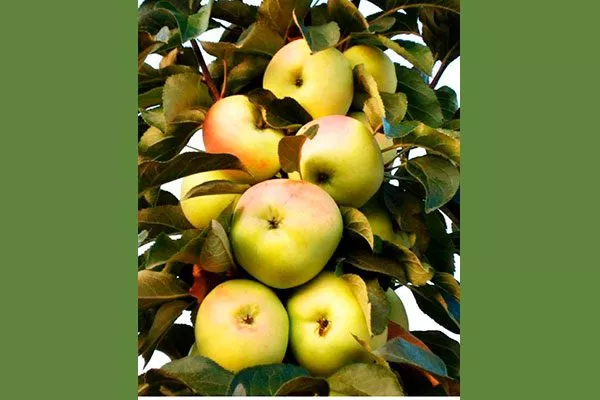
Peculiarities:
- The key advantage of the Belarusian variety is its frost resistance. Honey apple trees are typically grown in southern regions, but thanks to this quality, they can also bear fruit in northern and central areas. These apple trees adapt well to new growing conditions.
- Fruit begins to form on two-year-old trees, although the yield is not very high – usually no more than 35 kg of ripe apples are harvested from one tree.
- The fruits have a wonderful taste, their flesh is tender and aromatic, their shape is round, and their color is greenish-yellow.
- The crown of the plants is relatively sparse, the height of the trees does not exceed 2 m, but the fruits do not have a long shelf life, so they are best consumed fresh or processed.
Landing rules
To get started, you can purchase seedlings from a garden center or local nursery, but it's best to buy from reputable growers. This ensures healthy, high-quality plants that will provide you with delicious and nutritious fruits in the future.
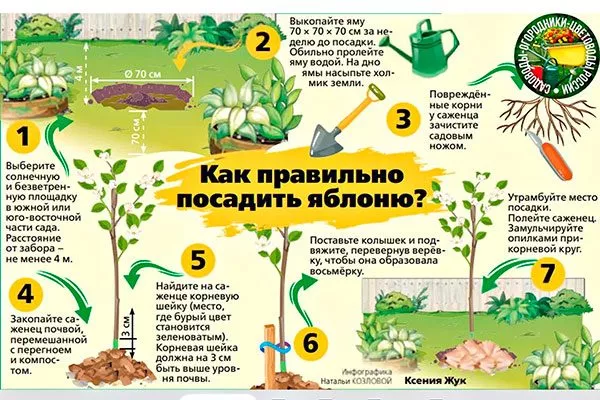
Like most fruit-bearing trees, the Honey apple tree requires a location with adequate sunlight and neutral to slightly acidic soil that is loose to promote development and fruiting.
Peculiarities:
- While a lack of moisture and soil fertility can be corrected through careful tree care, including artificial irrigation and fertilization, a lack of sunlight leads to a reduction in yield, quality, and sugar content of the fruit.
- For the Medovaya apple tree, it's crucial to choose a site that won't have problems with waterlogging. Ideal soils include well-aerated loams, sandy loams, and floodplains, as well as chernozems typical of the forest-steppe zone.
If you choose a chickweed, you should keep in mind that the apple tree will require more fertilizer and regular watering compared to other species.
The apple tree planting procedure is no different from the standard plans and guidelines for other apple tree varieties. However, there are some recommendations:
- reduce the number of leaves, leaving them only at the tops of the shoots;
- perform initial pruning to shape the crown;
- Carefully straighten the roots to move the seedling into the prepared hole.
These measures promote rapid rooting and further development of the plant. It's important that the root collar not be submerged and that it remains level with the surface after filling the hole with soil.
Care
Apple tree care begins from the moment it's planted. During the first year, when the tree hasn't fully adapted and isn't ready to bear fruit, it's recommended to remove all buds to ensure the seedling establishes better.
Watering and fertilizing apple trees in summer and spring
To ensure a fruitful and healthy apple orchard, it's necessary to select the optimal amount of nutrients and moisture, taking into account the individual characteristics of each tree and its planting area. Regular fertilization is essential to ensure optimal tree development:
- The first spring feeding involves adding 40 g of ammonium nitrate and a similar dose of nitroammophoska to the soil.
- When the Lungwort begins to bear fruit, feed the trees with 120-130 g of Superphosphate, adding 8 kg of humus/rotted compost, and 45-50 g of potassium chloride per tree.
- Summer treatments for apple trees include two or three applications of liquid nitrogen-containing fertilizers, such as an aqueous infusion of humus, chicken manure or manure, in the amount of 20 kg per tree.
- Fruit-bearing trees respond to watering around the trunk with an infusion of nettle, celandine and other plants, as well as to the addition of a few handfuls of wood ash.
- It is important to remember that nitrogen fertilizers should be stopped by mid-summer to avoid stimulating the growth of new shoots that will not have time to mature and strengthen by winter.
During the entire period when apple trees are actively growing, the soil needs to "breathe." This is achieved through techniques such as loosening the soil and laying a 5 cm thick layer of mulch, which allows air to penetrate while simultaneously preventing moisture evaporation.
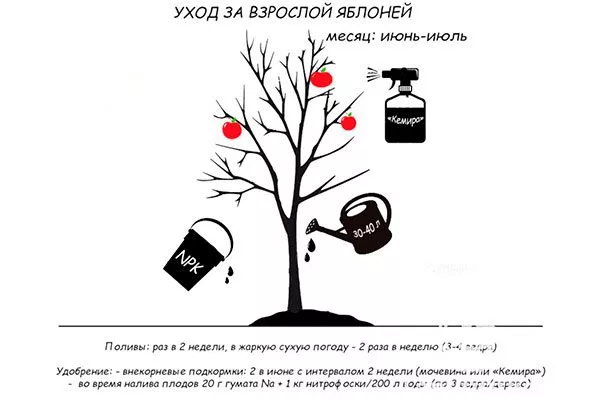
Maintenance also includes weekly irrigation, with each tree requiring 10-15 liters of water. Particular attention is paid to ensuring adequate moisture during the fruit ripening period, from July until the end of harvest. During this time, not only do sweet apples emerge, but buds for the following year are also formed.
Features of apple tree crown formation
This variety isn't particularly dense in branches, and produces most of its fruit on shoots two years old or older. Most of the fruit forms on the rings, while the fruiting canes produce only a small number of apples.
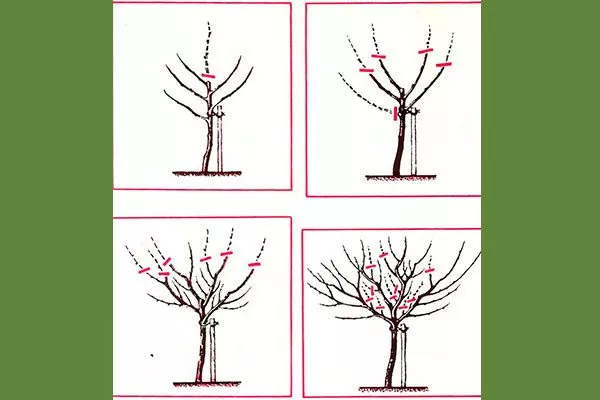
Crown structuring continues until the tree reaches 12-13 years of age. During this period, it's important not only to remove excess branches but also to regulate their length. Here's how to do it correctly:
- The key to apple tree growth is the presence of an actively growing central shoot and branches subordinate to it. When the apple tree reaches a height of 250 cm, vertical growth is limited by pruning the top of the main shoot above one of the strong lateral branches.
From this point on, the main tasks of pruning are to prevent the crown from becoming too dense, remove suckers, and maintain the tree's sanitary condition. - When yield declines and fruit set is concentrated in the upper part of the crown, or when the growth of one-year-old shoots is limited to 20-30 cm, rejuvenating pruning of the Medovaya apple tree is recommended. In early spring, before bud break, dry scaffold branches are removed above the lateral branch, then the cut site is treated with varnish to stimulate growth.
This results in the emergence of several new shoots, of which no more than four of the strongest should be retained. The formation of the crown and lateral branches continues according to this pattern. - Water sprouts can also be used as replacement shoots; they often appear on weak branches.
- To prevent pruning from worsening the tree's condition, it is recommended to remove large branches not over one, but over two seasons.
To protect the young trunk from frost before the snow falls, the area around the trunk is covered with a thick layer of mulch made from compost, pine needles, sawdust, or leaves. The trunk is also insulated and protected from pests using frost-resistant materials that provide good ventilation.
Diseases and pests
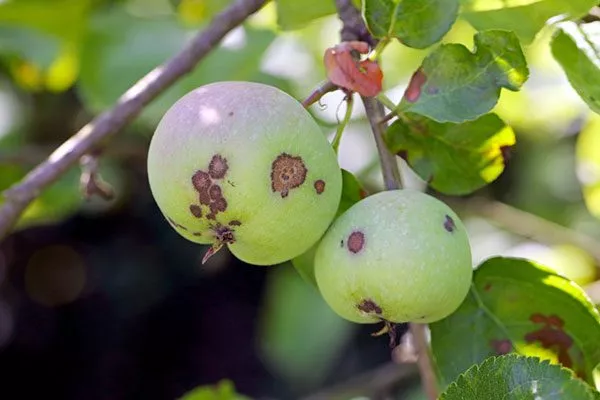
Despite the Medovaya apple variety's excellent resistance to pests and diseases, it is susceptible to disease during cold winters. Therefore, to prevent disease, it is recommended to whiten the trunk in the fall and spring. Furthermore, to prevent the spread of pests, it is important to treat the tree with insecticides.
Pros and cons
The Honey apple tree has a number of advantages and disadvantages.
Reviews
Medovaya is a versatile apple variety that produces a summer harvest. The tree doesn't require any special conditions and is highly productive. It's very easy to care for, making it suitable for any gardener. It's one of the best results of Russian breeding, suitable for gardening in all regions and climates.