
The Dream apple tree is a variety that combines many positive characteristics. It attracts gardeners with its resistance to winter frosts, early fruiting, and high-quality fruit. It boasts a stable yield and delicious fruit, ideal for storage and processing. It is an excellent choice for both experienced gardeners and beginners.
History of origin
The crop was developed by plant breeders from the Michurin Research Center, who are rightfully considered its inventors. The semi-cultivated varieties of saffron pepin were used as the original forms.
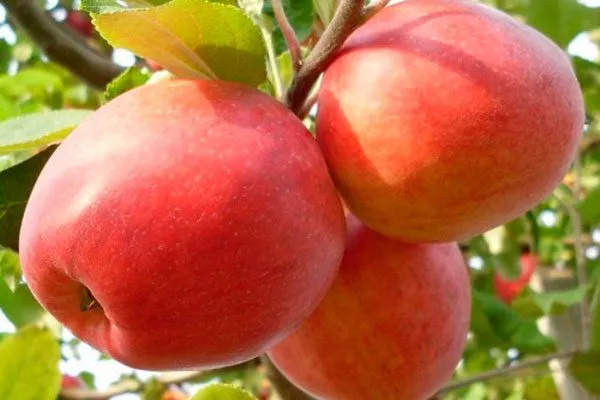
and Papirovka.
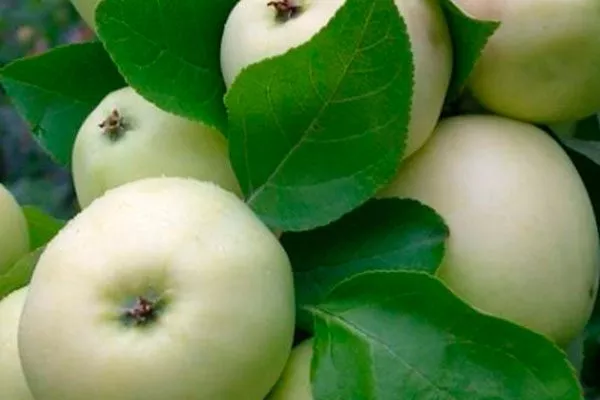
Experts have strived to preserve all the best varietal traits of these subspecies. The result is a fruit tree characterized by ease of maintenance, high frost resistance, and strong immunity.
Characteristics of the Dream variety
This relatively new hybrid variety quickly gained popularity. Today, it is successfully grown in most regions of Russia and the CIS countries. This is due to its numerous positive qualities.
Botanical description of the tree
This tall plant reaches 3-4 m in height. Distinguishing characteristics:
- central trunk – powerful, with gray-red bark;
- lateral shoots – green-brown, thin, flexible and grow at an angle, forming a lush, spreading crown of a round-conical shape;
- leaves - elongated-oval with pronounced central veins, the upper side may have a slight gloss, and the lower side is slightly pubescent, the tip of the leaf is pointed;
- petioles – long and thin, they hold the leaves tightly on the branches;
- root system – powerful: lateral roots are well developed, extending to a considerable depth and to the sides, providing stability and nutrition to the tree.
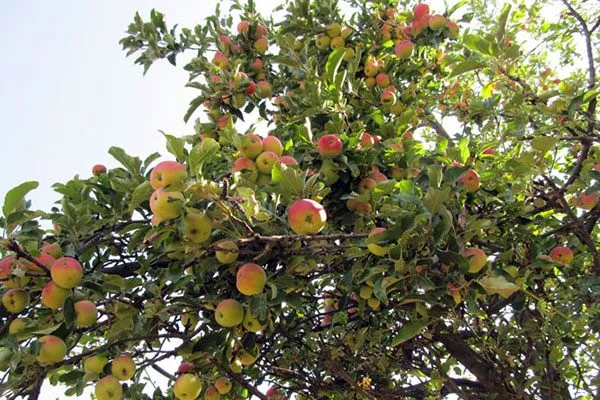
Features of fruits, their taste
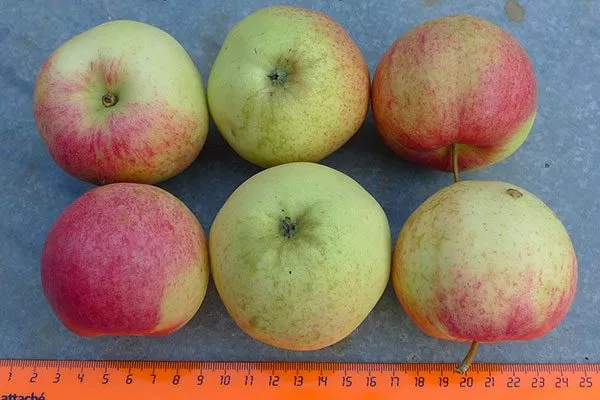
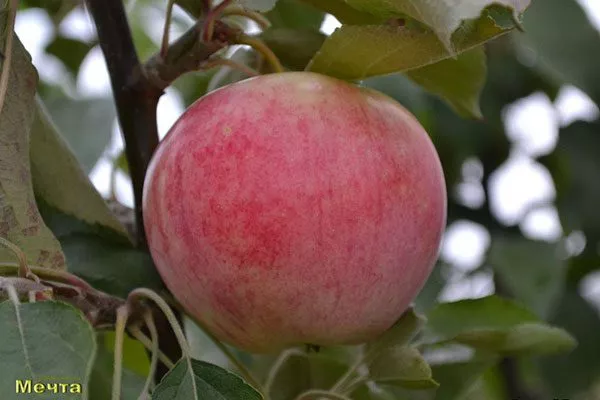
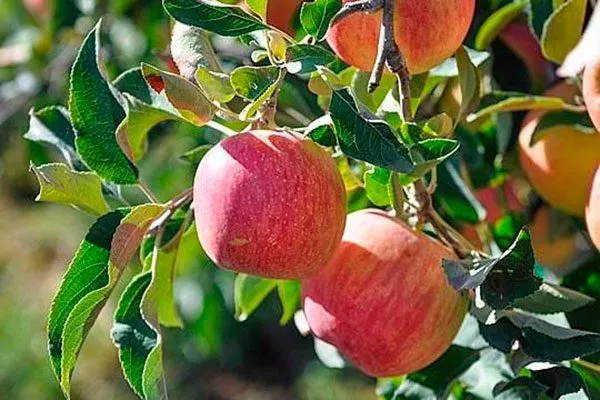
The apples are large and round, slightly flattened. Both the upper and lower parts have small indentations.
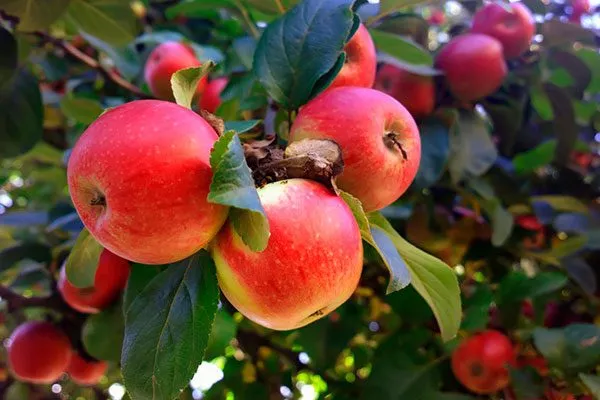
Other characteristics of the fruit:
- weight – on average reaches 150-220 g;

- skin - thin, with a characteristic pinkish-red color, but with a lack of sunlight, greenish-yellow stripes may appear;
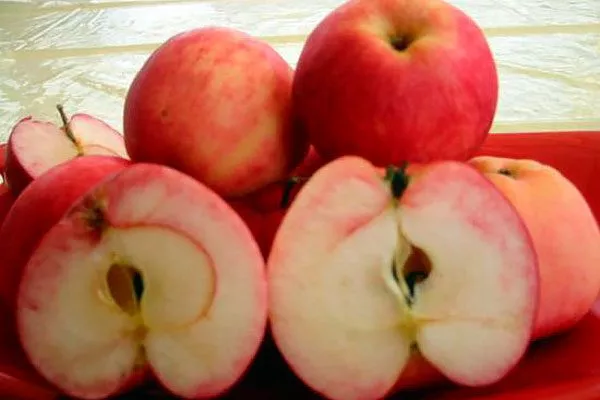
- pulp – loose, pinkish-white, juicy, with a pleasant sourness;
- petioles – strong, partially woody, easily hold ripe fruits.
Tasting evaluation, benefits and scope of application of apples
Due to their content of natural sugars (glucose, fructose and sucrose) and dietary fiber, apples are suitable for dietary nutrition, including for overweight people.
The Mechta apple tree received a 4.5 star rating in the tasting. Gardeners particularly appreciate its pleasant sweet and sour flavor. The fruits are primarily consumed fresh and can be stored for up to 1.5 months in cool conditions.
Apples are actively used for cooking:
- fruit salads;
- desserts;
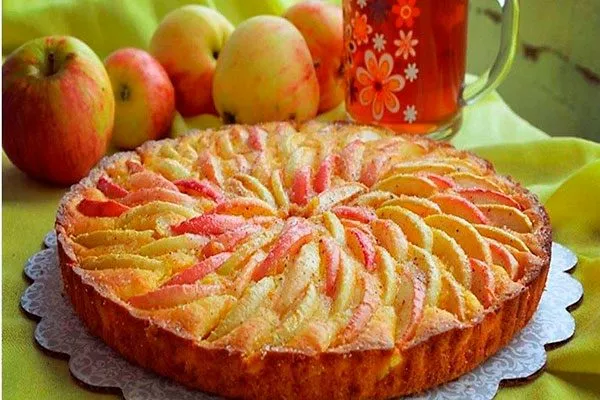
- as a filling for baked goods.
Regions and cultivation features, frost resistance
The crop is successfully cultivated in all regions of Russia. It is especially popular:
- In the Moscow region. The climate is characterized by instability: sharp temperature fluctuations are possible in both winter and summer. Not every apple tree can adapt to such conditions. But the Mechta variety was specifically bred with these characteristics in mind.
With regular watering during dry periods and insulating the roots for the winter, the tree bears fruit consistently and maintains high vitality. - In the Urals. Of the thousands of apple varieties bred, only a few are suitable for the Ural region. Among them, Mechta stands out – an early-ripening variety that begins to yield fruit by the end of summer. It tolerates Ural weather conditions well and is frost-resistant with proper care.
- In Siberia. Siberia's harsh winters and poor soils limit the variety of apples suitable for cultivation. Small-fruited and semi-cultivated varieties are typically cultivated here. However, the Mechta apple tree adapts well to this region, especially in its creeping form.
Despite the possible periodicity in fruiting, the variety does not freeze even in severe frosts, and the fruits retain their nutritional properties. - In the North-West of Russia. For northwestern regions, dwarf and semi-dwarf rootstocks of the Mechta variety are recommended. These trees tolerate cold, low-snow winters well and begin bearing fruit as early as the second year after planting.
In these regions, the variety is valued for its unpretentiousness, resistance to climatic conditions, and the high taste of its fruits.
The Mechta variety is highly frost-resistant, able to withstand temperatures down to -37°C, making it suitable for growing in western Russia. Sudden temperature fluctuations do not damage the tree's bark, so additional trunk insulation is usually unnecessary.
After the first snowfall, it is advisable to pile snow at the base of the tree and lightly compact it - this will create an additional heat-insulating barrier.
Ripening and fruiting
The culture has received numerous positive reviews. This is due to the following characteristics:
- Beginning of fruiting. Dream is known for its early fruiting. In southern regions, trees can bloom as early as one to three years after planting, even while still in the nursery. However, to ensure proper tree development, it's recommended to remove buds during this period so the plant can focus its energy on root development and foliage growth.
When grown in open ground, the first harvests are usually collected in the 3rd or 4th year. - Flowering time. Like most varieties, it blooms in May. In warmer climates, buds may open as early as late April and finish blooming by mid-May. In colder climates, the process may continue until the end of the month.
The variety's inflorescences are large and pure white, without any pink or greenish tint. The fragrance is moderate, so the presence of bees nearby is recommended for good pollination. - Fruiting and growth. The trees grow vigorously, adding 20-35 cm per season. By the age of 8-10, they reach adult size. The first harvests are usually small, but by the 8th or 9th year, the apple tree can yield 80-110 kg of fruit.
Peak productivity occurs around the 15th to 16th year. After this, fruiting stabilizes. In unfavorable climatic conditions, intermittent production may occur: a harvest occurs not every year, but every two to three years.
Pollination and yield
The Dream apple tree is not self-fertile; it requires pollinators to produce a full harvest. Therefore, plant other apple varieties or semi-cultivated varieties that bloom at the same time nearby. This will ensure cross-pollination and increase overall fruit production.
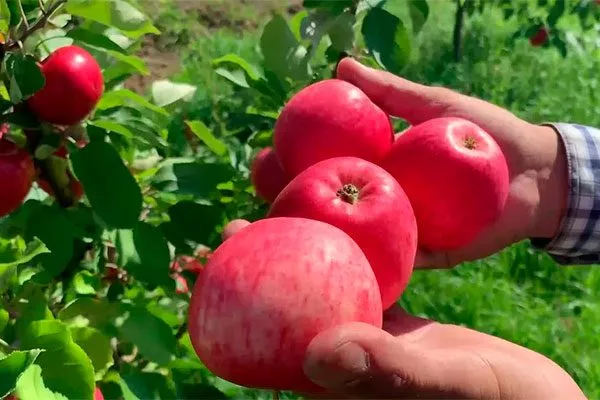
With proper care, this variety demonstrates good productivity: a mature tree can yield up to 120 kg of apples. The quantity and quality of the fruit directly depend on growing conditions, the quality of care, and the correct selection of pollinators. Apples reach technical maturity in the summer months.
Popular varieties
There are several popular varieties of the Dream apple tree, each with its own distinctive flavor, color, and ripening time. These varieties were bred to suit different climates and gardener preferences.
Summer
This variety is a medium-sized tree. It begins bearing fruit early. Distinguishing features of the apples:
- form - elongated oval;
- weight - on average 170 g;
- taste - nice.
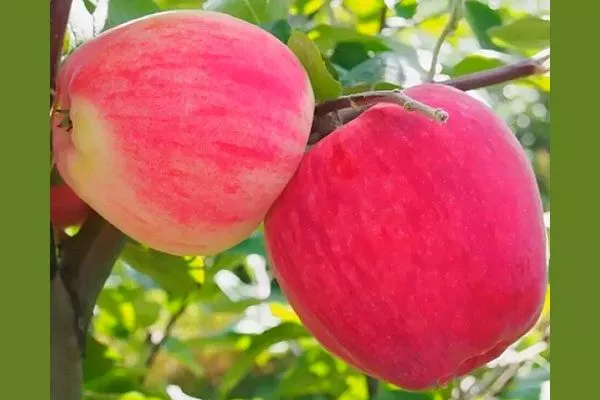
The variety is valued for its high resistance to scab and other common diseases.
Belarusian selection
This variety has become widespread in Belarus due to its frost resistance and early fruiting. Distinguishing features:
- tree - medium height, with a spherical crown;
- fruits – round-asymmetrical in shape, weighing about 150 g, they received a taste rating of 4.1 points.
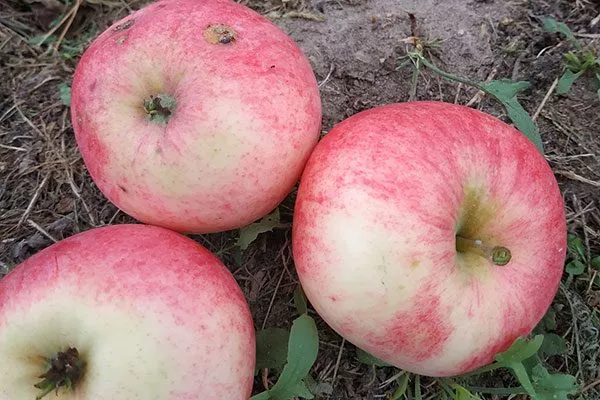
The Belarusian-bred Mechta apple tree has high resistance to diseases and pests.
Creeping
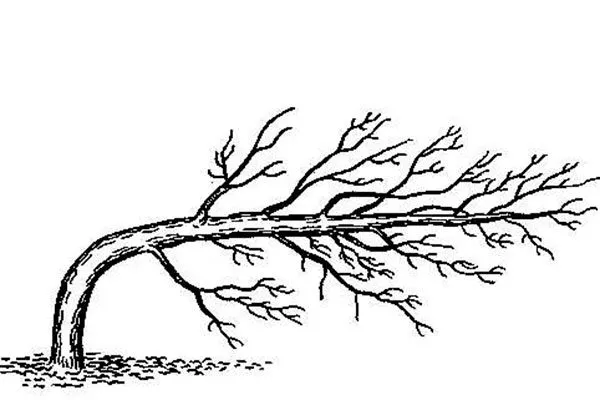
Creeping apple trees (creeping trees) have low branches, not upwardly stretching, allowing the crown to be shaped by bending and pruning over the course of 5-6 years. Despite their ease of care, regular pruning remains essential for a good harvest.
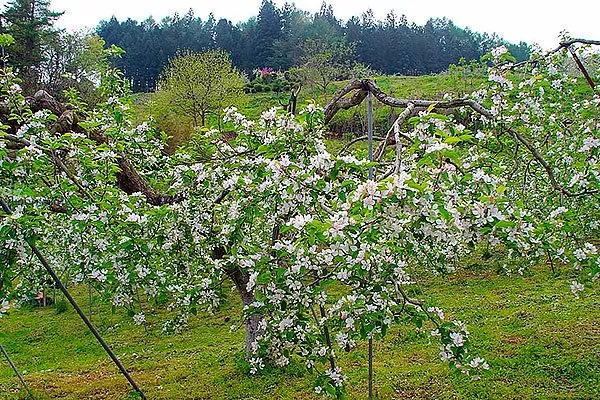
The tree is not tall, but the apples are quite large—averaging 150-180 g. The fruits are characterized by excellent taste. The plant has strong immunity to most diseases.
Sverdlovsk selection
Several decades ago, even wild apple trees, let alone cultivated ones, were difficult to grow in the Sverdlovsk region. But thanks to selective breeding, varieties adapted to the harsh climate and poor soils have emerged. Among them is the Mechta apple tree.
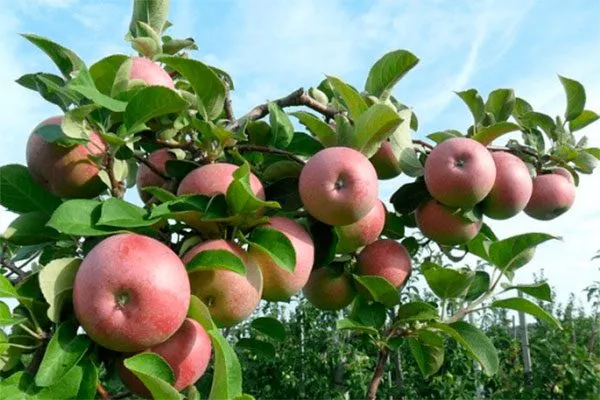
This variety thrives in this region. It boasts resistance to five races of scab and tolerates winter frosts and summer drought well.
Varieties of rootstocks
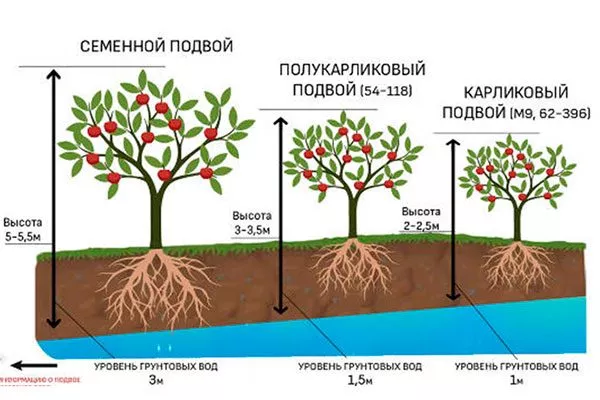
The Mechta apple variety is grown on various types of rootstocks. Vigorous specimens produce large trees with high yields and a long lifespan. Semi-dwarf and dwarf rootstocks are suitable for smaller plots – the plants are compact, begin bearing fruit earlier, and are easy to care for.
Dwarf
The Mechta apple tree variety was developed using a dwarf rootstock. Such trees require precise agricultural practices, particularly proper planting and regular care.
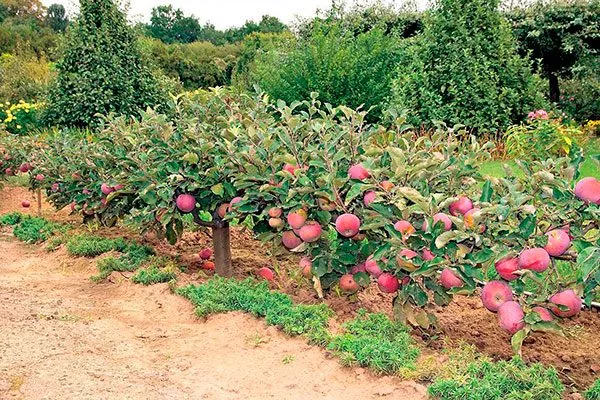
The dwarf version is valued for the following qualities:
- compact crown;
- early fruiting;
- stable yield;
- high taste qualities of fruits.
Fruiting interruptions are extremely rare. The main drawback is the weak and shallow root system, so the soil around the trunk is always insulated during the winter. It's important to note that the active fruiting period for these trees is limited—up to 15 years.
Semi-dwarf
This variety of the Dream apple tree has become popular due to its small size, moderate height, and neat crown. Its main advantages include ornamental value, high winter hardiness, abundant yields, and ease of care.
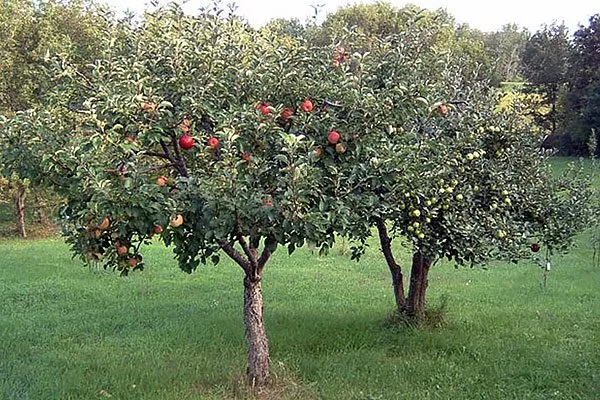
The tree not only decorates the plot but also delights with tasty, healthy fruits. Its undemanding nature and resilience make it especially prized by beginning gardeners.
Planting the Dream apple tree
When growing this variety, it's important to follow certain recommendations. The seedling's development depends on the correct approach.
Criteria for selecting a seedling and its preparation
Choose one- or two-year-old plants with well-developed root systems and no signs of damage or disease. Basic rules:
- It is advisable to choose seedlings with a closed root system (in a container), as they take root faster.
- The roots should be elastic, light in color when cut, without rot or dry areas.
Prepare the plant for planting:
- Soak open roots in water for 10-12 hours, add a root formation stimulator (for example, Kornevin).
- Remove damaged roots and cut off any that are too long to facilitate rooting.
The best place and its processing
To plant the Dream apple tree, choose a well-drained site protected from cold northerly winds. It should be level or slightly sloping. Fertile, loose, sandy loam or loamy soils with a neutral or slightly acidic pH (6-7) are most favorable.
Avoid low-lying and waterlogged areas, as stagnant moisture causes root rot. Two to three weeks before planting, dig the soil, remove weeds, and add organic matter (rotted manure or compost) and wood ash. Lime the soil if necessary.
Preparing the pit
Prepare the hole in advance so that the soil has time to settle and the tree receives enough nutrition for active growth.
Consider the climate conditions of the region and the time of year, as they directly affect the preparation and condition of the soil:
- In autumn. Begin this process 2-3 weeks before planting, ideally in September. Dig a hole 80-100 cm in diameter and 60-70 cm deep. Set the top, fertile layer aside and mix it with compost (10 kg), superphosphate (250 g), and potassium salt or ash (200 g).
Form a mound of prepared soil in the center of the hole to support the seedling. Before the cold weather sets in, mulch the area with peat or dry leaves to prevent the soil from freezing. - In the spring. If planting is planned during this period, it's best to prepare the hole in the fall. However, if this isn't possible, dig it 2-3 weeks before planting—in March or early April, depending on the region. The preparation is similar to the fall preparation.
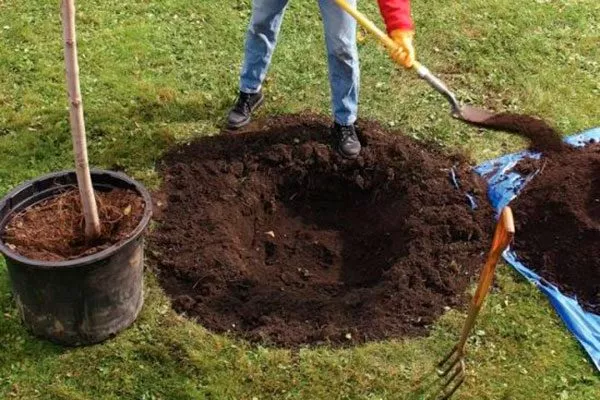
Planting diagram
The timing of apple tree planting depends on the region's climate and can vary by location. Typically, it occurs in spring or fall. In spring, plant before bud break, as soon as the soil warms up, and in fall, after the leaves have fallen. It takes about 25 days for the plant to establish root.
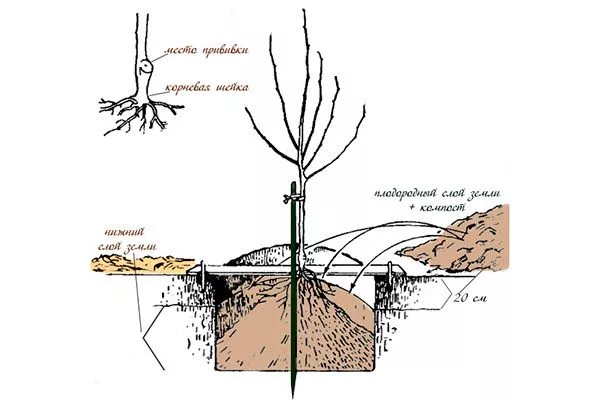
Step-by-step algorithm:
- Fill the hole with water and wait until it is absorbed.
- Place the seedling in the hole, carefully spreading out the roots and filling it with soil, compacting each layer.
- Make sure the root collar is approximately 5 cm above ground level.
- On the north side, secure the seedling with a peg, tying it up carefully.
- Form a hole around the trunk and water it with 20-30 liters of water. Then cover the soil with mulch made from well-rotted compost or humus.
Caring for a young tree
Although the Dream apple variety doesn't require complex care, following basic agricultural recommendations is essential. Only then can you expect a stable and abundant harvest.
Fertilizers and irrigation
Fertilize your apple tree twice a year – in spring and fall. Follow these recommendations:
- In spring, after winter, add nitrogen substances – urea or nitroammophoska.
- In the fall, use phosphorus and potassium fertilizers to help the plant better withstand the winter cold and ensure a bountiful harvest next season.
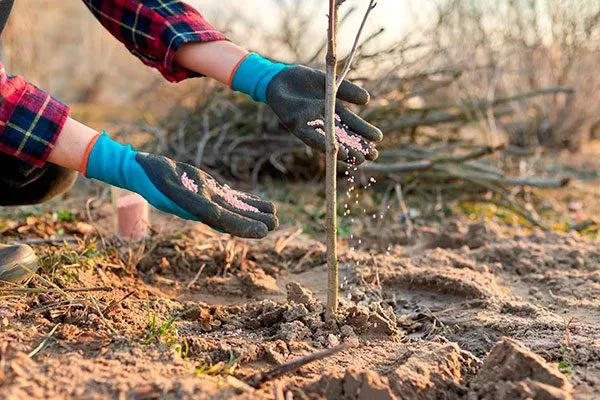
The frequency of watering the Dream apple tree depends on weather conditions. If the summer is rainy, additional irrigation is not necessary. In hot and dry weather, water the tree once a week.
Weed removal, loosening
Cultivating the tree's trunk area is crucial, especially in the first year after planting. Failure to loosen the soil and remove weeds can leave the apple tree vulnerable to aphids and other diseases.
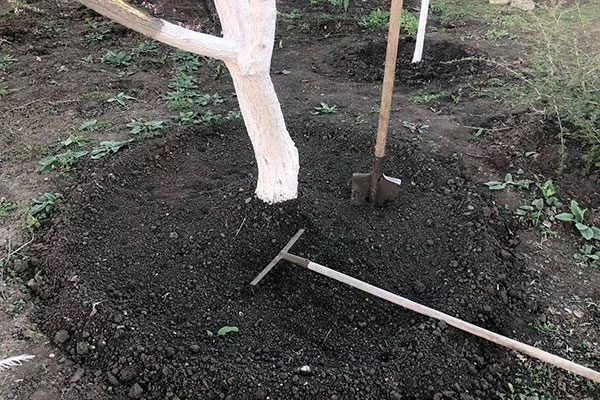
Regular weeding promotes better supply of oxygen and nutrients, which is necessary for the full development of the plant.
Disease prevention
Despite this variety's strong immunity, preventative measures are still necessary to maintain the tree's health. To ensure good flowering and fruiting, treat the crown with fungicides before bud break.
A useful preventative measure is removing all fallen leaves, as they harbor insects and bacteria that can affect the plant's health next season. Equally important is whitewashing the trunk and skeletal branches—this helps protect the plant from pests and diseases.
Pruning an apple tree
This procedure plays an important role in crown formation and increasing yield. Perform the work in early spring before bud swelling or in autumn after leaf fall.
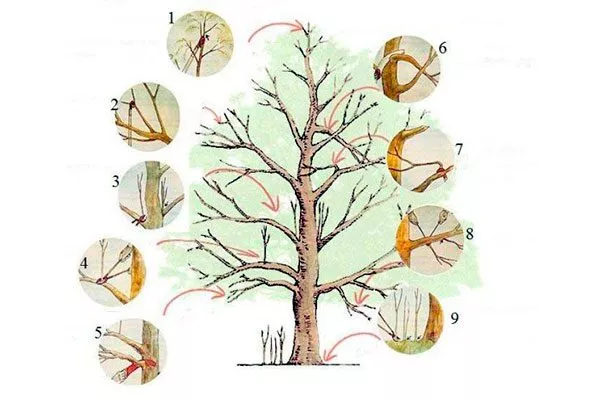
Follow the basic rules:
- Treat all cuts with garden pitch to prevent disease. During the summer, remove dead branches and leaves that shade the apples, allowing them more light.
- Begin full pruning in the 2nd or 3rd year of the tree’s life, shortening the shoots by 2/3 of their total length.
- Trim all shoots growing inward to ensure an even distribution of branches.
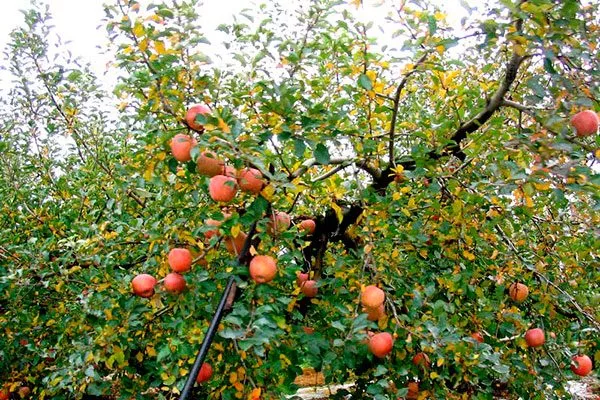
With proper pruning, by the fifth year of life, the Dream apple tree will already have formed a compact and healthy crown that will not require additional pruning.
Harvesting and storing fruits
Apples ripen in late August. Harvest as they ripen, as overripe apples may crack and fall, reducing their shelf life.
Fruits with a perfect surface can be stored for up to two months. To ensure this, maintain optimal conditions: a room temperature of 20 to 22°C and humidity of around 30%.
Mechta apples are eaten fresh or processed. Thanks to their fine texture and excellent flavor, they are used to make compotes, preserves, jams, dried, frozen, and fermented.
What to do if it doesn’t bloom or bear fruit?
If your apple tree has stopped blooming and producing fruit, it's important to take immediate action. Helpful tips:
- Carefully inspect the tree for pests and signs of disease. Often, a lack of fruit can be due to various insect infestations or fungal infections that interfere with the plant's normal development.
- If the tree isn't diseased but fruit production isn't recovering, the cause could be an unsuitable planting location or inadequate care. In this case, replanting the tree to a more suitable location with good light and high-quality soil may help resolve the issue.
- Pay attention to moisture. If the plant is not receiving enough moisture or, conversely, is overwatered, this can negatively impact growth and flowering. Regulating watering, specifically adjusting the frequency and amount of water, will help stimulate the development of the apple tree.
Shelter for the winter, protection from rodents
In the fall, tie the trunks of young trees with spruce branches to protect them from rodent damage. Treat mature apple tree trunks with lime mortar for additional protection.
This variety is characterized by good frost resistance. To strengthen winter protection, water the trees before winter and hill up the trunks. Mulch the soil around the trunks with well-rotted compost or humus.
Reproduction
There are several methods for propagating apple trees. Experts identify two simple and effective methods suitable for both private and farm-based farms:
- Green cuttings with preliminary rooting. Follow these steps:
- In the spring, make a groove in the bark of the lower branch of the apple tree, then use a metal staple to press the branch to the ground, cover it with soil, leaving the top above the surface.
- Regularly moisten the cutting until it roots. If the branch can't be bent, perform the same operation while it's suspended, attaching a bag of moistened soil to the area where the bark has been removed and making holes for ventilation.
- In the fall, transplant the cutting with roots to its permanent location. This method ensures full survival and the preservation of the parent tree's characteristics.
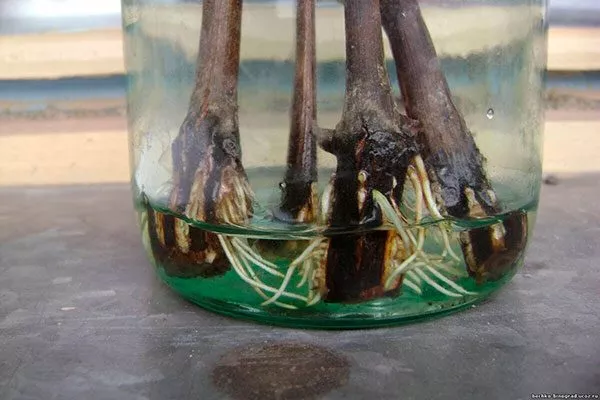
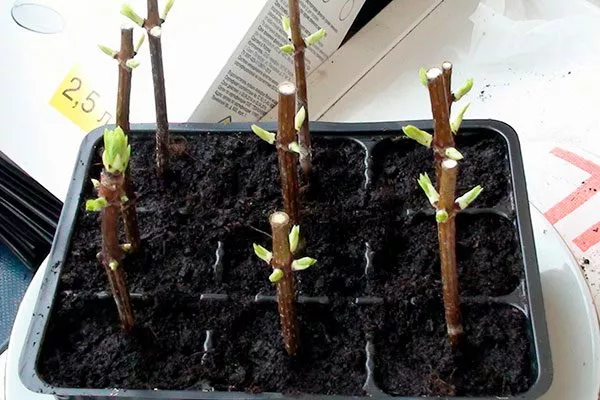
- Green cuttings without rootsThis method isn't always 100% effective, but it is very effective. Step-by-step instructions:
-
- Cut the branches into 10-15 cm long pieces, leaving a few leaves at one end.
- Plant the cuttings 2 cm deep in the soil in a shady spot. Three to four out of ten cuttings usually root successfully.
- In autumn, transplant to a plot in the garden.
Pros and cons
Reviews
The Mechta apple tree is a versatile variety that adapts well to a variety of conditions and produces consistent yields. It combines excellent commercial and flavor qualities, delighting gardeners with large fruits. With standard cultivation practices, the plant will delight gardeners with abundant harvests and a strong immune system every year.