
Marat Busurin is a dwarf apple variety distinguished by its compact size. Despite its relatively young breeding history, it has already gained popularity among gardening enthusiasts. Its appeal lies in its high-quality, delicious, juicy fruits, which retain their flavor for more than three months, and its ease of care.
Historical background, regionality
While developing a new apple variety, specialists at the All-Russian Scientific Research Institute of Horticulture and Fruit Growing (VSTISP) set the goal of developing a variety resistant to various diseases. To achieve this, they used a hybrid based on the Red Melba, Autumn Joy, and Wolf River varieties and a M. atrosanguinea 804 seedling, which resulted in the SR0523 variety-forming material.
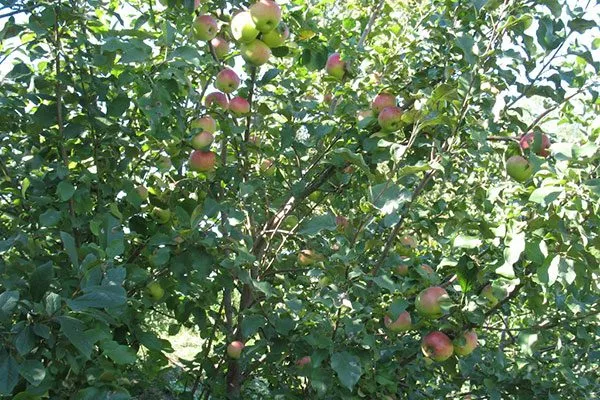
Origin features:
- Work on the new variety was carried out by a team of experts led by the renowned breeder Vladimir Valerianovich Kichina, which included such specialists as N. G. Morozova, S. F. Agapkina and L. F. Tilunova.
- The variety was named in honor of Marat Yakovlevich Busurin, a colleague of Vladimir Valerianovich, a renowned seed biologist, head of the fruit growing station at the Timiryazev Agricultural Academy, as well as a participant in the Great Patriotic War and a recipient of the Order of the Red Star.
- In 1997, the variety was completed and sent for testing to farms across the country, where its quality was recognized as high.
- By 2001, Marat Busurin was recognized as elite, included in the State Register of Varieties and recommended for cultivation in the Central and Central Black Earth regions.
It is currently cultivated throughout central Russia, in regions with mild climates, as well as in the country's more northern regions. Experts predict this variety shows great potential for cultivation in regions north of the central region.
Description of the apple tree variety Marat Busurin
The hybrid trees have excellent consumer and commercial qualities: the fruits are very juicy and retain their freshness for a long time. The plants demonstrate significantly better winter hardiness than the renowned Antonovka.
Features of wood
The Marat Busurin apple tree's compact size simplifies care and fruit harvesting, and it also saves space, making it suitable for growing in both private and commercial gardens that utilize intensive methods.
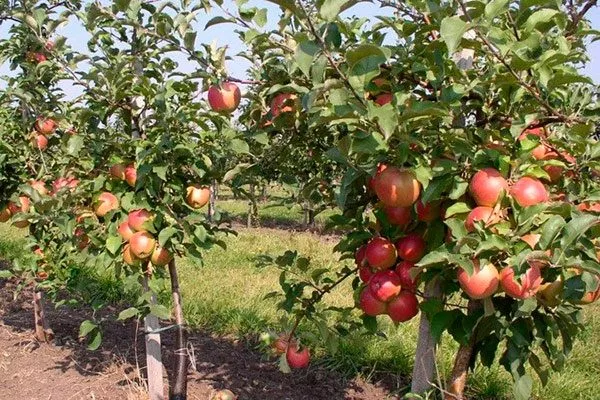
Varietal characteristics:
- Tree. Experts classify this variety as a semi-dwarf or medium-sized standard. In the wild, trees reach a height of 300-350 cm, but many gardeners limit their height to 200-250 cm for ease of care, protection from winter weather, and harvesting.
- Crown These trees have a medium density, rounded or oval shape. Branches radiate from the trunk at right angles and are covered with uniform dark gray or brown bark, which may begin to crack and peel with age. Fruits appear on the rings and fruiting shoots.
- Leaves Large, round, light green, fleshy, sometimes with a yellowish tint, they have a leathery, dense, opaque texture, a finely serrated edge, and a short, pointed tip, sometimes folding almost halfway along the central axis.
- Root system The growth of trees is predominantly superficial, branched, with a central core depending on the rootstock.
Characteristics of apples
The fruits are medium to above average in size, reaching 90 to 150 g in favorable conditions and with proper care. In exceptional cases, they can reach 160-200 g, but this requires specific conditions.
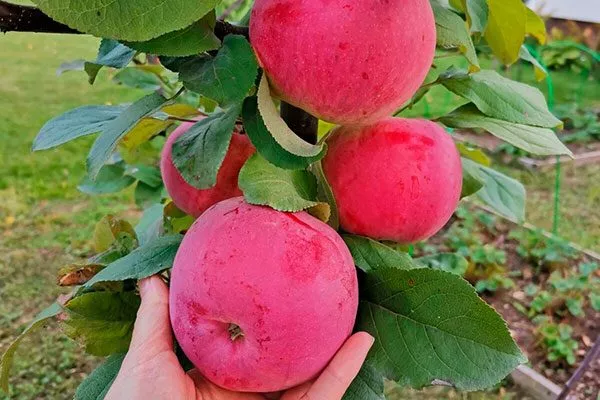
Other features:
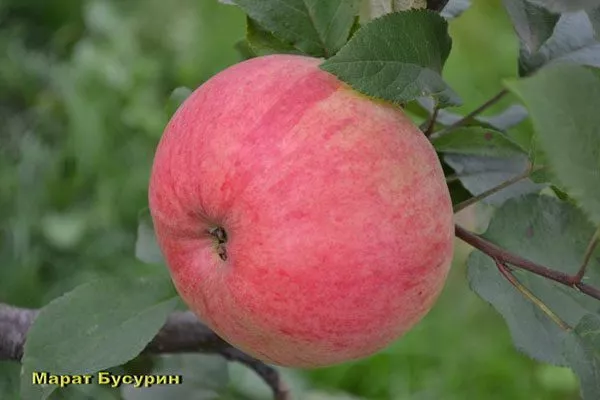
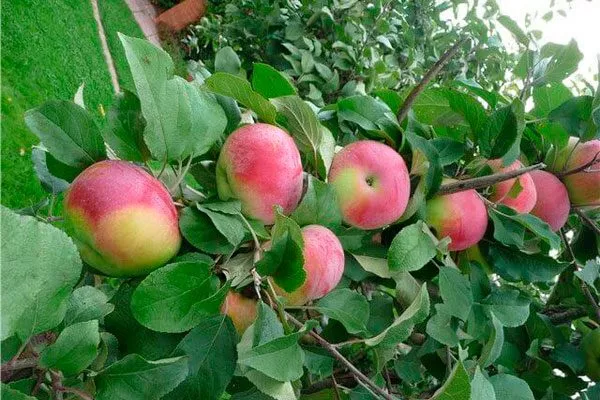
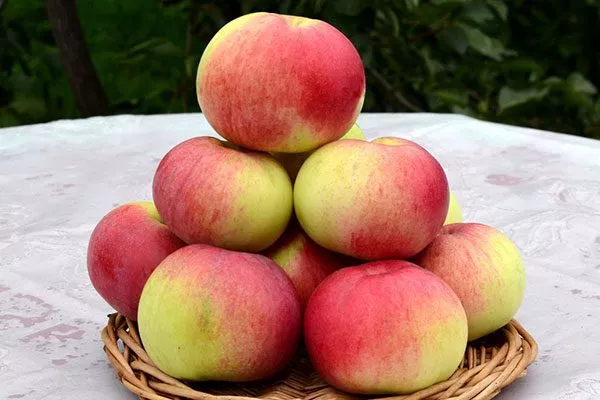
- Apples have a spheroid shape, rounded, sometimes slightly compressed, with symmetry and weakly defined ribs.
- Peel The fruit is distinguished by its smoothness, shine, and gloss. Initially, it is light green in color, but as it ripens, it acquires shades ranging from light green to greenish-yellow.
The blush covers 65 to 75% of the surface, has a stippled, marbled texture, and is red-pink or crimson in color with a slight violet or purple tint. By the time the fruit ripens, it is covered with a dense, bluish-gray waxy layer. - Subcutaneous points They are light greyish in colour, small in size and although there are many of them, almost invisible.
- Chemical composition fruits are characterized by the following indicators:
- P-active substances (catechins) – 321 mg;
- ascorbic acid (vitamin C) – 11.2 mg;
- total sugars (fructose) – 11.7%;
- pectins (fiber) – 14.6%;
- titratable acids – 1.33%.
- Pulp medium density, fine-grained, juicy, has a distinct aroma, crispy when bitten, white or slightly creamy in color.
- Taste The fruit has a dessert-like, sweet and sour flavor (with a predominantly sweet and slightly apple-like tartness), harmonious and balanced. A professional tasting score is 4.4 points on a 5-point scale for taste and appearance.
Ripening and fruiting of Marat Busurin
The apple tree is renowned for its enviable fruitfulness, as the seedling begins to bloom even in the nursery. For the first two to three years after planting, it is recommended to remove all buds and fruit buds to allow the tree to gain strength. By the fourth or fifth year, you can harvest 5-15 kg. The apple tree quickly increases fruit production, so you will soon reach its peak.
Some nuances:
- Budding occurs in May, around mid-month, but may be slightly delayed until late spring due to climatic conditions. Blooming lasts about twelve days and is profuse. The flowers are large, gathered in small clusters, have a pleasant, strong fragrance, and can be white with a slight pink tint.
- In a single season, the tree can grow 20-25 cm in height, which is quite impressive for a semi-dwarf. Within a few years, the apple tree will reach its optimal condition and begin producing abundant harvests.
- To achieve maximum productivity, you will have to wait 4-5 years after the start of fruiting, which is not too long.
- The harvest is usually in late August, but most often in early or mid-September. It is recommended to pick all the apples at once to prevent them from falling to the ground, after which they are only suitable for processing.
- The harvest is expected to be stored for two to three months, after which all the apples need to be processed (into compotes, preserves, jams, juice).
Productivity and pollination
The variety is distinguished by its increased productivity and rapid onset of fruiting:
- With proper care and favorable weather conditions, one mature tree can produce 100 to 130 kg of tasty and aromatic fruit annually;
- the average yield in horticultural farms is 35 tons per hectare;
- The maximum recorded productivity is 180 kg per plant.
Marat Busurin is a dicotyledonous plant, so the apple tree is capable of self-fertilization. However, gardeners claim that to achieve the highest yields, it is necessary to create mixed plantings with other varieties.
Partners that can act as pollinators include:
- Idared;
- Borovinka;
- Saffron pepin;
- Ligol;
- Gloucester;
- Melrose;
- Simirenko;
- Elstar.
Winter hardiness and disease resistance
Scientific experts praise this variety's winter hardiness, but in practice the picture is a little different:
- trees bear fruit best in the south with its warm winters and throughout the central part of the country;
- in more northern regions, where winters are harsh, they require special protective measures before the onset of cold weather;
- plants have the ability to quickly recover from severe frosts;
- The main requirement for the variety is protection from gusty winds and drafts, which can cause serious damage.
Trees also have excellent resistance to other diseases—they rarely become infected, and even when they do, the symptoms are usually mild. Pests rarely harm the plants, but regular preventative maintenance can provide additional protection.
Rootstocks and subspecies
The Marat Busurin apple tree has only three varieties of rootstock:
- MM106. This variety significantly accelerates the harvesting process. Trees on this rootstock begin bearing fruit within 2-3 years of planting, producing quite abundant yields (20-30 kg) of apples weighing 150-180 g each.
- Mark. It exhibits high frost resistance, while retaining all the key characteristics of the parent plant.
- Hybrid 62-396. Ideal for cultivation in central Russia and further north. Trees on this rootstock easily tolerate temperatures down to -25-27°C.
Marat Busurin apple tree varieties for selection
Marat Busurin's arsenal includes several apple subvarieties that deserve special attention:
- Russian Queen – Renowned for its frost resistance and disease resistance, the medium-sized apples are rich in juice and sweetness and are characterized by their ability to retain freshness for a long time.
- Karatai Pear – A unique variety resulting from a cross between an apple and a pear. The fruit resembles pears in shape and color, while the flavor and texture are inherited from Marat Busurin apples. This variety is distinguished by its high productivity and disease resistance.
- Winter Joy – This variety is distinguished by its high fruit yield and ability to withstand long transportation. The apples are large, sweet, juicy, and rich in flavor.
- Hungarian heiress – It withstands severe frosts and is disease-resistant. The apples are large, sweet, and juicy.
- Alyonushka - It may seem less frost-resistant, but it makes up for it with its incredible flavor and aroma, as well as its distinctive bright red color.
Features of cultivation by Marat Busurin
Gardeners believe that caring for and planting these trees is simpler and more convenient than full-sized ones, as they are easier to process, prune, and harvest.
How to choose healthy apple tree seedlings Marat Busurin?
Selecting a seedling requires attention to several aspects:
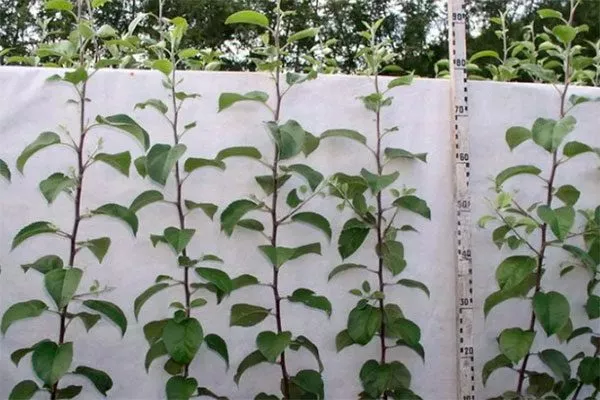
- Choose young specimens, between two and three years old. Avoid older trees, as they may have root problems or be insufficiently viable. The ideal height for a Marat Busurin apple tree is approximately 90-110 cm, indicating good rootstocks and a sufficient number of shoots.
- Inspect the seedling's root system: it should be well-developed, flexible, and healthy. Avoid plants with damaged or rotten roots that are not light brown or white. It is recommended to choose trees with roots between 20 and 30 cm long.
- Pay attention to the stems: they are strong, without spots, cracks or dried out areas.
- Check the leaves of the seedling: green, without spots or dryness.
- Assess the condition of the trunk: strong and straight, without cracks or damage.
- Check the buds and bud eyes: they should be healthy and undamaged, with a bright and vibrant color.
Optimal conditions
Apple trees can be planted in spring or fall, after the leaves have completely fallen and the trees have completed their growing season. Spring plantings are carried out after the danger of frost has passed, and fall plantings are carried out a few weeks before frost is likely to occur.
Choosing a location for planting apple trees requires special attention:
- trees prefer fertile black soil;
- the site should be protected from gusts of wind, although it is not necessary to be in a completely windless place, but it is especially not recommended to plant in areas with sharp and strong wind currents;
- The best soil is loose, and the depth of groundwater is at least 150-180 cm from the surface, since the root system of apple trees can reach a depth of 150 cm.
Preparing the soil and site for planting
When preparing the soil for planting, separate the top layer from the bottom layer. The top layer should be mixed with fertilizer in the following doses:
- Superphosphate – 600 g;
- potassium chloride – 300 g (can be replaced with ash in the amount of 650-700 g);
- humus or peat – 12-18 kg.
What else needs to be done:
- Clear the planting area of weeds and dig the soil to a depth of 30 cm.
- To enrich the soil, add compost, humus, or specialized organic fertilizer. This will provide the apple tree with sufficient nutrients, promoting healthy growth.
The holes should be prepared in advance, two to four weeks before planting. To do this:
- Dig a hole 60-70 cm deep and the same diameter. Leave a 2-2.5 m gap between seedlings, and 1.8-2 m between rows is sufficient.
- Pour some of the topsoil mixed with nutrients into the bottom of the hole, then lay a 10-12 cm thick drainage layer and fill with water (20-30 l).
- Add the prepared substrate again and cover with plastic wrap. Leave it there until planting.
Process and diagram
Prepare a stake in advance to be installed in the middle of the dug hole, which will provide the necessary support for the young plant during its development.
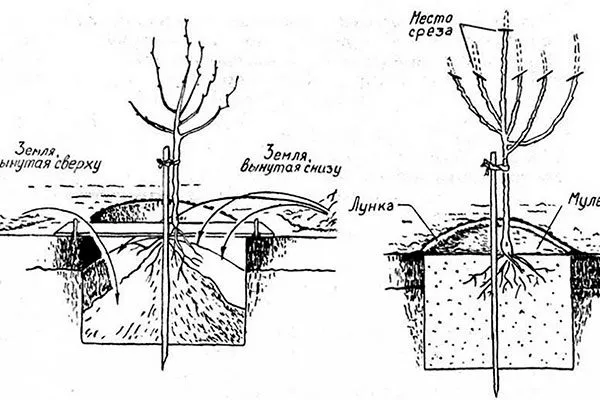
Planting is carried out as follows:
- Remove some of the soil mixture from the hole.
- Form a mound in the central part.
- Before planting the seedling in the ground, carefully distribute its root system.
- Place the tree on top of the mound, then fill it with the remaining soil, but without adding fertilizer.
After work, water the plantings thoroughly and mulch the area around the trunk with any organic material. Don't forget to install a stake and tie the seedling to it.
Basic rules of care
This variety prefers airy, oxygen-rich soil, so it needs to be turned over periodically. Ideally, this process should be done at least twice a year, in early spring and late fall. Care should be taken to avoid damaging the root system, which is located close to the surface.
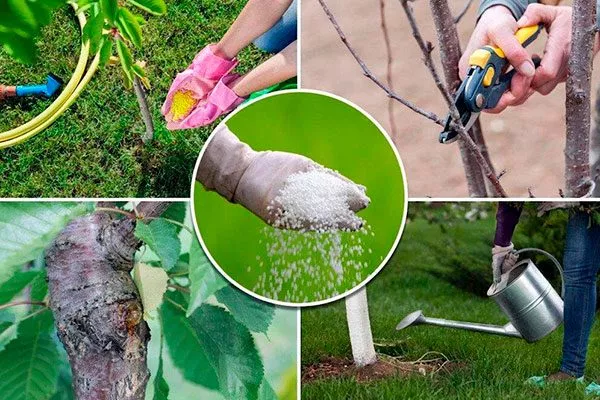
The rest of the time, it is enough to simply loosen the soil, while removing weeds and undergrowth at the base of the trees.
Other events:
- Don't forget about regular watering. Despite its moderate drought tolerance, regular irrigation will promote normal fruiting, especially during the hot and dry summer months.
The optimal rate is considered to be about 20-25 liters of water per tree per month. - At the same time, you can use various fertilizers that are better absorbed when combined with water. These can include organic fertilizers in spring and fall, as well as specialized mineral complexes in summer.
- To ensure adequate light and nutrients, the tree needs to be pruned periodically, as without care it will begin to overgrow. Experienced gardeners prefer to create a sparse, tiered crown structure, which allows for the placement of skeletal branches at different levels:
- In the first year after planting, the central shoot is cut to 50-70 cm, and other branches are shortened sequentially, creating tiers.
- In subsequent years, it is necessary to regularly remove suckers and branches growing at an acute angle to the trunk.
- Sanitary pruning is straightforward, as damaged and diseased branches are usually few in number. These should be carefully removed with pruning shears or a handsaw, and the wound treated with garden pitch.
Protection from frost and rodents
Marat Busurin has average cold tolerance, so special attention should be paid to protecting its trunks during winter, especially in harsh climates such as the Leningrad Region or the Moscow Region.
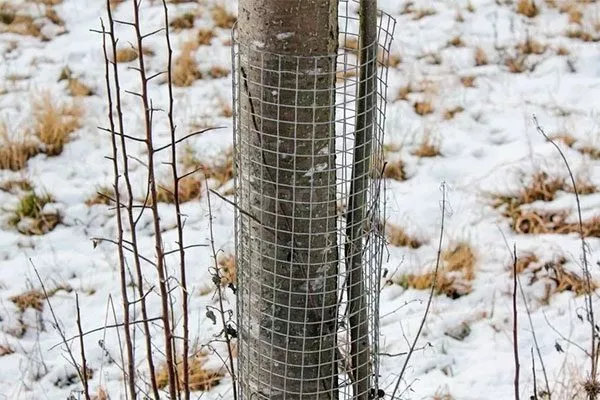
- To protect the root part, use straw mats, dry grass material, or create a 15-20 cm thick soil layer.
- Tree trunks are wrapped with agrofibre, roofing felt, burlap, or other similar materials readily available at home. Due to the trees' small size, they can easily be protected with a tent-like covering.
- To prevent damage to the soft bark by rodents, trunks up to a height of 100-130 cm are soaked in solid oil or ordinary melted fat is used.
- To effectively protect tree trunks from insects, apply white paint to the same height in the spring and fall. An alternative is slaked lime.
Pest and disease control
In the world of agricultural technology, special attention is paid to protecting young apple trees from various pests that damage the fruit, reduce yield, and can lead to the death of the trees themselves. Diseases also sometimes occur. Among these problems, the following are worth noting:
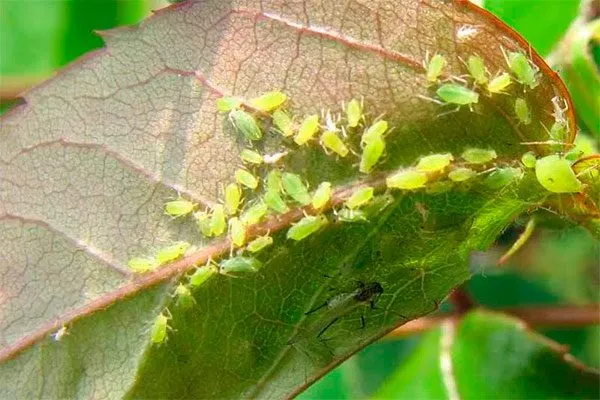
- Green aphid. This is a dangerous pest characterized by a rapid reproduction rate. It can destroy almost all leaves in a matter of days, depriving the plant of nutrition and the ability to photosynthesize. By feeding on the sap of young branches, the aphids kill them.
The only effective means of protection is preventative spraying with copper-containing agents during bud break in the spring, which also helps prevent fungal diseases.
If aphids are widespread, more active insecticides such as Karbofos and Nitrofen are used. There are also effective folk methods of control, such as introducing ladybugs to trees or spraying with tobacco. Artificial traps and snares on tree trunks have also proven effective.

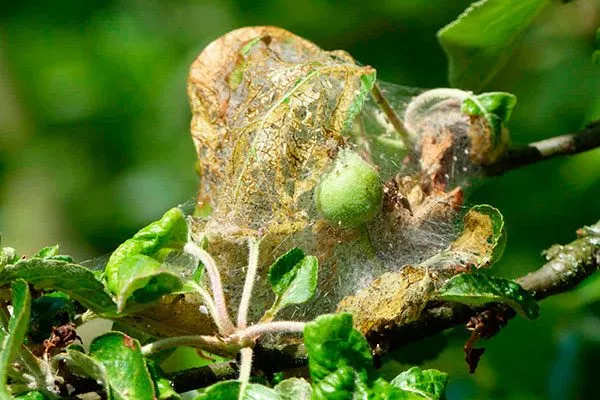
- Apple moth. This pest, like green aphids, can cause significant damage. The insect itself is not dangerous, but its larvae, which overwinter in the bark, pupate after warm weather and begin actively destroying the plant.
Prevention is carried out after flowering, when the leaves have not yet fully unfurled. Treatments are carried out using Karbofos or Chlorophos.
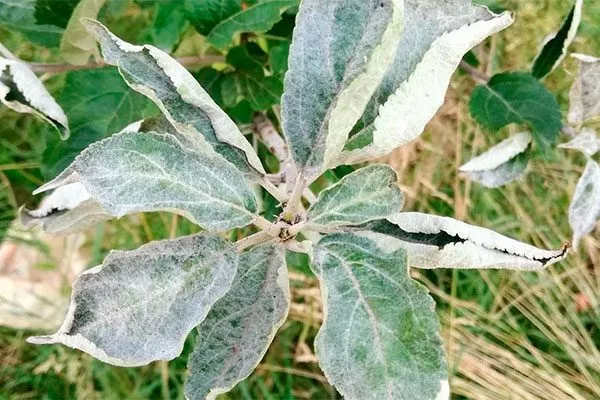
- Scab, powdery mildew. Marat Busurin is resistant to scab and has some resistance to powdery mildew. However, prolonged wet weather can increase the risk of infection. Problems arise from fungi that overwinter in fallen leaves that haven't been cleared since autumn.
During warmer months, spores infect leaves, causing green spots or a whitish coating. Treatment is with copper-based fungicides. Prevention includes promptly removing and burning fallen leaves, treating the soil with a 3% solution of Nitrafen, and treating the tree with a 1% solution of Bordeaux mixture during bud formation.
Pros and cons
Marat Busurin has his strengths and weaknesses. The only potential risks are the possibility of powdery mildew and scab.
Among the advantages it is worth noting:
Clearly, the list of advantages of the Marat Busurin apple tree far outweighs its disadvantages. This explains its widespread popularity among gardeners across the country. And by following the care recommendations for this variety, you can appreciate its advantages firsthand.
Reviews
Marat Busurin is a relatively new apple variety that offers an interesting and promising prospect for widespread cultivation. With proper and careful care, it can yield a bountiful harvest of delicious dessert fruits every year. But first, it's best to familiarize yourself with this variety's characteristics and cultivation guidelines.