
The Mantet apple variety is deservedly popular among gardening enthusiasts due to its flavor and generous yields. Understanding the Mantet's growth and development characteristics is crucial for novice gardeners considering planting it in their garden. This will allow them to properly manage their care and ensure the first fruits arrive at the most opportune time.
Origin and growing regions
In 1928, Canadian botanist Dr. A. Macohen created a new apple variety, named Mantet, through natural pollination of the Mackintosh and Moskovskaya Grushovka, which were imported from Russia.
This variety, crossed with Russian apples, was recognized only in 1971, when it was brought to the Soviet Union, and its mass cultivation began in 1986.
The Mantet, which inherited the best traits from Canadian and Russian parents, has gained popularity and is well known in the world of breeding:
- Mac, known for its cold resistance, high yield, and small but tasty and aromatic fruits, has transferred these qualities to the new variety.
- Moscow pear tree, also having a long history, it added its own characteristics to Mantet, including early ripening, large and beautifully shaped fruits, and decent productivity.
The variety has successfully adapted to regions such as Samara, Ryazan, Bryansk, Vladimir, Tula, Moscow, Kaluga, and Smolensk. In Canada, where the variety originated, it is also successfully grown, and in Russia, it thrives in the northern latitudes, where the climate is similar to Canada's.
Mantet is ideal for planting in temperate continental and continental climates. The best conditions for its cultivation exist in Central Russia and the Volga region, as well as in the North Caucasus Federal District.
Description and characteristics
Mantet, like other apple varieties, has unique characteristics that are appreciated by gardeners in varying degrees. The main advantages of this variety are early ripening and high yield.
Tree
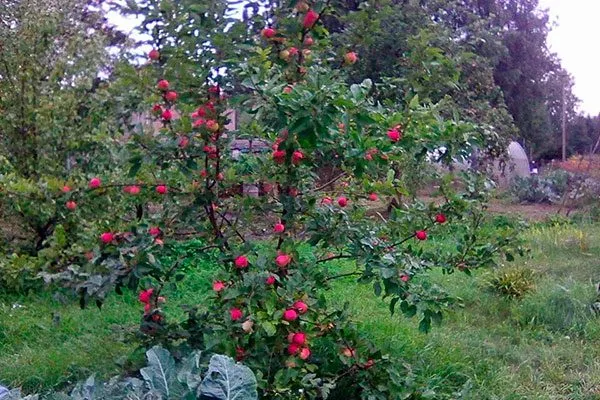
The fruit tree grows at a moderate rate. Young trees develop more rapidly, but their growth slows with age. A mature tree typically reaches a height of 4 to 5 m.
Tree appearance:
- the trunk is strong and straight;
- skeletal branches are few;
- in young apple trees, the lateral stems are directed upwards;
- with age and under the weight of fruits, large branches bend towards the ground;
- Over the years, the shape changes – in mature apple trees it becomes wider and more spreading.
The leaf blade is leathery, smooth, shiny, and pubescent. The structure is rigid and prone to breakage. Leaf appearance:
- they are large, oval in shape;
- with a wavy serrated edge;
- the end of the leaf is pointed and directed upwards;
- each leaf has a thickened and long petiole;
- the leaf blade is slightly deviated from the shoot.
Fruit
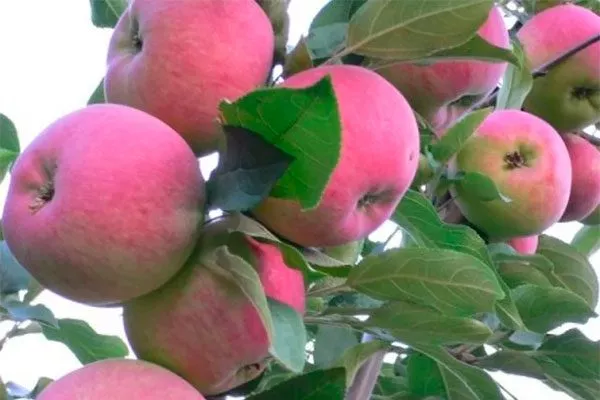
Experts consider a number of criteria when evaluating apples. In terms of tasting characteristics, these fruits earned the maximum score of 5.
Mantet apples have the following characteristics:
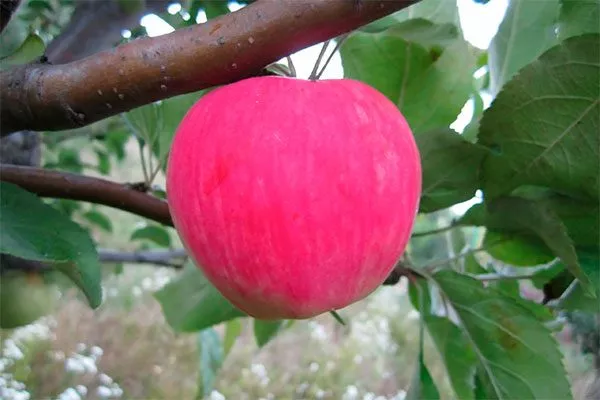
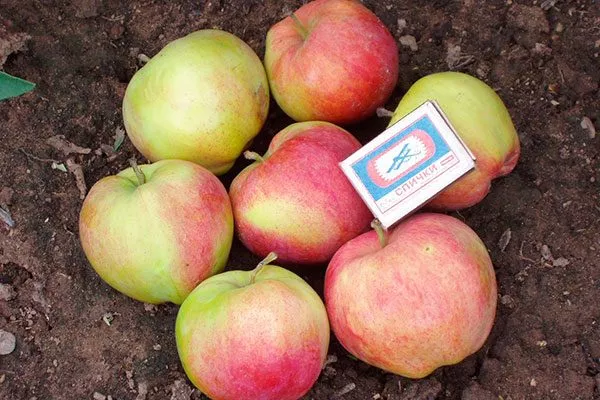
- Coloring – Unripe apples have greenish or yellowish skin. As they ripen, they acquire a reddish-orange color with a characteristic striped blush.
- Form - rounded with a slight elongation.
- Weight - medium and large size, weight varies from 100 to 180 g.
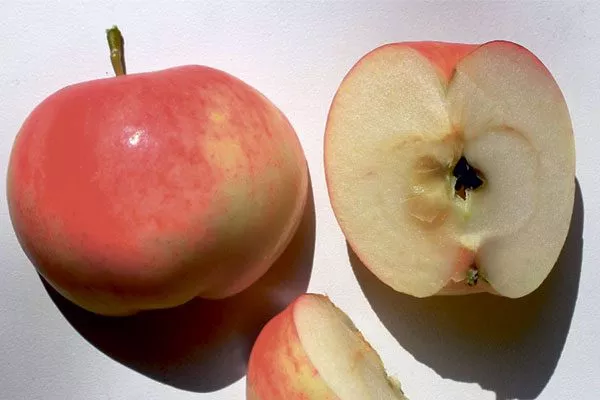
- Pulp – Very juicy, with moderate graininess, it can be white or slightly yellow. When overripe, it takes on a pink hue and develops veins. When fully ripe, the flesh becomes more crumbly.
- Peel – The fruit is refined and soft, without a pronounced flavor. It separates easily from the pulp, not interfering with the fruit's fresh consumption or preservation.
- Storage - Mantet apples don't have a long shelf life; their shelf life is typically 1-2 weeks. The maximum shelf life without loss of quality is 3 weeks.
- Taste - The fruits have a sweet, harmonious taste with a slight refreshing sourness.

- Compound - contains sugars, organic acids, pectin, various micro- and macroelements, fiber and tannins, as well as essential oils.
- Caloric content – 100 g of edible part of an apple contains 45 kcal.
Pollination and productivity
The Mantet apple tree is not self-pollinating, so to produce fruit, it must be planted next to varieties such as Papirovka, Melba, Red Melba, Orlinka, Grushovka Moskovskaya, or Bely Naliv. The key is that all these varieties bloom at the same time.
Peculiarities:
- The first apple trees appear on Mantet in the third or fourth year after planting.
- Every year the yield increases so much that up to 50 kg of apples can be harvested from 7-8 year old trees, and more than 70 kg from ten year old trees.
- A ripe apple is perfect for eating, while overripe fruits quickly wither and spoil.
To extend the shelf life of apples, store them in a cool place, such as a refrigerator or basement. In these conditions, the fruit can last for over a month. Excess apples can be used to make preserves, jams, marmalades, juices, canned, or dried.
Flowering, ripening time and fruiting
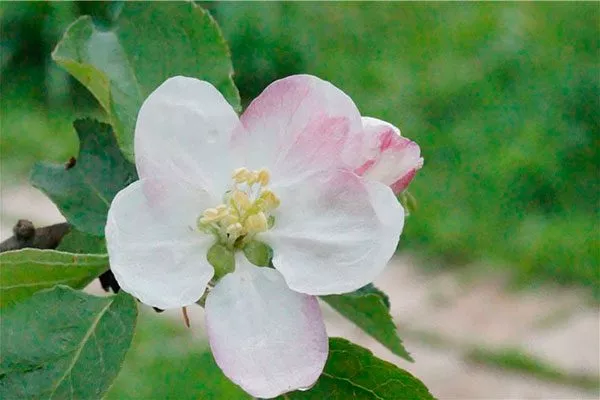
The Mantet belongs to the semi-dwarf group of species, which significantly impacts growth and development. Unlike taller varieties, it begins to bear fruit much earlier. The first flowers usually appear on the tree as early as the second or third year after planting.
However, it is important to take into account a number of factors that may affect this process:
- age of seedling at planting;
- growing conditions;
- correct execution of agricultural operations;
- quality of planting material.
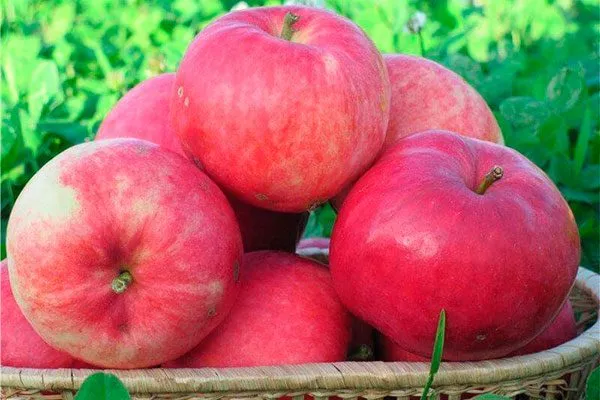
The Mantet apple tree produces fruit in midsummer. Apples begin ripening piecemeal from late July and continue until the last days of August. In cooler climates, ripening may be delayed until September.
Frost resistance
The variety has a relatively low ability to withstand cold temperatures, making it unsuitable for planting in areas with harsh winter conditions.
If the thermometer reading drops below -10 degrees, the tree must be protected: the trunk must be carefully insulated, and the soil must be covered with a layer of straw or wood waste.
Rootstock varieties
The basis for growing fruit crops is the rootstock onto which a specific variety is grafted. Its properties and characteristics directly depend on the type of rootstock used.
The Mantet variety can be grown on various rootstocks, each of which has its own characteristics:
- Semi-dwarf – Characterized by a relatively short stature, not exceeding 3 m. It begins bearing fruit as early as the third year after planting and can live up to 30 years. This rootstock provides stable yields and is easy to harvest and spray, but requires constant watering and support in the first few years.
- Dwarf - It grows up to 4 m in height and begins bearing fruit in the 3rd or 4th year. Some trees on this rootstock can live up to 40 years, but productivity declines after 20 years.
- Vigorous – This rootstock allows for the cultivation of tall apple trees, reaching 7 meters in height. The first fruits appear in the 7th to 8th year of life, and the tree can live for 60 years or more. This rootstock is more winter-hardy, but the apple quality is somewhat reduced. Furthermore, harvesting and caring for a tall tree can be more challenging.
- Columnar – Suitable only for warm southern regions, it requires careful care and winter protection, which can be challenging for some gardeners.
Planting an apple tree in open ground
To ensure the Mantet apple tree enjoys favorable conditions and produces abundant harvests of high-quality apples, it's important to carefully select the location, soil composition, lighting, and temperature conditions. Certain rules must also be followed when planting the seedlings.
Terms, conditions and requirements
The best time to plant the Mantet apple tree in the ground is mid-April or the period from September 20 to October 10, when there is no heat and bright sunlight.
The Mantet apple tree can grow at an average annual temperature of +7.5 to +11 degrees Celsius, and during the growing season the optimal temperature is from +13 to +18 degrees.
Soil moisture should be 70-75% of the maximum possible water holding capacity. Insufficient soil moisture slows shoot growth and negatively impacts leaf and fruit development.
Other indicators and requirements:
- Location and lighting. The preferred location for planting the Mantet apple tree is a bright spot, protected from cold and through winds that can cause frost.
- Soil composition. This apple variety is ideal for loamy soils. If the soil contains too much clay, it's important to add river sand. A soil composition favorable for the Mantet apple tree includes garden soil, peat, compost, and humus.
Neighbors and the optimal distance
Among fruit trees, the Mantet apple tree pairs well with pears, plums, and cherries. However, maintain a distance of 2-5 meters between the trees to prevent them from interfering with each other's growth.
Flower beds and lawns are ideally placed in the shade of apple trees. This will not only beautify the space but also have a beneficial effect on the apple tree itself, thanks to:
- improving the structure of the soil near the trunk;
- removing excess salts from the soil;
- maintaining the necessary moisture;
- protection of the root system from mechanical damage.
Highly effective plants for such a neighborhood are:
- celandine, which repels ants and aphids, which are pests of apple trees;
- white clover, which attracts bees, which promotes better pollination;
- dandelion, whose roots produce ethylene, which stimulates early ripening of apples;
- lupine, which promotes growth and development;
- Nasturtium, which helps retain moisture and repel harmful insects.
The following plants should be avoided as neighbors for apple trees:
- hawthorn attracting pests;
- a nut that inhibits the growth of fruit trees;
- raspberries with a shallow root system, competing for moisture with apple trees;
- currants, the yield of which decreases in the shade of apple trees;
- bird cherry, which attracts glasswings and other pests to the garden;
- Rowan, vulnerable to rowan moth, which can damage apple fruits.
Preparing the site and planting hole
Prepare the beds 14-20 days before planting the apple trees. Leave at least 3 meters of space between the future trees. To do this, follow these steps:
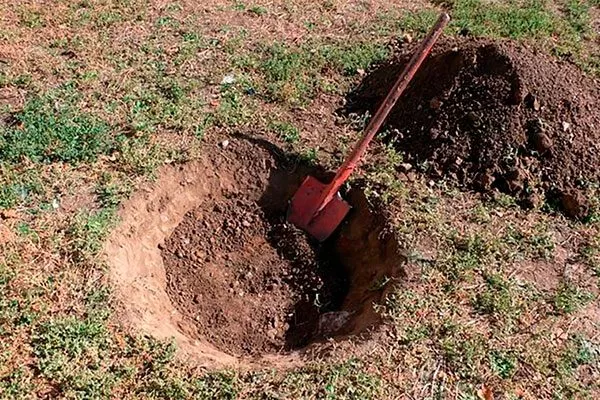
- Dig a hole that should be 80-85 cm deep and 100-110 cm wide.
- Mix the topsoil with the following ingredients: 10 tablespoons of ash, 25 kg of compost, 200 g of superphosphate, and 4 tablespoons of potassium sulfate. Spread the resulting mixture over the bottom of the hole. If the soil is clayey and heavy, add 20-30 kg of sand to improve the structure.
- Once all the preparatory work is complete, pour 10 to 20 liters of water into the hole. Plant the apple tree after the soil has settled well.
Landing
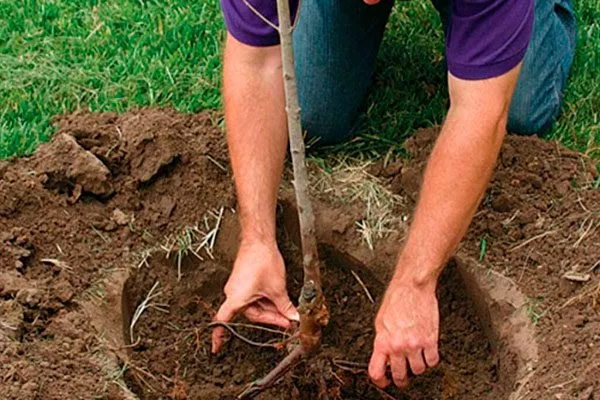
To complete the landing, follow a few key steps:
- Place a wooden stake in the center of the prepared planting hole to support the young plant. Its top should extend approximately 50-70 cm above the ground.
- Carefully straighten the roots of the plant.
- Place the seedling in the center of the hole, carefully compacting the soil around it.
- Attach the plant to the stake on the north side, leaving a distance of 20 cm between them. The stake should be kept in this position for three years.
- Water the planting hole generously, using approximately 30-40 liters.
- Fill the root collar with soil mixture.
- Apply a 5cm layer of mulch consisting of wood chips, dry grass and compost.
A week after planting, water again using the same amount of water as when initially planting.
Care
Caring for the Mantet apple tree after planting is relatively simple. Proper watering, fertilization, and pest control are essential to maintaining the tree's health.
Watering
Watering can be accomplished using traditional methods: buckets, a hose, or a drip irrigation system. The key is to avoid overwatering and drying out the trunk area.
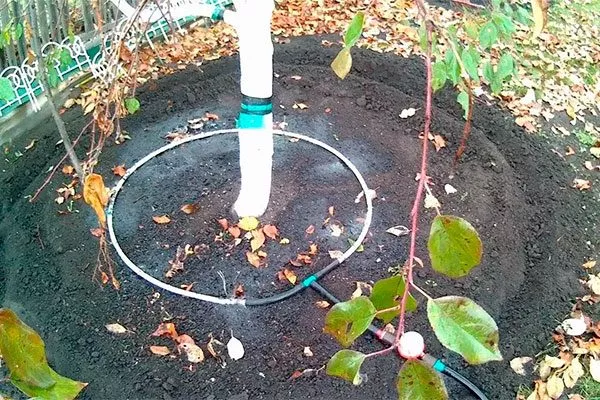
An adult tree requires approximately 60-70 liters of water per square meter, and in summer this volume doubles.
The apple tree needs to be watered 4 times during the season:
- first - produced before the beginning of budding, if there is no natural precipitation;
- second - takes place in mid-June;
- third - necessary during fruit formation;
- last - is held in mid-October.
After each watering, it's important to clear the area around the tree of weeds and loosen the soil to prevent the formation of a hard crust, which can impede oxygen supply to the tree's roots. After loosening, it's recommended to cover the area around the tree with a fresh layer of mulch.
Fertilization
Initial fertilization should be performed using mineral and organic fertilizers. In subsequent years, to maintain favorable growing conditions, it is recommended to fertilize twice a year—in spring and fall—throughout the tree's life.
In the spring, to stimulate the growth of Mantet, it is advisable to use nitrogen fertilizers, such as:
- ammonium sulfate;
- ammonium nitrate.
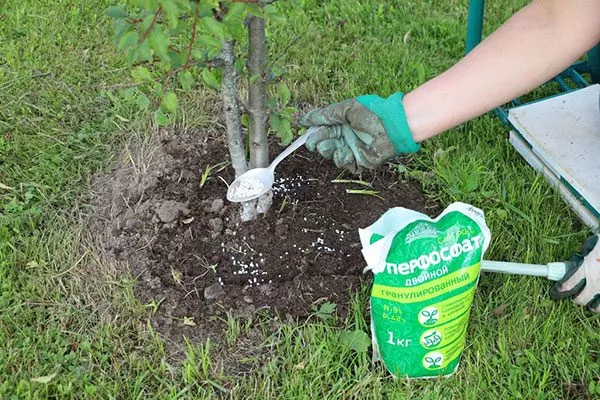
In autumn, trees need to replenish their reserves of potassium and phosphorus, as well as organic matter:
- humus;
- potassium nitrate;
- potassium salt;
- Superphosphate.
Trimming
Proper tree pruning is key to preventing diseases and pests and facilitating the harvesting process.
Perform the procedure three times during the season:
- until the end of March;
- in summer (by pinching and removing excess growth);
- in the fall before the first frosts.
To form an optimal three-tiered tree crown, leave no more than five buds on the main branches. After pruning, the first tier should consist of three branches, the second of four, and the third of two.
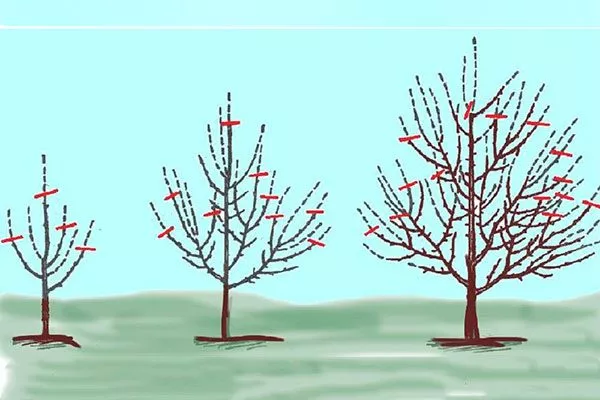
In addition, to maintain the health of the tree, carry out sanitary and rejuvenating pruning, removing dry, damaged and crooked branches.
But keep in mind:
- If the side branches grow too quickly, shorten them, giving the tree crown a rounded shape;
- After pruning, seal all cuts and edges with a special garden varnish to prevent harmful microorganisms and moisture from entering the tree.
Weeding and mulching the tree trunk circle
To increase yield, you can use a simple and effective method: regularly remove weeds and cover the tree trunk area with mulch.
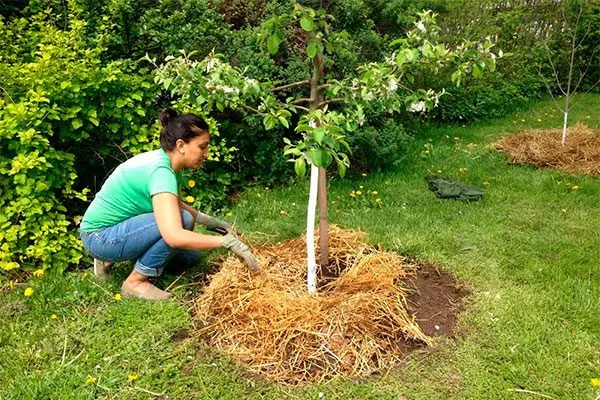
Various materials can be used as mulch, such as finely chopped coniferous bark, straw, sawdust and dry leaves.
Typical mistakes gardeners make
Experienced gardeners know that beginners often face the same challenges when caring for the Mantet apple orchard:
- Excessive use of nitrogen fertilizers promotes excessive growth of foliage, which, in turn, negatively affects the flowering of the tree;
- Incorrect pruning can disrupt the balance between tree growth and fruiting;
- insufficient watering during the period of intensive plant development stops growth;
- Failure to take preventative measures to protect against diseases and insects will result in the death of the plant.
Whitewashing and preparation for winter
In the fall, treat tree trunks with lime to protect them from low temperatures, strong winds, and pest attacks. Whitewashing should be done in November, when the weather is dry and windless. A special mixture is used for this purpose, including:
- slaked lime (1.5 kg);
- copper sulfate (250 g);
- water (5 l);
- casein glue (150 g).
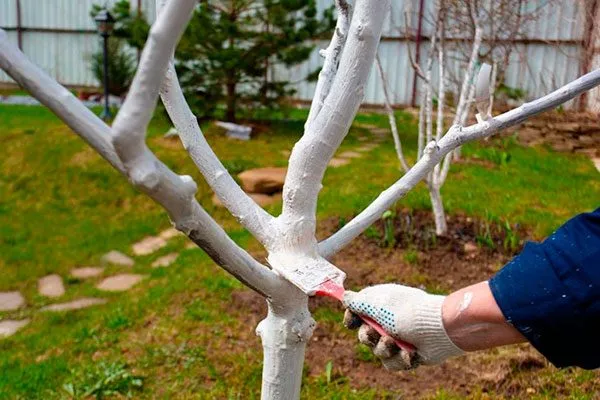
Preparing trees for winter also involves a number of other key actions:
- bark cleaning;
- elimination of insect pests;
- clearing the tree trunk area of vegetation, fallen leaves and fruits;
- digging and watering;
- application of fertilizers.
To prevent young trees from freezing, wrap them in any non-woven material or cover them completely with it.
Reproduction of culture
To propagate, use several methods:
- cuttings;
- use of root suckers;
- sowing seed pits;
- use of layering.
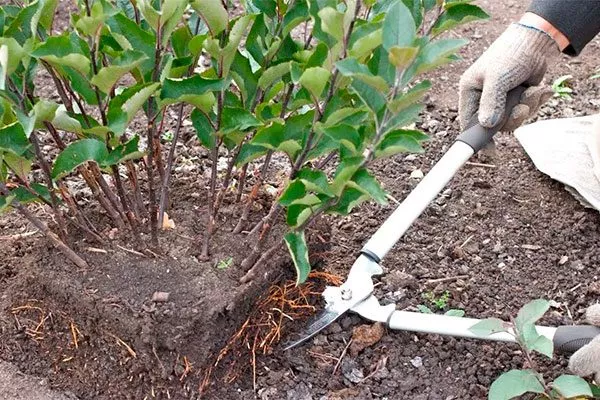
The most effective and fastest method is growing young plants from root suckers. To do this, you need:
- collect them in the spring - before the sap in the plants begins to actively circulate, or in the fall;
- Several 18 cm long cuttings should be cut from the roots and placed in the basement for the winter, carefully covered with sand;
- After the arrival of spring, you can begin to plant cuttings in deep trenches going 3-5 cm below the soil level.
Pest and disease control
Mantet apple trees possess genetic resistance to numerous diseases and insects. However, their immunity to scab leaves much to be desired.
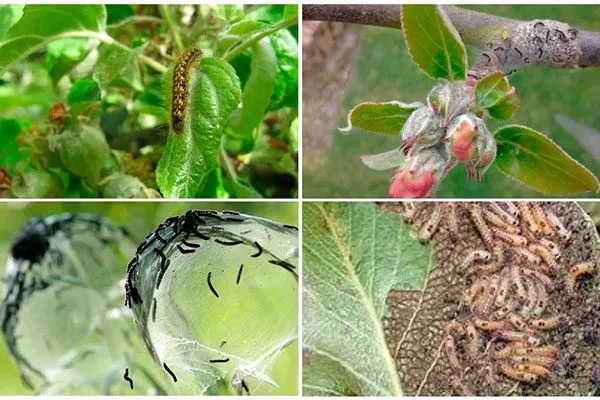
This disease can infect leaves and fruits, making it important to regularly use preventative measures:
- Special chemicals called fungicides are used for this purpose. Spraying is carried out at intervals of 7-10 days, from budding until fruit set.
- To combat scab, gardeners use ferrous sulfate. This contact-active product is used against various fungal infections and does not penetrate the fruit, remaining on the surface for two weeks before being washed away by rain.
To prepare the solution, 600 g of ferrous sulfate is required for every 20 liters of water, which provides an optimal concentration of 3% active ingredient. Treatment is carried out in early spring, when the trees are still bare (before the leaves emerge).
In addition, leaf rollers and flower beetles can be found on Manteta. Insecticides are used to control them. Treatments should be carried out early in the spring and early summer as a preventative measure.
To prevent the spread of pests, it is important to keep the area around trees clean by regularly removing fallen leaves and performing cross-pruning.
Pros and cons
In order to choose to grow the Mantet apple variety on your property, you need to carefully study its advantages and disadvantages.
Reviews
The Mantet apple tree is an early-ripening summer variety, characterized by rapid yield growth in its first years. However, as the tree matures, productivity becomes intermittent. To avoid this, growers remove excess buds, thereby reducing the tree's load and ensuring a good supply of delicious apples the following season.