
Malinka is an apple variety ideally adapted to the climate of Eastern Siberia. It is often confused with Malinovka, but they are different species. Its fruits are known for their juiciness, soft texture, and exceptionally bright, rich flavor, which will appeal to connoisseurs of high-quality fruit.
Description of the variety
The Malinka apple variety was developed at the Buryat Regional Research Station and, following successful trials, has been recommended for cultivation in Buryatia since 1988. This variety was created by breeders L. I. Dubrovskaya and I. A. Novoselova, who crossed the Purple Ranetka and the Papirovka apple.
The variety has gained popularity and can now be found not only in the gardens of Buryatia, but also in the Krasnodar Territory, Chita, Irkutsk Regions, Yakutia, and Transbaikalia.
The Malinka apple tree is a low-growing, bush-like tree that begins to bear fruit in the fourth or fifth year.
External data are as follows:
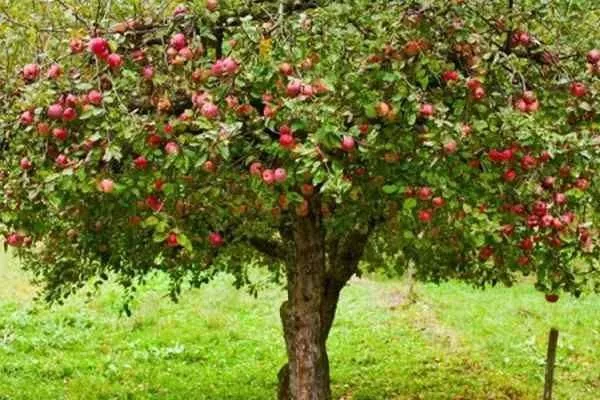
- Crown It has a pyramidal shape, the bark on the trunk and main branches is colored greenish-brown, and the thick, geniculate shoots are a darker brown shade.

- Branches Moderately pubescent, thick, geniculate, rounded in cross-section. Lenticels are numerous and medium-sized. Buds are also medium-sized, rounded, weakly pubescent, and pressed to the shoot.
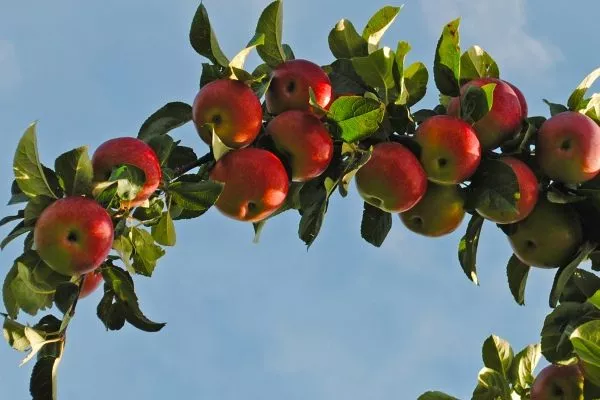
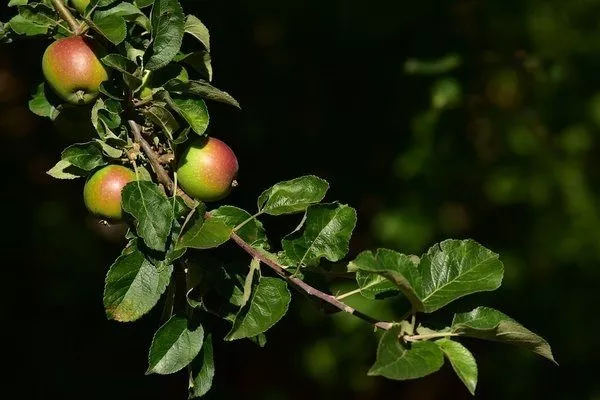
- Leaves Classic green leaves with a rounded base and serrated teeth. The leaf blade is wrinkled, matte, and pubescent. The petiole is elongated, extending from the stem at an angle of less than 45°. The stipules are filiform.
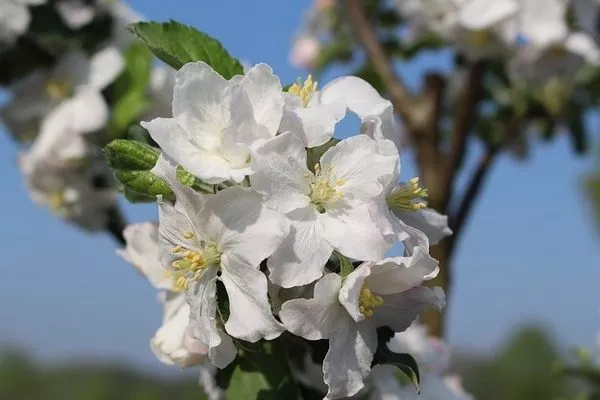
- Flowers Snow-white, medium-sized, saucer-shaped fruits. Fruits are set primarily on simple rings.
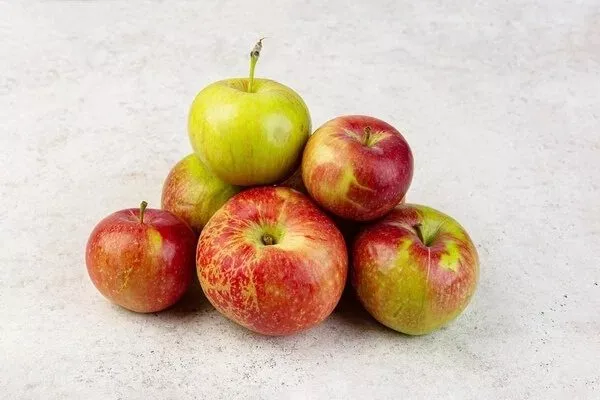
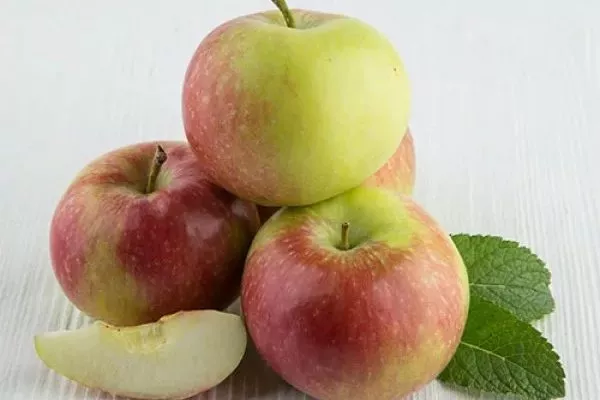
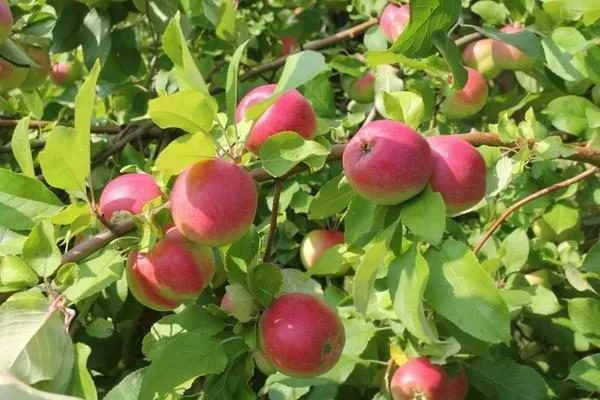
- Apples Small (about 15-20 g each) and rounded-flattened, their yellowish, smooth skin is covered with a bright red blush and a waxy coating. The flesh is creamy, sometimes with a greenish tint, juicy, tender, and has a pleasant sweet-tart flavor with a subtle but noticeable apple aroma.
Main characteristics
Raspberries require pollinators to bear fruit, as they are not self-fertile. For the best yield, it is recommended to plant them next to the Pervenets Buryatii variety.
Please note other characteristic features:
- Harvesting takes place at the end of August or the beginning of September, and productivity reaches about 21 kg from one tree, but in some cases it can increase to 40-50 kg.
- These apples are excellent for eating fresh, canning, drying, or freezing. When stored properly (in a cellar or basement at 2-4°C), the fruit retains its flavor until the end of December.
- The sugar content is 11.8%, titratable acids – 1.8%, ascorbic acid – 10.5 mg/100 g and P-active substances – 302 mg/100 g.
Landing features
Apple trees especially thrive in locations with maximum sun and free air circulation. Therefore, when choosing a planting site, choose open, well-ventilated areas with fertile, even, and well-drained soil.
Other important nuances:
- The best time to plant the Malina apple tree is in the spring, before the buds have opened. You can also plan for the fall, after the leaves have completely fallen from the trees.
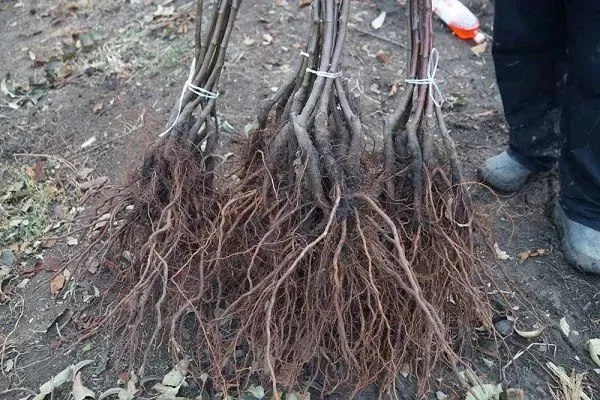
Spring planting has a limited timeframe, as with the onset of active vegetation, the tree begins to develop intensively, which can negatively affect the formation of the root system. - If you have a choice between open-root and closed-root seedlings, you should pay attention to the following recommendations:
- with an open root system should be planted in the spring, before the buds open, which corresponds to the last ten days of March and the beginning of April;
-
- with a closed root system It is better to plant in the fall, starting from the last ten days of September and until the third ten days of October.
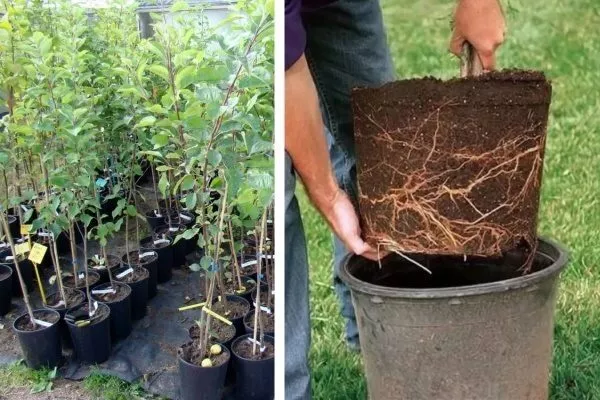
The process of planting a seedling:
- Before you begin work, dig a hole approximately 60-65 cm wide and deep.
- Place a layer of sand or crushed stone at the base.
- Then carefully place the seedling in the hole.
- Cover it thoroughly with soil.
- Finish the procedure by compacting the soil around the roots and thoroughly moistening with warm water.
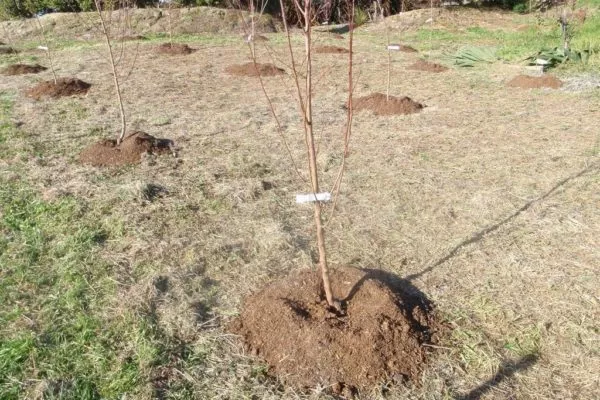
Growing and care
The Malinka apple tree variety is easy to care for, but achieving the desired yield and excellent fruit quality requires careful attention to the tree.
Watering and fertilizing
The most important thing for an apple tree is nutrition and moisture, so pay attention to the following details:
- Irrigation with water. This variety especially appreciates moisture, so regular watering is key to its healthy growth and fruiting. Particular attention should be paid to watering the tree during flowering and fruit formation.
- Top dressing. To maintain the active growth and development of the Malinka apple tree, fertilizers are essential. Complex fertilizers enriched with microelements are the best choice. Organic fertilizers can also be added periodically.
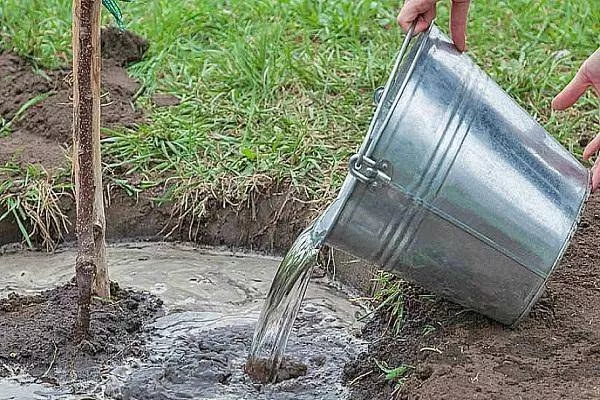
Pruning and crown shaping
The process of pruning shoots and shaping the tree's crown is an integral part of fruit growing. Spring pruning aims to create optimal conditions for fruit ripening and protect the tree from pests and diseases.
In autumn, branches that were damaged during harvesting or broken under the weight of the fruit during ripening are removed.
The apple tree formation scheme includes several key elements:
- skeletal branches should be distributed at a sufficient distance from each other;
- the main shoot always dominates over the skeletal stems;
- It is better to make higher order branches shorter than lower order shoots.
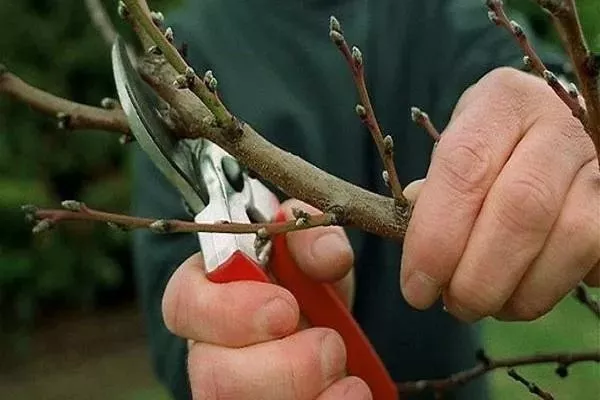
Tree grafting
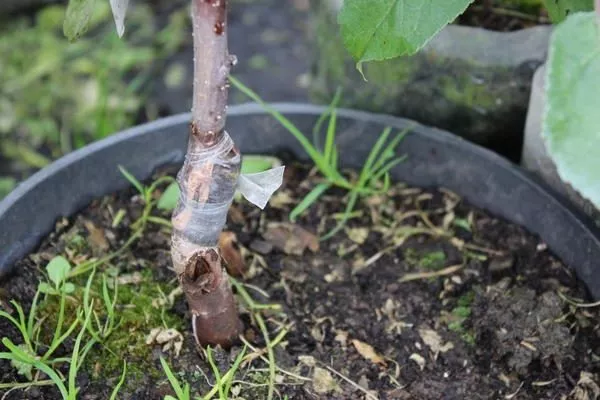
Grafting, as a method of cultivating garden crops, can be carried out in spring or summer, which is an effective method for obtaining the desired variety or replenishing your garden with your own planting material.
There are different grafting methods used for Malinka:
- on the bark;
- into the crevice;
- copulation with tongue;
- applied grafting;
- budding;
- into the side cut.
Preventive treatment
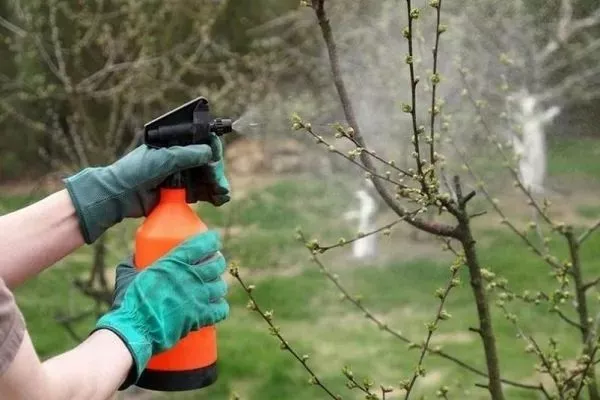
Despite its resilience, raspberries sometimes encounter diseases and pests. All gardeners, without exception, encounter the following challenges:
- Scab - This is the main problem when caring for apple trees of this variety. It affects not only the foliage but also the fruit, reducing the yield. An effective control method is spraying the trees with a urea solution.
- Powdery mildew - Another well-known disease that can quickly destroy apple tree foliage without proper treatment. Colloidal sulfur is commonly used as a treatment.
- Fruit rot – This is a disease that causes massive apple losses. To prevent the spread of pathogens, it is necessary to promptly remove affected fruit.
- Cytosporosis - A fungal infection, treatment for which is aimed at destroying the pathogen. Copper sulfate solution or HOM are used for treatment and prevention.
- Harmful insects include green aphids, leaf rollers, apple moths and apple blossom weevils. In such cases, insecticidal preparations come to the rescue, among which Aktara, Iskra and Confidor occupy a special place.
Pros and cons
Key advantages of this variety:
Flaws:
While there are a few downsides, they aren't significant. Self-pollination can create some problems during cultivation, but adding an additional tree, such as the Pervenets Buryatii variety, can increase yield.
Regarding the size of the fruit, this may not always be an issue. Some people prefer miniature apples that can easily fit into a canning jar, meaning they require little effort.
Reviews
Growing the Malinka apple tree is a simple and accessible task for beginning gardeners. The variety is highly resistant to adverse weather conditions and diseases, making it an ideal choice. Malinka promises a regular and abundant harvest and impresses with its attractive appearance.