
Krasnoe rannee (Red Early) is an apple tree with a compact crown and rapid bud break, allowing for a quick harvest. This variety is prized for its early ripening fruit, pleasant flavor, and aroma. Thanks to its self-pollination and drought tolerance, it is ideal for a variety of climates, combining early fruiting with an ornamental appearance.
Origin and zoning of the variety
In the 1960s, specialists at the I.V. Michurin All-Russian Research Institute of Horticulture began developing a new apple variety capable of ripening early and withstanding low temperatures. The team of breeders who worked on this project included G.A. Lobanov, Z.I. Ivanova, and V.K. Zayets.
The following were chosen as parent forms:
- Melba - an old Canadian variety, distinguished by early fruiting and high yield;
- Spring - A little-known but winter-hardy species, resistant to fungal diseases.
A hybrid named "Red Early" was created by crossing these varieties. It is most often grown as a rootstock on more resistant varieties, which improves the plant's characteristics.
Despite the breeders' efforts, the variety's frost resistance proved to be lower than expected, limiting its cultivation area. However, it possesses a number of other advantages, which led to its approval for state trials in 1977, and its inclusion in the State Register of Breeding Achievements of the Russian Federation in 1994.
This variety thrives best in temperate continental climates. It is recommended for planting in the following areas:
- Central Black Earth Region;
- Lower Volga region and some areas of the Volga region;
- Moscow region.
In the Leningrad region, the variety takes root less well – the yield here is average.
Main characteristics
The Krasnoe Ranneye apple tree is popular in southern regions due to its low maintenance and good drought tolerance. The compact tree, a summer variety, produces small but very colorful fruits. The apples are attractive not only for their appearance but also for their excellent taste.
Features of wood
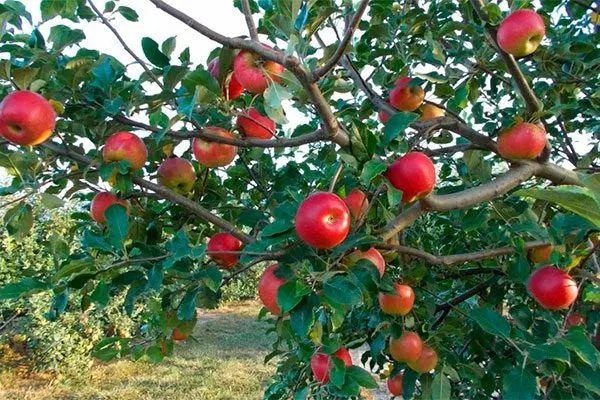
A mature plant rarely exceeds 5 m in height, often reaching around 3.5 m. Its growth force is moderate, making it easy to care for.
Main characteristics:
- Skeletal branches The branches extend from the trunk at almost a right angle, forming a rounded crown that eventually becomes slightly spreading. Branching is moderate, and the crown is not dense. The tree's bark is brownish-yellow with sparse, light-colored, rounded lenticels. The shoots are medium-length, straight, and slightly pubescent.
- Foliage The branches are densely covered. The leaves are typical apple-sized, elongated, wedge-shaped, and have prominent, rounded teeth along the edges. The upper surface is bright green and glossy, while the underside is light and matte, with a light fuzz on young leaves. The petioles are long, medium-thick, and reddish-brown.
- Bloom This process produces white, medium-sized flowers of no ornamental value. The petals are rounded, and the pistil is surrounded by stamens, the anthers of which are almost level with the stigma, improving self-pollination.
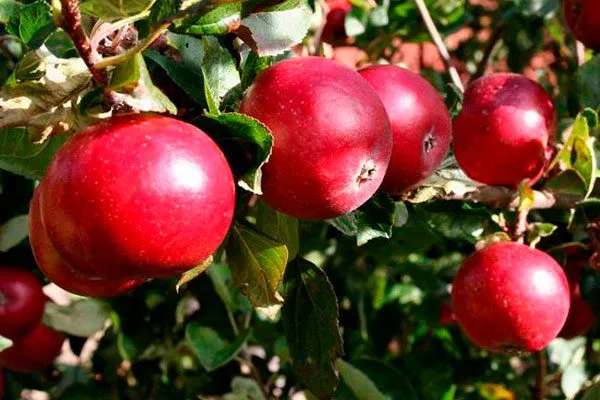
Fruiting occurs on the buds that form on perennial branches. This variety has a high budding rate, which often leads to the tree being overloaded with fruit. As a result, the fruit may be smaller than usual.
Fruit
The apples are small, weighing about 100 g on average. As the tree ages, they can become even smaller. Distinguishing features:
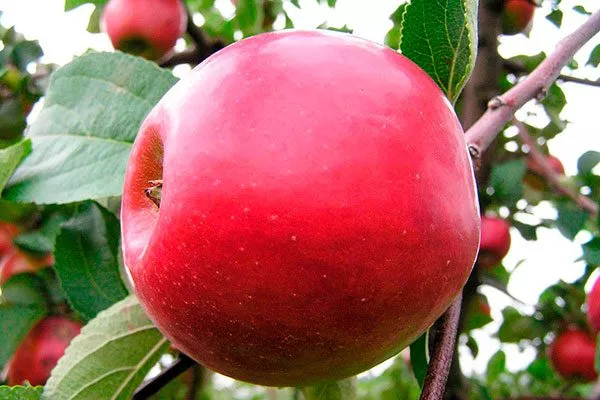
- Form - They are very neat in appearance: smooth, rounded, or slightly flattened, with uniform coloring, making them look almost toy-like. They earned a 4.5 rating for appearance.
- Funnel - Narrow and deep, tapering conically around a dense stalk that protrudes slightly above the edge. No rust.
- Saucer - Wide but shallow. The heart is bulb-shaped, and its small, partially open chambers contain teardrop-shaped, dark-brown seeds.
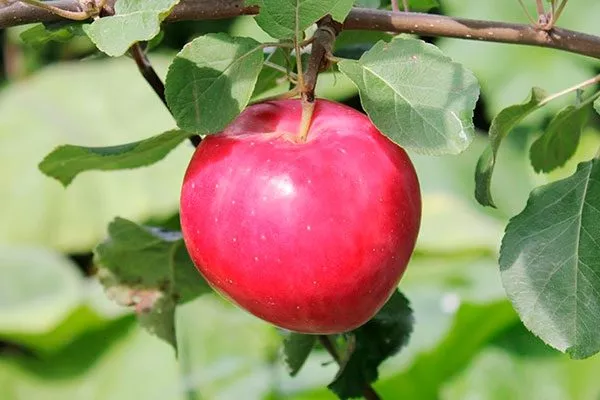
- Peel - Medium thickness, smooth, with a dense waxy coating. The base color is light yellow, with merging wide stripes of bright red and diffuse spots of a lighter shade. Small white specks are scattered across the surface.
- Pulp – cream-colored, medium density, may acquire a pinkish-red tint closer to the peel.
- Taste - sweet with a slight sourness.
100 g of pulp contains 10.7 g of sugars and 12.5 mg of vitamin C. This variety is considered a table variety and is best eaten fresh.
Beneficial properties
According to Roskachestvo, the Krasnoe Rannee apple variety is rich in valuable nutrients. It contains vitamin C, B vitamins, and small amounts of vitamins A and E.
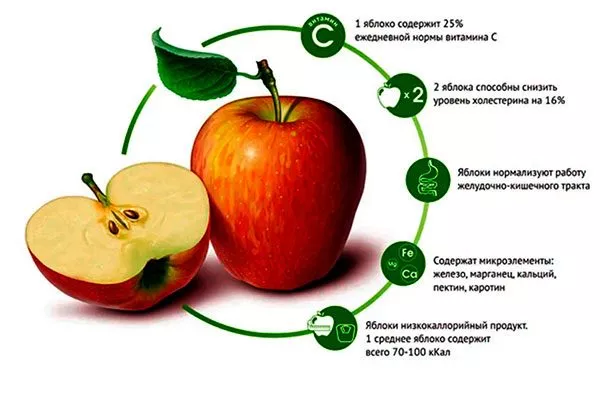
The healing properties of apples:
- For the heart. The fruits contain a lot of soluble fiber, which helps lower the level of "bad" cholesterol, prevents the formation of plaque in blood vessels and reduces the risk of cardiovascular disease.
Polyphenols (in particular, epicatechin) help normalize blood pressure. Potassium (regulates vascular tone) and vitamin C (strengthen the immune system, reducing the risk of inflammation and complications) provide additional benefits. - Antioxidant protection. Apples are rich in flavonoids, which have powerful anti-inflammatory properties. They also contain catechin, chloridzine, and chlorogenic acid, which protect cells from the damaging effects of free radicals, reducing the risk of chronic diseases.
- Benefits for the brain. Quercetin, a substance found in fruits, protects nerve cells from age-related changes and oxidative stress. It helps maintain cognitive function, improves neuronal resistance to damage, and slows their degradation.
Despite all their beneficial properties, apples can cause allergies in sensitive individuals. Therefore, those with intolerances should consume them with caution.
Pollinators and yield
The Red Early apple tree begins blooming as early as 3-4 years after planting. Its flowers are small, white, and have rounded petals. The pistil is positioned at the same level as the stamens, which facilitates efficient self-pollination.
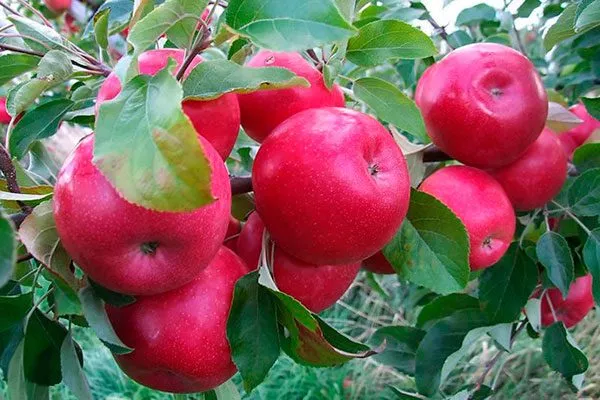
The yield of a mature tree is moderate—on average, 25-30 kg are harvested from a single plant. However, this variety is prized for its regular fruiting: the tree produces fruit annually, without any pronounced dormant periods.
Fruiting and ripening
The Krasnoe Rannee variety is an early summer variety and is considered one of the earliest ripening apple trees. Depending on the region, the first ripe fruits appear as early as mid-July.
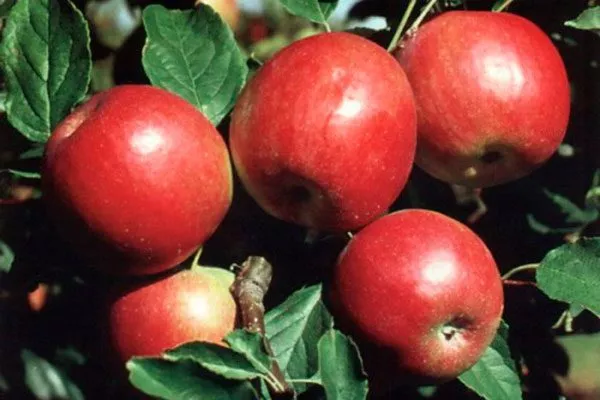
Ripening is prolonged, lasting about two weeks. This allows you to enjoy fresh apples for longer, but also complicates harvesting. Ripe fruits fall quickly, and fallen specimens are prone to spoilage, so harvesting must be done regularly and in several stages.
Sustainability
The crop is well suited for growing in warm and arid regions. However, the plant is not at all adapted to harsh climates with cold temperatures and strong winds.
To diseases and pests
This variety is susceptible to a number of diseases. The most common of these are:
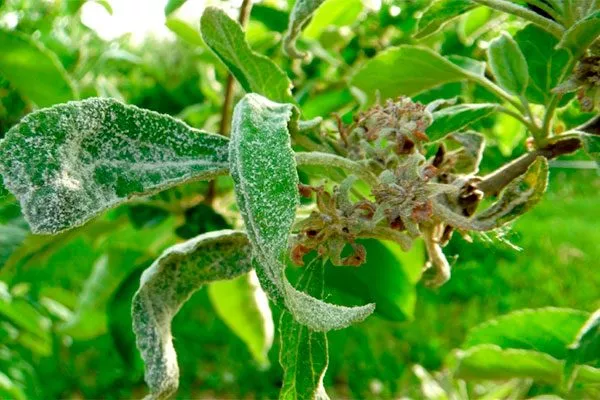
- powdery mildew;
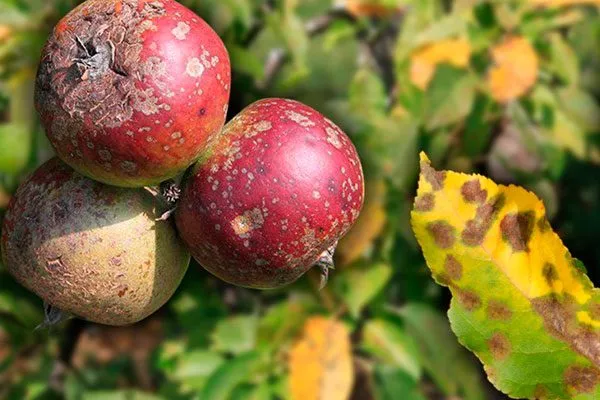
- scab;
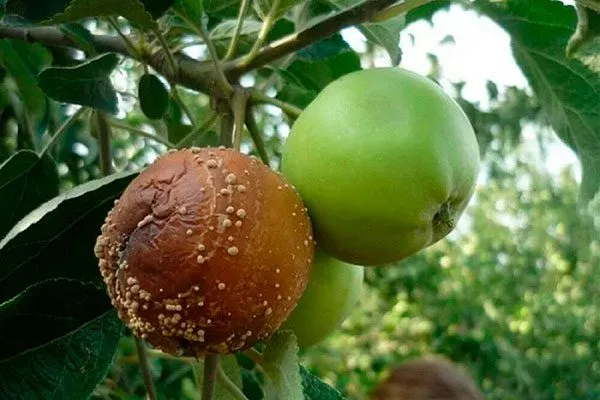
- fruit rot;
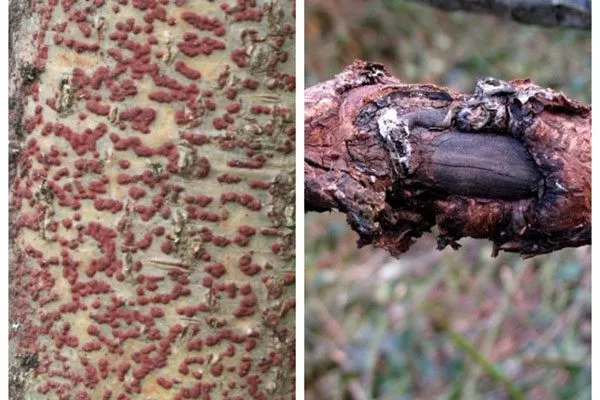
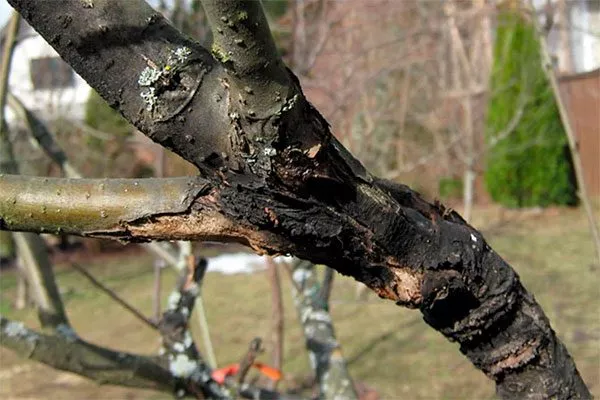
- apple cancer;
- Cytosporosis.
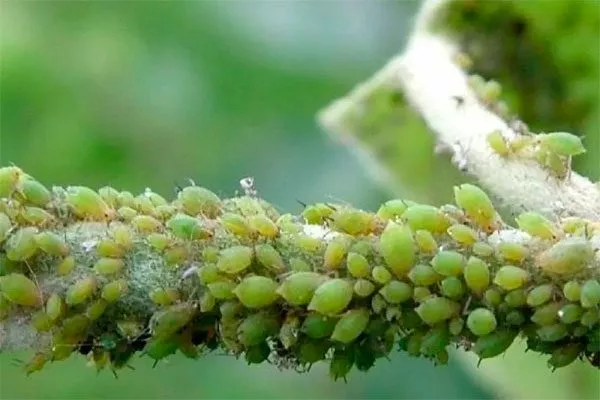
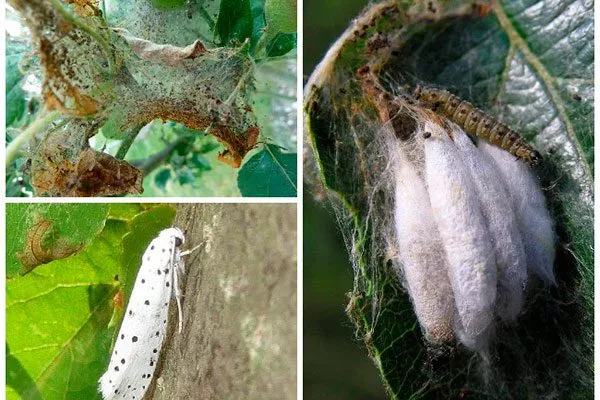
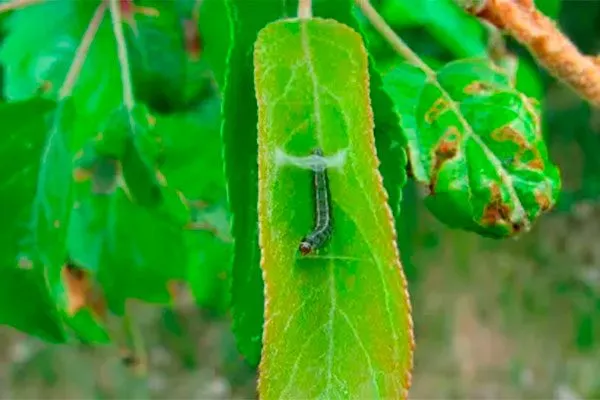
In addition to diseases, the tree is damaged by insect pests: codling moth, moth, aphids and leaf rollers.
Unfavorable climatic conditions
In regions with harsh climates, even with careful care and regular winterization (mulching, covering), the tree is unable to consistently produce a high yield. It does not tolerate temperatures well, ranging from -10 to -20°C.
The variety is much better adapted to heat and drought: it tolerates temperatures up to +30°C, but requires regular watering. Without it, the plant begins to suffer, and the fruits become small and develop unevenly.
Varieties
The Krasnoe Rannee variety is available in several variants, each with its own nuanced ripening time, climate tolerance, and fruit flavor. These subspecies allow for the optimal selection for different growing regions and grower preferences.
On a dwarf rootstock
This type of apple tree is formed by grafting a cultivated variety onto a dwarf rootstock. The main characteristic of the plant is its height is reduced by approximately half.
Columnar
This variety has unique properties. Its trunk produces numerous short lateral shoots, on which the fruits ripen.
The tree has a compact crown and shallow root system, allowing for more plants to be planted in a small area and significantly increasing productivity. The apple tree's low stature makes it easier to care for and harvest.
Landing
Experts recommend planting apple trees in the fall to allow them to take root and begin active growth before spring. Planting in the spring is also possible, but only before the buds appear.
Timeframes and distances
There's no exact planting date for this apple variety. Standard recommendations apply:
- In the spring – Carry out the procedure based on soil and air conditions, usually from mid-April to early May. Avoid planting in cold and unheated soil.
- In autumn – Plant after the leaves have fallen, but no later than 20-25 days before the onset of severe frosts.
Selecting and preparing a site
Choose well-lit areas for planting. Follow these other recommendations:
- protect plantings from northern winds and drafts;
- stagnation of moisture at the roots can lead to the death of the plant;
- maintain a safe distance from groundwater;
- the soil must provide good permeability for melt water;
- The size of the planting holes should be approximately 50×50 cm.
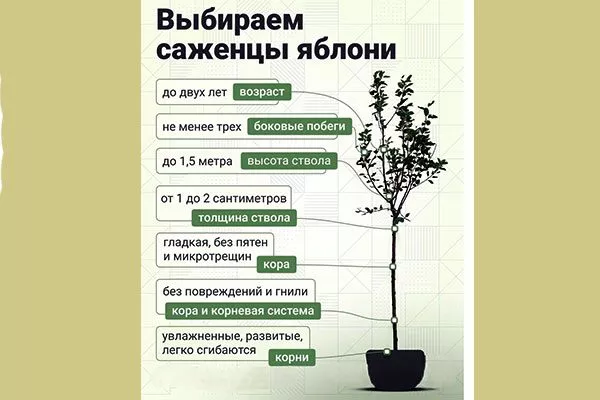
Planting technology
Planting a plant isn't particularly difficult and doesn't require any experience or knowledge. However, it's important to take the task seriously.
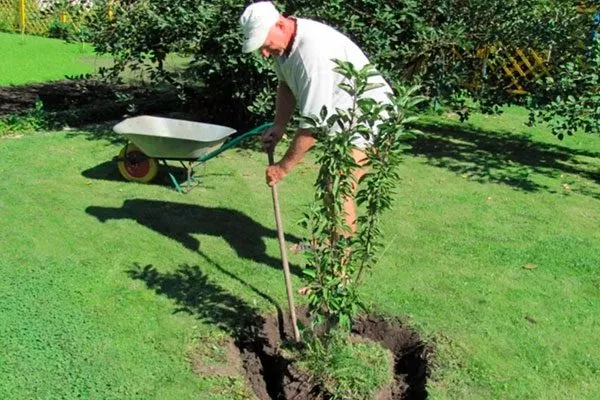
Step-by-step instructions:
- Remove the top layer of soil and set it aside. Mix it with fertilizer for the planting hole.
- Pour 10-20 kg of humus, 500 g of superphosphate, 70 g of potassium substances into the hole, and add wood ash if desired.
- Fill the bottom of the hole with this fertilized soil. Then add a mixture of soil and river sand.
- Form a small mound to distribute the root system evenly.
- When filling the roots, do not leave any voids.
- Place the roots at a depth of approximately 5-8 cm from the surface.
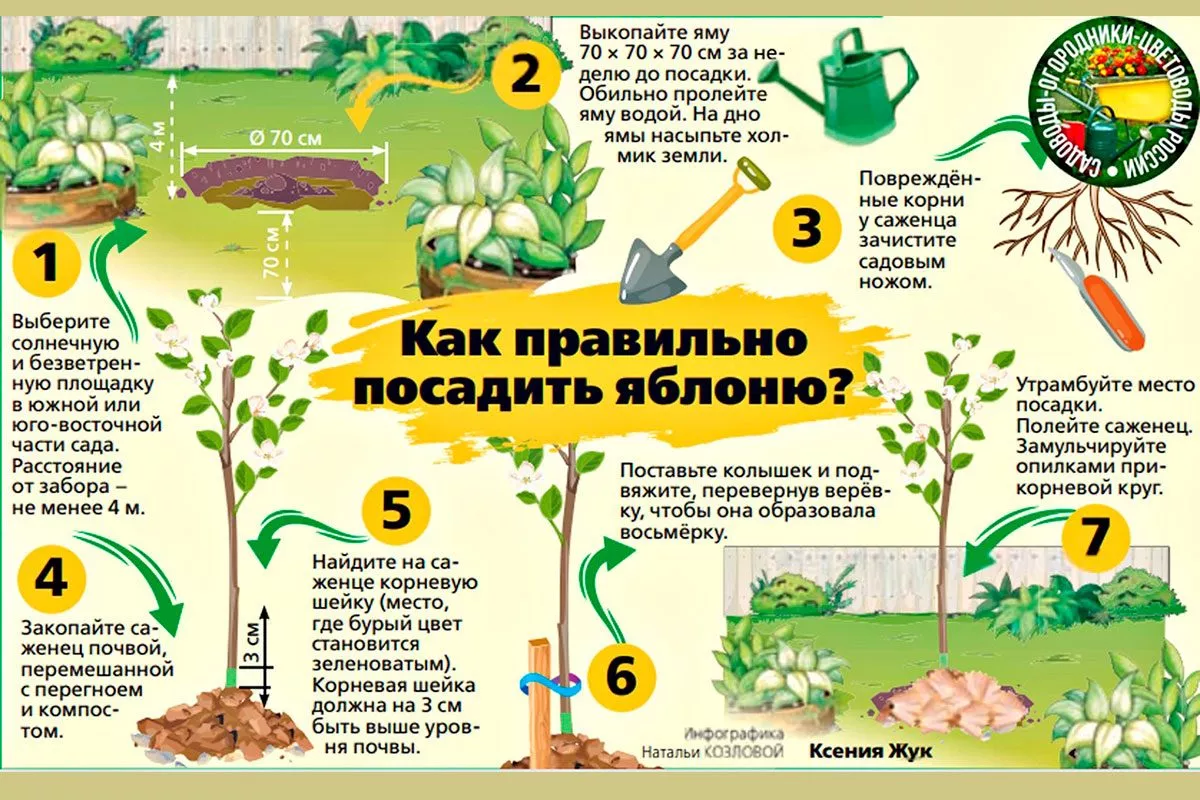
Agricultural technology
When growing the Red Early apple tree, it's especially important to provide the plant with comprehensive care, including a range of agricultural practices. Only with proper care will the tree reach its full potential and produce a high-quality harvest.
Pruning and crown shaping
To maintain plant health and increase productivity, prune your apple tree in the spring. There are several basic methods:
- shortening, stimulating the awakening of dormant buds and the growth of new shoots;
- thinning, which lightens the crown by removing branches growing into the tree.
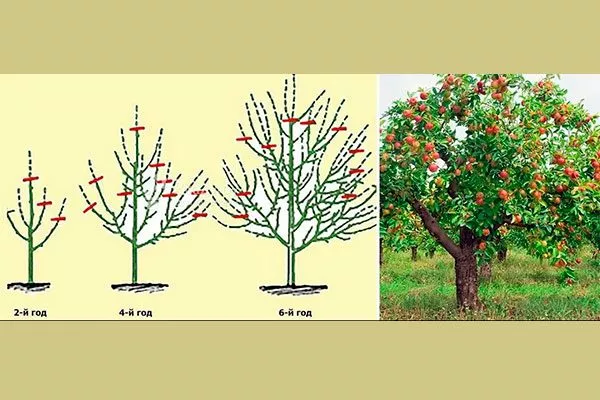
Follow these recommendations:
- From the first year Structure the trunk to a height of about 50 cm, placing the first-order branches. Place the second-order shoots at a height of 80 cm, and remove all branches above this point in the first year.
- In the second year leave two lower branches pointing in different directions.
- In the third year Increase the number of shoots on the skeletal branches, and form the last tier on the fourth.
Protection from frost and rodents
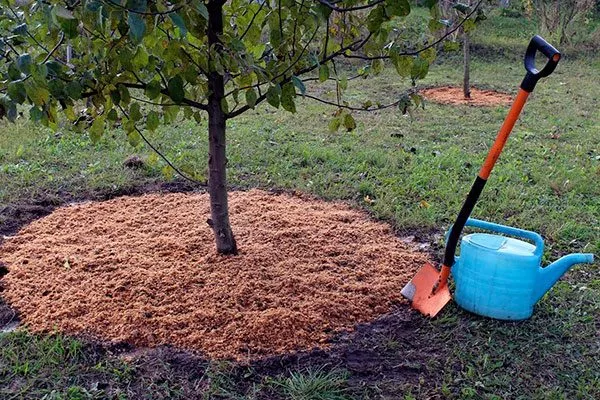
During the autumn apple tree care phase, securely protect the trees from the cold and provide protection from winter attacks by rodents and hares. Use spruce branches or sawdust for insulation. You can carefully arrange pine and spruce branches around the trunk or even tie them to prevent them from flying away in the wind.
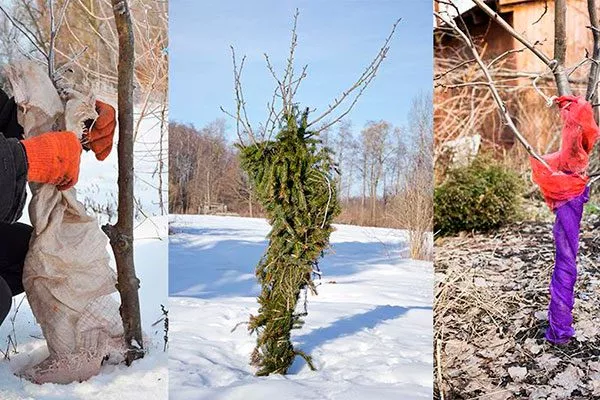
Cover young seedlings with rags or insulation to help them adapt to the climate and prevent freezing. The height of the cover depends on the region: in central regions, 40-50 cm is sufficient, while in northern regions, it's best to wrap the plant to a height of at least 1 m.
Loosening the soil, watering, fertilizing
After harvesting, move on immediately to the next important stage of apple tree care. Follow these recommendations:
- In the first and second ten days of September, water the trees well – the root system is weakened by this time and needs liquid.
- To save time, combine watering with fertilizing: pour at least 10 liters of water under each tree, then apply fertilizer. In the fall, apply fertilizer twice – at the beginning and end of September, and water 2-3 times a week. During frequent autumn rains, reduce watering to prevent overwatering.
- Autumn fertilization with phosphorus and potassium compounds is especially important – they help trees recover after fruiting. Avoid using fresh manure – it can damage the roots.
- In the fall, loosen the soil around the trees to oxygenate it and improve the flow of moisture and nutrients to the roots. This will help them quickly recover and prepare for winter. The day before planting, thoroughly moisten the soil, then gently loosen it with a pitchfork 1-1.5 m from the trunk, being careful not to damage the roots.
Diseases and pests, methods of control and prevention
The Red Early apple tree variety is susceptible to disease and often attracts pests, so preventative measures in the summer are essential. If you've missed treatment and notice damage, the following recommendations will help you deal with the problem.
Methods of combating diseases and pests:
- Powdery mildew. Spray in three stages with different products. First, apply Skorom – 2 ml per 10 liters of water (2-5 liters per tree), then after flowering, apply Hom – 40 g per 10 liters (2-5 liters per tree).
After harvesting, use 1% Bordeaux mixture (6 liters per young tree, 10 liters per fruiting plant) or a mixture of copper sulfate, soap, and baking soda. Burn fallen leaves after treatment.

- Scab. Topaz (2 ml per 10 l) is effective when the leaves are budding. After flowering, apply colloidal sulfur (80 g per 10 l) or Hom.
- Cytosporosis. In spring, spray with Hom, and before and after flowering - with a solution of copper sulfate (100 g per 10 l).
- Fruit rot. Remove and bury diseased apples outside the area promptly, and treat the tree with Hom.
- Apple cancer. Remove affected areas, use Bordeaux mixture.
- Green aphid. Twice a week, treat with a solution of tobacco and soap: boil 500 g of tobacco or shag in 10 liters of water for 30 minutes, let it steep for 1-2 days, strain and add 40 g of laundry soap.
- Apple moth. Destroy with a chlorophos solution (0.7%), applying twice: when the leaves open and after flowering.
- Leaf roller. To combat this, in early spring before the buds open, apply a single treatment with a nitrofen solution (200-300 g per 10 l of water).
Pros and cons
Reviews
The Red Early apple tree requires attention to winter hardiness and regular disease prevention, but its good productivity and delicious fruit compensate for these shortcomings. Its compact crown is easy to care for, and its early ripening period allows for quick harvests. This variety is the best choice not only for experienced gardeners but also for beginners.