
The Konfetnoye apple tree is a highly productive variety that delights gardeners across Russia with its sweet, aromatic fruits that ripen in the last month of summer. This tree boasts good winter hardiness and is resistant to most diseases, making it successfully grown in various regions of Russia. With proper care, it can yield generous harvests.
Characteristics and description of the variety
This variety is known by other common names—it's often called "Konfetka" or "Konfetnitsa." It was bred at the Michurin All-Russian Research Institute of Fruit Seed Breeding by Sergei Isaev, creator of one of the best Russian varieties, "In Memory of Michurin."
Tree
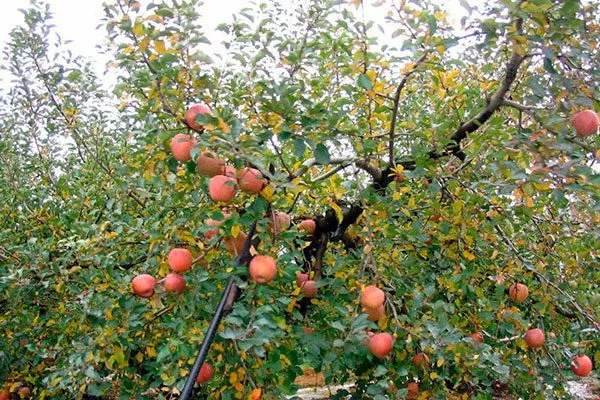
It's a medium-sized plant and reaches its stated height around its eighth year. The apple tree grows up to 5-6 m.
Distinctive features:
- crown – round, over time it acquires a broad oval shape and can resemble a weeping tree, it grows up to 4.5 m in diameter, which is important to take into account when planning plantings on the site;
- branches – thin, long, most often have a reddish-brown tint;
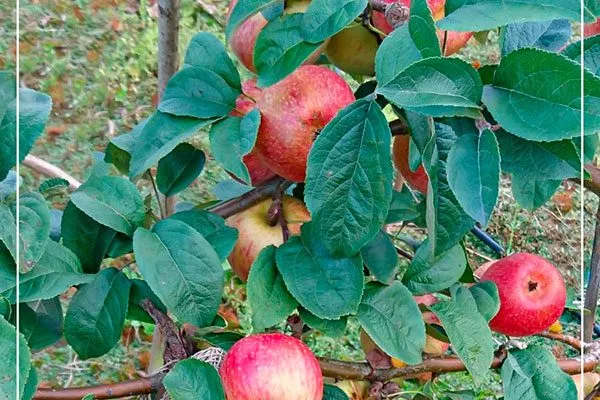
- leaves - They vary in color from medium to dark green, have a shiny, leathery surface and a rounded shape, with light pubescence on the underside;

- root system – may have a different structure depending on the chosen rootstock and growing conditions.
Fruits, their taste and uses
Apples are versatile. They are eaten fresh and used in a variety of dishes and preserves:
- compotes;
- jam;
- bakery;
- culinary products, etc.
Main characteristics of fruits:
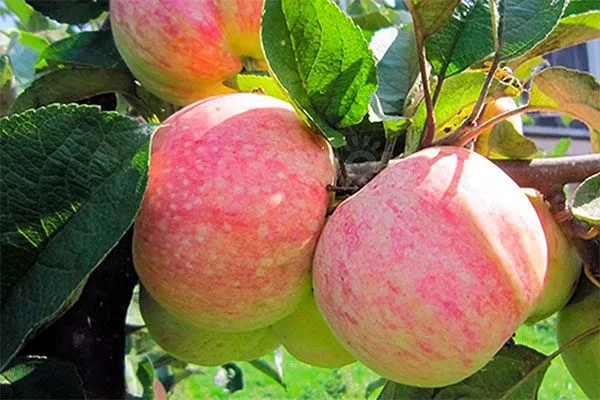
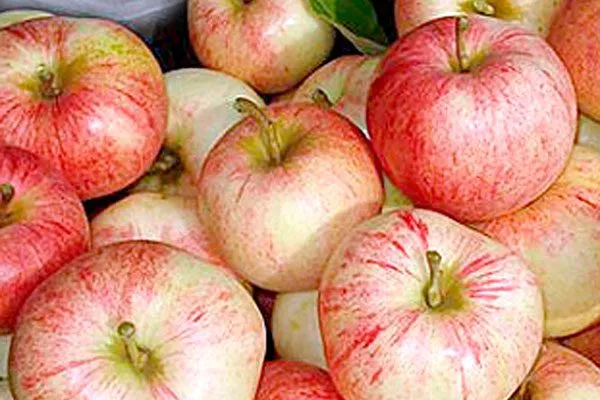
- color – yellowish-green with a characteristic orange-red streaked blush;
- form - flat-round;
- weight - varies from 100 to 140 g;
- skin – smooth, pleasant to the touch;
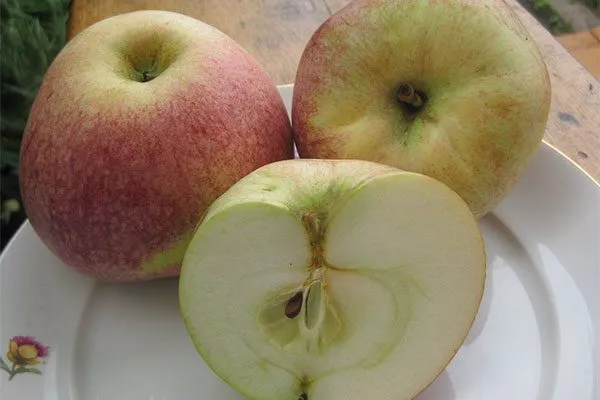
- pulp – is distinguished by its juiciness, dense consistency and fine-grained structure;
- taste - sweetish, with a distinct aroma.
Frost resistance and growing regions
The tree is characterized by moderate frost resistance. It can withstand temperatures down to -28°C. This makes it successfully cultivated in regions bordering the northern regions.
The crop was developed back in the 1940s, but it has not yet been included in the State Register, so there is no official zoning. Despite this, Konfetnoye is successfully grown by gardeners in various regions—especially in the Central Russian Belt and Crimea, the Caucasus, and a number of other areas with a suitable climate.
Pollinator varieties and productivity
To achieve good yields, it's important that pollinator trees bloom at the same time as the Konfetnoye variety—it synchronizes with its partners. Pollen abundance is also crucial, so having an apiary nearby significantly increases pollination efficiency.
Suitable "neighbors" include:
- Moscow pear;
- Early red;
- Melba;
- Anise pink striped;
- Glory to the victors.
From one mature tree, gardeners manage to collect from 40 to 60 kg of apples.
Flowering and ripening periods, fruiting
The plant's flowering period is short but abundant—in mid- to late May, the apple tree is covered in small, pinkish-white flowers. The first fruits appear as early as 3-4 years after planting, making it a fast-growing variety.
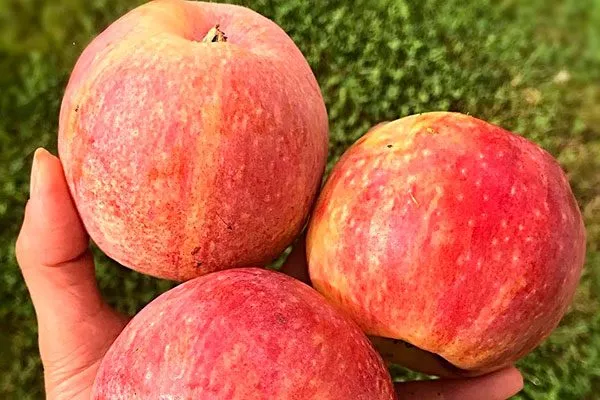
The fruits ripen in the summer. In most regions, harvesting begins in late July. Full fruiting occurs around the tree's tenth year. Young trees produce a bountiful harvest every year, while older specimens may take a break periodically.
Subspecies
Today, there are many varieties with names similar to the Konfetnoye variety. However, not all of them are considered distinct varieties in the scientific sense.
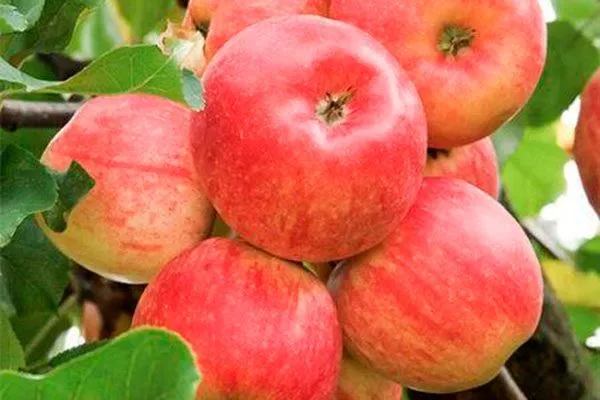
Below are the so-called subspecies and variations with brief explanations:
- Ranet Candy. This is a fictitious species used commercially. This apple tree does not exist in official pomological sources.
- Candy-2. A more modern version of the original variety. It is a clone with improved characteristics—it has a better transportability and a noticeably compact crown, making it easy to care for and harvest.
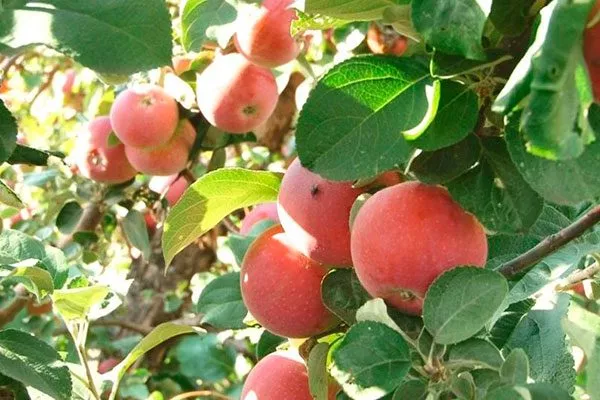
Gardeners often encounter a variety called "Summer Candy." However, it's not a distinct cultivar. It's simply a marketing ploy. This variety is considered an early summer apple tree and often ripens as early as early August, which is why it was given this name to attract buyers.
Rootstocks of the Konfetnoe variety
Apple trees thrive on most rootstocks used for summer varieties, with the exception of Chinese and Ranetka rootstocks, which are less compatible. Depending on the variety chosen, the tree develops different characteristics.
- Dwarf apple tree. The tree grows to a maximum height of 1.7 m. Fruiting begins in the second year after planting. A five-year-old tree can yield up to 25 kg of apples, with individual fruits weighing up to 200 g. Young trees produce fruit annually, but without fertilizing, the fruits become smaller over time.
- Apple tree on a semi-dwarf rootstock. Growing the Candy variety on a semi-dwarf tree is possible, but primarily in southern regions. In northern climates, such trees can freeze in winter, especially during snowless periods.
Landing
Growing the crop doesn't require any special skills or experience, but proper management determines its development and yield. It's important to follow a few rules.
Planting and care features in different regions
Successful cultivation of the Konfetnoye apple tree variety depends largely on the climate and soil conditions of the region. Despite its relative ease of cultivation, the tree requires careful planting and cultivation techniques.
Recommendations for different areas:
- Moscow region. In northern climates, providing the crop with good sunlight is especially important. In shaded areas, apple trees develop poorly and develop a loose crown, resulting in reduced yields.
- Peculiarities of cultivation in the UralsFertile, moisture-retentive soils that are not prone to silting are best here. Groundwater should not be too close, and it's advisable to neutralize the soil's acidity beforehand.
- Primorye. Prepare the planting hole several months before planting. Be sure to add humus compost, saltpeter, superphosphate, and nitroammophoska. Due to the tree's high humidity, it's best to grow it on a raised site or surround it with a drainage ditch.
- Growing the Konfetnoye variety in Siberia. To protect against harsh climates, it's important to cover the young bark on branches and trunks with burlap. Regular micronutrient fertilization and plenty of compost are also essential when planting.
- North-West of Russia. Choose a site with fertile soil for the plant. Until stable fruiting occurs, actively feed the tree, using organic mulch and acidifiers. Despite the more challenging climate, the variety adapts well to the Non-Black Earth Region.
Selection of planting material
Purchase seedlings from large, reputable garden centers or botanical garden nurseries. Each plant should have a tag indicating the following characteristics:
- variety;
- rootstock;
- manufacturer.
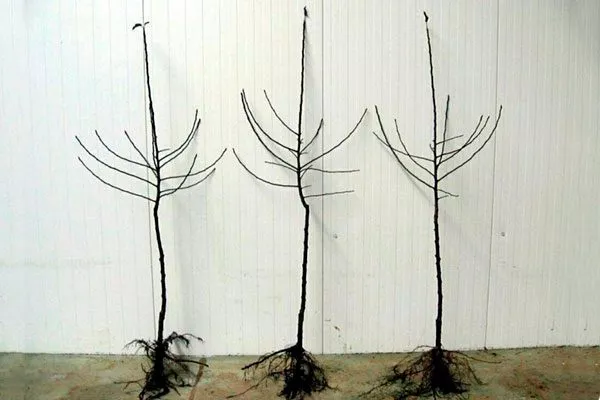
The optimal choice is a tree 1-2 years old, up to 2 m tall, with a closed root system. If the seedling is open-rooted, ensure the root system is well developed, the shoots are not brittle, and the main root is at least 30 cm long. The trunk and root collar are free of damage and growths.
Preparation and selection of location
The plant loves light, so choose east-facing sites. Farm buildings can provide protection from the wind, but they shouldn't overly shade the trees.
Prepare the soil for planting in advance, approximately two weeks before planting. Dig it thoroughly, remove weeds, and add the necessary fertilizer:
- with a predominance of peat – manure, lime or potassium sulfate;
- sandy soil – clay, Superphosphate;
- clay soil – humus, sand or wood sawdust.
General requirements:
- Apple trees' root systems develop faster than their above-ground roots, so avoid planting too densely. Maintain a distance of 4-5 meters between trees. The distance to pollinator apple trees should be approximately 5 meters.
- Dig a planting hole at least 60 cm deep and approximately 80 cm in diameter. The size of the hole doesn't depend on the age or condition of the seedling, as the main goal is to ensure root development during the first few years.
- Place drainage material made of gravel, sand or pebbles at the bottom of the planting hole, and at least 20 kg of nutrient substrate on top.
- To feed seedlings, add 100 g of superphosphate, 100 g of potassium sulfate, and 400 g of wood ash to 10 kg of compost or well-rotted manure. This will ensure active root development, which will tend to go deeper rather than spreading into the upper soil layers.
Planting technique
The best time to plant seedlings is September. This period allows the plants to acclimatize and activate their root system before frost sets in. However, young trees will need reliable winter protection.
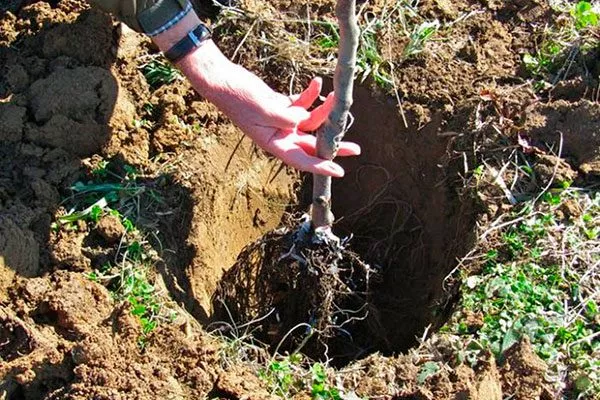
If planting in the spring, complete the work before the leaves emerge, choosing a time when the soil is sufficiently warm. Planting at the end of April ensures good seedling survival—by winter, they will already be acclimated, significantly reducing the risk of frost damage.
Step-by-step algorithm:
- In the center of the hole, pour a mound of fertile soil - it should settle before planting.
- Place the seedling, spread the roots, direct them downward, and carefully cover with soil. Compact each layer. The root collar should remain at least 5 cm above the soil level.
- After the hole is completely filled with substrate, water the plant generously (about 25 liters of water per tree).
- Mulch the moist soil with dry peat or humus.
- For additional support, tie the trunk of the seedling to a vertical stake.
Aftercare of the apple tree
This crop doesn't require any special agricultural techniques—it's suitable for traditional care. However, there's one caveat worth considering: the variety is quite sensitive to insufficient sunlight, especially in the north. Careful care is essential to ensure good growth and fruiting.
Fertilizing and watering
Newly planted Konfetnoye apple trees require regular watering—once every 7 days. In the fall, irrigate the tree trunks with at least 10 liters of water per seedling. In the spring, watering is only necessary if there has been no rain and the soil is dry.
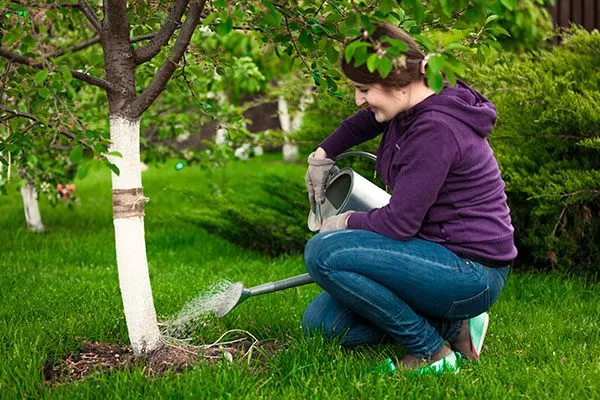
Avoid overwatering the plants. If the soil remains moderately moist at a depth of 2 cm, do not add water. As the apple trees grow, decrease the frequency but increase the amount of water. Pay particular attention to this in the spring and before winter.
Regular fertilization promotes a good harvest. Fertilize apple trees starting in their second year, and fruit-bearing trees 4-5 times per season.
Follow the pattern:
- in spring, before flowering - add ammonium nitrate;
- during flowering - use Superphosphate;
- after flowering ends – use green manure from mulched grass;
- in summer, after the formation of the ovaries - complex substances with microelements are effective;
- in autumn – Solutions based on potassium and phosphorus are optimal after pruning and whitewashing the tree.
Trimming
Konfetnoye is a variety that requires regular pruning and crown shaping. This shaping should be done during the tree's first five years, before the buds swell.
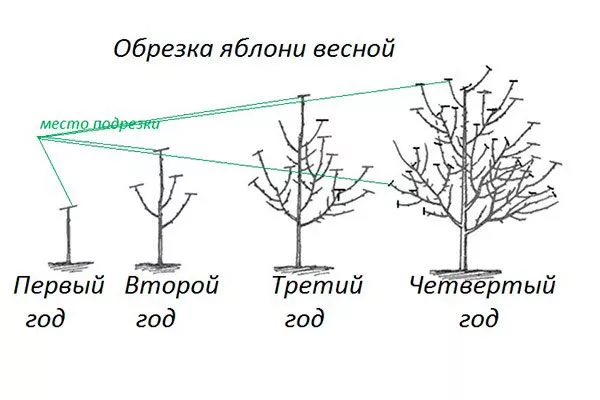
Follow these recommendations:
- first year – carry out the procedure immediately after planting: cut off the top of the main trunk, leaving the lower buds;
- second year - In the lower tier, leave the three strongest branches and shorten them by a third. Align the trunk length with the upper lateral branches;
- third year - take care of the second row of 4 branches, shorten them by half their length and further shorten the trunk;
- fourth year – form the third tier from 3-4 branches;
- fifth year – At this stage, structure the next row.
Every fall, perform sanitary pruning, removing broken, dry, and damaged branches. Additionally, prune thin shoots growing downward or inward, as well as those that thicken the crown.
Preparing for winter
When planting Konfetnoye apple trees in the fall, seedlings with weak crowns should not be whitewashed for the winter. In this case, they should be protected from frost and rodents by wrapping them in rags.
Helpful tips:
- Whitewashing apple trees will help protect them from pests. Before fruiting, treat the tree's trunks with a chalk solution only. Use lime and copper sulfate solutions to coat the bark only on mature trees.
- After watering, apply at least a 5 cm layer of mulch around the tree trunks. Use well-rotted manure. The mulch should not touch the apple tree trunk. In winter, pack down snow around the trees to protect the roots from freezing and prevent moisture from entering in the spring.
Diseases and pests, methods of control and prevention
This variety is highly resistant to most diseases, but it is susceptible to scab. It's important to address the problem promptly:
- To prevent the disease, spray the apple tree twice with Bordeaux mixture: the first time, use a 3% solution, the second time, use a 1% solution. Perform this procedure before and after the trees bloom.
- To treat scab, use the drug Skor according to the instructions.
A solution of Oleokuprit at a ratio of 400 g per 10 liters of water will help protect crops from pest attacks. Karbofos is equally effective: dissolve 60 g of the product in 8 liters of water.
Harvesting and storage
The Konfetnoye apple variety ripens from the lower branches. Harvest the fruit in dry weather, carefully removing the stems from the branches. Place them in wooden crates in two layers, using thick paper between each layer to prevent damage to the delicate skin from rubbing against each other.
Apples of this variety have a poor shelf life—they can be stored for no more than 20 days at room temperature. In the refrigerator, they stay fresh for up to 40 days.
Pros and cons
Candy apples have many advantages, the most important of which is their unique flavor. They are so sweet and aromatic that you'll want to eat them in unlimited quantities. Some gardeners note that the apples have hints of pineapple.
Questions and Answers
Gardeners often encounter various problems when growing the Konfetnoye apple tree. Below are answers to some common questions to help gardeners properly care for their garden.
What's the problem if an apple tree has small leaves?
Often the reason for the small size of the foliage on a fruit tree is the high location of groundwater, which affects the roots.
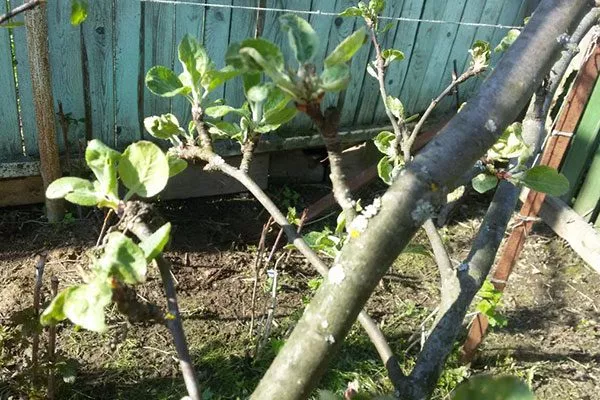
Other factors may also be to blame:
- lack of nitrogen, zinc, phosphorus and copper in the soil;
- damage to the root system;
- development of diseases;
- lack of moisture.
The candy apple tree is blooming, but there are no leaves at the top - why?
This can occur due to either insufficient or excessive fertilization. The apple tree's variety and fruiting cycle may also be the cause. Proximity to groundwater, insect pests, and diseases can also affect the tree's health.
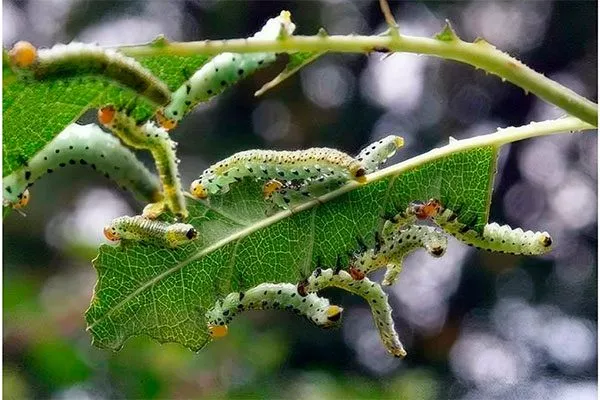
Green caterpillars on an apple tree, how to fight them?
Winter moths and leaf rollers reach up to 2-3 cm in length. To eliminate them, follow these steps:
- burn damaged leaves;
- use adhesive belts;
- Spray the apple tree with a 3% solution of Nitrofen twice – before and after flowering.
The bark on my apple tree is cracking, what should I do?
The problem can be caused by temperature fluctuations, rapid growth, or plant diseases. Cracks in the bark can lead to apple tree rot.
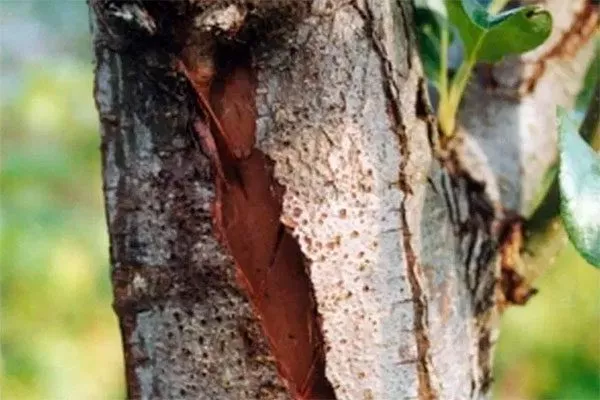
Follow these steps:
- Remove damaged areas using garden tools.
- Spray them with a weak solution of potassium permanganate.
- After drying, cover the cuts with garden pitch and wrap with film or cloth.
- Burn all affected parts.
- Treat the instrument with a disinfectant solution.
Reviews
Konfetnoye is an ideal early summer apple variety. Its fruits are characterized by excellent flavor and good winter hardiness. This variety is successfully grown in both private gardens and summer cottages. With timely and proper agricultural practices, it can significantly strengthen the plant's immunity and increase yields.