
The Kitayka Kerr apple tree is a hardy Canadian variety, ideal for harsh climates. It is highly frost-hardy, drought-tolerant, and easy on soil. The fruits are bright, small, and rich in flavor and aroma, suitable for both eating and processing. This compact tree blends well into the landscape and requires little maintenance.
Origin and zoning
The cultivar was developed in 1952 by Canadian breeder William Leslie Kerr. It is based on a hybridization of the Dolgo and Harrison apples, although other sources suggest the second parent may have been the Haralson Red. The variety is not registered in the State Register of Breeding Achievements of the Russian Federation.
The tree has a shallow but extensive root system, allowing it to be successfully grown even in Siberia and the Far East. The variety is drought-resistant and suitable for planting in virtually any region of the country.
The appearance of the tree
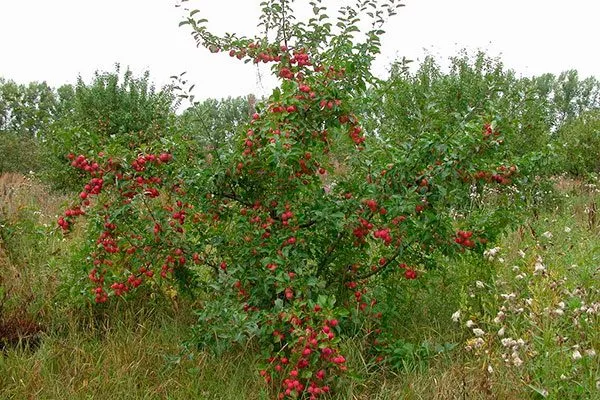
The plant is not tall, growing to a height of 2.5-4 m. Distinguishing characteristics of the tree:
- Crown – Compact, usually round or round-conical, sometimes slightly spreading or even with weeping shoots. Medium to low density.

- Escapes – Straight or slightly curved, covered with smooth, grayish-green or gray-brown bark, without pubescence. They grow at an angle close to right angles, so they hold firmly and are not prone to breaking. Fruiting occurs on the rings, spears, and fruiting twigs.
- Leaves - Small, rounded-oval, leathery, shiny and smooth, with serrate-crenate, sometimes wavy, edges. The leaf apex is shortly pointed, and the shape can be slightly boat-shaped.
- Root system – A vigorous and branched cultivar, usually fibrous, but can be taprooted when grafted onto a wild stock. It is well adapted to seeking moisture, making it resistant to drought conditions.
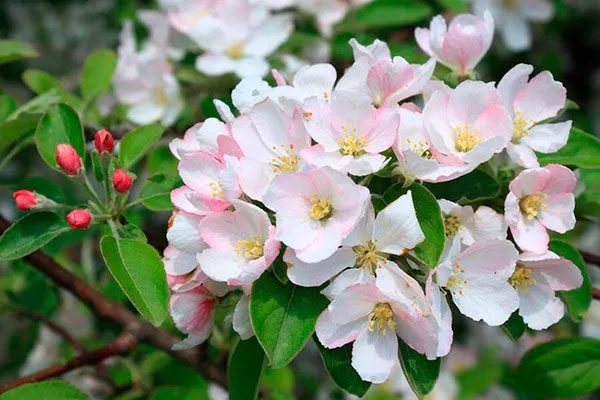
- Flowers – They consist of five petals. At the beginning of flowering, bright pink buds open, which gradually lighten, turning into snow-white flowers. The inflorescences are umbrella-shaped, usually containing four or more buds.
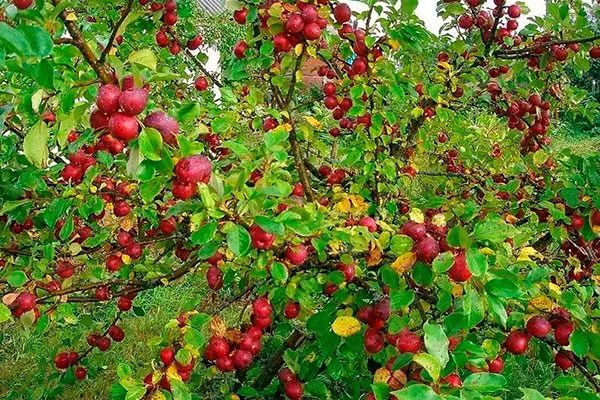
Description of fruits
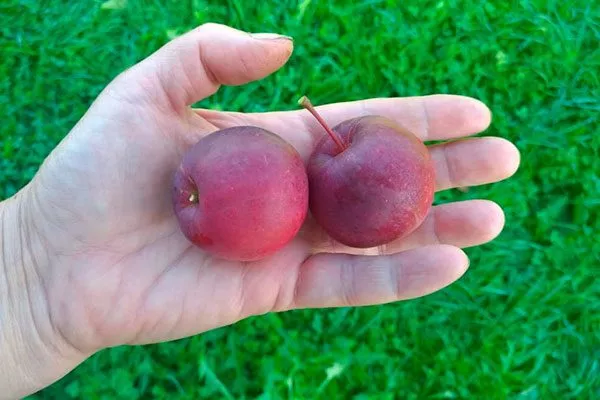
The apples are small – the diameter varies from 1 to 1.6 cm, the shape is usually round or slightly elongated, resembling a cylinder.
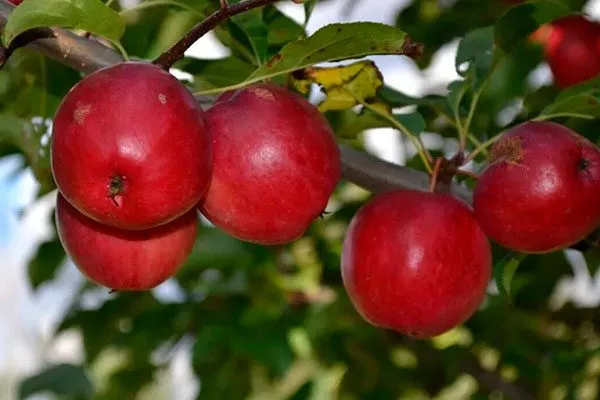
Other characteristics of fruits:
- weight - varies from 25 to 35 g, but with good care and in favorable seasons the weight can reach 40-50 g;
- ribbing – weakly expressed and noticeable only at the base of the calyx;
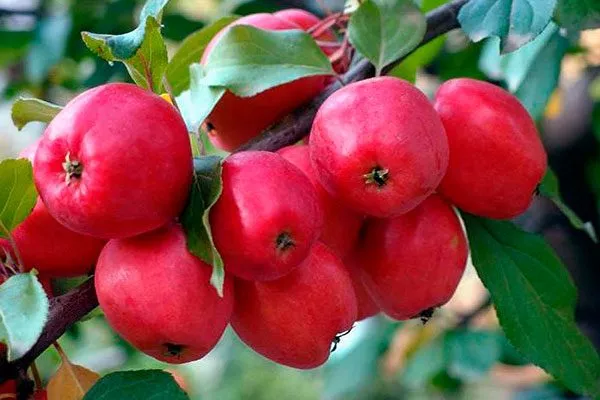
- skin – dense, smooth, elastic and shiny, with a bright gloss;
- main background – at the ripening stage, it is green to light yellowish, often with a whitish tint, covered with a waxy coating, giving the fruit a silvery-gray appearance;
- blush - occupies from 40 to 90% of the surface and can be carmine red, burgundy, beetroot, red-orange or dark scarlet with blurred spots;
- subcutaneous points – small, gray, barely distinguishable;
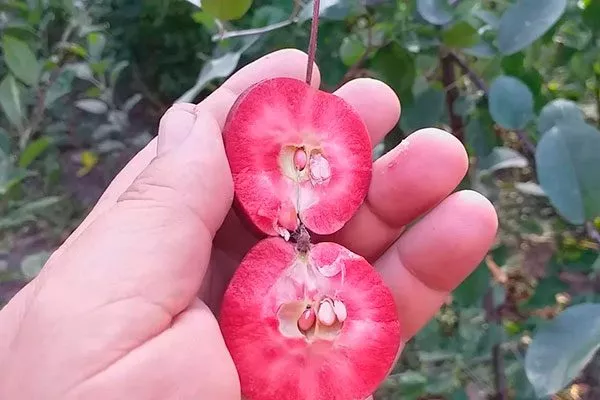
- pulp – fine-grained, dense, brittle, but delicate in texture;
- taste - sweet and sour, juicy, with a slight tart note and spicy sourness.
Tasting score: no less than 4.5 out of 5 for taste and appearance. The apples are rich in:
- catechins – 224 mg;
- vitamin C – 18.7 mg;
- sugar – 10.2%;
- pectins – 18.4%;
- acids – 0.47%.
Characteristics of the apple tree
Traditionally, the apple tree is associated with temperate or even southern climates, where warmth and mild winters prevail. But the Chinese Kerr variety, bred in Canada, defies this notion. It can grow and bear fruit even in harsh conditions, demonstrating remarkable resilience. It's important to study the basic qualities of this plant.
Pollination
It's a self-fertile variety—it can set fruit even without pollinators, while maintaining high yields. Furthermore, this tree can be an excellent pollinator for other mid-season apple varieties.
However, the presence of suitable “neighbors” nearby increases the overall yield by 15-35%, which makes Chinese Kerr even more attractive to gardeners.
Ripening time, fruiting and productivity
The apples ripen late—harvesting takes place in mid- to late-September. One of the variety's key advantages is that the fruit doesn't fall off after ripening, but rather remains firmly attached to the branches. The first harvests appear in the third or fourth year after planting.
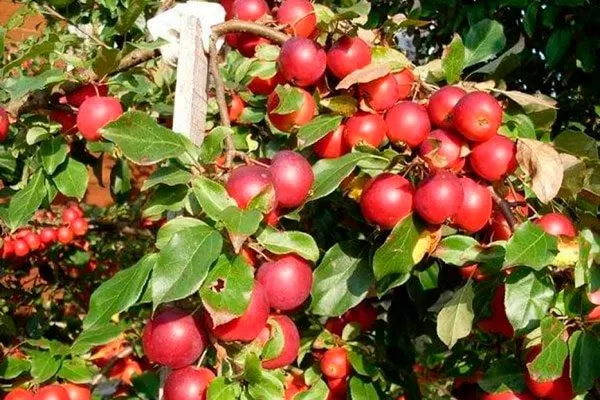
In the early years, fruit production is stable, then alternating between abundant harvests and moderate ones. There are no exact figures on productivity, but gardeners' reviews confirm a high yield: under favorable conditions, up to 120 kg of apples can be harvested from a tree.
Winter hardiness and disease resistance
China Kerr is characterized by its remarkable resistance to extreme weather conditions, making it particularly valuable. It easily tolerates temperatures down to -28°C to -32°C, especially if the cold weather lasts only 1-3 weeks.
The variety is highly resistant to most fungal and bacterial infections. However, in years with severe disease outbreaks, scab and other diseases are possible, primarily affecting foliage. However, the apples themselves generally retain their marketability and remain suitable for consumption and processing.
Subspecies and rootstocks
The Kitayka Kerr variety has several varieties, but they are not yet widely grown in Russia. Trees are grown on different types of rootstock:
- on vegetative ones they grow taller;
- on dwarf and semi-dwarf varieties – they retain a compact shape.
Moreover, the choice of rootstock does not affect the quality of the fruit – their taste, appearance and composition remain stable regardless of the base used.
Growing the Kitayka Kerr apple tree
Cultivating this crop isn't difficult at all—it doesn't require any special skills or experience. However, certain knowledge will help you carry it out correctly, ensuring the plant thrives and produces bountiful harvests in the future.
Landing rules
It's best to purchase Kerr Chinese apple seedlings from reputable nurseries where you can be confident in their quality. Key requirements:
- Pay special attention to the tree's roots—they should be intact, without damage or signs of drying out. For northern regions, it's preferable to choose tall trees, as semi-dwarf varieties are less able to withstand severe frosts.
- In warm climates, plant from late September to mid-October, before frost sets in. In colder regions, postpone planting until spring—April is considered optimal—to allow the tree to establish roots before winter. When planting in spring, ensure the seedling receives regular and ample water.
- This variety is sensitive to repotting, so choose a permanent location immediately. If repotting is necessary, do it no earlier than three years old—it doesn't take root as quickly as it ages.
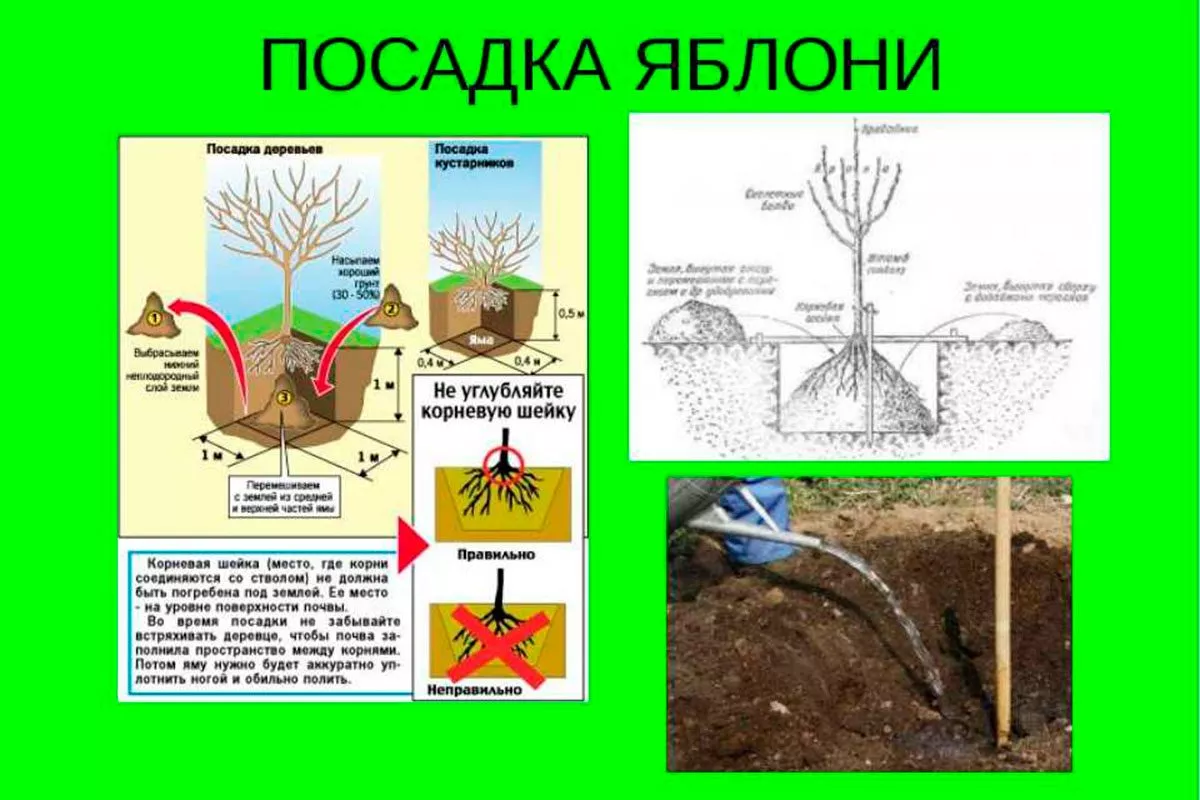
How to choose a place?
The Chinese Kerr tree thrives in sunny, slightly elevated sites. If the groundwater table is close to the surface, the tree may suffer from overwatering and disease. In this case, drainage should be provided to remove excess moisture.
Young trees can be damaged in open, wind-blown areas. Therefore, choose planting beds protected from strong gusts.
How to prepare a hole?
Prepare the hole for planting the apple tree in advance – 1-2 weeks before the procedure, so that the soil has time to absorb the applied fertilizers.
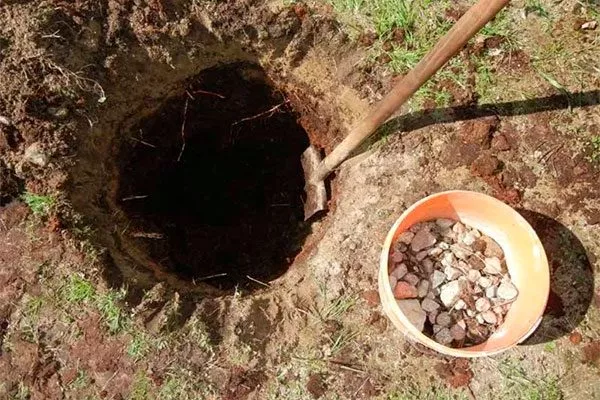
Follow these recommendations:
- Dig a hole about 80 cm deep and about 1 m wide.
- Place a mixture of humus, river sand and leaves on the bottom, or use a combination of mineral and organic substances.
Landing
Planting an apple tree is an important step, determining the tree's health and future productivity. To ensure the sapling takes root and thrives, follow a few simple but essential steps.
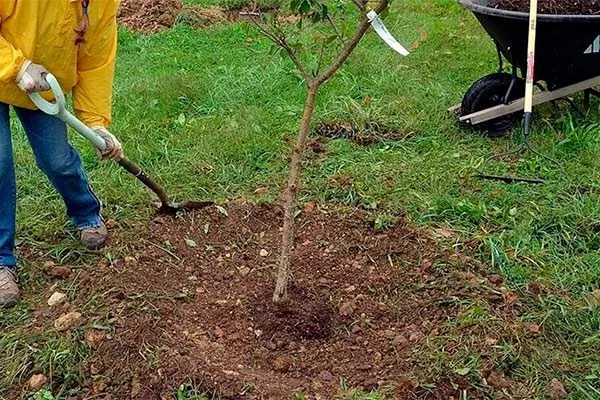
Step-by-step instructions:
- Drive a wooden stake about 1.5 m high into the center of the hole. This will serve as a support for the seedling.
- Inspect the root system. Remove any dried or damaged roots. If the roots are dry, soak them in water for 3-6 hours.
- Form a small mound of fertile soil at the bottom of the hole. Place the plant on it so that the roots are evenly spaced. The root collar should be 5-7 cm above the soil level.
- Fill the hole with soil, carefully compacting each layer with your hands to avoid creating voids between the roots.
- Pour 20-30 liters of warm, settled water into the tree trunk circle.
- Mulch the area around the trunk with peat, humus, or dry grass to retain moisture. Tie it carefully to the stake with soft cloth or twine in a figure-eight pattern to prevent the tree from swaying in the wind.
Care instructions
Caring for the Kerr Chinese apple tree is crucial not only for its ornamental appearance but also for its health and consistent fruit production. Regular care helps maintain an attractive appearance, strengthens the plant's immune system, and promotes the formation of a healthy crown.
With a systematic approach, the crop tolerates climate fluctuations well and produces a bountiful harvest. Follow standard care procedures:
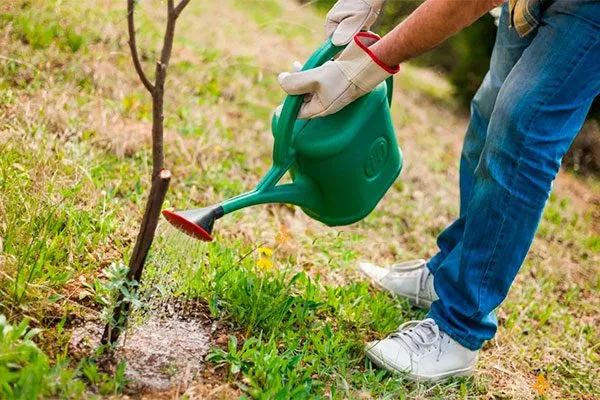
- Watering. Young seedlings require regular watering, especially during dry periods. It is recommended to maintain a 10-day interval between waterings. Mature trees typically require 4-5 waterings per season.
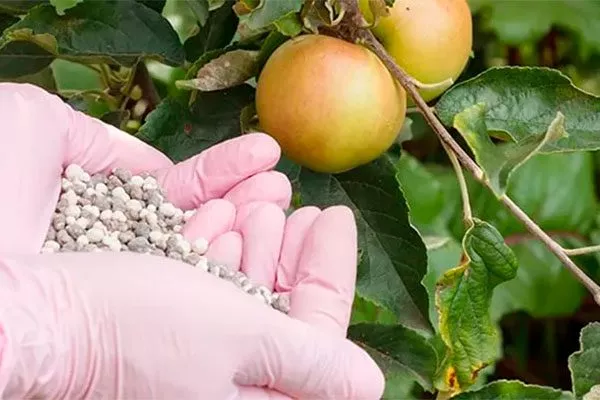
- Top dressing. Fertilizer isn't required for the first 2-3 years after planting—the planting hole already contains sufficient nutrients. Subsequently, apply fertilizer 2-3 times per season: in spring, during the active growing season, and in autumn. Organic fertilizers and complex mineral mixtures are preferred.
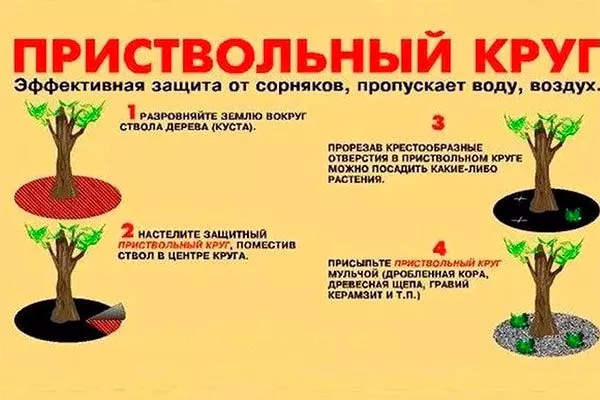
- Caring for the tree trunk circle. Regular weeding, removing weeds, root shoots, and debris will keep the area neat. Loosen the soil the day after watering to prevent compacted clumps from forming.
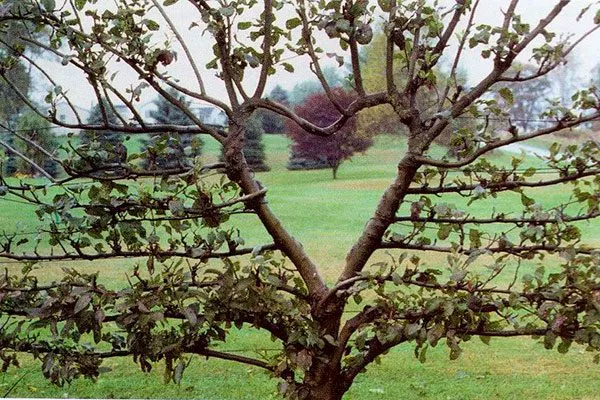
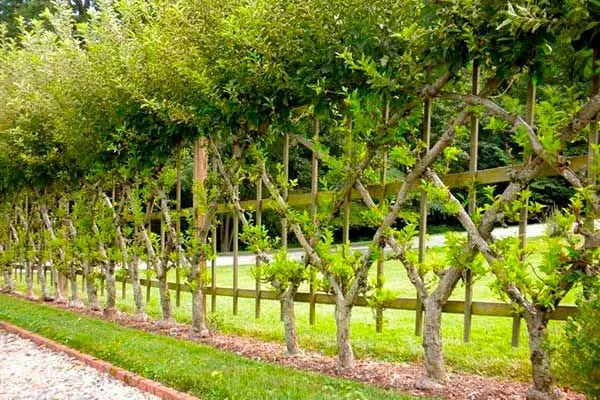
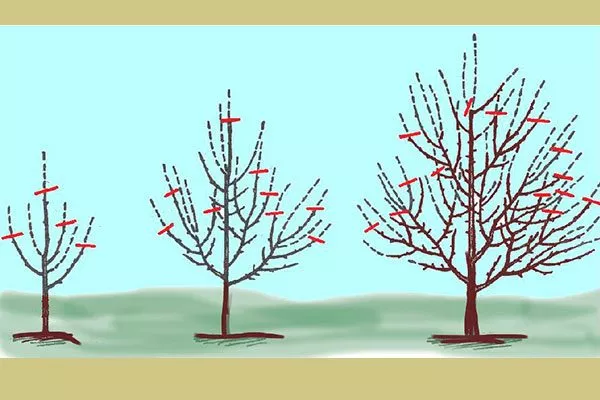
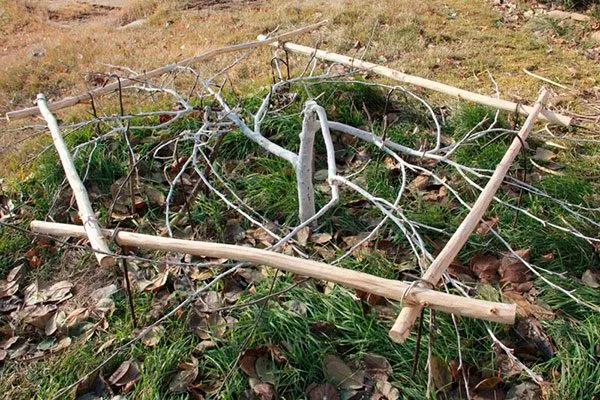
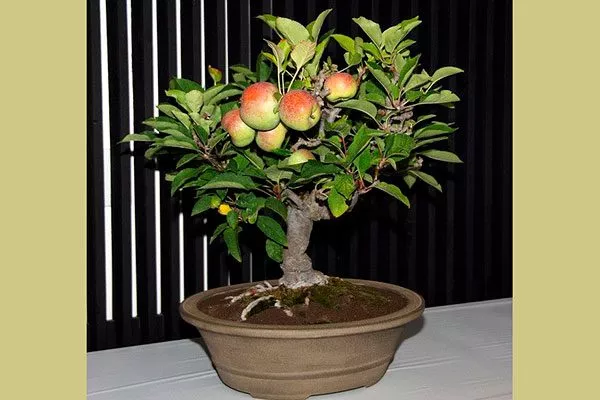
- Crown formation. If growing for fruit, structure the tree in a sparse, tiered pattern. For ornamental use, any arrangement is possible:
- cordons;
- bowls;
- hedges;
- brooms;
- slates;
- bonsai elements.
- cordons;
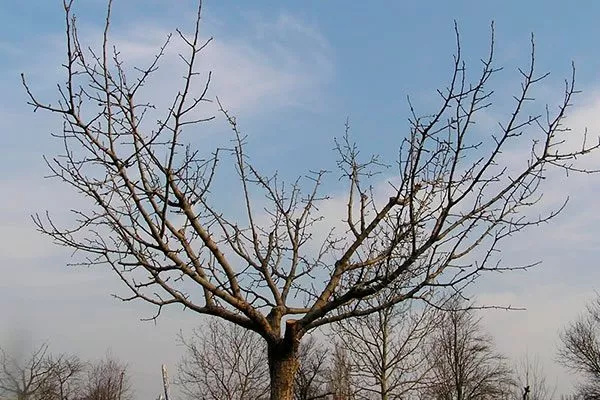
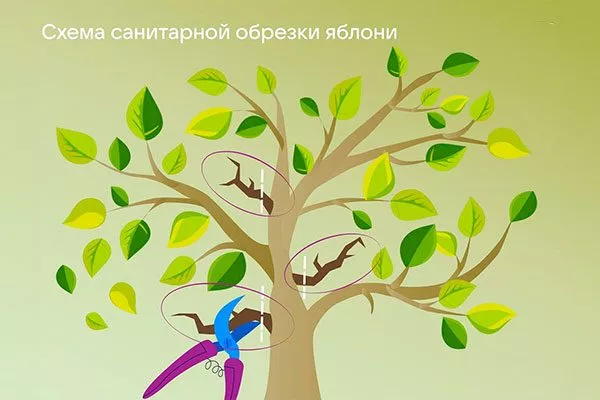
- Trimming. Sanitary pruning—removing dry, broken, or diseased branches—is performed in the fall or spring. Additionally, remove any shoots that crowd the crown, vertical suckers, and inward-facing branches.
- Preparing for winter. Cover low-growing trees completely using the tent method, wrapping them with burlap from base to top. Insulate larger trees by protecting the trunks with burlap, roofing felt, agrofibre, tarpaulin, or other available materials.
Diseases and pests
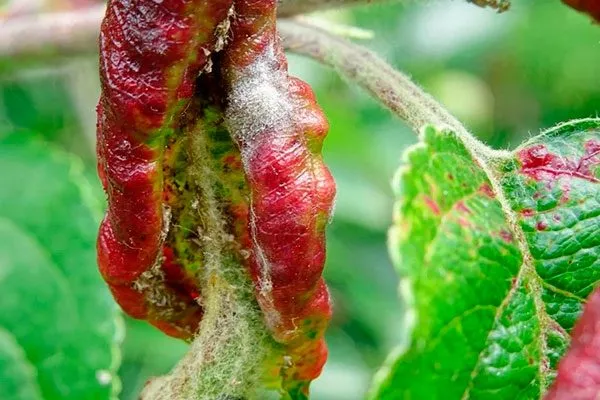
Chinese Kerr has good resistance to major diseases, including scab, powdery mildew, and downy mildew. However, the risk of fungal infections or pest infestations such as caterpillars, aphids, and apple moths cannot be completely eliminated.
To protect your tree in the fall, follow these guidelines:
- whitewash the lower part of the trunk - this helps to destroy overwintering insect larvae;
- In the spring, carry out preventative spraying against cytosporosis using copper sulfate or fungicides such as Hom;
- inspect the leaves regularly: if aphids appear, an infusion of tobacco with the addition of soap is effective;
- To combat apple moth, use Chlorophos according to the instructions.
Pros and cons
The main advantages of the Kitayka Kerr apple tree include:
The variety has no known drawbacks, making it a versatile and reliable choice for a private garden.
Reviews
The Kitayka Kerr apple tree is a good choice for those looking for a beautiful and productive apple tree. It boasts resistance to weather, diseases, and pests, quickly establishing itself, and thriving even in unfavorable conditions. Its compact crown and versatile fruit make it popular among gardeners and homesteaders in various regions.