
The Dolg apple tree has long attracted gardeners with its decorative beauty and hardiness. This variety is characterized by frost resistance, strong immunity, and consistent annual fruiting. Large white flowers and brightly colored small fruits make the tree a beautiful addition to any garden, and the delicious flavor of the apples will delight home cooks.
Description of the apple tree variety Kitayka Dolgo
Many fruit growers grow apples for their delicious harvest, but few consider their ornamental value. The Chinese apple tree, Dolgo, is a striking example of how a tree can be not only useful but also beautiful. It graces the garden from spring to fall, remaining attractive throughout the season.
History of selection
The Kitayka Dolgo was developed in the United States in the early 20th century. Several specialists worked on the cultivar, but the breeder Hansen was the most proactive. The hybrid was based on the Russian Sibirka apple and another, previously unknown, variety.
To create the variety, they used hybridization: pollen from only 11 of the 15 trees was used. After repeated pollination, the scientists were able to obtain seeds from which seedlings of the new variety subsequently grew.
Before planting, the seedlings underwent stratification for approximately five months. Hansen carefully tended the young plants and tested their endurance in the harsh climate.
Appearance of fruits and tree
The Kitayka Dolgo apple tree reaches a height of up to 4 meters and forms a broad, rounded crown with numerous rings. Due to its extensive branching, the tree is often mistaken for a shrub.
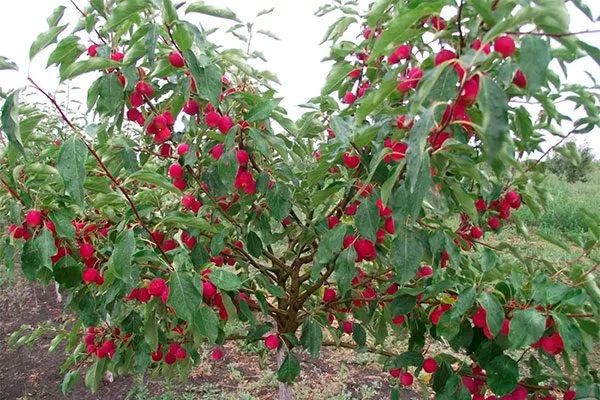
Distinguishing characteristics:
- The shoots are dark purple, slightly pubescent, with straight, upward-facing branches. During flowering, they bear large white flowers up to 4 cm in diameter.
- The leaves are oblong, with curved edges resembling a boat. The blades are dark green, smooth, and pubescent, with short petioles and a slightly wavy, serrate-crenate edge. Their shape often resembles plum leaves.
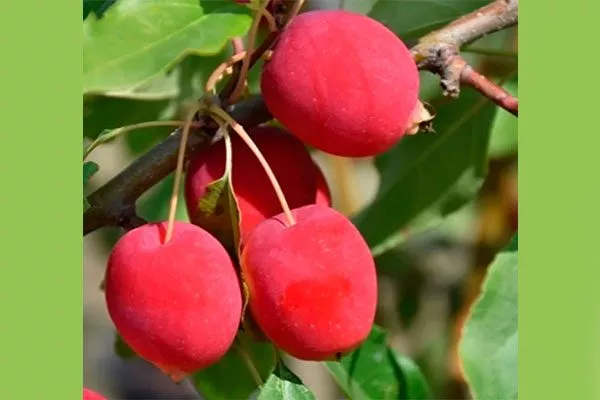
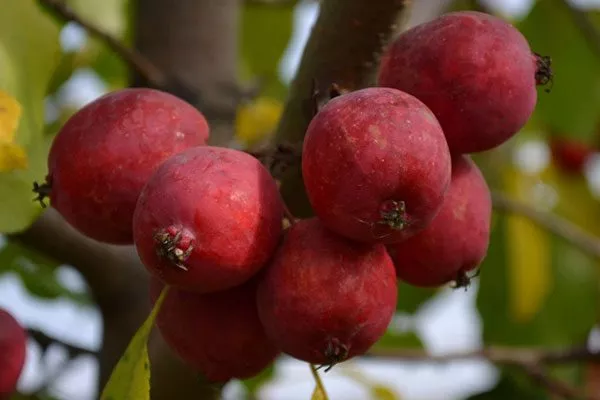
- The fruits are small, weighing 11-16 g, and shaped like an egg or an oval cone. Their coloring combines a rich red with a noticeable yellow background, and is covered with a bluish bloom on top.

- Beneath the smooth skin of the apple lies juicy, dense flesh with red veins near the seed cavity. It turns yellow over time.
- The fruits exude a subtle plum aroma and have a bright sweet and sour taste, making them ideal for compotes and other drinks.
Lifespan, productivity
Apples should be stored in a cool, dark place—this helps maintain their freshness for up to two months. Apple trees are highly adaptable and thrive in a variety of climates, but they are most often planted as ornamentals due to their distinctive appearance.
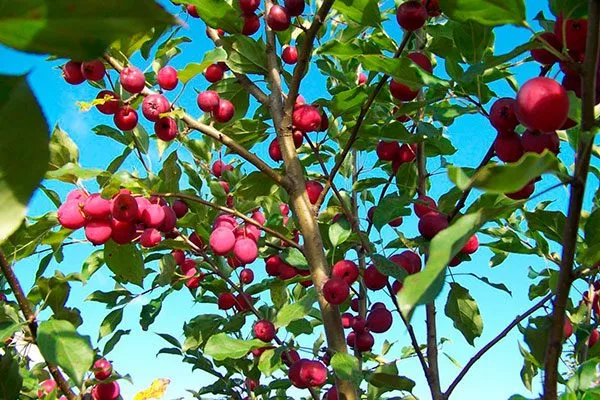
The tree begins to bear fruit 4-5 years after planting. Ripe apples are densely packed on the branches, practically touching each other, and are held firmly by their stems, making harvesting easy. The harvest is usually in late August or early September.
Growing regions
The Chinese rhododendron thrives in regions with cold climates and heavy soils. It is especially common in western and eastern Siberia, where a continental climate prevails.
This variety tolerates drought and heat well, quickly adapting to adverse conditions. However, to fully adapt to arid regions, regular watering is essential. Without it, the root system weakens, affecting the tree's development.
Resistance to frost, diseases and pests
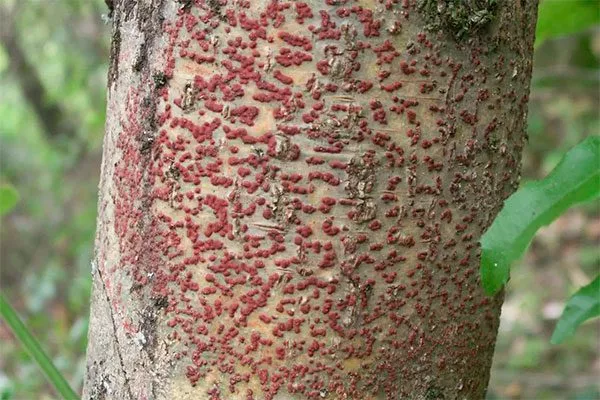
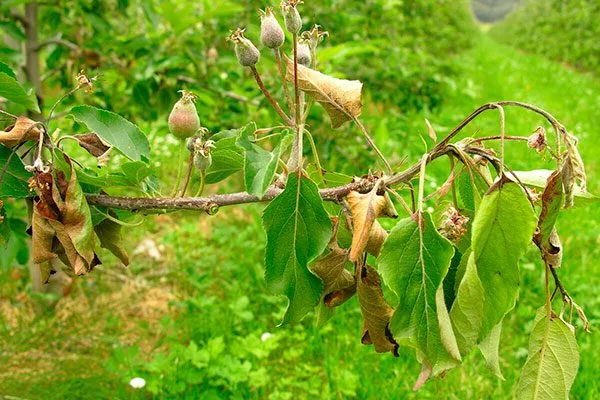
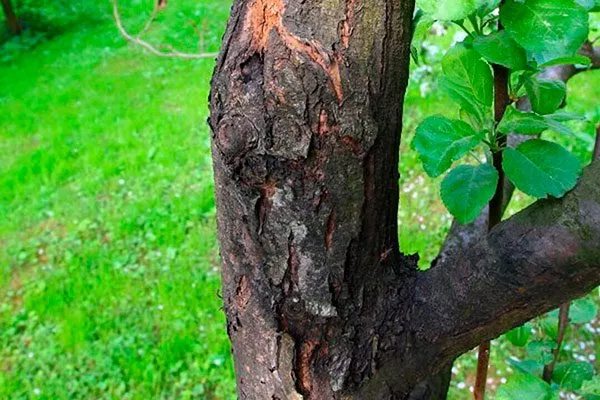
The plant is well-adapted to harsh climates and is characterized by high frost resistance. Furthermore, the tree is resistant to most diseases, but can occasionally be affected by the following dangerous diseases:
- cytosporosis;
- fire blight;
- black cancer.
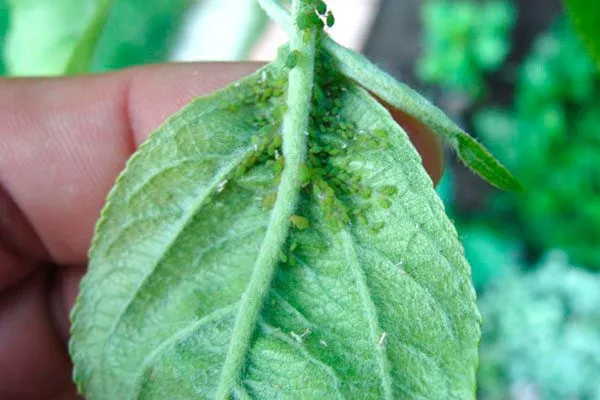
The most common pests are:
- green aphid;
- psyllid;
- apple moth;
- leaf roller.
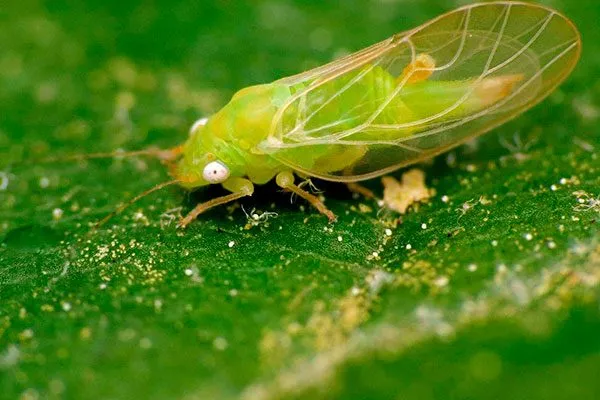
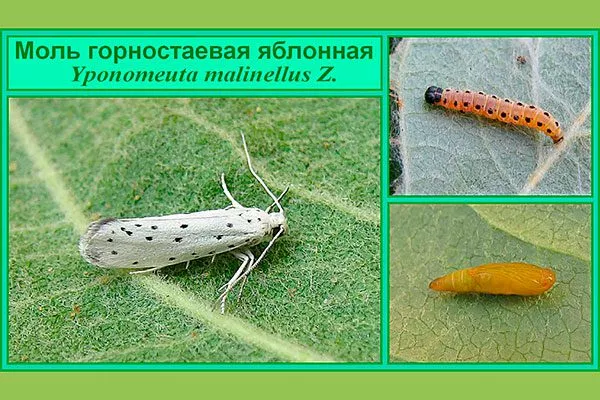
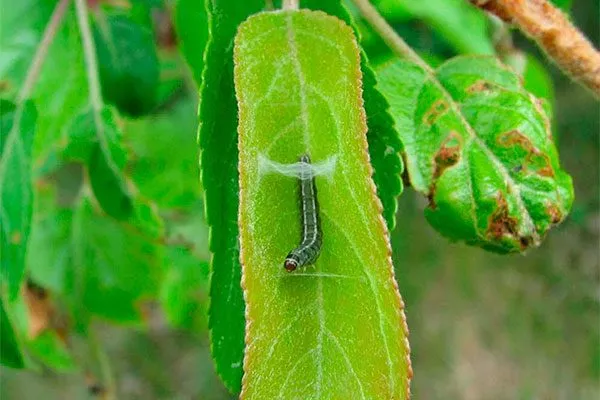
With proper agricultural practices and timely care, the Dolgo apple tree will not only decorate your plot but also delight you with a stable harvest of fragrant, healthy fruit.
Pollinators, flowering period and ripening time
Once fruiting begins, the tree produces a bountiful harvest every year, demonstrating consistency and undemanding nature. Flowering occurs in late August or early September.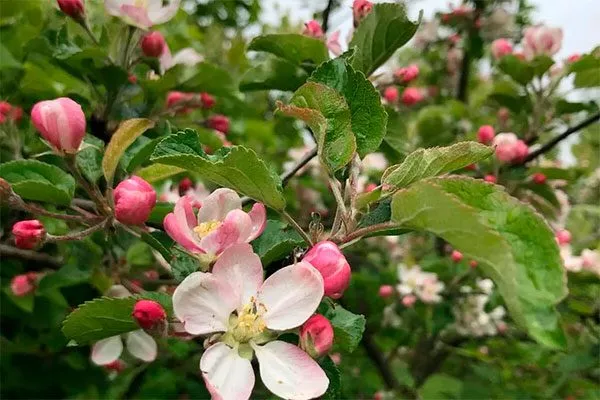
Kitayka Dolgya thrives when planted alone; it is not recommended to plant it near other trees. This variety does not require cross-pollination, as it is pollinated by insects.
Transportation and shelf life
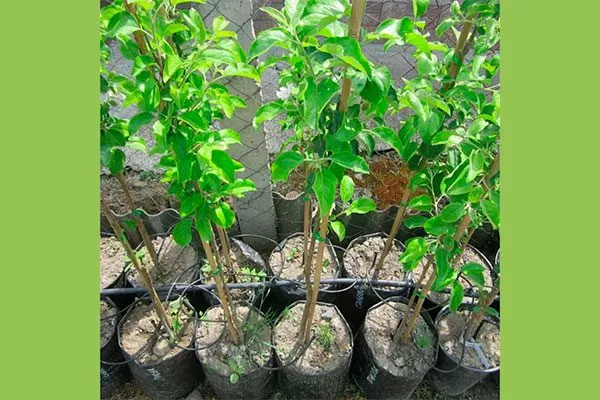
Transporting seedlings should be done with extreme care—any damage can prevent the tree from establishing itself. Avoid allowing the roots to dry out or storing them for long periods before planting. Planting material that has been left untreated quickly loses moisture, dries out, and loses its ability to fully develop.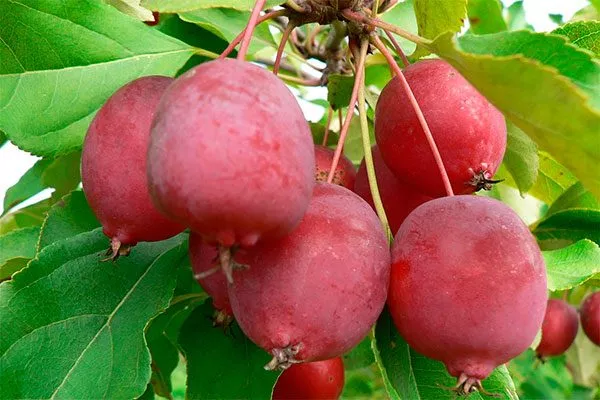
Apples themselves must be transported carefully: their thin skin makes them easily damaged. When transporting, use soft-lined crates or layer the fruit with paper to minimize mechanical damage.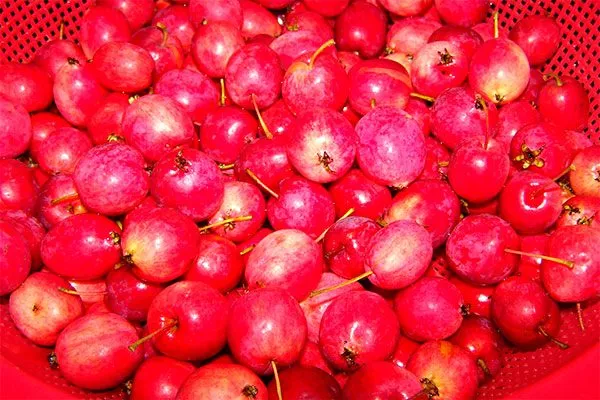
When stored properly, the fruit stays fresh for up to 2 months. Optimal conditions: a cool, well-ventilated, and darkened area with a temperature of +2…+5°C.
Landing
Cultivation is simpler than with other varieties. The tree thrives in any location, as long as it receives adequate light and is protected from strong winds.
Basic landing conditions:
- Deadlines. Saplings can be planted in spring or fall. In northern regions, spring is preferable, as the tree has time to establish roots before frost. In milder climates, fall planting is also acceptable, provided frosts are controlled.
- Planting material. Two- to three-year-old seedlings take root best. Older (three- to four-year-old) plants should only be planted with a closed root system and require immediate planting. Otherwise, the plant may die.
- Preparing the pit. This should be done in advance: in the fall for spring plantings, and in late summer for fall plantings. This ensures the soil settles and is enriched with nutrients. If Kitayka Dolgo is used as a rootstock, choose a site based on the needs of the main variety.
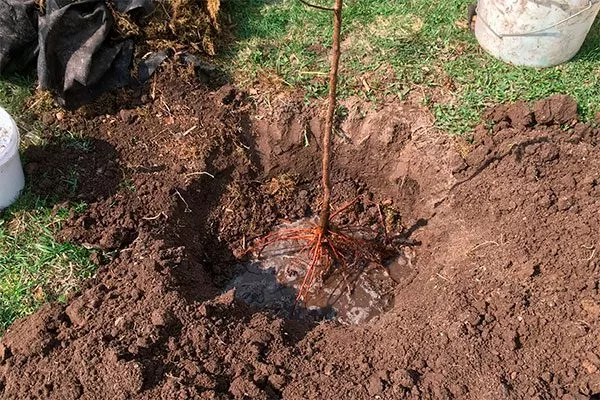
Step-by-step planting instructions:
- Dig a cubic planting hole (70×70×70 cm).
- Fill it one-third full with fertile soil mixture.
- Install a garter stake.
- Place the seedling, spreading out the roots.
- Gradually fill it with soil, gently shaking the tree.
- Compact the soil around.
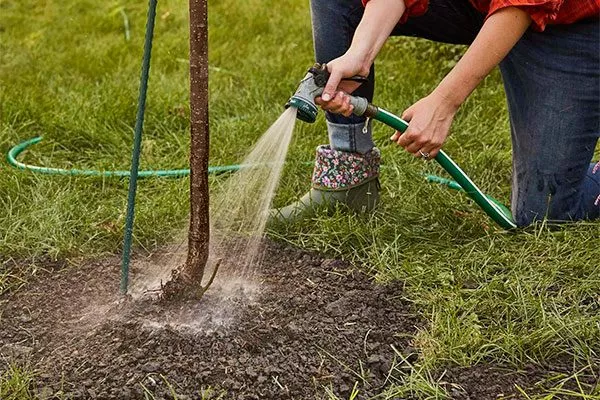
- Moisturize generously.
- Mulch the tree trunk circle.
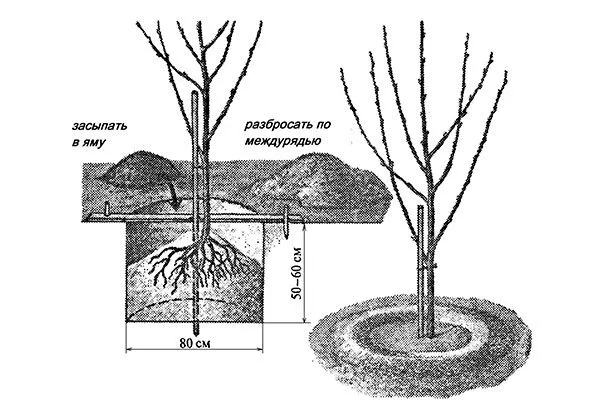
The root collar should remain 4-6 cm above the soil level; it should not be buried. It is also recommended to plant this variety as far away from other apple trees as possible, as it does not tolerate close proximity and prefers to be planted alone.
Growing and care
To grow a healthy and productive tree, it's important to provide proper care. Follow these agronomic practices:
- Watering. Water at least five times per season. It's important to monitor the amount of water—insufficient moisture will reduce both the current and next year's yield. Be sure to mulch the watering area to conserve moisture. Drying out depletes the root system.
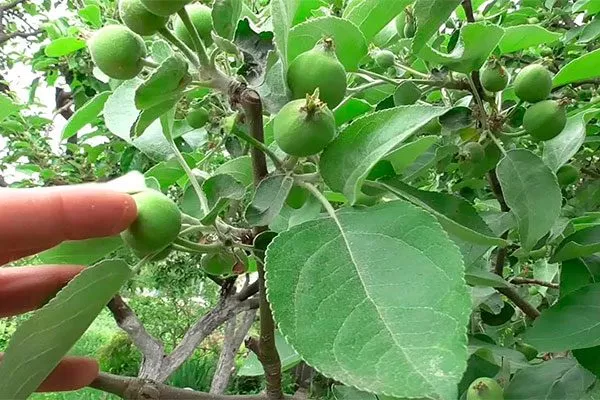
- Crop rationing. This variety is characterized by abundant fruiting—the branches are covered with apples. To ensure larger and sweeter fruits, remove some of the inflorescences, but no more than 1/3 of the total.
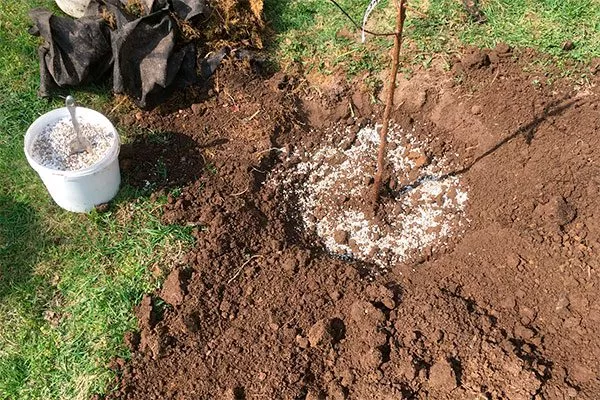
- Top dressing. For the first two years, don't apply fertilizer—the planting hole provides sufficient nutrients. Starting in the third year:
- in the spring – organics or urea;
- during flowering – Superphosphate (50 g) and potassium sulfate (40 g) per tree;
- in autumn – compost or humus (30 kg) into the tree trunk circle.
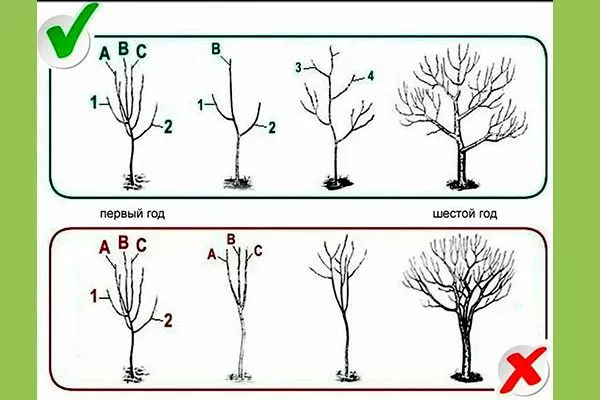
- Trimming. Perform this procedure annually in the spring. Remove dead, diseased, and frozen branches. Without pruning, the crown becomes dense, the tree becomes diseased, and the yield declines.
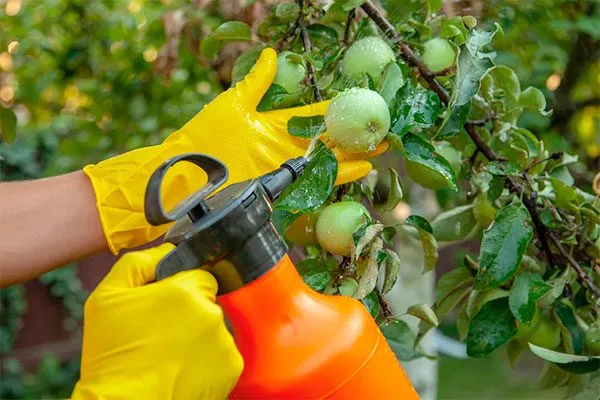
- Prevention. Regular treatment against pests and diseases is a prerequisite for maintaining the health of the tree.
- Additional care. Whitewash the trunk in spring and autumn, and in regions with harsh winters, cover it with spruce branches to protect it from frost.
Disease/pest prevention
The Kitayka Dolgo apple tree variety is characterized by good resistance to most diseases, but some can affect its health. The main ones are:
- Bacterial burn. A serious disease that requires removal of affected areas or even complete destruction of infected trees, which are then burned to prevent the spread of infection.
- Cytosporosis. It's best to prevent the disease with preventative spraying with Hom or a copper sulfate solution. If the disease develops, use fungicides.
- Black crayfish. It attacks wood and spoils the tree's appearance. To treat, cut out the damaged areas along with 2 cm of healthy wood, then treat the wounds with garden pitch and copper-containing products.
The most dangerous pests are leafhoppers, green aphids, leaf rollers, and apple moths. To combat them, use both traditional methods and modern insecticides, such as Aktara, Fufanon, Actellic, and Decis.
Pros and cons
In addition to its striking decorative qualities, Kitayka Dolgo has a number of important advantages:
However, there are also disadvantages:
However, the Kitayka Dolgo apple tree is excellent not only for harvesting, but also for decorative landscaping, which in itself is a significant advantage.
Reviews
The Kitayka apple tree combines high yields with excellent winter hardiness and decorative qualities. Its fruit remains long-lasting, and the tree easily adapts to various climates. This variety is an excellent choice for those who value beauty and reliability in their garden. However, to obtain large volumes of fruit, timely agricultural practices are essential.