
The Kandil Orlovsky apple tree is prized for its high winter hardiness and scab resistance, making it a reliable choice for a variety of climates. This variety is renowned for its delicious, juicy fruits with a pleasant tartness and excellent shelf life. Its compact crown makes it easy to maintain, and its consistent fruiting allows for a regular, abundant harvest.
How did the variety appear and where is it grown?
The variety was bred at the All-Russian Research Institute of Fruit Crop Breeding in Oryol. The variety's name is symbolic: "Orlovsky" refers to its place of origin, and "kandil" is a Turkic word meaning "lamp," a reference to the characteristic elongated shape of the fruit.
The creation of this crop was the result of many years of multi-stage work by a group of experienced breeders. Hybrids based on the Jonathan and Welsey varieties were used in the breeding process: [(F2 M. floribunda × Welsey) × (F2 M. floribunda × Jonathan)].
Kandil Orlovsky is a winter variety. It was registered in 1997 and included in the State Register in 2002. Initially recommended for the Central Federal District, Black Earth Region, and North Caucasus Region, it was later recognized as a universal variety and approved for cultivation throughout Russia.
Features and specifications
The apple tree is prized by gardeners for its juicy, aromatic fruit with a rich flavor, high resistance to disease and frost, and its attractive appearance, which beautifies the garden throughout the season. It has many positive qualities.
The appearance of the tree
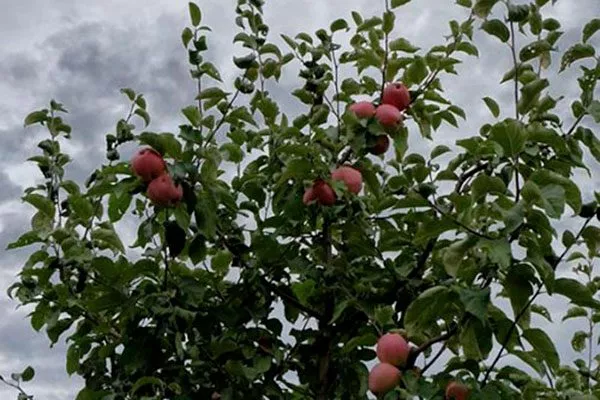
The plant has a neat and attractive appearance. It is medium-sized, reaching 3-5 m in height. Distinguishing characteristics:
- crown – round, moderately thickened;
- branches – they extend from the trunk almost at a right angle and have a slightly curved and drooping shape;
- leaves - dark green, rounded with a slight taper towards the top, with pronounced nervation and a characteristic shine on the front side;
- shoots – painted in a medium-saturated brown color, have a slightly rounded, geniculate cross-section;
- flowers – pale white-pink, medium-sized and flat.
Description of fruits
These apples are intended for fresh consumption and are distinguished by their attractive appearance and balanced flavor. Their main characteristics are:
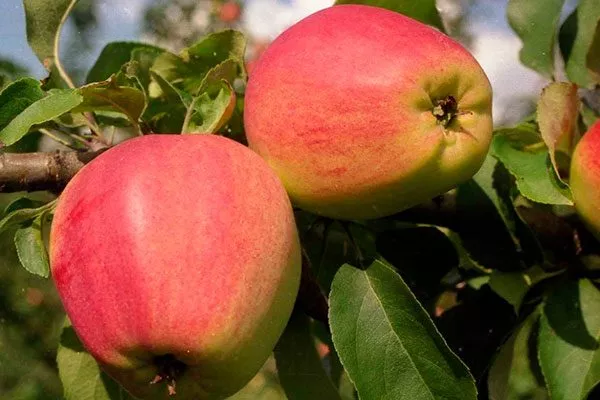
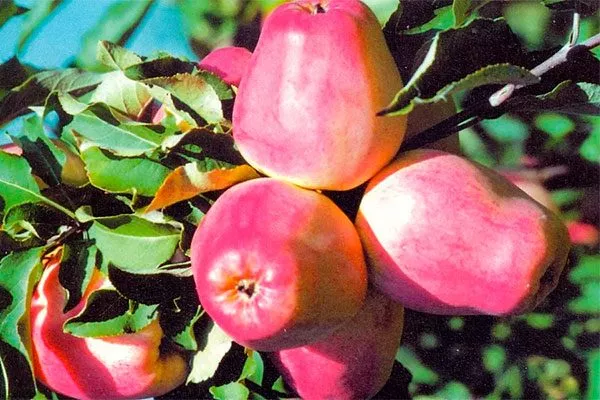
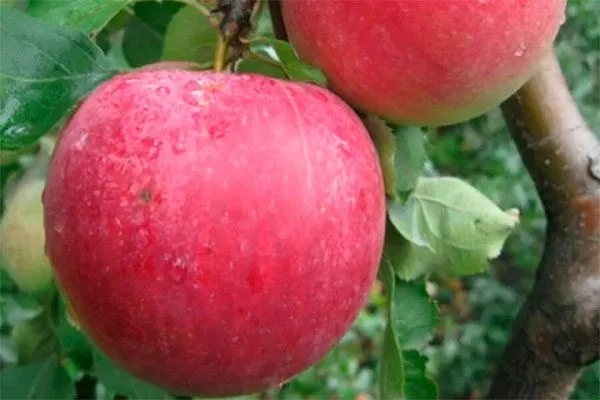
- coloring – light green or green-yellow, with a characteristic blurred crimson blush, occupying up to half of the surface, mainly on one side;
- form - elongated, slightly tapering towards the base, with pronounced ribbing and slight asymmetry – typical features of the Candilei group;
- skin – smooth, with a bright shine;
- weight - on average, about 120 g, which classifies the variety as medium-fruited;
- pulp – light, sometimes with a greenish tint, juicy, fine-grained and tender in consistency;
- taste - sweet and sour, harmonious.
Apple tree pollinators
Kandil Orlovsky is a self-fertile variety, but this quality is practically nonexistent if there is only one tree in the garden. For full fruiting, the presence of other pollinating apple trees is essential—especially if the orchard contains 5 to 15 seedlings, as this significantly increases the yield.
To ensure the plant bears fruit consistently, it is recommended to plant the following pollinator varieties in its vicinity:
- Antonovka ordinary;
- Aphrodite;
- Venyaminovka;
- Orlik;
- Freshness.
It is important to provide the plant with proper care, taking into account the peculiarities of pollination, in order to realize the variety’s full potential.
Ripening, fruiting and yield
This winter variety ripens by mid-September. Its productivity is impressive: a mature plant can yield up to 150 kg of apples per season. With a one-hectare orchard, this figure can reach at least 30 tons annually. Kandil Orlovsky is also attractive for commercial cultivation.
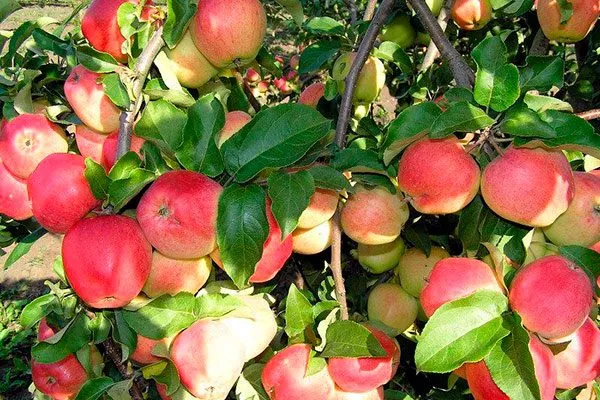
Fruiting begins relatively early: on seed rootstocks, in the fourth or fifth year after planting, and on dwarf rootstocks, as early as the third year. Moreover, even a young tree at five years old can produce up to 100 kg of fruit, while a dwarf variety can produce over 120 kg.
Resistance to frost, diseases and insects
Kandil Orlovskyi is well adapted to cold climates and produces fruit reliably even in harsh weather. It is characterized by high winter hardiness and resistance to scab, making care significantly easier.
However, the apple tree is susceptible to attack by some pests, namely:
- apple blossom weevil;
- aphid;
- sawflies.
To protect the plant, especially before flowering, use preventative insecticide treatments. Pay particular attention to spraying the bark and lower branches, where parasite larvae often overwinter. Timely interventions will help maintain the tree's health and prevent a decline in productivity.
Storage of crops, harvesting
In September, begin harvesting apples when they reach full ripeness. This variety is valued not only for its generous yields and frost tolerance, but also for its excellent long-distance transportability and shelf life.
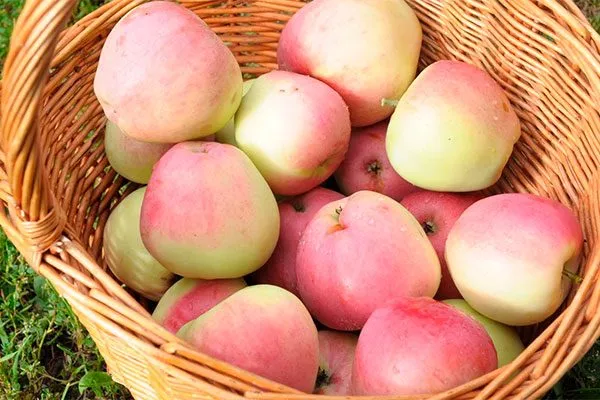
The fruits retain their marketable appearance and taste for 4-6 months when stored in a cool and bright room, which makes them in demand on the market until spring.
Landing rules
To ensure the Kandil Orlovsky apple tree thrives and produces a bountiful harvest, it's important to follow certain guidelines. These steps don't require any special knowledge or experience, so even beginners can easily handle them.
Landing time
Consider the region's climate and weather conditions. The optimal time for planting in most regions is spring—the second or third ten days of April. If the weather is cold and prolonged, you can plan the procedure for the first half of May.
In spring, it's especially important to provide young seedlings with regular watering until fall—dry periods can cause their death if they lack moisture. In southern regions, fall planting is acceptable, but it should be done 20-30 days before the onset of sustained frost to allow the tree to establish proper roots.
Selection of seedlings
Purchase planting material from a specialized nursery where you can assess the plant's quality in person. Typically, specialists prepare the seedling for transportation by removing leaves and dipping the roots in a clay slurry to retain moisture.
Helpful tips:
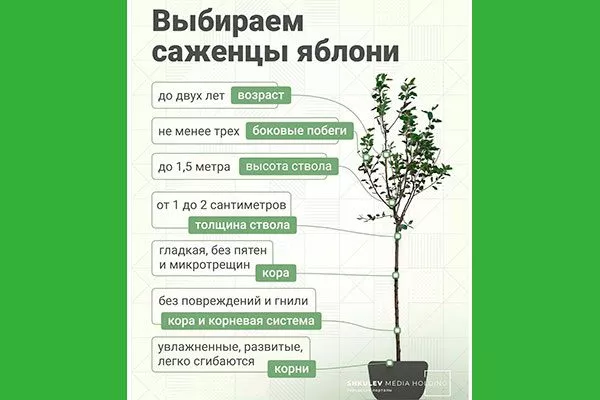
- Give preference to one- or two-year-old seedlings with well-developed roots - at least 4-5 strong shoots.
- The tree should be healthy, free of disease and damage. The central stem should be 50-70 cm tall, with 4-5 lateral branches.
- Choose plants with a straight trunk, smooth, even bark without cracks, breaks or growths.
Choosing a landing site
A sunny, well-lit area, protected from cold northern winds, is suitable for growing apple trees.
Basic requirements:
- Locations with a high water table, lowlands, or marshy soil are unsuitable, as these conditions can cause root rot. If other options are unavoidable, ensure drainage is provided in advance: create a raised bed or install a drainage system to remove moisture.
- The optimal soil is considered to be chernozem with a neutral or slightly acidic reaction (pH).
Three to four weeks before planting, prepare a hole 85-95 cm deep and about 70 cm wide. Line the bottom with drainage material such as expanded clay, fine crushed stone, or broken brick. Mix the topsoil with nutrients:
- rotted manure or compost;
- high-moor peat;
- wood ash (400 g);
- Superphosphate (200 g).
The ratio is: 10 kg of soil to about 25-30 kg of organic matter. Fill the hole with this mixture to the brim, cover with plastic wrap, and leave until spring.
Planting trees
Open the hole and water it generously. While the moisture is absorbed, soak the seedling's roots in warm water for an hour. For better rooting, you can add a growth stimulant and soak the tree in the solution according to the instructions.
Step-by-step algorithm:
- Place the seedling in the center of the hole, carefully spread the roots, cover them with prepared soil and lightly compact the soil.
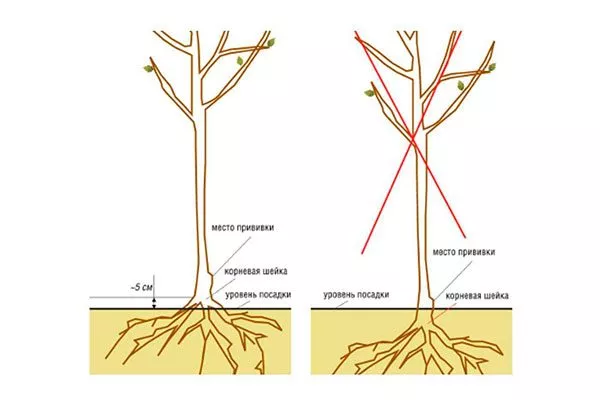
- Place a support stake next to the apple tree and tie the tree to it. It's important that the root collar is 2-4 cm above ground level.
When planting in groups, maintain the distance between trees:
- dwarf rootstock – 2.5-3.5 m;
- vigorous subspecies – 3.5-4.5 m.
Leave the row spacing approximately 4 m wide. This will provide the plants with sufficient space to grow and good lighting.
Further care
This compact, low-growing apple tree doesn't require any complicated maintenance—it's easy and convenient to care for. The key is to follow basic farming practices.
Irrigation regime
Water young trees twice a month, or weekly in hot weather. Apply enough water to soak the soil to a depth of about 20 cm around the trunk. Water mature plants before the sap begins to flow if the spring has been dry.
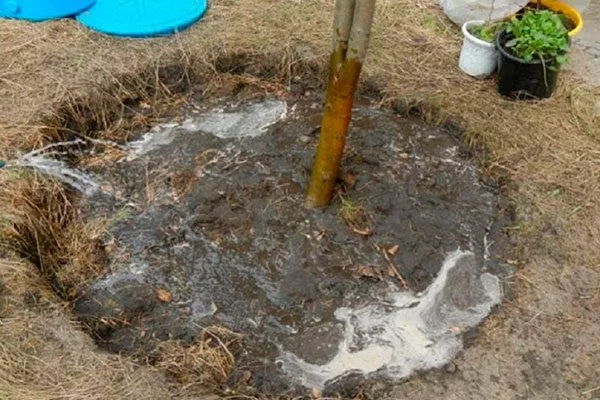
Carry out subsequent watering at the following stages:
- after flowering;
- during the period of ovary formation;
- in August, when the fruits are ripening;
- after harvesting.
A young seedling requires 30 liters of water per watering, while mature plants require up to 60-80 liters. After each watering, loosen the soil around the trunk and remove weeds to retain moisture and improve air access to the roots.
Top dressing
The Kandil Orlovsky apple tree responds positively to nutrition starting in the second year after planting. Fertilize at different times:
- In early spring, with the beginning of the growing season – Organic substances: mullein infusion (1:10) or chicken manure (1:20). The volume of the solution depends on the age of the tree and is 5-10 liters per plant.
- After flowering and during the period of ovary formation – Mineral compositions: Superphosphate and potassium sulfate, which should be used strictly according to the instructions, taking into account the age of the apple tree and its needs.
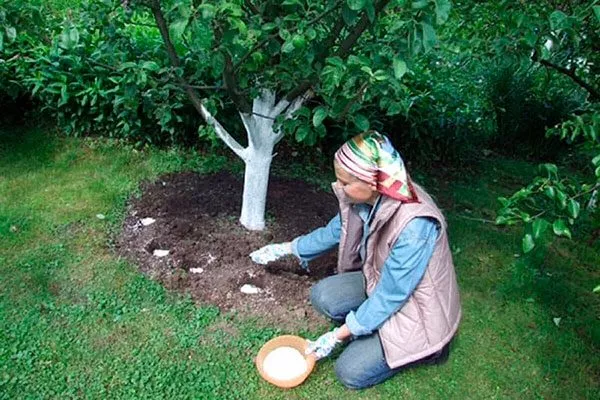
Apply fertilizer only after watering or rain to avoid damaging the roots.
Trimming
Cultivation techniques help shape the tree's crown, stimulate fruiting, and maintain its health. Perform the first pruning in the spring after planting: shorten one-year-old seedlings to a height of 70-90 cm to establish skeletal branches. For two-year-old trees, leave 4-5 lateral shoots, removing a third of their length.
Next, carry out the following types of pruning:
- Formative. Continued for the first 3-4 years, this helps create a compact and well-lit crown. The branches of the Orlovskii genus Kandil extend from the trunk at almost a right angle, so ensure the center of the crown doesn't become too dense.
- Sanitary. Perform this procedure annually in early spring before the sap begins to flow. Remove all dry, diseased, damaged, and inward-growing shoots.
- Rejuvenating. Perform this procedure on mature trees every 5-6 years to prolong the fruiting period. Remove old and weak branches, encouraging the growth of young shoots.
Preparing for winter
In central and southern regions, where winters are mild, the Kandil Orlovsky apple tree is usually not insulated; mulching the area around the trunk with peat, compost, or soil is sufficient. However, in harsh climates, such as Siberia, the tree requires additional protection.
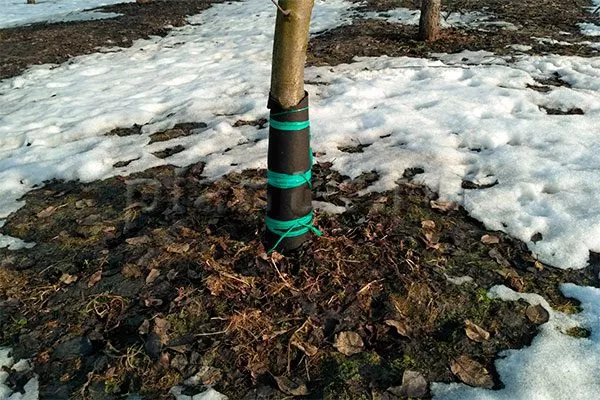
When the first frost sets in, wrap the trunk in several layers of non-woven material, using snow as natural insulation. Pay special attention to preparing young seedlings for winter – be sure to protect the trunk from rodents using agrofibre and fine-mesh metal mesh.
Pest and disease control
The crop rarely suffers from scab, but this does not guarantee protection from other diseases. Basic recommendations:
- Fungicides such as Horus, Skor, Topsin-M, and Fundazol are effective against rot, rust, and fungal infections. Strictly follow the dosage and instructions.
- Insecticidal soap, horticultural oil, or a folk remedy – garlic infusion – are effective against insect pests.
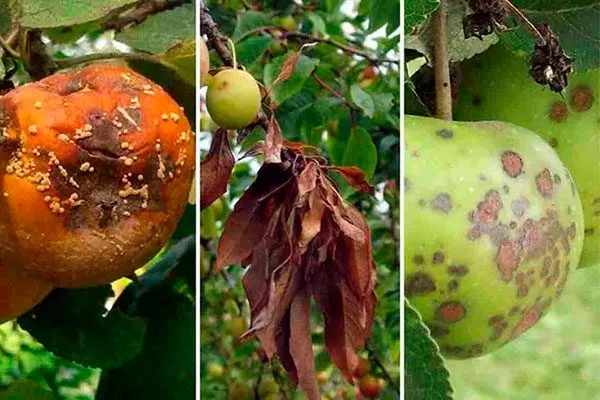
Carry out treatments in early spring:
- before the buds swell;
- several times during the growing season.
Pros and cons
This variety boasts several advantages over other apple trees. Key benefits:
Similar varieties
Kandil Orlovsky isn't the only apple variety with good shelf life and excellent flavor. Several other varieties can compete successfully with it:
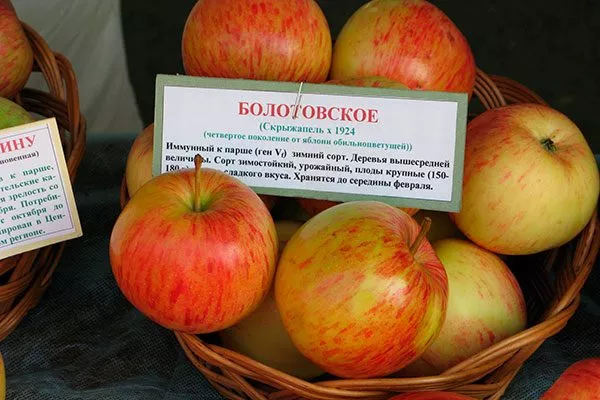
- Bolotovskoye – A winter-hardy tree with large yellow-red fruits. The apples have a sweet, slightly tart flavor, and their thick skin ensures long-term storage in cool conditions. Interestingly, the fruit's flavor only improves with age.

- Christmas - A winter variety similar to the original cultivar in scab resistance. The apples weigh about 200 g, have a sweet and sour flavor, and juicy flesh. A distinctive feature is the larger tree and crown size.
- Venyaminovskoe – An apple tree bred at the same research institute, it is noted for its winter hardiness and ease of care. The fruits are medium-sized, with a crimson-red skin. The fruit has excellent flavor and retains its flavor until February. The cultivar is resistant to scab.
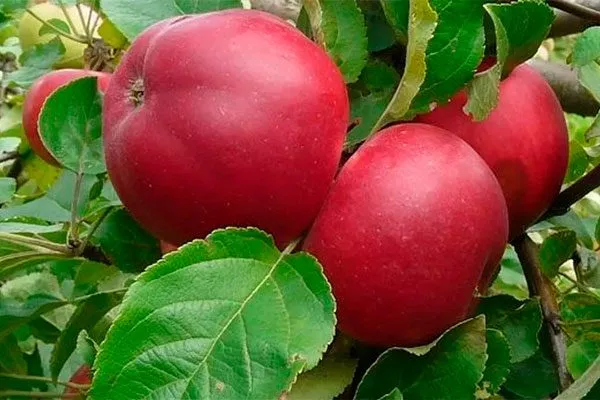
In most characteristics, these varieties are similar to the Orlovsky Kandil, but its main advantage is the decorative nature of the tree.
Reviews
The Kandil Orlovsky apple tree combines frost resistance, strong immunity, and excellent taste. Its low maintenance and high productivity make it popular among gardeners. Thanks to its excellent shelf life and versatile fruit use, this variety is deservedly considered one of the best winter varieties.