
Calcium is a key element for the health and fruiting of apple trees. Adequate calcium levels in plant tissue directly impact the quality and shelf life of the fruit, as well as the trees' resistance to disease. It's important to understand why calcium fertilization is necessary, when, and how to apply it correctly to avoid problems.
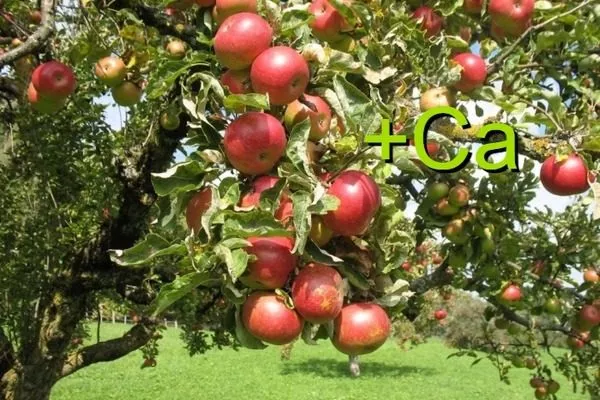
Why do trees need calcium?
Calcium plays a key role in strengthening cell walls. It acts as a kind of mortar, holding cells together, making tissues stronger and more resistant to external factors:
- temperature fluctuations;
- drought;
- heat;
- infections and pests.
The importance of calcium for apple trees and their fruits
Calcium is vital for normal plant growth and development. It participates in numerous biochemical processes:
- regulates protein and carbohydrate metabolism;
- maintains water balance;
- participates in photosynthesis;
- promotes cell division;
- strengthens the root system.
The more actively the root hairs are developed, the better the plant absorbs moisture and the nutrients dissolved in it, which directly affects the future harvest.

The importance of calcium for apple fruits:
- ensures full ripening of fruits with a characteristic taste, aroma, uniform color and crisp, juicy pulp;
- promotes the formation of a strong and elastic peel, resistant to mechanical damage and rot;
- significantly increases the shelf life of fruits, improving their preservation during storage and transportation.
Features of calcium absorption by fruit trees
Calcium enters the plant with the upward flow of water through the xylem, primarily to those organs where transpiration rates are highest—primarily the leaves. However, transport to the fruits is slow and limited.
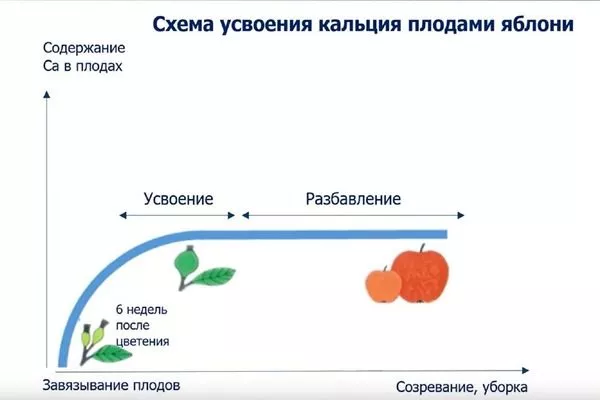
Calcium is not recycled in plants: once it reaches the leaf, it cannot be transported to other organs. Therefore, it is especially important to ensure calcium intake during the period of fruit formation—the first six weeks after flowering.
Factors affecting absorption:
- favorable conditions – the presence of nitrate nitrogen in the solution increases calcium absorption;
- unfavorable conditions – excess of cations (ammonium, potassium, magnesium, sodium, aluminum) – prevents its absorption;
- acidic soil (low pH) - limits the availability of calcium to plants;
- boron deficiency – may block absorption even when calcium levels in the soil are high.
Conditions under which calcium intake into fruits is impaired:
- individual characteristics of the variety;
- dry, hot weather or, conversely, excess moisture in the soil;
- sharp changes in humidity;
- intensive pruning, especially on young trees;
- rapid growth of green mass and fruits;
- calcium deficiency in the soil at a critical time – immediately after flowering.
Types of calcium fertilizers
Regular application of calcium fertilizers is an important part of apple tree care. To ensure the plant receives nutrients quickly and fully, it is recommended to alternate root and foliar feeding.
Proven means for replenishing calcium:
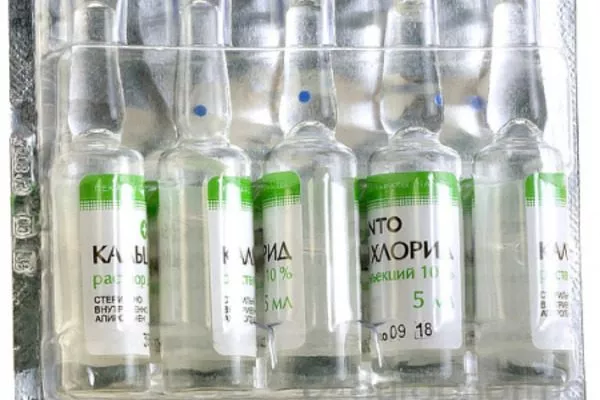
- Calcium chloride. It is widely used in gardening, including for tomatoes and other crops. Calcium chloride can be applied foliarly to apple trees, but should be used with caution to avoid burning. Available in tablets and ampoules, it quickly replenishes acute calcium deficiency.
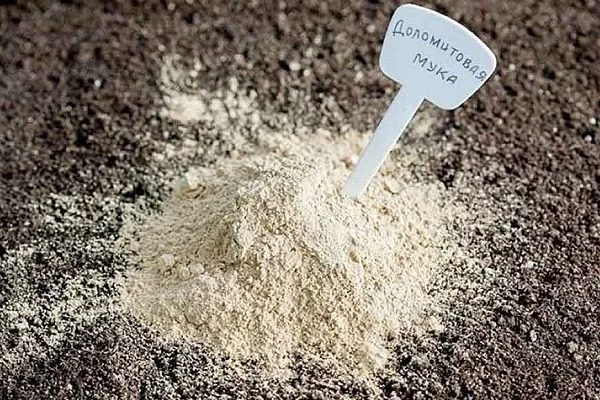
- Dolomite flour. A natural material rich in calcium and magnesium, it is used primarily to neutralize acidity and as a long-term source of calcium. It acts slowly but effectively, improving soil structure and saturating it with calcium.
It is used in autumn or early spring when digging up the area.
- Slaked lime (fluff). Its main purpose is to deoxidize the soil. Although it also contains calcium, it should be used with caution as a source of this element. Apply it in the fall during tillage. It is important to avoid contact with leaves and stems to avoid burning.
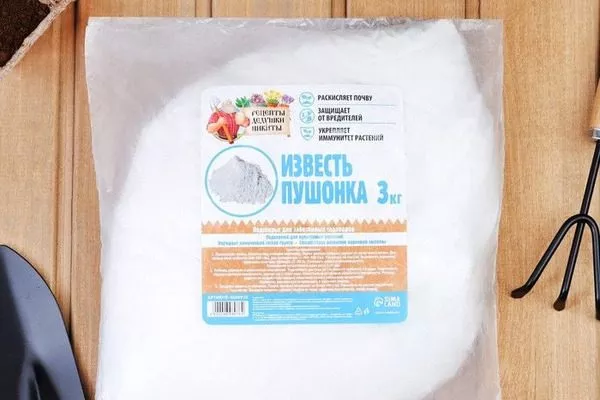
- Chalk. An affordable and safe source of calcium that also effectively neutralizes excess soil acidity. It is gentle and non-scalding. It can be used in crushed form, evenly distributed over the area, or as an aqueous solution. Suitable for spring and fall application during tillage.

- Wood ash. A natural fertilizer containing calcium in several forms—carbonates, silicates, sulfates, and chlorides—allows it to work effectively in a variety of conditions. It improves biochemical processes in plants, promotes nutrient absorption, and increases disease resistance.
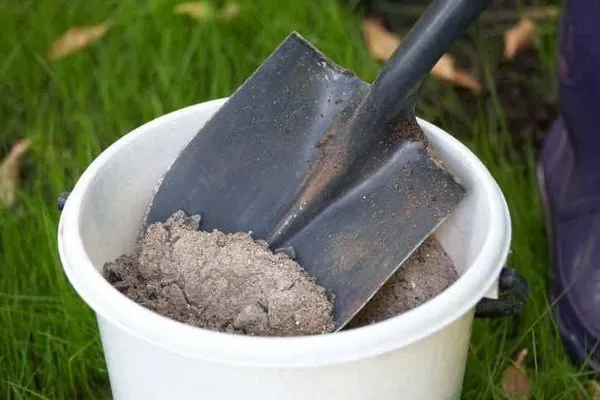
To effectively replenish calcium in apple trees, combine slow-release fertilizers (chalk, dolomite, lime) with fast-acting foliar fertilizers (such as calcium chelates or calcium chloride solutions). This is especially important in the first weeks after flowering.
You can find out what other nutrients an apple tree needs for abundant flowering and fruiting, and what to feed it with in different seasons. Here.
Calcium supplements
Foliar calcium fertilizers from the FITOFERT ENERGY line provide plants with essential nutrition without the risk of nitrate accumulation, do not affect the trees' winter hardiness, and do not cause leaf or fruit burn. These products are safe and effective.
Most popular:
- CALCIFOL 25. This readily soluble powder contains 25% calcium oxide (CaO) in a fully chelated form. This calcium quickly penetrates the leaf surface and is absorbed by the plant without leaving toxic residues.
Advantages:- does not contain nitrates and chlorides – completely safe and does not cause excessive growth of green mass;
- chelating component – natural carboxylates that are easily decomposed in cells;
- regular use eliminates the symptoms of calcium deficiency;
- increases the density and strength of fruit tissues, improves their shelf life and transportability;
- Suitable for all crops.

- CALCIMAX 40. A high-calcium crystalline fertilizer – 40% CaO. Effective for increasing calcium concentrations in fruits. Helps prevent bitter pit and significantly extends the shelf life of crops.
Peculiarities:- does not contain nitrogen – does not stimulate unwanted growth of green mass and does not contribute to the accumulation of nitrates;
- the base is calcium chloride, therefore the preparation has high electrical conductivity and potential phytotoxicity;
- It is recommended to use during the ripening phase and stop 3-7 days before harvest.
- KALMAG BOR + ME. A complex fertilizer with a carefully balanced composition containing calcium, boron, magnesium and microelements in forms that ensure their effective absorption.
Advantages:- chelated form of calcium ensures its rapid availability;
- Boron enhances calcium transport and prevents its excessive accumulation in tissues;
- nitrate nitrogen accelerates the penetration of calcium into cells;
- magnesium is selected in an optimal proportion to calcium, eliminating competition between the elements;
- Microelements support the activity of metabolic processes.

Causes and signs of calcium deficiency
Calcium plays a vital role in the life of an apple tree, from cell wall formation to fruit strength and stress resistance. A deficiency weakens the tree, and the quality of the harvest declines sharply. Therefore, it's important to recognize the symptoms of deficiency early and take action.
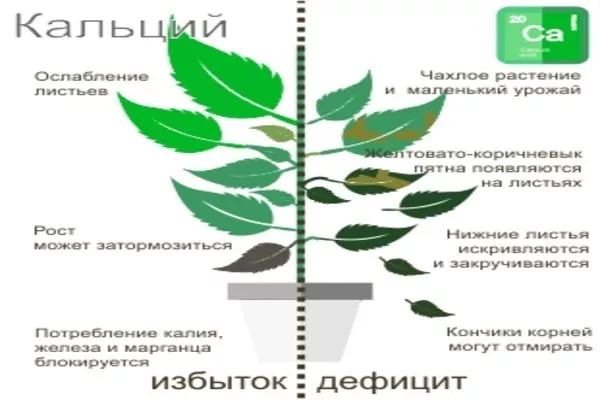
Signs of calcium deficiency:
- spots of various colors appear on the surface of the fruit - from green to purple;
- the pulp under the skin becomes loose, loses elasticity and acquires a bitter taste;
- the fruits become translucent, with a glassy structure;
- the skin cracks, especially when humidity changes.
Why does calcium deficiency occur:
- weak mobility of the element – calcium slowly moves from the roots to the leaves and fruits;
- acidic soil – low pH reduces calcium availability to plants;
- heavy precipitation – promote the leaching of calcium from the soil;
- unbalanced diet – an excess of some elements (for example, potassium, magnesium, ammonium) interferes with the absorption of calcium;
- stressful weather conditions – Drought, cold and sudden changes in humidity make it difficult for calcium to enter plant tissue.
Diseases and problems associated with insufficient calcium content in apples
A calcium deficiency in fruit tissues leads to a number of serious problems that reduce crop quality, flavor, appearance, and shelf life. The main problems that arise from calcium deficiency include:
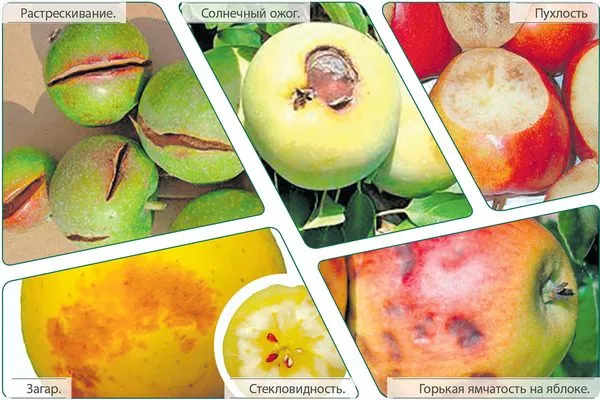
- Bitter pitting. Characterized by the appearance of small, sunken spots on the skin. Initially, they are grayish or greenish-gray in color, but over time they turn brown or reddish-brown. Affected areas have a bitter taste.
Such fruits are not suitable for long-term storage – they quickly lose their marketable qualities. - Cracking and small fruit. Calcium deficiency disrupts water metabolism, and cell walls become weak and easily damaged. As a result, fruits can crack while still growing, and ovaries develop slowly, leaving apples small and deformed.
Such violations lead to significant crop losses even before harvesting.
- Sunburn. When calcium is deficient, the plant loses its ability to properly regulate water movement, especially on hot days. This leads to tissue overheating and the appearance of scorch marks on the fruit—brown, dry spots on the sun-facing side.
- Glassiness of apples. This physiological disorder manifests itself as translucent, watery pulp. This condition occurs due to an imbalance between moisture intake and evaporation: the cells become oversaturated with juice and become brittle.
Fruits spoil quickly and cannot be stored, despite their attractive appearance. - Fruit tanning. It manifests itself as darkening and hardening of the apple skin. The surface becomes wrinkled, and the flesh underneath darkens and loses its juiciness. The fruit loses its marketability, ages more quickly, and stores poorly.
Rules and methods for applying calcium
Calcium is an essential element for the healthy development of apple trees and the formation of healthy, strong fruits. However, the effectiveness of fertilizers depends not only on the fertilizer itself but also on its proper application.
Key recommendations:
- Calcium doesn't combine well with a number of other elements. Therefore, the main rule is to apply calcium separately from other fertilizers.
When mixed with phosphates, sulfates and a number of microelements, poorly soluble compounds can form, which reduces the availability of nutrients. - The optimal concentration of calcium solution for foliar application is 0.6-0.8%, but no more than 1%. Higher concentrations can cause leaf and fruit burns. With the correct dosage, trees absorb calcium effectively and without tissue damage.
- Foliar feeding should be done in the evening, when sunlight is at its lowest. This prevents leaf burn and rusty spots on the fruit, and also promotes better absorption of the solution.
Overnight, calcium has time to penetrate the tissues and begin to strengthen the skin of the fruit, making them more resistant to cracking and rot.
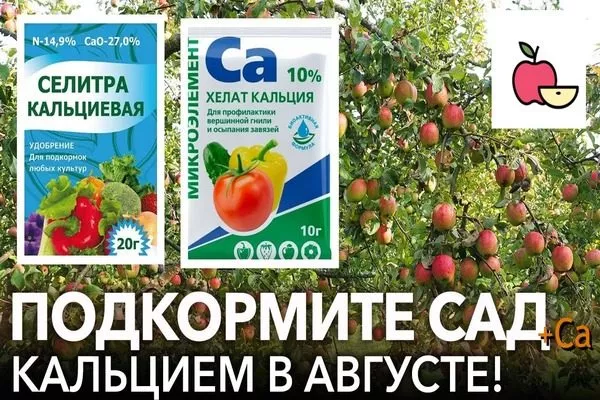
- At least four calcium treatments are recommended during the season. The first application is made during fruit set, and the last 7-10 days before harvest. This is especially important for winter apple varieties, which are more susceptible to bitter pit and have poor storage quality due to calcium deficiency.
- Calcium can be applied either through the soil (using fertigation) or foliar application. However, foliar application is only effective after fruit set. In the early stages of vegetation, calcium deposited on the leaves cannot be redistributed throughout the plant, so foliar application will be ineffective.
Methods of applying fertilizers:
- Calcium nitrate (calcium nitrate). Suitable for all types of application (root, foliar, fertigation). Promotes firm fruit formation, improves photosynthesis, accelerates ripening, and increases shelf life.
- Calcium chelates. Best suited for foliar application due to high availability and safety.
- Nitrogen-limestone fertilizer, calcium chloride. Use with caution and strictly according to instructions.
- Ameliorants (gypsum, phosphogypsum, limestone, dolomite flour). They are used as a basic fertilizer before planting. The calcium in them is absorbed by plants only after a long period of time.
DIY calcium nitrate

If you don't have store-bought fertilizer on hand, you can make an effective calcium solution at home. This fertilizer will help replenish calcium deficiency and support plants during the period of active growth and fruiting.
To prepare you will need:
- water – 500 ml;
- slaked lime – 140 g;
- ammonium nitrate – 300 g
How to cook:
- Outdoors, build a stable structure out of bricks and light a fire.
- Pour water into an aluminum pan and add lime.
- Add ammonium nitrate and mix thoroughly. Heat the mixture over a flame until the characteristic ammonia smell disappears.
- Extinguish the fire and let the solution cool completely.
- After cooling, drain the clear top part and remove the sediment (the dark layer at the bottom).
Warnings:
- Do not exceed the recommended concentration: too strong a solution can damage leaves, roots and even cause burns;
- make sure that the preparation does not come into contact with flowers and ovaries;
- Do not use immediately after heavy rains or on hot sunny days.
Precautionary measures
To safely and effectively use calcium supplements, it's important to follow basic guidelines. Follow these rules:
- Store calcium in its original packaging. Store in a dry, well-ventilated area away from direct sunlight and hot air. The expiration date is printed on the packaging; do not use if the product has expired.
- When preparing the solution, use only special industrial containers designed for handling chemicals. Follow the manufacturer's dosage and instructions.

- Work in appropriate clothing, gloves, and a protective respirator mask. After finishing work, wash your hands and face thoroughly with soap.
Why is calcium poorly absorbed?
Calcium is not redistributed within plants—it doesn't move from older leaves to younger ones. Therefore, it's crucial that the soil consistently contains sufficient calcium in a form accessible to the roots.
Key Features:
- When applying fertilizers, it's important to consider the competition between certain mineral elements. For example, potassium and calcium, being cations, use similar pathways for entry into plants and exhibit antagonism. An excess of one (for example, potassium) can displace the other (calcium), reducing its availability to the roots.
Similarly, calcium competes with magnesium on colloidal soil particles and within the root system. Therefore, it is not recommended to apply calcium, potassium, and magnesium simultaneously. - To ensure proper calcium absorption by the roots, it's important to maintain optimal soil moisture. During dry periods, especially in May and June, when rainfall is low, fruit trees require regular watering. You can find more details on proper watering for apple trees here. Here.
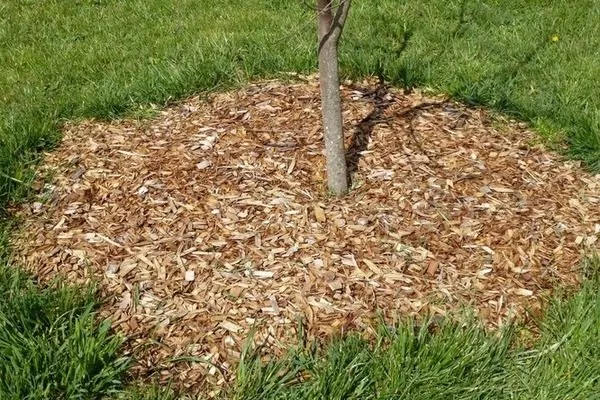
- Mulching tree trunks with compost, rotted sawdust, wood chips, or other organic materials will help retain moisture, improve soil structure, and create favorable conditions for the root system and the effective absorption of calcium and other nutrients.
Proper and timely application of calcium fertilizers is the key to successfully growing a high-quality apple crop. This fertilizer helps strengthen the fruit's cell walls, increase their resistance to stress and disease, and prevent the development of bitter pit. For best results, it's important to adhere to the timing and application rates.