
When caring for apple trees, gardeners often use two time-tested remedies: iron and copper sulfate. They help care for the tree, including protecting it from fungal infections. It's important to use them correctly to achieve the best results and boost the tree's immunity.
Description of chemical substances
Almost every gardener uses copper sulfate in their work. Some specialists have in-depth knowledge of the characteristics and differences between copper and iron sulfate. For others, however, determining the optimal option for treating apple trees can be a challenge.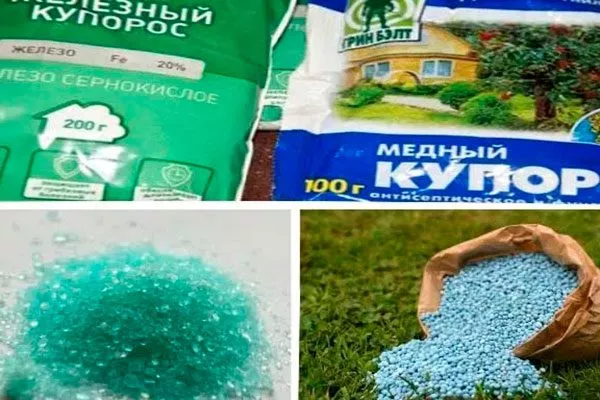
Iron
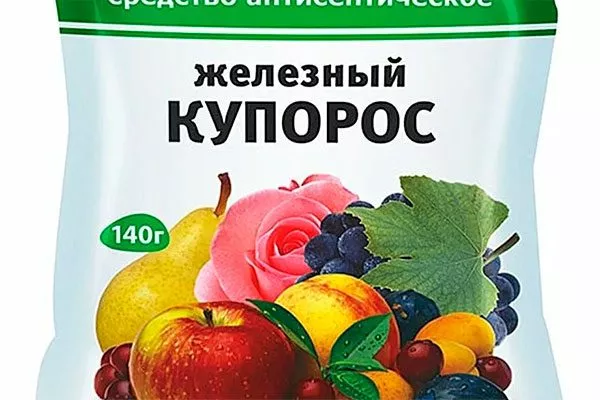
The substance is visually characterized by light-green crystals that exhibit good solubility in water. Key characteristics:
- A granular form is also available. The powdered formulation contains approximately 5% of the active ingredient. In horticulture, ferrous sulfate, most often used as an aqueous solution for spraying, is highly valued for its multifunctional properties.
- It acts as a fungicide, effectively suppressing the development of fungal diseases. It is also an insecticide designed to control various pests.
- It is used as an inorganic fertilizer, enriching the soil with essential elements.
- The preparation has a contact mechanism of action, providing plant protection for 14 days in the absence of precipitation.

Copper
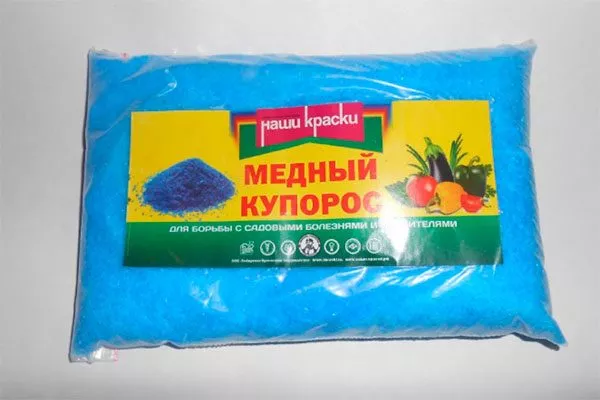
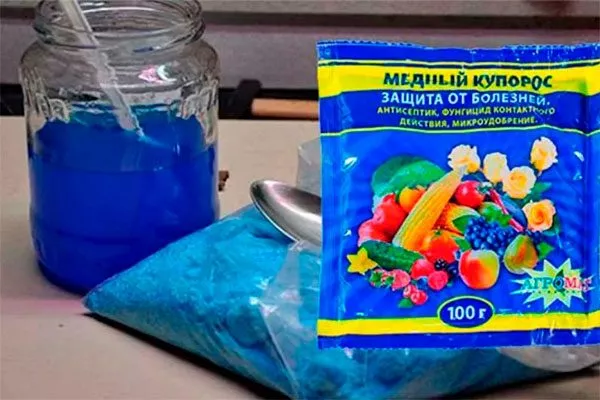
It is a compound visually identifiable by its turquoise or blue crystals, which are highly soluble in water. Copper sulfate has the following properties:
- Available in granular form, the powder mixture contains approximately 5% of the active ingredient. In apple tree care, ferrous sulfate is typically used as an aqueous spray solution and is valued for its versatile properties.
- It acts as a fungicide, effectively inhibiting the development of fungal infections. It also effectively combats harmful insects.
- The substance provides a rapid effect after treatment, affecting the soft tissues of plants, causing their dehydration and allowing the fight against lichens, mosses and parasitic fungi.
Main differences
The environmental impact of copper and iron sulfate varies. Soil typically contains significant amounts of iron, so the use of iron sulfate generally does not cause significant environmental imbalances.
To effectively use these products when treating apple trees, it's important to understand their differences. Copper and iron sulfate differ significantly in their effects.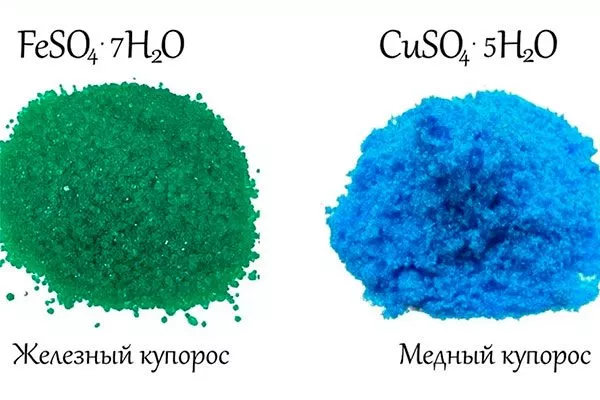
The main properties of iron sulfate:
- Copper and iron, as essential elements, have different effects on the vegetative processes occurring in fruit trees. The chemical composition of these sulfates also varies, necessitating careful and appropriate use of each product.
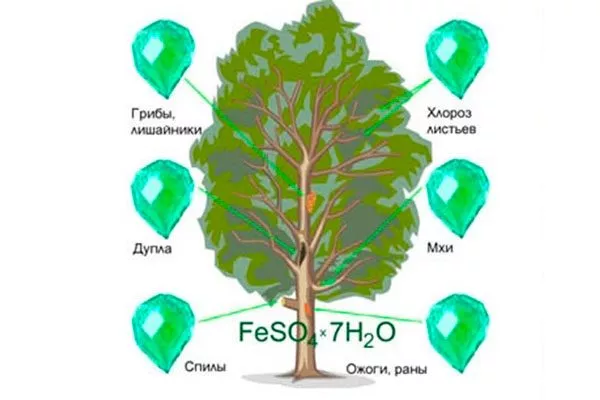
- Ferrous sulfate has a milder effect and is more often used for preventative purposes. It is less toxic and, in addition to its protective properties, helps replenish iron deficiency in apple tree chlorosis.
Chlorosis is a dangerous disease that leads to reduced yield, smaller fruit, and stunted tree growth. Left untreated, chlorosis can cause apple trees to die back. - Ferrous sulfate is not compatible with lime, so they should not be mixed.
- It's not effective against ticks and rodents, and it doesn't stimulate plant growth. However, it can be useful for improving the fruiting of apple varieties.
Distinctive features of copper sulfate:
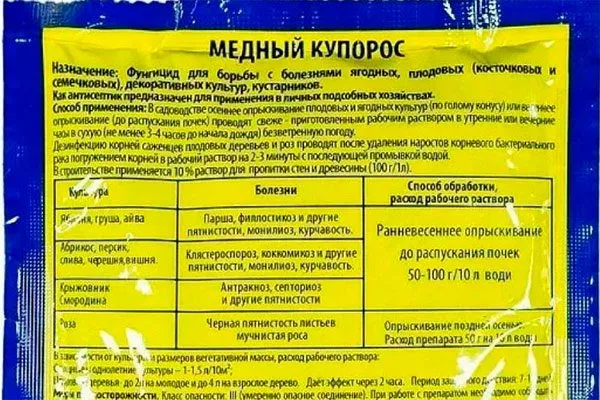
- It is classified as a highly toxic preparation. It effectively combats most orchard diseases and can be used in combination with lime to prepare Bordeaux mixture, widely used by gardeners throughout the growing season.
- Due to the high acidity of copper sulfate, it can cause burns to the foliage of trees. Therefore, it is recommended to spray apple trees with copper sulfate either in early spring before the leaves emerge or in late fall after the leaves have fallen.
- It is not recommended to use copper sulfate in the fall to fertilize the soil to avoid oversaturation with copper ions.
For what purposes should it be used?
When cultivating apple orchards, each type of sulfate is used to solve specific problems. Treatment with iron sulfate is recommended for:
- effective control of a wide range of fruit tree diseases;
- destruction of various types of pests that pose a threat to crops;
- removal of unwanted vegetation, including moss and lichen, as well as parasitic fungi that damage the bark and branches;
- prevention of fungal infections that can affect fruits and leaves;
- replenishment of iron deficiency, a critical microelement for the health and productivity of apple trees;
- whitewashing of tree trunks, which provides protection from sunburn and sudden temperature changes;
- disinfection of hollows and wounds, preventing the penetration of infections and the development of putrefactive processes;
- enriching the soil with iron, improving its quality and promoting tree growth.
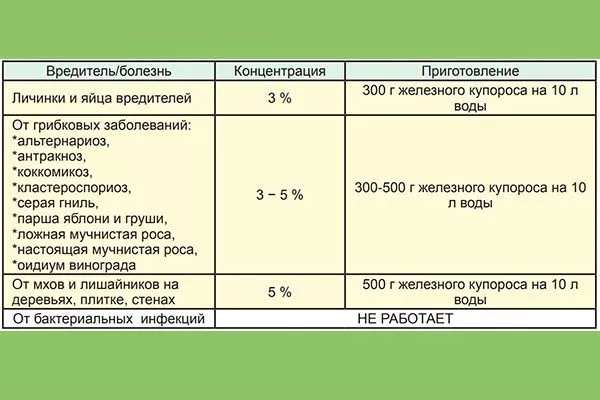
It is important to remember that this drug is not effective in combating bacterial diseases.
Copper sulfate is used for:
- protection and treatment against diseases such as downy mildew, alternaria, scab and moniliosis;
- foliar feeding, especially relevant in acidic sandy and peaty soils, where plants often experience copper deficiency;
- antiseptic treatment against mold and rot, for soil disinfection and treatment of wounds on tree trunks;
- preventive spraying of trees to prevent various diseases;
- fertilizing soil in gardens with insufficient copper content, such as on former peatlands or sandstones.
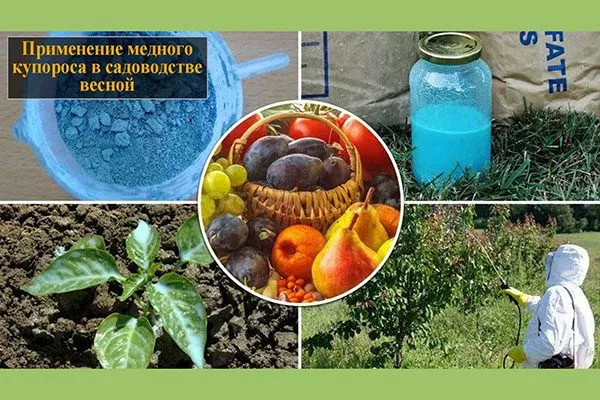
For apple trees, foliar feeding with copper sulfate is preferable.
Rules for preparing a working solution
To achieve optimal results in controlling apple orchard diseases and pests, it is recommended to spray with alternating copper sulfate solutions. The key is careful preparation of the working solution with precise proportions.
Iron
Using iron sulfate, it is possible to create solutions of varying saturation. The proportion of active ingredient varies depending on the intended application.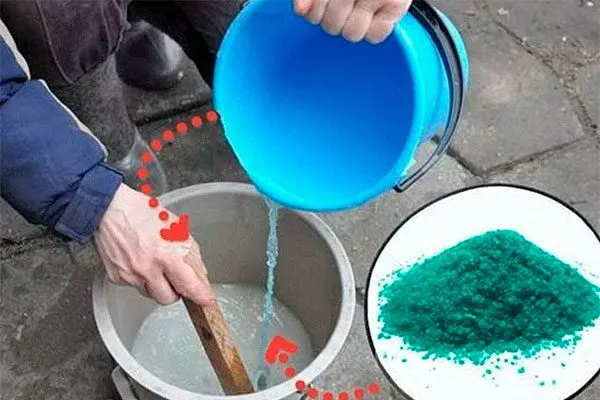
Spraying apple trees with a solution of iron sulfate is necessary for:
- Removal of lichens, pathogenic fungi and mosses from the bark. To do this, use a solution with a concentration of 4-6%. Dissolve 400 or 600 g of iron sulfate powder in 10 liters of non-chlorinated water, respectively.
The recommended application rate is 10 liters per 100 square meters of treated area. This concentration is also effective against harmful insects that attack apple trees. - Prevention of fungal diseases on trees between seasons. In this case, a solution with a concentration of 3-4% is required, which corresponds to 300 g of iron sulfate per 10 liters of water.
- Carrying out preventive measures against pests. A 1% solution prepared from 100 g of ferrous sulfate per 10 liters of water is sufficient.
- Fertilizing fruit trees. To do this, prepare a solution containing 50 g of iron sulfate powder per 10 liters of water. Use the resulting mixture to whitewash tree trunks and branches.
Copper
Copper sulfate is a versatile spray for apple orchards year-round. The solution concentration varies depending on the treatment objectives:
- For the prevention and control of phyllostictosis, various spottings and scab We recommend preparing a mixture: dissolve 100 g of copper sulfate in 10 liters of water. Consumption is approximately 4.5 liters per tree.
A similar concentration is used to treat the root system of seedlings before planting. Soaking the roots in the solution should not exceed 3 minutes. - For disinfection of the tree trunk area You need to prepare a weaker solution: stir 5 g of copper sulfate in 10 liters of water.
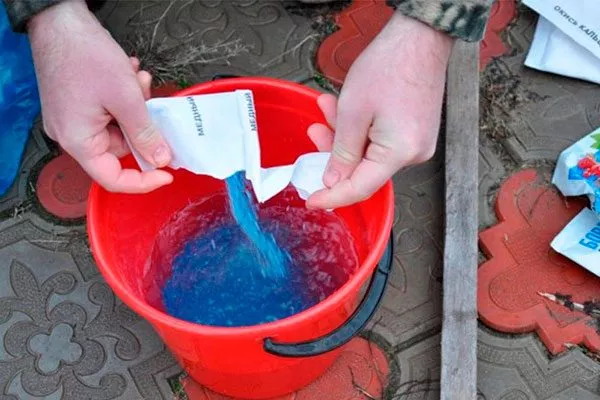
For comprehensive prevention of fungal diseases during the growing season, it is recommended to use a 1% solution of copper sulfate or Bordeaux mixture.
To prepare Bordeaux mixture, follow these steps:
- Slaked 100 g of quicklime in a small amount of water, then bring the volume to 5 liters, obtaining lime milk.
- In a separate container, prepare a copper sulfate solution by adding 100 g of the solution to 5 liters of water. Pour it into the lime solution, stirring constantly.
- Use the prepared Bordeaux mixture solution within 5 hours of preparation.
When should it be processed?
Spraying apple trees with solutions requires strict adherence to the application schedule. This is due to the specific functionality of the products used and their impact on plant growth and development.
Iron
Treating apple trees with ferrous sulfate is most effective in the spring, before the growing season begins, and in the fall, after the leaves have fallen. Applying the solution to green foliage is not recommended due to the solution's high acidity, which can cause chemical burns.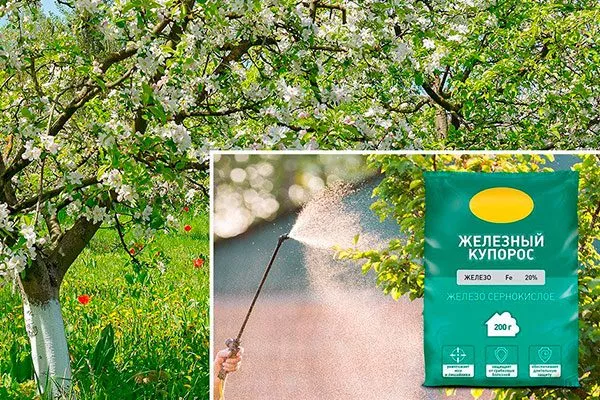
Event Features:
- Spring treatment before bud break includes two sprayings with a 5% solution to kill moss and lichen on older trees, spaced up to two weeks apart. Disinfection of tree cavities and wounds with a 1% ferrous sulfate solution is also necessary.
Treatment with the same solution is recommended after spring pruning. Spraying is essential if there is a risk of frost, as iron sulfate slows bud break, protecting the tree from damage. - To prevent fungal diseases, spray 2-3 times with a weak solution (30 g per 10 l of water) at weekly intervals at an air temperature of at least +5°C, in calm and dry weather.
- Autumn treatment after leaf fall is preventative and helps increase yields the following season. It's important to treat not only the tree but also the surrounding area to eliminate fungal infections.
Copper
To maintain health and good productivity, apply the treatment twice a year: in spring and fall. Regular application of these treatments has a beneficial effect on the health of the trees.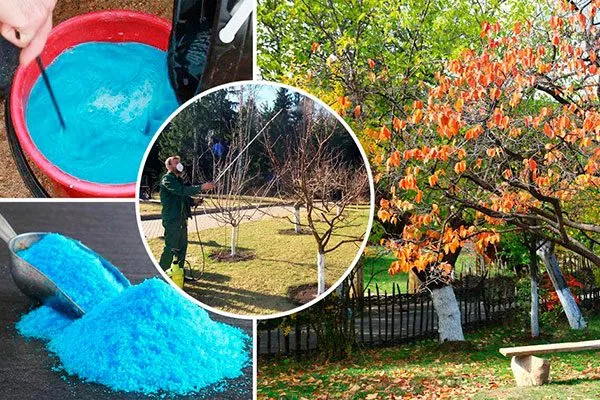
Follow these recommendations:
- Start the procedure in early spring, before the buds begin to open, at an air temperature of +5°C to +10°C in calm and dry weather.
- Spray thoroughly, covering not only the branches but also the trunk. Pat any existing bark damage, such as wounds and cracks, with a brush. After the buds swell, a weak solution (5 g per 10 liters of water) can be used.
- Autumn treatment is the final stage and is carried out after the leaves have completely fallen. It is aimed at destroying pests preparing for winter in the garden, as well as fungal spores.
- Make sure that the product does not come into contact with the soil in the fall to avoid copper accumulation in the soil during the winter period.
- The optimal time for treatment is from mid to late November.
Rules and technology
The process of spraying chemicals must be carried out in accordance with the established sequence of actions. When using each specific chemical, the prescribed standards and application methods must be strictly followed.
Iron
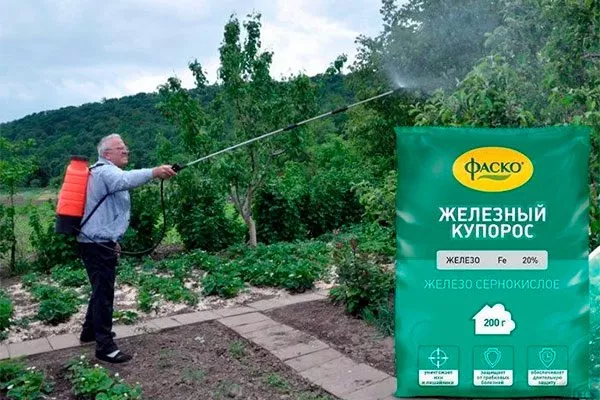
For treating apple trees, it is recommended to use a specialized sprayer. Detailed instructions for this procedure are provided below:
- Install a nozzle on the sprayer that provides a fine spray of the solution.
- Prepare a sturdy stepladder for safely accessing the upper tiers of tall trees. Be sure to wear personal protective equipment: goggles, a respirator, and gloves.
- Carefully inspect the apple tree for any damage to the bark, lichen, or moss growth.
- Prepare a working solution of the required concentration immediately before use and do not store it.
- Carefully pour the prepared solution into the sprayer tank, avoiding spills.
- Spray the solution evenly over all parts of the tree, including branches, trunk, and crown, ensuring complete coverage. Maintain the recommended distance between the sprayer nozzle and the apple tree being treated, which should be at least 80 cm.
- After spraying, thoroughly rinse all parts of the tool with clean running water.
Copper
Spraying is recommended in the morning or evening for optimal results. Atmospheric conditions should be calm and wind-free. Temperatures should range from 5°C to 25°C to ensure the product's effectiveness.
Follow the rules:
- Before treatment, prepare the sprayer and working solution according to the manufacturer's instructions. Wearing personal protective equipment to prevent contact with the product is mandatory.
- Carefully pour the resulting mixture into the sprayer. Spread the solution evenly over the entire surface of the tree's crown and trunk, paying attention to each section.
- Carefully treat all cuts, damage and wounds on the tree to ensure protection from infections and pests.
General pros and cons of use
Proper application of iron and copper sulfate helps apple trees maintain health, increase disease resistance, and survive the winter safely. The key is to adhere to recommended concentrations, consider the seasonality of treatments, and apply them in suitable weather conditions.