
The apple tree is one of the most popular and ancient fruit trees cultivated by humans. Apple tree varieties differ in origin, appearance, fruit flavor, and resistance to climate conditions and diseases. Understanding the pedigree and classification of varieties helps gardeners, breeders, and hobbyists select suitable plants.
Historical background
The apple tree is considered one of the oldest fruit trees, accompanying humans since ancient times. Archaeological finds of wild apple seeds date back to the Neolithic era, approximately 6,000-7,000 years ago. Even then, the fruits were eaten raw, dried, and used to make beverages.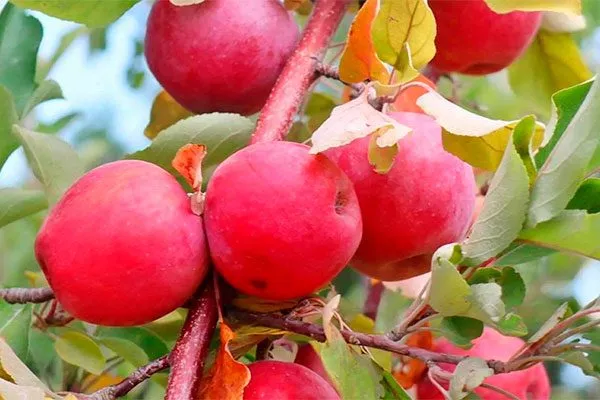
The first attempts to domesticate the apple tree were associated with the regions of Central Asia, where the wild Sievers apple, the ancestor of most modern varieties, grows. It was here that the tradition of cultivating and selecting trees with sweeter and larger fruits began.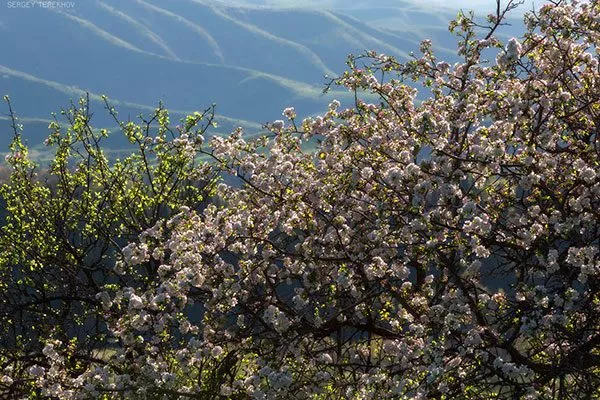
Spread of cultivated varieties in Europe and Asia
From Central Asia, the apple tree gradually spread west and east thanks to trade routes, including the Silk Road. In the ancient world, apples were prized as a symbol of fertility and beauty: they are mentioned in Homer and ancient Greek mythology.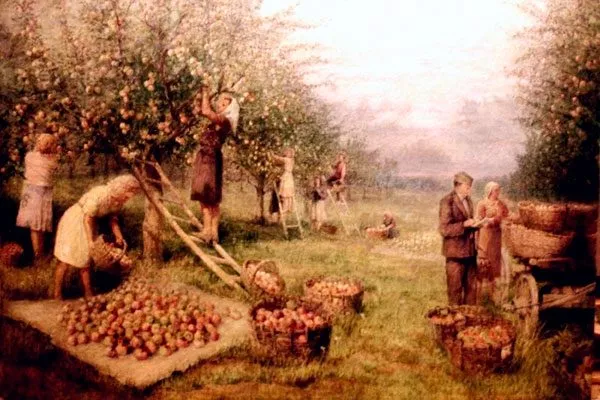
Other features:
- In Ancient Rome, apple orchards were widespread, and Roman agronomists were already engaged in the systematic breeding of varieties and described grafting methods.
- In the Middle Ages, the apple tree became an integral part of the monastery gardens of Europe, where monks were actively involved in the preservation and propagation of varieties.
- At the same time, in the East, in China, apples had cultural and symbolic significance, and in Japan, from the 18th century, active selective development of the crop began.
- Gradually, the apple tree took a leading position among fruit trees in temperate latitudes, thanks to its unpretentiousness, versatility of fruits, and high productivity.
The world's most important apple-producing regions
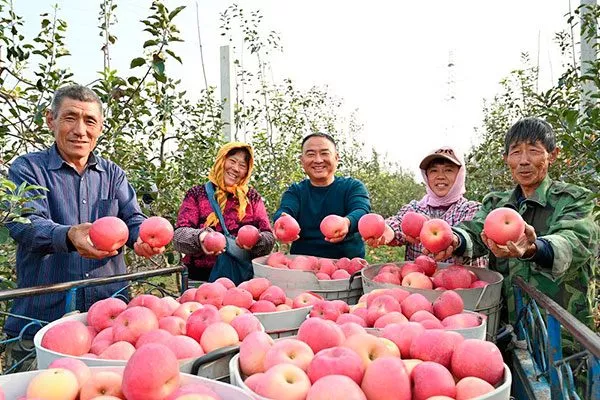
Today, the apple tree is one of the leading fruit crops on the planet. The largest regions of its production are concentrated in:
- China – the absolute leader in terms of apple production, accounting for more than half of the world's harvest;

- USA – especially Washington state, known for its industrial gardens;
- Europe – Germany, Poland, France and Italy are the largest producers, actively exporting apples;
- Russia and the CIS countries – The apple tree traditionally occupies an important place in horticulture due to its resistance to climatic conditions and rich variety base;
- New Zealand and Chile – important players in the global market, supplying apples to the Northern Hemisphere during the off-season.
Main characteristics and classification criteria
Apple tree classification is based on a set of characteristics that allow us to distinguish between varieties and assess their economic value. Let's look at the key criteria.
Appearance of the plant
Different varieties of apple trees vary in growth rate and crown shape. Distinguishing characteristics:
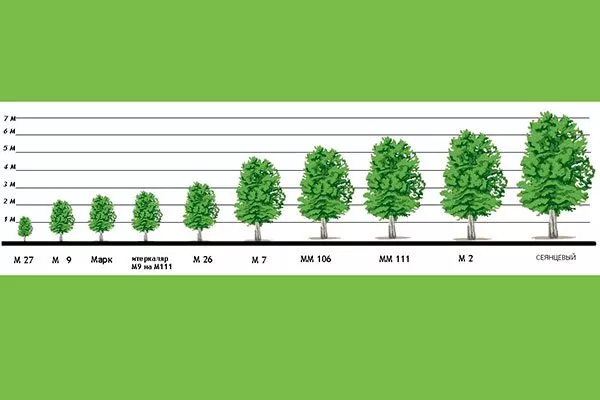
- Tree size varies from vigorous (up to 8-10 m) to dwarf and semi-dwarf forms suitable for intensive gardens.
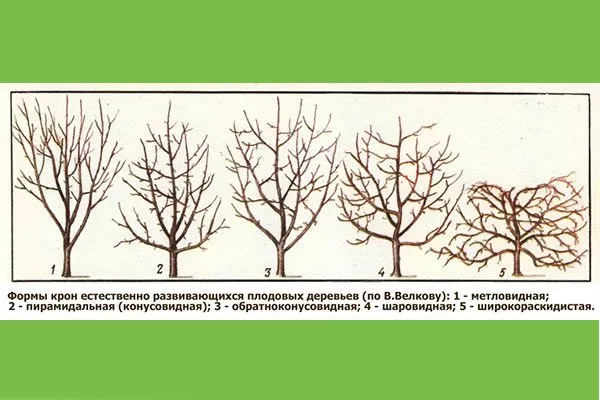
- Crown shape It can be round, pyramidal, spreading or columnar, which affects the planting density and ease of care.
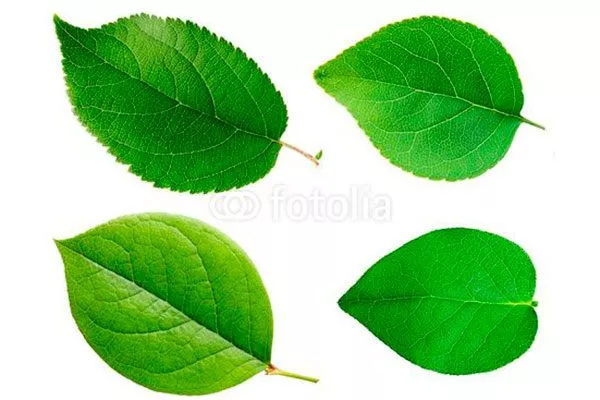
- Leaf blade differs in color (from light to dark green), size and degree of pubescence, which is also taken into account in varietal identification.
Fruit
Fruit is the primary focus of selection and the cultivar's primary characteristic. Detailed description:
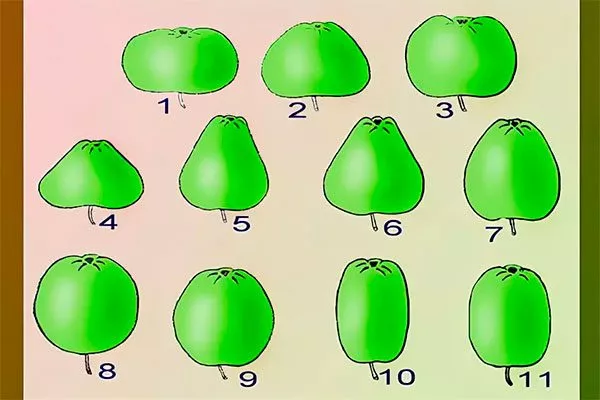
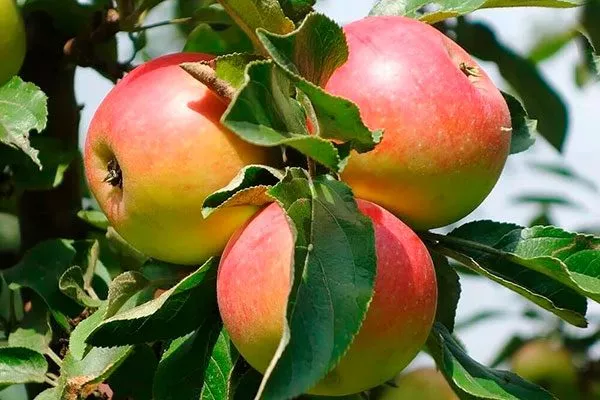
- Form The apple's skin can be round, elongated, flat-round or ribbed.
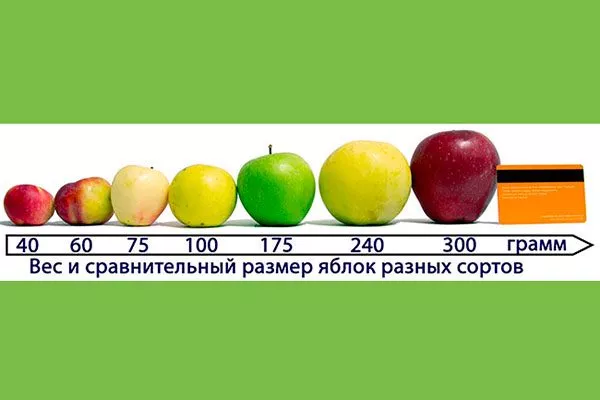
- Size ranges from small (50-70 g) to very large (over 300 g).
- Peel coloring extremely diverse: from green and yellow to red, burgundy or striped.
- Taste characteristics include sweetness, acidity, juiciness, and aroma. Some varieties have spicy or honeyed flavors.
Adaptation to environmental conditions
Different apple tree varieties have varying degrees of resistance to climate factors. Characteristic features:
- Frost resistance determines the possibility of cultivation in northern regions. Varieties with high winter hardiness can tolerate temperatures down to -40°C.
- Drought resistance important for southern regions where summers are hot and dry.
- Light-loving affects the yield: in the shade, apple trees produce fewer fruits, and their quality decreases.
Flowering and harvest period
Varieties are divided into groups based on their development time. Flowering can be early, mid-season, or late, which is important for zoning and preventing the risk of spring frosts.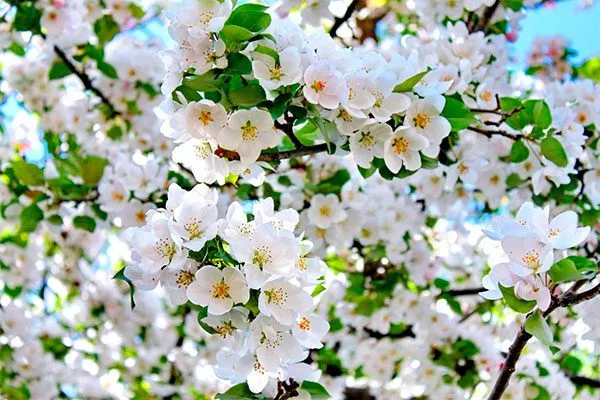
Fruit ripening also varies. The following are distinguished:
- summer varieties (ripen in July-August);
- autumn (September–October);
- winter - stored and reach consumer maturity in winter and spring.
Resistance to pests and diseases
Breeding is aimed at creating varieties with high resistance to biological stress. Many modern hybrids are resistant to apple scab, one of the main diseases of apple trees.
Some varieties have increased tolerance to powdery mildew, codling moth, and spider mites. These qualities reduce the need for chemical treatments in gardens, which is especially important for organic gardening.
Classification of apple tree varieties
Apple trees range in diversity, encompassing thousands of varieties, differing in origin, biological characteristics, and geographic distribution. For ease of reference, several main approaches to their classification are distinguished.
Biological classification
Botanically, the apple tree belongs to the genus Malus of the Rosaceae family. The genus comprises over 30 species, the most significant of which are:
- domestic (Malus domestica) - the main species, including the overwhelming majority of cultivated varieties;
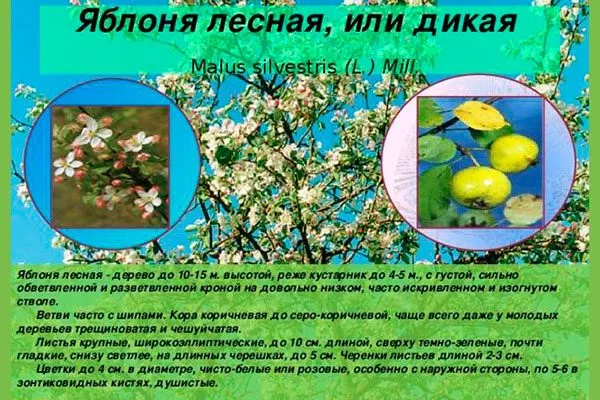
- forest (Malus sylvestris) - a wild European species that gave rise to a number of ancient varieties;
- Siberian (Malus baccata) - a source of winter hardiness and resistance to adverse conditions;
- Sievers's (Malus sieversii) - the most ancient ancestor of modern apple trees, common in the mountains of Central Asia.
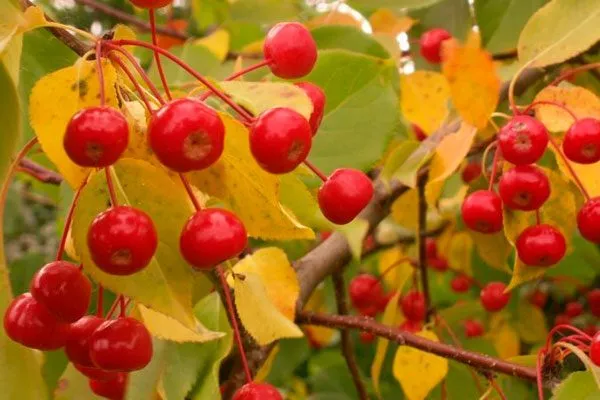
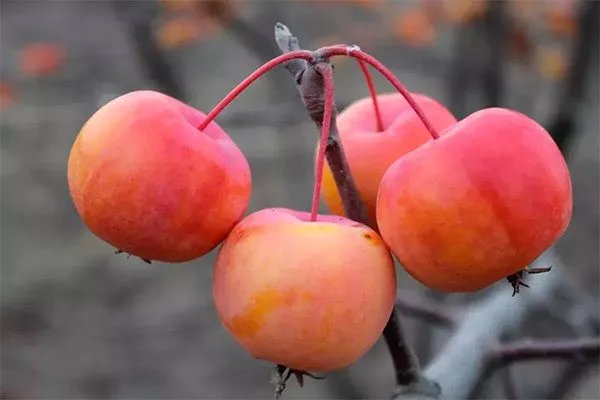
Within these species, thousands of varieties have been developed, which are classified by:
- ripening periods (summer, autumn, winter);
- household purposes (table, technical, universal);
- biological characteristics (dwarf, columnar, decorative).
Geographical classification
Regional classification of apple varieties reflects the climate, soil, and gardening traditions of different countries and continents.
European varieties
Europe has given the world many classic apple varieties that remain in demand today. The most popular are:
- Antonovka. One of the most recognizable varieties in Eastern Europe, it boasts large, sweet-tart fruits with a strong aroma. It stores well and is used for both fresh consumption and processing.
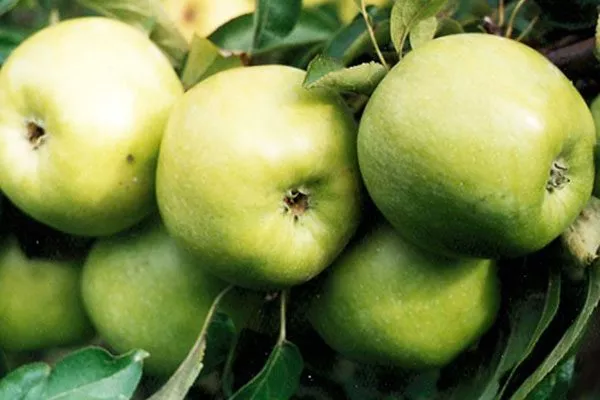
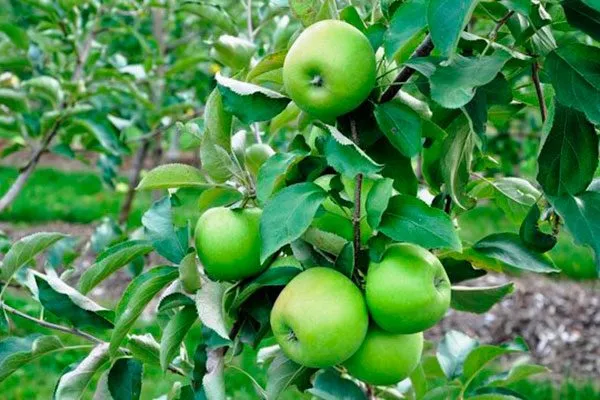
- Renet Simirenko. An ancient variety with green skin and tender, sweet flesh. It has a long shelf life and is popular in southern regions.
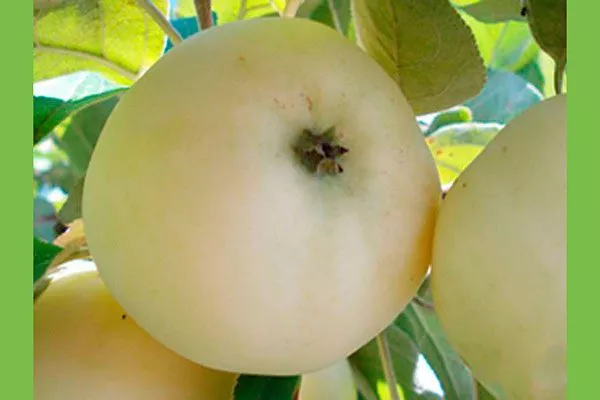
- Snowy Calville. A French variety known since the 17th century. The fruits are medium-sized, white, very aromatic, and have a spicy flavor. Valued for their dessert qualities.
- Saffron pepin. A Russian-bred variety with yellow-red fruits. It has a balanced sweet-tart flavor and good shelf life.
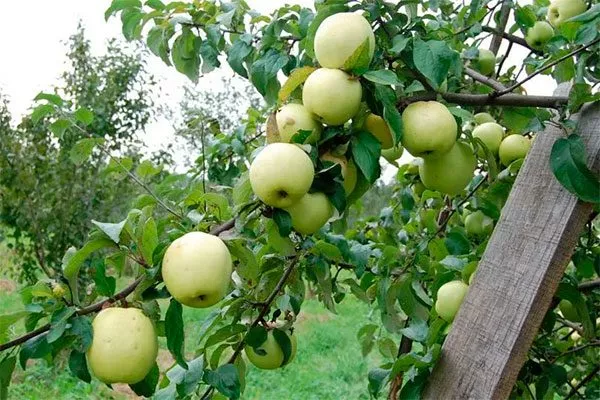
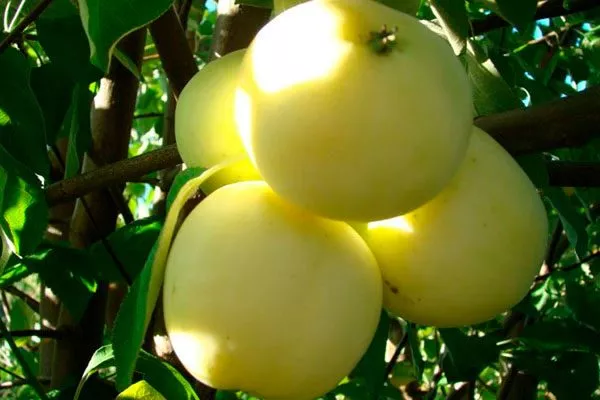
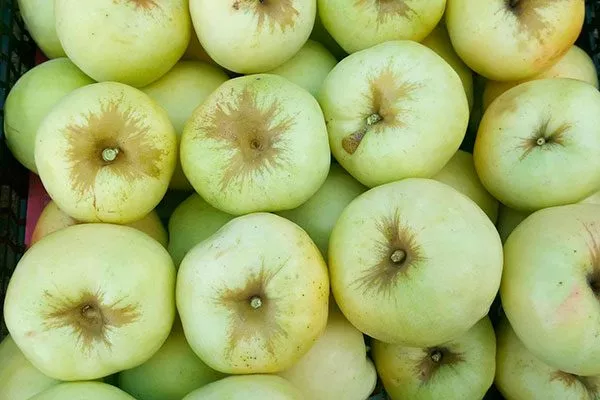
- White filling. An early summer variety known for its tender, slightly tart flesh. Popular for fresh eating, but does not store well.
American varieties
The United States and Canada have become the birthplace of industrial varieties aimed at the mass market and export. The best varieties are:
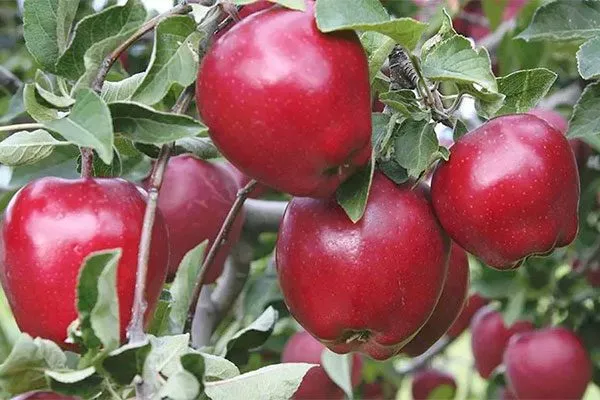
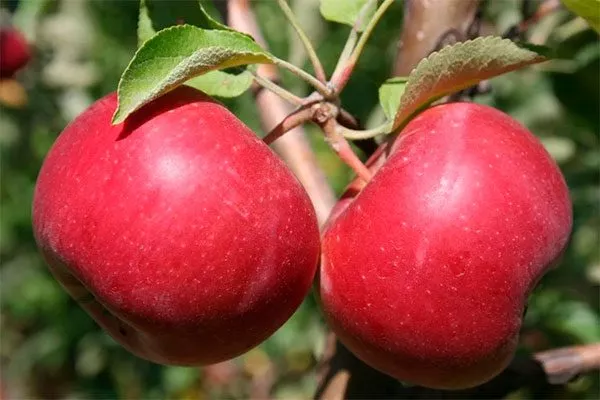
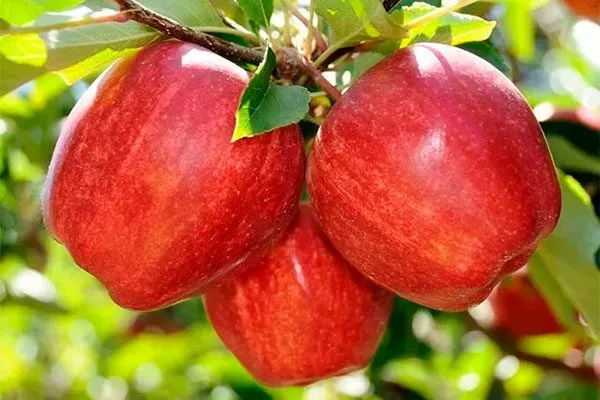
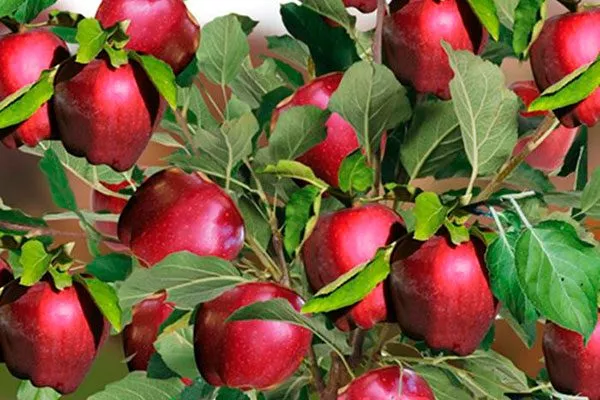
- Red Delicious. Bright red, large apples with a thick skin. They keep well but have a moderate flavor. Popular for their attractive appearance.
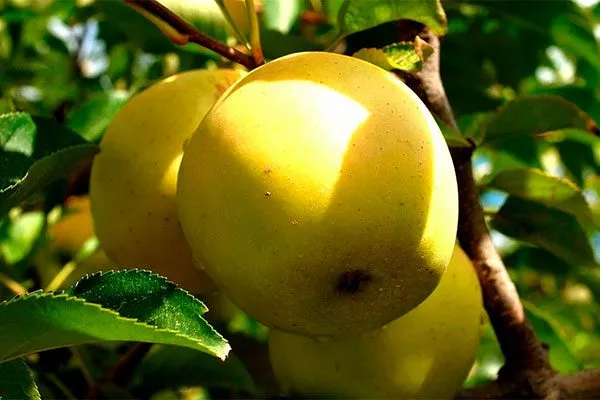
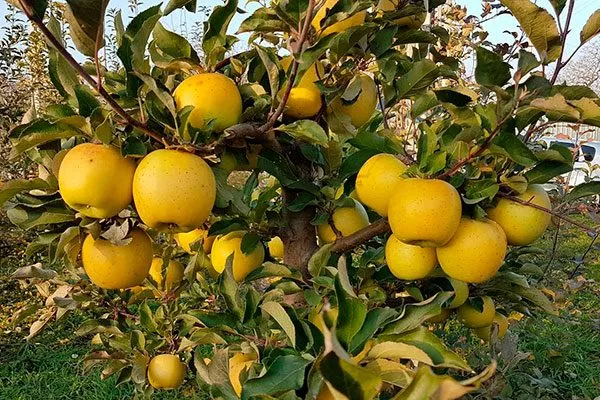
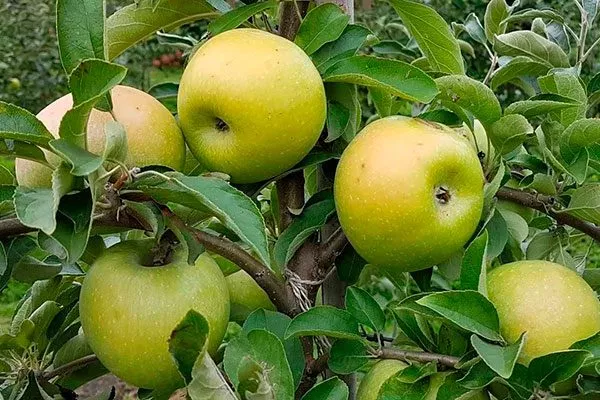
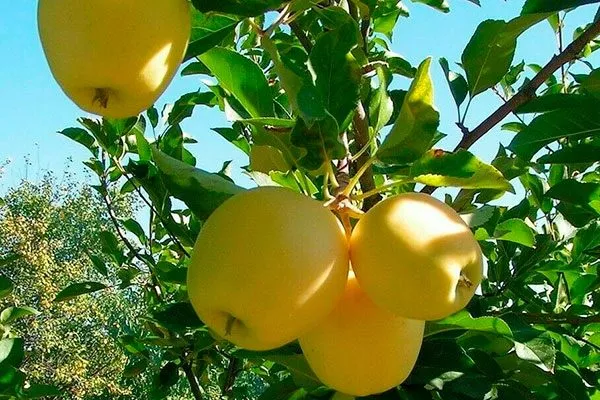
- Golden Delicious. Golden-yellow apples with a harmonious, sweet flavor. A versatile variety, suitable for both eating and cooking.
- Jonathan. Medium-sized apples with a sweet and sour flavor and a vibrant aroma. Suitable for processing and fresh consumption.
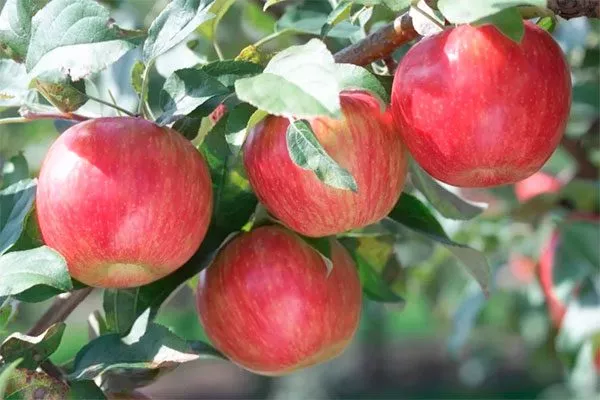
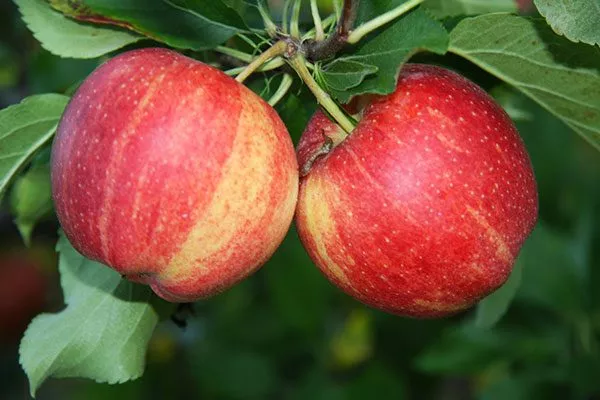
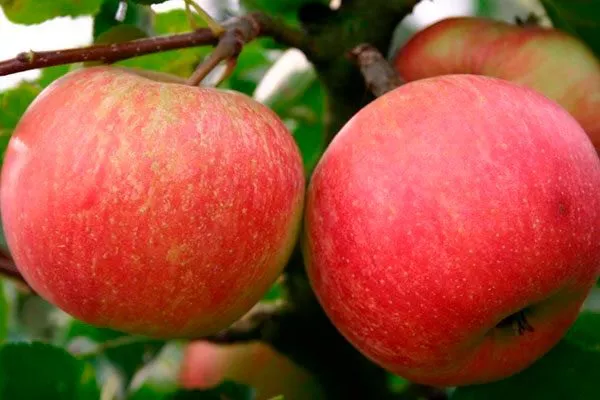
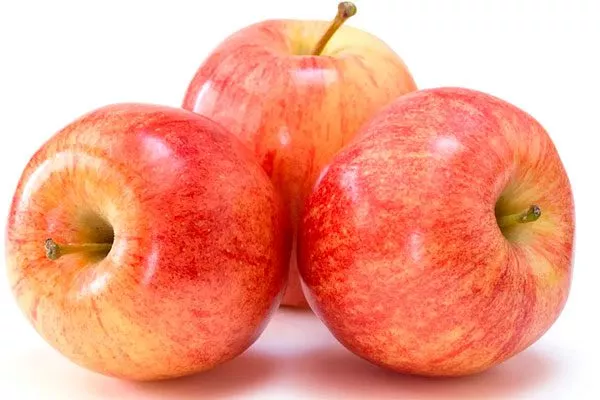
- Gala. A New Zealand-American hybrid that has gained worldwide recognition. The fruits are sweet, crisp, and have reddish-orange skin.
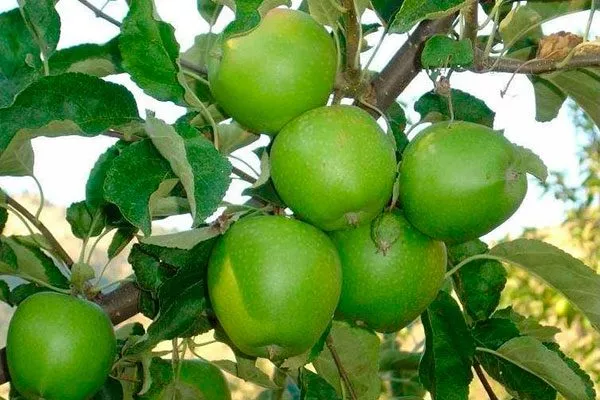
- Granny Smith. An Australian variety widely grown in the United States, it features green skin and a distinctly tart flavor. It's excellent for storage and cooking.
Asian varieties
Asia is the homeland of the apple tree's wild ancestors and the center of the development of unique varieties. Popular varieties include:
- Fuji (Japan). One of the most popular varieties in the world. The fruits are very large, sweet, with dense, crisp flesh. They have a long shelf life.
- Aiwan (China, Central Asia). A variety with rounded fruits, bright colors, and a distinct sweetness. It tolerates transportation well.
- Idared. A popular variety with medium-sized red apples. It boasts a long shelf life and versatility.
- Niyasa (Kazakhstan). A variety native to the Sievers apple region, it combines ancient genetics with excellent flavor.
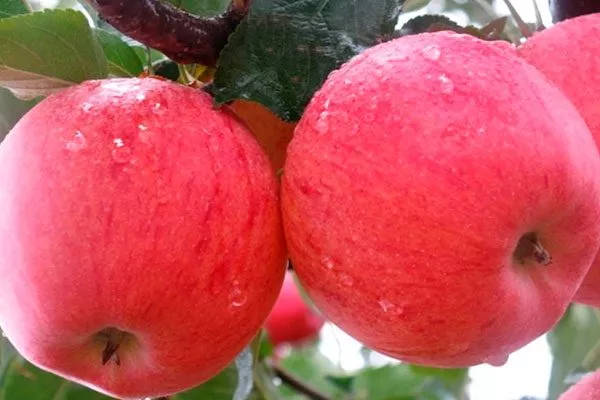
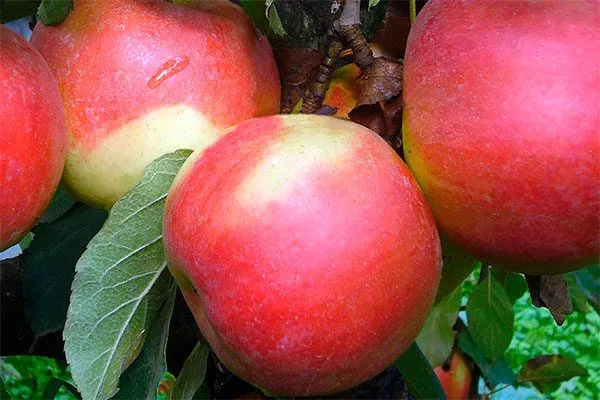
Russian varieties
Russia is renowned for its winter-hardy varieties that withstand harsh climates and produce consistent harvests. The following varieties are popular among gardeners:
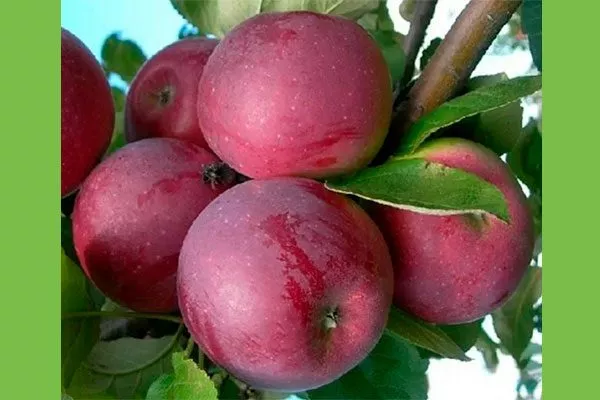
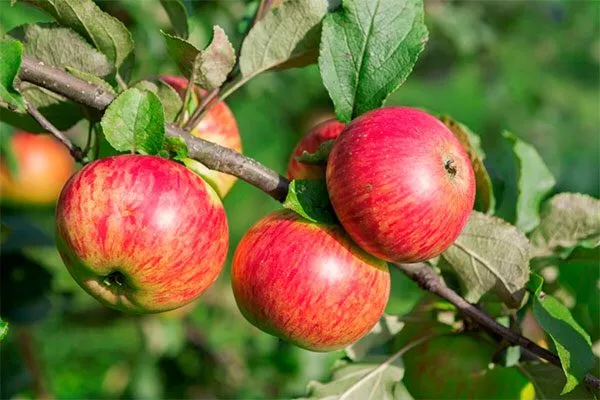
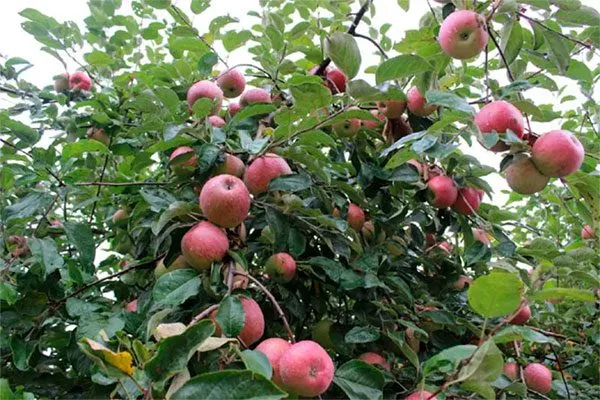
- Antonovka. A symbol of Russian orchards, it is characterized by its undemanding nature and high yield. Its apples are aromatic, tart, and ideal for processing.
- Moscow pear. An early-ripening variety with medium-sized fruits that are sweet with a slight tartness. Popular in central Russia.
- Orlik. A winter variety with a reddish-yellow color and a sweet and sour flavor. It stores well and is valued for its disease resistance.
- Lungwort. A summer variety distinguished by its very sweet, honey-like apples. Suitable for fresh consumption.
- Zhigulevskoe. A large-fruited autumn variety with red skin. Characterized by high yields and a pleasant sweet and sour flavor.
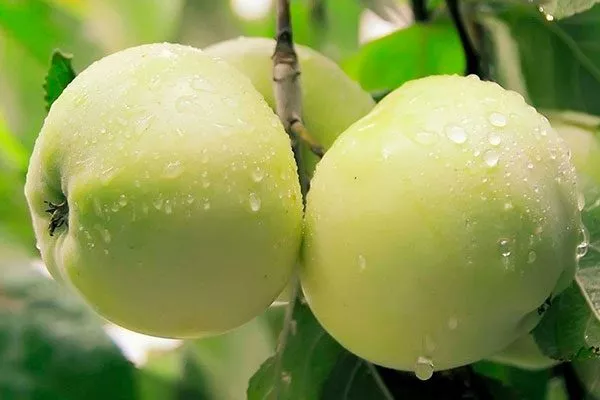
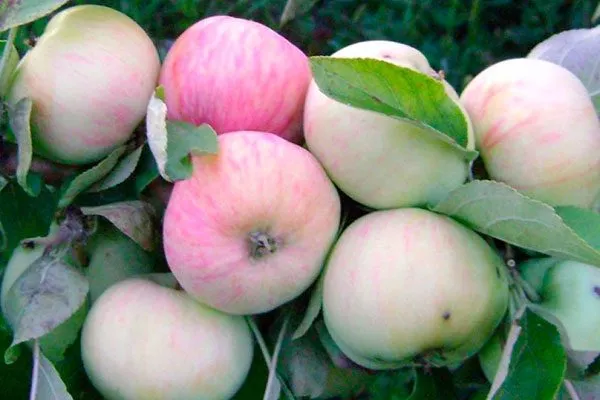
Classification by purpose of fruit use
Apple varieties differ not only by origin and growing location, but also by the intended use of their fruit. Some apples are best suited for fresh consumption, others for processing, and still others are versatile and can be used in a variety of ways.
This classification allows gardeners, processors and consumers to choose the right varieties depending on their needs.
Dessert varieties
These varieties are prized for their harmonious flavor, aroma, and attractive appearance. They are eaten fresh.
Best options:
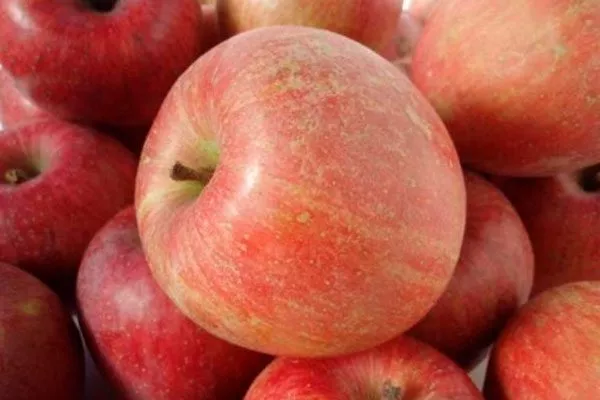
- Fuji. A Japanese variety with large, very sweet, and juicy fruits. It boasts a long shelf life.
- Gala. A variety with crisp, sweet flesh and beautiful coloring. One of the most popular on the global market.
- Saffron pepin. A Russian variety with a sweet-tart flavor and a strong aroma. It stores well and is used as a dessert apple.
- Golden Delicious. A variety with golden-yellow skin and a delicate, sweet flavor. It's versatile, but most often used as a dessert fruit.
Technical grades
The main purpose of these varieties is processing into juices, cider, purees, and preserves. They are characterized by a pronounced acidity and rich flavor.
Popular varieties:
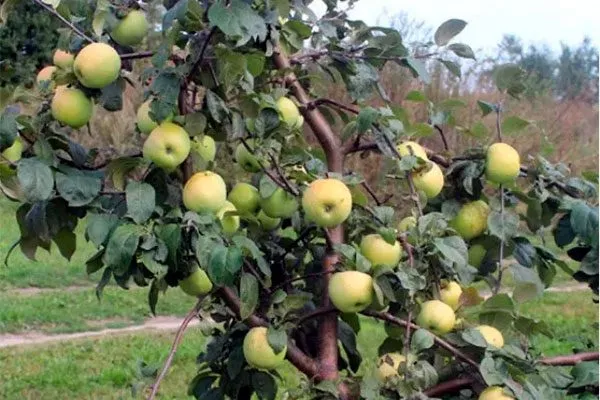
- Antonovka. A classic Russian variety, ideal for jam, juice, and pickling. The apples are large, aromatic, and intensely tart.
- Granny Smith. Characterized by fruits with a distinctly sour taste, it is widely used for cooking and processing. It retains its flavor well during cooking.
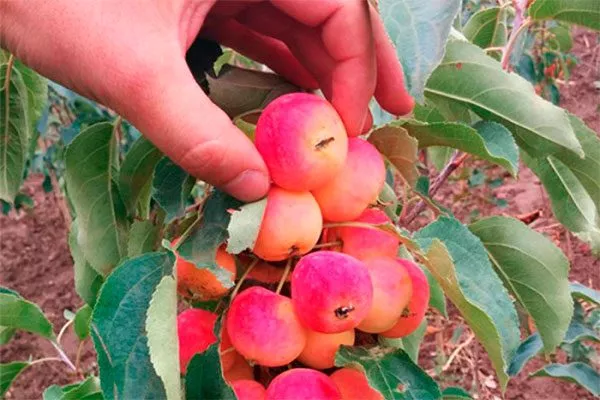
- Chinese woman (paradise). A small-fruited variety rich in acids and pectin. Used for making jams, pastilles, and cider.
- Renet Simirenko. It is characterized by a delicate taste and is well suited for processing into juices and canning.
Universal varieties
These varieties combine dessert and industrial qualities: they can be eaten fresh or used in processing. Gardeners note the following versatile varieties:
- Orlik. A Russian variety with a pleasant sweet-tart flavor. These apples are suitable for eating, compotes, and juices.
- Idared. A winter variety distinguished by its long shelf life. The apples are eaten fresh and used for juices and purees.
- Zhigulevskoe. A large-fruited variety with red skin, juicy and sweet-and-sour flavor. Good for eating and processing.
- White filling. Early variety: fresh apples are consumed in summer, and the surplus is used to make jam, compotes and juices.
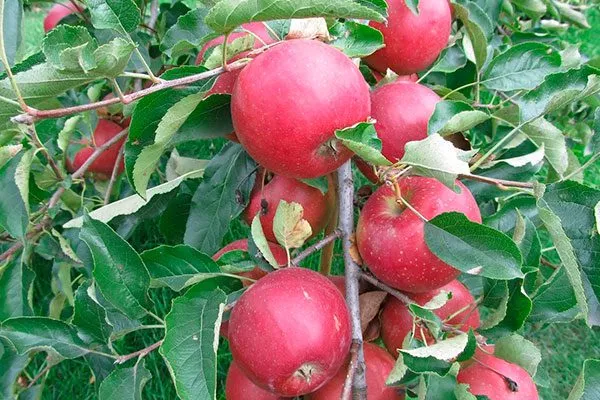
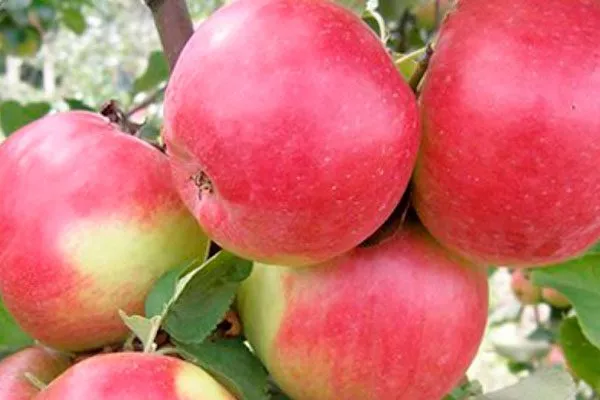
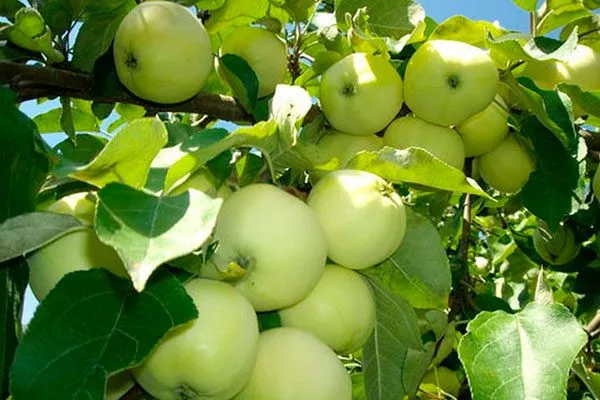
Types and groups of apple trees
The apple tree is a highly diverse plant, comprising wild species, semi-wild forms, and cultivated varieties. Dividing the trees into groups helps us understand how modern garden apple trees are related to their wild ancestors and what characteristics they have inherited.
Wild species
Wild plants are the natural ancestors of all cultivated varieties. They survive in forests and the wild, playing an important role in selection and maintaining genetic diversity.
Popular types:
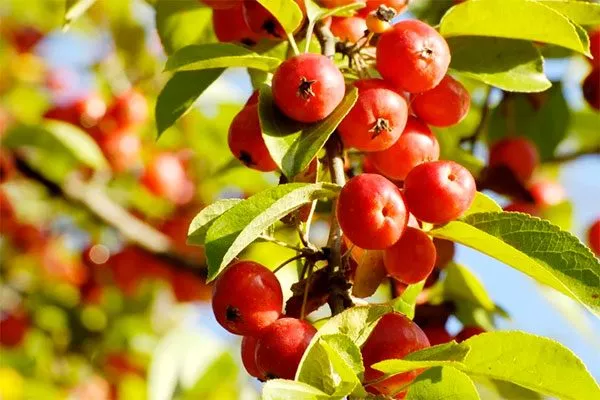
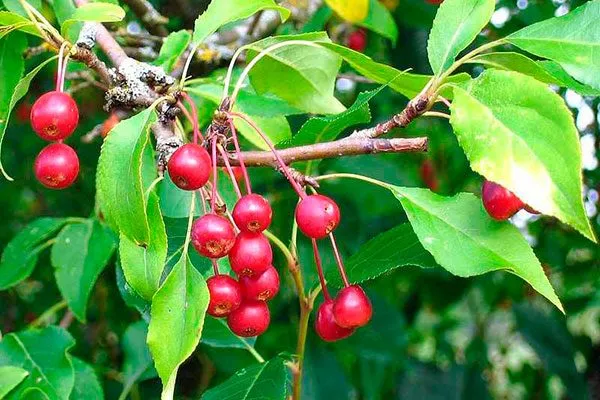
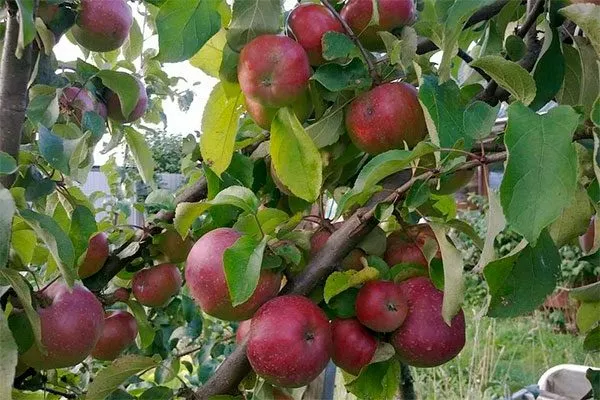
- Malus sylvestris. European wild apple. A wild species with small, sour fruits. Considered the ancestor of many ancient European varieties.
- Malus baccata. Siberian apple tree. Characterized by high winter hardiness and tolerance to harsh climatic conditions. Often used in breeding to improve frost resistance in cultivated varieties.
- Malus sieversii. Malus sieversii, native to Central Asia, is considered the main ancestor of modern cultivated apple trees. Its fruits vary in size and flavor, from tart to sweet.
Semi-wild forms and intermediate groups
This group includes varieties that arose through natural crossings of wild species with cultivated varieties. They are often used as intermediates in breeding.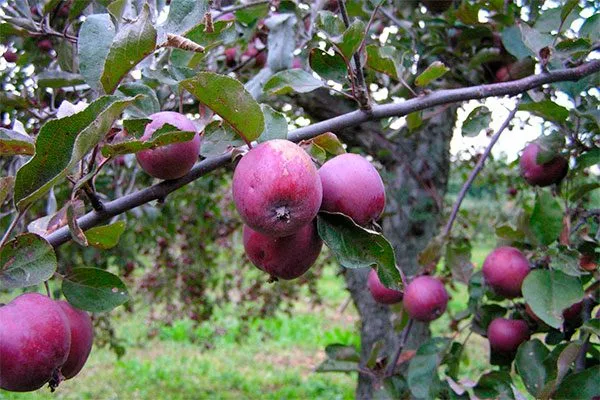
They are partially adapted to natural conditions, retaining the winter hardiness of wild species. The fruits are medium to small, with a sweet and sour flavor. They are used to develop new varieties with improved qualities:
- disease resistance;
- frost resistance;
- durability of wood.
Cultivated varieties
Cultivated apple trees include varieties created by humans and adapted for horticulture and commercial cultivation. They are distinguished by their large, tasty fruits, high yields, and marketability.
Main types:
- Antonovka – Russian variety with aromatic sweet and sour fruits, well suited for processing and storage;
- Red Delicious - an American variety with large, bright red fruits, popular on the world market;
- Golden Delicious - sgolden-yellow apples with tender sweet flesh, universal for eating and processing;
- Fuji - Japanese variety, very sweet large apples with a long shelf life;
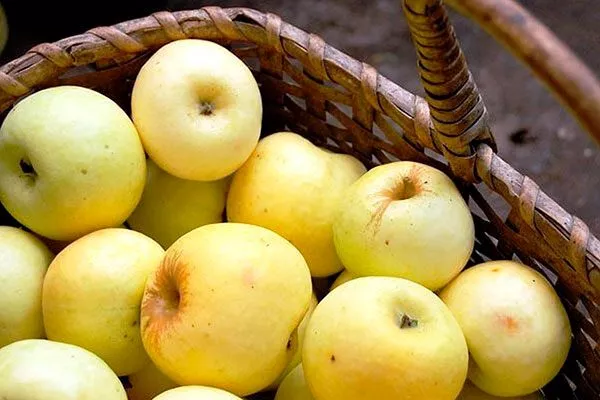
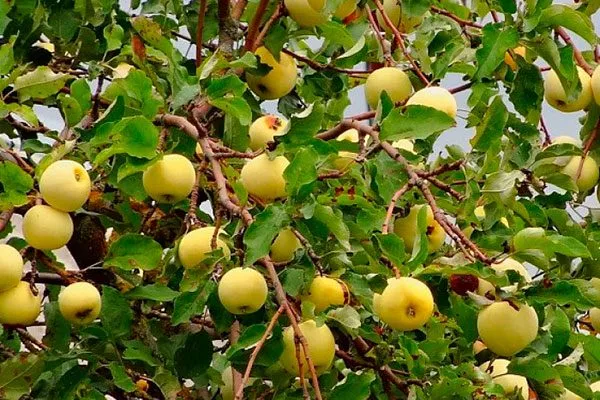
- White filling – An early variety, eaten fresh and suitable for jam and juices.
Features of selection and hybridization
Apple tree breeding is aimed at creating new varieties with improved qualities: high yield, tasty fruit, disease resistance, and adaptation to various climatic conditions.
Over the past centuries, breeding methods have developed significantly, allowing for the development of thousands of modern varieties in demand throughout the world.
Methods for creating new varieties
Breeders use a variety of approaches. Each method is aimed at solving specific problems: improving flavor, increasing yield, increasing winter hardiness, or disease resistance.
The main methods include:
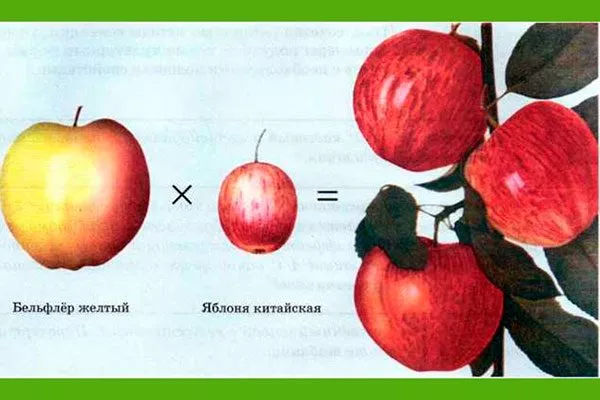
- Hybridization. The classic method of crossing two varieties with desired traits. For example, Red Delicious x Golden Delicious produced new varieties with improved flavor and marketability.
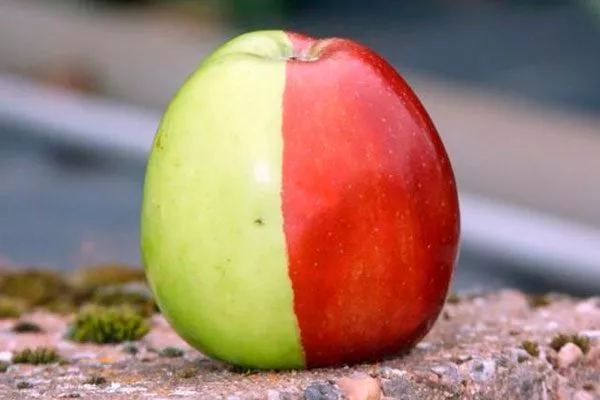
- Mutagens. Exposure to chemical or physical factors (such as radiation) to produce new mutations. Sometimes, such seedlings can produce unique fruit colors or improved winter hardiness.
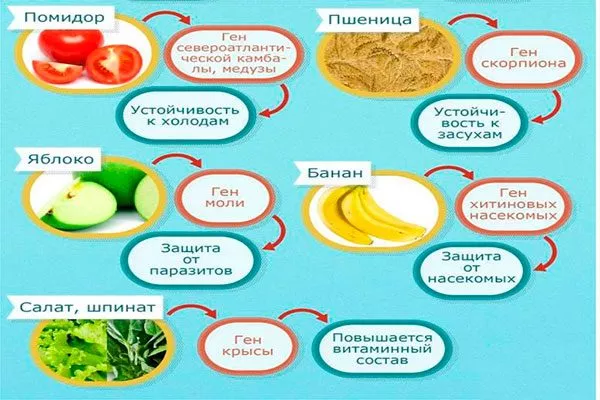
- Genetic engineering. A modern method that allows for the targeted introduction of specific genes, for example, for scab resistance or increased fruit sugar content. It is widely used in research centers, but commercial varieties are still limited.
Examples of successful varietal achievements
Modern breeding has yielded a number of varieties that have become benchmarks for yield, flavor, and marketability. The most well-known are listed below:
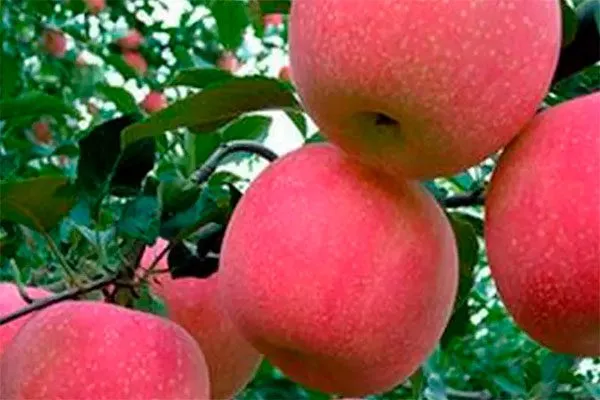
- Fuji - the result of Japanese selection, a large-fruited, sweet variety with excellent keeping quality;
- Gala - bred on the basis of hybridization of European and American species, popular all over the world due to its taste and commercial appearance;
- Imrus - Russian variety with high immunity to scab, bred for industrial gardening;
- Idared – A winter-hardy variety, universal in use, the result of the work of international breeders.
Problems of modern breeding
Despite these advances, apple breeding faces a number of challenges. To ensure new varieties are competitive, it's important to consider several factors affecting quality and yield.
Among the main problems:
- Resistance to diseases and pests. New varieties must maintain high productivity even under unfavourable conditions.
- Productivity and stability of fruiting. Modern varieties should produce regular harvests despite weather fluctuations.
- Taste qualities and marketability of fruits. The combination of sweetness, sourness, aroma and attractive appearance is important for apples to be in demand on the market.
Popular modern varieties
Modern apple trees are developed with taste preferences, commercial fruit quality, and adaptation to various climatic conditions in mind. Below are the most well-known varieties with detailed characteristics:
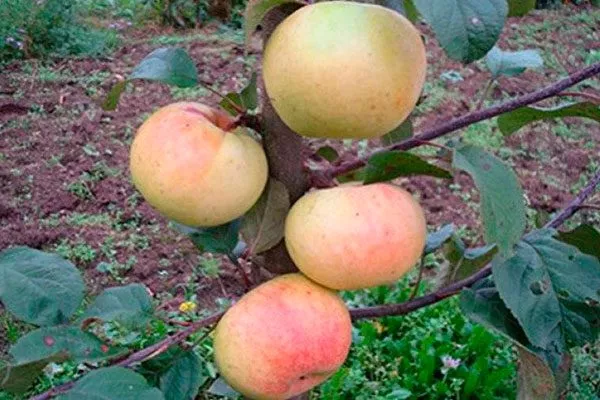
- Antonovka. A medium-sized tree (up to 4-5 m) with a broad, rounded crown. The apples are medium-sized, weighing 120-180 g, round, green with a yellowish tint, sweet and sour, and aromatic. They store well and are suitable for fresh eating and processing.
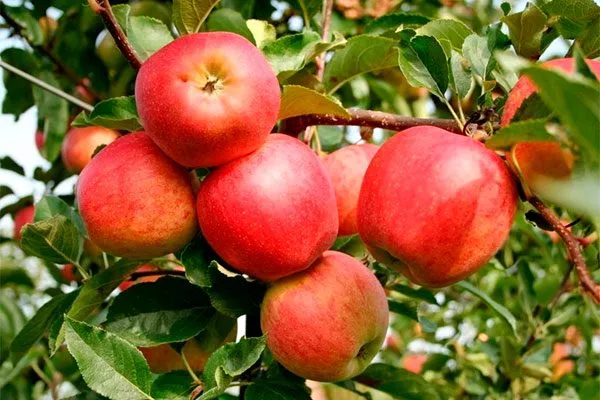
High winter hardiness, moderate resistance to scab. Ripening period: late September. - Gala. The plant is medium-sized (3-4 m), with a compact, broadly rounded crown. The apples are small to medium, weighing 120-160 g, round-conical, reddish-yellow with a striped blush. The flesh is crisp, sweet, and aromatic.
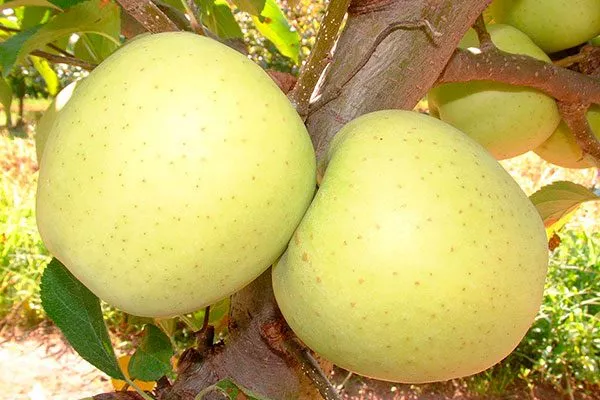
Average winter hardiness, resistance to most common diseases. Ripens in early September. - Golden Delicious. The tree is tall (4-6 m), with a pyramidal or broadly rounded crown. The fruits are large, 180-250 g, oval-conical, golden-yellow, sweet, and have tender flesh.
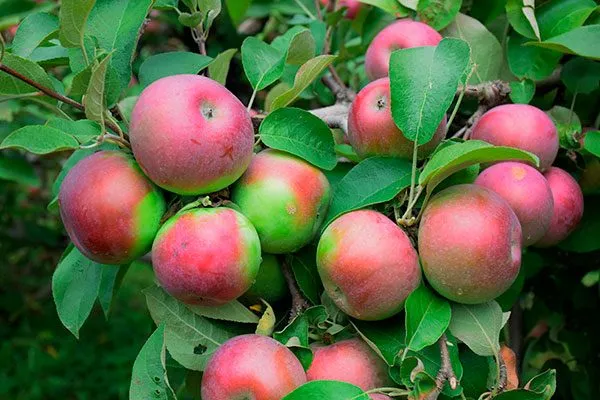
A versatile variety: suitable for fresh consumption and processing. Requires good care and has average disease resistance. Ripens in October, the fruit stores well and transports well. - Mac. The plant is medium-sized (3-4 m) with a rounded crown. The fruits are medium-sized, weighing 130-160 g, round or slightly flattened, and red-green. The flesh is juicy, aromatic, and sweet-tart.
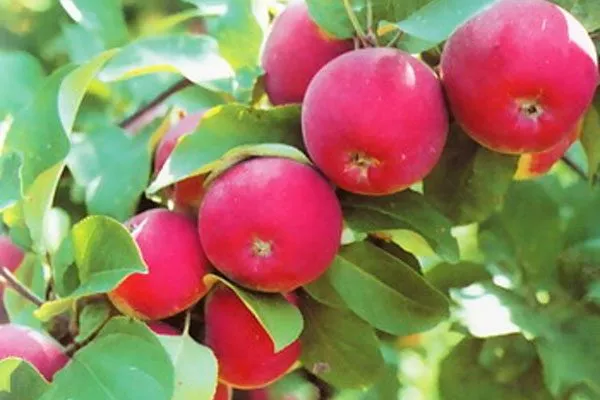
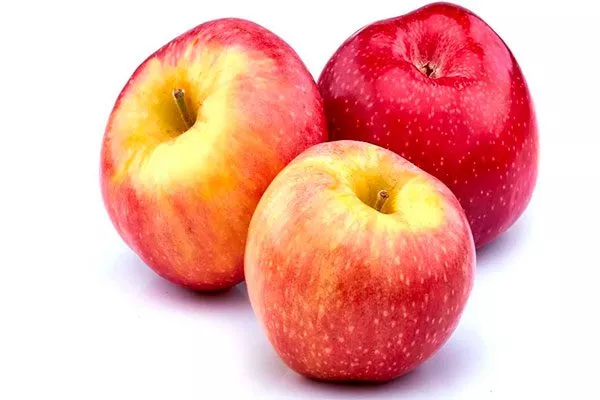
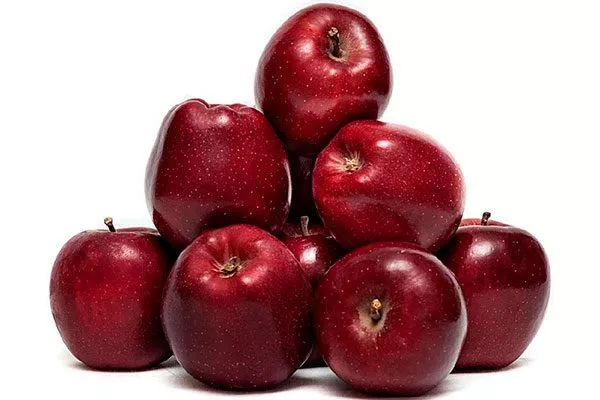
Moderately winter-hardy, the fruits ripen quickly in September and have a short shelf life. They are suitable for fresh consumption and juice production. - Red Delicious. A tall tree (4-6 m) with a pyramidal or rounded crown. The apples are large, 200-250 g, cone-shaped, bright red, sweet, and firm.
It boasts high marketability and an attractive appearance. It has average disease resistance and ripens in late September to early October.
The pedigree and classification of apple trees reflect the rich diversity of the crop and its fruits. Knowledge of the origins, biological, and economic characteristics of varieties allows for the proper selection of plants for the garden, their proper care, and the production of a harvest with the desired qualities. Breeders continue to develop new varieties with improved characteristics.