
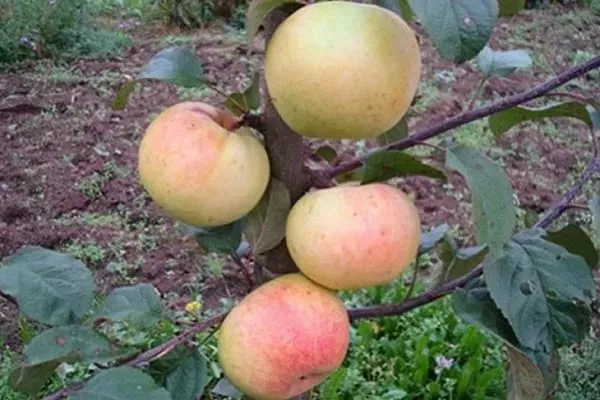
Imrus surprised gardeners with its positive qualities: frost resistance and strong immunity to scab. These characteristics make it an excellent choice for regions with harsh climates. The fruits have excellent flavor with a harmonious balance of sweetness and tartness, and they store well. The variety boasts good productivity and a beautiful appearance.
Breeding history and regions
The Imrus apple tree was bred in 1977 at the All-Russian Research Institute of Selective Fruit Crops (VNIISPK) by crossing the popular Antonovka apple tree with the hybrid OR18T13. Its creators were E. N. Sedov, Z. M. Serova, V. V. Zhdanov, and Yu. I. Khabarov.
In 1989, the variety was submitted for official testing, and in 1996 it was officially included in the State Register of Breeding Achievements of Russia with permission to grow in the Central District and the Central Black Earth Region.
Description and characteristics of the variety
Imrus is a winter-hardy hybrid variety characterized by abundant yields, regular fruiting, and high resistance to scab and other fungal infections. It is grown in small plots on large-scale commercial farms.
What does a tree look like?
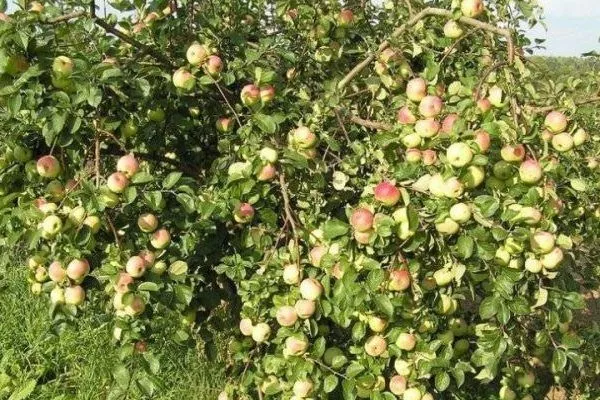
The plant reaches 4-5 m in height and forms a rounded, not too dense crown. Other characteristic features:
- Leaves - Medium-sized, oblong-ovoid with an elongated tip, slightly curled at the ends. The surface is wrinkled, shiny, with softly defined nervation and a rich green hue.
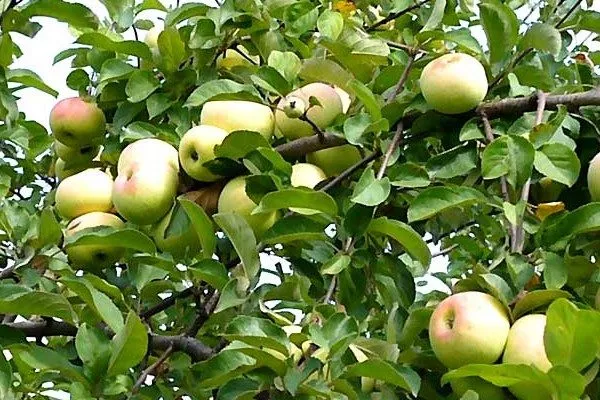
- Skeletal branches – They extend from the trunk at an acute angle, are located rarely and have a curved shape with ends directed upward.
- Escapes – medium thickness, geniculate, with a faceted cross-section, brownish-brown in color, pubescent and covered with numerous lenticels.
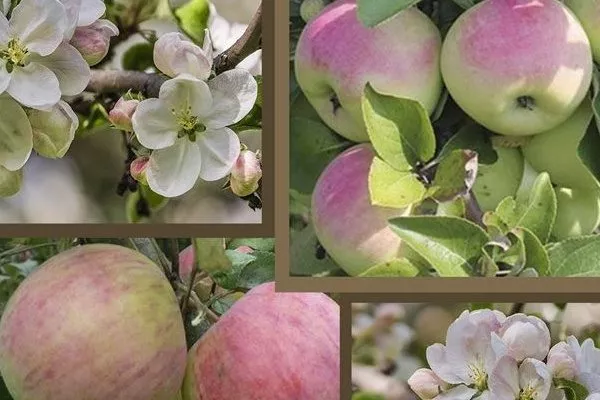
- Flowers – Flat, small, rounded, pink flowers, gathered in saucer-shaped corymbose inflorescences. Petals may be slightly open.
Features of fruits, taste and application
Apples are versatile—they're good both fresh and for processing into juices, purees, and compotes. Description of the fruit:
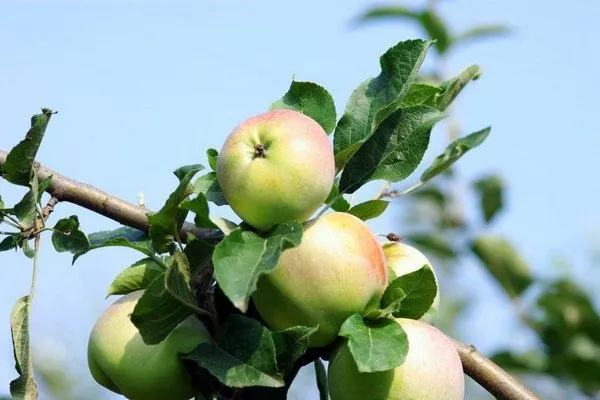
- main color - green, with a brownish-red blush in the form of stripes, strokes and blurred spots, covering about half of the surface;
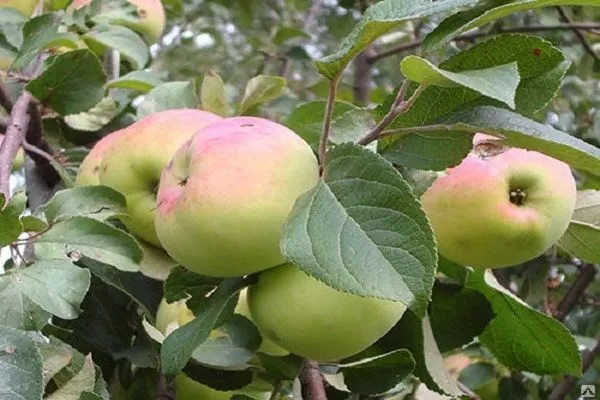
- form - strongly flattened, weakly ribbed, resembling a turnip;
- weight - varies from 150 to 190 g;
- skin – smooth, slightly oily, without signs of rustiness;
- subcutaneous points – small, numerous and clearly visible;
- pulp – dense, juicy, creamy in color;
- taste - sweet and sour;
- aroma – soft and pleasant.
The sugar content exceeds 10%, biologically active substances – 460 mg/100 g. The tasting score of the variety is 4.3-4.4 points.
Resistance to frost and diseases
The apple tree is an easy-to-grow crop. It easily tolerates temperatures down to -38°C to -40°C, even suffering from early frosts, prolonged cold spells, or snowless winters. The key is to ensure the trees are properly prepared for winter.
The variety was developed to be resistant to scab and powdery mildew: its genetics contain the stable immune gene Vf, which provides a high level of protection against fungal diseases.
However, if agricultural practices are severely violated, the plant may suffer from bacterial burn (for example, due to excess moisture) or black cancer if sanitary pruning is not carried out in a timely manner.
Self-fertility and productivity
Yield depends on the growing region, weather conditions, and quality of care. On average, a single tree yields 80-120 kg of fruit, and even in challenging climates, the plant produces consistently.
This is a self-sterile crop: without cross-pollination, only 12-15% of potential fruit sets are produced. Therefore, to ensure a full harvest, plant nearby pollinator apple trees with similar flowering times.
Ripening and fruiting of apple trees
Imrus blooms early, in the first half of May. During this period, the crown is covered with numerous small, pale pink flowers. The tree begins to produce its first apples as early as the third year after planting, but peak productivity is reached by the seventh or eighth year.
Flowering and ripening times may vary depending on weather conditions. The fruit retains its nutritional value until early March if stored properly. The first harvest is usually modest, but in subsequent years the tree consistently produces an abundance of fruit.
Rootstocks and subspecies
The Imrus apple tree's high stress resistance and undemanding growing conditions have allowed it to be successfully grafted onto various rootstocks, producing subspecies with distinct characteristics:
| Rootstock | Peculiarities |
| Semi-dwarf | Apple trees on this rootstock grow no taller than 2-2.5 meters and are characterized by high yields—up to 150 kg per tree. However, they have a short lifespan (10-12 years on average) and require increased attention: protection from drafts, humidity control, regular loosening, and hilling of the trunk area.
Maintain the density of the crown and perform other maintenance activities. |
| Dwarf | These trees reach no more than 1.5 meters in height, begin bearing fruit earlier than usual, and require virtually no fertilizing. They tolerate drought and frost well, take up minimal space, and are ideal for compact gardens. |
| Columnar | The most popular rootstock for Imrus. It has a narrow, upright crown, allowing the tree (up to 2.5-3 m tall) to be covered with apples along its entire trunk. The fruit is easy to harvest, requires minimal maintenance, and side shoots can be simply pruned with pruning shears in April, before the sap begins to flow. |
Landing
To grow the Imrus apple tree, it's important to select the right site and adhere to certain requirements. Follow these recommendations:
- Sandy loam or loamy soils are preferred, loose, well-aerated, and permeable. Black soil is also suitable, but should be improved by adding river sand and a little clay.
- The bed should be sunny, open to the wind, but draft-free. In colder regions, it's best to shelter the seedling from the north by a hedge, wall, or taller tree.
- The plant does not tolerate stagnant water, so avoid growing it near bodies of water, in marshy areas, or in areas with high groundwater levels. In such cases, ensure adequate drainage by lining the bottom of the hole with a layer of gravel, broken brick, or nutshells.
- Plant the seedling separately from other fruit crops, at a distance of at least 5-6 m.
- The best time to grow the plant is in the fall – in October or early November, after the leaves have fallen, but 2-3 weeks before the onset of frost.
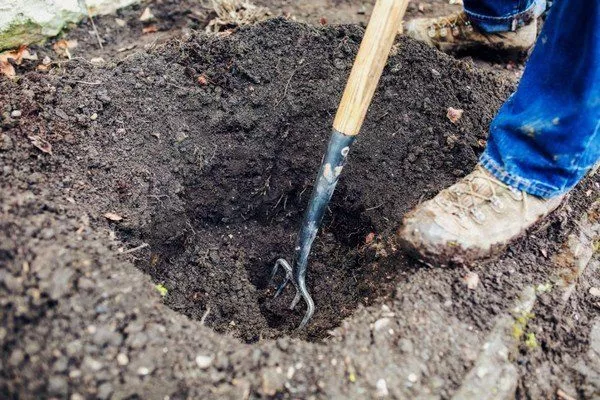
- Prepare the planting hole in advance, at least 2-4 weeks before planting. Fill it with a mixture of soil and fertilizer, then water it. The hole should be 60-80 cm deep and about 1 m in diameter.
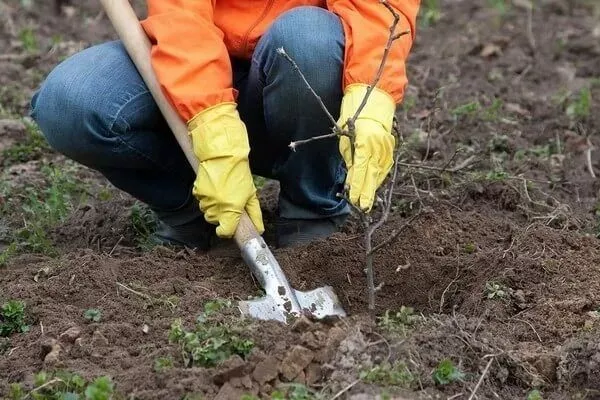
- When planting, the root collar should be 5-6 cm above ground level. Do not compact the soil too much after planting; just lightly tamp it down to maintain airiness.
Immediately after planting, water the tree generously (with about 20 liters of water) and mulch the trunk area with humus and chopped grass.
Tree care
To ensure your apple tree grows healthy and produces a bountiful harvest, take good care of it. Regularly perform basic gardening procedures.
Watering and soil cultivation
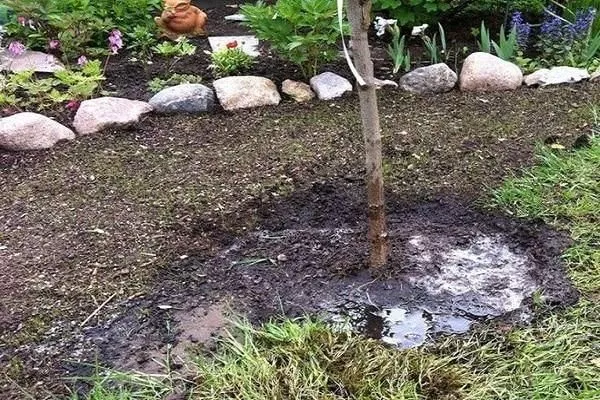
During the first 1-2 years, seedlings require frequent watering – every 5-6 days, 10 liters of water per tree. Once buds form, reduce the frequency to once every 15-20 days. Mature trees should be watered less frequently but more generously – 80-100 liters per plant.
Loosen the soil around the apple tree to allow air to reach the roots, which promotes healthy root development and improves soil permeability. Perform this procedure after each watering or rainfall, carefully breaking up the top layer of compacted soil to avoid damaging the roots.
Weeding helps remove weeds that compete with the apple tree for nutrients and moisture. Regularly removing vegetation reduces the risk of spreading diseases and pests. Mulch the tree's trunk area with sawdust, humus, or compost to retain soil moisture.
Top dressing
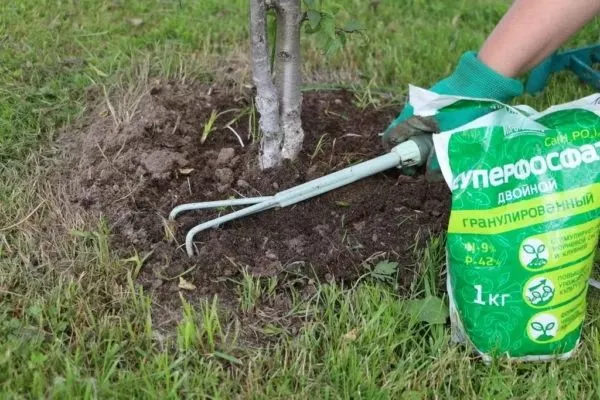
From the third to fourth year, apply complex fertilizers, such as a nitroammophoska solution (1 tablespoon per 10 liters of water). In the spring, organic solutions of chicken manure or mullein are suitable. During the formation of ovaries, superphosphate (50 g per 1 liter of water) is useful.
Crown pruning
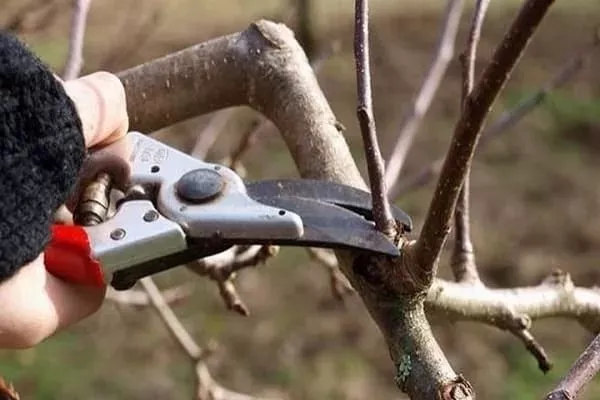
Prune annually in early spring before bud break. Follow these steps:
- remove all dry, diseased, damaged and thickening branches;
- in autumn, thin out the crown and cut off weak shoots;
- In the first year after planting, pick off all the flowers so that the tree does not waste energy on fruiting.
Regular pruning improves light penetration and fruit quality. After 1-2 years, thin the trees: when the fruit diameter reaches 1-2 cm, remove up to 50% of the ovaries—this promotes the formation of larger apples.
Protection from diseases and pests
Moderate watering, timely pruning, and regular fertilizing significantly reduce the risk of diseases in the Imrus apple tree. When problems arise, careful maintenance and treatment with disinfectants are the basis for treatment.
Among the pests that often target this variety are the following:
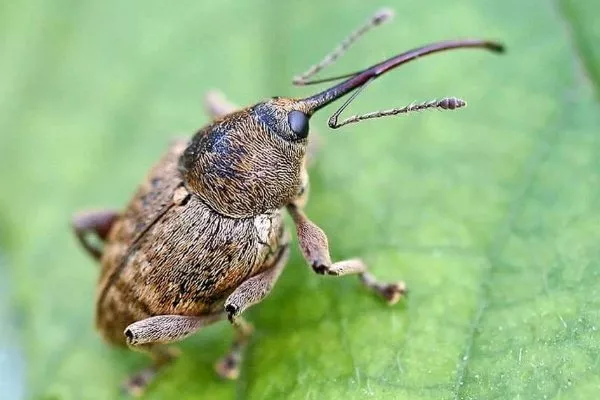
- Apple blossom weevil. Spray the crop with a lime solution about once a week.
- Apple sawfly. It's dangerous to crops. Prevention involves regularly loosening the soil around the tree and treating it with copper sulfate.
- Aphid. The insect can be effectively killed with a soap or soda solution. If this doesn't work, use insecticides such as Twix, Confidor Maxi, or Aktara.
Winter shelter and protection from rodents
During the first two years after planting, the tree will require special attention to ensure it takes root and thrives. By caring for the tree during this stage, you'll ensure consistent harvests and peace of mind for decades to come.
Follow these recommendations:
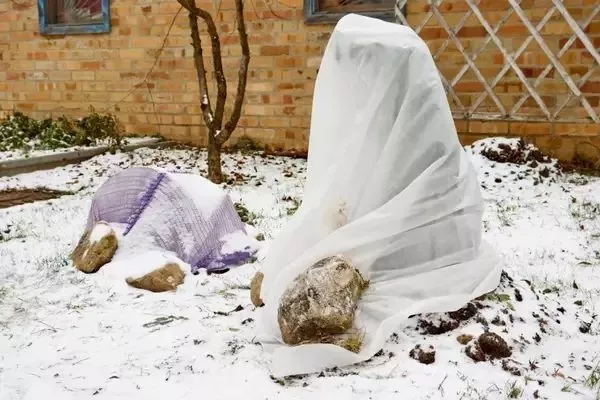
- In winter, it is not necessary to cover the roots and trunks, but especially in northern regions, it is better to cover them with spruce branches for additional protection.
- To repel insects and rodents, whitewash tree trunks with lime and treat them with special products in a timely manner, and also use natural repellents, such as solid oil or rendered lard.
Collection, storage
Harvest Imrus fruits in mid-September, allowing them time to fully ripen. Carefully place them in wooden crates, being careful not to damage them, as this can reduce their marketability and shelf life.
Pros and cons
Reviews
The Imrus apple tree combines ease of care and reliability: it's disease-resistant, requires little maintenance, and produces consistent yields of delicious and flavorful apples. Thanks to its frost resistance and excellent shelf life, this variety is an excellent addition to any garden, ensuring high-quality fruit production year after year.