
The Golden Delicious apple tree is renowned for its early ripening. Its fruit is resilient to shipping, although the trees themselves are not particularly aesthetically pleasing. These high-quality, aromatic apples have won the hearts of even the most discerning connoisseurs, making it impossible to imagine a grocery store fruit counter without these fruits.
History of the variety
The Golden Delicious apple variety arose as a result of accidental hybridization in North America in 1890. A breeder, having discovered an unusual seedling, cultivated it and discovered fruits with excellent flavor and a good yield. Gardeners immediately noticed the superior quality of the fruit and began cultivating this variety.
The variety later spread throughout our country and Europe. Golden Delicious is actively used in breeding as a source of growth speed and productivity. Using this variety, new varieties such as Orion, Freshness, Scarlet Sails, Florina, and many others were created.
Characteristics
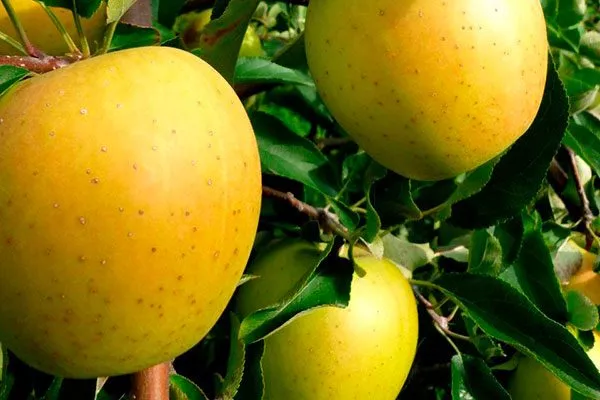
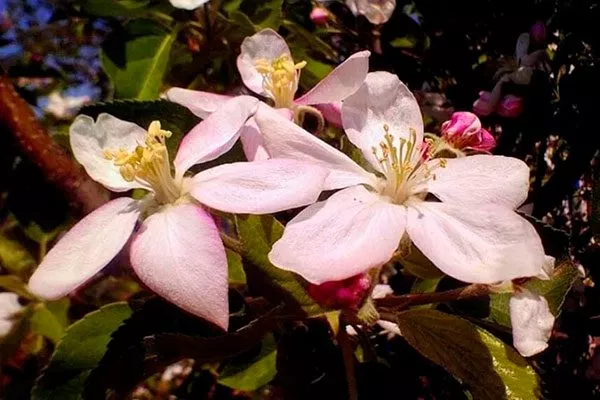
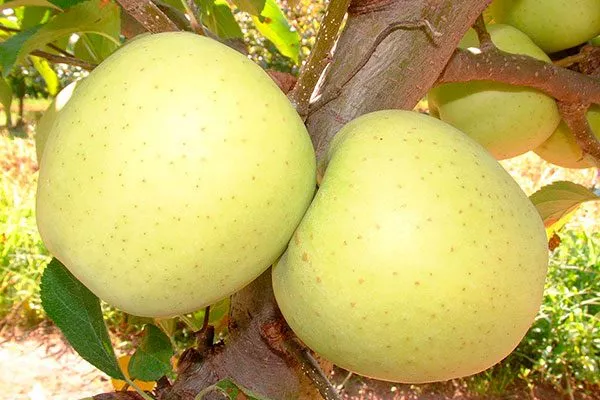
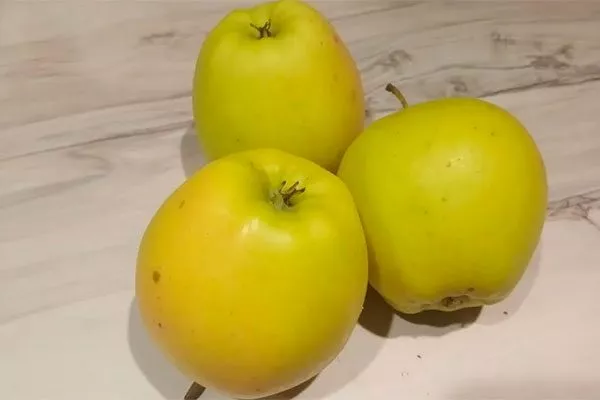
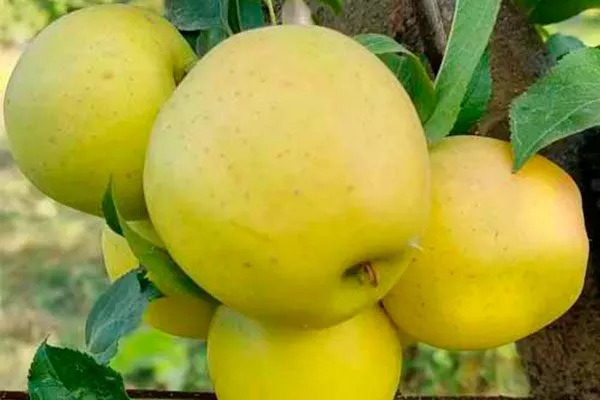
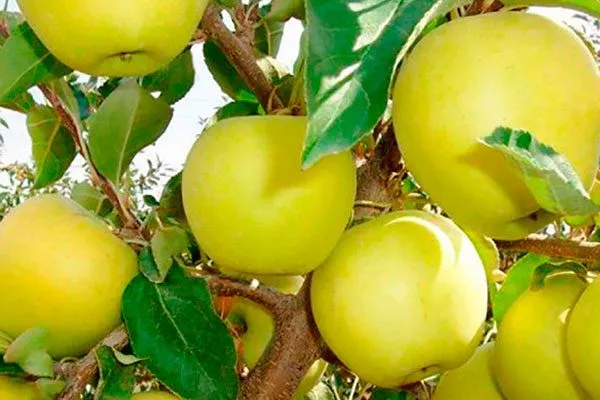
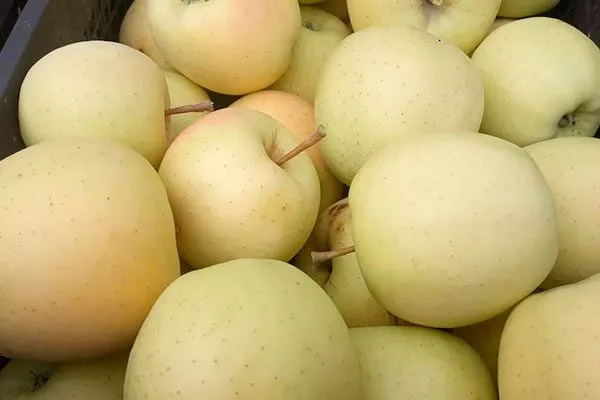
The variety's distinctive feature is its profusion of fragrant white flowers, which bloom in late spring. The apples are medium to large in size and greenish-yellow in color.
Where can it be grown?
Despite its many advantages, Golden Delicious has one serious problem: it cannot withstand low temperatures, making it ideal for cultivation only in certain areas of the country, such as Crimea, Stavropol, Central Russia, and Krasnodar Krai.
In more northern regions (the Urals and Siberia), adaptation occurs without any particular problems, but gardeners can't always count on a bountiful harvest. The fruits often shrink in size and lose their exquisite flavor.
Description of the Golden Delicious apple tree
The Golden Delicious apple tree, which reaches a height of 300 cm, demonstrates differences in growth depending on the type of rootstock:
- dwarf varieties – 200-300 cm;
- semi-dwarf species – 300-500 cm;
- standard – 500-800 cm.
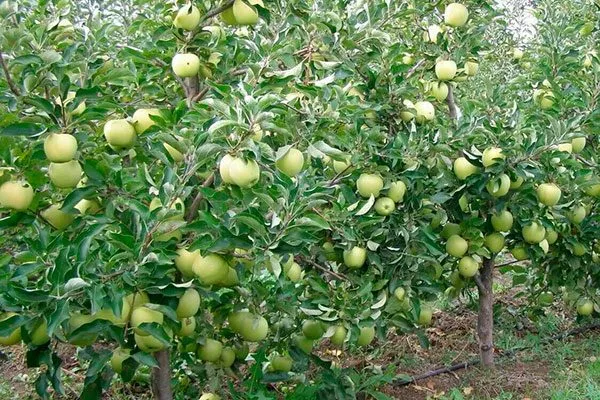
Distinguishing features of this tree include:
- conical crown shape, which over the years can transform into a broad pyramidal or expanded form;
- light brown shoots with a greenish tint, medium thickness, with noticeable lenticels;
- grey bark with white spots typical for this variety;
- green leaves with a smooth surface and pointed tips;
- Flowers resembling cups, white in tone with a slight admixture of pink.
Fruit characteristics
Golden Delicious has become a favorite for its incredibly sweet aroma and flavor. These fruits are distinguished by:
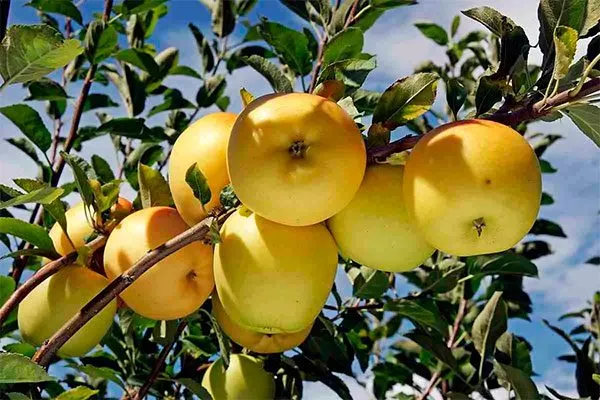
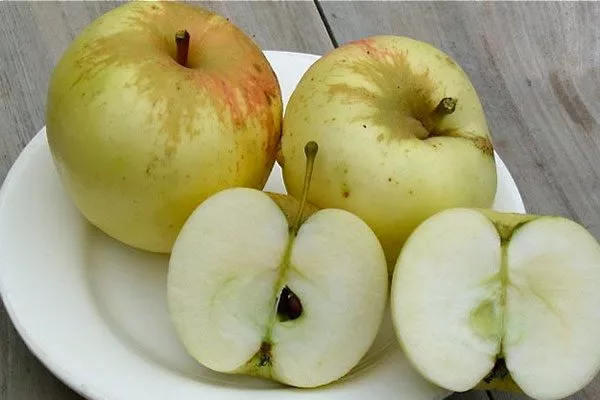
- slightly elongated-rounded shape with a small thickening at the bottom;
- smooth, slightly rough in texture, golden crust with small black spots;
- juicy, richly aromatic pulp of medium density, the color of which ranges from light green to creamy light;
- small seeds in dark brown tones;
- with an average parameter of 160-210 g.
Chemical composition of fruits
An analysis of the chemical composition of Golden Delicious apples revealed that their pulp and peel contain between 14 and 20% dry matter, including the following components per 100 g of product:
- Ascorbic acid - 5-12.4 mg.
- Sahara – 10-13.8 g.
- Acids – 0.4 g.
- Pectins – 0.7 mg.
- Biologically active components – 95-110 mg.
Apple tree pollination and productivity
The cultivar is self-sterile, necessitating the use of pollinators. Based on field trials, the following apple varieties have proven to be the most effective as pollinators:
- Jonathan;
- Kuban;
- Simirenko;
- Vanger Prize;
- Idared.
These varieties not only contribute to increased yields, but also improve the quality of apples.
Golden Delicious begins bearing fruit in the second or third year after planting, producing a consistent harvest early in its lifespan. Later productivity will depend on the level of care provided to the tree:
- With strict adherence to agricultural practices, one tree can produce up to 110-130 kg of high-quality apples;
- from one hectare - up to 300 centners.
Ripening and fruiting
Fruit forms on branches that grew last year or on two-year-old trees. A young tree may bloom early, but in this case, it's recommended to remove the ovaries to allow the tree sufficient strength for growth and adaptation.
Golden Delicious's full flowering period begins a little later and lasts a long time. The fruits ripen mid-season, with harvesting scheduled for mid- to late September.
Resistance to low temperatures, drought, diseases and pests
Golden has average winter hardiness and drought tolerance. If the soil is excessively moist, especially in low-lying areas, young branches may freeze.
Adverse weather conditions or overloading with crops can cause trees to enter the winter weakened, which can lead to damage to buds, trunks and branches.
This variety is resistant to scab but susceptible to powdery mildew. Brown spot is also possible, and after exposure to excessive heat, the tree begins to drop its leaves prematurely. Insect pests that can be dangerous include aphids, flower beetles, mites, and leaf rollers.
Varieties of the variety
Golden Delicious apple trees vary widely. While many share similar characteristics, there are also significant differences:
- Rangers Golden Delicious It boasts excellent flavor and attractive appearance, as well as resistance to fruit rust. This variety requires specialized care, making it popular for commercial cultivation.

- Spice Golden Delicious It is distinguished by its large fruits with noticeable ribbing and a sweeter taste.
- Golden Delicious Bee is a variety with medium-sized apples, which are characterized by stable fruiting and the ability to withstand frost.
- Rush Golden Delicious – This is a variety with an elongated crown, which is famous for its high yield and low soil requirements.
- Vladimirsky Golden Delicious Distinguished by large fruits with a blush-red color on one side, this variety is resistant to scab and frost and is characterized by consistently high productivity.
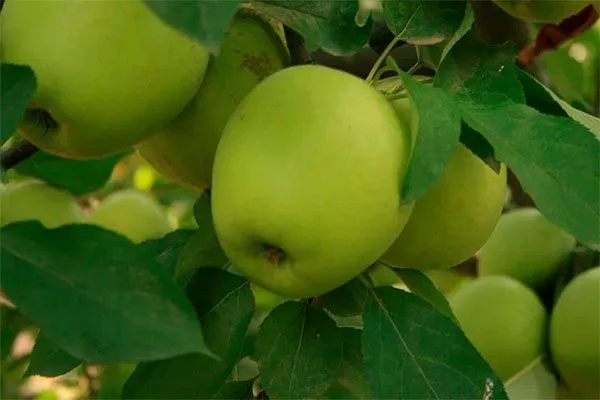
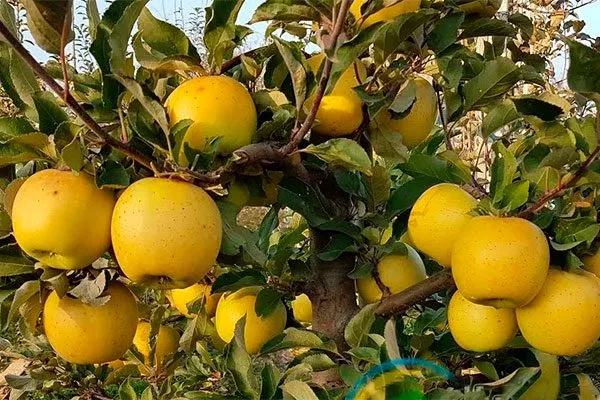
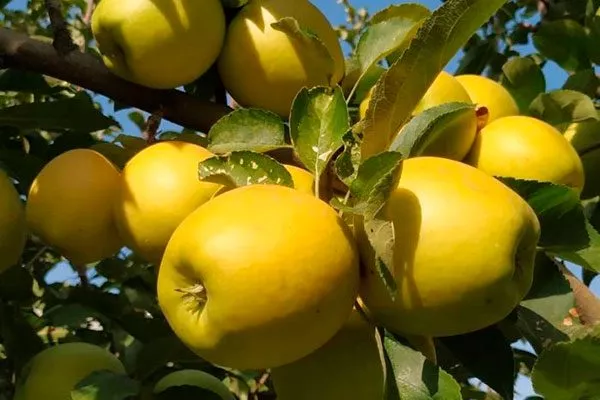
This is only a small part of all the varieties of the Golden Delicious variety, which are enriched with new representatives every year.
Landing rules
It's important to plant the seedling so that the tree will later produce the maximum amount of fruit. This requires careful study of planting techniques and strict adherence to the recommendations.
Recommended timeframes and site requirements
When considering planting, spring is a good time to consider. It's best to do this before the trees have leaves and, most importantly, before the buds have opened.
In areas with cool and temperate climates, experienced gardeners advise planting young plants in April, while in the south, planting is recommended in October.
Conditions for normal growth and development of the variety:
- In order for the apple tree to feel comfortable, it needs an area protected from winds and drafts.
- You can be less picky about the soil, but preference should be given to sites with loamy or sandy loam soil with a neutral pH. The most favorable soils for planting are slightly loamy or soddy-calcareous. However, calcareous and sandy soils are absolutely unsuitable.
- Apple trees prefer sunny, elevated locations with deep groundwater (at least 200-220 cm below the ground surface). The apple orchard receives the best light if it's located on the west side of the plot.
Selection of seedlings
To grow healthy trees that meet all requirements, it's essential to use high-quality planting material. Therefore, when choosing Golden Delicious seedlings, consider choosing nurseries that supply certified seedlings.
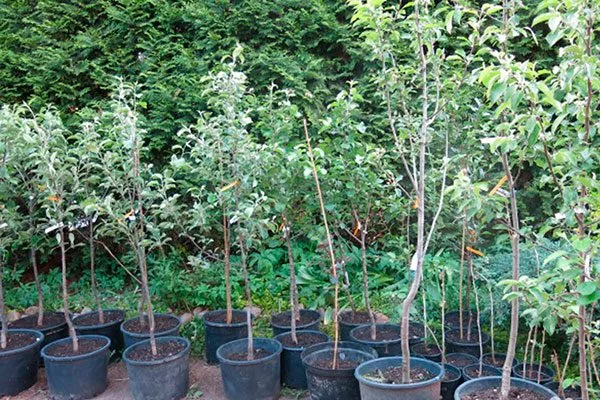
It is important to pay attention to the following aspects when purchasing:
- well-developed root system with shoots up to 35-40 cm long;
- a biennial plant with a standard at least 50-60 cm high;
- presence of 2-3 skeletal branches;
- absence of swellings, cracks or growths at the grafting site;
- roots and aboveground parts free from pest/disease damage, signs of rot and mold, breaks and other damage.
What to do before landing?
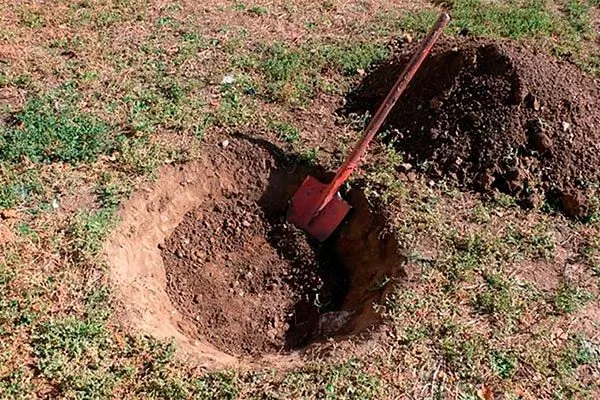
During the preparatory period (3-4 weeks before planting), dig holes for the future seedlings. They are 100-110 cm deep and wide, spaced at least 300-350 cm apart. Fertilizer mixed with the topsoil is added to each hole. Use the following as a nutrient mixture:
- 10-20 kg of compost;
- the amount of Superphosphate indicated in the instructions on the packaging;
- 150 g potassium sulfate;
- 0.8-1 kg of crushed wood ash.
If you're dealing with a one-year-old apple tree, its crown hasn't yet formed, so you'll have to shape it manually. Before planting, trim the top and remove the terminal buds to prevent them from growing and competing with the trunk. Leave 5-6 covered buds on the tree, located on the sides, which will later form the main branches.
Technology of carrying out works
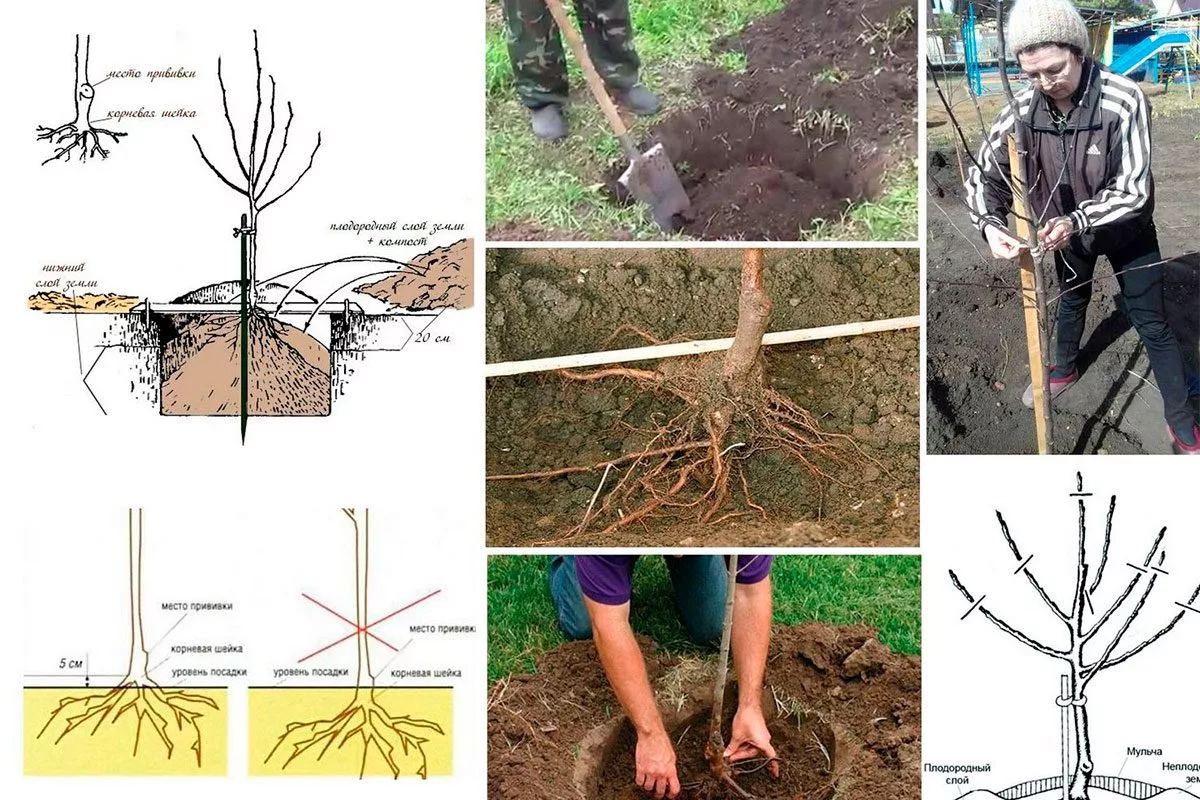
To successfully grow the Golden Delicious apple tree, you need to follow a number of important steps:
- Uncover the planting hole by removing the covering.
- Remove the resulting substrate.
- Create a drainage layer. For this, you can use either specialized material (vermiculite, expanded clay, etc.) or improvised materials (broken red brick, small stones, etc.)
- Place the soil mixture you removed from the hole on top. Mix it thoroughly first.
- Place a stake in the center of the hole to provide stable support for the young tree.
- Make a mound like a hill.
- Carefully place the seedling on the resulting mound, carefully distributing the roots around the entire perimeter. The root collar should be 5-6 cm above the garden surface.
- Fill the hole with the remaining fertile soil, shaking the trunk periodically to fill all the voids between the roots.
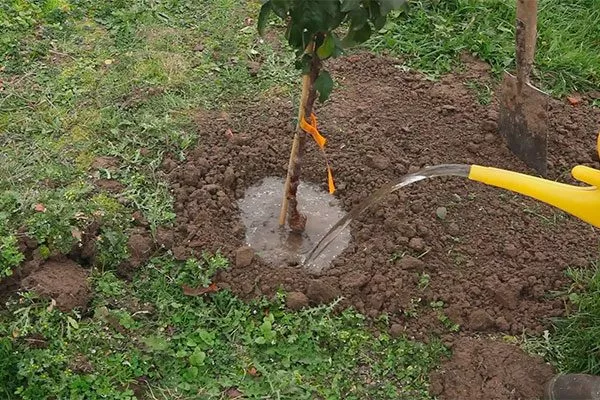
- After planting, water the tree generously using at least 20 liters of warm water.
- Then mulch the area around the trunk using compost.
- Tie the young apple tree securely to a stake.
What kind of care is needed?
To ensure that a varietal apple tree bears fruit and produces delicious apples, it is necessary to invest all your efforts not only in the planting process, but also in creating optimal conditions for its development.
Watering
Golden Delicious requires regular watering to thrive. Be sure to consider the following:
- The first watering is carried out before the buds begin to open and, accordingly, before the sap begins to flow.
- The second one is needed three weeks after the end of flowering.
- The third occurs three weeks before the harvest begins.
- The final stage occurs during leaf fall.
- ✓ Watering rate: 40-60 liters per tree
- ✓ Frequency: 4 times per season
- ✓ Best time: morning or evening
Each tree requires 40-60 liters of water. During drought conditions, watering should be increased, but during frequent rainfall, additional soil moisture is not necessary.
Top dressing
| Fertilizer | Quantity | Period of contribution |
|---|---|---|
| Compost | 10-20 kg | Before flowering |
| Nitroammophoska | According to the instructions | During budding |
| Potassium sulfate | 150 g | After the fruits appear |
Proper and regular application of fertilizers guarantees strong immunity and a bountiful harvest. The recommended fertilizing plan for this apple tree variety is:
- when the buds begin to open, enrich the soil with humus and add nitroammophoska;
- During budding, feed the plant with a complex preparation;
- when the fruits are set, water with a manure solution;
- after the fruits appear, add a solution of nitroammophoska and potassium;
- In autumn, feed the soil with superphosphate and potassium sulphide.
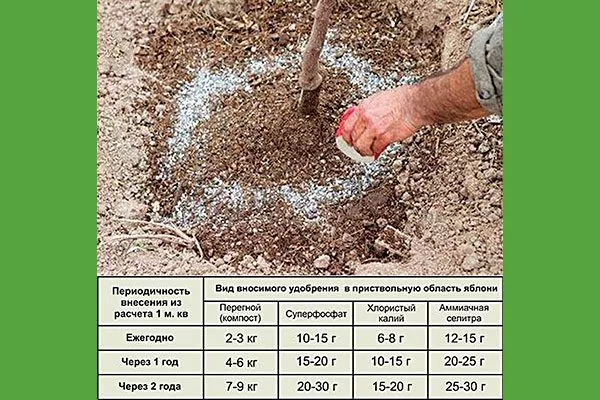
Foliar feeding is also effective. Spraying with urea and similar products is recommended three times per season:
- Before flowering, use Kemira Lux, a powdered, water-soluble fertilizer that stimulates fruiting;
- after flowering;
- 20 days after the second spraying.
To prepare the solution, you need 2 tablespoons of urea per 10 liters of water. Spray the leaves, trunk, and branches of the apple tree with the solution.
Trimming
To maintain the health and aesthetics of trees, it is recommended to trim them twice a year: in spring and autumn:
- In April, branches damaged by cold should be removed and the crown prepared for the new season.
- After the leaves have fallen, it is necessary to perform sanitary pruning, removing damaged, old, diseased or rotting branches.
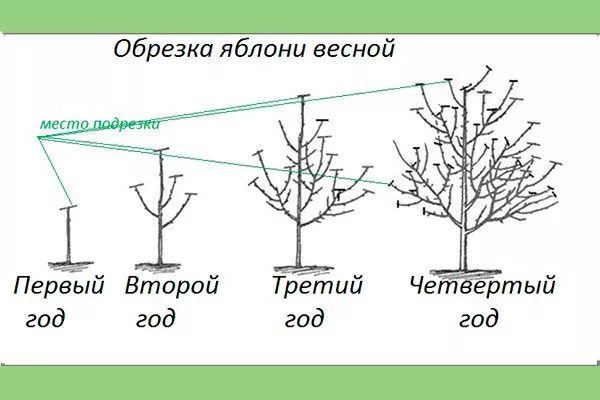
Autumn pruning includes several important stages:
- Removing large and old branches that are not needed.
- Thinning out branches that are growing too close to each other.
- Pruning shoots that grow at too sharp an angle.
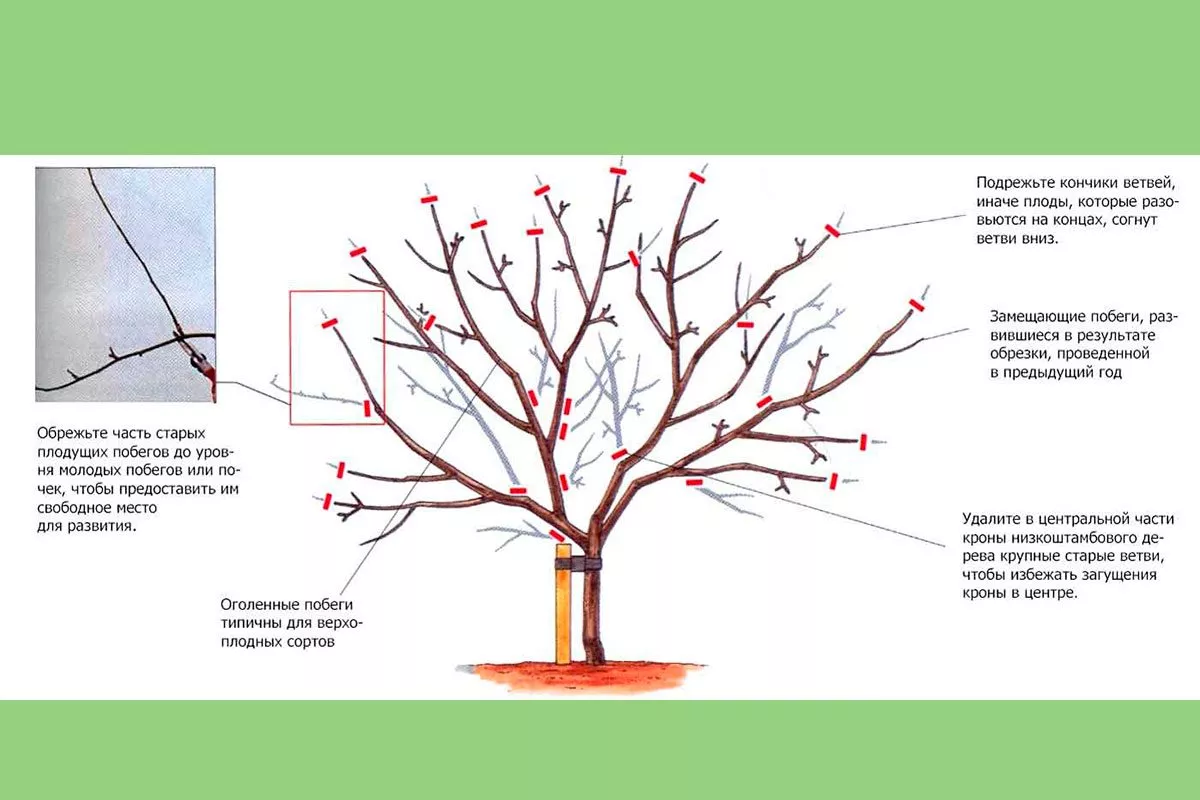
After the procedure, thoroughly treat all cuts with garden pitch. You can use any water-based paint, clay slurry, or slaked lime. Removed branches from the area and burn them.
At two or three years of age, be sure to shorten year-old apple tree branches by a quarter. And on five-year-old trees, to ensure better sun exposure for the fruit, prune the more mature branches by a third of their length.
Preparing for winter
To ensure your apple tree survives the winter successfully, you need to pay attention to several key points:
- Remove fallen leaves and fruits, as they can become a source of diseases and pests.
- If the autumn is dry, you need to water the tree well so that the soil has time to soak in moisture before it freezes.
- Top dressing with wood ash or phosphorus-potassium fertilizers will help strengthen the root system and prepare the apple tree for the cold weather.
- Around the tree trunk, use straw or sawdust to help retain heat.
- Insulation of trunks with special materials to prevent cracks from appearing due to sudden temperature changes.
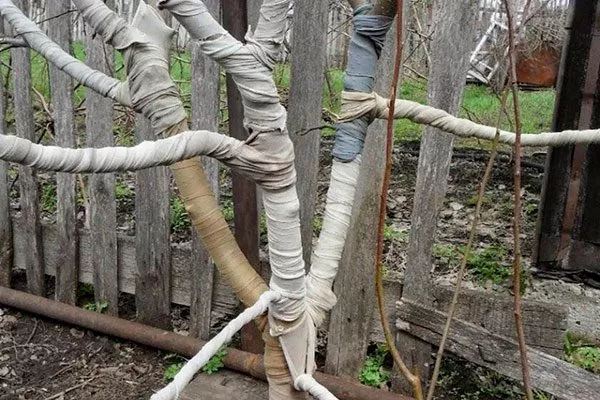
In addition to cultivating the soil, moistening it, and applying mineral fertilizers before winter frosts, it's important to protect apple trees from rodent attacks. This should be done in late autumn, when the first frosts begin:
- First, the tree trunk must be covered with lime;
- then protect with any available material: old rags, newspapers, burlap, roofing felt, sunflower stalks or spruce;
- if these materials are not available, it is enough to coat the trunks with melted lard, solid oil or drying oil;
- To provide more reliable protection, a fine-mesh metal mesh is used.
Experienced gardeners recommend using polyethylene foam, which is commonly used to insulate pipelines, for this purpose. To do this, separate it along the weld seam and wrap it around the apple tree trunks. Polyethylene foam is available in various sizes at hardware stores.
Harvesting and storage
Golden Delicious berries are resistant to falling from branches and remain on the tree until late September and even mid-October. Harvest on warm, dry days, preferably in the afternoon.
| Condition | Parameter |
|---|---|
| Temperature | 0 to +4°C |
| Humidity | 85% |
| Shelf life | Up to 6 months |
Apples have good transportability and can be stored for up to six months in cellars at temperatures from 0 to +4 degrees Celsius and 85% humidity, without losing their taste or appearance.
Safety rules:
- Before storing apples, they should be carefully inspected. Suitable fruits for this purpose are those picked with the stems attached and free of damage, bruises, or other defects.
- For storage, it's necessary to select a room with a constant temperature and the required humidity. If humidity drops, the fruit may begin to wilt.
- If you plan to store several varieties of apples, each of them should be placed in a separate box.
- Fruits can be stored on shelves in pull-out drawers, arranging them in a single layer so that they do not touch each other, which facilitates their long-term storage.
- In wooden boxes, apples can be placed in several layers, first wrapping each fruit in paper and interleaving the rows with the same paper.
- There is also an alternative option: the fruits are sprinkled with dry sawdust or wood shavings.
Golden Delicious apples have an excellent fresh flavor. They are perfect for making compotes, preserves, jams, and other winter preserves, as well as for drying.
Diseases and pests
Golden Delicious is susceptible to some diseases and pests:
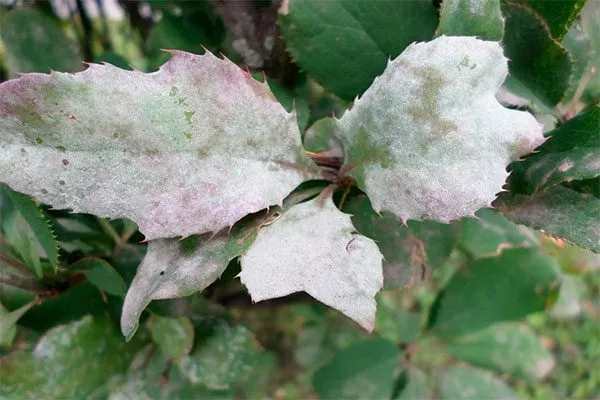
- Powdery mildew. The fungal infection manifests as a white coating on leaves and flowers. To combat it, fungicides or a 1% colloidal sulfur solution are recommended.
To prevent powdery mildew, you can use Horus or Thiovit Jet. Apple trees can be treated every 10-14 days. No more than four applications are recommended per season.
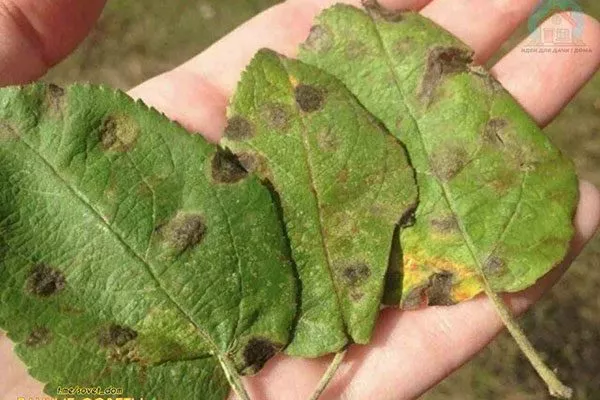
- Brown spot. Light spots with a brown border indicate a plant infection. Treatment involves applying 1% Bordeaux mixture and chemicals. As a preventative measure, dig up the soil around the tree in the fall and maintain optimal soil moisture.
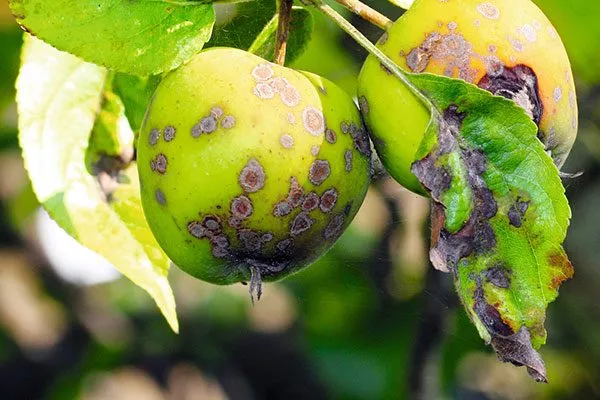
- Scab. The disease causes a brown coating on the leaves, which eventually develops into black spots and cracks. 1% copper sulfate and fungicides can help eliminate it.
Treatment should be carried out before foliage emerges, after flowering, and 20 days after the previous spraying. Prevention includes sanitary pruning and fertilizing.
- Pests. The apple tree is susceptible to attack by green aphids, apple mites, leaf rollers and apple blossom beetles.
To avoid damage from insects, it is necessary to carry out protective measures in a timely manner, including insecticide treatment.
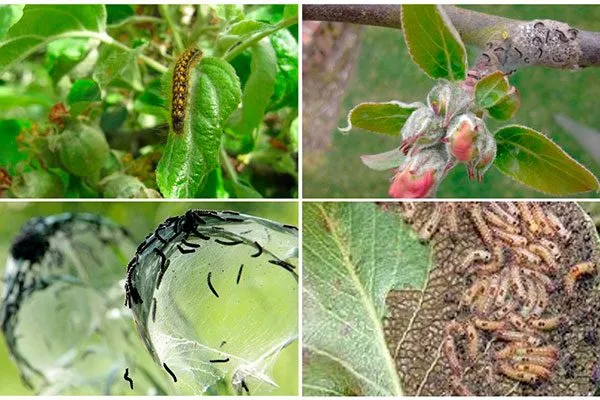
Regardless of what chemicals you use, it is important to follow the recommended application rates and the timing of the last treatment before harvest.
Advantages and Disadvantages
Golden is considered the most popular variety among both private gardeners and commercial farmers. These apples are also extremely popular among consumers. Despite this, the variety has both advantages and disadvantages.
Gardeners' reviews
The Golden Delicious apple tree is a popular variety grown in southern regions. It is prized for its delicious fruit, which can be used for a variety of purposes. Standard tree care is required. The variety is susceptible to disease, so it requires adherence to agricultural practices and preventative treatments throughout the season.