
The Gala apple tree is very popular among gardeners, both for home consumption and commercial cultivation. These apples are distinguished by their high commercial quality, juiciness, and superb aroma. The name Gala, translated as "sparkle" or "celebration," reflects the variety's appearance and characteristics.
History of selection
There are several theories about the origin of this diploid apple variety, each with its own unique characteristics. According to one, the Gala variety was created by the renowned breeder J.H. Kidd in New Zealand as early as 1934, while other sources indicate it occurred either in 1957 or 1962.
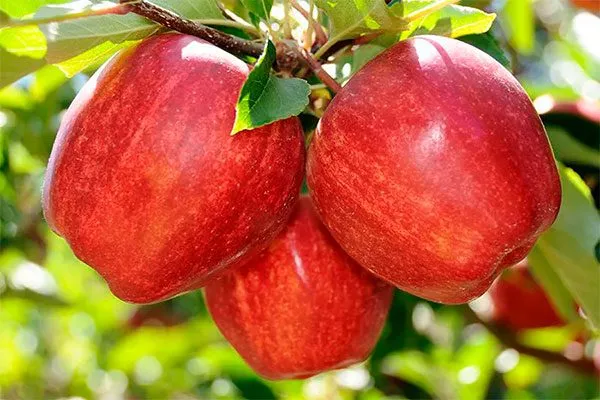
Before the Gala variety reached our borders, it had to overcome a long and difficult path:
- Around the mid-1960s, it was introduced (relocated) to the United States, Brazil, Canada, and European countries, where it quickly gained popularity. In the following decades, it became a leader in the industrial fruit market in Europe and America, particularly in Canada and Brazil.
- In 1974, it was officially registered in the USA, and in the 1980s, its fruits began to be sold in large commercial quantities in the UK.
- By 2006, the Gala variety was already ranked second in popularity in the world, second only to Red Delicious.
- In the mid-1970s, state testing and adaptation of the variety in Ukraine began. In 1993, the Gala variety was included in the Ukrainian Register of Breeding Achievements.
- The Gala variety became available in Russia only in 1993, but was officially registered and adapted for the North Caucasus region only in 2014.
Growing regions
The trees are not sufficiently resistant to the low temperatures of Russian winters. It is recommended to grow them in warmer climates in Russia:
- North Caucasus (includes the regions of Alania, Adygea, Kabardino-Balkaria, Karachay-Cherkessia, Dagestan, Chechnya, Ossetia and Ingushetia);
- Krasnodar and Stavropol Territories;
- Crimean Peninsula;
- Southern parts of Central Russia, such as Kursk, Belgorod, Lipetsk and Voronezh regions.
Description and characteristics
This apple variety has earned the respect of gardeners, confidently holding the second place in terms of cultivation volume worldwide. The tree is short and has a compact crown, making it easy to harvest.
Features of wood
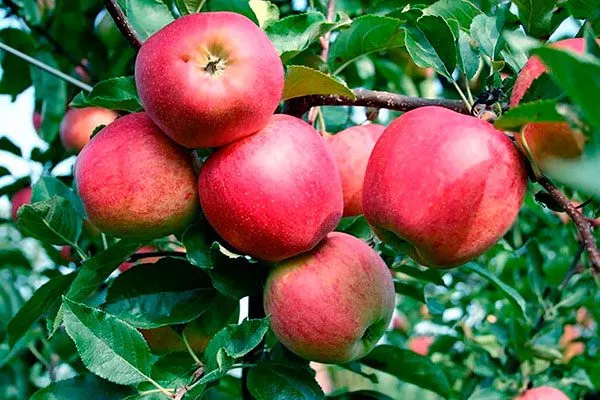
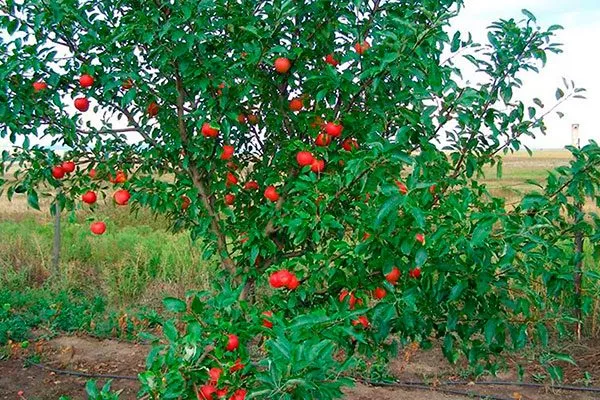
This variety is typically characterized as short, reaching approximately 500 cm in height without pruning. With proper crown formation, its height can be even shorter, making fruit picking easier. Other varietal characteristics:
- crown has an oval or broadly oval outline, over time acquiring a more descending and spreading appearance;
- branches medium thickness, long, mostly straight, diverging to the sides rather than rising upwards;
- tree bears fruit on fruit branches and rings;
- leaves medium-sized, dense, leathery, with an emerald-green hue, oblong in shape with long pointed ends and a serrated, finely serrated and wavy edge, with a matte sheen on one side and often with medium pubescence on the back;
- root system branched, of medium depth, with a central trunk, which may be present or absent depending on the chosen rootstock.
Appearance of fruits, taste and benefits
These apples are characterized by their beautiful appearance and excellent flavor, storing well and withstanding long journeys. Despite their small size, which is sometimes considered a drawback, this variety is ideal for growing in both home gardens and commercial orchards.
Fruit characteristics:
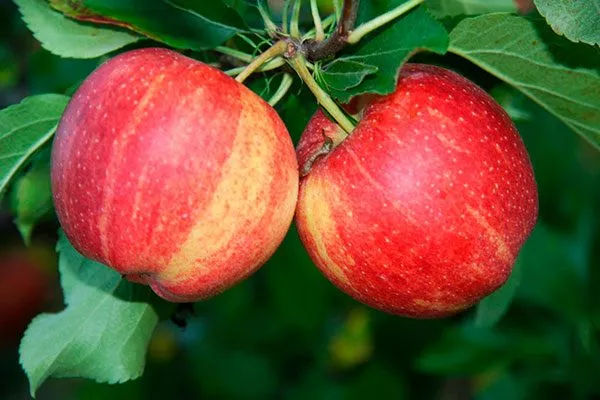
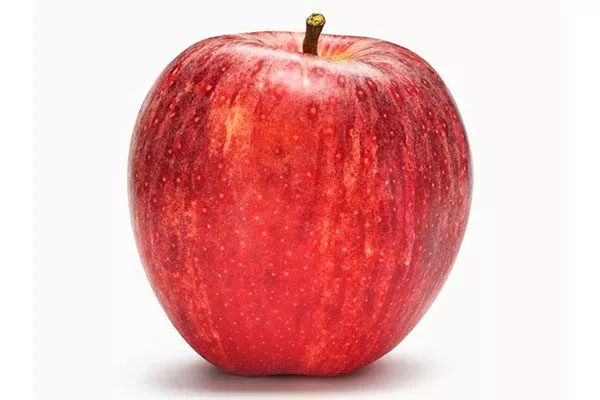
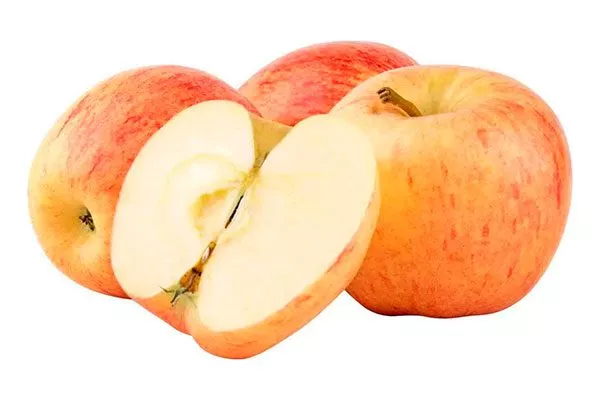
- Fruit They are medium to slightly above average in weight, typically not exceeding 110-160 g, although larger specimens, up to 180-200 g, are also found. They can be round or slightly conical, often resembling a turnip, and sometimes slightly flattened. The ribbed structure is weak, especially noticeable on the upper parts of the apple.

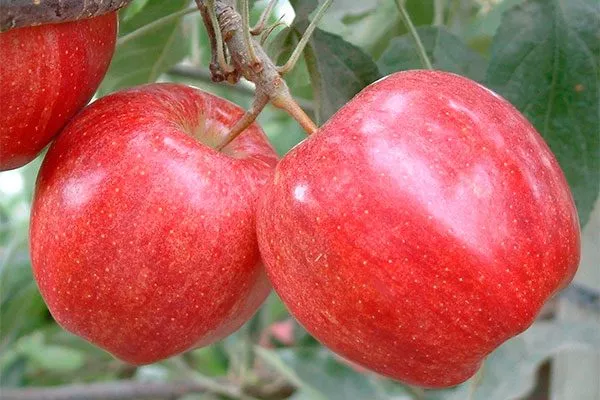
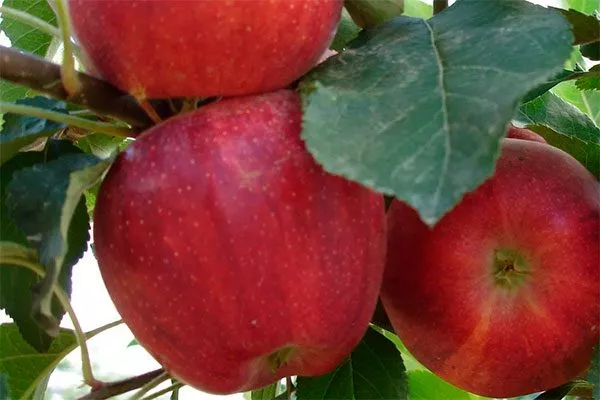
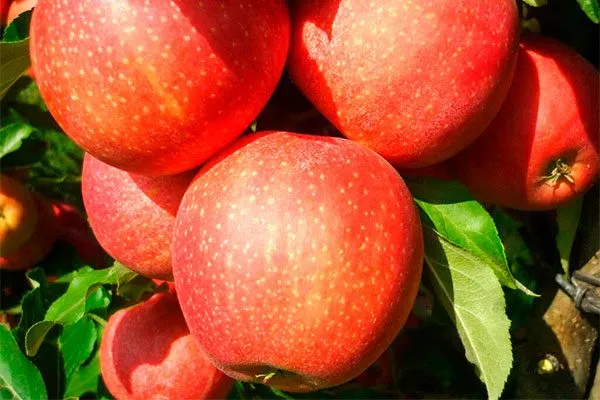
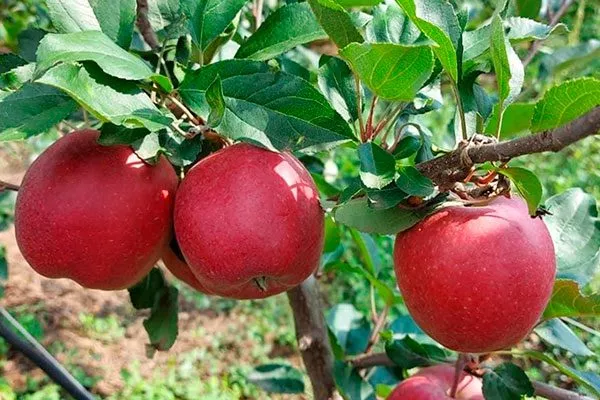
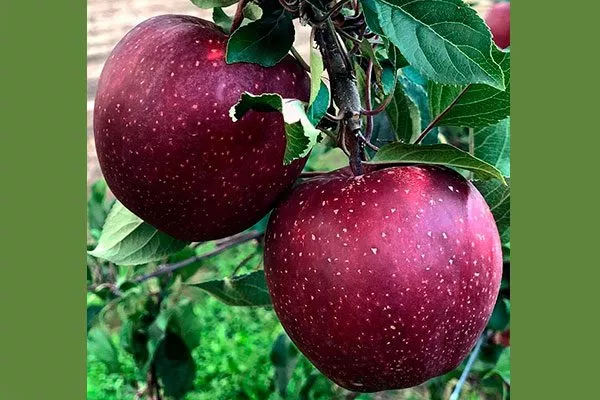
- Skin The skin is green or yellow-green in color, dense and glossy, often with a slight waxy coating. The blush covers at least 65-95% of the surface, and sometimes more. It is red-orange or red-carmine in color, blurred, striped, and light.
Subcutaneous dots are numerous, light, and not always noticeable due to the variegation of the surface. - Chemical composition Gala apples include:
- catechins – 196 mg;
- vitamin C – 12.4 mg;
- fructose – 11.2%;
- pectins – 7.9%;
- titratable acids – 0.43%.
- Pulp The fruit's flesh is quite firm, crisp, but not coarse, rather tender, medium- to coarse-grained. It has a slightly creamy or lemon-yellow tint.
- Taste Sweet and sour, with a more pronounced acidity, considered a table wine, harmonious, balanced, with a caramel-nutty, characteristically apple aroma.
Pollination and productivity
The Gala variety is partially self-fertile, but requires donor trees to achieve maximum yield. However, even without neighboring apple trees of different varieties, growers will still be able to harvest some fruit, as self-fertility is 73-87%.
To ensure full fruit production, it is recommended to plant trees of this variety near suitable species whose flowering seasons coincide. Commonly used varieties for pollination include:
- Elstar;
- James Grieve;
- Kate;
- Eliza;
- Gloucester;
- Discovery;
- Red Delicious;
- Melrose;
- Idared and others.
Gala apples bear fruit annually, beginning at age 4-5, making them particularly valuable due to their early maturity and consistent yield. A single mature tree can yield 65 to 90 kg of aromatic apples per season.
Flowering, ripening time and fruiting
The first normal fruiting directly depends on the rootstock you grew the tree on:
- Gala propagated on vegetative rootstock can begin to bear fruit only in the fourth to seventh year;
- Dwarf and semi-dwarf apple varieties are much faster-growing and will be able to delight you with a harvest as early as the third or fourth year (but it is worth considering their poor resistance to low temperatures and sudden changes).
Other indicators:
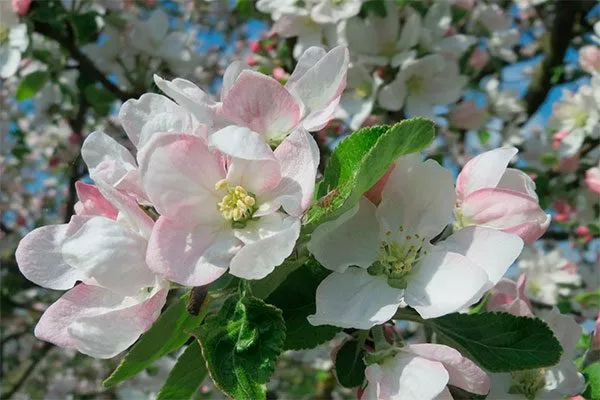
- Flowering time. Apple trees begin blooming relatively late, usually after May 15th and continuing until the end of the month. If the weather is unfavorable, budding may take until early June. Blooming lasts approximately 10-14 days, giving insects and wind time to pollinate the flowers.
Gala blooms especially profusely, with large, fleshy, saucer-shaped flowers that are intensely fragrant. Experienced gardeners recommend removing individual buds from the inflorescences to increase the size of the fruit. - Increase. The tree grows quite quickly, adding 35 to 55 cm in height per season. This is a good result, as it reaches its maximum size in just 10 to 12 years.
- Fruiting. It also grows rapidly - 2-3 years after the start of fruiting, you can expect a full harvest of up to 90 kg under favorable conditions and weather.
- Ripening of fruits. Apples ripen late, usually around September 20th or even in October, but they are not usually eaten right away. They are particularly dense and firm, but this allows them to remain firmly attached to the branches and only fall off in extreme cases.
The harvest can be collected in October and immediately stored, but they should only be consumed after 30-45 days.
Frost resistance
Some believe that Gala is distinguished by its increased winter hardiness, but it would be more appropriate to classify it as a tree of average winter hardiness. This variety can withstand winter frosts down to -29-32°C, provided that these frosts do not last more than 4-6 days.
Otherwise, apple trees may die or be seriously damaged. For this reason, it's important to carefully cover them before winter.
Storage of the harvest
The average shelf life of apples is 3-5 months, after which the fruit should be completely used. Gala apples are harvested in September and October. The fruit is picked slightly underripe, as fallen fruit cannot be stored for long and requires immediate processing.
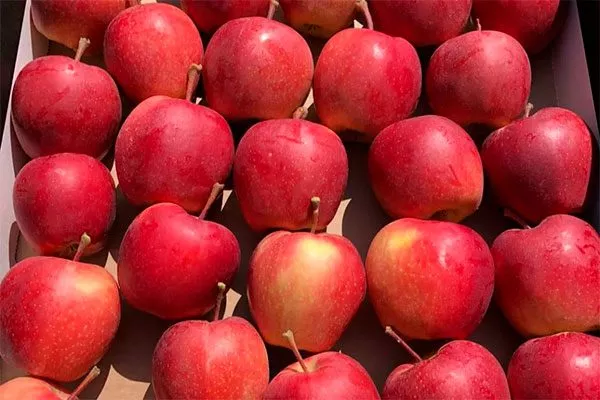
To preserve apples until spring, do the following:
- carefully wrapped in paper or newspaper and placed in boxes;
- The container with apples is placed in a dry and cool place, for example, in a cellar.
During harvest, it's especially important to be prepared to quickly process apples that aren't suitable for long-term storage. They can be cooked with sugar, candied, or processed into jams or juices, creating delicious preserves that can then be used in various desserts and baked goods.
Varieties of Gala apples
Within a single species, many varieties can be distinguished, each of which has unique characteristics:
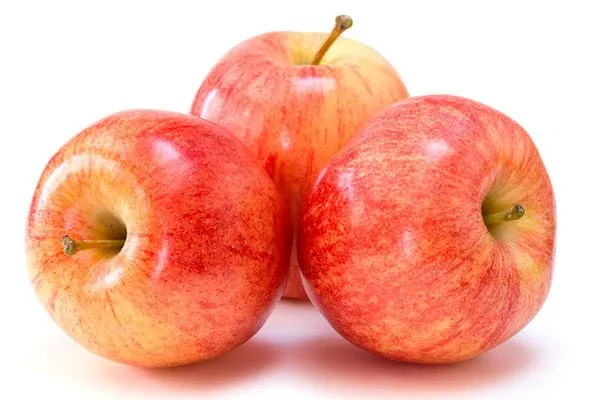
- Royal Gala. One of the most sought-after and promising varieties is a cone-shaped apple with a bright red color, attractive appearance, and a pleasant aroma and flavor. Features:
- widely cultivated in the USA, Australia, New Zealand and Great Britain;
- This variety is also known as Ten Hove Gala or Tenroy, after the farmer Ten Hove who discovered it;
- The demand for Royal Gala is constantly growing, exceeding the available quantity on the market;
- Russian consumers are enchanted by the distinctive candy-like flavor and aroma inherent in the juicy pulp, but the drawbacks include the high cost for northern regions of Russia and the loss of the apple flavor during long transportation.
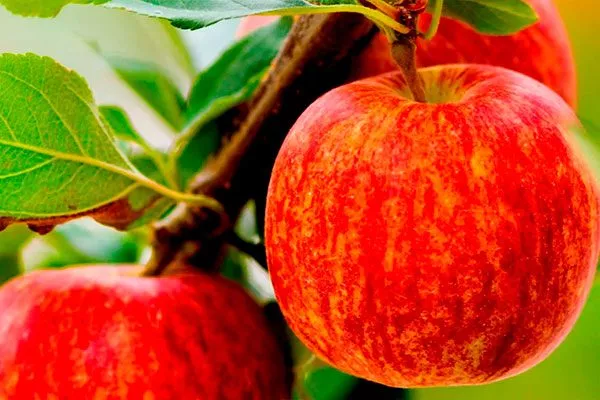
- Mondial Gala. The beautiful apples of this variety are striking in their diversity of colors: bright red spots are scattered across a beige background, forming longitudinal stripes:
- some fruits are only half-blushed, while the other half retains a yellowish tint;
- the blush color appears just a month before harvest;
- The apples weigh 190-240 g and have a rounded, elongated shape with pronounced grooves.
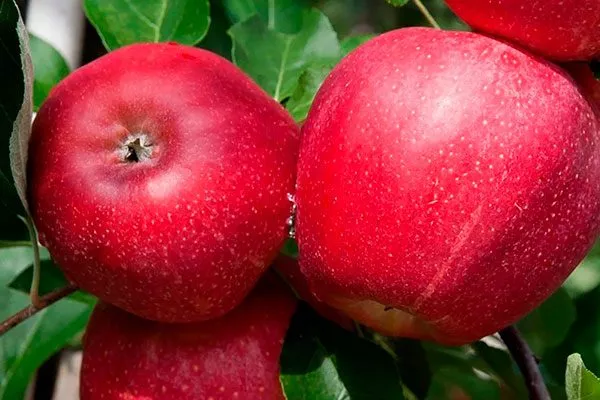
- Gala Red. As its name suggests, this variety is distinguished by its predominantly red color. The apples are slightly larger, rounded, and harmonious, weighing 170-220 g. They begin bearing fruit in the second or third year after planting, ripening in late summer and retaining their quality until spring.
- Gala Mast. This variety has the largest fruits of all, weighing from 160 to 170 g. Characteristic features:
- The apples are cone-shaped and turn deep red by August;
- the yield is high, but resistance to pests and diseases is average;
- Excellent taste qualities are noted, but gardeners point out insufficient frost resistance and a tendency to gray rot.
- Gala Brookfield. It is popular among gardeners for its firm apples with deep red skin and aromatic, juicy, and sweet flesh. Brookfield is prized for its flavor and long shelf life (until May), allowing it to be transported over long distances.
- Gala Galaxy. The apple weighs approximately 200-220 g. The flesh of this variety is bright yellow, possesses a rich sweet-tart aroma, and is abundantly juicy. Other characteristics:
- the skin of the fruit is smooth, covered with a waxy coating and colored bright red;
- Fruiting begins already in the third year after planting and continues until spring.
- Gala Shniga. This is an apple variety first discovered in South Tyrol, Italy. It is distinguished by its relatively early maturity and the rich crimson color of its fruit. The apples ripen earlier than other varieties, reaching the desired sweetness by late August or early September and are ready for consumption.
- Devil. A hybrid created by Italian breeder Vivai Zanzi specifically for southern Europe. It is characterized by early ripening and bright red fruits with aromatic and sweet flesh. This variety is highly valuable due to its ability to retain its quality in specialized warehouses until March.
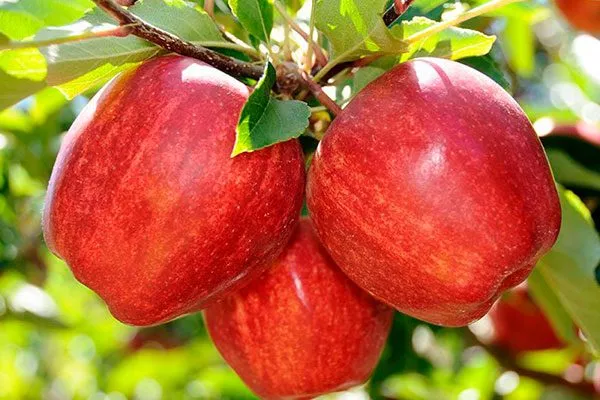
- Baron. This is a variety of Dark Baron Gala, the name of which speaks for itself. The fruits of this variety have a deep crimson color, a striking appearance, and a unique flavor.
This variety is especially popular in Moldova, Ukraine, and southern Russia. Baron produces a good annual harvest and has commercial appeal.
Landing
The growth and fruiting performance of fruit trees is directly related to the selection of a suitable planting site, the quality of light, and the composition of the soil. For the successful development of the Gala apple tree, it is necessary to select a site with bright sunlight and a dry climate.
Planting time
It is recommended to plant apple tree seedlings in the soil in spring or fall. Spring is considered the most favorable season, especially in late April, when the soil has warmed up well and the risk of sudden cold snaps is minimal.
Autumn work requires special attention to local climate conditions—saplings must be planted 25-30 days before the first frost. This allows the tree's root system time to adapt and accumulate the necessary resources for a safe winter.
Choosing a location
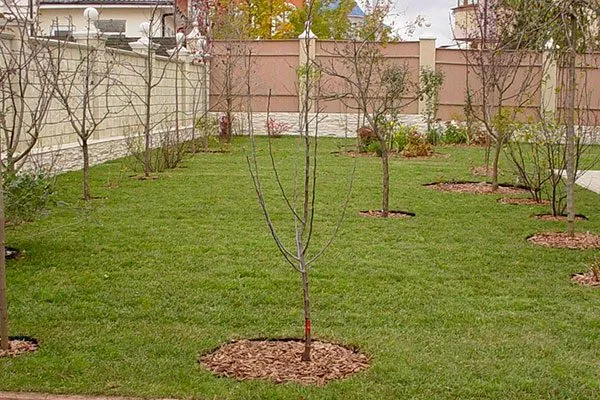
To ensure successful growth of the Gala apple tree, ensure it not only receives sufficient light but also maintains a distance of at least 300-320 cm from other fruit trees. It's important to ensure the site is well-aerated but protected from strong winter winds. Gentle airflow within the crown will help prevent the development of fungal infections.
Other requirements:
- The Gala apple tree's root system cannot withstand excessive waterlogging, so the groundwater level should be at least 200 cm below the ground surface.
- This variety thrives in rich, loose soils with a high humus content. Loams, sod-podzolic soils, and sandy loams with a pH of 6 are ideal. Clay and sandy soils should be amended before planting to improve their physical and mechanical properties.
Preparing the planting hole
A month before the planned planting, you should begin preparing the site for the future plant:
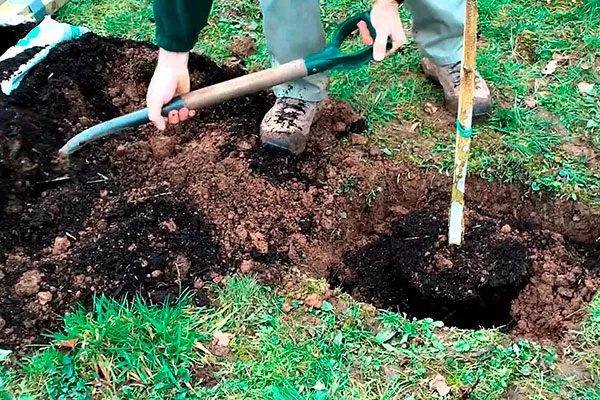
- First, clear the area of all remaining vegetation and mark out the future planting hole. It should be at least 60-70 cm deep and approximately 95-105 cm in diameter. In peat areas, smaller dimensions are sufficient, while in heavy clay soils, larger ones are recommended.
- After setting aside the topsoil, prepare it for incorporation with organic matter. To improve the growing medium for the young plant, add 15-20 kg of organic matter, 150 g of potassium sulfate, and 600-800 g of wood ash.
If the area has fertile soil, reduce the amount of organic matter by 2 times. - After thoroughly mixing all the components, place the soil mixture back into the hole.
Selecting a quality seedling
Use the services of professional gardening stores to purchase reliable planting materials. This will ensure you choose a unique variety and a healthy plant that will later grow into a productive fruit tree. It's important to be able to determine what a healthy seedling needs to be so it can easily establish itself and begin bearing fruit.
Criteria:
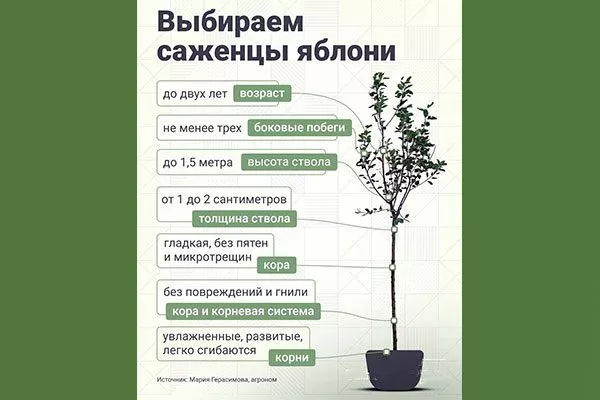
- The seedlings should be young, no more than two years old, so they quickly adapt to the new conditions and don't suffer from transplantation. One-year-old plants should be branchless, while two-year-olds need at least two branches.
- Look at the trunk bark – good bark is smooth and elastic, without damage, ulcers, or growths, which may indicate poor quality. Healthy wood underneath the bark should be green.
- If the root system appears lifeless and dry, the tree will not survive. Healthy roots are elastic and can be easily wrapped around a finger.
- Make sure the seedling has been grafted - the grafting point is usually located 8 cm above the root.
The landing process
To successfully grow the Gala apple tree, you'll need to follow certain planting steps. It doesn't have any special requirements compared to other fruit trees, but it does require a consistent process.
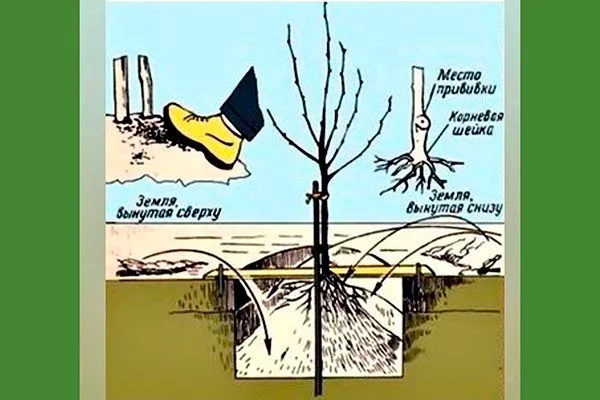
- If your seedling has an open root system, place the roots in water the day before planting.
- Remove some of the soil from the prepared hole and form the remaining soil into a cone-shaped pile in the center.
- Drive in a support – a wooden stick that should protrude 50-80 cm above the ground.
- Place the seedling on top of the cone and gently spread the roots.
- Cover the roots with soil so that the root collar is 5-7 cm below the surface. Gently shake the seedling to ensure the soil tightly envelops the roots.
- Lightly compact the soil around the tree and tie it to the support.
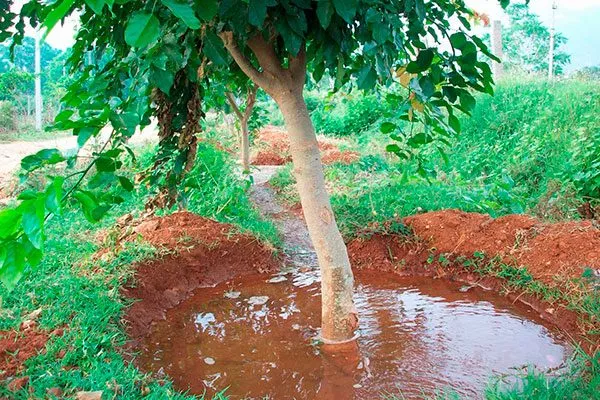
- Create a watering circle around the trunk and fill it with 30-35 liters of water.
- To retain moisture, cover the watering circle with a layer of dry grass some time after watering.
Care
From the moment of planting, a key stage of caring for the young tree begins, so that in the future you can enjoy a rich apple harvest.
Trimming
After the first year after planting, in the spring of the following year, the first phase of pruning begins, aimed at forming a harmonious crown:
- on a two-year-old tree, all shoots are removed, leaving only 4-5 strong branches;
- skeletal branches are shortened to 30-35 cm;
- The main part of the trunk, from which the lateral branches grow, is made 20 cm longer than the lateral branches.
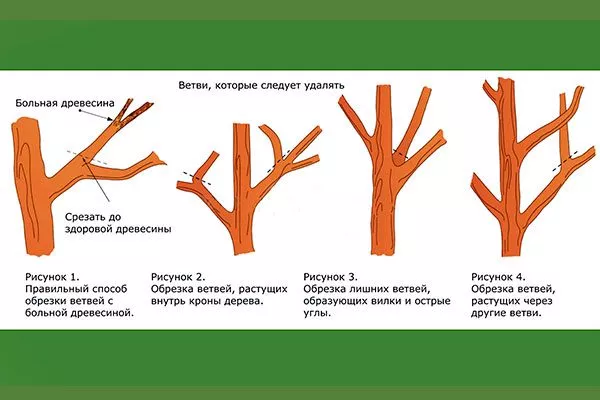
On mature trees, remove dried and damaged branches and improve crown permeability. In the spring, remove excess blossoms. If the buds are not thinned, the apples will be small and the branches will break. An overworked tree will not produce a good harvest the following year.
Watering
To moisten an apple tree, you should use the following recommendations:
- young trees need 30 liters of water;
- adults require a volume of water equal to their age - for example, a 5-year-old tree requires 50 liters;
- Frequency: in spring at the beginning of the growing season, during flowering and fruit formation, in summer to support the harvest, in autumn to prepare the tree for winter after harvesting.
Top dressing
Nutrients improve soil quality, enriching it with valuable microelements. This promotes healthy tree growth, abundant harvests, and protects them from diseases and pests. Fertilize Gala starting in the fourth year after planting:
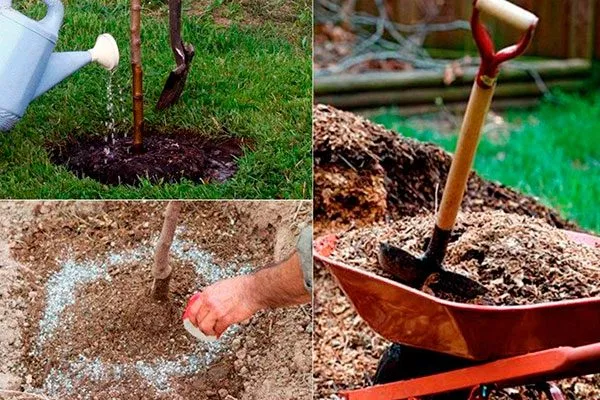
- At the beginning of spring, Before buds appear, nitrogen fertilizers are needed—urea, ammonium sulfate, and ammonium nitrate. The dry mixture is evenly distributed within a 50 cm radius of the tree trunk and thoroughly watered.
- When the buds begin to form, They use complex preparations containing potassium, phosphorus and microelements, which are sold under various trade names, for example, “Fruit Garden”, “Gumi-Omi”, “Plodovit”, “Fruit Trees”, etc.
- After harvesting To prepare trees for winter, use mineral fertilizers combined with humus or well-rotted manure. Alternatively, you can sow mustard or oilseed radish around the tree and then dig it into the soil.
Preparing for winter
The Gala apple tree isn't particularly resistant to low temperatures. Therefore, winter preparations must be carried out with particular care. It is necessary:
- carefully whiten the tree trunks;
- gather the branches of young seedlings together and secure with soft thread;
- apply a protective layer of suitable agricultural material to the plant;
- Protect the root zone with a layer of mulch or add additional soil.
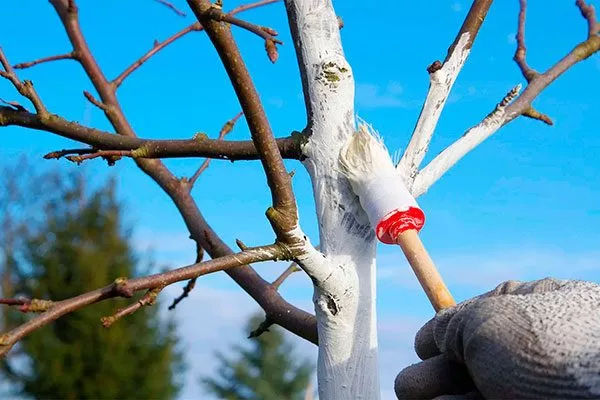
Diseases and pests
Gala trees have moderate resistance to pests and diseases. Many problems can be prevented with proper agricultural practices:
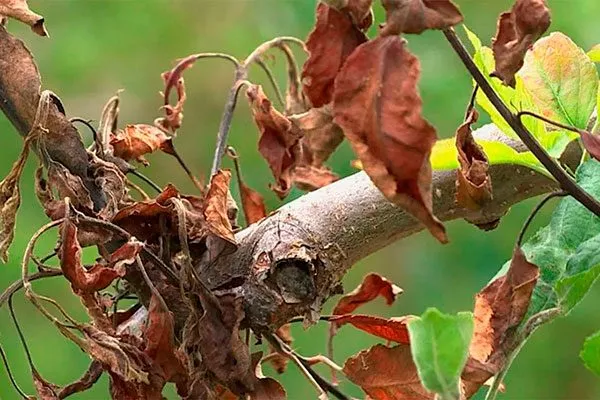
- Fire blight infection In apple trees, it appears during flowering. It is transmitted by insects, birds, and airborne particles. Flowers die, and ovaries dry out. The spread of the infection to leaves and branches leads to the formation of wet, ulcerated lesions on the bark:
- A combination of antibiotics and fungicides is used to treat the tree. Heavily infected trees should be uprooted and destroyed by burning.
- To prevent fire blight, carry out sanitary pruning and thinning, and use only healthy material for planting.
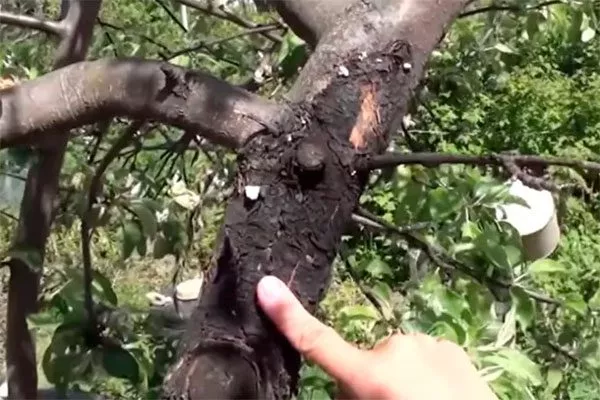
- Black crayfish, Affecting the tree, it causes its depletion. Fungal spores penetrate the damaged bark. Leaves curl and die. A black, soot-like coating appears on the trunk. The bark cracks and dries. Over time, the living tissue of the plant dies, and a marsupial fungus develops in the dead areas, blooming and emitting an odor.
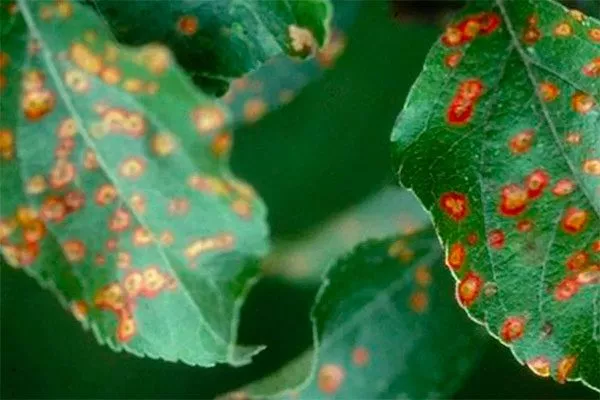
Affected areas are removed down to healthy wood and covered with garden pitch. Tools are disinfected. The trunks are carefully whitewashed. - Rust is also of fungal origin. It begins in April with black spots on the leaf. The parasites then spread as rusty spots and growths on the leaves.
Plants infected with spores are treated with a solution of copper sulfate (300 g per 10 liters of water) and iodine (a standard bottle). Spray three times at three-day intervals.
To prevent insect pests such as aphids, codling moths, and leaf rollers, it's recommended to collect fallen leaves and fruit, prune, and install trapping belts. Birds can also be attracted to the property by installing birdhouses.
Pros and cons
Reviews
Gala apples come in many hybrid varieties, each with a different characteristic: size, color, flavor, and ripening time. In southern regions, these trees produce high yields of apples with excellent marketability. Demand for Gala apples remains consistently high, and with appropriate storage conditions, they can be sold until spring.