
Fuji is the name of a popular apple variety developed by Japanese breeders. It combines excellent yield with superb flavor, excellent shelf life, and attractive appearance. These fruits are the best choice for those who enjoy naturally crunchy, vitamin-rich treats.
The history of Fuji apple tree breeding
This fruit variety was developed in 1939. Researchers at Tohoku Station, located in Fujisaki, spent 19 years developing it. To create the new variety, they crossed two popular American varieties:
- Red Delicious;
- Rolls (Rale) Janet.
Their creation only became widespread in 1962. It is currently actively cultivated in Japan and China, where Fuji apple orchards account for up to 70% of all apple orchards. It is also popular in other countries. In the United States, it is among the top 15 most popular varieties.
Regions for cultivation
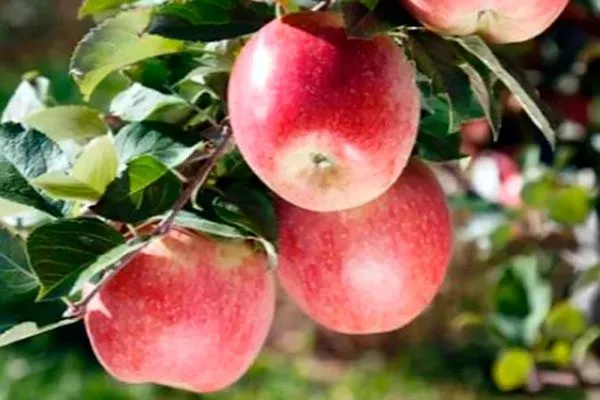
Fuji apple trees thrive and bear fruit not only in the southeastern United States and the United States, but also in Australia and southern Europe. Gardeners in Russia, Ukraine, and Moldova are also showing interest in them.
In the Russian Federation, the variety is cultivated in regions with a temperate continental or subtropical climate:
- Middle zone;
- south of the country (the variety performs especially well in the weather conditions of the Krasnodar region).
Apples grown in southern regions are sweeter and more vibrantly colored than those grown in central regions. The more warmth and sun the crop receives, the less acid it contains.
Characteristics of the Fuji variety
This apple variety, developed in Japan, has many excellent qualities. Before growing it, research the variety's technical characteristics.
Botanical description of the tree
Fuji is a vigorous grower. Without proper training, the tree will reach a height of 6 meters or more. With proper care, its height will not exceed 3.5 meters.
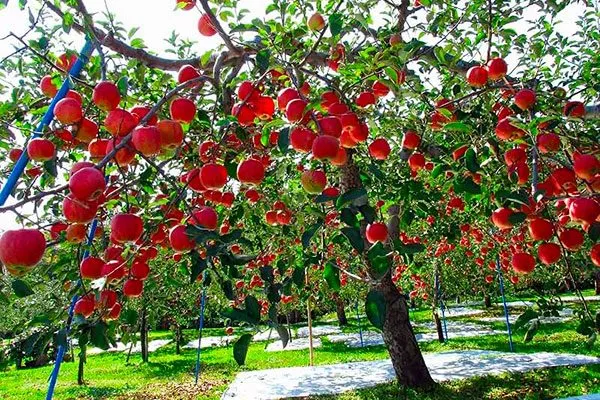
The description of the appearance of the "Japanese" includes the following features:
- crown: thickened, spreading, broadly pyramidal or oval-flat (shapeless and large if not shaped);
- branches: drooping, light brown with a gray tint, with wrinkled bark;
- young shoots: smooth, brightly colored, with a small number of lenticels;
- foliage: ovoid with a pointed tip, curved in the shape of a boat, with finely serrated edges, light green, having a wrinkled surface and noticeable pubescence;
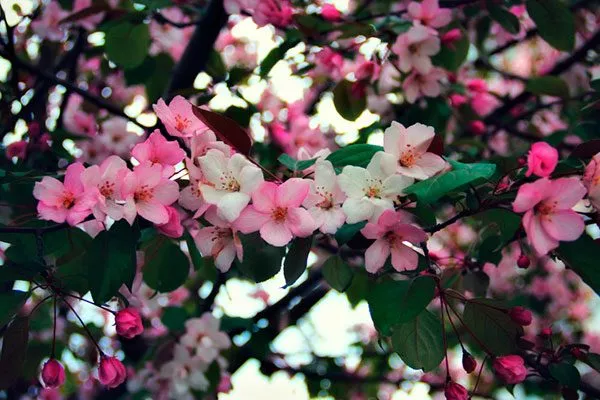
- flowers: medium-sized, white, saucer-shaped.
Features of fruits, their taste
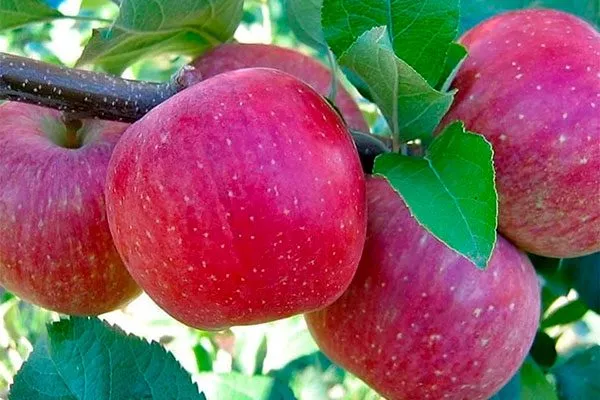
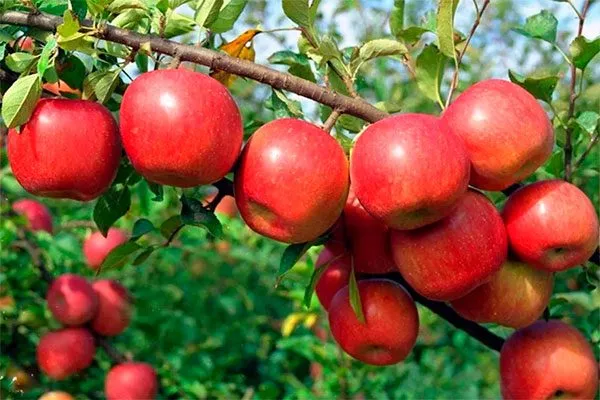
The Fuji apple harvest is quite attractive. The apples are large, beautiful, and appetizing. They possess the following characteristics:
- weight - 200-250 g;
- diameter indicator - from 7.5 cm;
- round-cylindrical shape with slight asymmetry;
- light yellow color, almost completely hidden under a washed-out blush of a rich red-pink color;
- skin: hard, not thick, but dense and elastic, with a smooth and dry surface without shine, with the presence of light subcutaneous dots;
- pulp: creamy, dense, juicy and extremely crispy, aromatic;
- small seed cavities, open or partially closed.
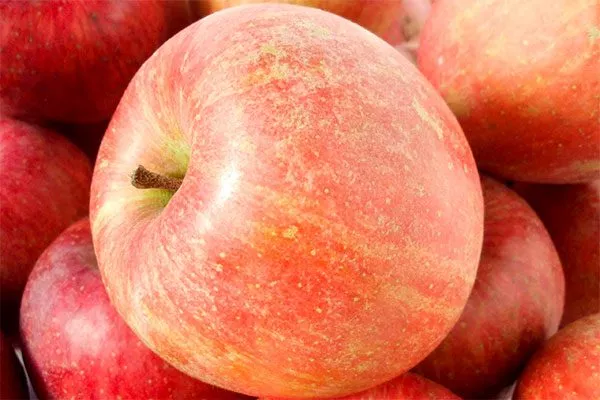
The fruit's tasting qualities are excellent, with a rating of 4.8-4.9 points. The flavor is rich, sweet, with a refreshing acidity and honeyed notes. This is enhanced by the remarkable aroma characteristic of this variety. The pulp's sugar content is 9-11%.
During storage, the apples' flavor doesn't deteriorate; instead, they become more intense and rich, and their acidity fades. If you find the October harvest isn't sweet enough, let it "mature" for a month.
Fuji fruits are not prone to shedding. They are firmly attached to the branches and remain on the tree until frost. They are easy to transport and keep well (4-5 months, up to 240 days in the refrigerator).
The benefits of apples and their scope of application
The fruit of this variety is a healthy, crunchy dessert that can be enjoyed year-round. Its caloric content does not exceed 71 kcal/100 g. In addition to water, protein, fat, and carbohydrates, it also contains a lot of fiber.
They are rich in valuable substances:
- vitamins: A, C, RR, B5, B6, B9;
- minerals: iron, iodine, manganese, copper, fluorine, zinc, potassium, calcium, magnesium, sodium, phosphorus.
The fruits harvested from less productive trees have the richest chemical composition. The fewer apples on the branches, the larger they are and the more nutrients (vitamins, minerals, sugars) they have accumulated.
By eating them, you will receive many healing effects:
- strengthen your immune system;
- reduce the level of bad cholesterol in the blood;
- improve the condition of your heart and blood vessels due to the high potassium content in the pulp;
- overcome anemia thanks to the abundance of iron in the fruit;
- improve your gastrointestinal tract function and get rid of constipation, which is facilitated by the large amount of fiber;
- normalize your sleep;
- Get rid of your headache.
Doctors recommend including apples in their diet for those who have health problems such as hypertension, anemia, gout, and arthritis.
Japanese-bred fruits also have contraindications. Fresh fruits should not be included in the diet of people suffering from the following illnesses:
- stomach ulcers;
- gastritis;
- pancreatitis;
- colitis;
- cholecystitis;
- diabetes (due to the increased sugar content of the variety).
Fuji berries have a versatile purpose. The fruits are eaten not only fresh but also cooked. Housewives use them to make drinks and various treats:
- juice;
- compote;
- jam;
- jam;
- marshmallows;
- marshmallows;
- marmalade;
- pie fillings;
- canned goods for the winter.
Resistance to low temperatures and drought
This variety is characterized by moderate cold resistance. Trees can withstand temperatures down to -25°C. To prevent frost damage, they should be insulated for the winter. However, they show good resistance to the following adverse factors:
- recurrent spring frosts (thanks to late flowering, the yield does not suffer);
- cold snap after a thaw.
The crop has good drought resistance, which makes it possible to cultivate it in the south of the country.
Ripening and fruiting
The "Yaponka" variety delights gardeners with its early fruiting. When grown on a dwarf rootstock, you'll harvest your first crop in the second year; on a medium-sized rootstock, in the third or fourth; and on a seedling rootstock, in the fifth. Initially, the tree will produce small, not very sweet apples. Their quality will improve the following year.
Learn about the varietal characteristics of fruiting, which may differ from those of the crops popular among domestic gardeners:
- Flowering timeFuji flowers bloom late. Buds open in May and even June (depending on the growing region's weather conditions). This process begins at temperatures ranging from 15°C to 22°C.
You will admire the apple trees covered with white flowers for 6 to 12 days. - FruitingThis variety is classified as a winter variety. The apples reach harvesting maturity after October 10th.
The first two years of fruiting are unremarkable: the harvest is meager, lacking in size and dessert flavor. By the third year, the fruit begins to meet the stated characteristics.
The productive life of a tree is four decades (with proper care). Apple trees grown on dwarf rootstocks bear fruit for no more than 30 years. - IncreaseThis fruit tree variety is characterized by its rapid growth rate. It grows at least 0.6 meters in height and the same in width per year. This process is most intense in young apple trees; it slows down in mature ones.
For the fruit to fully ripen and be sweet, they require plenty of sun. The required amount of light is at least 3,200 hours per year.
Pollination and yield
The Japanese apple tree is self-sterile. To ensure a harvest, pollinators must be grown nearby. To ensure abundant fruiting, plant the following varieties 4-5 m from the tree trunk:
- Idared;
- Golden Delicious;
- Galu;
- Granny Smith;
- Ligol.
The Fuji tree begins producing fruit in its third or fourth year. It reaches peak fertility at 10-12 years. Yield indicators are as follows:
- from 14,000 to 21,000 kg per 1 ha of planting;
- Ten-year-old apple trees yield 20,000-21,000 kg/ha;
- up to 200 kg is the maximum amount of fruit that can be collected from one adult tree.
A characteristic feature of this variety is its unstable yield. One year, Fuji will produce a ton of fruit, while the next, there will be very little. To ensure consistent productivity, thin out the buds. Don't allow the tree to exhaust itself.
Popular varieties and their characteristics
This Japanese variety is so popular with gardeners worldwide that clones continue to be produced to this day. Breeders are working tirelessly to develop new varieties with similar characteristics. All of them delight the eater with a stunning crunch and honey-sweet flavor.
Toshiro
This marvel of Japanese breeding differs from Fuji in that its apples ripen earlier (they're ready to harvest as early as September). The clone's characteristics are as follows:
- large fruit size (weight - up to 220 g);
- rich pink-red skin color (more vibrant than Fuji apples);
- crispy pulp with a dessert taste;
- vigorous growth;
- pliability to formation;
- good winter hardiness;
- drought resistance;
- susceptibility to powdery mildew and fire blight.
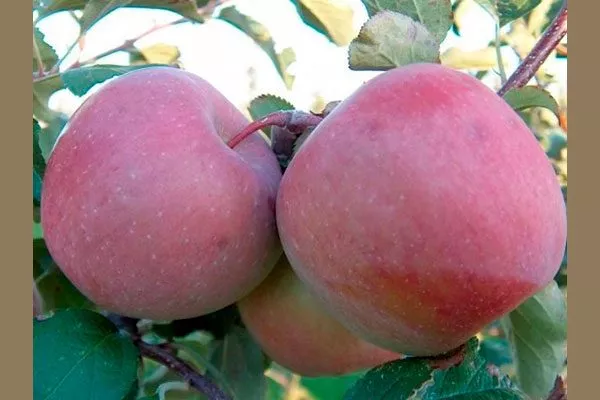
Benny Shogun
This variety was developed in Japan from the Yataka apple tree. It belongs to the winter-fruiting category and yields fruit three weeks earlier than the Fuji apple. It has the following characteristics:
- very large fruit size (weight - 350 g);
- yellow-green skin color, 70% hidden under a pale red blush;
- sweet taste with pineapple notes;
- dense and juicy pulp;
- excellent yield;
- winter hardiness;
- good immunity (the crop is little susceptible to rust and powdery mildew, but can suffer from scab).
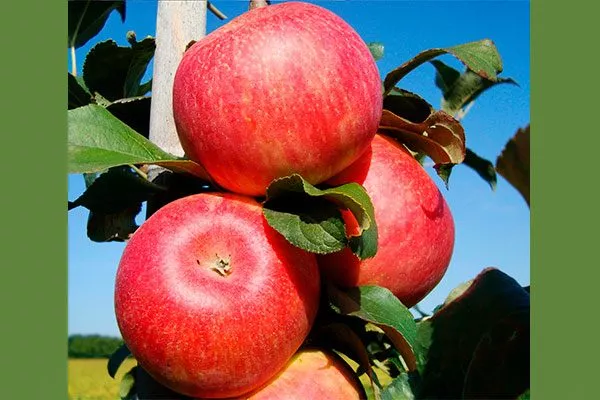
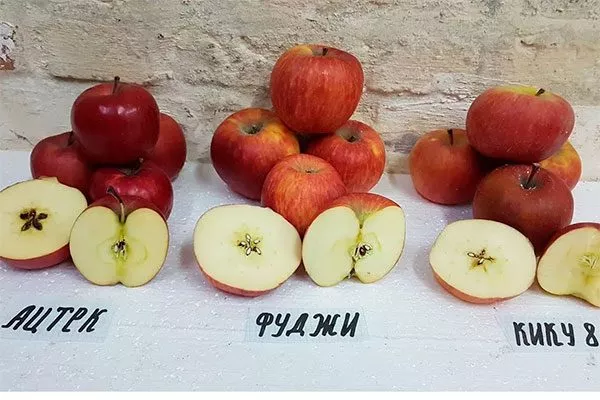
Kiku 8
Gardeners recognize this variety as one of the best clones of the Japanese variety. It also originates from the Land of the Rising Sun. It surpasses the Fuji in many ways:
- larger fruits - from 300 g;
- skin color - deep pink;
- sugar content is increased, the taste is excellent;
- ripening occurs 2-3 weeks earlier;
- average tree growth strength;
- excellent productivity;
- high winter hardiness;
- disease resistance;
- storage of the harvest for 1 year (in cool conditions).
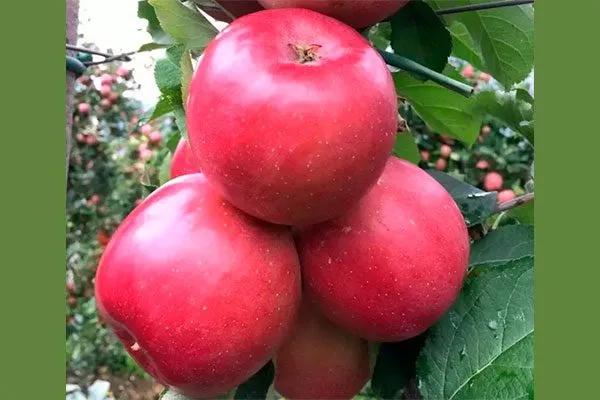
Yataka
This variety was developed by Japanese breeders. It's a winter variety. It's considered early-ripening and prolific, yielding fruit 20 days earlier than Fuji. It has the following distinctive characteristics:
- large apples - 300-350 g;
- round-cylindrical shape;
- light yellow or pale pink color, covered with a delicate blush;
- dense and very crispy pulp, juicy and aromatic;
- sweet taste without a hint of sourness, but with a spiciness;
- average resistance to diseases and frost;
- good transport tolerance and suitability for long-term storage;
- a tendency to overload branches with fruit, which dictates the need for regular thinning of ovaries.
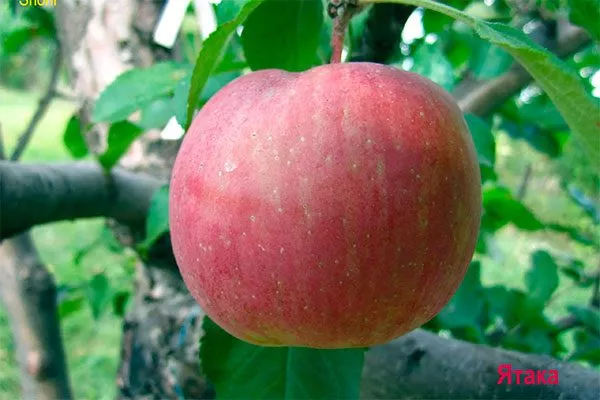
Kiku Fubrax
The clone was developed by Italian breeders. It belongs to the category of high-yielding winter varieties. It differs from Fuji in its more intense fruit color. Its main characteristics are:
- the harvest ripening period is October (the second half of the month);
- fruit weight - 200-250 g;
- shape - correct, spherical;
- color - rich, ruby red;
- fine-grained pulp, distinguished by its juiciness, tender consistency, and crunch;
- taste - sweet with a little sourness;
- excellent shelf life (until March in the cellar, until June in the refrigerator);
- good transportability;
- high yield;
- winter hardiness - above average;
- low susceptibility to diseases.
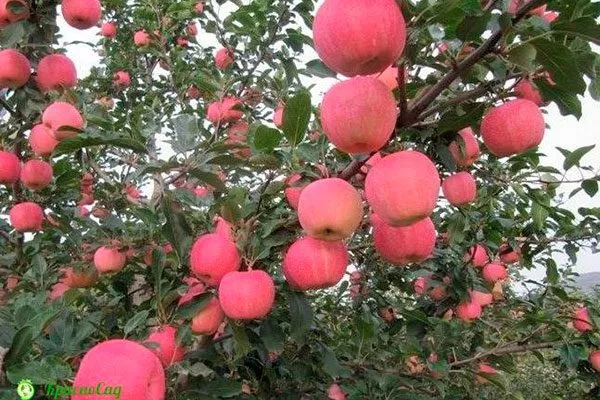
Aztec
This variety was bred in New Zealand in 1996. It is considered productive and early-bearing. It produces fruit in the second half of September. They are distinguished by their large size (up to 200 g), rich red color, and dessert-like flavor, combining sweetness and tartness. They have a shelf life of up to 7 months.
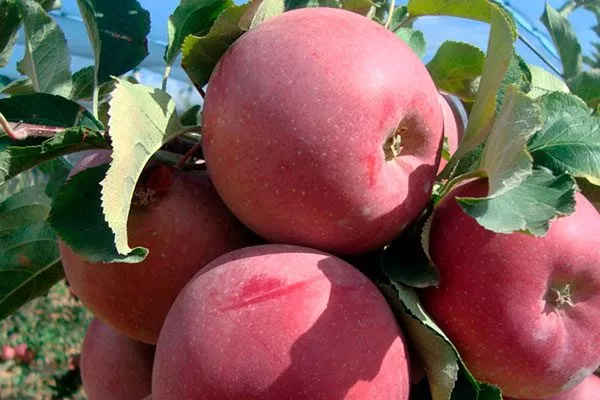
Red (Nagafu)
This variety originated in Japan. Its main difference from Fuji is the earlier ripening of its apples (a 14-day difference). The harvest is ready for picking at the end of September. Other characteristics:
- rich raspberry-red color of fruits;
- weight - 250-300 g;
- pulp: sweet, juicy, crispy;
- medium height;
- consistently abundant fruit yield;
- good winter hardiness;
- excellent transportability;
- shelf life - until spring.
Raku-Raku
This is another Fuji clone, created thanks to the efforts of Japanese breeders. It is very productive, frost- and drought-resistant, but susceptible to scab and powdery mildew.
The trees are spreading and medium-sized. They bloom at the same time as the Golden Delicious apple trees. They require pollinators to bear fruit. They produce fruit in early October.
The fruits are distinguished by their marketability and high consumer characteristics. Their description includes the following characteristics:
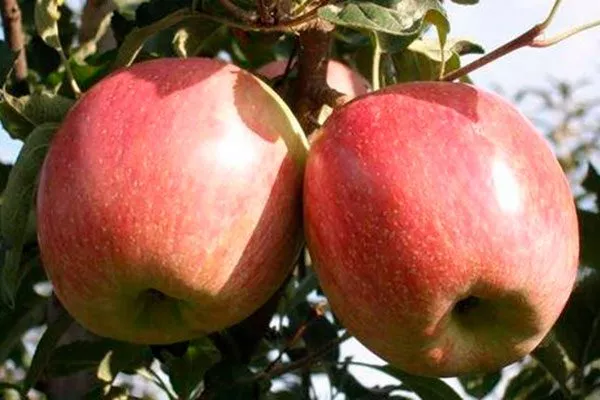
- weight - 200-250 g;
- elongated cylindrical shape;
- yellow-green skin with a glossy finish, almost completely covered with a delicate pink blush;
- white or creamy flesh, dense, juicy, crispy;
- dessert taste with a predominance of sweetness;
- characteristic aroma.
The longer apples are stored, the tastier and sweeter they become. In the refrigerator, they stay fresh until summer, and under normal conditions, for up to 4 months.
Landing rules
If you're planning to grow a Japanese apple tree in your garden, learn all the intricacies of planting. Properly performed planting procedures will ensure the seedling's successful survival, proper development, and abundant fruiting in the future.
Suitable and unsuitable neighbors, planting times
Plant in October, after the leaves have fallen, or in early spring. In the first case, the roots damaged during uprooting will have time to recover before the weather warms up. In the second case, plant before the buds open. The plant should have time to establish itself and grow strong before the hot weather arrives.
When planning the placement of your apple tree, consider its favorable and unfavorable neighbors. Gardeners consider the following plants to be beneficial for Fuji apple tree productivity:
- quince;
- pear;
- honeysuckle;
- plum;
- cherries;
- garlic.
Stone fruits (with rare exceptions), walnuts, and golden currants are considered poor companions for the Japanese trumpet. Avoid planting it near these trees and ornamental shrubs:
- rowan;
- fir;
- birch;
- juniper;
- mock orange (garden jasmine);
- lilac;
- viburnum;
- barberry;
- hawthorn.
Selecting and preparing a planting site
Select a sunny spot in your garden for your apple tree, protected from drafts and gusty winds. Fuji apples will thrive in soil that meets the following requirements:
- loamy, sandy loam, chernozem;
- slightly acidic or neutral, with a pH of 6-6.5;
- loose;
- air- and moisture-permeable;
- drained;
- fertile.
Avoid growing apple trees in heavy clay soil. Flood-prone areas with stagnant water are also unsuitable.
Two to three months before planting, dig the soil, add fertilizer, and dig a planting hole. The dimensions are 0.8 x 0.8 m. If you plan to plant several trees, leave 4 m between the holes. Fill the hole with a nutritious soil mixture made from the following ingredients:
- the top fertile layer of soil;
- organic matter such as compost or humus (8-10 kg);
- mineral compositions: superphosphate - 100 g, potassium sulfate - 70 g.
Preparing the seedling
Pay close attention to your planting material. Purchase from a reputable seller. Avoid large specimens, as they don't take root well. A suitable age for a seedling is two years. Inspect it before purchasing. It should be free of damage, defects, signs of disease, or pest infestation.
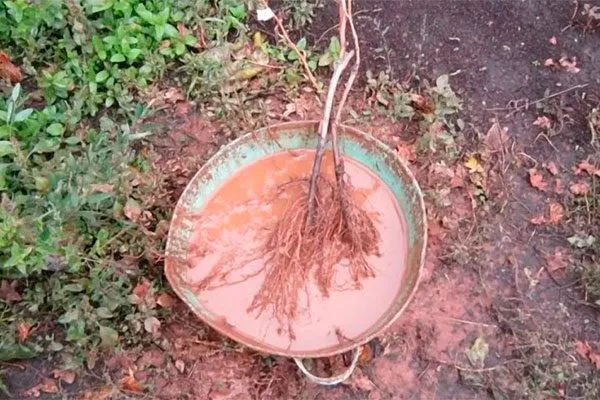
Conduct proper pre-planting preparation for your tree. This includes the following essential procedures:
- soak (keep the plant in water for 4-12 hours to allow its roots to become saturated with moisture);
- pruning (inspect the root system, use pruning shears to cut off dried, rotten and broken shoots down to healthy tissue).
- disease treatment (immerse the underground part of the seedling in a 1% copper sulfate solution for a few minutes, then immediately rinse it with clean water).
Planting technology
Carry out the work of transplanting a Japanese apple tree into your garden, strictly following the proposed step-by-step instructions:
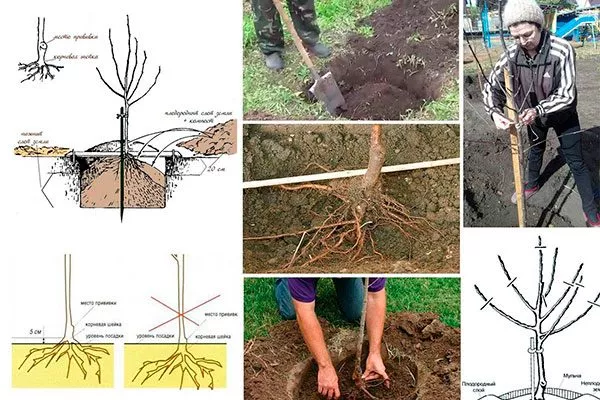
- Place the seedling in a hole on a mound formed from a mixture of soil and fertilizer. Carefully spread out its roots.
- Fill the hole with soil. Make sure the root collar is not buried deep, but remains 5 cm above the surface.
- Firm the soil around the trunk. Create a rim of soil around the trunk to retain water.
- Water the tree.
- Tie it to a stake.
Care
Following proper cultivation practices is the key to abundant fruiting. Water your Fuji plant regularly, fertilize, and prune regularly.
Spraying and watering
This fruit tree thrives on moisture. Water stress negatively impacts its yield and fruit quality. During the first year after planting, water the tree 4-6 times per season, using 10-20 liters. In subsequent years, water less frequently but more thoroughly (40 liters for two-year-olds, 50-80 liters for mature plants).
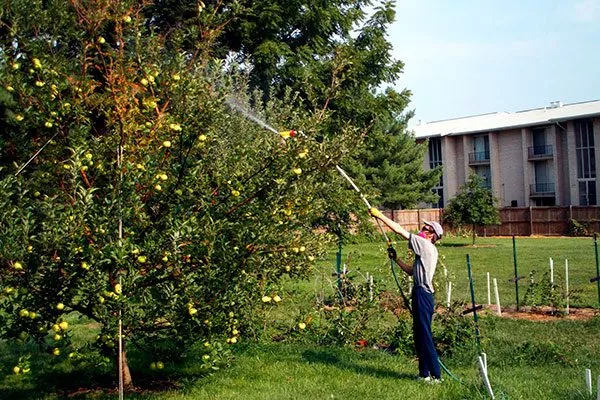
Due to its susceptibility to diseases, particularly fungal infections and pests, the Fuji apple tree requires regular spraying with specialized products. Follow this schedule:
- beginning of March - on dormant buds;
- the end of March or the beginning of April - when the leaves are blooming;
- May, June - before and after flowering;
- summer - when the ovary is formed;
- autumn (October) - after harvesting fruits.
Top dressing
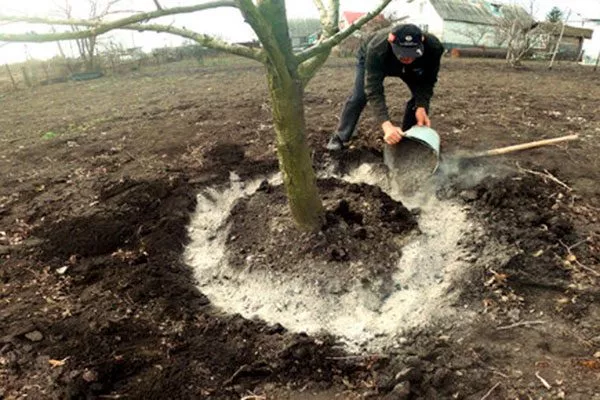
During the first year after planting, do not fertilize the tree. The nutrients added to the hole will be sufficient. Beginning in the second year, apply a nutrient solution. Follow the instructions below:
- in spring, add urea or saltpeter;
- In the fall, enrich the soil in the area around the tree trunk with potassium-phosphorus compounds such as superphosphate, rotted manure, ash, and compost.
Trimming
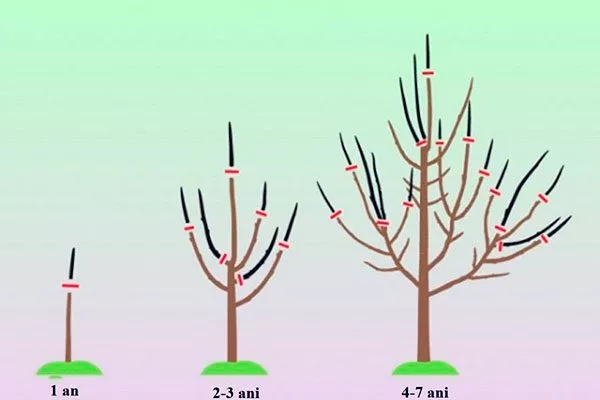
Apple trees require formative, sanitary, and rejuvenating treatments. During the first five years, pay special attention to the first type of pruning. Shape the crown according to these rules:
- select the central conductor and remove competing branches;
- form the skeleton of the seedling;
- make sure that the shoots that form the crown are not thicker and longer than the central conductor;
- do not allow the crown to grow too large;
- During annual pruning, leave 50% of the annual growth, remembering that the main crop is formed on last year’s fruit shoots;
- A tree older than 5 years is considered fully formed.
Carry out a sanitation procedure every spring. The best time is late February, March, and April (before the sap starts to flow). When doing this, remove all unproductive branches:
- dry;
- damaged;
- frozen;
- thickening the crown (growing inside the tree);
- with signs of disease and pest damage.
Shorten the remaining shoots by 1/3 of their length. Pay attention to the remaining top bud. It should point outward. Otherwise, the shoot emerging from it will thicken the crown.
About diseases and pests of the variety
Fuji is susceptible to powdery mildew and fire blight. Spraying with HOM (after flowering) or a solution of copper or iron sulfate (after harvesting) will help protect the crop from the fungus.
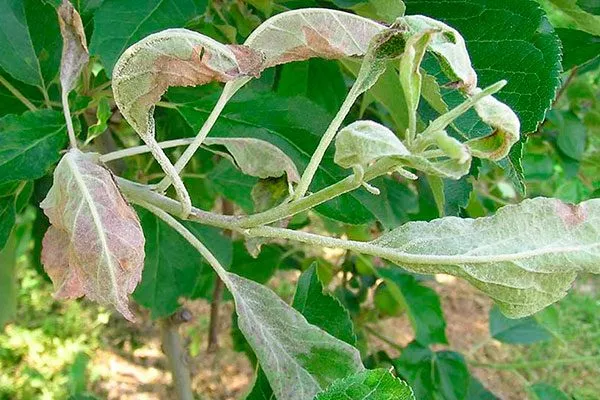
When the first signs of a bacterial infection appear (at an early stage of the disease), take the following measures:
- remove diseased branches (cut them at the base to a “ring”);
- lubricate the cut areas with copper sulfate dissolved in water (1%);
- Use antibiotics with active ingredients such as gentamicin, streptomycin, and chloramphenicol for spraying.
The variety has moderate resistance to scab. Fruit affected by it does not store well. Preventative treatments with copper sulfate and Bordeaux mixture (before leaf out, before and after flowering), and Captan or Phthalan (21 days after budding) can help prevent the problem.
Fuji apple trees suffer from attacks by apple blossom beetles, aphids, and codling moths if farming practices are not followed or during unfavorable seasons. To combat these, spray the crop with insecticides such as Aktara, Decis, Biotlin, and Fitoverm.
Harvesting and storage
Harvest Fuji apples in the second half of October. Pick the apples from the branches as they ripen. Due to the dense canopy, they may ripen unevenly.
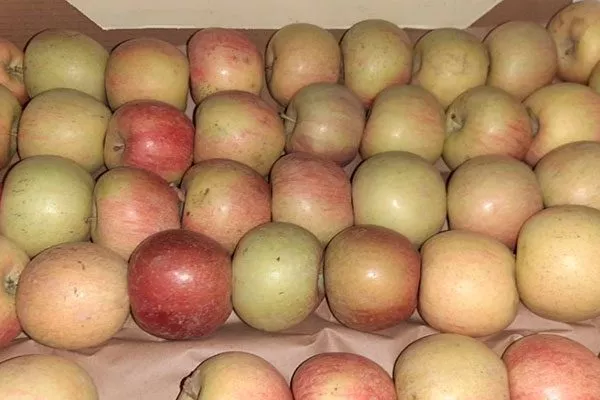
Thanks to their dense flesh, apples can be stored for at least 4 months. Select fruit without damage or signs of disease for cellaring. Store them in the following conditions:
- air temperature - +3°С;
- humidity - up to 90%.
Preparing for winter
To ensure Japanese apple trees survive the winter safely in the Central Russian region, carry out the following preparatory measures:
- moisture-charging irrigation;
- whitewash;
- mulching the tree trunk circle with organic matter;
- wrapping with covering material (burlap, agrofibre);
- protection from rodents (use of roofing felt, metal mesh);
- insulation with spruce branches.
Reproduction
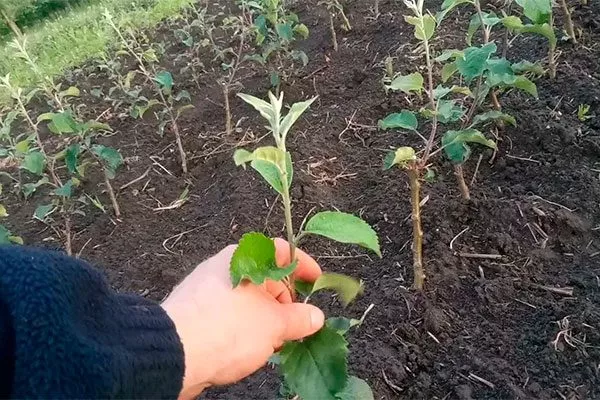
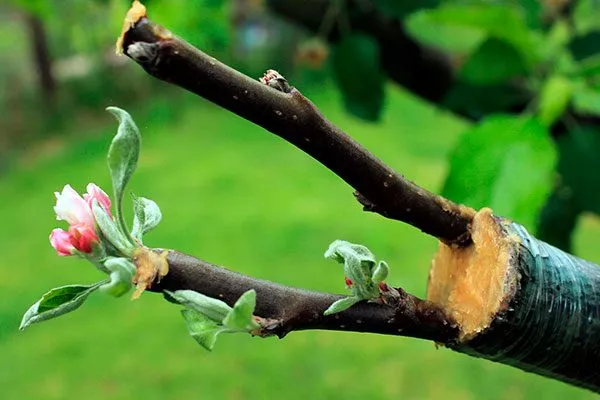
You can grow new Fuji apple trees using cuttings and grafting. The first method involves separating a section of the stem with buds from the tree, which is then rooted to produce a seedling. The second method involves joining the cutting to a rootstock. This produces a hybrid with properties of both types.
Pros and cons
Reviews
Fuji is a winter apple variety developed in Japan. It's an excellent choice for those looking to grow an exotic apple in their garden. The fruits are incredibly tasty and very crisp. They store well even under normal conditions. Due to their moderate resistance to infections, the trees require regular preventative treatments.