
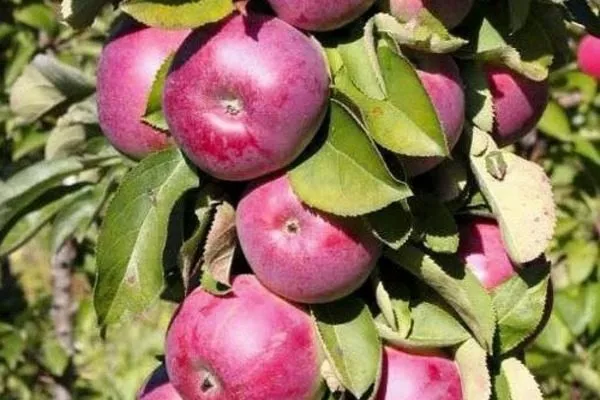
The Yesenia apple tree is distinguished by its compact, columnar growth habit and is suitable for growing in limited spaces, including pots and greenhouses. This variety is characterized by early fruiting, high resistance to fungal diseases, and excellent fruit quality. This cultivar attracts gardeners with its high productivity and marketability.
Origin and regions
Creation columnar apple treesThe development of a variety suitable for the conditions of the central part of Russia has become a significant achievement for the All-Russian Research Institute of Fruit Crop Breeding, located in the Oryol Region. Among the institute's new developments is a variety with the poetic name Yesenia, recently developed.
The culture is adapted to the conditions of the following areas:
- Moscow;
- Smolensk;
- Kaluga.
It is successfully cultivated in the Black Earth Region and the Volga Region.
Description of the Yesenia apple tree
This variety is a new selection. Its compact size and low growth make it ideal for small garden plots. It's important to study all the varietal characteristics before planting.
Apples: What do they look like?
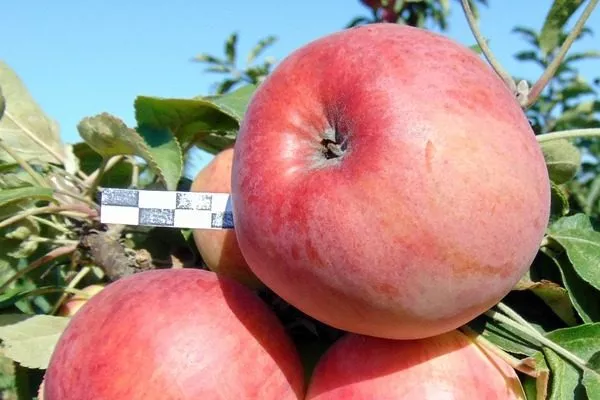
The fruits are usually larger than average – their weight varies from 160 to 210 g, and individual specimens reach 250 g. Other distinctive features:
- The fruits are symmetrical in shape, predominantly round or round-conical, less commonly slightly spherical or turnip-shaped. Ribbing is subtle and almost imperceptible.
- The apple skin is dense, elastic and smooth, with a glossy sheen, and is highly resistant to mechanical damage.
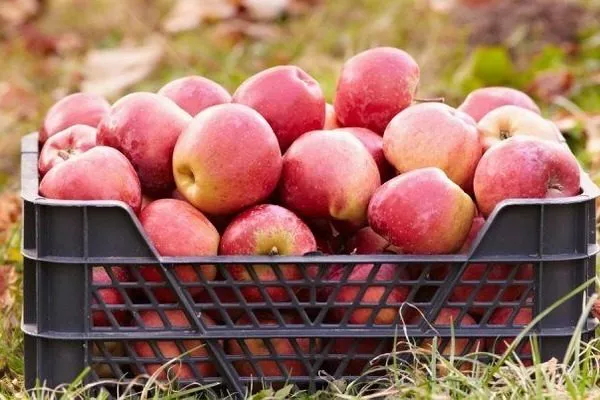
- The base color is light green or yellowish, becoming covered with a dense waxy coating at maturity. A bright blush—rich red, red, or raspberry-hued—occupies most of the surface (up to 80%). Subcutaneous dots are large and clearly visible.
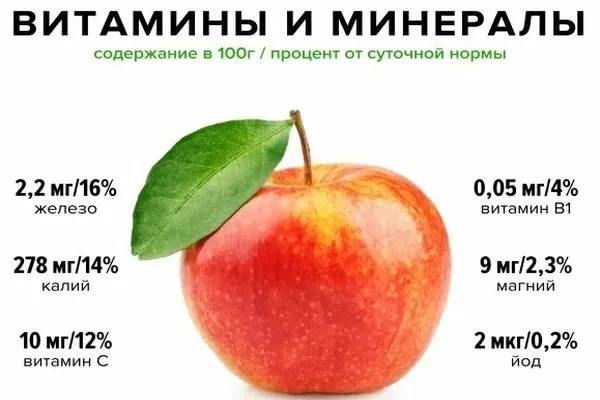
The chemical composition of the fruits is as follows:
- P-active substances – 294-296 mg;
- Vitamin C – 10-13.9 mg;
- sugar – 10.5-10.8%;
- titratable acids – 0.82%;
- pectins – 8.7%.
The flesh is dense, fine-grained, juicy, and crisp, with a characteristic "prickly" texture. The color is greenish-yellow. The flavor is dessert-like, sweet and sour, with a distinct sweetness and a well-balanced finish. Experts awarded the variety 4.4 out of 5 possible points for taste and appearance.
Crown and root system
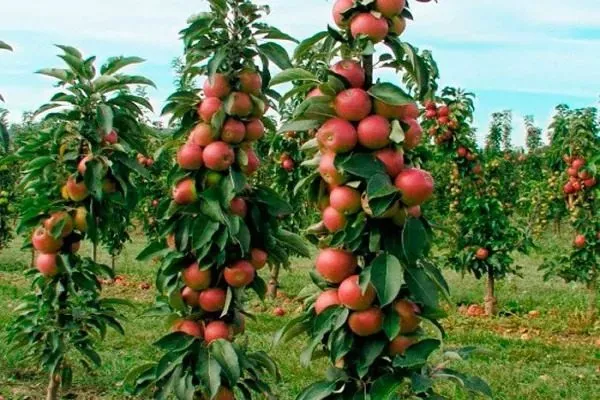
The tree grows to a height of 2.4-2.8 m, although under favorable conditions it can exceed 3 m. This is a naturally occurring semi-dwarf cultivar of columnar habit: the plant forms a single central trunk without pronounced lateral scaffold branches. This results in a compact crown width of 25 to 40 cm.
Fruiting is ensured by spears and rings located directly on the central conductor.
Features and specifications:
- Bark - smooth, with a slight shine, can be grayish-green or brownish, sometimes with slight pubescence.
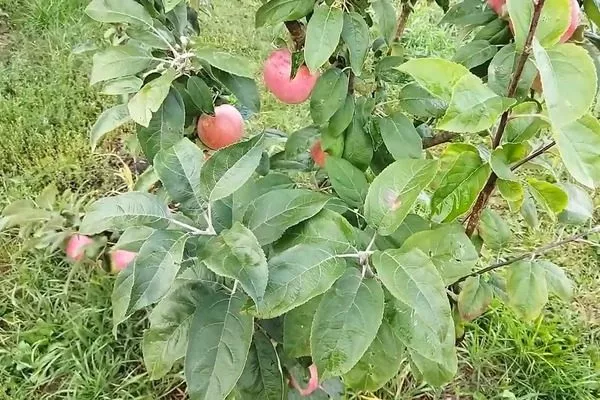
- Leaves - Medium-sized, elongated leaves with a long, pointed tip, often slightly curled into a propeller shape. The leaf margin is wavy, with a serrate-crenate structure. The leaf blades are dense, leathery, matte, and a rich green or emerald color. The underside is pubescent, with delicate ribbing.
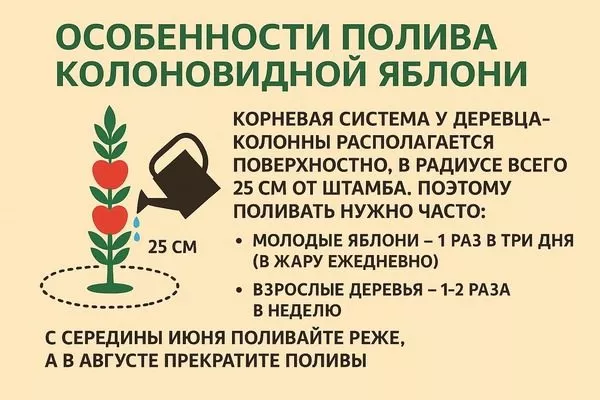
- Roots – superficial and poorly adapted to independently search for moisture deep in the soil.
Productivity and pollination
Among columnar apple varieties, the Yesenia apple tree stands out for its early maturity and high productivity. A single mature trunk can produce 7-9 kg of sweet, aromatic fruit per season.
With proper care and favorable weather, yields can reach 9-11 kg, and in some cases, up to 14-16 kg per tree. With a standard planting, approximately 100-120 tons of apples are harvested per hectare.
Ripening and fruiting of Yesenia
The apple tree begins producing fruit early and regularly. The tree grows quickly, forming a compact but abundant crown capable of delighting the gardener with high-quality, delicious apples every year.
The beginning of fruiting
This variety is characterized by early flowering—the first buds appear already in the first year of growth. However, experienced gardeners recommend removing them, preventing the tree from wasting energy on fruit formation. The same procedure is followed in the second and third years of growth.
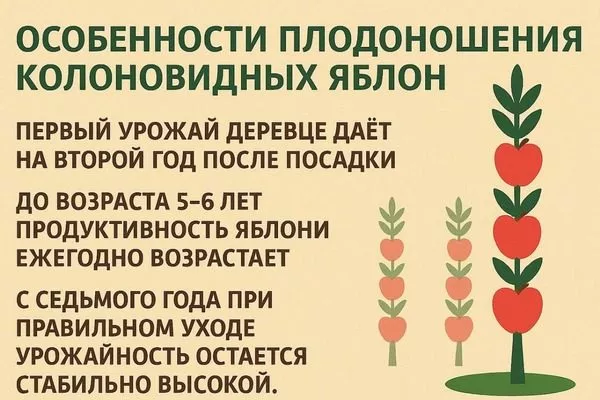
The first full harvest can be expected in the fourth or fifth year. Initially, the fruit production is small—only 5-10—but with age, their number increases rapidly.
Flowering time
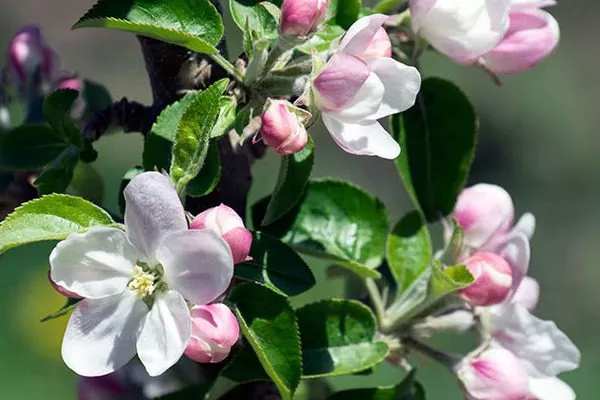
The plant blooms quite late—depending on weather conditions, this occurs in late May or early June. The flowers are large, with wide, white petals, sometimes with a slight pinkish tint at the base. They are gathered in small inflorescences and densely cover the trunk.
Flowering lasts about 12-15 days, during which the trees need active pollination.
Fruiting and growth
The tree can gain 25 to 45 cm in height per season, reaching its full height within a few years of planting. Yields also increase rapidly: by the sixth or seventh year, the tree is capable of producing full-sized fruit.
Other features:
- The disadvantage of this variety is its limited productive life: after 15-17 years of active fruiting, the tree loses its strength and must be replaced.
- Apples ripen late—toward the end of September or early October, depending on climate and weather conditions. The fruits can be picked on time without fear of falling—they cling firmly to the branches.
Place the apples in wooden boxes, sprinkling them with sawdust or sand. They have an average shelf life: they can be stored until mid-February, after which they begin to lose their firmness, become limp, and lose their flavor.
Winter hardiness and disease resistance
Frosts below -20 to -25°C that persist for several days in a row can seriously damage the tree. Therefore, it is especially important to thoroughly prepare the apple tree for winter, including completely covering it with plastic. Even in the relatively mild climate of Crimea and the Caucasus, trees require reliable protection from the cold.
In case of damage, only the leaves are usually affected, while the fruit retains its quality and remains edible. Insect pests can be a nuisance, but timely preventative treatments help effectively combat them. Read more about apple tree diseases and treatment methods. Here.
Rootstocks and subspecies
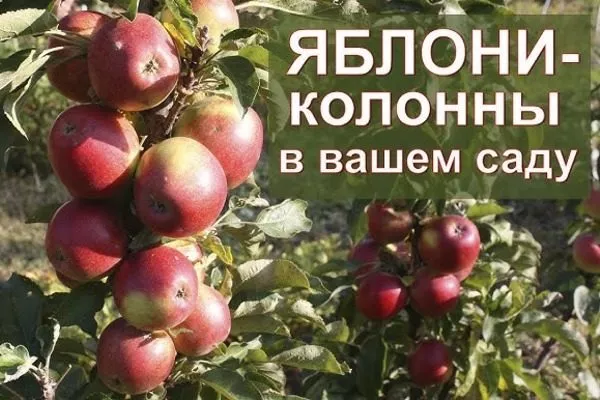
Since this variety is completely new, it's premature to talk about its subspecies. Yesenia grows well on various rootstocks, the most popular being Mark and M108.
The tree's characteristics remain virtually unchanged, but on seed rootstocks it can grow to 3-3.5 m. In such cases, winter hardiness increases, but the apples become somewhat smaller.
Features of growing Yesenia
Apple tree cultivation is simple and requires no special skills. The tree is easy to care for and adapts well. With basic knowledge and minimal effort, even a novice can reap a bountiful harvest of delicious and flavorful apples.
Basic conditions
The variety is characterized by high sensitivity, so when optimal conditions are created for it, it will immediately respond with intensive growth and generous fruiting.
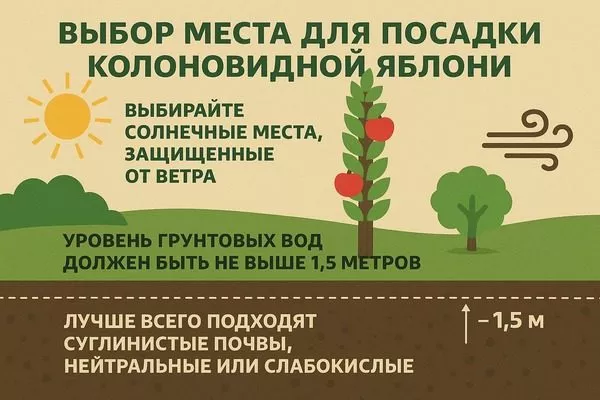
Follow these recommendations:
- Choose a sunny location that's as sheltered from strong winds as possible, but ensure good crown ventilation. This means protecting the tree from drafts, but avoiding excessive planting density.
- Fertile soils are ideal, providing seedlings with sufficient nutrients for growth and fruit formation. However, pure black soil is best supplemented with imported and thoroughly washed river sand, while loam and sandy loam require regular fertilization.
- Pay special attention to the soil acidity level – acidification can ruin the garden, so if necessary, it should be corrected with lime.
- Proximity to groundwater is not a problem for the Yesenia variety, as long as it is no higher than 1.5 m. However, avoid planting it near rivers, streams, lakes, ponds, marshy areas, or floodplain lowlands.
Landing dates
To ensure good rooting and successful establishment of the apple tree, experienced gardeners recommend planting it in early spring—in late March or early April. If this doesn't happen, or the seedlings were purchased in the fall, you can bury them at a 45° angle to prevent them from sprouting and allow them to safely await the next warmer weather.
Landing
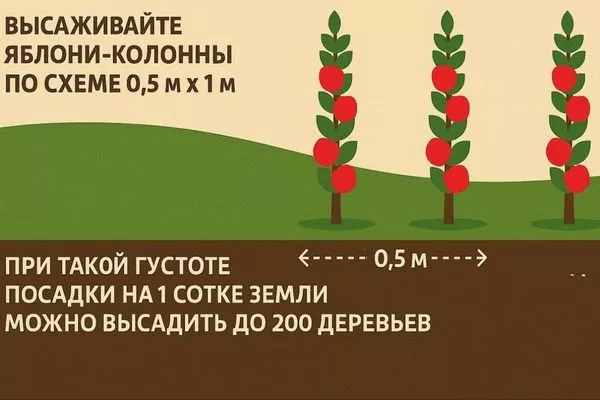
There's no need to prepare the planting holes in advance—you can dig them 2-3 weeks beforehand, which is plenty. Leave about 50-60 cm between apple trees, and 80-90 cm between rows, sometimes up to 1 m.
Please follow these guidelines:
- Dig holes approximately 60x80 cm in size, place the top fertile layer of soil mixed with fertilizers on the bottom, make a drainage layer if necessary and water thoroughly with 20-25 liters of water.
- To secure the seedlings in place, drive stakes or planks into the holes. Since Yesenia's root system is weak and shallow, support is essential. It's best to position it on the north side for additional protection of the trunk.
The root collar of the seedling must remain above the ground surface by at least 7-9 cm, otherwise the properties of the rootstock may be lost. - Place the seedling strictly vertically, supporting it by the trunk, then sprinkle it with soil and carefully compact it layer by layer with your hands to avoid air pockets that can cause root rot.
- Mulch the soil surface around the plant with wood chips, chopped grass, manure or other suitable material.
Tree care
Careful and proper care of an apple tree is essential to ensure it grows well and produces a bountiful harvest. Regular watering, fertilizing, timely pruning, and protection from diseases and pests are essential agricultural practices for the tree's robust health.
Protection from frost and pests
Before winter, carefully cover the tree to protect it from frost. But first, stop watering—do this in mid- to late September. If you neglect this, sap will continue to circulate in the trunks, leading to frostbite.
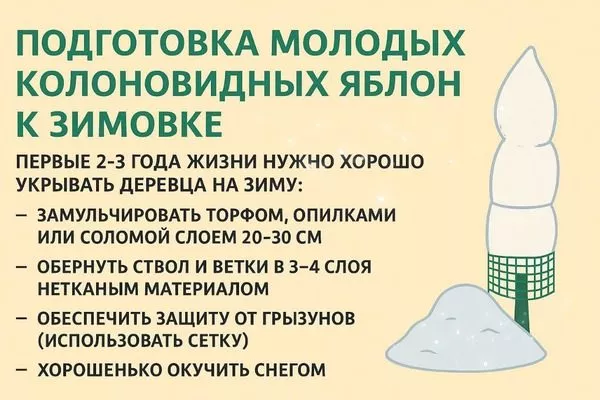
Insulate the root zone with dry leaves, grass, straw, soil, or spruce branches. Wrap the trunks with burlap, roofing felt, roofing felt, or other fabric.
For additional protection, construct a tent-like shelter out of film, agrofibre, or tarpaulin—this will make it more comfortable during the cold winter months. To repel rodents, coat the trunks with lard or grease, use netting, and whitewash with lime helps repel insects—apply in spring and fall (read how to properly whitewash an apple tree and what you can use as a substitute for lime). Here).
Loosening the soil, watering: proper agricultural technology
Loose soil and good aeration are especially important for this plant. It doesn't tolerate a dense root ball well and can suffer greatly from a lack of air in the root zone.
Please follow the requirements:
- Be sure to loosen the soil around the trunk twice a year, removing weeds and excess shoots. Between each hoeing, hoe the soil 8-12 times, preferably the day after watering.
- Since the Yesenia's root system is weak, help the tree better absorb moisture and nutrients by planting nearby plants with soil-loosening roots, such as parsley, lemon balm, dill, marigolds, or calendula.
- Provide regular watering—about once a week, but at least once every ten days if there's no natural rainfall. After rain, leave the soil dry for 7-10 days to avoid overwatering and wasting water.
Pruning: simple crown shaping
Columnar apple trees rarely require structuring pruning, except for the initial pruning performed at the nursery. As the tree grows, it may produce a second top; in the fall, leave the stronger, more robust one and remove the weaker one.
Diseases and pests
Yesenia is characterized by good resistance to common diseases, but under unfavorable conditions it can still suffer from diseases and pests.
Common problems:
| Diseases / Pests | Symptoms | Methods of control |
| Scab |
|
|
| Powdery mildew |
|
|
| Clasterosporium (brown spot) |
|
|
| Aphid |
|
|
| Leaf roller |
|
|
| Codling moth |
|
|
Top dressing
The Yesenia variety requires regular and proper nutrition to thrive, produce large, tasty fruits, and overwinter well. Each growing season has its own characteristics, so it's important to consider the tree's developmental stage when applying fertilizer.
Follow the diagram:
- Spring. Before the sap begins to flow, add nitrogenous substances, such as ammonium nitrate or urea. Organic matter, such as well-rotted manure or compost, is also beneficial – it stimulates shoot and leaf growth.
- Flowering period. Feed the apple tree with a complex mineral composition containing microelements, such as potassium and phosphorus – this improves fruit set and the quality of the future harvest.
- After flowering. When apples are starting to develop, use phosphorus and potassium fertilizers, such as superphosphate and potassium salt. These promote fruit filling and improve their flavor.
- Summer. During the active growth period, use organic infusions (mullein, herbal infusion) or mineral complexes. In poor soils, fertilize every 3-4 weeks.
- Autumn. After harvesting, apply potassium-phosphorus solutions to help the tree gain strength before winter. Add compost or humus when digging.
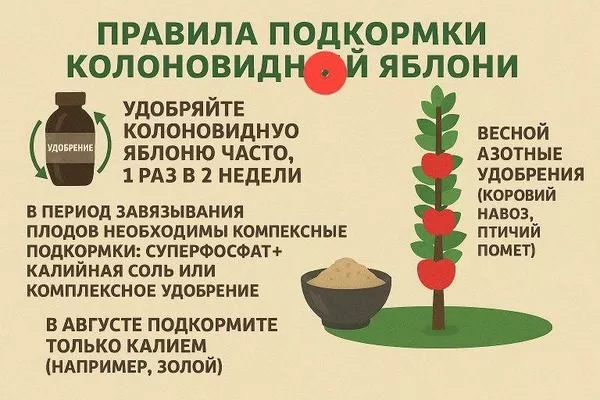
Frequent application of wood ash helps maintain soil fertility and reduces acidity. Always adjust fertilizing based on the crop's condition and soil composition. Proper nutrition throughout the season strengthens the immune system, improves yields, and prolongs the active fruiting period.
Pros and cons
The unique feature of this variety is that it can be successfully grown in pots and greenhouses, which allows you to obtain fresh fruits even in the Far North.
Reviews
Yesenia is a practical variety for those who value compactness and a high-quality harvest. With proper cultivation techniques and timely frost protection, this apple tree can provide a long-lasting harvest of delicious fruit. Care is straightforward, requiring minimal time and effort. This variety is an excellent choice for beginning gardeners.