
The Era apple tree is distinguished by its early fruiting and high yield, making it popular among gardeners. This variety is resistant to scab and cold, and its fruits boast a rich flavor and bright red flesh, as well as excellent transportability. This compact tree is suitable for limited spaces and decorative purposes.
History of variety selection
More than two decades of breeding work by Markus Kobelt became the basis for the creation of the Era apple variety, which is part of the Redlove series along with Circe, Calypso and Siren.
Many years of work, numerous experiments, and crossing of sweet and hard varieties allowed the breeder to develop a disease-resistant, climate-friendly hybrid with red flesh and high resistance to scab.
The basis for this unique variety was the wild Nedzvetsky apple tree, which provided the new variety with key genes: frost resistance, high yield, and decorative appeal.
Regionality and frost resistance
The crop is successfully cultivated in various regions, but it thrives particularly well in temperate climates. Era is distinguished by its high winter hardiness—trees can easily withstand temperatures down to -29°C and -34°C.
The variety is resistant to sudden temperature fluctuations, provided the trees have been properly prepared for winter. Therefore, autumn sheltering and protection from cold are considered important.
Description of the tree
This Swiss-bred apple tree easily stands out from other varieties at any time of year thanks to its striking appearance. Distinguishing features:
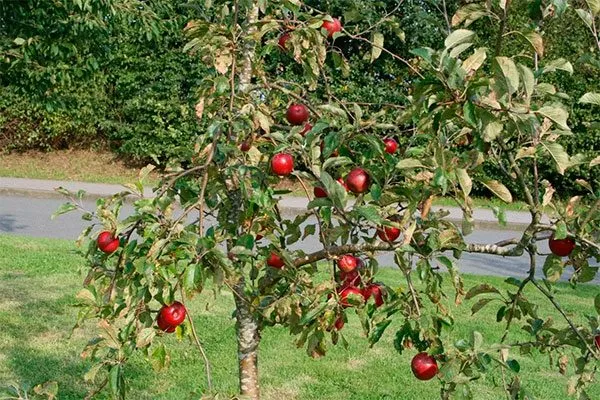
- Plant low - its height rarely exceeds 3-4 m, while the crown remains compact, up to 4 m in width.

- Bark The trunk is a rich, dark cherry color, while young growth is burgundy-brown. Already in the first year of growth, the tree actively sets fruit buds, and annual growth averages 5-7 cm. When cut, the wood has a characteristic reddish tint.
- Foliage It's decorative: bright red on the outside and darker on the inside. Young leaves are scarlet, but turn purple as they mature.
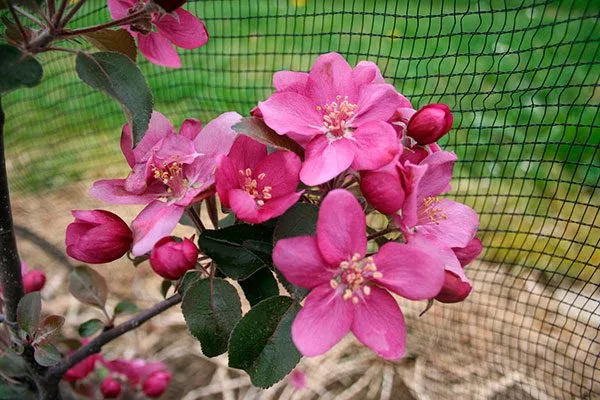
- Bloom The variety begins to bloom in its third or fourth year. At the end of May, buds first appear on the lower branches. Gradually, the entire tree becomes covered in fragrant crimson flowers. The flowering period lasts longer than usual, making the apple tree particularly attractive at this time.
What do the fruits look like?
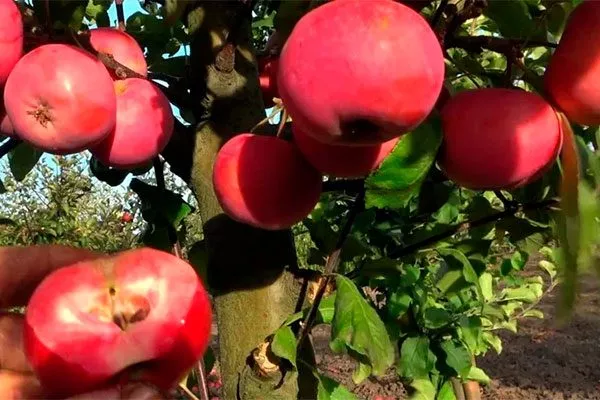
Red Love Era apples have a round, slightly flattened shape and dark crimson skin, covered with a light bloom during ripening. Key features of the fruit:
- weight - varies from 150 to 180 g;
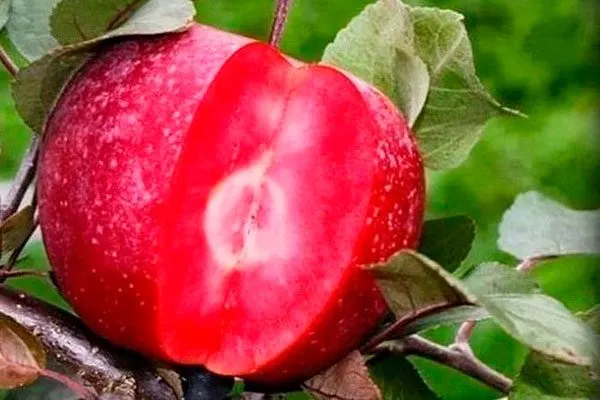
- pulp – bright red with a characteristic white stripe;
- taste - harmonious, sweet and sour with the aroma of wild berries, which is especially vivid after 2-3 weeks of storage: then the apples become sweeter and softer in taste;
- skin – Rich in anthocyanins, indicating high antioxidant content.
Thanks to its elevated amino acid levels (30-40% higher than those of regular varieties), the apple doesn't darken or oxidize after being cut. According to American researchers, Red Love Era juice is similar in composition to pomegranate juice.
The fruits contain:
- ascorbic acid;
- polyphenols;
- antioxidants;
- easily digestible carbohydrates;
- soluble solids.
Characteristics of the variety
This plant can truly become a jewel and the pride of any garden, ushering in a new era of gardening. But to achieve the desired results, it's important to understand all the characteristics of the variety and provide it with proper care.
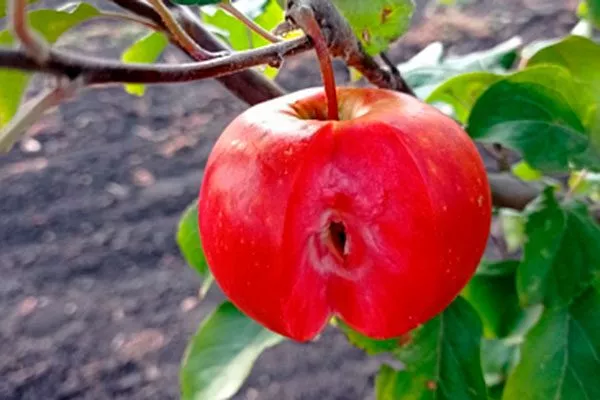
Pollinators and yield
The tree begins bearing fruit as early as the second year after planting and is self-fertile—even a single apple tree in a plot can produce many fruits. However, experienced gardeners note that cross-pollination by insects is essential for maximum yield.
Any apple trees growing within bee flight range are suitable as pollinators. Not only does this proximity not diminish the Red Love Era's varietal qualities, but it also increases the quantity and quality of the fruit.
The apples ripen uniformly, and the harvest is especially abundant after a mild winter and frost-free spring. The variety produces relatively small fruits, but compensates for this with their enormous quantity and the ability to hold them on the branches without shedding.
Ripening and fruiting of the Era
If planted in the fall, the seedling may bloom the following spring, but it is recommended to either pick off the flowers or leave 2-3 apples for sampling - specimens are usually smaller, since the tree is still young and not yet strong.
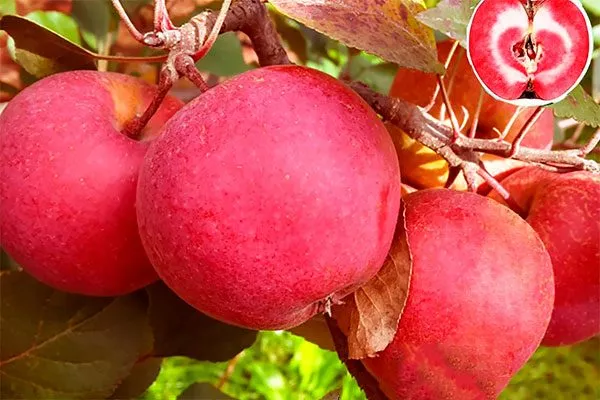
Scope of application
Red Love Era apples are gaining popularity not only due to their novelty but also due to their high nutritional and commercial qualities. The fruit is versatile – eaten fresh and also used in:
- juices;
- syrups;
- jam;
- wine cocktails.
When cooked, apple pieces retain their bright red color, giving dishes a rich raspberry hue.
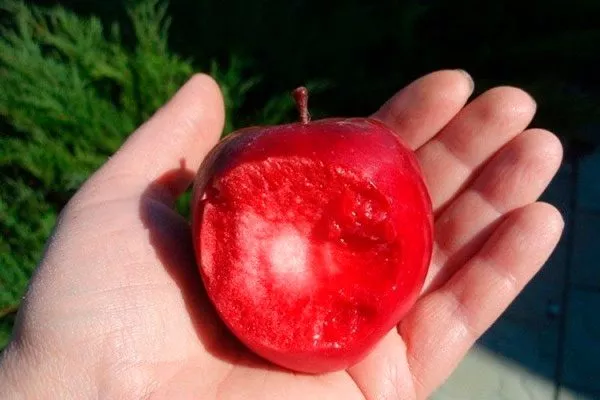
The apple tree is ideal for dense plantings in limited spaces and for decorating decorative corners of the garden. Thanks to its good transportability, the fruit is also ideal for sale.
Selecting a seedling
It's best to purchase new varieties only from reputable nurseries and farms to ensure the authenticity of the planting material. When choosing a plant, pay attention to several important details:
- Age - Identify by lateral shoots: one-year-old seedlings do not have them, two-year-old ones usually have 2-3 lateral shoots.
- Trunk – without cracks, growths or damage, with a uniform color characteristic of the variety - with a noticeable reddish tint.
- Roots Before selling, they are sometimes kept in a humid environment for a long time, which can cause them to rot. You can check this by gently pulling on the spine—if it comes off easily, it's damaged.
- The leaves have blossomed The seedling's rooting process is slowed down, so it is better to plant the tree before the sap begins to flow.
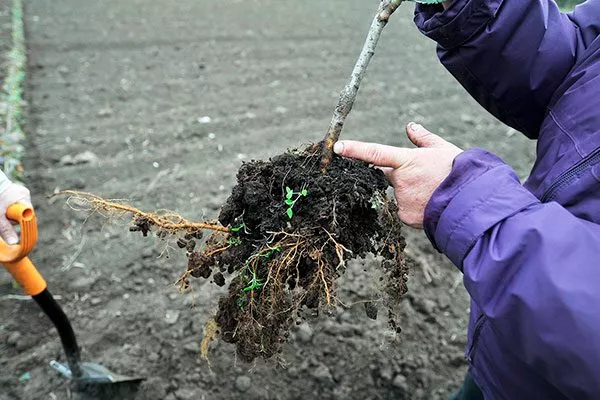
How to plant correctly?
Choose a sunny or semi-shaded location for growing the crop. The Red Love Era apple tree isn't particularly picky about soil type, but the site should be protected from spring flooding.
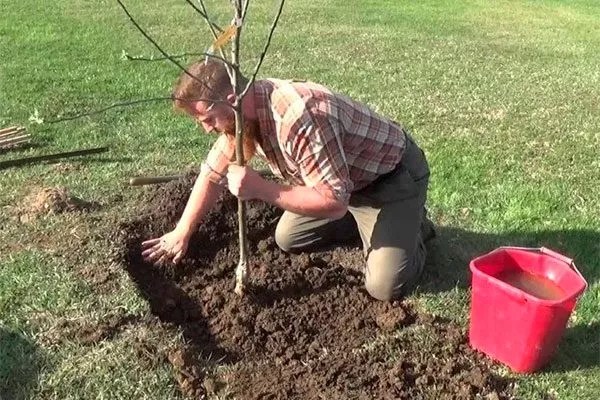
Dig a hole about 80-100 cm deep and wide. Then follow the instructions:
- Carefully separate the top fertile layer of soil from the lower, less fertile layer.
- For backfill, mix the top layer with peat and humus, and on clay soils add sand.
- Drive a stake up to 2 m high into the center of the hole.
- Pour in the prepared mixture, forming a small “hill”.
- Make a depression in the center to accommodate the roots of the seedling.
- Fill with soil and compact, making sure that the root collar remains open and is not covered.
- After planting, tie up the tree and water it generously.
To ensure good seedling survival, it's important to plant correctly: the optimal time is after leaf fall, when temperatures drop to 10°C and sap flow in the trees has ceased. Planting should be completed before the first frost.
Care
All tree care steps must be completed promptly, otherwise, its survival will be jeopardized. Follow standard agricultural practices:
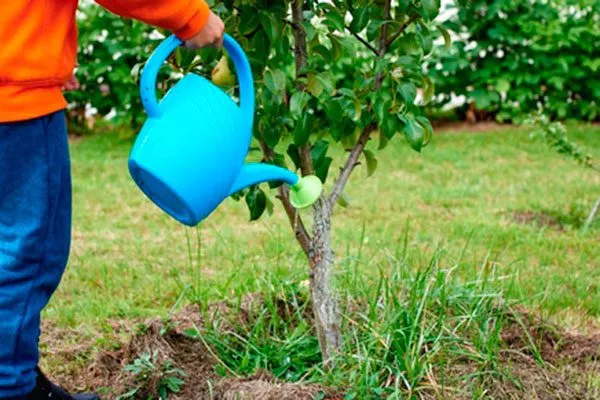
- Watering. During the first 30 days after planting, water the plant twice a week, adding approximately 10 liters of water to the hole. If the soil is overly dry, increase the rate to 15-20 liters per tree.
In the future, young trees also need regular soil irrigation, so wet the soil to a depth of 35-45 cm so that the roots receive sufficient moisture.
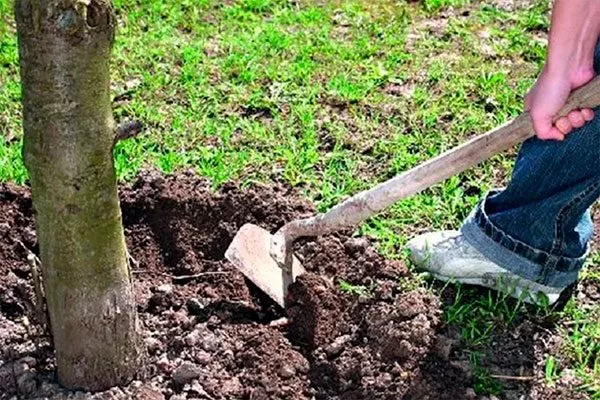
- Loosening. This procedure improves oxygen access to the roots. After each watering, loosen the soil by 5-10 cm and remove weeds from the tree trunk circle with a hoe.
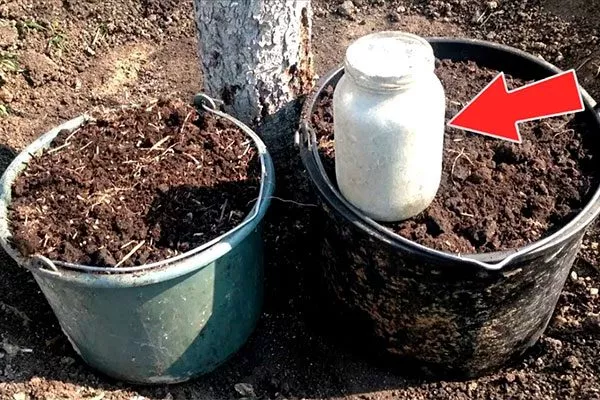
- Top dressing. If the planting hole was properly prepared, no additional fertilization is required for the first 2-3 years. Later, when the roots are actively growing, add mineral nutrients.
A lack of nitrogen slows down the development of the tree, and a lack of phosphorus leads to fruit shedding and a decrease in their taste and marketable appearance.
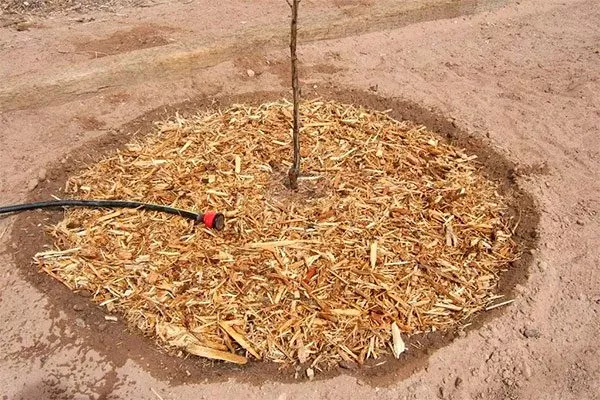
- Mulching. Place organic materials – grass, leaves, pine bark – around the trunk in a layer about 10 cm thick, which helps retain moisture in the soil.
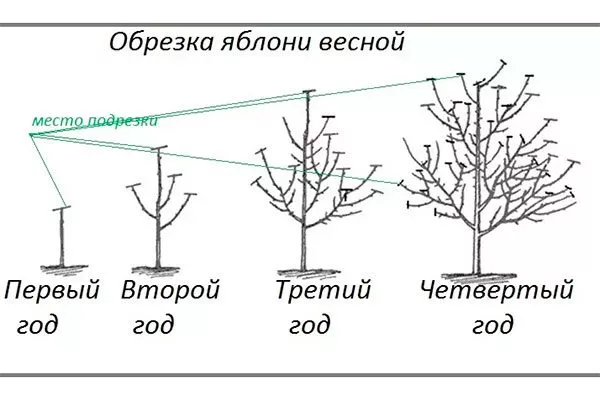
- Trimming. This is a necessary procedure that stimulates a good harvest. After planting, prune the seedling – shorten the shoots to 45-50 cm. Remove dry, damaged, and overly vigorous (fat) branches annually to create a beautiful crown and prevent overcrowding.
Diseases and pests, methods of control and prevention
The crop is susceptible to insect attacks and disease. In winter, the main threats are mice and hares, which can chew the bark. To protect the trunks from rodents, wrap them with gardening bandage. To repel hares, install plastic protective netting around the trees in the fall.
Other useful tips:
- In spring, when pests become active, use proven insecticides against codling moth by spraying the tree.
- Be sure to whitewash the trunks and install trapping belts to prevent parasites from climbing up the trunk.
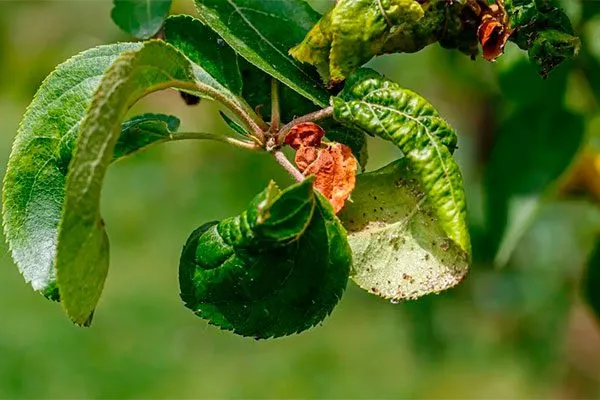
- Despite the variety's claimed disease resistance, apple trees are sometimes susceptible to scab in humid and cold climates. Apply fungicides at the first sign of the disease.
- In the fall, remove and burn fallen leaves, as they serve as a breeding ground for fungal infections.
- To prevent this, do not allow the crown to become too thick, ensuring good ventilation and sunlight.
Pros and cons
The Era apple tree from the Redlove series has generated a lot of interest and varied opinions among gardeners, both regarding the taste of its fruit and its agronomic qualities.
Reviews
The Era apple tree combines early fruiting with reliable disease and frost resistance, guaranteeing a consistent harvest. Its delicious, red-fleshed apples are suitable for fresh consumption and processing, and their low maintenance makes cultivation easy. This variety is a good choice for gardeners who value quality and decorative appeal.