
Breeding work by Belarusian scientists has given birth to a unique apple variety—the Elena hybrid—which produces fruitful and exquisitely flavored apples. This variety is very popular among gardeners and is often found in summer cottages.
Growing regions
The Elena variety originates from Belarus, where it is cultivated thanks to the favorable temperate continental climate. In more northern or southern regions, additional measures are necessary for successful cultivation of the hybrid:
- In the conditions of Siberia, In harsher climates, it's important to ensure proper nutrition and overwintering of plants. Consider covering roots with snow or increasing the mulch layer to protect them from freezing.
- In the southern regions, Where summer temperatures reach high levels, it's important to regularly moisten the soil and protect the buds from overheating. Insufficient moisture can lead to nutrient deficiencies, which in turn will reduce yield.
If you follow all the recommendations for care and fertilization, you can count on a decent apple harvest.
Origin
Elena is the result of work at the Belarusian Research Institute of Fruit Growing, now known as the Republican Unitary Enterprise "Institute of Fruit Growing" of the National Academy of Sciences of Belarus. Scientists E. V. Semashko, Z. A. Kozlovskaya, and G. M. Marudo participated in its development. The variety was completed in the early 2000s, crossing the Ranniy Sladkiy and Discovery varieties.
The apple tree passed state testing the following year. This variety became available in Russia a few years later – in 2007, it was registered in the State Register, receiving recommendations for cultivation in the Central and Northwestern regions of the country.
Description and characteristics
The Elena apple tree has unique characteristics that should be taken into account when choosing this variety.
Tree
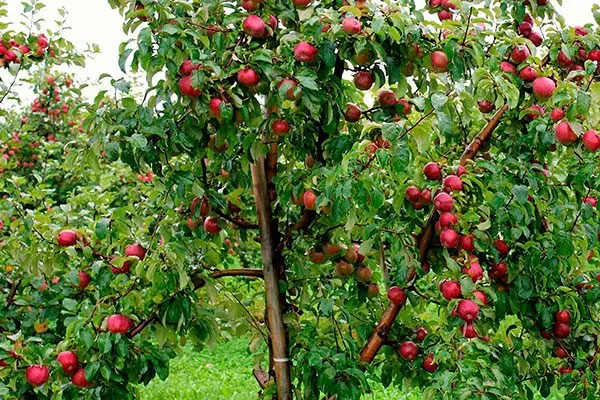
Elena trees are characterized by moderate growth, low stature, and a compact format, which allows them to be classified as semi-dwarf.
Peculiarities:
- the height of such plants usually does not exceed 280-300 cm;
- the crown is moderately dense and takes the shape of a pyramidal oval;
- the branches of these trees are thick and rounded, with dark red bark and well-developed pubescence;
- The leaves are elliptical in shape, medium in size, rich green in colour with a slight greyish tint on the underside, and densely cover the branches, especially along the edges;
- the first fragrant white flowers adorn the tree at the beginning of spring, in late April-early May;
- fruits are formed mainly on rings - both simple and complex.
Fruit
The apples impress with their exquisite taste and aroma, earning a 4.8 rating on the tasting scale. The characteristics are as follows:
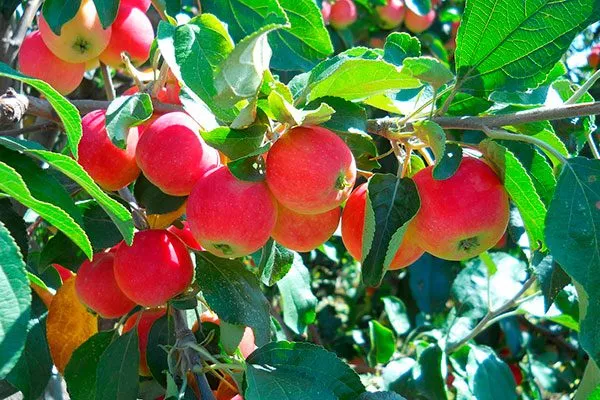
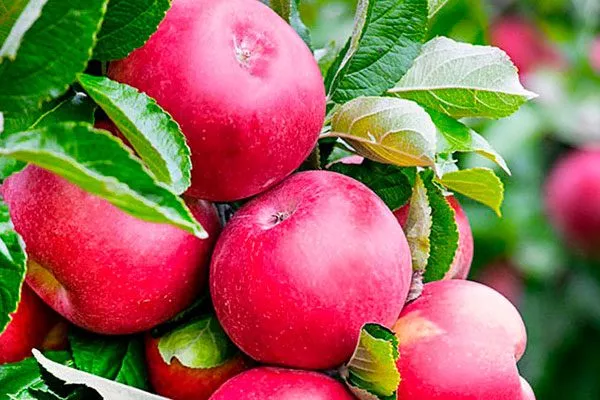
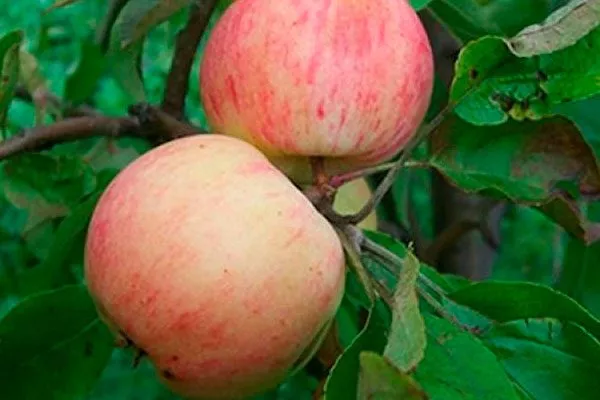
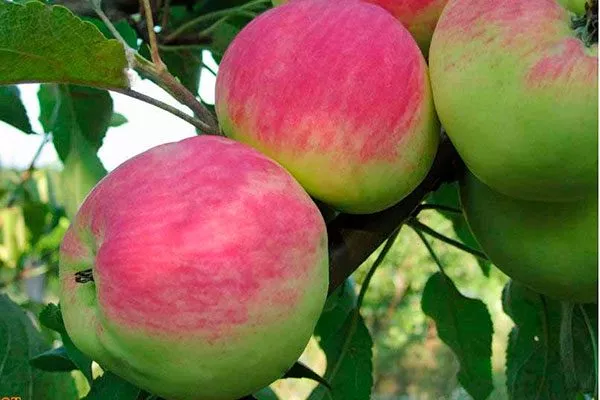
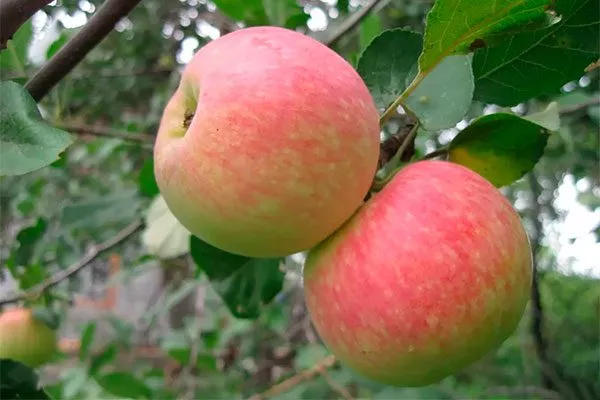
- the shape of the apples has a classic semicircular appearance;
- the sizes are small - the average weight of each is about 120 g, while in years with insignificant fruiting the weight can rise to 150 g;
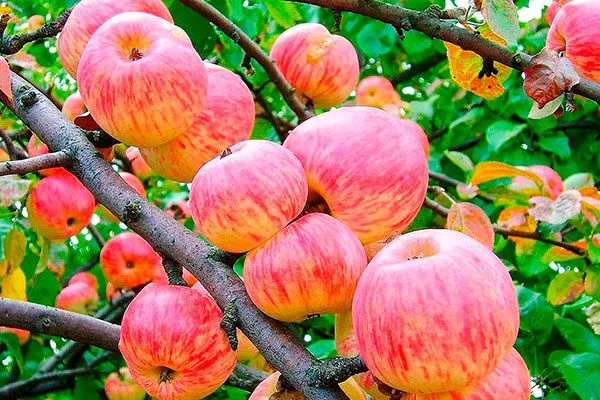
- fruits with a high degree of uniformity in size, so that apples from the same harvest are almost identical;
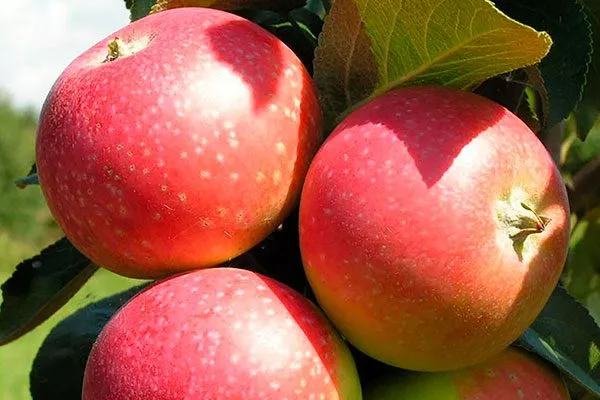
- the main color of the surface is light green, while most of it is covered with a blurred blush of a bright pink hue;
- numerous medium-sized light spots are visible on the skin of the apples;
- the peel is smooth, medium-thick, maintains the structure of the fruit and does not affect its taste;
- the apple pulp is of medium density, consists of small grains, juicy, white-green in color with pink inclusions when fully ripe;
- dry matter content reaches 13.2%;
- The apples have a sweet taste without acidity, have a dessert aroma and received 4.8 points on the tasting scale;
- they contain 10.8% sugars, 6.8 mg ascorbic acid per 100 g of pulp and 0.78% pectin substances;
- The fruits have average commercial and transport qualities – they can be stored under normal conditions for several weeks, after which the taste characteristics deteriorate sharply, which makes them ideal for making juices, compotes, and jams.
Pollination and productivity
The Elena apple tree is self-fertile, meaning it doesn't rely on other trees for pollination. It produces an abundant harvest of sweet fruit each year.
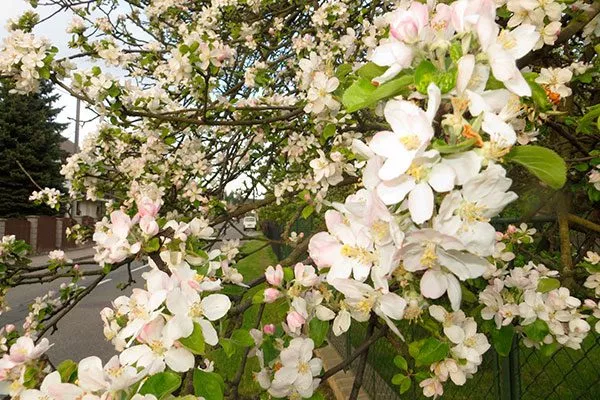
The main assistants in the pollination process are insects, which cannot resist the tempting floral aroma of this variety.
The hybrid is renowned for its enviable productivity, although it doesn't reach the level of the classic Antonovka. The average yield per mature tree ranges from 90 to 140 kg of apples. In intensive orchards, the variety is favored for its high yield per hectare, which can easily exceed 20-28 tons.
Flowering, ripening time and fruiting
Elena's apple tree earned its reputation as an early-bearing tree for a reason: it produces its first fruits in just the second or third year after planting. While the yield may not be significant, you can expect at least 5-5.5 kg of sweet and aromatic apples.
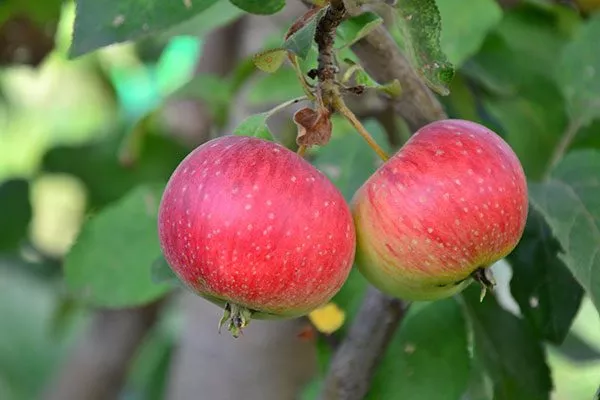
Other fruiting features:
- Flowering and periods. Among all early apple varieties, Elena can be seen in bloom as early as early May or even late April. However, in areas with harsher climates, where night frosts and spring rains are common, flowering can last until mid-May.
- Increase. The hybrid grows quickly – it can increase in height and width by 20-60 cm per season, which allows it to become a full-fledged tree in a few years.
- Fruitfulness. By five to seven years after planting, the tree begins to produce its maximum apple yield. This variety produces fruit regularly and consistently, without dormant periods.
- Ripening and harvesting. The apples ripen in mid-July, a week or two earlier than the White Filling variety. Harvesting begins at this time.
By mid-August, apples have already lost their original flavor and may fall from the tree. Therefore, the harvest must be fully harvested by early August.
Frost resistance, protection
It is characterized by relatively good winter hardiness and is able to withstand temperature drops to -30 degrees, typical for a temperate continental climate.
Please note the following:
- In areas with particularly severe winter frosts, it is recommended to protect plants by protecting their base and the surrounding soil.
- In temperate climates, trees can be left without additional protection from the cold, as they tolerate temperatures down to -22-25 degrees Celsius, especially when there is a lack of moisture.
- In case of more severe winters, high humidity, or sudden temperature fluctuations (from cold to warm), it's worth taking precautions. It's recommended to cover the root zone with protective materials such as hay or straw, and also wrap the trunks with roofing felt or tar paper, or surround them with spruce branches.
To protect against rodents that may feed on the succulent bark of apple trees, apply grease or rendered lard. To repel insects that may seek shelter in the bark for the winter, the trunks are whitewashed with lime to a height of 100-150 cm.
Storage of the harvest
A key drawback is its inability to be stored for long, even under ideal conditions, typically no more than two to four weeks. This emphasizes the need for quick consumption fresh or processing.
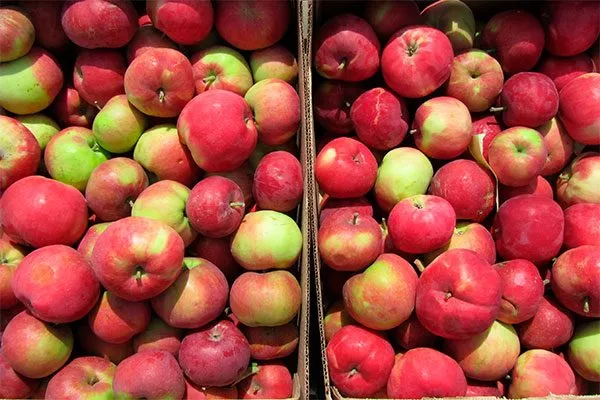
Apples don't reach ripeness all at once on the tree. Therefore, they are harvested in stages. It is recommended to store the harvest for no more than three weeks in a cool, dry, and ventilated area.
Landing rules
Provided you carefully follow standard planting and care guidelines, you can expect to get delicious and juicy apples in abundance.
Recommended timeframes
The best time to begin planting is in the fall, when the leaves have completely fallen, approximately from September 20 to October 15. During this time, the young tree's roots will have time to strengthen and adapt to its new location, which will allow the plant to receive all the necessary nutrients next summer.
Spring planting is also possible, but it's best to do this between March 20 and April 25. In this case, it's advisable to choose seedlings with protected root systems.
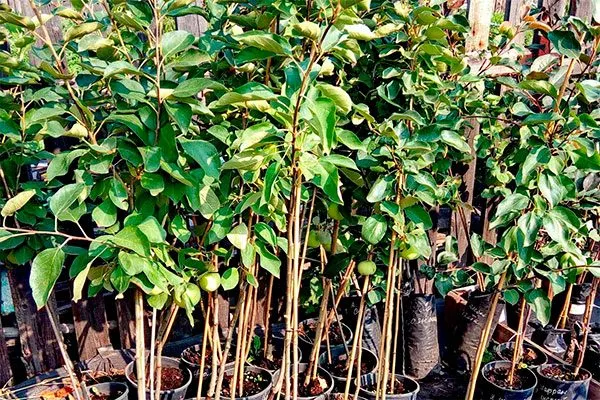
Selection of seedlings
The quality of planting materials is a key aspect when establishing an apple orchard. When choosing a seedling, consider the following:
- Age. Seedlings aged one to two years with a height of at least 100-110 cm are preferred.
- Escape structure. It is necessary to ensure that there is no dry wood or rot.
- Condition of the root system. The roots must be developed and free from damage and signs of disease.
Site selection and soil preparation
The ideal planting location is an area where the sun and a gentle breeze create an ideal microclimate.
It's important to ensure the seedling has sufficient space to grow and develop, avoiding proximity to mature trees whose crowns may shade it from sunlight. This, in turn, can lead to its death.
Other requirements:
- Low growing plants should be spaced at 3m intervals.
- It is strictly forbidden to plant an apple tree near conifers, as they can acidify the soil, which negatively affects the root system of the fruit tree.
- The Elena variety thrives in humus-rich soil with a neutral pH, preferably loamy. If the soil is heavy and clayey, it's recommended to add peat, well-rotted compost, and coarse sand to improve soil aeration.
- Apple trees do not tolerate waterlogged soil, so the groundwater level should be at least 200-250 cm deep.
Planting technology
Proper planting is key to successful growth and fruit tree fertility. Follow these steps:
- Dig a deep hole two weeks before planting the seedling, so that it has a diameter of 80-85 cm and a depth of 80 to 90 cm.
- Place a layer of organic material at the bottom of the hole. This could be rotted manure or humus.
- Insert a 120-150 cm long stake into the center of the hole, which will serve as a reliable support for the young tree.
- Create a small mound of soil inside the hole, onto which carefully place the seedling, distributing the root system on all sides.
- Fill the hole with soil, tapping the trunk gently to ensure the soil adheres tightly to the roots. The root collar should be 7 cm above the bed level.
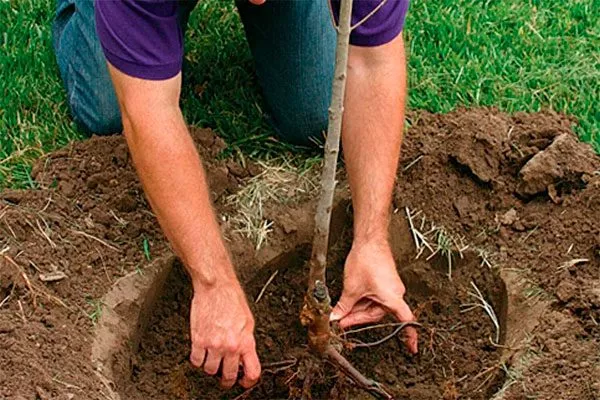
Watering, compacting and securing the trunk to a stake will complete the planting process.
Care instructions
To ensure the Elena apple tree is healthy and bears fruit abundantly, the gardener must carefully follow the basic aspects of its care:
- ensure stable and uniform soil moisture;
- prune branches in spring and autumn, removing damaged and inwardly overgrown branches;
- Regularly clean the ovaries, as this variety is prone to being overloaded with fruits;
- secure the branches to supports during fruit ripening to prevent them from breaking under the weight of the apples;
- enrich the soil with fertilizers to maintain the health of the tree;
- remove weeds and loosen the soil around trees to provide the roots with oxygen;
- carry out treatment against diseases and pests before the appearance of buds, before and after flowering using reliable preparations that meet all requirements;
- Prepare the tree for winter by mulching the base of the trunk and insulating it to protect it from low temperatures.
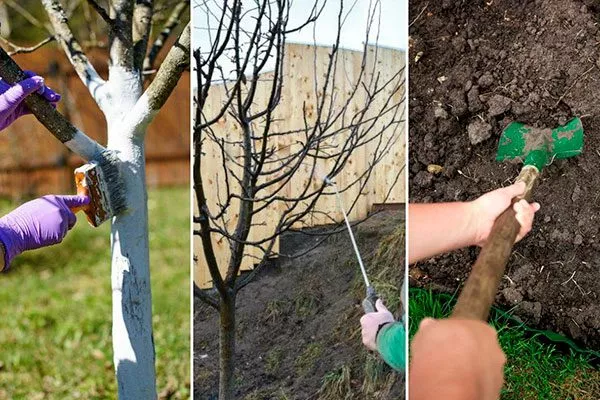
This approach to care will increase yields, extend the life of the tree, add attractiveness to the garden, and prevent the occurrence of diseases.
Diseases and pests
The Elena apple tree is characterized by good resistance to various diseases, but under conditions of insufficient care or unfavorable climatic factors, it can be susceptible to fungal infections such as powdery mildew, scab and milky shine.
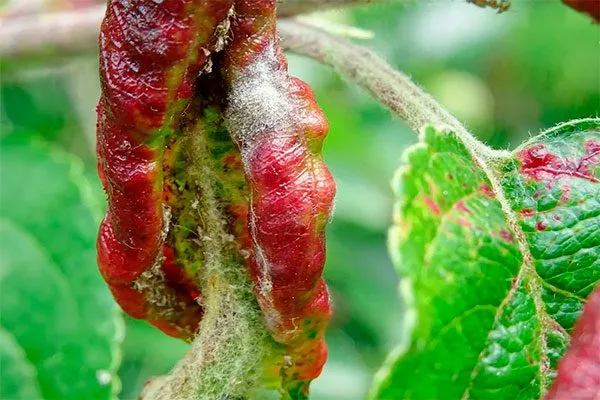
To prevent their development, it is recommended to carry out a set of agricultural measures:
- autumn burning of damaged leaves;
- removal of sources of infection – affected shoots and branches;
- spring spraying of trees with a urea solution before the leaves appear;
- treating plants with a mixture of soda ash and soap.
Plants can also be attacked by insect pests such as green aphids, hawthorn moths, and codling moths. To prevent their proliferation and spread, it's important to regularly carry out protective measures and use insecticides to control them.
When using chemicals, strictly follow the recommendations for calculating dosages and the established timing of the last treatment before harvesting.
Pros and cons
Each variety has its own unique characteristics – both positive and negative. Elena stands out among experts thanks to a number of undeniable advantages:
Similar varieties
In terms of flowering and fruiting times, Elena is similar to such apple varieties as:
- Summer ranet;

- Chinese early;
- Moscow pear;
- Mantet;
- Melba;
- Korobovka.
Reviews
The Elena apple tree is an excellent choice for private gardens and small plots due to its compact size, early maturity, and excellent fruit flavor. This hybrid is renowned for its competitive productivity and flavor. To successfully grow this apple tree, it's important to carefully study the planting guidelines and provide the tree with proper care.