
The Dachnaya apple tree was developed specifically for gardeners in the Urals, but it has also successfully adapted to fields in other regions. Gardeners choose this variety for its high productivity, tasty and juicy flesh, long shelf life, and resistance to changing weather conditions. It requires little maintenance.
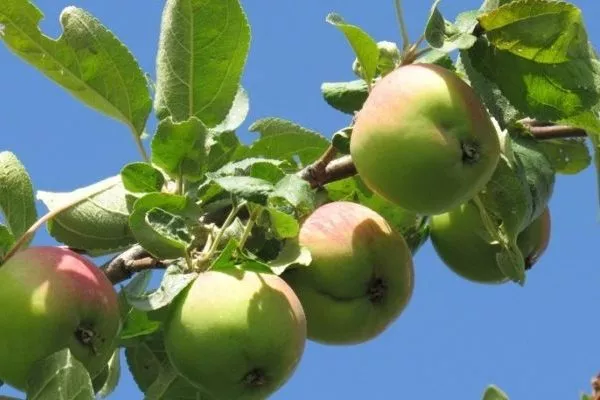
Description of the tree and fruits
Comparison of crown size and shape with other varieties
| Variety | Tree height (m) | Crown shape | Fruiting type |
|---|---|---|---|
| Summer cottage | 4 | Rounded | On rings and last year's growth |
| Melba | 3-3.5 | Wide oval | On the rings |
| Candy | 4-5 | Pyramidal | On fruit twigs |
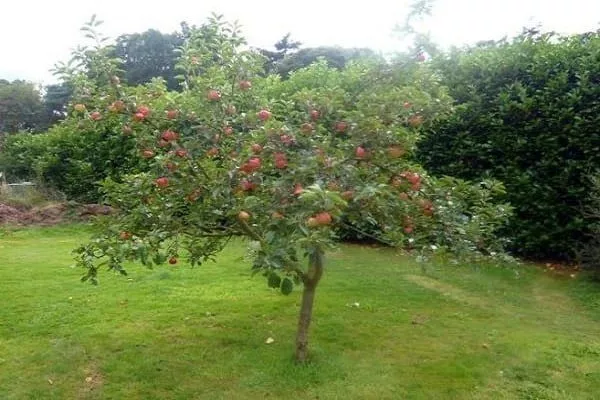
The apple tree develops at an impressive rate when young. A mature tree reaches a height of 400 cm, while a young tree has a broad, pyramidal crown that becomes more rounded with age.
Key varietal characteristics:
- Tree. The bark of the trunks and branches is gray-brown with a yellowish tint. At the beginning of fruiting, the branches are inclined upward, but under the weight of the fruit, they assume a nearly horizontal slope. Characteristics:
- branches of medium thickness, straight, with a faceted cover and light fluff;
- the leaves are simple, large, wide, with a downward curved base, serrated edge and barely noticeable waviness, and have an elongated-ovate shape;
- the surface of the leaves is matte, with a mesh venation, light green tone;
- petioles are shortened, stipules are small and narrow;
- flowers are white, collected in inflorescences;
- fruits are formed on last year’s growth and rings – simple and complex.
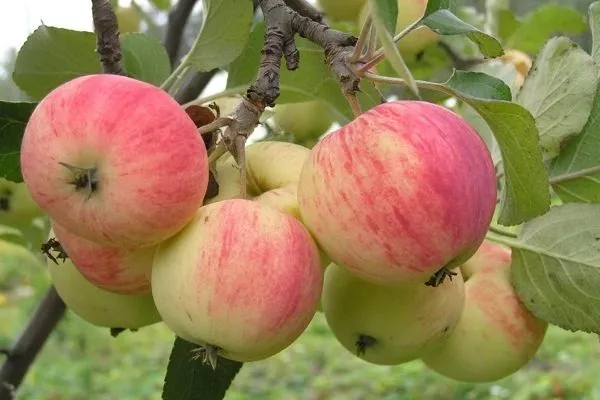
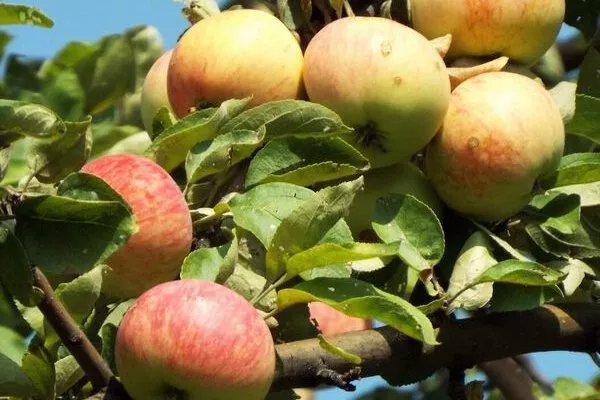
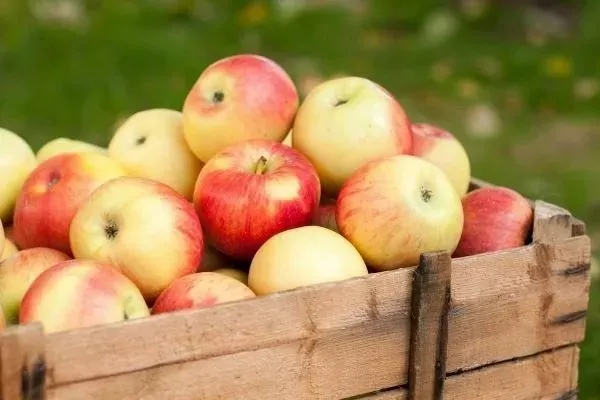
- Fruit. Dachnaya's are small, weighing between 95 and 110 grams, symmetrical, and slightly ribbed. Their shape is round-conical, slightly elongated, reminiscent of a barrel. Other characteristics:
- the funnel of the fruit is deep and narrow, and the saucer is of medium size, slightly folded;
- the skin is dry, smooth, slightly shiny;
- The main colour of the fruit is light yellow, without any covering colour, except in rare cases when a slight, weak crimson tint appears on the sunny side, which spreads over a limited part of the surface;
- The pulp is coarse-grained, rather loose, moderately juicy, cream-colored.
Main characteristics and history
"Apple varieties bred in the Urals are distinguished by their increased winter hardiness and adaptability to sudden temperature changes, making them valuable for horticulture in risky farming zones." (L.A. Kotov, "Breeding Fruit Crops for the Urals")
The variety is characterized by its summer ripening period: the harvest begins to ripen in the third week of August. But it also has a number of other characteristic features.
Origin and climatic conditions
This variety, a true discovery for Ural gardeners, was developed at the Sverdlovsk Scientific Research Station of Horticulture. Breeder L. A. Kotov developed it by crossing the following varieties:
- Isetsky;
- Melba;
- Dream;
- Candy.
Dachnaya is cultivated primarily in the Urals, but it can also be found in other parts of our country.
Application and benefits
The fruits have a pleasant sweet and sour taste, earning a 4.1 rating from tasters. One tablespoon of pulp contains the following amounts of essential chemical elements:
- dry soluble matter – 13.4%;
- total sugar content – 9.9%;
- titratable acids – 0.76% on average;
- ascorbic acid – 18.4 mg on average;
- P-active substances (catechins) – 260.3 mg on average.
These apples are rich in vitamins and minerals, including A, E, B, K, H, PP, iron, zinc, sodium, magnesium, sulfur, phosphorus, chlorine, calcium, potassium, manganese, and iodine. They also contain fiber, natural acids, and tannins. Thanks to this richness, Dachnaya apples have a number of beneficial properties:
- strengthen the cardiovascular system;
- maintain vascular elasticity;
- stimulate appetite;
- regulate the functioning of the stomach and intestines;
- have a positive effect on vision;
- have an anti-aging effect on brain cells and the entire body as a whole;
- promote the effective removal of toxins and waste;
- strengthen the immune system;
- can help cope with anemia and vitamin deficiency when consumed regularly.
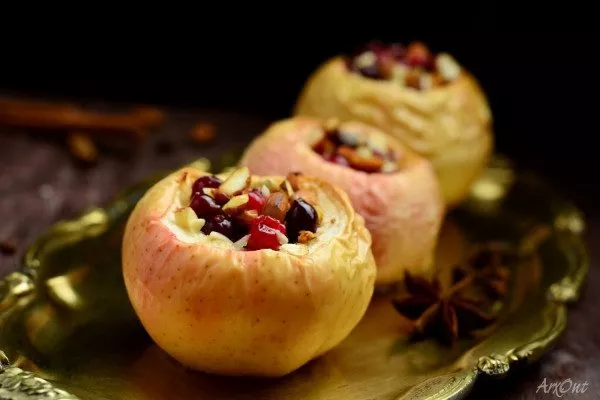
The fruits are excellent for fresh consumption, and can be used to make jam, preserves, fruit puree, and other preserves.
Ripening time, yield and storage features
The Dachnaya apple tree is renowned for its enviable productivity. It begins bearing fruit in the third to fifth year, making it one of the fastest-growing varieties. With careful care, a gardener can achieve a yield of up to 15-16 kg per tree, with an average yield of 10-12 kg per apple tree.
If you plan to store apples, it is important:
- carefully select the harvest, removing damaged fruits;
- Each fruit should be carefully wrapped in paper or placed in moss, sand, or dry maple or oak leaves.
Clean wooden crates are ideal for storage, as they provide adequate ventilation. They are placed on shelves, maintaining a distance of 20-25 cm from the floor and 30-35 cm from the ceiling, with at least 20-30 cm between shelves. Suitable storage locations include basements or cellars with a temperature of around 18-20 degrees Celsius and humidity of around 80%.
To avoid minimal productivity, provide the tree with pollination, as this variety is not self-fertile. Ideally, pair it with summer or fall varieties to ensure flowering occurs at the same time. For example, the following varieties can be used for successful pollination with Dachnaya:
- Bugler;
- Dreamer;
- Solntsedar;
- Silver Hoof;
- Iset white;
- Daughter of the Rainbow;
- Aksena;
- Papyroamber;
- Ural pink.
Landing
It's important to plant apple trees correctly to avoid regretting your choice of variety later. Otherwise, hopes for a bountiful harvest may be dashed. Although these apple trees are considered quite resilient to harsh climates, they still require specific conditions for healthy growth.
First of all, the landing site must have the following qualities:
- absolute illumination;
- sufficient soil moisture, but no stagnant water, which can lead to the death of the root system.
Avoid choosing an area where other trees or berry bushes grow. Once you've determined the location for your apple orchard, you'll need to prepare the planting holes. Before you do this, remove weeds, dig the soil, and apply fertilizer.
Features of planting operations:
- Apple trees are best planted between April and May or between September and October. In spring, plant after the soil has warmed slightly, and in autumn, plant a month or two before the first frost.
- Various types of fertilizers are used to nourish plants: organic fertilizers, such as humus and ash, mineral fertilizers, and complex fertilizers. The choice depends on the soil's characteristics, so only those nutrients that are deficient are added.
- The hole is dug to a size that is slightly larger than the root system of the seedling.
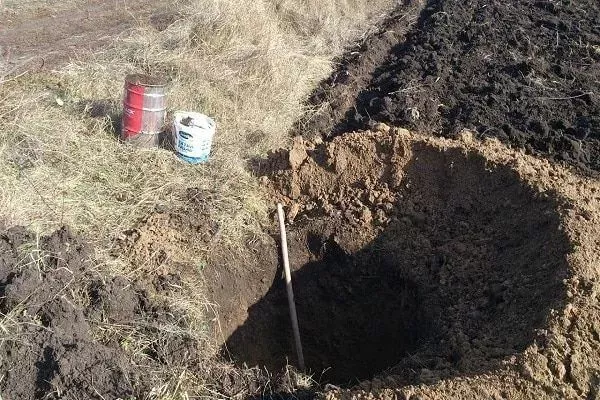
- A small amount of soil mixed with fertilizer is placed in the planting hole, and a mound (a place for the seedling) is built in the center of this hole.
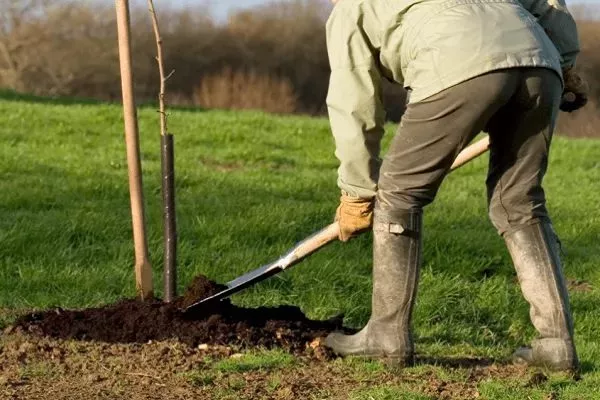
- It is recommended that two people carry out planting: one holds the tree by the trunk, and the other covers the root system with soil.
- Particular attention should be paid to the correct placement of roots, both deep and lateral, which requires patience and care. Improperly placed shoots may eventually emerge to the surface, leading to malnutrition or even death.
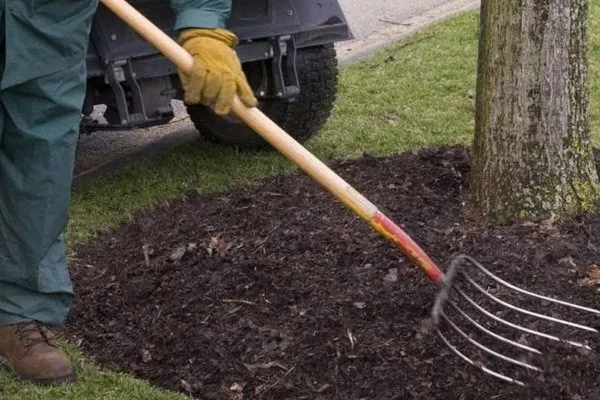
After planting, the tree is secured to a support stake with rope, watered, and the soil lightly compacted with the foot. It is advisable (but not required) to mulch the area around the tree trunk with natural organic matter.
Care
Care for the Dachnaya is fairly standard, but pay attention to a few aspects that are important for the variety:
- In spring and fall, loosen the soil around the tree to a depth of 10-15 cm. During the summer, it is recommended to perform additional tilling three more times. This is best done on the second day after watering or heavy rain.
- Watering is done infrequently—a couple of times during the growing season. However, each gardener should regulate its frequency—the less natural precipitation, the more frequently watering is needed.
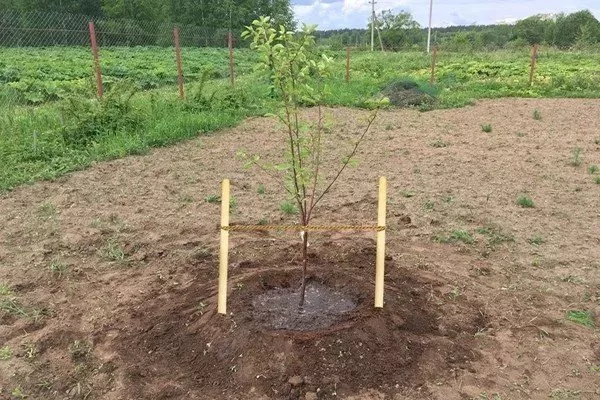
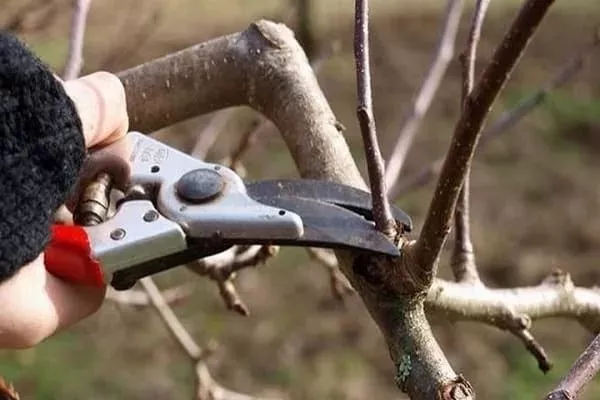
- The tree's trunk and crown need to be cared for. In winter, apple trees are protected from rodents by tying them with spruce branches or a special protective material. Trees are whitewashed five years after planting, and pruned in the spring and fall using the classic method for medium-sized apple trees.
Fertilizers play a key role in caring for the Dacha – to maintain the health of the trees:
- Deficiencies of micronutrients or macronutrients can negatively impact yield. Apple trees suffer most from boron deficiency, although zinc, manganese, and iron deficiencies can also occur, especially in alkaline or highly dispersed soils. The best solution is to use complex fertilizers.
- Avoid over-fertilizing. With Dachnaya, this can cause more harm than good. Don't apply mixtures with high micronutrient levels without a soil analysis or the appearance of visible symptoms.
When to feed:
- first needed after flowering;
- the second one is after fruit formation;
- the third one – at the beginning of autumn.
Organic fertilizers such as manure, bird droppings, and minerals in solution or dry powder form are used for nutrition. Slurry is mixed with water in a ratio of 1:3, while bird droppings are mixed in a ratio of 1:15. Organic and phosphorus-potassium fertilizers are recommended to be applied every two years, while nitrogen fertilizers are recommended to be applied in the spring and during the active growing season, particularly in midsummer.
Prune the tree. Remove damaged branches and those growing inward.
Pest and disease control
Processing calendar
- Early spring (before bud break) – treatment with copper sulfate against fungal diseases
- The "green cone" phase - spraying with insecticides against flower beetles
- After flowering, treat for codling moth and scab
- In autumn, after the leaves have fallen, eradicate the disease with urea or iron sulfate.
Dachnaya has good resistance to the fungal disease scab, but it is not excluded from the list of plants susceptible to other diseases common among fruit trees:
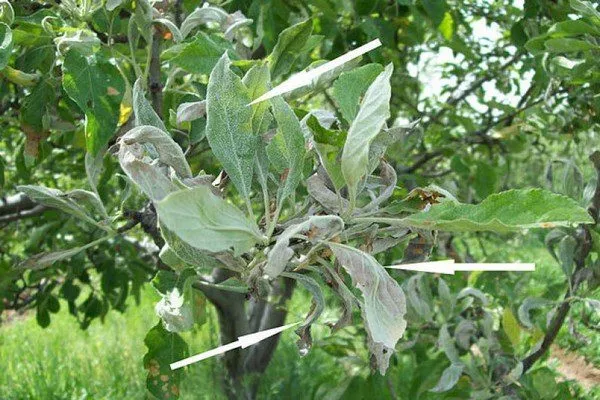
- Powdery mildew. This pathogen, caused by the fungus Podosphacra leucotrictia, causes significant damage to apple trees, attacking leaves, buds, young shoots, and buds. A white coating forms on infected parts. The infection quickly spreads along the branches, causing them to die.
If all affected areas are not removed, the fungus can survive the winter and continue to develop there. To combat powdery mildew, we recommend using Topaz, Hom, or Skor, or traditional methods such as treatment with Bordeaux mixture or copper sulfate solution. - Milky shine. Most often seen after severe winters, this disease is caused by the fungus Stereum purpureum and is characterized by shoot dieback and the appearance of silvery air bubbles under the leaf skin. The leaves gradually lose their shape and die.
As preventative measures, it is recommended to whitewash trees before winter, as well as fertilize, remove and burn affected areas, and protect the bark with a copper sulfate solution. - Cytosporosis. Caused by a fungal pathogen called Cytospora schulzeri, it manifests itself as dark cankers on the bark of apple trees. These cankers spread rapidly, leading to the death of the bark and branches. Treatment involves the use of the chemical Hom or copper sulfate.
As a preventative measure, the bark and branches need to be treated before the onset of winter. - Fruit rot. This is a widespread fruit disease that causes the flesh to turn brown, crumbly, and unfit for consumption. To protect against this pathogen, trees are treated with a Homa solution during leaf formation and after flowering, and infected fruits are destroyed by burning.
As for insect pests, garden apple trees often fall prey to organisms that use your plants as a food source. These include:
- apple aphid;
- pliers;
- codling moths;
- leaf rollers;
- copperheads;
- flower beetles.
You will have to wage a continuous battle with them to save your garden and harvest:
- In the fall, carefully remove and burn fallen leaves, where insect larvae overwinter;
- To protect tree bark, solutions of nitrofen, malathion, copper sulfate and Bordeaux mixture are used.
Pros and cons
Comparison with other Ural varieties
| Variety | Ripening period | Fruit weight (g) | Keeping quality | Winter hardiness |
|---|---|---|---|---|
| Summer cottage | Summer | 95-110 | 1 month | High |
| Silver Hoof | Summer | 80-90 | 3-4 weeks | Very high |
| Ural pink | Autumn | 120-150 | 2-3 months | High |
Experienced gardeners choose the Dachnaya variety due to its numerous advantages:
It is also worth considering certain disadvantages of the Dacha apple tree:
Reviews
The Dacha apple tree is a true treasure for any gardener. Its flavor combines a pleasant tartness and sweetness, making it ideal for both fresh eating and cooking. This variety is characterized by good winter hardiness and low maintenance, making it an excellent choice for colder climates.