
The Black Prince apple tree is prized for its consistent fruit production and versatility. Despite its need for pollinators and moderate winter hardiness, it is easy to grow with proper care. The tree produces large, aromatic apples with excellent keeping quality, making it a popular choice even among novice gardeners.
History of selection
The variety was bred from the American Jonagold variety. The hybrid was developed in Holland in 1994 and was originally called Red Jonaprince. Later, in the Russian market, it became known as Black Prince.
It is distinguished by its high productivity and drought resistance, which is why it has become widespread in Europe and North America.
In Russia, the crop entered variety testing only in 2015 and is not yet included in the State Register. However, gardeners and breeders are showing interest in it due to its attractive qualities and high adaptability.
Description
The Black Prince apple tree has a number of unique qualities that distinguish it from other varieties. Before choosing this variety, it's important to research its key characteristics. This will help you assess its yield potential and determine the optimal conditions for successful cultivation.
The appearance of the tree
It belongs to the medium-sized varieties and grows up to 4 m. Other distinctive features:
- crown – has a round shape;
- skeletal branches – depart from the trunk at a right angle;
- bark – smooth, grayish tint;
- foliage – at an average level;
- kidneys – small, conical in shape;
- young shoots – straight, without pubescence, colored red-brown.
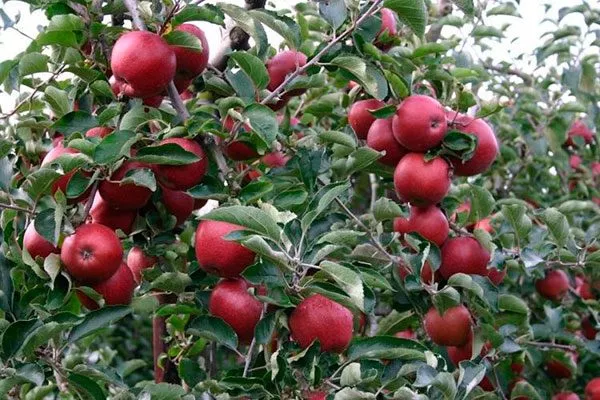
Fruiting is mixed, with the bulk of the ovaries being formed on rings, spears and twigs.
Description of fruits
These apples are renowned for their high commercial qualities, making them particularly popular among both experienced and novice gardeners. Key features:
- form - round-conical, fruits are uniform in size, uniform in size;
- skin – medium thickness, smooth, with a wide saucer, slightly covered with rust;
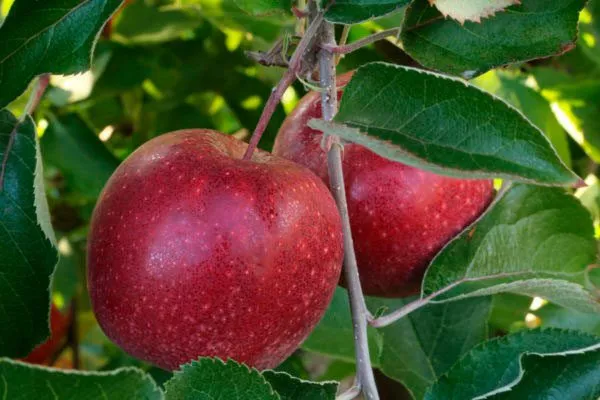
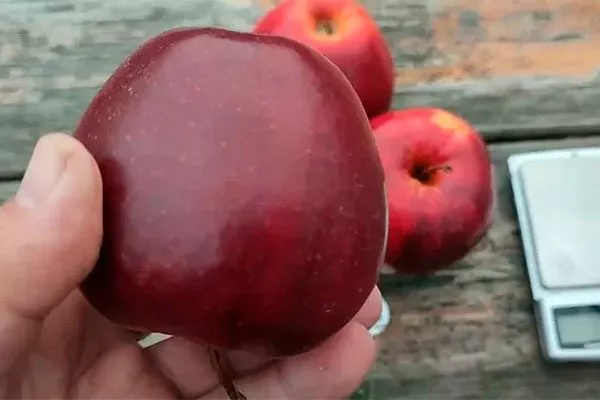
- main color – bright crimson, and with sufficient sunlight can turn into a rich red-black;
- weight - on average it weighs about 200 g and the diameter is up to 10 cm;
- pulp – creamy, juicy and fine-grained, with a pleasant crunch when bitten into;
- taste - sweet, with a slight sourness;
- aroma – soft and unobtrusive.
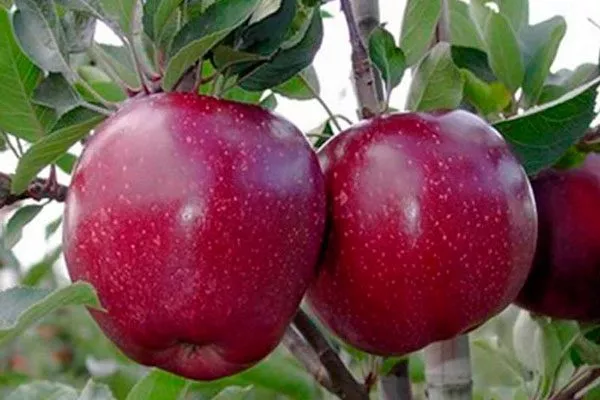
The fruits are rich in vitamins and antioxidants, with sugar content reaching 8.5%. A distinctive feature of this variety is the early coloring of the ovaries: already at the initial stage of development, they acquire a reddish hue.
Characteristics of the apple tree
The apple tree is one of the most common trees in home gardens, and it's no surprise: it's easy to maintain and produces fruit reliably. The Black Prince variety ranks among the best, delighting with its abundant harvest and rich, sweet apple flavor.
Use of the harvest and its beneficial properties
The fruits are versatile: they are enjoyed fresh, but they are also used in homemade preserves and canning. Jams made from these fruits are especially prized – they are thick and creamy thanks to their high natural pectin content.
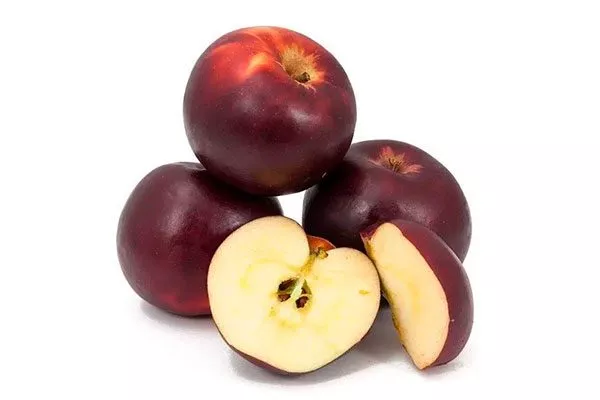
Apples are rich in sugars, antioxidants, vitamins, and microelements, making them a healthy addition to the daily diet. They have a positive effect on digestion and are suitable for dietary use—100 g contains only 42 kcal.
Ripening time, fruiting and yield
The Black Prince is prized for its high yields and consistent fruit production. The tree regularly and annually delights with fruit, which ripens in late September and early October. The tree begins to bear fruit as early as the third year after planting, and a bountiful harvest begins around the sixth year.
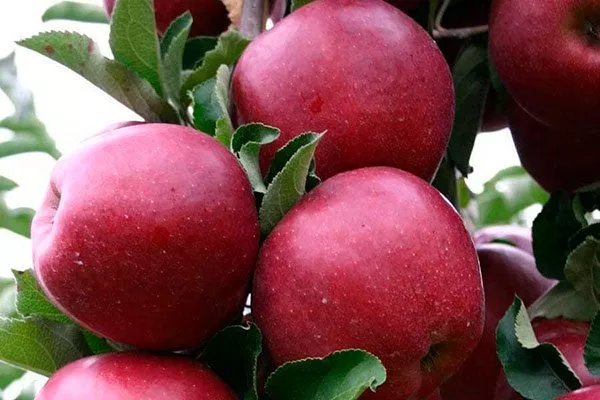
With proper care, a single mature tree can yield 200 to 250 kg of apples per season. With adequate nutrition and proper agricultural practices, this figure can be even higher.
Winter hardiness and growing regions
This variety is widely cultivated in European countries, Ukraine, and southern Russia. It is successfully grown commercially in Canada. It prefers warm climates and is suitable for areas where winter temperatures do not drop below -23 to -29°C.
In Russia, the most favorable regions for this variety are considered to be the Krasnodar and Stavropol territories, Crimea and the Rostov region.
Pollinators
It is a triploid apple variety, meaning it cannot self-pollinate. This characteristic ensures large fruits and high yields, but requires the presence of nearby pollinating varieties.
Suitable varieties should be planted no more than 50 meters from the main tree. The following apple trees are well suited for this purpose:
- Golden;
- Gala;
- Braben;
- Junami;
- Elstar.
Jonagold is the parent variety of Black Prince, but it is not suitable for pollination due to its similar genetic makeup. When planning your plantings, consider the ratio: one pollinator tree is required for every 7-8 trees. Plant them individually or in rows.
Disease resistance
Apple trees are characterized by increased resistance to most common diseases. However, under poor growing conditions, including dense plantings, overwatering, or nutrient deficiencies, their immunity can weaken.
Subspecies and rootstocks
There are no subspecies of the Black Prince variety, nor is there a columnar form. If you're offered such options, it's likely a scam.
It's best to grow the crop on dwarf or semi-dwarf rootstocks—this produces more compact trees with larger fruits. However, this reduces the plants' winter hardiness slightly.
Planting the Black Prince apple tree
Proper cultivation is key to a tree's successful growth and development. Therefore, it's essential to carefully consider the plant's requirements for site selection and cultivation methods.
Requirements for the location and timing of disembarkation
The optimal site for growing apple trees is an open, well-ventilated area. However, there should be no drafts that could harm the plant. There should be no groundwater, ponds, swamps, or wells nearby.
The crop can be planted in both spring and fall. In colder regions, earlier planting is recommended. In spring, the optimal time is April or May, before the sap begins to flow.
Selecting and preparing soil
Light, loamy soil with good fertility is ideal for planting this variety. If the soil is poor, apply fertilizer beforehand.
Prepare the hole for the seedling well in advance—6-7 months before planting. It should be between 80 cm and 1 m deep. Add wood ash, humus, chicken manure, and other organic matter to the bottom of the hole. Then cover it with soil and moisten it thoroughly. Leave the hole open, uncovered.
Preparation of planting material and planting rules
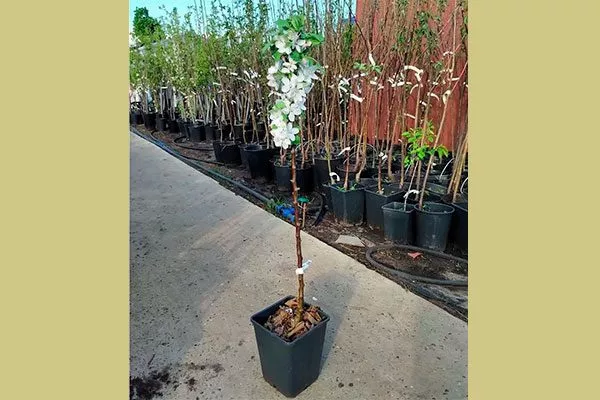
When purchasing seedlings, inspect them carefully for damage—they should be whole and strong. If you find broken or dried roots or branches, carefully trim them before planting.
Step-by-step algorithm:
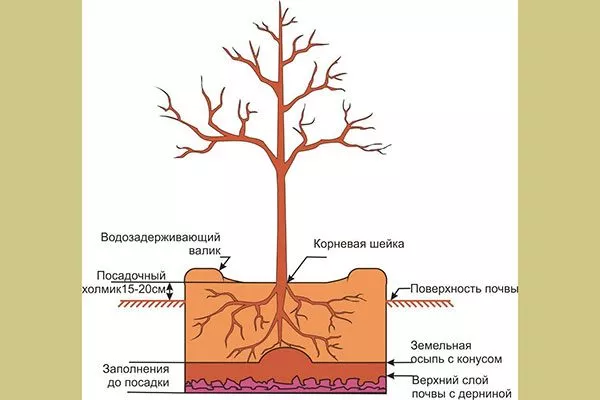
- Dip the plant roots in the clay mixture to moisten them. You can add a growth stimulant if desired.
- Drive a stake about 150 cm long into the center of the prepared hole – it will serve as a support for the young tree.
- Place the seedling on the nutrient mixture, carefully spreading the roots, and sprinkle them with loose soil.
- Gently compact the soil around the seedling to avoid damaging the root system.
- Tie the trunk to the stake with a soft cloth to avoid damage.
- Form a ring-shaped ridge around the tree and water it with settled water.
Care Features
With proper care, the crop's yield increases significantly and the tree's lifespan is extended. To achieve this, it's important to follow standard agricultural practices.
Watering and soil care
Apple trees prefer soil with moderate moisture. Follow these guidelines:
- Young seedlings need watering 1-2 times a week, while for mature trees, watering about once a month is sufficient.
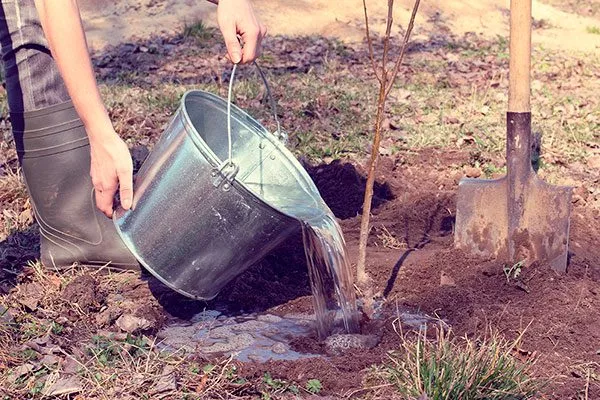
- Water with a watering can or a special hose. Another effective method is to create a trench around the trunk at a distance of about 60 cm and pour water from a bucket into it. This ensures that the water reaches the roots directly and does not spread across the surface.
- After watering, loosen the soil around the trunk and cover it with sawdust, straw, or peat mulch. This helps retain moisture longer and reduces evaporation.
Top dressing
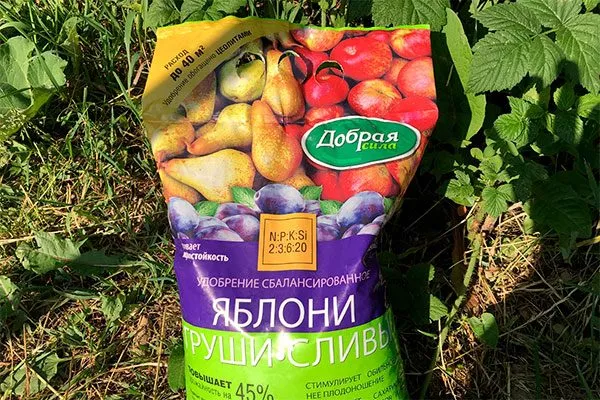
Fertilize the plant from the first year of growth. Nitrogen, applied as urea or carbamide, is beneficial for stimulating growth. To prepare the fertilizer, dissolve 60 g of each in 15 liters of water.
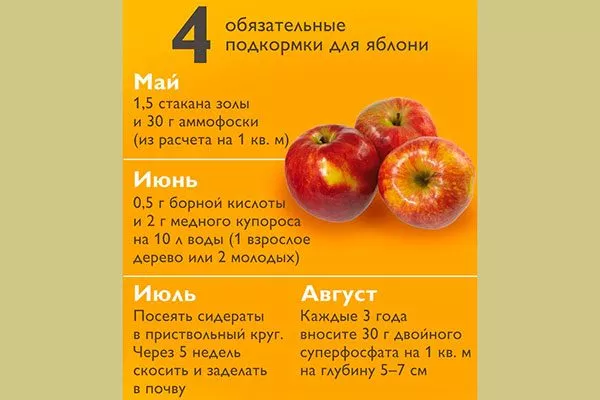
After the leaves emerge, apply foliar feeding: dilute 20 g of sodium humate in 10 liters of water. Use about 2 liters of this solution per tree, spraying the crown. Repeat this procedure up to four times per season to maintain the plant's health and growth.
Trimming
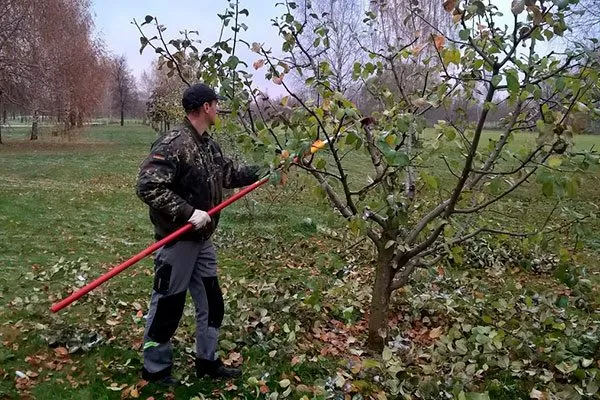
Beginning in the second year after planting, begin pruning to create a proper crown structure. Follow these recommendations:
- Leave 2-3 tiers of branches on the plant, located at an equal distance from each other.
- Remove branches growing too close to the trunk. Additionally, remove any shoots that cause the crown to become too dense.
- Pruning should be carried out twice a year as the tree becomes overgrown, paying attention to removing dry and broken branches.
Preparing for winter
Before winter, cover tree trunks to a height of about 1 m. For this, use reeds, agrotextile, or special protective paper.
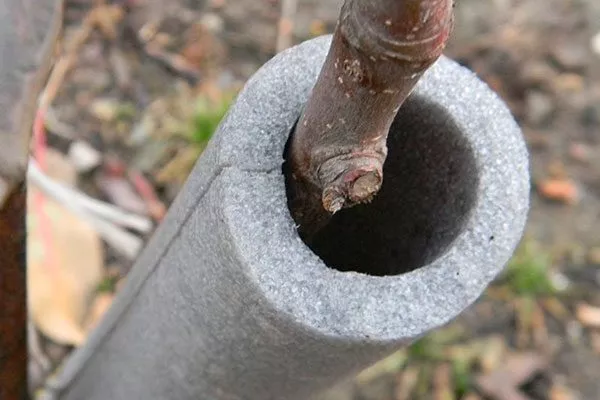
To protect the roots, apply a mulch layer of sawdust, straw, or similar materials at least 25 cm thick around the tree. Remove this mulch in the spring to allow the tree to develop normally.
Collection and storage
The harvest is best stored in a basement at a temperature of +3-4°C and a humidity of 75-80%. It is recommended to harvest the fruit in the morning, and avoid storing it in direct sunlight.
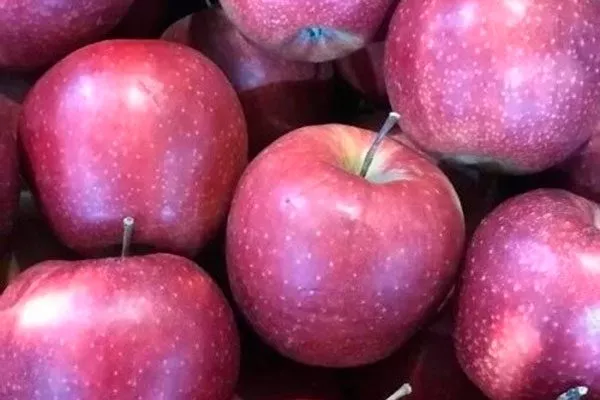
Place apples in wooden or cardboard boxes, wrapping each one individually in paper to prevent them from touching. Under the right conditions, the fruit will retain its marketable quality for 6-8 months.
Pest and disease control, prevention
The Black Prince variety has good resistance to many diseases, but in unstable climates, trees can be affected by fungal infections.
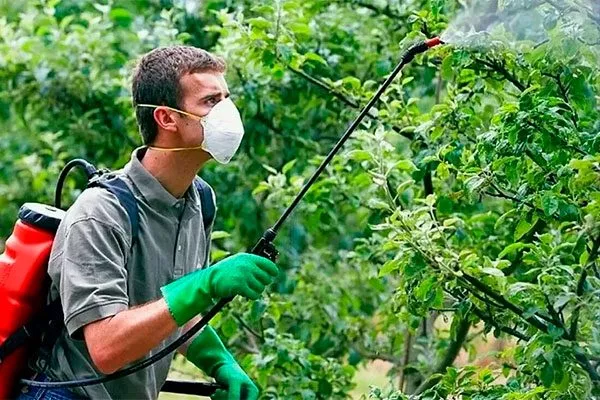
To reduce the risk of infection, take preventative measures:
- High humidity can lead to scab, which appears as brown spots on leaves, fruit, and shoots, impairing the apples' flavor. To prevent this, keep the soil around the tree clean. If the disease appears, apply fungicides.
- Powdery mildew appears as a white or white-gray coating, which negatively impacts apple yield and size. As a preventative measure, treat apples with Bordeaux mixture up to three times per season.
- The main pests of this variety are apple fruit stems, aphids, spider mites, blossom beetles, and loopers. To control them, use insecticides such as Aktara and Horus. Perform this treatment during bud break.
- After the buds open, Pink Bud and Thiovit Jet are recommended. After the flowers fall, Aktara or Enzhio are effective, best used in combination with Match or Proclaim for enhanced results.
Pros and cons
This variety has its advantages and disadvantages, which are important to consider before planting to avoid problems later. Judging by its widespread popularity, it has many more advantages.
Reviews
The Black Prince is a popular apple variety with large, dark fruits and a rich flavor that combines sweetness with a hint of tartness. The tree is resistant to a number of diseases and adapts well to a variety of climates. Thanks to its marketable appearance and long shelf life, the apples are suitable for fresh consumption and processing.