
One of the most common problems when growing apples is the appearance of black spots on the fruit. It's important to promptly identify the cause of the spotted rash and eliminate it to avoid loss of crop quality and quantity.
What causes black spots on apples?
The presence of black spots on apples not only spoils their appearance, but also deprives them of their beneficial properties. Many diseasesThe pests that cause this type of damage are dangerous to humans. To avoid losing your crop or harming yourself, accurately determine the cause of the disease. This can be done based on the accompanying symptoms.
Iron deficiency
Apples are one of the fruits richest in iron, recommended for iron deficiency anemia. However, the tree itself can also suffer from iron deficiency, a condition called chlorosis.
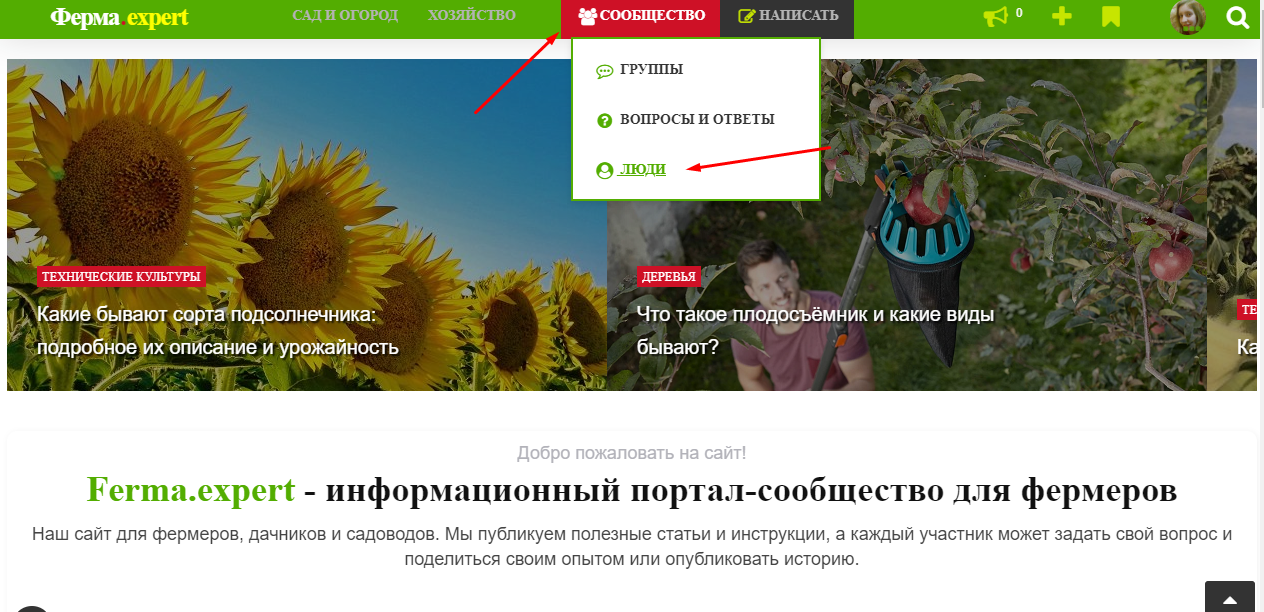
Symptoms:
- the foliage turns pale green, then yellow;
- Black spots appear first on the leaves and then on the apples.
Causes of iron deficiency:
- nitrogen deficiency;
- soil salinization;
- root damage;
- the inability of the tree to absorb iron normally (this usually occurs on carbonate soils).
Magnesium and manganese deficiency
A deficiency of these micronutrients is commonly called spotted chlorosis. The disease primarily appears on the leaves.
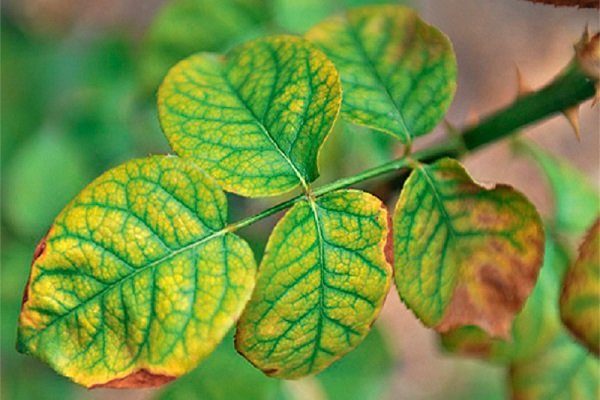
Symptoms:
- paleness of the foliage, first the apical ones, then the old ones;
- affected leaves wrinkle and fall off;
- the appearance of dark spots on leaves and fruits.
The reasons for the lack of magnesium, manganese and other elements are soil characteristics, poor agricultural practices, and improper fertilizing.
Scab
Scab is considered the most common apple disease. It is caused by a fungus, and the first symptoms of infection are observed during flowering.
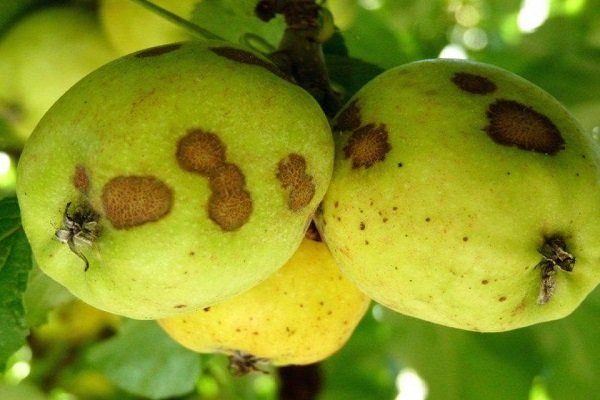
Signs:
- On leaves affected by scab, you can see small olive-colored spots - conidia (spores) multiply in them;
- on the branches where the fungus has “landed”, thickenings similar to a rash are formed;
- leaves heavily affected by scab fall off;
- ripening apples become dense in places, the skin darkens and cracks;
- the fruits become deformed, lose their marketable appearance, taste, and beneficial properties, and become covered with crusts and black spots.
The fungus that causes scab overwinters in fallen leaves. The disease is literally airborne, with spores carried by the wind. Scab development is facilitated by high humidity and prolonged rainfall. Just two wet days are enough for scab to spread throughout the garden.
Causes of scab development:
- too dense planting;
- rainy weather;
- incorrect watering schedule;
- growing one variety of apples in the garden;
- neglect of crown pruning.
Fire blight
This disease is infectious and caused by bacteria. It affects all parts of the tree. Infection progresses rapidly, so treat it early.
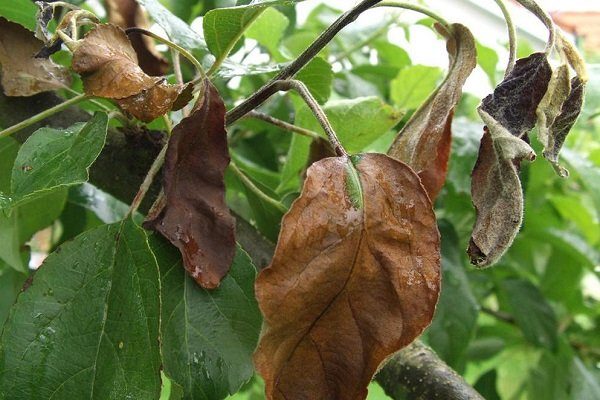
Symptoms:
- leaves curl and dry out;
- young shoots become covered with dark spots and dry out;
- flowers turn brownish, then turn black and fall off;
- The fruits become covered with spots, dry out and hang on the tree in this state.
Causes of fire blight development:
- high humidity;
- Bacteria are spread by insects, flies, and birds.
Ring spot
The disease is viral, easily transmitted, and difficult to treat. Transmission occurs through planting material, pollen, seeds, and grafting. The virus is also spread by ticks.
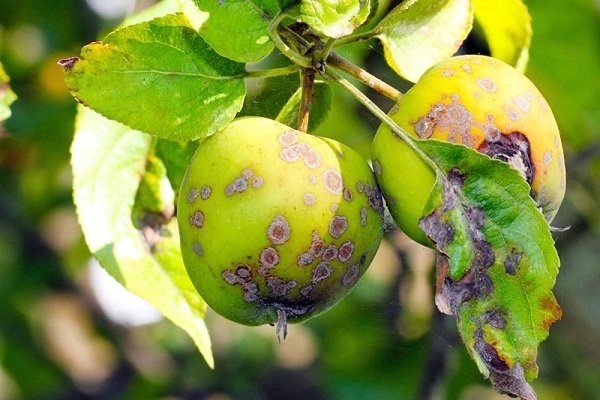
Symptoms:
- the appearance of ring-shaped spots on leaves and shoots;
- The fruits become covered with yellow spots, which turn black over time.
Causes of the disease:
- dense, thick plantings;
- high humidity and heat;
- weeds.
Black crayfish
This difficult-to-treat disease is caused by various fungi and gram-negative bacteria. It is widespread, affecting not only apple trees but also pears and, rarely, cherries. Left untreated, it leads to the death of the tree.
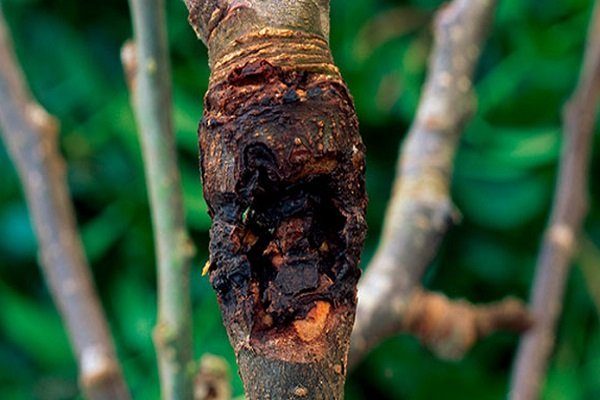
The most dangerous form of cancer affects leaves, fruits, and bark. The affected tree dies within 3-4 years.
Symptoms:
- dark burgundy spots appear on the bark, which grow over time, causing it to crack;
- the leaves become covered with black spots, gradually dry out and fall off;
- Black spots appear on the apples, then the fruits turn completely black, become wrinkled and dry.
Causes of black cancer development:
- the apple tree is very old - the immunity of old trees is weakened;
- violation of agricultural care rules;
- the presence of damage - cuts, burns, frost cracks, through which fungi enter the tree;
- The disease can penetrate through damage caused by birds and insect pests, or through wounds after pruning.
Fly Hedgehog
The disease got its name from its resemblance to fly droppings. It is a fungal infection that affects apples. Its causes are almost the same as those of scab.
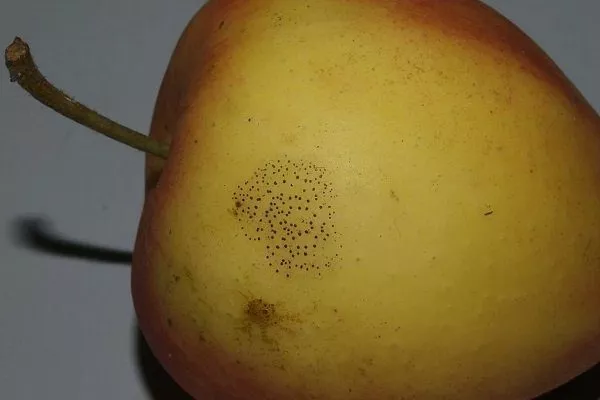
Symptoms:
- Small black spots on fruits that, unlike fly marks, cannot be erased or washed off.
- Over time, colorless spores mature at the site of the spots. When they mature, they emerge from the opened pycnidia.
Reasons for the development of fly lice:
- an abundance of weeds - they retain moisture and serve as a breeding ground for fungi;
- poor garden maintenance - the disease usually occurs in abandoned areas;
- neglected, thickened crowns of apple trees;
- overfeeding with nitrogen fertilizers;
- grassy soil under trees;
- prolonged rainy autumn;
- heavy dew.
How dangerous are black spots on apples for humans?
Never eat apples affected by disease. If the fruit has black spots, it's best to avoid them, as it's difficult to differentiate the disease—it could be dangerous to humans, or harmless. It's best not to take any chances.
For example, diseases such as cancer and fly lice are harmless to humans. However, fungal infections pose a serious threat. However, there is no precise data on the harm caused by any given disease. Even regarding the most common affliction—scab—there is no definitive information.
What is known about the harm of mycotoxins:
- They negatively affect a person's internal organs. The degree of harm depends on the individual's health and immune system.
- Affected fruits contain only a small amount of mycotoxins, which are unlikely to cause significant harm to humans. However, these substances tend to accumulate in the human body, and if they are regularly ingested, they can trigger various diseases and pathologies.
- If the damage to the fruit is minor, you can eat it after peeling it. This way, you won't cause any harm.
How to deal with black spots on apples?
Blackhead control measures depend on the underlying causes. If the tree still shows signs of illness despite the measures taken, actively engage in treatment. This offers a chance to save part of the harvest, and often the life of the tree itself.
What to do if signs of damage are detected:
- Identify the disease based on the available symptoms.
- Choose effective treatments based on the disease. If the infestation is minor, biological products or folk remedies may be sufficient. For severe infestations, chemical treatments may be necessary.
If an apple tree has contracted a serious systemic disease, it cannot be cured. Trees with black, cracked bark are useless to save. Moreover, they are a source of infection. Uproot and destroy them, otherwise the disease will infect all trees in the orchard.
Preventive measures
Along with individual treatment methods, there are a number of universal preventative measures aimed at preventing all possible diseases. While their implementation does not provide a 100% guarantee, it does significantly reduce the risk of infection.
Blackhead prevention measures:
- Regular weed control. Weeds are one of the most common causes of disease. They serve as breeding grounds for many fungi and attract insects that can spread viral, fungal, and bacterial diseases.
- Planting apple varieties with high immunity to diseases.
- Timely removal of fallen, rotten or diseased fruits.
- Collection and storage of only healthy, high-quality apples without signs of disease.
- Pruning dry branches is a source of pathogenic fungi and pests.
- Apple tree waste disposal – removal and burning of fallen leaves, pruned branches, etc.
- Regular thinning of the crown, preventing overcrowding.
- Protecting trees from mechanical damage, preventing branches from breaking and wounds.
- Thorough digging of tree trunk circles in autumn.
- Timely application of fertilizers.
Preventive spraying:
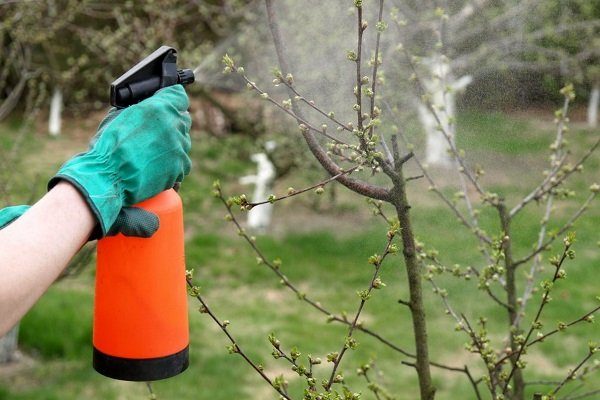
- Treat the crown with Bordeaux mixture or 3% copper sulfate. Spray the trees 2-3 times before flowering. When the tree is in bloom, apply Skor to the foliage.
- During the growing season, preventative spraying with a 1% Bordeaux mixture with the addition of copper sulfate and lime (100 g per 10 l of water) is recommended.
The first time, treat the trees when the buds emerge and become distinct, the second time - after flowering, the third time - 2 weeks after the second spraying.
Autumn work in the garden
Autumn is the time for the lion's share of preventative work. If autumn measures are ignored, outbreaks of infectious diseases will occur in the garden by spring and summer. No spring spraying will protect trees from infection if pathogen outbreaks are not eliminated promptly.
What is important to do in the fall:
- Pick all the fruit from the tree. Don't leave mummified apples on the branches—they're full of infections and larvae.
- Rake fallen tree leaves into piles. Take them to a landfill. Or burn them if no one complains about the smoke (it's said to emit carcinogens). Using contaminated leaves for compost is strictly prohibited.
- All branches removed during sanitary autumn pruning should also be disposed of.
- Clean the trunks of peeling bark. Treat the exposed areas with copper sulfate - dilute 1 tablespoon of powder in 1 liter of water. Use the same solution whitewash the trunks trees.
Disease-resistant varieties
Among apple trees, there are varieties that boast increased disease resistance—either to all or to specific ones. Apple trees are typically sought out for their resistance to the most common diseases in orchards—fungal ones.
The most scab-resistant varieties:
- Orlik;
- Antonovka;
- Russian Renet;
- Saffron pepin;
- Scarlet anise.
New domestic varieties, distinguished by increased immunity to all diseases:
- Apple Savior. An early, productive, large-fruited variety. It bears fruit in the second year after planting. It is resistant to scab and is virtually disease-free. It withstands temperatures down to -45°C and tolerates fluctuating temperatures and other extreme weather conditions.
- Senator. A high-yielding, stress-resistant columnar variety. A single tree yields 15-16 kg. The fruits are sweet and aromatic. The variety is resistant to virtually all diseases and pests.
- Freshness. Its resistance is genetically developed. Not only is the variety disease-resistant, but it's also resistant to pests. It produces full fruit in the third year of planting. It produces delicious fruit with increased vitamin content. It's resistant to black canker and is frost-resistant.
- Dialogue. Genetically resistant to scab and other apple diseases, it is not affected by pests. It can withstand temperatures down to -38°C. It begins bearing fruit in the third year. One tree produces up to 12 kg of apples.
- Chervonets. The most undemanding variety. It can grow and bear fruit in any soil and virtually any climate, though it cannot withstand the Far North. The yield is high, and the fruits are red, juicy, and sweet. It is not susceptible to pests.
- ✓ Genetic resistance to scab and other diseases.
- ✓ High yield even in unfavorable conditions.
- ✓ Early fruiting, starting from the second or third year after planting.
Black spots always indicate problems with the tree—if apples are covered with them, it means the tree is sick. Numerous preventative measures can help prevent diseases, but the surest and most reliable way to prevent tree diseases and crop damage is to plant varieties that are genetically resistant to diseases.