
The Chudnoye apple tree is a true primrose, striking in its versatility. This dwarf tree, resistant to low temperatures, produces exquisite apples with a sweet and sour flavor from an early age. This variety has won the hearts of Russian gardeners, who actively plant it in their plots across the country.
History of selection
The variety was created by the talented Russian breeder Mikhail Mazunin, who, along with his wife and colleagues from the USSR, conducted experiments in the nursery of the Chelyabinsk Fruit and Vegetable Station in the 1930s. Their goal was to develop apple trees capable of surviving in the harsh climatic conditions of Siberia and the Urals.
Nuances of origin:
- In the 1970s, Mazunin crossed the Ural Winter x 11-20-12 hybrid with an ancient variety from West Germany known as Eliza Ratke (Vydubetskaya Weeping).
- The result of their work was a variety named Chudnoye, characterized by natural dwarfism. It easily grafts onto taller rootstocks without losing its increased winter hardiness.
- In 1984, the Chudnoye apple tree was recognized as an elite variety and recommended for cultivation throughout the country. However, full zonal adaptation of the variety only occurred in 2001, so its widespread distribution has not yet been achieved.
Characteristics of the variety
Created through years of careful cultivation, this apple tree is distinguished by its ability to produce abundant harvests even during short summer seasons. Its low stature and crown, which slopes toward the ground and practically touches the ground, ensure its resilience to the low temperatures of winter and autumn.
Description of the tree and its lifespan
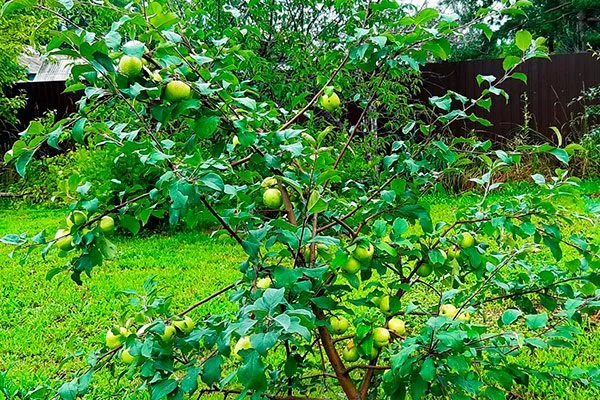
The Chudnoe apple tree is a dwarf variety, not exceeding 140-150 cm in height on low-growing rootstocks, while on tall rootstocks it can reach 200-250 cm.
More about the characteristic features:
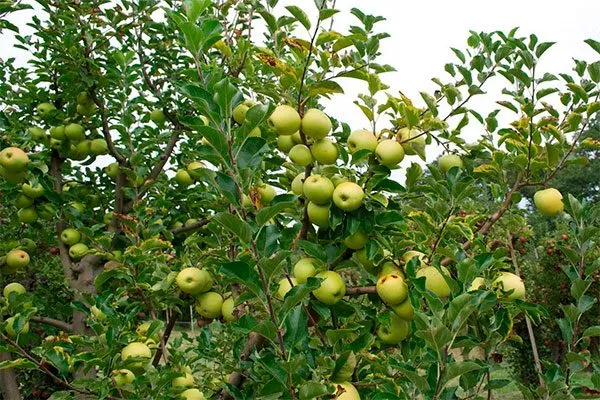
- The crown of this apple tree is wide and drooping, with large branches growing at obtuse or right angles relative to the trunk. On dwarf rootstocks, the crown bends so low that it appears to rest on the ground. This branch arrangement makes the tree resistant to strong winds and does not require much groundwater.
- The trunk bark is smooth, unbroken, and gray in color. The shoots are arched and light green. The trunk diameter is small—9-12 cm on a natural scion, and no more than 8-10 cm on a dwarf scion.
- The dwarf tree's root system is robust, multi-rooted, located in the fertile soil layer and developing rapidly. It occupies a large area, making the Chudnoye variety resistant to wind loads and able to tolerate shallow groundwater levels. The dwarf variety lacks a taproot.
- The leaves are oval, medium-sized (up to 7 cm), and rich green. The surface of the blades is glossy, with small light stripes.
The lifespan of the Chudnoe variety varies depending on the climatic conditions of the region:
- In the Central zone – from 40 to 45 years;
- In Siberia and the Urals – no more than 35 years;
- In regions with a temperate climate – up to 40 years.
Appearance and taste of fruits
Chudnoye is distinguished by its large apple size and excellent taste. Fruit characteristics:
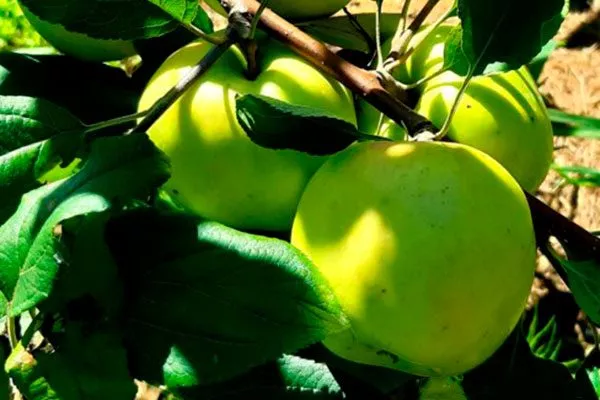
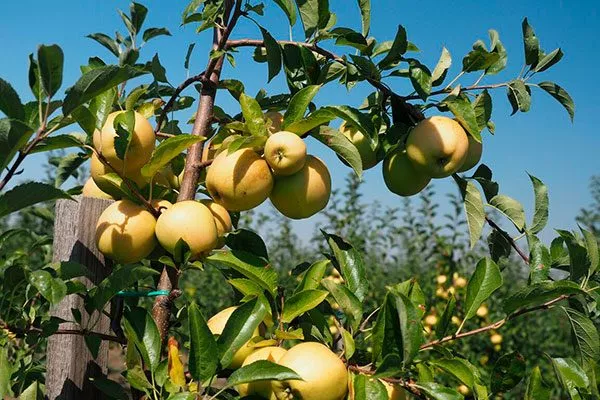
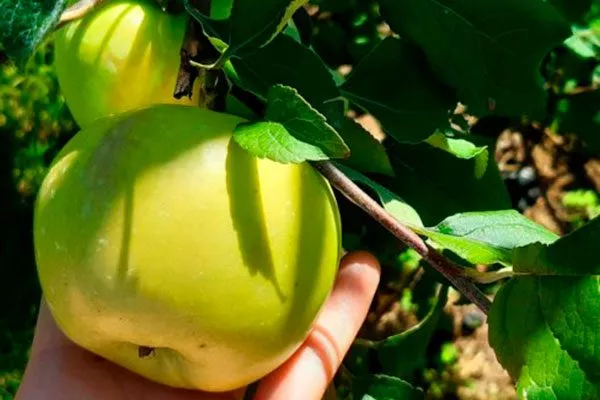
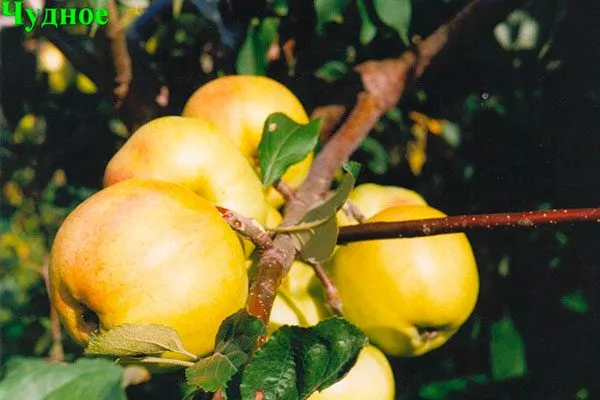
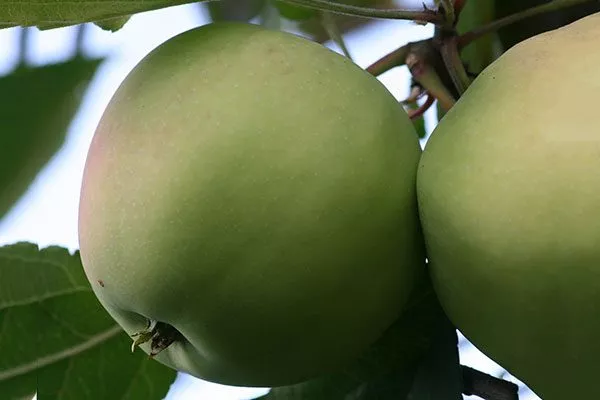
- The apples are round, slightly compressed laterally, and sometimes have barely noticeable ridges. When ripe, they are yellow-green in color, with small blush spots on the sunny side.
- The average weight of apples is 140-160 g, but sometimes there are specimens weighing up to 190-200 g.
- The skin of the fruit is thin, sometimes with small spots underneath.
- The pulp is juicy, fine-grained, white or cream-colored, has a light aroma and a sweet taste with delicate hints of acidity, which leaves a pleasant aftertaste.
Useful properties and uses
Apples are rich in valuable nutrients: they contain vitamins A, E, B, K, H, and PP, as well as iron, zinc, sodium, magnesium, sulfur, phosphorus, calcium, potassium, manganese, and iodine. They also contain fiber, organic acids, and tannins.
A hundred-gram serving of apples contains:
- vitamin C – 18.6 mg;
- sugars – 10.7%;
- dry matter – 13.0%;
- pectin – 1.2%;
- acids – 0.3 g.
Due to this richness of components, apples have many beneficial properties:
- strengthen the cardiovascular system;
- maintain vascular flexibility;
- stimulate appetite;
- regulate digestion;
- have a beneficial effect on vision;
- have an anti-aging effect on brain cells and the body as a whole;
- accelerate the removal of toxins and waste;
- increase immunity.
This apple variety is versatile and suitable for both fresh consumption and culinary use: making compotes, jams, preserves, and drying.
Growing regions
The Chudnoye apple variety is ideally suited for cultivation in the Urals and eastern Siberia. Not only does it successfully adapt to these regions, but it also demonstrates high productivity in locations such as:
- the entire space of Siberia and the Urals;
- in the Far East;
- in the North-West of the Russian Federation, where winter is characterized by heavy snowfalls, which serve as protection from severe frosts, and in summer there are enough sunny days for the full ripening of fruits;
- in the southern regions;
- in Belarus;
- in Ukraine and the Baltic countries.
Features of regional cultivation:
- In areas where winters are harsh, it is necessary to protect young trees from the cold using spruce branches, after mulching the soil around the trunk.
- The favorable climate in the Moscow region facilitates the cultivation of the Chudnoye dwarf apple tree, requiring only regular irrigation during dry periods. Special cultivation techniques, including crown shaping and fertilizing, are not necessary.
- When planting this variety in Siberia, it is recommended to provide additional insulation not only around the trunk but also around the trunk itself. Although the Chudnoye apple tree is resistant to low temperatures, such precautions are still advisable.
In case of a snowy winter, young trees can be covered with snow up to their tops. - In Northwest Russia, the Chudnoye variety exhibits increased yields and responds well to additional fertilizers. Regular preventative treatments against fungal diseases are necessary, especially in early spring and twice during the growing season.
Productivity and pollination
Chudnoye is distinguished by its unique ability to produce fruit without the need for planting near other varieties. However, to achieve the highest yield, manual pollination is necessary, as only about 50-60% of fruit ovaries mature with natural pollination.
If there are other varieties nearby or near the location of the bee apiary, a significant increase in fruiting can be expected.
Although Chudnoye is a self-fertile variety, it is recommended to plant nearby pollinator apple trees to optimize pollination and increase overall yield. The following varieties are ideal for this role:
- Down to earth;

- Brotherchud;
- Anis Sverdlovsky.
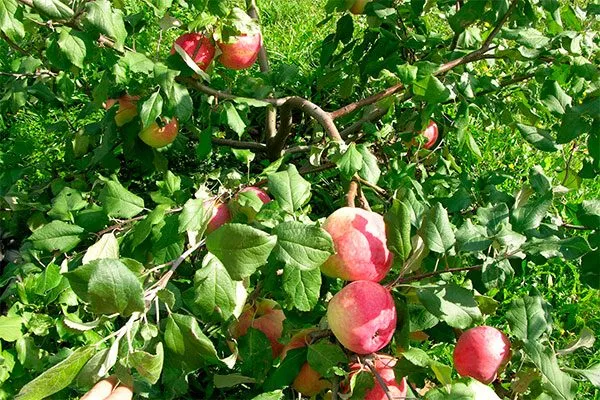
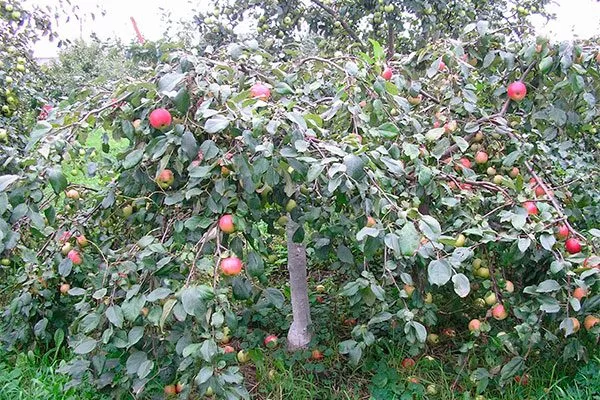
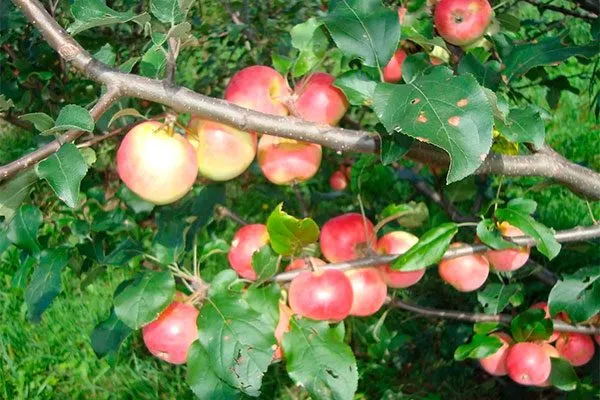
Key productivity characteristics of dwarf apple trees include yield stability and its independence from weather conditions. A single tree can yield up to 80-90 kg of delicious fruit.
Productivity peaks 5-7 years after planting. It declines in cases of excessive canopy contamination and insufficient moisture, but can be increased by introducing pollinators into the garden.
Frost resistance
Despite its compact size, the Chudnoye variety boasts remarkable frost resistance—the tree can withstand temperatures as low as -40°C. It possesses a unique ability to withstand spring frosts, strong winds, and sudden temperature fluctuations, making it particularly valuable for regions with extreme continental or continental climates.
However, breeders strongly recommend providing additional protective cover for trees in areas with prolonged frosts and no snow cover.
Resistance to diseases and pests
The description states that this apple variety is resistant to fungal diseases. It successfully resists problems such as scab, bacterial canker, powdery mildew, and fruit rot. The greatest threat to the tree's health comes from parasitic insects such as scale insects, bark beetles, and aphids.
To prevent the spread of these pests, it is recommended to treat apple trees with copper-containing products or urea. Fallen leaves and debris should be carefully removed, and the soil around the roots should be dug up in the fall. It is also important to regularly inspect the condition of the bark and leaves.
Flowering period, fruiting and ripening period
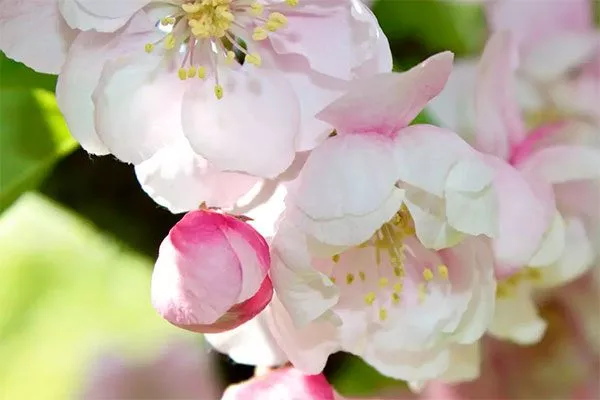
Apple tree blossoming begins depending on geographic location, typically between April 20 and May 10. However, this process does not occur all at once, but is spread out over time. Buds on the lower branches open first, followed by the upper shoots. This gradual process protects the fruit buds from potential spring frosts, resulting in a stable harvest.
Subtleties of fruiting:
- An apple tree begins to bear fruit in its third year, and the first flowers appear in its second. It's best to remove them so the tree doesn't waste energy on fruitless blooms. This will allow the tree to focus on the growth and development of the young plant.
- The ripening period is late summer – they are ready for harvesting in August.
- Chudnoye is characterized by rapid yield growth: by the seventh or eighth year, the tree can produce its maximum yield. At the same time, the tree grows quite vigorously, reaching 12-15 cm per year, although this growth occurs in width rather than height.
- Chudny apples typically ripen in August, making them a summer variety. Depending on weather conditions, the ripening period can shift to early or even mid-September.
Transportation and shelf life
Unusually for apples of this period, they can be stored for up to 30-45 days under appropriate conditions. During this time, the apples retain their nutritional qualities, but with prolonged storage, they may lose freshness and begin to rot.
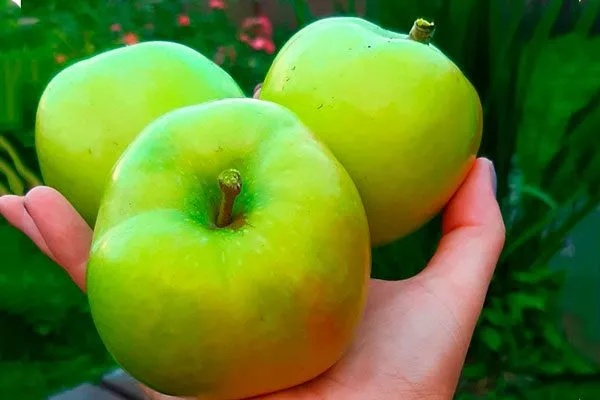
Chudnoye apples are resistant to damage when dropped and are not susceptible to rot, allowing them to be safely transported over long distances without loss of quality or appearance.
Planting the Chudnoe apple tree
When choosing a young tree for planting, it's crucial to carefully examine its root system. Dwarf apple varieties have roots that are small, shallow, and have many branches, unlike those of typical tall apple trees.
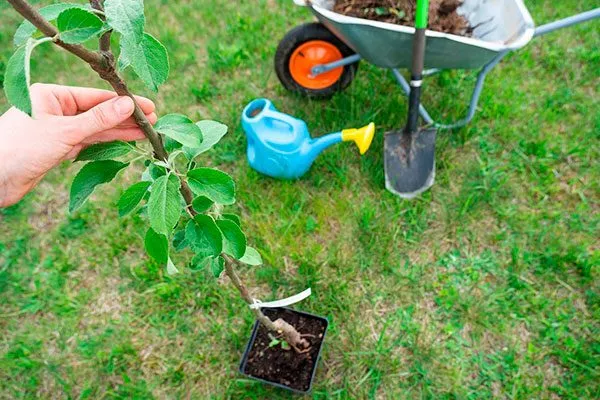
The roots must be healthy and not overdried, which emphasizes the need to wrap them in a damp cloth during transportation. The viability of the native buds on the branches is also an important criterion. Chudny seedlings do not tolerate sudden temperature fluctuations, so they should be planted immediately after purchase.
Subtleties of planting work:
- Chudny apple tree seedlings can be planted in the same way as other apple varieties—in the fall or spring. Spring planting is preferable, when the soil has warmed and thawed sufficiently, but before the buds open. Fall planting is best done in late September, when the first frost is about two to three weeks away.
Delaying planting can negatively impact the tree's survival rate. Chudny saplings typically reach no more than 50 cm in height, but their root system develops quickly once planted in the soil. - Before planting, carefully prepare the soil in the hole. The hole should be at least 50-60 cm deep and 65-75 cm wide. It is recommended to place a layer of river sand and peat at the base of the hole to optimize water and air balance.
- The nutrient mixture should be 20-25 kg of compost mixed with turf and mineral fertilizers. A small mound should be formed at the bottom of the hole. If the soil is acidic, ash or dolomite flour can be added to neutralize it.
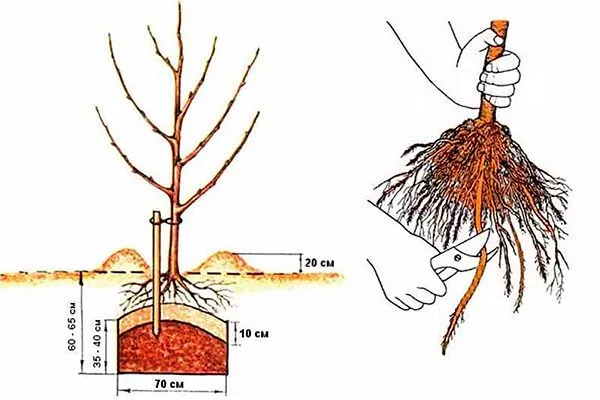
The process of planting apple trees in Chudnoye includes the following steps:
- Pour 10-15 liters of water into the previously prepared planting hole.
- Place the seedling in it, carefully distributing the roots.
- Fill the hole with soil, leaving the grafting site above soil level.
- Compact the soil and create a small ditch with sides around the tree for regular watering.
- Fill the surface with another 10 liters of water.
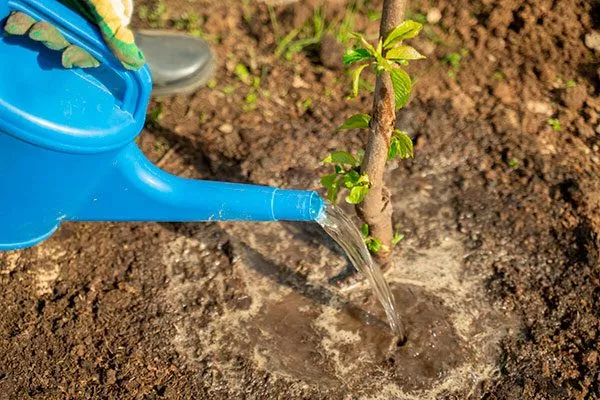
The Chudnoye variety is undemanding in terms of conditions, which allows it to thrive in a variety of soil types, including north-facing slopes, marshy areas, and areas with close groundwater levels where other trees may struggle to thrive.
Chudny thrives in fertile, moderately moist sandy or loamy soils. When planting several dwarf apple trees, it's recommended to space them 3-3.5 meters apart.
Growing and care
Once planted, the tree requires regular care. It should be watered weekly and the area around the trunk should be loosened to keep the soil moist and prevent it from hardening.
Twice a year, in spring and fall, the tree should be fertilized with chicken manure or chicken manure diluted with water in a certain ratio (1:20 and 1:10, respectively). After two years, you can begin adding mineral mixtures such as nitrogen, phosphorus, and potassium.
Other events:
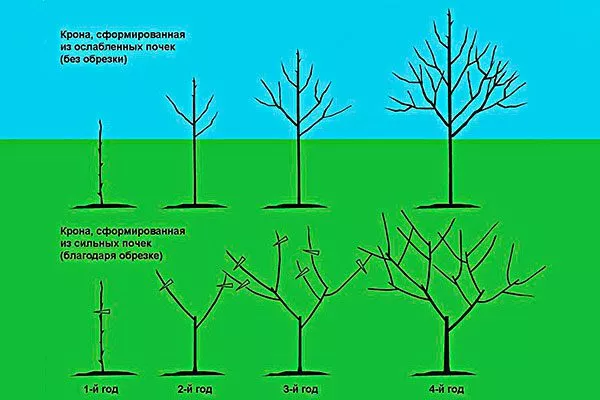
- To shape the tree's crown, prune the central shoot at a height of 50-55 cm one year after planting. This stimulates the growth of lateral branches. Subsequent pruning should be carried out as needed, removing any abnormally growing, dry, damaged, or old stems.
- To increase the diameter of the apple tree, bend young shoots outward from the trunk. Pruning can be done either in the spring, before bud break, or in the fall, after the leaves have fallen.
- The tree is very demanding of water, and a lack of moisture can result in a poor harvest. Since the roots grow close to the soil surface, it needs to be watered frequently in dry years, and weekly in the summer, using 10-12 liters of water per tree. After each watering or rain, loosen the soil, being careful not to damage the roots.
- To maintain the tree's health, fertilize it twice a year—in spring and fall. It's recommended to begin this process in its third year. Trees respond particularly well to organic fertilizers. In the fall, it's advisable to use complex mineral fertilizers high in potassium and phosphorus.
- Young seedlings generally don't require special protection from the cold, except in extreme climates, such as the Far East or Siberia, where winter temperatures can drop below normal (down to -47°C). In such cases, simply covering the tree with snow is sufficient to ensure it survives the winter without problems.
Gardeners often prefer to protect young plants with spruce branches or straw, which is not harmful, but also does not have much effect. - To protect against rodents, treat the trunk with grease or lard. To repel insects, regularly paint the trees with lime. There are commercially available pest control products that are affordable and sold in gardening stores.
If the tree does not bloom or bear fruit, you need to do the following:
- Make sure that watering is organized correctly.
- Thin out the tree crown.
- Consider replanting the plant.
- Check the tree for diseases and pests.
- Fertilize the soil in the area around the tree.
- Apply a few light notches to the barrel.
Collection and storage
Fruit harvesting begins in August, but it's important to avoid delays to prevent the apples from becoming overripe. The maximum shelf life of Chudnoye apples is four months. To ensure long-term storage, ensure the following conditions:
- use a room with low lighting levels;
- maintain the temperature within +12°C;
- maintain humidity at no more than 70%.
Ideal places for this are basements or closed balconies.
Pest and disease control, prevention
The variety stands out not only for its competitive flavor but also for its good resistance to scab, a common disease affecting all apple varieties. However, Chudnoye is not immune to attack. pests, among which the most dangerous are:
- aphid;
- caterpillars;
- bark beetles;
- scale insects.
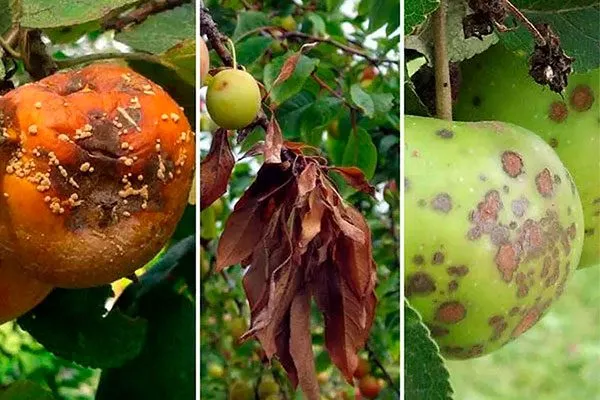
Various pest control products are used, including urea and copper sulfate. For aphids, a mixture of tobacco, nettle, and garlic decoctions with soapy water is recommended.
To protect tree trunks in autumn and spring, covered with lime solution, which helps protect the tree from invasion by insects that infest its bark. Bark beetles are controlled using insecticides injected into the burrows with a syringe.
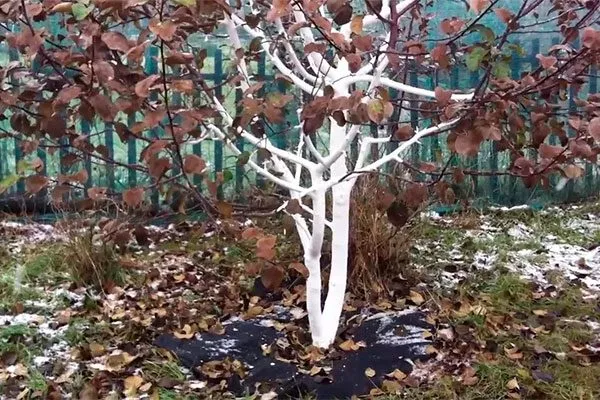
An important way to prevent pests is to carefully maintain the tree trunk area. It's important not only to loosen the soil frequently but also to remove plant debris. Renewing the topsoil also helps maintain tree health.
Pros and cons
Chudnoye is characterized by increased winter hardiness, allowing it to be grown throughout the country. The tree is wind-resistant and does not suffer from drafts. Other advantages of this variety include:
Reviews
The Chudnoye dwarf apple tree is an excellent choice for planting in a garden. Its compact size makes it easy to care for and saves space. This variety produces delicious apples in any climate, provided proper care recommendations are followed.