
The Berkutovskoye apple tree is a late-ripening domestic variety, time-tested and appreciated by gardeners. Its apples boast excellent commercial qualities, a pleasant flavor, and shelf life, while the tree is hardy and productive.
Description of the Berkutovskoye apple tree
The tree is medium-sized. It has a rounded, medium-density crown. Trees reach 3 meters in height. The leaves are green, large, elliptical, and long-pointed, with a matte, wrinkled surface.
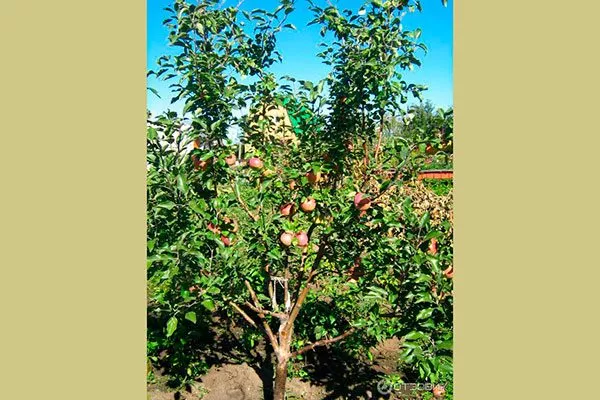
The branches are straight and medium-thick. The shoots are pubescent and reddish-brown. The flowers are large, saucer-shaped, with oval, pinkish-white petals.
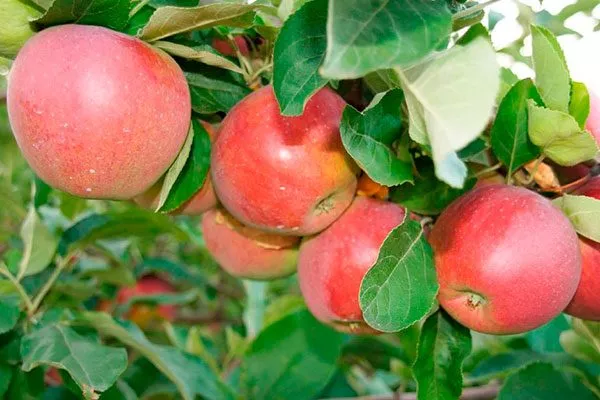
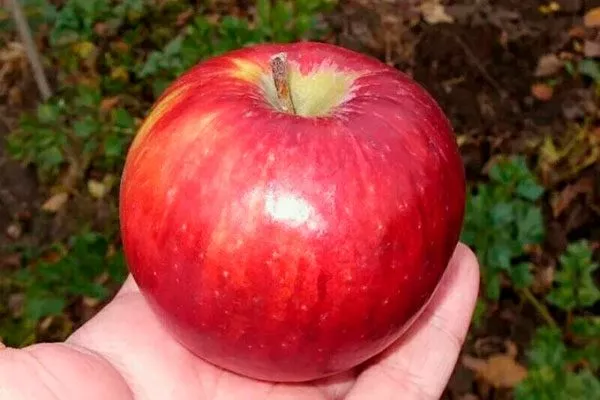
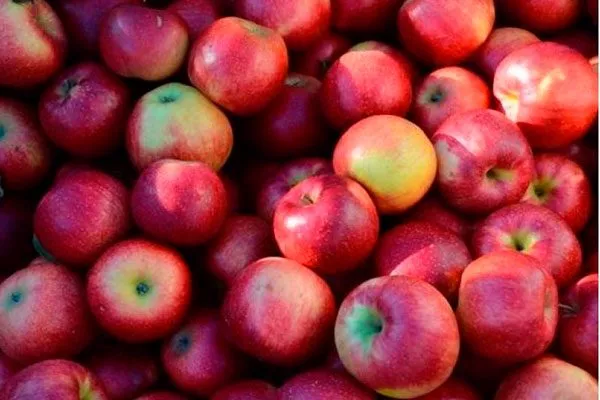
The fruits are large, with a finely bumpy surface and medium-sized white subcutaneous dots. The peduncles are straight, medium-sized, and obliquely positioned.
Brief description of fruits:
- Main color: greenish-yellow and yellow.
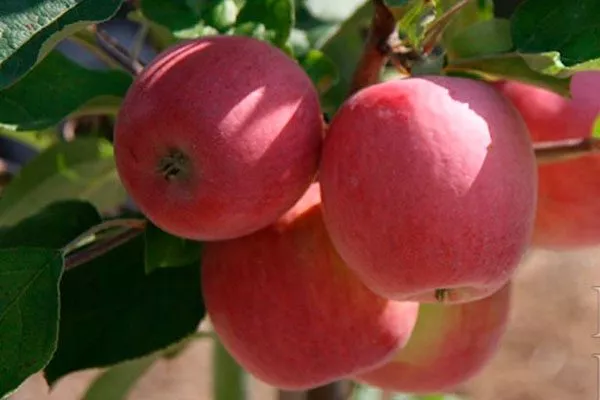
- Covering color: dark red stripes fading into a washed-out red blush.
- Form: rounded.
- Skin: smooth, shiny.
- Seeds: large, conical, brown in color.
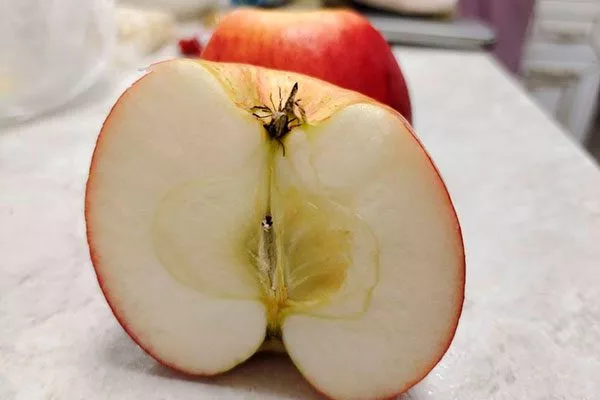
- Pulp: white, fine-grained, dense.
- Average weight: 150 g
- Weight Limit: 250 g
History of the variety's creation
The Berkutovskoye variety was developed by staff at the N.I. Vavilov Saratov State Agricultural Academy and the Saratov Horticultural Experimental Station. This variety was obtained by pollinating the Kortland variety with a mixture of pollen from two apple trees: the Antonovka apple and the Anise rose-striped apple.
The variety was undergoing state testing since 1971. It was added to the State Register of the Russian Federation in 1987. Authors: O.D. Berkut, G.V. Kondratieva.
Recommended for cultivation in the Lower Volga region. In 1991, the Berkutovskoye apple tree was awarded a gold medal by the All-Russian Exhibition Center (VVC).
Characteristic
The Berkutovskoye variety has excellent agronomic characteristics, allowing it to be successfully grown in many regions of the country.
Characteristics of the variety:
- Ripening periods. This is a late (winter) variety. The fruits ripen by the end of September or the beginning of October.
- Fruiting. Fruiting begins 3-4 years after planting. The tree doesn't take a break; gardeners harvest it every year.
- Productivity. It is distinguished by a fairly high yield - 50-70 kg of apples are harvested from one tree per season.
- Frost resistance. The tree can withstand frosts down to -35 °C.
Taste and application
The apples have a sweet and sour flavor, aromatic. The tasting score is 4.5-4.8 points on a 5-point scale. The flesh is juicy and fine-grained.
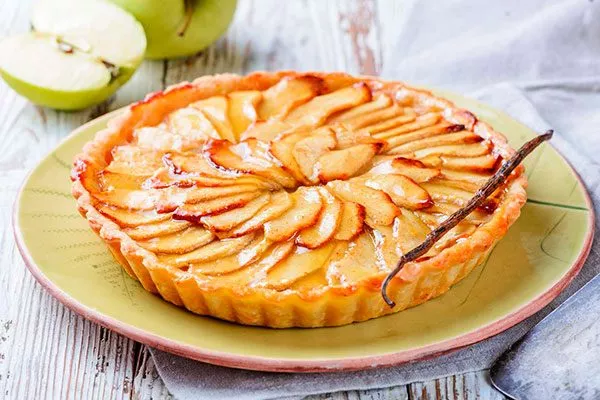
This variety has a versatile use. The fruits are suitable for fresh consumption and for various preserves. They make excellent jams and jellies, and are also used in baby food, desserts, compotes, and baked goods.
Pros and cons
The Berkutovskoye variety has both positive and negative qualities. Before planting this variety in your garden, it's recommended to carefully consider all its advantages and disadvantages.
Landing
The seedling's yield, health, and viability are all influenced by proper planting—choosing the right location, preparing the hole, etc. One mistake is enough for the tree to become sick, grow poorly, produce few apples, and even die prematurely.
Selecting a seedling
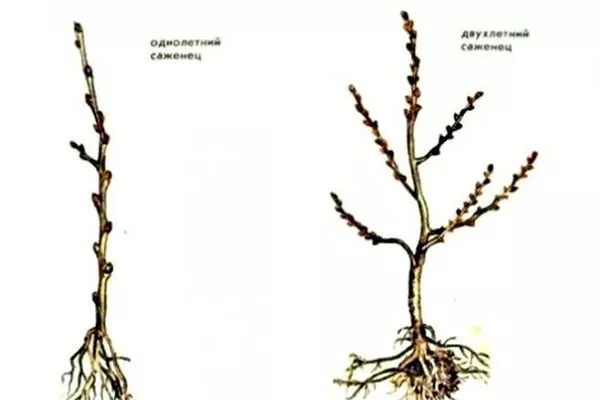
When planting the Berkutovskoye apple tree, it is recommended to purchase two-year-old seedlings, as they take root best in a new location. They are free of diseases and pests.
What to look for when choosing a seedling:
- Roots should be long (20-30 cm) and healthy, with numerous small rootlets. Select seedlings with roots free of rotten or dry areas, signs of disease, growths, or other damage. The minimum number of main shoots is three.
- A healthy seedling has green leaves, without signs of disease or insect damage.
- The bark is smooth, uniform in color, without defects, swellings, signs of disease or damage.
- The seedling must have a clearly visible grafting site.
For planting, it's best to choose seedlings with closed root systems. They take root better and faster because they don't experience the stress of transplantation. Furthermore, unlike bare-root seedlings, they can be planted not only in spring and fall, but also in summer.
Site selection and preparation
Apple trees require a well-lit, warm, and sunny location. Shaded areas are unsuitable for this variety. The site should be well-ventilated, but free from drafts and gusty winds. A building or solid fence facing north is best.
The groundwater level is of great importance. It should not be higher than 1.5-1.7 meters. If the groundwater level is higher, the tree's roots will rot, eventually killing the entire tree. Lowlands, swampy areas, and steep slopes are definitely not suitable for planting.
Preparation of the planting site is carried out several months before the planting date and consists of improving the quality of the soil - increasing its fertility, normalizing acidity and changing its structure.
How to prepare the soil:
- The plot is dug to the depth of a spade. It's advisable to sow green manure shortly beforehand to improve the soil quality. During digging, the rhizomes of perennial weeds are removed from the soil.
- Organic fertilizers are added during digging: 10 kg of compost or humus per 1 sq. m. Mineral fertilizers, such as nitroammophoska, can also be added: 1 tbsp. per 1 sq. m.
- If the soil is heavy and clayey, then 10 kg of river sand is added per 1 square meter of area; in sandy soils, the same amount of clay is added.
- The optimal acidity is neutral. The suitable range for the Berkutovskoye variety is 6.5-7.0. For high acidity—less than 6.5—add slaked lime, wood ash, or dolomite flour. For slightly acidic soils, it is recommended to add 1 kg of acidic peat per square meter.
Preparing the planting hole
Planting holes are prepared in the fall if planting is scheduled for spring. In any case, the holes should be prepared at least 3-4 weeks before planting the seedling in its permanent location.
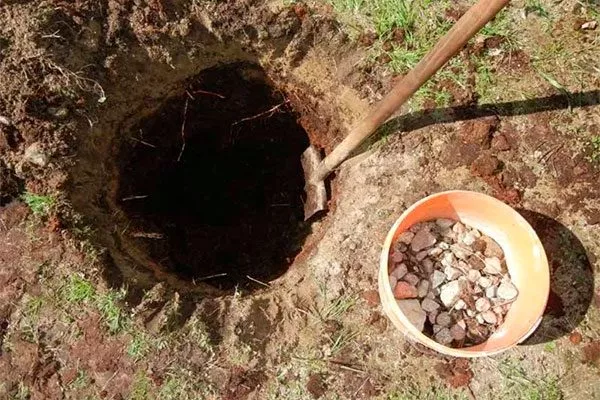
Features of planting the Berkutovskoye apple tree:
- The planting hole should be large enough to accommodate the seedling's root system. The hole should be 2-3 times larger than the root system. A typical hole depth is 80 cm, and the diameter is 100 cm.
- If several apple trees are being planted at once, then intervals of 2.5-3 m are maintained between adjacent holes. The distance between rows is 3-4 m.
- A drainage layer 10-15 cm thick is placed at the bottom of the pit. Materials used include crushed stone, pebbles, or broken brick.
- The top fertile soil layer (approximately 20 cm) is set aside while digging the hole for later use in preparing a nutritious potting mix. Humus or compost is added to the soil in a 1:1 ratio, along with 250 ml of wood ash, 100 g of potassium sulfate, and 200 g of superphosphate.
- Mix all ingredients thoroughly. Then pour the prepared mixture into the planting hole, filling it 2/3 full. Drive in a support about 1.5 m high, slightly away from the center.
Planting a seedling
Before planting a seedling, it needs to be properly prepared. Planting should be done on a cloudy day, either in the morning or evening.
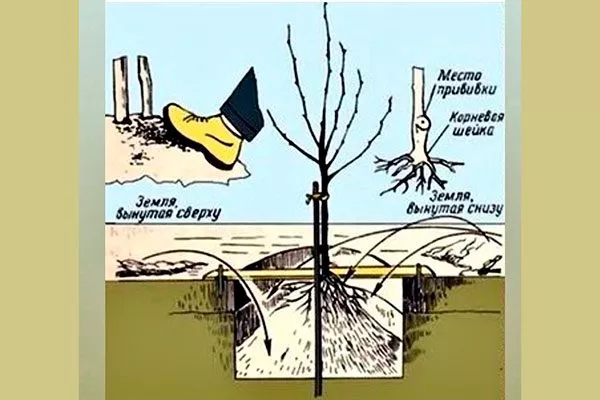
Features of preparation and planting of the Berkutovskoye variety seedling:
- If apple trees have exposed roots, they should be carefully inspected. Damaged, diseased, dry, and broken root shoots should be trimmed back to healthy tissue, after which the root system should be soaked in water. It's advisable to add a growth stimulant. Soak for 4-6 hours.
- Roots that are too long are shortened to 20-30 cm, otherwise they will bend during planting, which is unacceptable from the point of view of planting technology.
- The planted seedling is pruned - the top is shortened so that the height of the tree does not exceed 90 cm. The branches of the tree are cut back by 2/3 of their length.
- The bare-root seedling is placed in the hole, while the closed-root seedling is watered first to facilitate removal from the container. It is recommended to dip the roots of the seedlings in a clay slurry before planting.
- The seedling is placed on top of the mound of earth so that the roots lie on its slopes. They should not bend upwards, sideways, or twist.
- The roots and voids are filled with the remaining fertile soil, ensuring that the root collar remains 3-5 cm above ground level. Do not bury the root collar too deep, especially in heavy soils with poor drainage. The soil around the seedling is compacted to prevent voids between the roots.
- A tree trunk circle is formed around the perimeter of the hole, with a low ridge built up around its edges. The approximate diameter of the circle is 100-120 cm.
- The seedling is tied to the support with soft twine or a plastic bag. Wire should not be used, as it can damage the tree's thin bark.
- The planted apple tree is watered with warm, settled water. The approximate watering rate is 20-25 liters.
- After the moisture has been absorbed, the trunk area is mulched with humus, leaves, crushed bark, etc.
Care
The Berkutovskoye apple tree requires standard care, which is easy for both experienced and novice gardeners. To ensure the tree grows and bears fruit, it requires regular watering, fertilizing, pruning, spraying, and so on.
Watering
The Berkutovskoye apple tree requires regular watering, even though the variety is quite drought-resistant. However, moisture deficits and irregular watering always negatively impact the apples' yield and flavor.
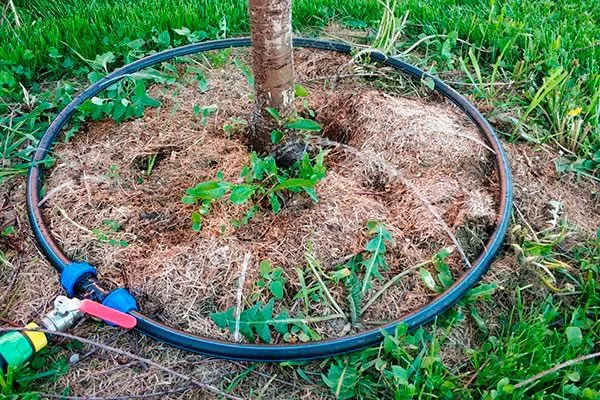
Watering features:
- Water the apple tree as the soil dries out. If the weather is dry, it's recommended to cover the area around the tree trunk with mulch after watering to prevent moisture evaporation.
- Watering requirements depend on the tree's age and soil conditions. As the apple tree matures, it requires more water: while a young tree requires 20-30 liters of water, a mature tree requires 40-60 liters.
- Watering frequency depends on many factors, including the tree's age, soil type, and weather conditions. After planting, the tree should be watered frequently, approximately once a week; mature trees should be watered once or twice a month, depending on rainfall. Apple trees in sandy soils require twice as much water as those in clay and black soils.
- The best times for watering are morning and evening. To determine if it's time to water a tree, check the top layer of soil; if it's dry at a depth of 5-7 cm, the tree needs watering.
Top dressing
The Berkutovskoye apple tree requires regular fertilization. No fertilizer is added during the first year after planting, as the tree receives sufficient nutrients from the fertilizer added to the planting hole.
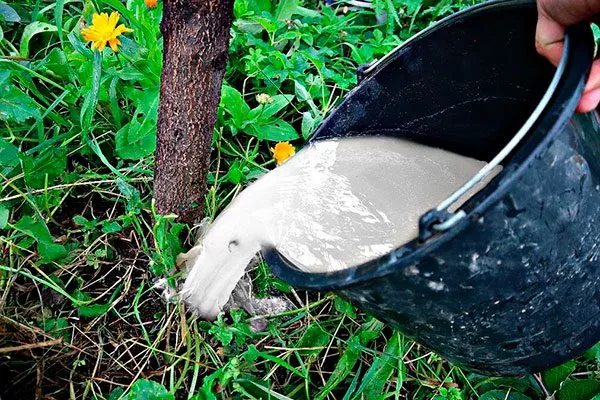
Features of fertilizing the Berkutovskoye apple tree:
- In early spring, before the buds open, apply nitrogen or complex fertilizers containing nitrogen, potassium, and phosphorus. For example, apply urea at 30-40 g per square meter, ammonium nitrate at 25-35 g per square meter, or nitrophoska at 50-60 g per square meter. This dosage is for mature plants; for young plants, it's half that.
- Before flowering, apply phosphorus-potassium fertilizers. For example, you can apply monopotassium phosphate at a rate of 10–20 g per 10 liters of water, or simple or double superphosphate at 25–30 g per 10 liters of water. For young trees, reduce the dosage by 50%. From the second year onward, increase the fertilizer amount annually by approximately 30%.
- During the flowering period, it is recommended to carry out foliar boron feeding - 5-10 g of boric acid per 10 liters of water.
- Once the tree has finished flowering and fruit buds begin to form, foliar nitrogen spraying is applied. For example, you can spray the tree with a urea solution—30-40 g per 10 liters of water.
- When fruiting ends, at the end of summer or beginning of autumn, phosphorus-potassium fertilizers are added, for example, potassium monophosphate - 10-15 per 10 liters of water.
Dry fertilizer is worked into the soil along the crown, after which the tree is watered generously. It's important not to overdo it with fertilizer—too much fertilizer can cause more harm to the tree than too little.
Trimming
The Berkutovskoye apple tree requires regular pruning to shape the crown and remove excess branches. Pruning maintains the tree's health, improves light exposure and air circulation within the crown, and facilitates apple harvesting.
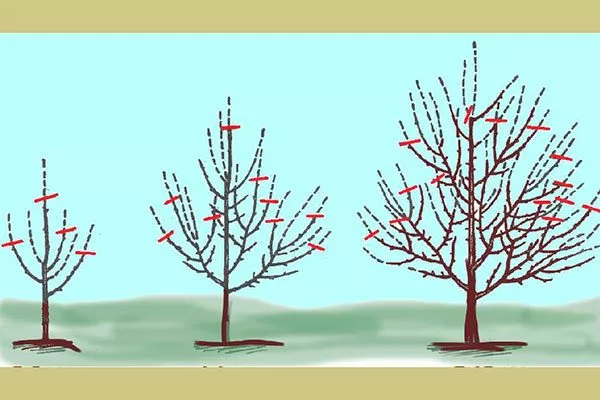
Features of pruning:
- The main pruning of a tree is carried out in the spring, before the sap begins to flow. Along with formative pruning, sanitary pruning is performed, removing all damaged, broken, dry, diseased, and frozen branches.
- Rejuvenating pruning is performed on apple trees over 20 years old. Three to four old branches are removed to stimulate the growth of young shoots. Branches are cut back to the ring, sealing the cuts with garden pitch.
- On mature trees, lateral annual shoots are pruned by 1/3 of their length, always at the outer bud. This prevents new shoots from growing inward.
Preparing for winter
In regions with winter temperatures that are critical for apple trees, insulating the trunk and root zone is essential. Protecting the tree from rodents is also essential.
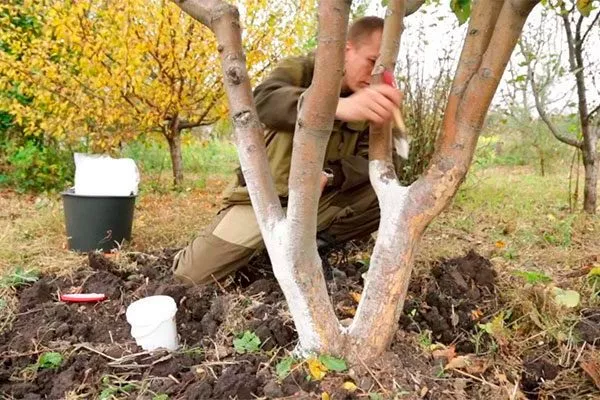
Insulation features:
- The trunk is first whitewashed with lime and then wrapped in covering material, such as agrofibre or burlap.
- The tree trunk circle is mulched with humus and covered with spruce branches.
- To protect the trunk from rodents, you can coat it with a tar and lime solution. A fence made of fine-mesh metal mesh buried in the ground also helps.
Fighting diseases
The Berkutovskoye apple tree has relatively good immunity, but under unfavorable conditions it can be susceptible to powdery mildew and scab. It is also susceptible to fruit rot (moniliosis), cytosporosis, and other diseases.
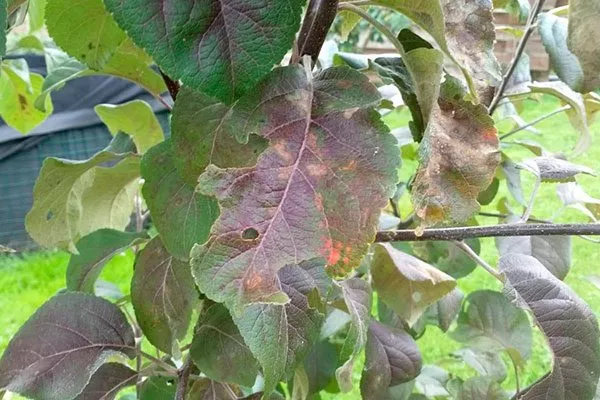
To combat powdery mildew, scab and other diseases, the following methods are used:
- Biopreparations — "Alirin-B", "Gamair", "Fitosporin-M".
- Chemicals - “Skor”, “Topaz”, “Horus”.
- Folk remedies. For example, you can use a solution of washing soda (50 g per 10 liters of water) with laundry soap added. An iodine solution (10 drops per 10 liters of water) is also suitable for treating wood.
- Prevention - regular pruning, collection of fallen leaves and fruits, burning of affected parts of the tree.
Pest control
The variety can be affected by apple aphids, codling moths, and psyllids (apple leafhoppers). A variety of control methods and preventative measures are used to combat them.
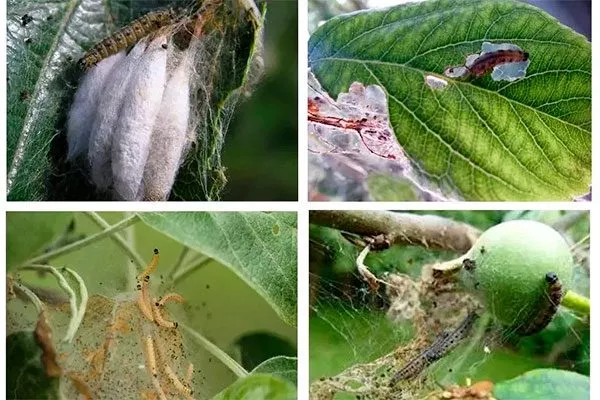
Methods and means of controlling pests of the Berkutovskoye apple tree:
- Chemical insecticides. They are commonly used during mass insect pest attacks. For example, insecticides such as Aktara, Decis, and others can be used.
- Biopreparations. They are typically used for minor infestations. Examples include Fitoverm and Lepidocide. Treatments are repeated at 10-day intervals.
Special trapping belts are also used to combat insects. For example, you can hang plastic bottles or other containers filled with a sugary liquid, such as fruit juice, from tree branches.
Harvesting and storage
Apples reach harvesting maturity by the end of September or the beginning of October. The fruits are harvested when they turn a greenish-yellow color. This must be done promptly; if harvesting is delayed, the apples will begin to fall off.
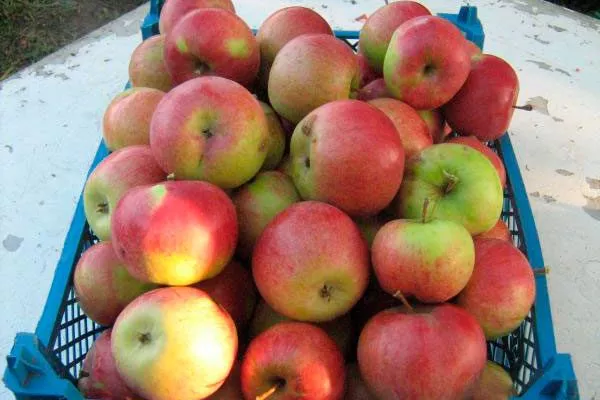
The harvested fruit is placed in boxes or low fruit crates. The apples are stored in a cellar, basement, or dry, cool room where specific conditions are maintained: a temperature between 0 and +3°C, humidity at 80%, and adequate ventilation.
Reviews
The Berkutovskoye apple tree is a reliable and proven winter variety with excellent characteristics. The color and flavor of these apples depend largely on growing conditions and care. With some effort, you can have several buckets of juicy, delicious red apples by winter.