
The Baia Marisa apple tree is an interesting and promising variety bred in Germany. It produces brightly colored and delicious apples, red not only on the outside but also on the inside. This versatile variety boasts excellent agronomic characteristics and is very decorative, especially during flowering and fruiting.
The history of the Bahia Marisa variety
The Baya Marisa variety was developed in Germany in 2005 by German botanist M. Neumüller. The basis for this variety was the Malus Niedzwetzkyana, an exceptionally ornamental apple tree native to the Central Asian region.
Description of the apple tree
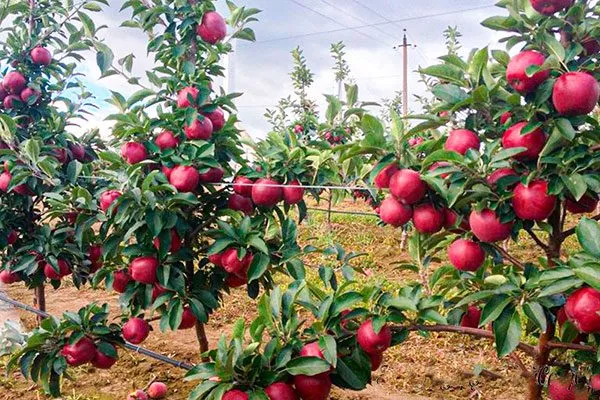
The Baja Maris tree is medium-sized, reaching a height of 2.5-3.5 meters. Its crown is spherical, spreading, and moderately dense. An interesting feature is the reddish color of the branches and shoots when cut.
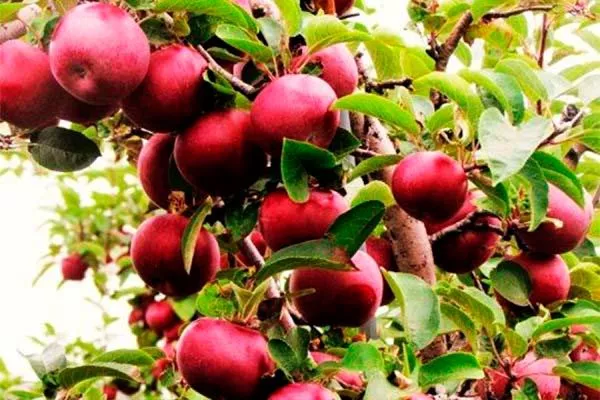
The leaves are green and elongated. The average leaf blade length is 8-12 cm. The flowers are medium-sized, pink or pinkish-crimson.
Description of fruits
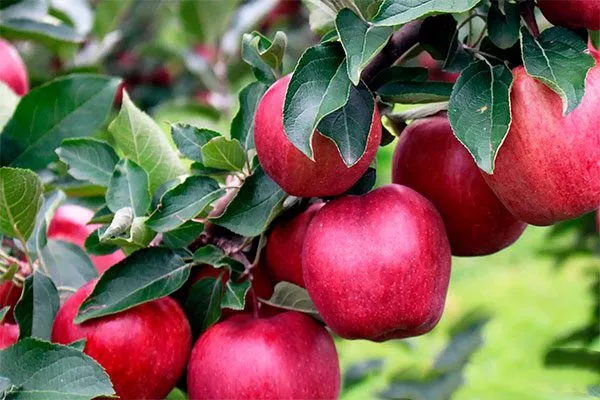
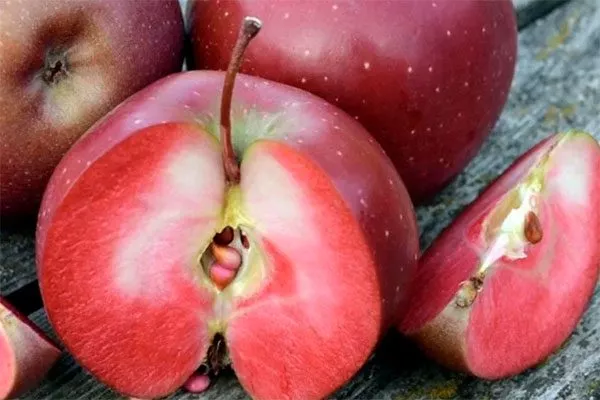
The fruits of the Baja Marisa apple tree are medium to large, bright and beautiful, with excellent commercial and consumer qualities.
Main characteristics:
- Coloring: dark red or purple-crimson with white subcutaneous dots scattered over the entire surface.
- Form: spherical.
- Weight: 150-250 g.
- Pulp: juicy, medium-grained, bright red.
- Skin: medium thickness, dense and smooth, with a gloss.
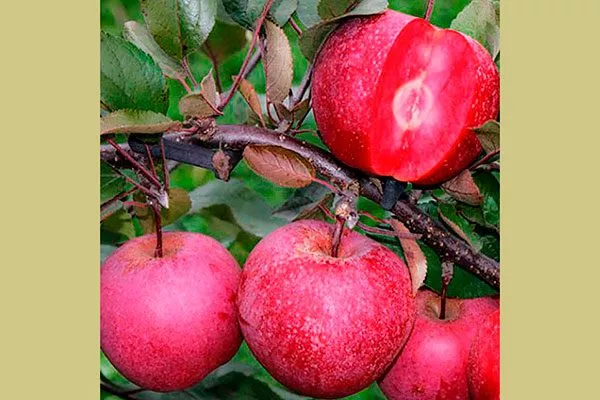
The intensity of the pulp color decreases from the edges to the center of the fruit; the area around the seed chambers is often light.
Taste and purpose of fruits
Bahia Marisa apples have a dessert-like flavor, sweet with a hint of tartness and a distinct strawberry note. The flesh is tender and juicy. Both the aroma and flavor reveal hints of strawberry.
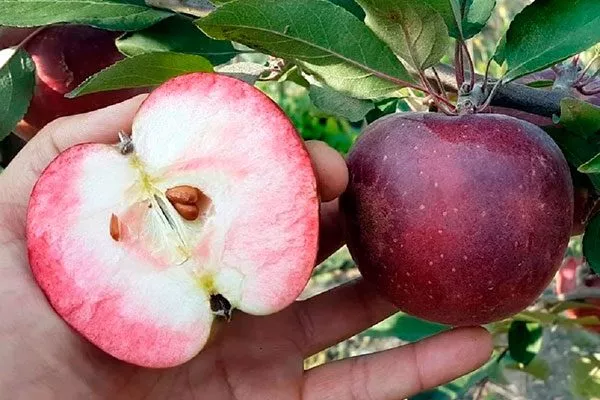
Bahia Marisa apples are versatile. They are eaten fresh, used to make jam, salads, and marmalade, and are also suitable for drying. The flesh remains red after cooking and in various preserves. The juice from these apples is red.
Characteristics
The variety has excellent agronomic characteristics, allowing it to be successfully grown in many regions of the country.
Varietal qualities:
- Ripening periods. This is an early winter variety. Apples begin to ripen in late September or early October. This variety is early-ripening, beginning to bear fruit in the second year after planting.
- Productivity. The variety has a medium yield. A single mature tree can yield 15-20 kg of apples. The maximum yield under the most favorable conditions is 30 kg.

- Frost resistance. The tree is quite frost-resistant, withstanding temperatures down to -30–35°C. These temperatures are approximate, as the apple tree's winter hardiness depends on many indirect factors, such as the duration of frosts, the tree's age, fertilizing, shelter, etc.
- Self-fertility. The Baya Marisa variety is not self-fertile. To produce a harvest, it requires pollinators—apple trees that bloom at the same time as it. Suitable varieties include Golden Delicious, Gala, Fuji, Opal, Topaz, Raika, and Melrose.
- Growing regions. It's suitable for a variety of regions, but is most successfully grown in southern Russia. This apple tree is also quite well adapted to central Russia.
Pros and cons
The Bahia Marisa variety, in addition to its ornamental qualities, has other advantages that are highly valued by gardeners. However, this apple tree also has its drawbacks, and it's best to learn about them before planting.
Landing
To ensure a tree grows and develops well, and produces fruit abundantly within a few years of planting, it must be planted correctly. At this stage, it's important to select a good site and planting material, and avoid technical errors during planting.
Selecting and preparing a seedling
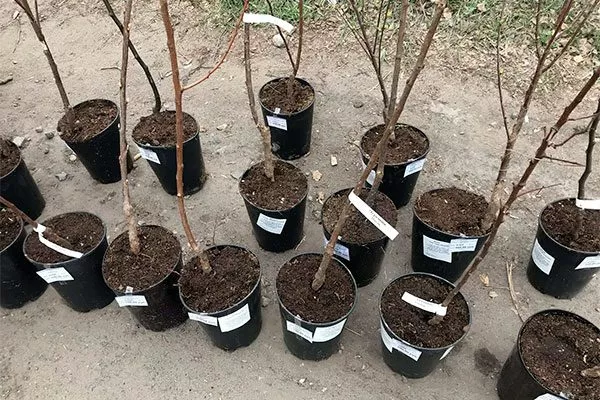
It's best to buy Baya Marisa seedlings from specialized nurseries and reputable online stores. Buying planting material from markets is risky—there's no guarantee you'll get the right variety.
How to choose good planting material:
- The best seedlings for planting are 2-3 years old. The seedling should be tagged with the variety and age.
- Bare-root seedlings should have long (up to 30 cm) and healthy roots, well-developed, and free of dry or rotten areas. It's best to store the roots in a container that allows air to pass through and retains moisture.
- The bark of healthy seedlings is even, smooth, without defects or signs of disease.
Bare-root seedlings require pre-planting preparation. Soak the root system for 4-24 hours to absorb moisture. It is also recommended to soak the roots in a growth stimulant such as Epin or Zircon.
Planting dates
It's best to buy Baya Marisa seedlings from specialized nurseries and reputable online stores. Buying planting material from markets is risky—there's no guarantee you'll get the right variety.
How to choose good planting material:
- The best seedlings for planting are 2-3 years old. The seedling should be tagged with the variety and age.
- Bare-root seedlings should have long (up to 30 cm) and healthy roots, well-developed, and free of dry or rotten areas. It's best to store the roots in a container that allows air to pass through and retains moisture.
- The bark of healthy seedlings is even, smooth, without defects or signs of disease.
Selecting a site
Like most apple trees, the Bahia Marisa prefers a sunny location, not shaded by tall trees or buildings. The tree should receive at least 6-8 hours of sun per day. The best planting location is a south or southwest-facing site.
The apple tree's location should be free of drafts and cold, gusty winds. Flat areas and gentle slopes are suitable, but swampy areas and lowlands where water accumulates are unsuitable. The Baia Marisa apple tree should be at least 3-4 meters from other trees, 4-5 meters from a residential building, and 2-3 meters from the property line.
It is important to avoid the following mistakes when planting an apple tree:
- Planting near a fence limits root development on one side.
- Shady place - causes a decrease in yield.
- Failure to take wind direction into account increases the risk of broken branches and other mechanical damage.
- Proximity to a body of water leads to waterlogging of the soil and rotting of the roots.
For an apple tree to grow well and be healthy, groundwater levels should be no closer than 2 meters above ground level. If groundwater levels are too high, the tree should be planted on an embankment.
Site preparation
The Baya Marisa apple tree grows best in fertile black soil, as well as light and medium loams with neutral acidity. The pH should not be below 6.0 or above 7.0.
Features of soil preparation for planting the Bahia Marisa apple tree:
- The area for planting is prepared in the fall by digging the soil to the depth of a shovel and removing weed rhizomes from the soil.
- Clay soils have poor water and air permeability, which can lead to water stagnation and, as a result, root rot. River sand is added to such soils at a rate of approximately 10 kg per square meter. Sandy soils retain water poorly, so it is recommended to add clay in the same proportion.
- For acidic soils (pH below 5.5-6.0), add slaked lime or dolomite flour—approximately 300 g per 1 sq. m. If the acidity is too low (alkaline soils), add high-moor peat to acidify the soil.
Preparing the planting hole
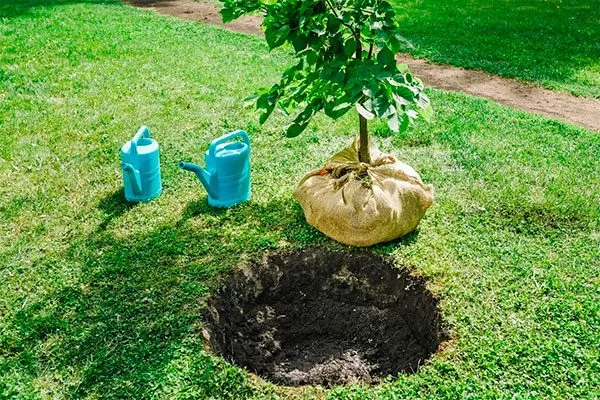
Prepare the planting hole for the apple tree in advance, preferably a couple of months or at least a couple of weeks in advance, to allow the soil to settle and the fertilizer to dissolve and be easily absorbed by the plant. For spring planting, the holes can be prepared in the fall.
Features of preparing planting holes for the Bahia Marisa apple tree:
- The depth of the pit is 60-70 cm, the diameter is 80-100 cm.
- The top fertile soil obtained when digging the hole, approximately 20 cm, is set aside for preparing the soil mixture.
- If planting several apple trees, maintain intervals of 4-4.5 m between adjacent trees and 5 m between rows. Trees can be planted in a checkerboard pattern (with equal intervals) or in a triangular pattern—this is more economical.
- Fill the hole two-thirds full with a mixture of fertile soil and an equal amount of organic matter (compost or humus). Add mineral fertilizers, such as 200-300 g of superphosphate, and 250 ml of wood ash.
- A little away from the center of the hole, they drive in a wooden support to tie up the tree.
It's recommended to loosen the bottom of the hole to the depth of a spade blade with a sharp shovel or crowbar. The soil and all fertilizers can be mixed directly in the hole. Alternatively, mix all the ingredients first and then pile the resulting mixture into the hole in a mound.
Planting a seedling
It's recommended to plant apple trees in calm, cloudy weather, before the sun sets, and in the morning and evening. Scorching rays can burn the delicate bark and leaves of young trees. To prevent this from happening after planting, it's advisable to shade the apple trees initially, for example with mesh.
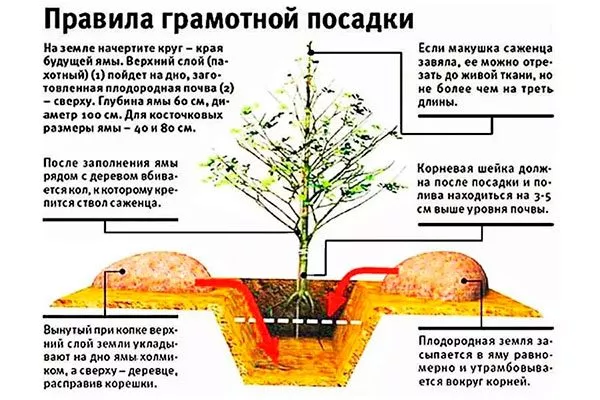
Features of planting the Bahia Marisa apple tree:
- If you're planting a container-grown seedling, water it thoroughly to make it easier to remove from the container. It's important not to disturb the soil to avoid damaging the roots. The seedling is moved to its new location using transshipment.
- Bare-root trees are placed in the hole so that their roots lie neatly on the slopes of the earthen mound (formed from the soil mixture poured into the hole). Root shoots should not bend sideways or upward.
- After planting, the root collar should be 5-8 cm above ground level. Over time, it will sink slightly, but it won't end up underground, where the graft could rot.
- The roots of the seedling are covered with fertile soil, which is carefully compacted so that there are no air pockets left inside.
- The seedling is tied to a pre-installed support. The tying material is soft, such as cloth ribbons, bandages, twine, etc., and tied into a figure-eight loop.
- The planted apple tree is watered with warm, settled water. 20-30 liters is sufficient. After the moisture has been absorbed, the area around the tree trunk is sprinkled with well-rotted humus or peat.
Care
The Bahia Marisa apple tree requires standard care. Growing it doesn't require any special knowledge or effort from gardeners or summer residents. To ensure the tree remains healthy and bears fruit well, it's important to regularly water, loosen the soil, feed, and spray for both medicinal and preventative purposes.
Watering and loosening
Mature Bahia Marisa apple trees are watered 3-4 times per season; young trees, especially immediately after planting, are watered much more frequently.
Watering features:
- Water must penetrate at least 1 m deep.
- It is recommended to water the apple tree in two stages. First, spray the area around the trunk with a jet, then the crown with a spray nozzle.
- The watering rate depends on the age of the apple tree. Typically, gardeners pour as many buckets of water under the tree as the tree's age.
- The watering schedule depends on weather conditions. In hot weather, apple trees should be watered twice as often as usual. If the autumn is rainy, recharging watering may be omitted.
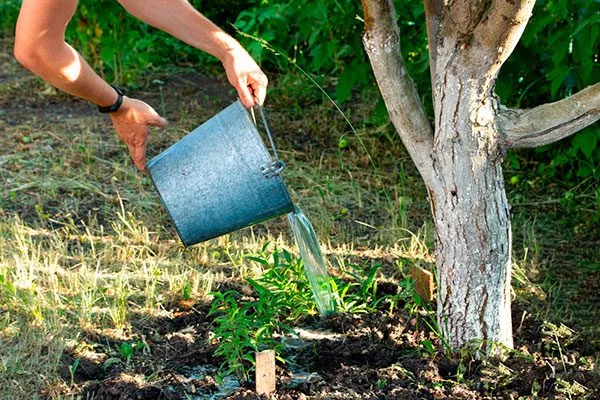
A day or two after watering, loosen and weed the soil around the tree trunk. This loosened soil is well-oxygenated and retains moisture. Loosening the soil around the apple tree is especially important during the first two to three years after planting.
Fertilizing
The Baja Marisa apple tree is fertilized three to four times per season. The tree's fertilizer requirements largely depend on soil fertility and the growing season.
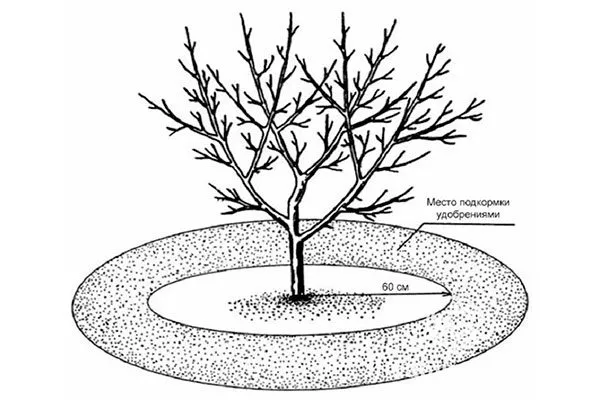
Approximate feeding regime:
- In the spring To stimulate flowering and growth of green mass, ammonium nitrate (40 g), humus (5 kg), and urea (30-50 g) are added under the tree per tree.
- In summer To improve fruiting, apple trees are fed with organic or mineral fertilizers rich in potassium and phosphorus. For example, 30-40 g of superphosphate or potassium sulfate can be added. Also, in midsummer, the tree can be sprayed with a weak urea solution.
- In the fall Potassium-phosphorus fertilizers, potassium sulfate, potassium magnesium sulfate, and superphosphate are added under the tree - 30-50 g per tree.
Trimming
The main pruning of the Baja Marisa apple tree is done in early spring before the sap begins to flow. The tree can also be pruned (to a lesser extent) in the fall. However, pruning is prohibited in the summer, when the sap is actively circulating within the tree.
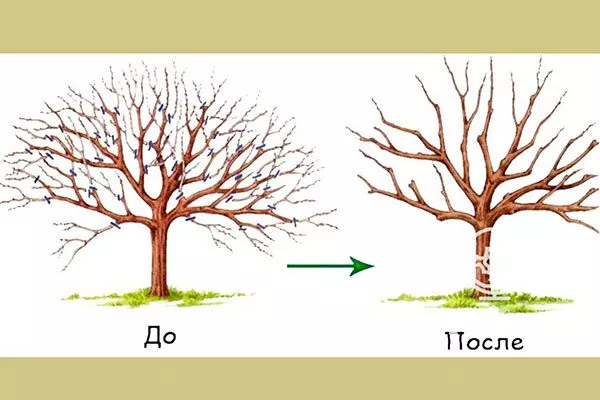
Features of pruning:
- Starting in the second year after planting, crown formation begins. All branches in the trunk area and vertically growing branches are removed, and some of the previous year's growth is shortened. Annual partial pruning of the previous year's branches improves the tree's branching and limits its height growth.
- The formed crown should consist of 3-4 tiers formed by strong branches. The branches in the lower tier should be longer than the upper ones.
- Sanitary measures are carried out annually—in the spring, and if necessary, in the fall. All damaged, dry, diseased, and broken branches are removed. All cuts are sealed with garden pitch to prevent infection.
- Young trees should not be pruned more than a third to avoid stunting their growth and reducing fruit production. In mature apple trees, suckers and crossing branches are removed, and the tops are trimmed. The central shoot is shortened to 3.5 m, and excess shoots that have produced a poor harvest are removed.
Shelter for the winter
In regions with moderately cold winters, the Baja Marisa apple tree doesn't require covering. However, in extremely cold winters, insulation is essential: the area around the tree trunk is covered with a thick layer of organic matter, and the trunk is wrapped with spruce branches to protect it from the cold and rodents.
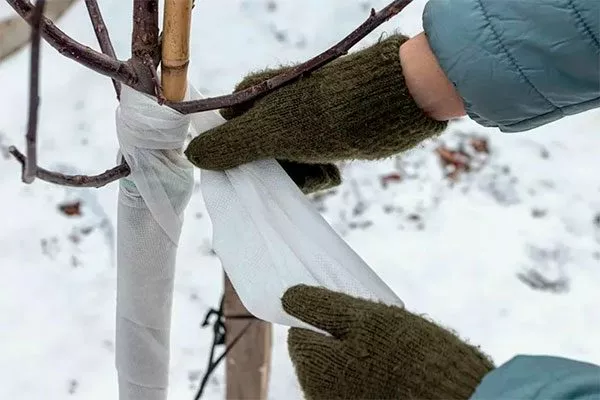
The trunk can also be wrapped in burlap or agrofibre, but roofing felt, tar paper, and film should not be used, as they are not breathable. In regions with little snowfall, the apple tree should be earthed up to a height of 15–20 cm.
Fighting diseases
The Baya Marisa variety has good immunity but can be susceptible to scab. Bordeaux mixture is used for prevention and treatment. Under unfavorable conditions, the tree can also be susceptible to powdery mildew, which can be combated with a 0.8% colloidal sulfur solution.
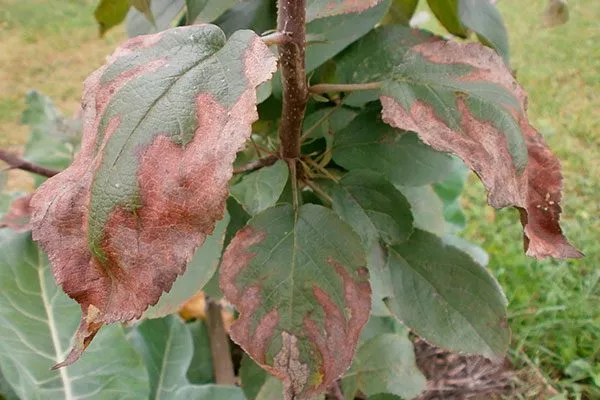
To prevent diseases, the Baja Marisa apple tree is treated in the spring with copper-containing agents: Bordeaux mixture, copper sulfate or copper oxychloride.
Pest control
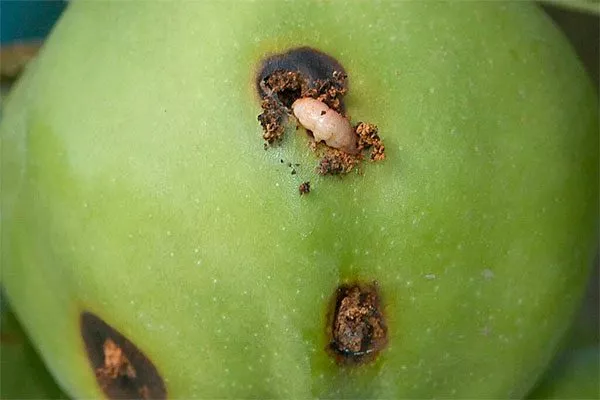
The variety can be affected by codling moths, aphids, hawthorn moths, and other pests. To combat these, use biological products and insecticides. The latter should be applied no later than 2-3 weeks before harvest. You can also spray the apple tree with products such as "Karbofos," "Decis," "Inta-Vir," "Karate," and others.
Harvesting and storage
Apples should be harvested in dry, sunny weather, as damp apples are not recommended for storage. Fruits with defects, dark spots, or signs of disease should be immediately set aside to prevent them from spoiling the entire harvest.
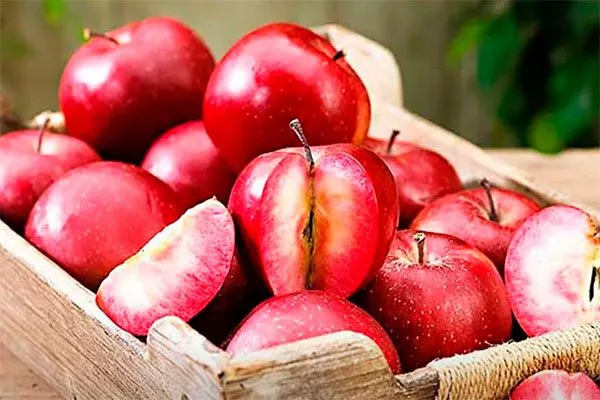
Apples are stored in a cool place. The temperature should not exceed 5°C, and the humidity should be at least 85%. The fruits are placed in plastic or wooden crates that have been dried and treated with a disinfectant.
Reviews
The Bahia Marisa apple tree is a beautiful and elegant variety with unusual apples. This remarkable tree will not only enhance any garden but will also provide you with a steady harvest of large, delicious, all-purpose apples.