
The Augusta apple tree is a unique triploid tree that promises an excellent harvest. This variety is not self-pollinating, but requires little cultivation. It is highly resistant to scab and other apple tree diseases. The fruits are renowned for their pleasant flavor and attractive appearance, with a rich aroma.
Breeding history and regions
The process of developing the Augusta variety began in the mid-1970s, and by 1982, the first specimen of this hybrid was bred at the Russian Research Institute for Fruit Crop Breeding. The Augusta apple tree's parent varieties are the tetraploid Papirovka and Orlik. The development of the variety was led by renowned breeding specialists, working under the direction of Evgeny Nikolaevich Sedov:
- Zoya Mikhailovna Serova;
- Evgeny Alekseevich Dolmatov;
- Galina Alekseevna Sedysheva.
The first attempt to register the variety as approved for cultivation was made in the fall of 2001, but official recognition only came several years later. In October 2009, the apple tree was included in the State Register of Breeding Achievements and recommended for cultivation in the Central Black Earth Region.
Characteristics of Augusta
Apples have a short shelf life, making them an ideal ingredient for making juices, jams, preserves, and compotes. Their characteristics make them especially valuable for intensive gardening and small homesteads.
Tree
Augusta reaches a height of 400-450 cm, decorating the garden with a symmetrical, rounded crown that is not too dense and expands to the sides, reaching a width of 250-300 cm. Other varietal characteristics:
- Leaves Large, wide, rounded or ovoid, sometimes shortened with pointed ends, and some specimens with a spiral-shaped, twisted top. They have a light green color, a wrinkled, matte surface, and a coarse, uneven mesh.
- Branches The apple trees deviate from the trunk at a fairly wide angle and are distributed loosely, with the ends pointing upward.

- Escapes They are strong and straight, have a slightly geniculate shape, and are rounded in cross-section. They are colored brown and lightly pubescent.
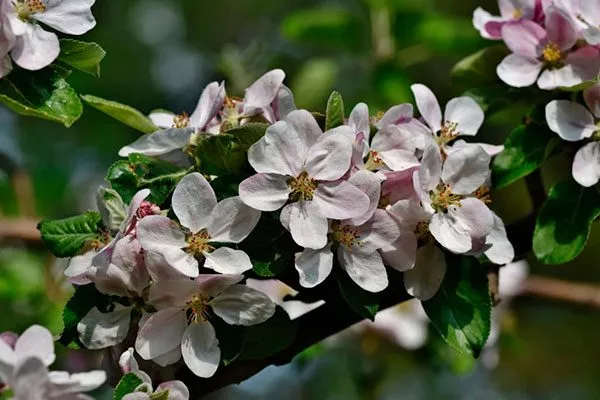
- Flowers large, graceful, collected in inflorescences of 6-9 pieces, have light corrugated petals, most often snow-white, but sometimes pink, are distinguished by a strong aroma.
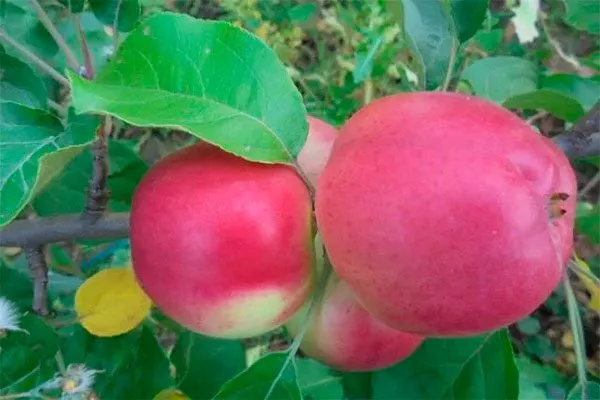
Fruit
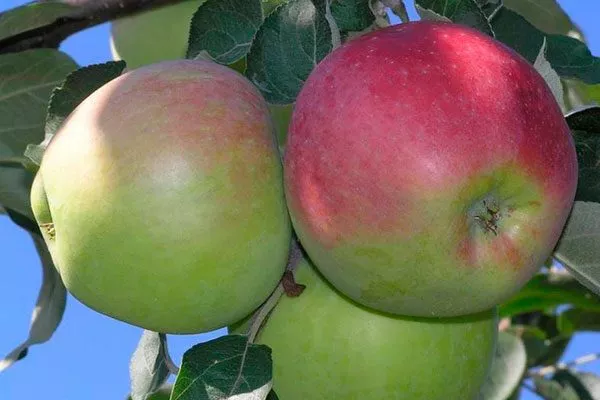
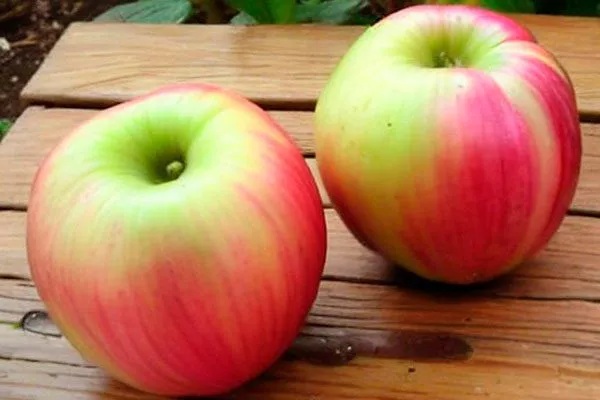
These are versatile apples: they can be eaten fresh or used to make jam and other desserts. They are green, turning yellow-green with a noticeable golden hue as they ripen.
Other indicators:
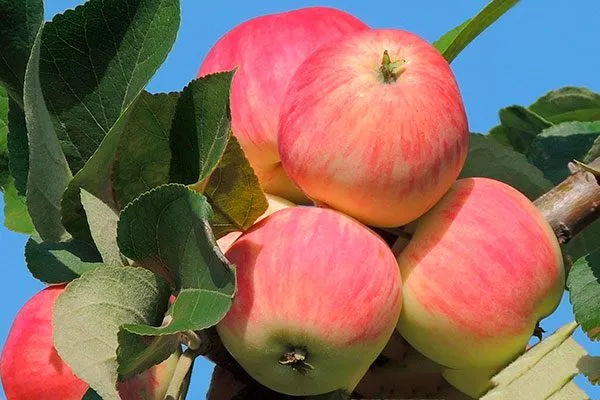
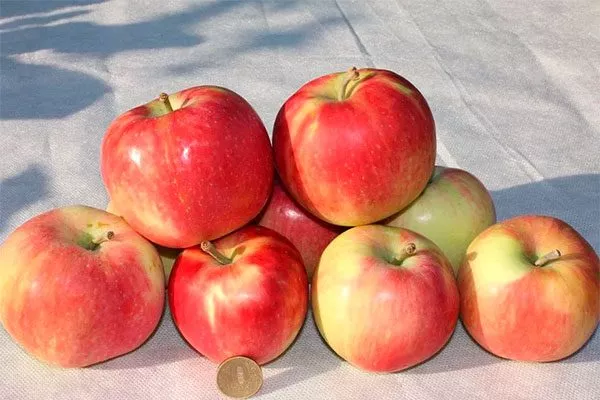
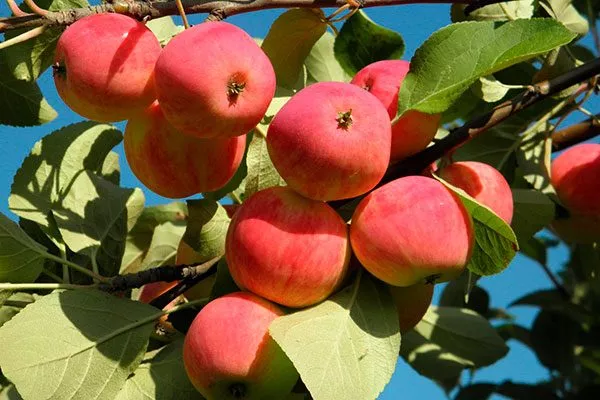
- Skin The fruit is firm, with a spotted red, bright red, or crimson blush, smooth and shiny. Numerous large light green dots are present on the surface.
- Form The apples are conical, oblong, and slightly slanted. The average weight is 160-180 g.
- Taste High quality: the fruit offers a perfect balance of acidity and sweetness. Tasting scores for these apples range from 4.4 to 4.5 points. Chemical analysis reveals the following components:
- Sugar (fructose) – 10.9%.
- Ascorbic acid (vitamin C) – 13.2 g.
- Pectins (fiber) – 11.5%.
- P-active substances – 264 mg.
- Titratable acids – 0.76%.
- Pulp Medium-dense, coarse-grained, and very juicy. Its color can be greenish or lemony, sometimes fading to cream, and it is characterized by a harmonious and balanced aroma.
Winter hardiness and disease resistance
Experts emphasize that during many years of testing and growing these trees in natural conditions, including winters with temperatures down to -32-35°C, they suffered no significant damage. The Augusta variety is generally considered to be highly winter-hardy, allowing it to be grown in harsher climates than those specified in the zoning regulations.
Apple trees have innate resistance to scab, powdery mildew, cytosporosis, and other fungal and bacterial diseases. They are protected from scab by genetic immunity, while for other diseases, regular use of fungicides and insecticides is recommended to prevent potential problems.
Pollination and yield
The Augusta variety is a quick-bearing, medium-yielding variety. A single mature tree, with proper care, can yield 110 to 125 kg of attractive apples per year. In particularly favorable years, the yield can reach 140-150 kg, but will not exceed these figures.
The apple tree is a triploid variety, allowing it to produce fruit even without external pollinators, but productivity drops to 25% of potential. These results aren't always satisfactory for growers, so they often choose planting locations 50 meters away from other apple trees that bloom at the same time.
Pollinating varieties:
- Mantet.
- Arkad.
- Grushevka.
- Quinti.
- Kate.
- Melba.
- Stark Erliest.
- Lungwort.
Ripening and fruiting of apple trees
The criteria for evaluating a variety's fertility are relative, as they may be higher than for some varieties, but sometimes slightly lower than for others. For example:
- A tree grown on a vegetative rootstock begins to bear fruit only 5-6 years after planting, but already at this time the harvest reaches record levels - no less than 12-15 kg, and sometimes more (up to 20-25 kg).
- On dwarf and semi-dwarf trees, the first harvest is collected already in the 2nd-3rd year, but in this case, the yield and frost resistance of the trees are inferior to their larger “colleagues”.
Other characteristics:
- The variety begins budding quite early. Augusta blooms as early as the first half of May and usually finishes blooming by mid-May, but under unfavorable weather conditions or a cold spring, it may be delayed.
- The tree grows quite rapidly, increasing its size by 35-40 cm per year, a significant increase that declines after full fruiting begins. By the 14th to 16th year, the tree reaches its maximum size and begins to produce the expected yields.
- The fruits ripen as early as August, hence the name. This usually occurs in the middle or end of the month, making it a late-summer variety.
- All fruits must be picked and processed immediately after ripening, as they can retain their quality for no more than 3-4 weeks, after which they become deformed, lose their juiciness, and become loose and sour.
Rootstocks and subspecies
There's a possibility that Augusta varieties won't appear, although the emergence of new ones cannot be ruled out. The plant can be grown on various rootstocks. Semi-dwarf and dwarf varieties are considered the most suitable – they will produce a more compact crown and larger fruits. However, winter hardiness may decrease slightly, but this won't have a significant impact.
Features of planting the Augusta apple tree
An apple orchard has a long lifespan, bearing fruit for 20 years, but only with proper care and careful planting. This will depend on the choice of a good site, the quality of the soil, and the planting material.
Choosing a location
It's best to plant apple trees on south- or southwest-facing slopes, where they will receive maximum sunlight. More intense light promotes sweeter, more attractive fruit. Consider the following:
- It's not recommended to plant in areas where cold air frequently stagnates, such as low-lying areas (snow takes a long time to melt there). Avoid areas where groundwater is close to the surface, which can lead to root rot. If another garden location is unavoidable, install drainage systems to remove excess moisture.
- Apple trees grow well in soils that are highly permeable to water and air, particularly loams. Sandy and heavy clay soils are considered less suitable, as are those with high acidity.
- Dwarf tomato varieties can be planted between rows of apple orchards; their leaves don't attract codling moths. Avoid planting tall crops such as corn and sunflowers nearby, as they can shade the orchard and reduce the soil's nutrient content.
Avoid rowan trees, as rowan moth caterpillars can damage apples, making them unfit for consumption.
Selection of seedlings
When purchasing fruit tree seedlings, it's best to choose specialized nurseries where these crops are grown under strict supervision and undergo mandatory certification. It's recommended to choose plants that are one to two years old. It's important to ensure that the apple tree variety is suitable for local climate conditions.
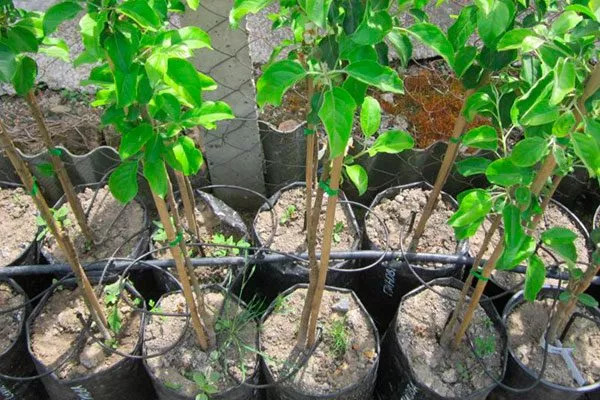
When inspecting a tree, pay attention to its strength, a well-developed root system (at least 30 cm long) with numerous roots, and the absence of signs of rot or frost damage. The plant's trunk should be smooth, without signs of damage.
When to plant an apple tree?
The best time to plant apple trees is during the dormant period: early spring or fall. The optimal period is September-October, when sap flow has ceased and temperatures are still warm. It's important to complete planting two weeks before the expected frost to allow the seedlings time to take root and establish themselves.
If they were purchased in late fall, planting should be delayed until spring. To do this, cover the plants in the garden using spruce branches or non-woven fabric for protection.
Planting nuances
Preparation of the site for apple orchards should be started two weeks in advance:
- dig holes measuring 60x60 cm with a distance of 300 cm between them and 500 cm between rows;
- put a layer of fertile soil aside, add 100 g of superphosphate or 25-30 kg of compost and 500-600 g of ash to it;
- If the soil is clayey, add sand, and if the soil is sandy, add humus and peat;
- Before planting, immerse the roots of the seedling in a solution of growth stimulants - Kornevin or Heteroauxin, keep for two hours.
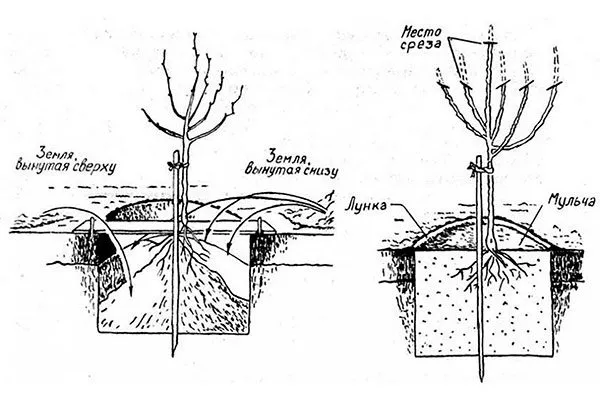
The process of planting an apple tree includes several stages:
- Pour the prepared substrate into the hole, creating a small mound.
- Place the seedling on it, spreading the roots so they don't become entangled. Place the container-grown plant into the hole along with the root ball.
- Place a peg on the side for support.
- Cover the seedling with soil, gently shaking it to ensure the soil mixture fills all the spaces between the roots. Don't bury the root collar too deep—it should be 5 cm above ground level.
- Tie the seedling to the support, but not too tightly so that it does not sway in the wind.
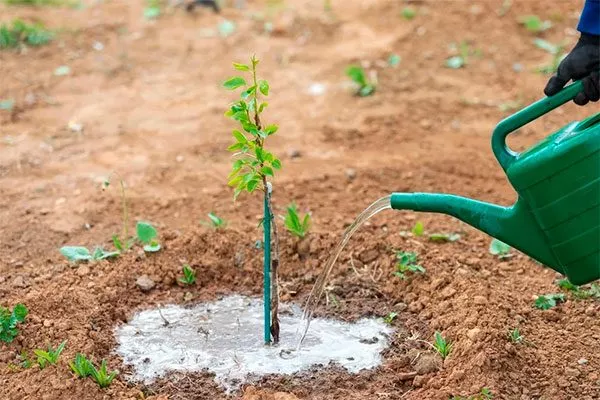
- Tamp the soil down and form a rounded trench around it, adding 20 liters of water. Once the water has soaked in, cover the area around the tree trunk with mulch made from straw, sawdust, peat, or compost.
In early spring, it is recommended to prune the seedling to reduce moisture loss and prevent the plant from drying out. In the fall, pruning is postponed until the following spring.
Subtleties of care
Apple orchard care methods include regular watering, fertilization, pruning, and pest and disease control. These are essentially standard measures, but there are some varietal characteristics that are important to understand for full fruit production and tree health.
Watering
A lack of soil moisture can lead to stunted growth, leaf drop, reduced fruit size, and reduced yield. Keep these key rules in mind:
- For young apple orchards, watering is recommended 1-2 times a month, with each plant requiring 40 liters of water.
- For mature trees, three waterings per season are sufficient, provided that the water penetrates the soil to a depth of 80 cm. This procedure is carried out during the formation of the green cone, after flowering and fruit formation, and after harvest, using 60-65 liters. In dry years, increase the frequency of watering.
- In autumn, after the foliage has faded, a pre-winter moisture charge is needed, which ensures good wintering, using 80-90 liters per plant.
- During the ripening of fruits, there is no need to moisten them to avoid cracking.
There are several types of irrigation:
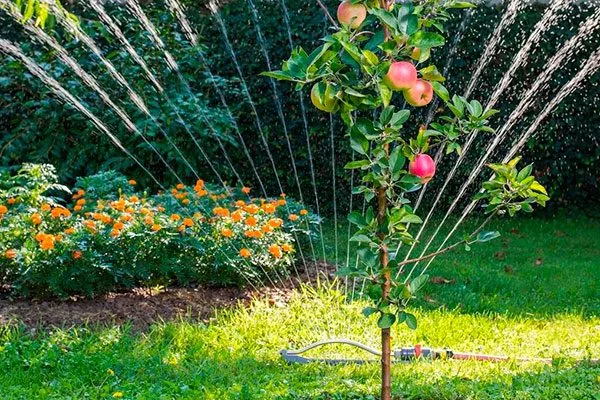
- Sprinkling This is done using sprinklers that evenly distribute water over the leaves and soil. This is done early in the morning or late in the evening to minimize evaporation.
- Surface method involves applying water through furrows around the tree crowns, after which the furrows are filled in.
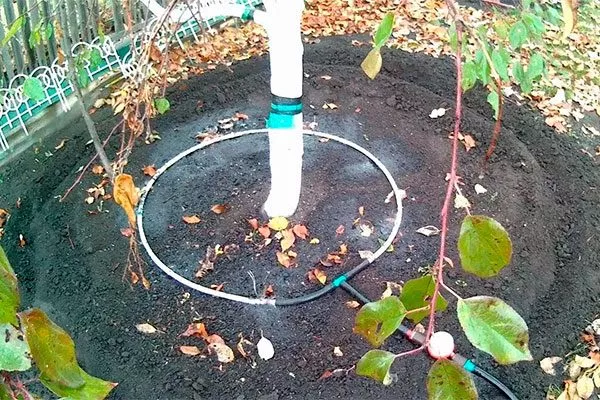
- Drip irrigation It's becoming increasingly popular among gardeners due to its water-saving properties. Special drip tapes are placed around each tree or along rows, allowing for even watering of the root zone.
Loosening and mulching
To maintain a healthy crown, it's necessary to periodically loosen the soil and remove unwanted plants. Loosening should be done carefully, at a depth of 6-10 cm around the trunk, to avoid damaging the roots located in the topsoil.
Afterwards, apply a layer of mulch using hay or sawdust. A 10-cm-thick layer protects the soil from overheating in the summer and freezing in the winter, reduces moisture loss, and inhibits weed growth.
Fertilizers
Insufficient nutrition inevitably affects tree growth and productivity. Apple trees require fertilizing throughout the growing season.
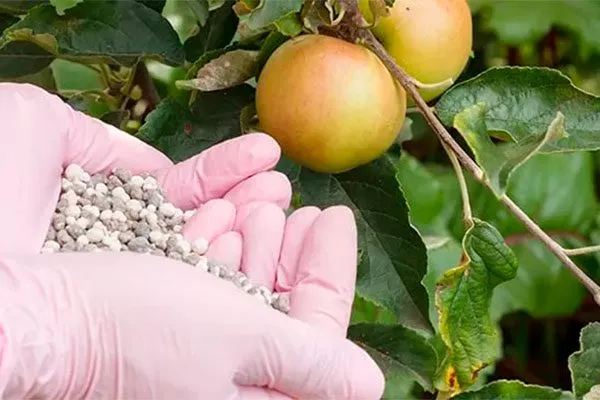
During the first year after planting, additional fertilization is usually not required if the planting hole has been filled with all the necessary components. The following year, to stimulate root and crown development, the seedling should be given a dose of urea (70-80 g per 10 liters of water).
The condition of the tree allows us to draw conclusions about its needs for various nutrients:
- with a lack of nitrogen, the plant stops growing and the fruits decrease in size;
- With a phosphorus deficiency, leaves become spotted and winter hardiness deteriorates:
- potassium deficiency causes leaves to curl;
- Premature leaf fall is a sign of iron deficiency.
Features of further fertilization for the Augusta variety:
- in the spring, when the growing season begins, apple trees need more nitrogen - in February-March, scatter ammonium nitrate (20 g) and urea (30 g per 1 sq. m) over the soil, then cover with soil;
- Before budding, add superphosphate (50 g per 10 l) and water generously;
- after flowering, use nitrophoska (50 g per 10 l);
- during fruit ripening, add sodium humate (15 g per 30 l);
- After harvesting, to restore the tree, use potassium sulfate (100 g) and superphosphate (the same amount per 10 l);
- Before wintering, fertilize the soil around the trunk with humus;
- once every five years, add lime to acidic soils (450-550 g per 1 sq. m);
- Alternate mineral fertilizers with organic ones.
Apple trees are especially sensitive to foliar feeding:
- before the leaves open and after the petals fall, the tree is sprayed with urea (30 g per 10 l);
- When forming ovaries, use an ash solution (200 g per 10 l), but you can also use a complex fertilizer based on Ideal vermicompost (50 ml per 10 l).
Apply treatments at intervals of 1-2 weeks. It's best to spray in the evening or on cloudy days to allow the nutrients to remain on the leaves and branches longer. This will result in more vigorous plant growth, increased stress resistance, and earlier fruiting.
Trimming
When shaping the crown, focus on creating a light, multi-tiered structure. Branches should be positioned at different levels, with the upper branches longer and the base of the crown shorter, tapering toward the trunk.
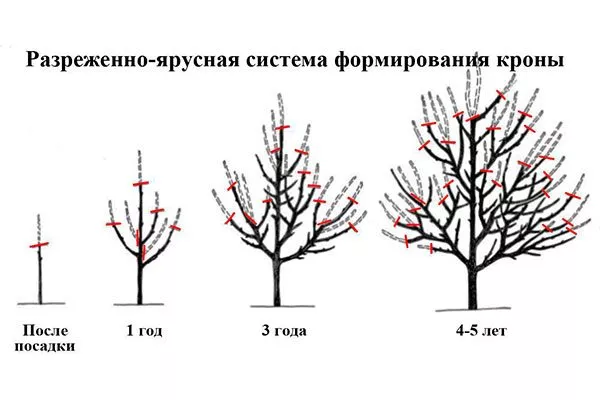
It's important to regularly check the condition of trees, removing damaged, dried, frozen, or diseased branches. These waste nutrients.
With age, at 8-10 years, you can take the first steps to renew the crown, removing 2-3 old branches to make room for the growth of young shoots.
Preparing for winter
The Augusta hybrid has good frost resistance and can withstand temperatures down to -30°C. However, it should be noted that prolonged winter frosts may cause some delay in bud break, slight freezing of young shoots, and minimal bark damage. However, the plant quickly recovers from such exposure.
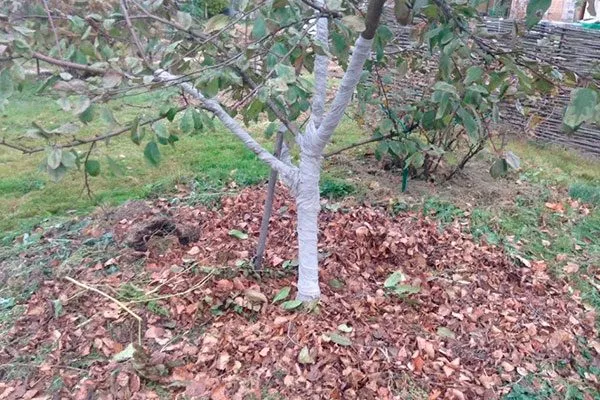
During periods of sudden temperature fluctuations, when it's very hot during the day and cold at night, bark peeling can occur. To prevent this, treat the trunks and large branches with a bleaching agent in the fall. This will not only protect the tree from damage but also reduce the risk of pests living under the bark.
Pre-winter chores:
- In the fall, thoroughly dig the soil around the apple tree to a depth of at least 40 cm and water it thoroughly. This approach slows the freezing process, which benefits the root system and simplifies wintering.
- To retain moisture, cover the tree trunk area with a layer of sawdust, hay, or compost. The thickness should be at least 10-15 cm.
- For newly planted apple trees, wrap the trunk with burlap. Spray the trees with a special preparation, Epin Extra, to increase their resistance to temperature fluctuations.
Diseases and pests of the Augusta variety
This apple variety is resistant to scab and powdery mildew, although cases of cytosporosis and other diseases are occasionally encountered. To prevent such problems, create favorable conditions for the tree and regularly treat it with fungicides and insecticides.
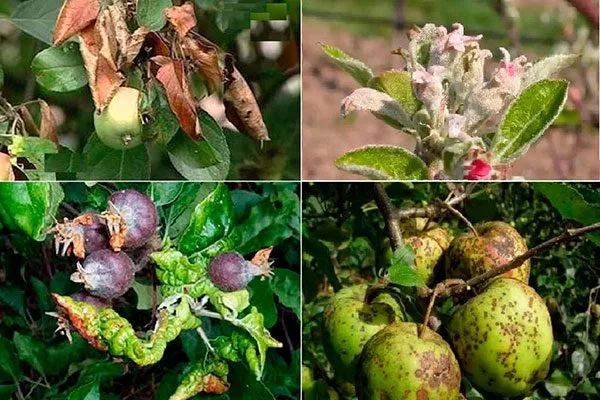
Birds are invaluable pest control agents, actively destroying insects and their larvae. You can attract these birds to your property by providing shelters and feeders.
Pros and cons
The following advantages of Augusta deserve special attention:
The downside is the relatively short shelf life of the fruit, but this drawback is easily compensated for, as apples are excellent for canning.
Reviews
Maxim Levin. I prefer the Augusta variety. Its fruits weigh about 165 g and have a pleasant aroma. The flesh is juicy, with moderate acidity and sweetness. The variety is relatively resistant to fungal diseases and boasts an enviable yield. I recommend it!
VestaLina, Liski. It's a good variety, but the downside is that the apples don't keep for long, even though they're most nutritious when fresh. That's why I only have one Augusta tree (enough for jam and compote). Otherwise, the variety is easy to grow.
Valentina Ilyinichna, 58 years old. We've been growing Avgusta for about 12 years, and both trees have been disease-free. They're also relatively unpopular with pests. They have good flavor and don't require frequent watering. However, they require fertilizer—this variety requires twice as much fertilization as other apple trees.
The Augusta variety has a short shelf life, but its advantage is that it sets fruit early, allowing you to enjoy the freshness and flavor of its apples as early as summer. Even a novice gardener can grow this apple tree in their own garden, even with limited experience, if they follow all planting and care guidelines.