
The Arkadik apple tree is a winter-hardy variety with a strong immune system. These characteristics make it an ideal choice for cultivation in northern regions. It attracts gardeners with numerous qualities: it begins bearing fruit early, produces juicy apples, and requires little attention. With proper care, it produces generous harvests.
History of apple tree breeding
Developed in the post-Soviet period at the All-Russian Selection and Technical Institute of Horticulture under the direction of Professor V.V. Kichina, a renowned botanist, the hybrid is a combination of the popular Arkada Zheltaya variety and the American selection SR0523.
Features and specifications
The apple tree is characterized by high vitality and low maintenance. The tree grows vigorously, begins bearing fruit quickly, and produces a bountiful harvest. With proper cultivation practices, it produces large, high-quality fruits.
The appearance of the tree
The apple tree grows quickly and forms a strong trunk reaching 9-10 m in height. Features and distinctive characteristics:
- bark – dense, smooth, brownish in color;
- crown – wide, resembling an elongated hemisphere with features of a truncated cone;
- branches – they are not located close together, which ensures good ventilation and access of light to the fruits throughout the summer;
- shoots – They are red-brown in color and have many nodes, which indicates the high productivity of the variety.
In spring, before flowering, leaves appear with the following characteristics:
- length - from 5 to 7 cm, medium in size;
- structuring – grow in groups from one shoot, each leaf on a separate petiole;
- form - an elongated ellipse with a pointed apex;
- surface – matte, smooth, with pronounced veins;
- color - rich green, evenly distributed throughout the crown.
The leaves are especially densely located in those places where the ovaries are laid and future fruits are formed.
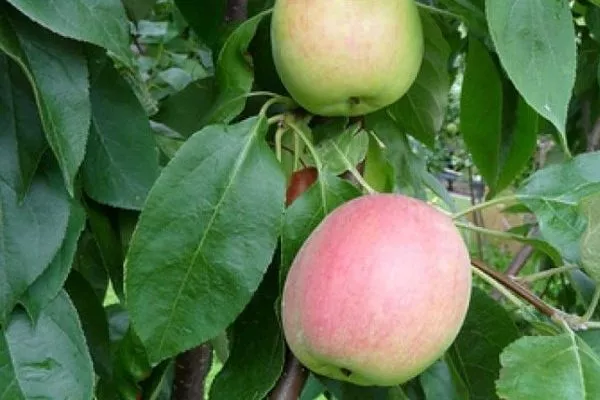
The first buds appear as early as the third year after planting, usually in early May, provided the spring is warm and frost-free. The flowers have the following characteristics:
- size - 3-4 cm in diameter;
- color – the petals are pinkish on the outside and white on the inside;
- form - the open petals are oval, reminiscent of a framed plate;
- quantity - 3-4 buds are formed in the ovary.
Description of fruits
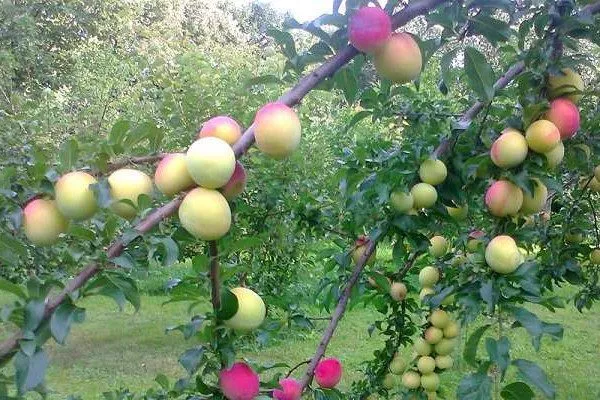
The fruits are considered dessert varieties: the flavor is sweet with a slight tartness. The taste rating on a professional scale is approximately 4.2 out of 5. The apples are large, reaching 10-15 cm in diameter.
Other distinctive qualities of the fruits:
- form - an elongated ellipse oriented along the stalk;
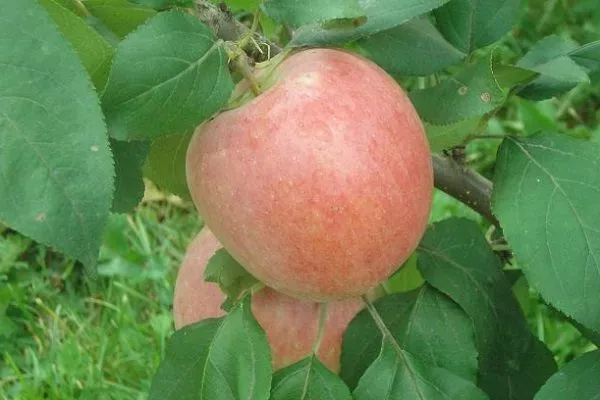
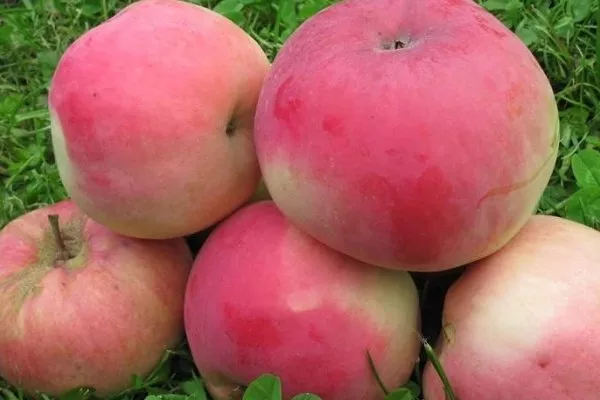
- skin – dense and resistant to damage, painted in a soft pink shade, covering up to 75% of the surface, with rare green-yellow veins;
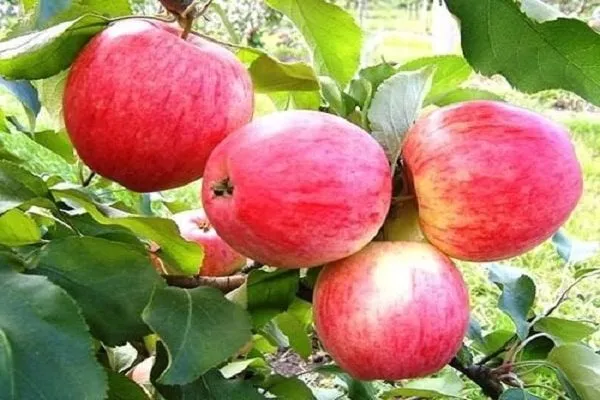
- weight - with good care, the weight of one fruit can reach 300 g;
- aroma – rich, especially when cut;
- pulp – light, white or creamy, soft and juicy, contains about 60% juice of medium density;
- structure – soft, not fragile, easy to press.
The fructose content in the pulp is high – up to 12%, acids – no more than 0.4 mg per 100 g, the caloric content is about 55 kcal per 100 g. Due to the limited shelf life, apples are often used for home preservation: jam, marmalade and compotes.
Apple tree pollinators
The variety has a significant advantage: self-fertility. Even in rainy summers, when pollinating insects are scarce, the tree produces fruit. However, without cross-pollination, the yield is significantly reduced: under such conditions, only 50-60% of the standard fruit ripens.
Arkadik is undemanding when it comes to pollinators. Any apple tree with a similar blooming period is suitable for full bloom, including Bolotovskoye, Antonovka Obyknovennaya, Korichnoye Polosatoye, and other common varieties.
Ripening, fruiting and yield
This early summer tree reaches harvesting maturity by mid-August. The consumption period lasts from the moment of harvest until the end of September.
This variety is characterized by high yields: with proper nutrition and care, gardeners can harvest between 100 and 220 kg of ripe apples from a single tree. The first fruits appear as early as 3-4 years after planting.
The crop's highest productivity is observed from the age of 10, when the active fruiting phase begins. Before this period, annual productivity growth is approximately 5-7%.
Resistance to frost, diseases and insects
The Arkadik apple tree is well adapted to temperate climates and tolerates cold snaps—it can withstand temperatures as low as -35°C. After a harsh winter, the variety quickly recovers, and in the spring, it remains resistant to recurrent frosts without losing its ability to produce buds.
The plant exhibits good resistance to fungal diseases, but this trait is not genetically determined. In unfavorable years, especially when infections are widespread, the tree may be susceptible to disease, especially if fallen and rotting debris accumulates in the trunk area.
To avoid infection, timely prevention is recommended: treatment with fungicides and insecticides helps protect the tree from both infections and pests.
Storage of crops, harvesting
Arkadik apples don't keep well—they can't be eaten fresh in winter. To preserve the harvest as long as possible, follow a few rules:
- Pick the fruit with the stem attached. Do not place fallen apples in the same container with fruit picked from the tree.
- Harvest only in dry, sunny weather.
- Before storing, carefully sort the fruits: remove any damaged, rotten, or diseased specimens.
- Optimal conditions are a cool, dark and well-ventilated room.
- Due to its soft flesh, this variety does not transport well, so exercise caution when transporting. It's advisable to re-sort the fruits upon arrival.
Even under ideal storage conditions, the shelf life does not exceed two months.
Cultivation regions
Thanks to its high hardiness, the Arkadik apple variety can be successfully grown throughout virtually the entire Russian Federation. It has shown good results in the following regions:
- Moscow region. The variety takes root and thrives well; the key is to properly prepare the soil before planting. If the soil is podzolic and acidic, liming is necessary to neutralize the acidity.
- Middle zone. The crop thrives in temperate climates. Successful cultivation largely depends on adherence to agricultural practices. Regular preventative treatments help protect trees from diseases and pests.
- Siberia. Despite the harsh climate in this region, the apple tree remains cold-hardy. The key to successful cultivation in such regions is proper planting and proper care. A variety on a dwarf rootstock, which adapts better to adverse conditions, is especially recommended.
Subspecies and variants
The Arkadik variety includes several varieties that deserve special attention, as their characteristics can differ significantly from the parent plant. The main varieties are listed below.
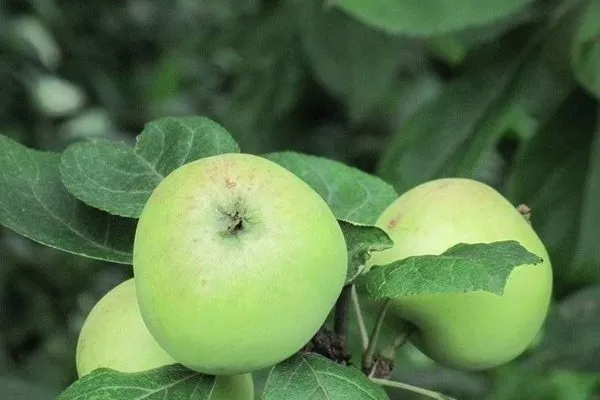
Sugar
It is characterized by particularly sweet fruits – the sugar content in them exceeds 15.9% per 100 g. Features and distinctive characteristics of the culture:
- trees reach a height of 5-6 m;
- plants are easy to form;
- resistance to frost and drought.
The main advantage of the Sugar subspecies is its ease of care.
Columnar
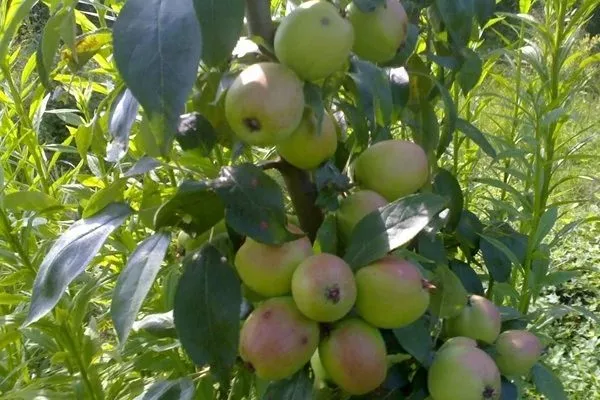
Grown on a special rootstock, it has no lateral scaffold branches. The apples ripen directly on the rhizomes located along the central conductor.
The characteristics of the fruit are the same as the main variety, but the yield from one tree is lower - about 70-80 kg, but the figures from 1 hectare increase to 330-340 kg.
Pink
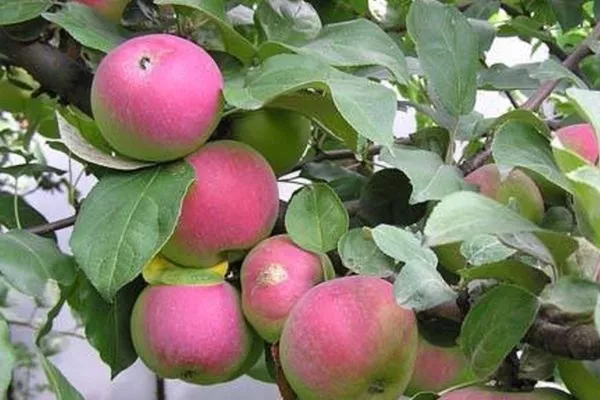
This subspecies grows on a dwarf rootstock, resulting in compact and small trees. Features and appearance:
- fruits – relatively small;
- weight - about 70-80 g;
- peel – with a light green base color and a delicate, pale pink, translucent blush.
Summer yellow
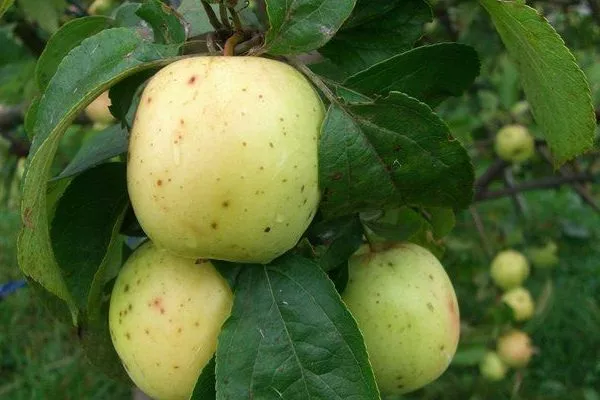
This subspecies is grown on dwarf rootstocks, resulting in smaller trees than the main variety. The apples are slightly smaller, but retain all the flavor of the Arkadik.
The skin is bright yellow or lemon-yellow, with the blush either absent or appearing as faint stripes, spots, or specks on the sunny side. The main drawback is high susceptibility to scab and powdery mildew.
Dwarf
The trees are low-growing, not exceeding 2.5 m. The main advantages of the crop include the following qualities:
- high frost resistance;
- compact size;
- excellent taste;
- excellent product characteristics.
Landing rules
Growing seedlings requires following key rules to ensure the tree successfully establishes itself and adapts quickly to new conditions. Only a proper and thoughtful approach will ensure strong rooting of the apple tree.
Selection and preparation of seedlings
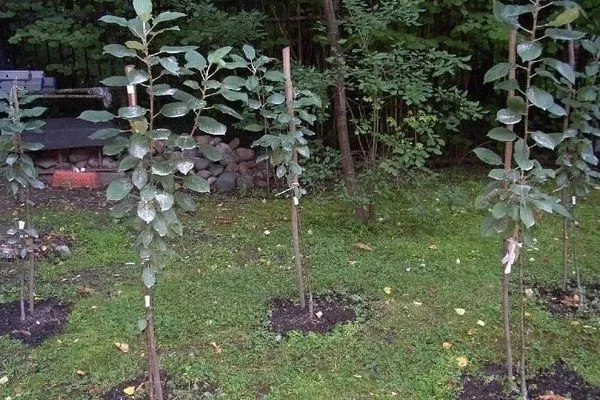
One-year-old seedlings 120-130 cm tall are ideal for planting, while two-year-old trees should be around 150 cm tall. When purchasing young apple trees, inspect them carefully. Key criteria:
- developed root system and correct shape;
- the roots are fresh, without rot, drying out or damage, with several main and many small roots;
- the trunk is straight, without cracks, spots, or damage;
- There are no swellings, spots or mold on the bark.
Recommendations for preparing a tree for planting:
- Remove damaged, dry or rotten roots with pruning shears down to healthy tissue.
- Cut off any roots that are too long (if they don’t fit into the planting hole), leaving 25-30 cm.
- Inspect the bark and shoots: if there are any defects, carefully clean them with a knife.
- Immerse the seedling's roots in water for at least 6-12 hours (or up to 24 hours if desired). You can add a rooting stimulant, such as Heteroauxin, Kornevin, or Epin, according to the instructions.
- Mix clay and fresh mullein until it reaches the consistency of thick sour cream. Dip the roots in the mixture before planting – this will protect them from drying out and infection.
Planting dates
You can plant apple trees in spring or fall – each season has its advantages and optimal time. Let's take a closer look:
- Spring. Plant the plants from the end of April to mid-May, when the soil has thawed and warmed up to +5…+7°C, the threat of severe frost has passed, but the buds on the seedling have not yet blossomed or are just beginning to open.
Spring planting is optimal for regions with harsh winters (Siberia, the Urals), areas with high groundwater levels, and seedlings with an open root system.
Benefits of spring cultivation:- the tree has time to take root before winter;
- less risk of root freezing;
- more time to adapt.
- Autumn. Move the plants into the ground from the end of September to the end of October (2-3 weeks before the soil freezes): the air temperature is +5…+10°C, the tree is already dormant (the leaves have fallen).
Planting the crop in autumn is suitable for the central and southern regions, and for seedlings with open and closed root systems.
Pros of the autumn event:- abundant melting of moisture will promote active growth;
- less risk of roots drying out;
- Vegetation begins earlier in spring.
Preparing the site
For the full growth and development of the apple tree, it is recommended to choose well-lit, sunny areas protected from cold northern winds.
Basic requirements:
- Since the tree has a powerful and deep root system, the planting site should have a groundwater table of at least 3 meters. To limit downward root growth, a sheet of slate can be placed in the planting pit – this will encourage the roots to grow outward.
- Apple trees are undemanding in terms of soil type and will thrive in almost any soil, except marshy and rocky areas. The best option is loose loam or sandy loam soil that hasn't been planted in the past two to three years.
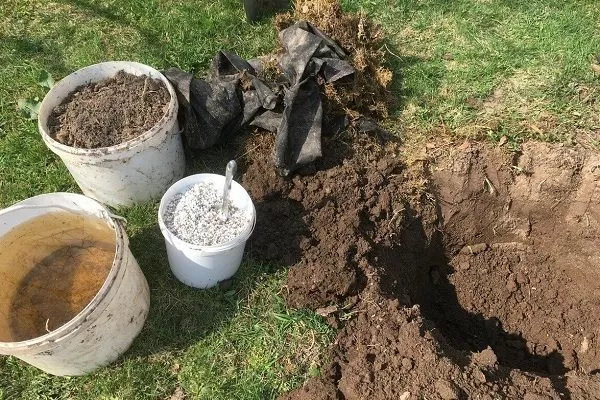
Begin preparing the planting site a month in advance. Remove debris and dig a hole at least 50 cm deep and about 90 cm wide. Fill it with a nutrient mixture consisting of:
- 40 kg of compost;
- 200 g potassium sulfate;
- 600 g wood ash;
- 400 g Superphosphate.
Planting technology
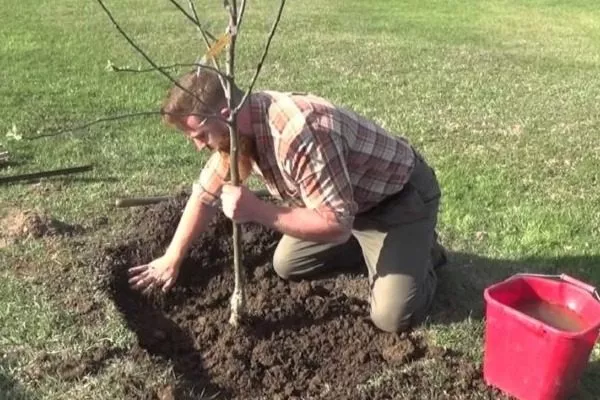
Once all the important steps have been completed, you can begin the actual planting process. Step-by-step instructions:
- Place the seedling in the hole, placing it on a small mound of earth.
- Carefully straighten the roots and cover them with fertile soil.
- If the soil is dry, moisten it with water.
- Gently compact the soil around the roots without covering the root collar.
- Make a border around the tree for watering – one plant will require about 20 liters of water.
- Mulch the soil with peat or humus to retain moisture.
- After planting, tie the seedling to a support for stability.
Care
The Arkadik variety is easy to grow and requires little maintenance. However, to ensure optimal tree growth and maximum yield during the fruiting season, certain cultivation practices are recommended.
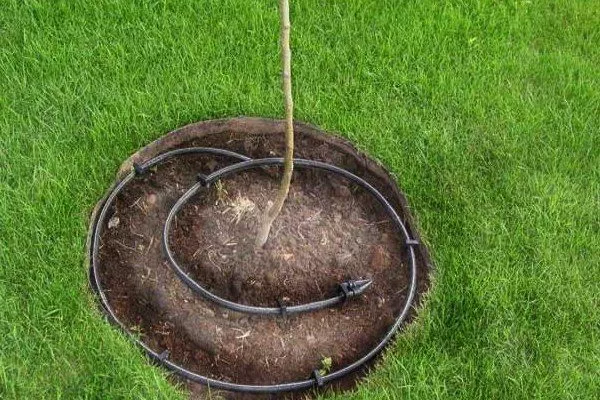
Watering
In the first year after planting, water the apple tree twice per season. Basic recommendations:
- In hot weather, mature trees need to be watered every 3-4 weeks, with the consumption per plant being about 30 liters of water.
- If the soil is light, water the plant twice a month. To retain moisture, be sure to apply a 10 cm thick layer of mulch around the trunk.
In total, carry out three main waterings:
- when the kidneys awaken;
- three weeks after the end of flowering;
- three weeks before harvest.
Top dressing
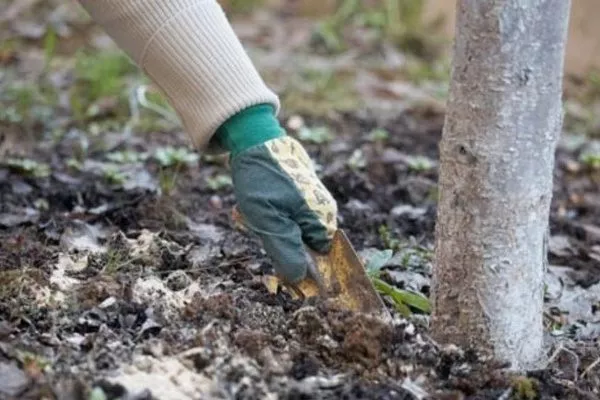
If your apple tree's growth stalls, leaves turn yellow, and fruit fails during the first three years of growth, it's time to enrich the soil with nutrients. Apply organic fertilizers, such as manure or compost, once a year in the spring.
Apply mineral fertilizers strictly according to the instructions to avoid harming the plant. In the spring, apply ammonium nitrate, and in the fall, apply phosphorus and potassium fertilizers. It's best to apply mineral fertilizers after harvesting, before the onset of cold weather.
Pruning and crown shaping
If the seedling is strong and healthy, perform the first structuring pruning in the year of planting. If there is damage, it's best to postpone the procedure for 2-3 years.
When pruning, follow these steps:
- Shorten the center conductor by about 25-30%.
- Leave 2-3 lateral skeletal branches at different heights and at a reasonable distance from each other. They should be 5-7 cm shorter than the trunk.
In the future, all that remains is to maintain the given shape – this will not cause any difficulties.
Plan sanitary pruning in the spring and fall: remove all dry, damaged, or diseased shoots. Be sure to treat cut areas with drying oil, garden varnish, or water-based paint.
Protection from diseases and pests
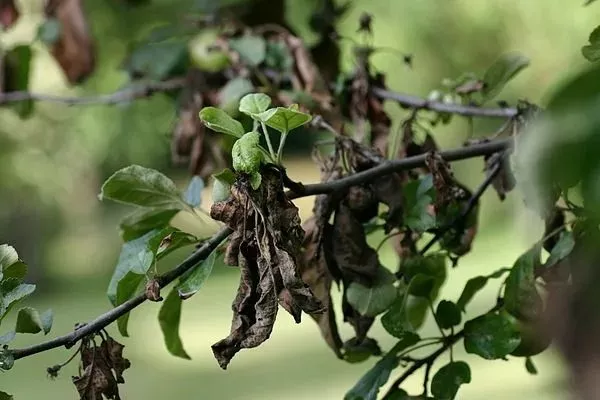
The Arkadik apple tree has a strong natural immunity and is highly resistant to scab and other fungal infections. Therefore, disease control is primarily based on preventative measures.
However, apple tree leaves, shoots, and fruits can be attacked by harmful insects, and the roots and trunk are often damaged by rodents. To protect against pests, use the following methods:
- treat the crop with copper sulfate or Bordeaux mixture 1-2 times per season;
- Use folk methods, for example, install bird feeders that attract birds to destroy pests;
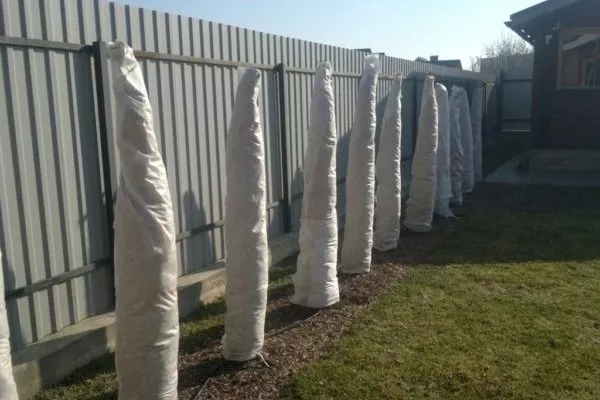
- In winter, protect apple tree trunks by covering them with a thick layer of snow or breathable burlap to prevent damage from rodents.
Preparing for winter
Thanks to the crop's high winter hardiness, there's no need for additional winter cover. A few steps are sufficient:
- carry out sanitary pruning;
- remove fallen leaves;
- loosen the soil in the tree trunk circle;
- apply fertilizer;
- moisten the soil.
It is recommended to treat a young trunk with a chalk solution, and an adult tree with lime liquid.
Similar varieties
In central Russia, there are several summer apple varieties distinguished by their large fruits, early ripening, and excellent flavor. The following varieties are similar:
- Melba;
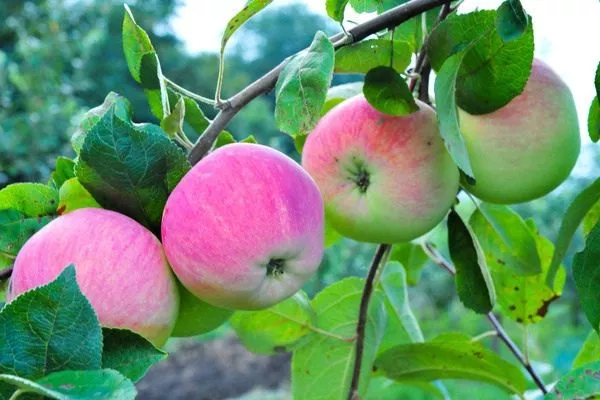
- White filling;
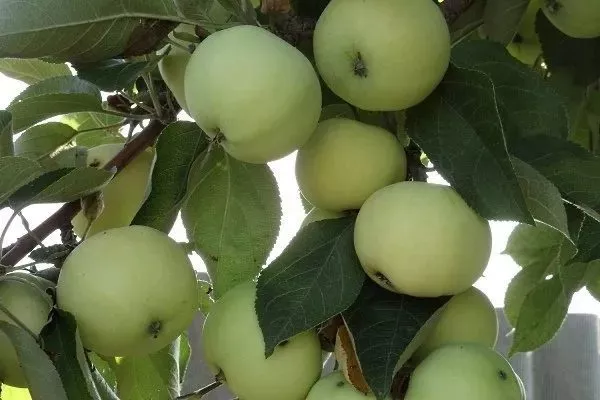
- Country;
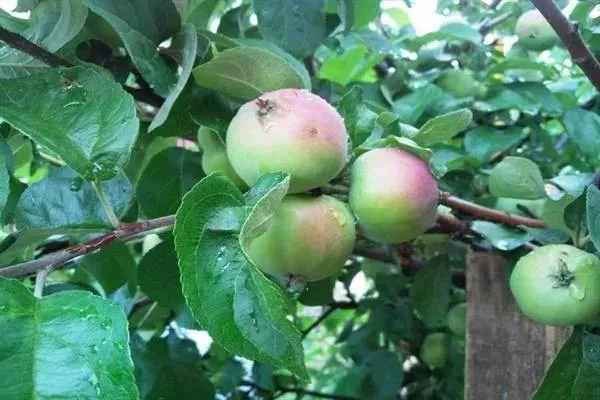
- Moscow pear.
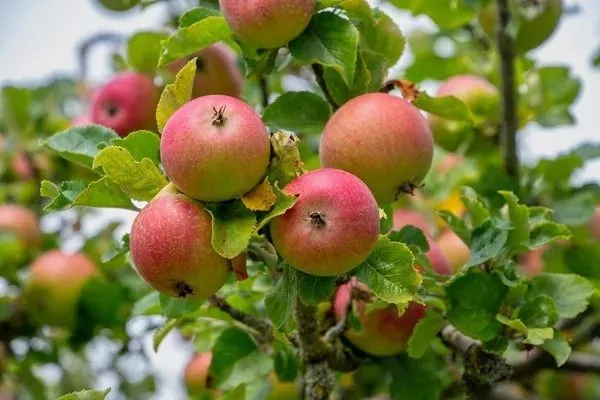
All of them are similar to the Arkadik apple tree in terms of taste and appearance, but they have a common drawback - a short shelf life of the fruits.
Pros and cons
The apple tree was specifically bred for selection in the northern regions of our country and possesses a number of significant characteristics. Key advantages:
The variety has one significant drawback: the fruits may fall off if they are not picked in time, and their shelf life when fresh is relatively short – up to one and a half months.
Reviews
Arkadik combines excellent frost resistance and rapid growth, providing a stable harvest of delicious apples from the third year onward. Despite its relatively short shelf life, this variety remains popular due to its high disease resistance and ease of care, making it a suitable choice for a variety of climates.