
The Arkad apple tree is characterized by high winter hardiness and drought tolerance, making it an excellent choice for a variety of regions. This variety boasts consistent annual fruiting and early ripening. Its immunity to a number of diseases and good shelf life make it suitable for both home gardens and small farms.
History of variety selection
Arkad belongs to an ancient group of Russian varieties, known since the early 19th century. The first mention of these apples appears in a book by N. A. Krasnoglazov, a Moscow gardener who published a work on fruit growing and a gardening calendar in 1856.
Arkada was the name given to summer apples with a distinct honey flavor. By the early 20th century, there were seven main varieties: white (common), smoky, long, yellow (also known as summer, golden, or orange), red, luga, and striped.
Growing regions
Thanks to its good resilience, the Arkad apple tree can be grown in various climate zones across the country. It is successfully cultivated in the following areas:
- Moscow region. The tree grows without problems if the soil is properly prepared. If the soil is acidic, liming is necessary to normalize the pH balance.
- Middle zone. The variety thrives particularly well in this region. The key is to follow proper agricultural practices: provide timely care for the tree and carry out preventative treatments against diseases and pests.
- Siberia. Even in the harsh Siberian climate, the plant demonstrates frost resistance. It's important to pay attention to the choice of rootstock—dwarf rootstocks are preferred for cold regions. Planting should be done with protection from wind and temperature fluctuations in mind.
Description of the tree
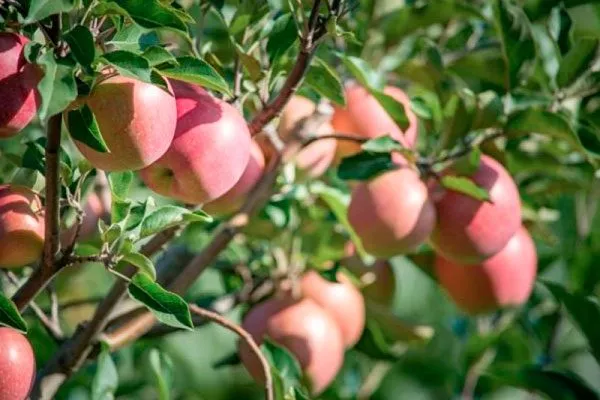
Arkad is an early-ripening variety with vigorous growth. The tree reaches a height of up to 4 m, forming a wide, dense, pyramidal crown.
Other distinctive features:
- branches – strong, extending upward from the trunk at an angle, covered with dense foliage;
- shoots – straight, with dark brown bark;
- leaves - large, rounded in shape, with a glossy surface, painted in rich green tones, and light serrations are noticeable along the edges, the plate can be slightly curved both inward and outward;
- flowering – Abundant, small, snow-white flowers adorn the crown at the beginning of the season.
What do the fruits look like?
This variety boasts versatile fruits that are perfect for fresh consumption, as well as for making desserts, juices, jams, and other homemade products.
Main qualities:
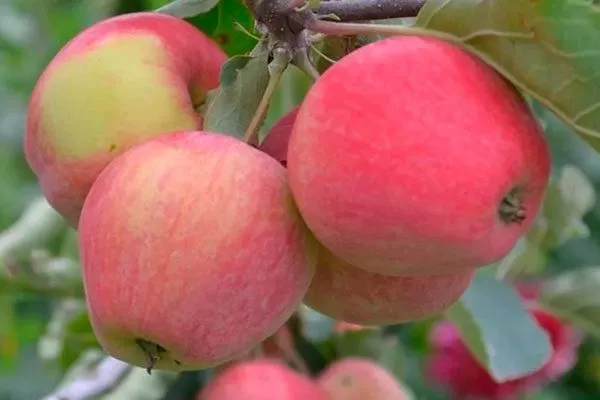
- The apples are green in color; at the stage of technical maturity, a noticeable whitish tint appears.
- The weight of one fruit varies from 120 to 160 g.
- The fruits are medium-sized, with thin, tender skin.
- The apples taste sweet, without any pronounced sourness.
- The pulp is juicy, with a light grainy texture and rich aroma.
Characteristics of the variety
The Arkad apple tree is a long-known and widely grown variety, popular due to its low maintenance. The tree tolerates low temperatures well and is resistant to major diseases. It has many other positive qualities.
Pollinators and frost resistance
This variety is considered conditionally self-sterile, so for full fruiting, it's best planted near other early-blooming apple trees. If there are no suitable pollinators nearby (within a radius of 55-90 m), only 15-35% of the flowers will set fruit.
Arcad is a frost-hardy plant, so it doesn't require winter shelter. However, this doesn't apply to young plants—they need protection from cold during the first year after planting.
Ripening, fruiting and yield
The plant blooms in the first half of May, but the exact timing depends on the region's climate and daylight hours. Apples ripen uniformly, usually by early August. In warmer or cooler zones, the timing may shift slightly.
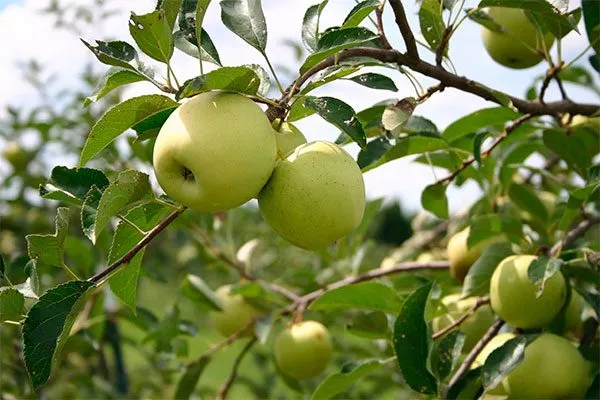
The crop is characterized by good productivity. A single mature tree, regardless of variety, can yield 75 to 110 kg of sweet, aromatic fruit. With proper care and favorable weather conditions, yield can increase by another 15-25%.
Scope of application
Arkad apples are versatile and suitable for a variety of uses. Key features:
- Thanks to their pleasant sweet taste without any sourness, the fruits are especially good when fresh – they are eaten with pleasure by both children and adults.
- The juicy pulp makes the fruit an excellent raw material for homemade juice, puree, jams, preserves and compotes.
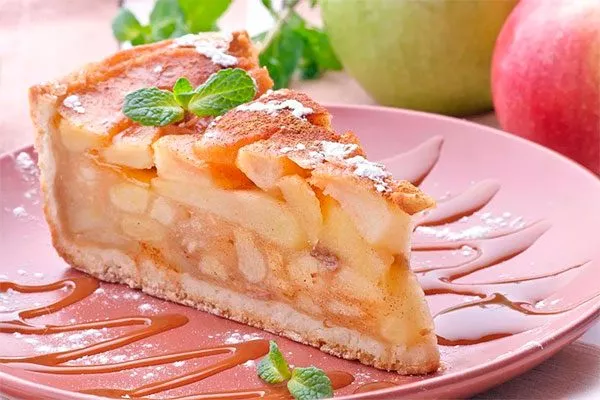
- The variety is suitable for baking and other desserts: pies, charlottes (fillings and jam made from apples are aromatic and rich).
- Due to the thin skin and soft structure, the fruits are not suitable for long-term storage or industrial transportation, so they are most often used in home canning and cooking immediately after harvesting.
Subspecies
There are many varieties and subspecies of the Arkad apple tree, each with its own characteristics and capable of being grown on different types of rootstock. Below are the most well-known:
| Subspecies | Characteristic |
| Sugar | One of the most winter-hardy varieties, it can withstand temperatures down to -38°C to -42°C without loss of yield. The tree is vigorous, up to 5 m tall, with a dense crown. The fruits are large (140-170 g), sweet, without blush, and transport well. They ripen in July.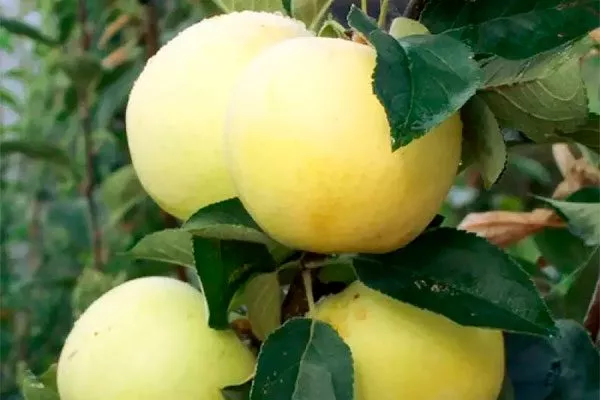 |
| Pink | A compact plant up to 3-3.5 m tall with an oval crown. The apples are small (75-100 g), flattened, with firm skin and a pink-crimson speckled blush. The flavor is sweet and sour, with a strong aroma. They ripen in early August and store for 2-3 weeks.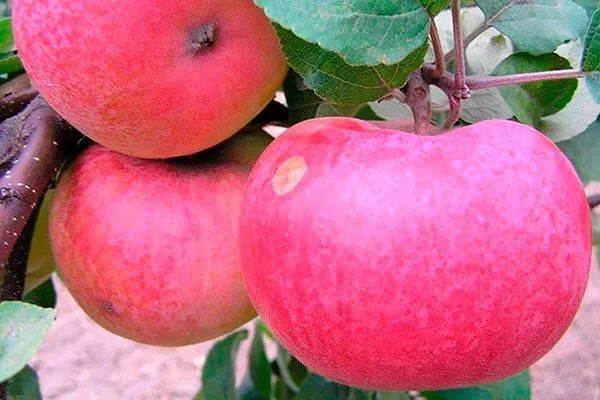 |
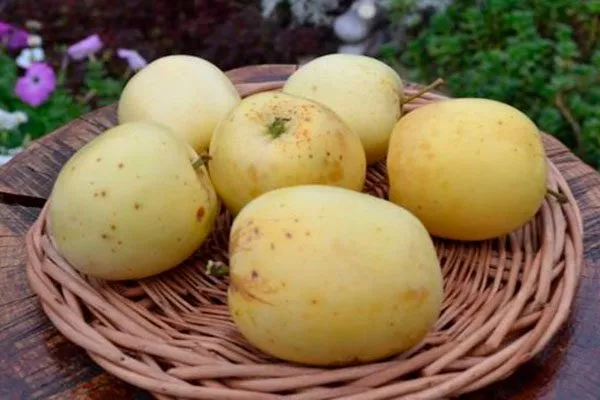
| Yellow | A medium-sized subspecies with a more sparse and broad crown. Ripens in mid-July (earlier in warmer regions). The fruits are yellow, with a thin but strong skin that cracks easily when ripe. It tolerates frost well.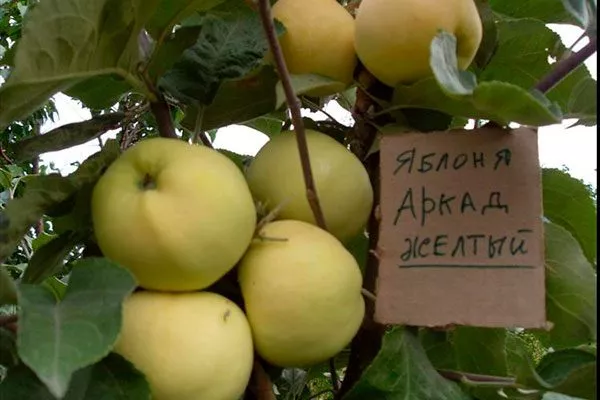 |
| Biryukova | An exceptionally winter-hardy variety, suitable for Siberia and the Far East. The tree grows up to 4 m tall, spreading, with a rounded crown. The fruits are green or light green, juicy, sweet, with a light spicy aroma. Named after the pomologist A.P. Biryukov.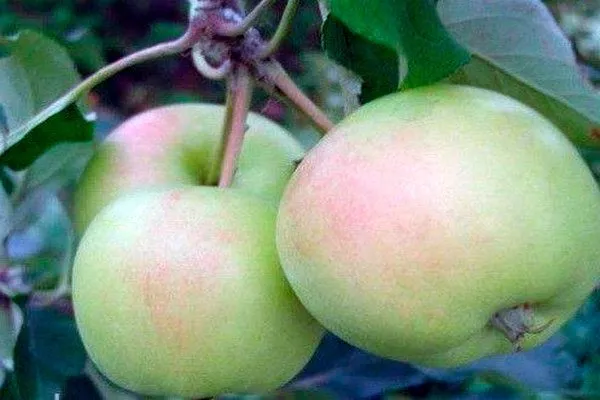 |
| Volzhsky | A late-ripening subspecies, ripening in early to mid-September. The apples are large (135-150 g), slightly elongated, greenish, with a light blush on the sunny side. They can be stored for up to 1.5-2 months. This variety was developed thanks to the work of breeders L. G. Demina and A. A. Kuzmin.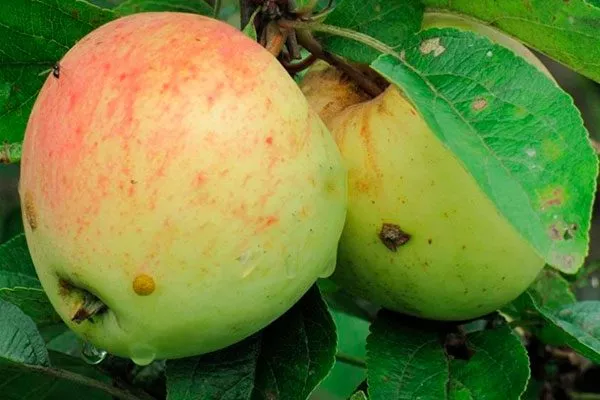 |
| Tenkovsky | A fast-growing and productive subspecies, producing a consistent harvest each year. The fruits are large, sweet and sour, with a distinct aroma. They ripen by the end of September and can be stored until January, sometimes longer. It is included in the State Register of Breeding Achievements.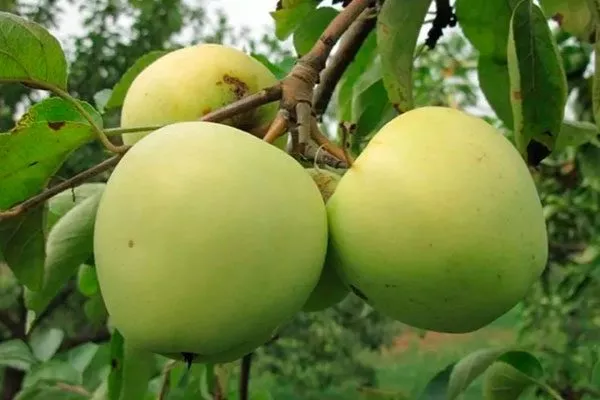 |
Each variety of Arkada is interesting in its own way and is suitable for different growing conditions, from southern regions to northern ones.
Landing
Growing apple tree seedlings requires following basic rules and a specific approach. Only then will the tree quickly establish itself and successfully adapt to new conditions.
Recommended timing and selection of a suitable site
Apple trees can be successfully planted both in the fall, from late September to mid-October, and in the spring, beginning in the third ten days of April. However, spring is considered the optimal time, as young seedlings have time to root well and become strong before the onset of cold weather.
For successful growth and development of apple trees, it is recommended to choose well-lit areas protected from cold northern winds.
Follow these recommendations:
- Since the tree has a powerful root system that extends deep into the ground, the planting site should not be near groundwater—the optimal distance is at least 3 meters. To limit downward root growth, place a sheet of slate in the planting hole, which will encourage the roots to spread outward.
- The plant adapts to almost any soil type, except for marshy and rocky areas. It thrives best in loose loamy or sandy loam soil that hasn't been used for other plants in the last 2-3 years.
- Prepare the site a month before planting. First, clear the area of debris, then dig a hole about 50 cm deep and about 90 cm wide. Fill it with a nutrient-rich mixture of 4 kg of compost, 200 g of potassium sulfate, 600 g of wood ash, and 400 g of superphosphate.
Selection and preparation of planting material
One-year-old seedlings 120-130 cm tall are ideal for cultivation. If you use two-year-old trees, their height should reach approximately 150 cm.
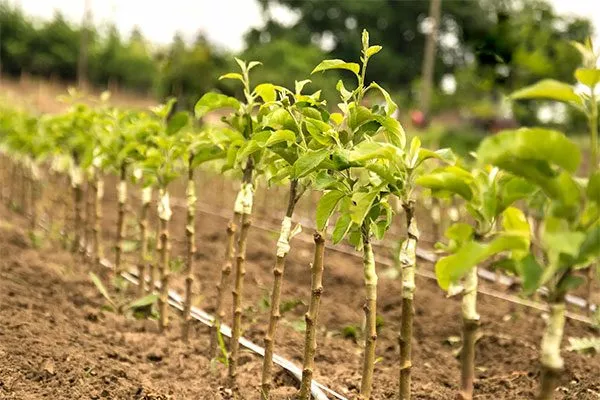
When purchasing, be sure to inspect young apple trees for signs of disease, damage, or rot. Before planting, soak the plants in water for 2-3 hours to ensure optimal survival.
What can be planted next to it?
It is good to plant cherries, raspberries, sweet cherries, plums, honeysuckle, pears, and other apple varieties next to the crop - such neighbors will have a beneficial effect on the tree's development and fruiting.
However, it is better to avoid planting conifers, rowan, juniper, currant, horse chestnut, viburnum, fir and jasmine nearby, as they can inhibit the growth of the apple tree and contribute to the spread of diseases.
Landing algorithm
Once the hole for the apple tree is ready and enriched with the necessary nutrients, you can begin planting.
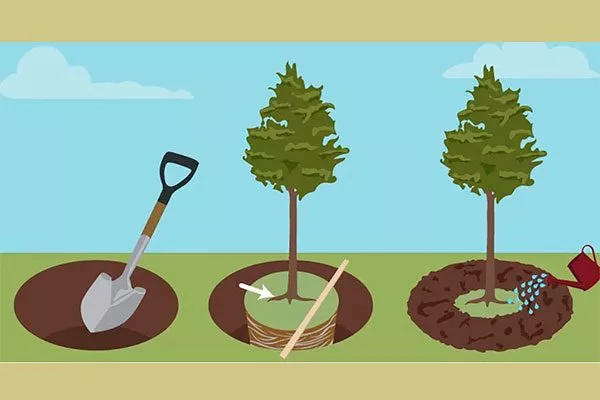
Step-by-step algorithm for planting a seedling:
- Place the tree in the hole, setting it on a mound of earth.
- Carefully straighten the roots and cover them with fertile soil.
- If the soil is dry, water it well.
- Gently compact the soil around the roots, without covering the root collar.
- Make a hole around the plant for watering – one tree will require about 20 liters of water.
- Mulch the soil with peat or humus to retain moisture and protect the roots.
- Once planting is complete, tie the apple tree to a support for stability.
Aftercare of the apple tree
Caring for the Arkad apple tree follows a classic pattern: regular watering, weed removal, soil loosening, and fertilizing. Following these simple agricultural practices will significantly increase yields.
Fertilizing and caring for the tree trunk area
If stunted growth, yellowing leaves, or a lack of fruit are observed during the first three years of growth, the soil needs to be enriched with nutrients. Apply organic fertilizer once a year in the spring—use manure or compost.
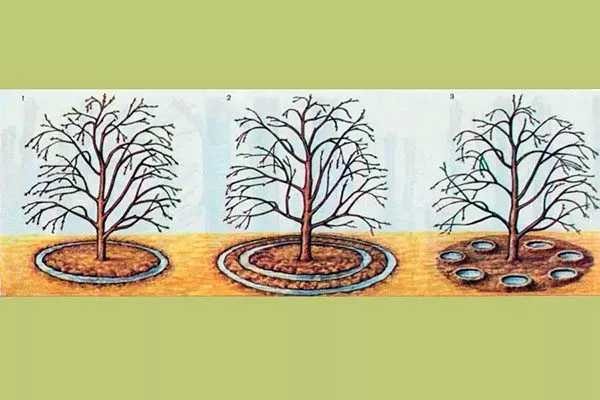
Apply mineral fertilizers strictly according to the instructions to avoid harming the tree. In the spring, apply ammonium nitrate, and in the fall, apply phosphorus and potassium fertilizers. Mineral fertilizers are most effective after harvest, before the onset of cold weather.
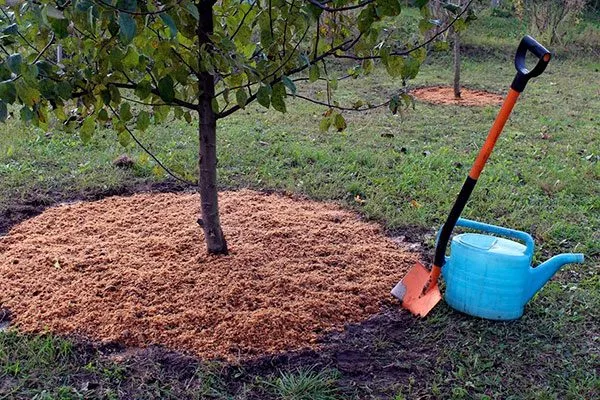
To achieve good results, regularly remove weeds and loosen the soil around the tree trunk. Compacting the soil is unacceptable, as it deprives the roots of oxygen. Renew and add mulch as needed.
Watering
During the first year after planting, water the apple tree twice a season. Follow these other guidelines:
- Mature trees require watering approximately every 3-4 weeks in hot weather, using about 30 liters of water per plant. If the soil is light, water more frequently – twice a month.
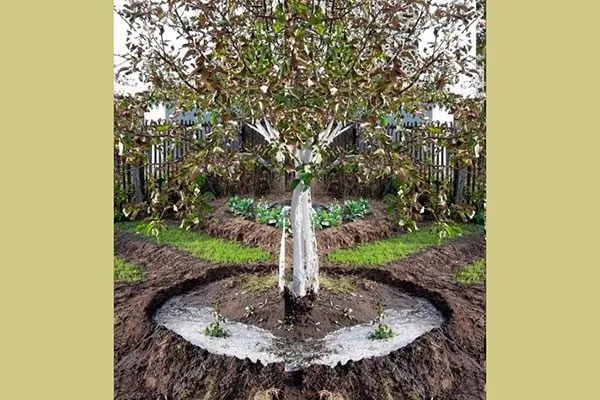
- To retain moisture in the tree trunk circle, cover it with a layer of mulch about 10 cm thick.
- In total, carry out three main waterings: when the buds awaken, three weeks after the end of flowering, and 20 days before harvesting.
Pruning and shaping
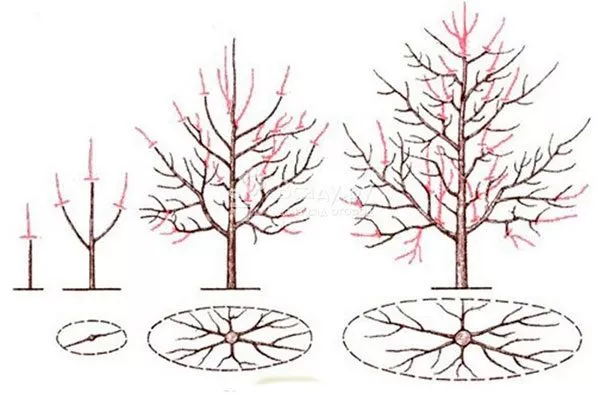
Begin shaping the crown immediately after planting the seedling. Follow these recommendations:
- Shorten the top of the main trunk, then remove all the small branches, leaving only 3-4 of the most powerful ones.
- The following year, cut the remaining branches back to length, leaving 3-4 large buds on each, and shorten the small branches again.
- In the third year, keep a few large branches and prune the weak ones again.
- Every fall, perform sanitary pruning, removing dead and damaged branches. In the summer, perform thinning pruning as needed.
Winter protection
Despite the tree's resistance to frost, proper preparation for winter remains necessary – especially for young trees.
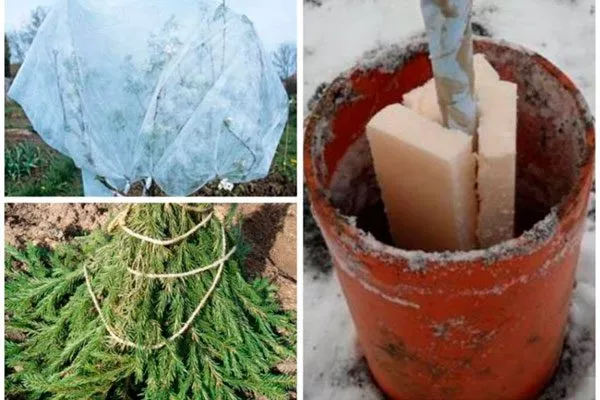
Carry out the work in several stages:
- site clearing from fallen fruit and plant debris to reduce the risk of overwintering pests and diseases;
- pruning damaged and deformed branches with mandatory treatment of cuts with garden pitch;
- moisture-charging irrigation, providing the tree with resistance to soil freezing;
- whitewashing of tree trunks a mixture of slaked lime and copper sulfate to protect against frost cracks and pests;
- mulching the tree trunk circle with peat to insulate the root system;
- protection from rodents: the trunk is wrapped in a metal mesh, on top of which spruce branches or roofing felt are laid.
Such preparation significantly increases the plant's chances of successfully overwintering, even in harsh conditions.
Diseases and pests
One of the key factors when choosing apple trees of this variety for your plot is their susceptibility to fungal diseases, particularly scab, which can significantly reduce yields, especially during epidemics. To protect trees from infection, apply preventative treatments in early spring.
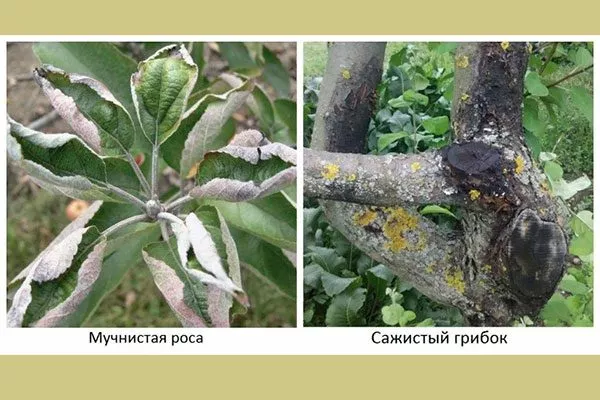
Helpful tips:
- At the beginning of the bud break phase, spray the crown with a 3% Bordeaux mixture. Immediately after flowering, repeat the procedure, but using a weaker solution—1% Bordeaux mixture or copper oxychloride. After 2-3 weeks, apply another treatment with Skor, Horus, or Khranitel.
- To protect against fungal and bacterial diseases, use microbiological agents such as Fitosporin, as well as contact fungicides such as Abiga Peak.
- During the growing season, Prestige provides comprehensive protection against diseases and pests, maintaining its effect for up to 35 days after treatment.
Pros and cons
Each apple tree variety has its own unique characteristics, which manifest themselves in advantages and disadvantages. Since the Arkad apple tree has several subspecies, let's look at the general pros and cons of all varieties:
Reviews
The Arkad apple tree is a popular variety with excellent climate adaptability and strong immunity. It boasts juicy, deliciously flavored fruits with a long shelf life. Despite some care nuances, this variety is deservedly popular due to its consistent yield and low maintenance.