
The Arbat apple tree combines early fruiting with high yields, making it attractive to gardeners. The tree is characterized by a compact, columnar habit, suitable for growing in small spaces. The fruit boasts a vibrant aroma and pleasant flavor, and its good shelf life allows the harvest to be preserved until late autumn.
Origin and zoning
This variety was created in 1978 under the guidance of breeder V. V. Kichina, with the participation of R. Watkins, at the All-Russian Institute of Horticulture Selection and Technology. The hybrids used were SA54-108 and the scab-resistant TSR12T77.
As early as 1982, a promising specimen, RD43, was isolated from seedlings and named "Arbat." Since 1985, the variety has been approved for propagation, but is not officially included in the State Register of the Russian Federation. Thanks to its winter hardiness and undemanding nature, it is successfully cultivated in central Russia, Belarus, and other countries.
The appearance of the tree
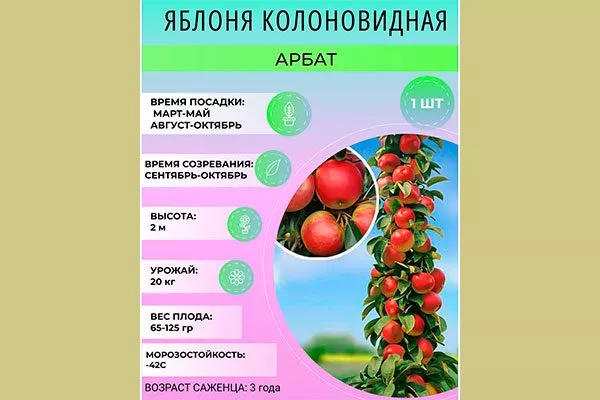
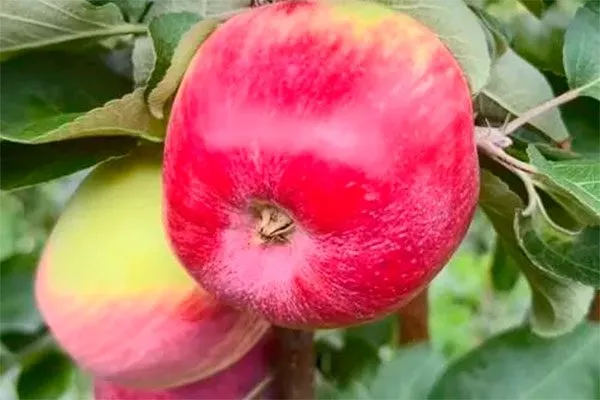
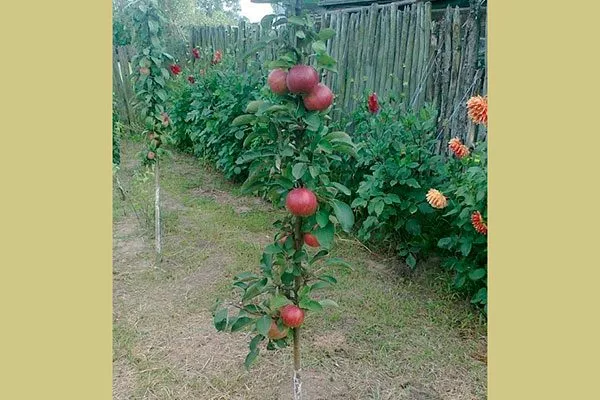
The plant is medium-sized, reaching a height of 1.5 to 2.5 m. Its distinctive characteristics:
- crown – compact, up to 50 cm in diameter, formed by evenly distributed rings, spears and fruitlets along the trunk;
- trunk – strong, capable of supporting a harvest weighing over 12 kg;
- kidneys – broadly conical, pubescent, gray-brown in color;
- shoots – thick, light brown, slightly curved, covered with dense pubescence, the growth of which reaches 20 cm per year;
- leaves - dark green, oblong, with a pointed tip and finely serrated edges, and the plate is smooth and matte, with medium-pronounced veins;
- petioles – short, thickened, grey-green with a reddish base;
- flowers – soft pink, corrugated, with elongated petals, collected in inflorescences of 5-8 pieces.
Description of fruits
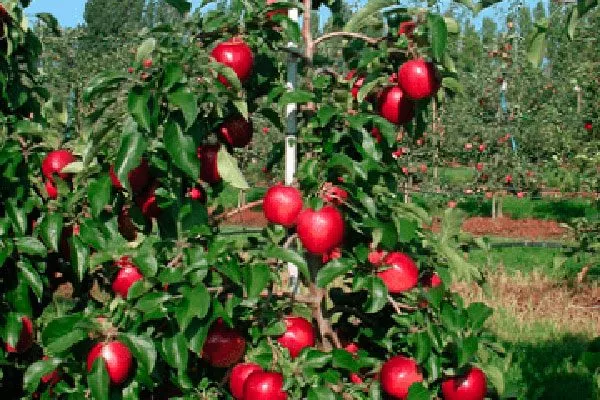
The apples are large, but uneven in size – from 85-100 to 150-180 g. Fruit characteristics:
- form - generally round, sometimes slightly conical or flattened, with barely noticeable ribbing;
- funnel – of medium depth and width, sometimes with a slight liveliness;
- peduncle – short and straight;
- skin – thin, but strong and oily, with a light waxy coating;
- main background – light or yellowish-green, almost completely covered with a blurred pink-red or raspberry blush;
- subcutaneous points – rare, light;
- seminal chambers – small, almost closed;
- seeds – dark brown;
- pulp – Pale cream, medium density, juicy, fine-grained, with a bright sweet and sour taste.
Characteristics of the apple tree
Homegrown apples are not only delicious but also healthy. Those looking for a compact and productive tree should consider the Arbat variety. It combines ease of care, decorative appeal, and excellent flavor.
Pollination
This variety is not self-fertile, so for a consistent harvest, pollinators must be planted nearby. Varieties with similar flowering times are best:
- Ostankino;
- Teleimon;
- Vazhak;
- Currency;
- Vasyugan;
- Bolero;
- Nectar;
- Dialogue.
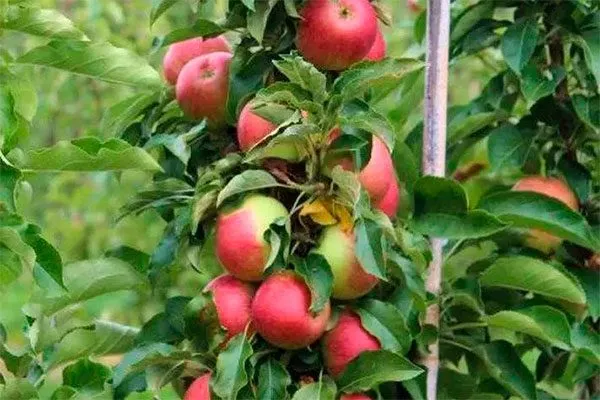
The distance between plants should be no more than 5 m.
Ripening, fruiting and productivity
The Arbat tree begins bearing fruit in the first year after planting, although the initial yield will be modest. By the fifth year, the tree can yield up to 20 kg of apples—an excellent result for a compact plant.
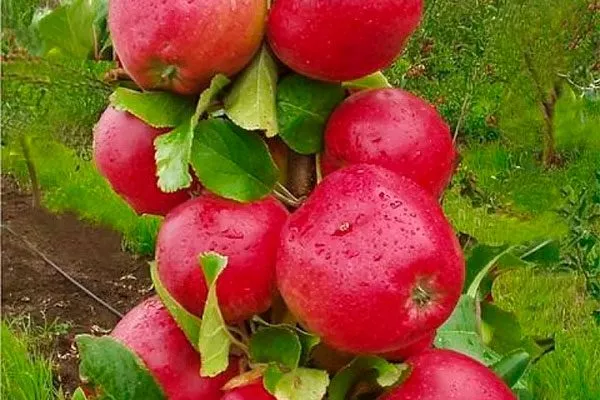
The fruits ripen in late summer or early fall. A bluish, waxy coating marks ripeness. After picking, let the fruits rest for a while – the flavor will become richer, and the flesh will become softer and more aromatic.
Winter hardiness and disease resistance
This variety is characterized by good cold tolerance, but requires additional protection in severe winters. Prolonged frosts below -25 to -27°C can damage the tops, especially if the temperature persists for several weeks.
Despite its resistance to most diseases and pests, preventative treatment in early spring is recommended. Using fungicides and insecticides will help maintain the tree's health and protect future harvests.
Subspecies and rootstocks
Arbat is a relatively new columnar apple variety, so no subspecies or distinct forms have yet been developed based on it. Furthermore, no official breeding efforts are underway in this area.
Apple trees of this variety are grown on different types of rootstocks:
- seed;
- standard;
- dwarf;
- semi-dwarf.
Landing
The plant prefers open, well-lit areas. When choosing a location, it's important to avoid shaded areas—in the shade, trees grow poorly, appear sickly, and may fail to bloom, resulting in no harvest.
Once you have identified a suitable site, begin preparing the soil and planting:
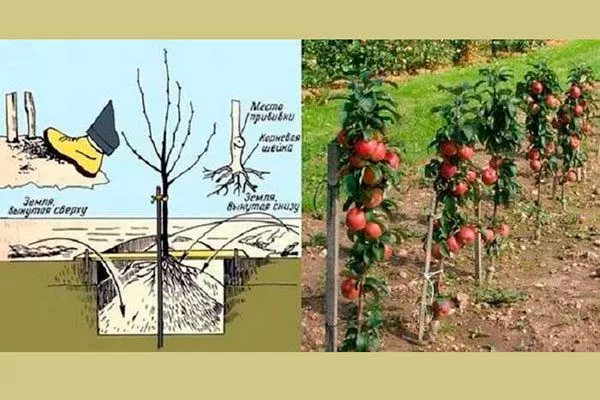
- Soil conditions. Arbata thrives in loamy soils and chernozem. Acidic soils are undesirable; lime them first. Dig the planting hole in advance. The optimal size is 60 x 80 cm. Place the fertile topsoil at the bottom, then water and let it settle for 12-16 days.
- Selection of seedlings. Choose healthy trees with live, fresh roots. Trim off any damaged areas. Before planting, soak the roots in water for 6-10 hours or in a growth stimulant solution for up to 24 hours to saturate them with moisture.
- Planting dates. The plant can be planted in spring or fall. Spring planting is considered more reliable – do it after the soil has warmed and the risk of frost has passed. In fall, plant a few weeks before the cold weather sets in, when the sap flow in the tree has already stopped.
- Planting diagram. Space the seedlings 85-95 cm apart. Place a stake in each hole beforehand for tying. The root collar should be 4-8 cm above the soil level.
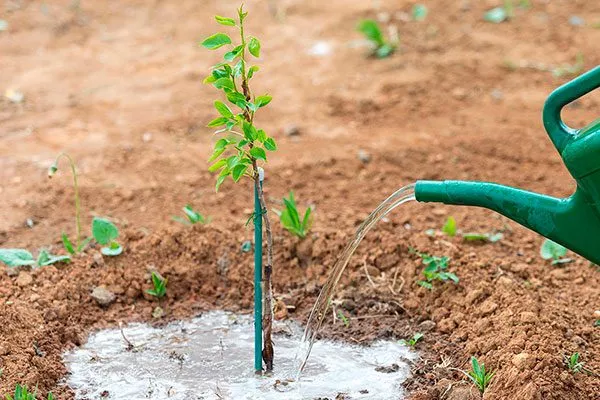
Carefully spread the roots, cover with soil, and compact them, leaving no air pockets. After planting, pour in 15-20 liters of water and mulch the surface with sawdust or grass.

Care
For full development and abundant fruiting, the Arbat apple tree requires regular and competent care, which begins in early spring and continues throughout the year.
The main activities include the following agrotechnical measures:
- Watering and loosening. Water the plant several times per season, especially at the beginning of the growing season, before flowering, during fruit ripening, and after leaf fall if there's been no rain. Young seedlings (1-3 years old) require 30-40 liters of water at a time; increase the amount later.
After each watering, loosen the soil, remove weeds, and mulch the tree trunk area with peat or humus—this will help retain moisture and suppress weed growth. - Top dressing. Start applying fertilizers in the third year after planting. In spring or fall, use a solution of chicken manure (1:20) or mullein (1:10).
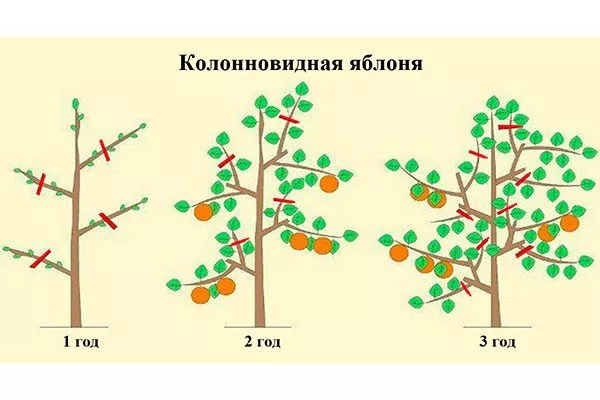
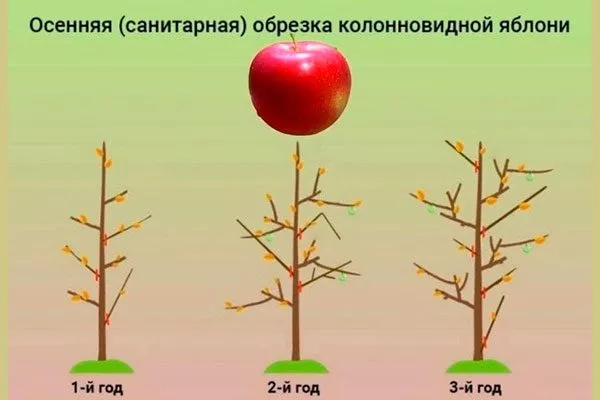
Additionally, use superphosphate and potassium salt – 50 g per 10 liters of water. These fertilizers are especially useful during flowering and apple ripening. - Pruning and shaping. Pruning is essential for this plant. In the first year, leave two side shoots and shorten them to two buds. The following season, remove the fruiting branch to allow the second one to develop. This method allows fruiting to be evenly distributed along the entire trunk.
In addition, regularly cut out diseased, dry shoots and old rings.
- Normalization of ovaries. Perform this procedure in the summer to avoid overcrowding and maintain fruit size. For one-year-old seedlings, remove all flower buds to allow the plant to focus on growth.
In the second year, leave a few ovaries, and in the third, half. During the season, get rid of weak or deformed plants.
- Preparing for winter. As frost approaches, stop watering. To protect trees from the cold and rodents, spread dry grass, leaves, or straw around the trunks. Wrap the trunks with burlap, roofing felt, or other insulating material. This is especially important if severe frosts are predicted.
Collection and storage
Pick the fruits in mid-September, when they are fully ripe and have acquired a vibrant color and rich aroma. Pick carefully to avoid damaging the skin and spoiling the appearance.
To prolong the freshness of apples, it's important to provide the right conditions. The optimal temperature is between 1 and 3°C with humidity no higher than 50%. A dry, well-ventilated basement is ideal. Under these conditions, the fruit can be stored until the end of December.
Place apples in wooden crates in layers, interleaving each layer with thick paper, straw, or hay—this helps prevent rotting and mechanical damage. Storing them in the refrigerator, in a special compartment for fruit, is also acceptable.
Diseases and pests
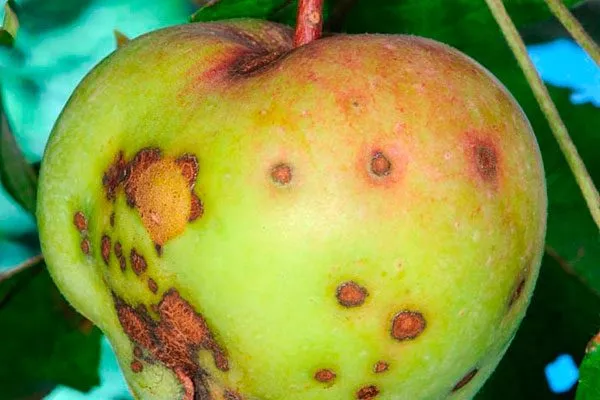
Although the variety is characterized by a fairly high resistance to various diseases, there is a risk of encountering certain problems. The most common conditions include:
- powdery mildew;
- moniliosis;
- brown spot;
- cytosporosis;
- black cancer.
In addition, apple trees of this variety are often attacked by pests. Among them are:
- Wood parasites – Mites and bark beetles that penetrate the trunk, damaging the wood. Over time, this leads to deterioration of the tree and even its death.
- Leaf-eating insects – goldtails, leafhoppers, moths, apple brooms.
- Pests that attack fruits – sawflies, leaf rollers, codling moths.
If signs of disease or pests appear, it's important to take action as soon as possible: obtain the necessary treatments and treat the trees until they recover completely. Timely prevention and treatment will help maintain the health and productivity of the crop.
Pros and cons
Reviews
The Arbat apple tree delights with high-quality fruit with a rich flavor and aroma. It bears fruit quickly and demonstrates disease resistance and high pest resistance. With proper and consistent farming practices, the tree produces generous harvests for processing or fresh consumption.