
Antey is the name of a red-sided apple with excellent flavor, suitable for winter storage. The hallmark of this mid-late variety is its ease of cultivation. It is hardy and frost-resistant, resulting in large yields.
History of selection
This fruit variety was created thanks to the efforts of a group of Belarusian breeders representing the Belarusian Research Institute of Fruit Plants and led by G.K. Kovalenko. To create it, they crossed three popular varieties:
- Newtosh;
- Grandma's;
- Belarusian raspberry.
In 1996, after successfully passing variety trials, which demonstrated the excellent productivity and endurance of the new variety, it was added to the state register of the Republic of Belarus.
Features of the Antey apple tree variety
Please review the full botanical description of the variety if you plan to grow it in your garden.
The appearance of the tree
This fruit tree has become popular with domestic gardeners due to its compact size and low stature, making it easy to care for. The Antey apple tree does not grow taller than 2.5-3 meters.
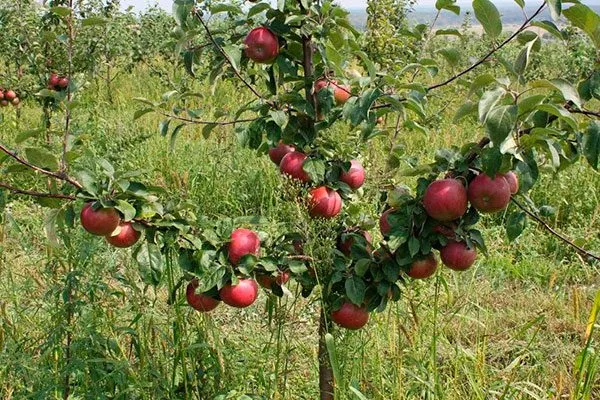
Her external data are as follows:
- crown: round-pyramidal in shape, not very dense (sparse), harmonious, characterized by a tiered structure, requiring almost no shaping;
- branches: light brown in color (at a young age they have a darker color);
- foliage: large, dark green, oval-shaped with a pointed tip and serrated edge, with long petioles.
Description of fruits
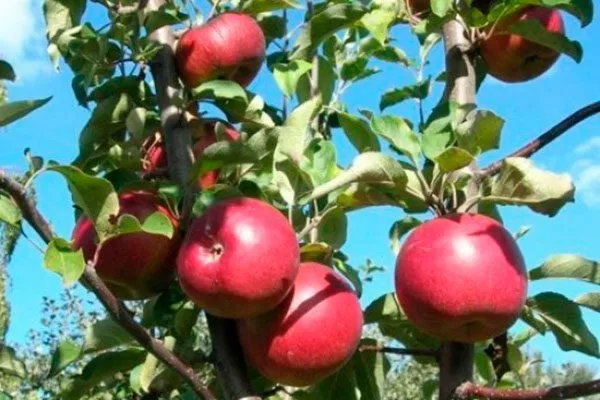
The variety's harvest is characterized by large sizes and attractive appearance. Fruit descriptions include:
- weight — 250-300 g;
- form: round-conical (pointed at the bottom), with a wide-ribbed surface;
- color: green, almost completely hidden under a dark red, washed-out blush with burgundy strokes;
- peel: not thick, dense, covered with a layer of bluish waxy coating;
- pulp: creamy-salad color, medium-dense, fine-grained, very juicy, with a moderate aroma.
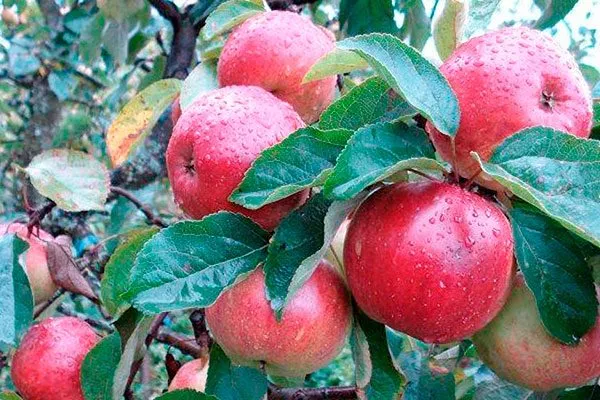
Fruits for winter storage are harvested at the point of technical ripeness. They fully ripen two months after being placed in the cellar. At this point, the flesh turns yellow, its sugar content increases, and the taste becomes sweet.
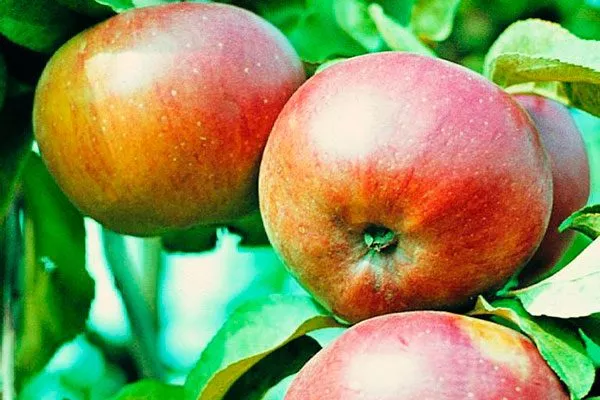
Antey is a variety that delights gardeners with its excellent shelf life. Thanks to its dense skin and thick waxy coating, the apples can be stored in suitable conditions for four to six months (until March) without drying out, losing their firmness, or juiciness. They also transport well.
Characteristics of the variety
In addition to the remarkable consumer qualities of its harvest, the Belarusian apple tree boasts other excellent characteristics that make it attractive for private and commercial cultivation.
Taste, benefits, application
Experts rate the tasting qualities of Antey red-sided apples as good:
- score: 4.3 out of 5;
- taste: pleasant, sweet and sour, balanced;
- pulp content: dry matter - 13%, sugars - 10%, titratable acids - 0.65%.
The harvest of this Belarusian variety is not only delicious but also healthy. It contains a large amount of nutrients beneficial for human health:
- vitamins: ascorbic acid (21 mg/100 g), tocopherol, carotene, niacin, biotin, pyridoxine, pantothenic acid, riboflavin, phylloquinone;
- minerals: potassium, phosphorus, calcium, copper, iron, manganese, magnesium, iodine, etc.;
- fiber, in particular pectin (its content in apples is 12%);
- antioxidants: polyphenols and flavonoids, including catechins, quercetin;
- organic acids;
- Sahara;
- tannins.
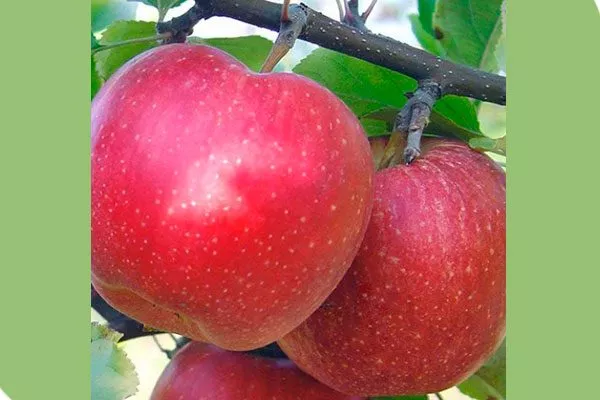
The fruit is a low-calorie treat, containing 47 kcal per 100 g. It is rich in fructose, a source of energy. The apple's glycemic index is 38. This low value prevents a sharp rise in blood sugar.
If you include the fruits of the Belarusian variety in your daily menu, you will receive many health benefits:
- Strengthen your heart and blood vessels Thanks to the abundance of potassium, magnesium, and polyphenols—substances with anti-inflammatory properties—in the pulp, you'll also lower your bad cholesterol and blood pressure.
- Strengthen your body's immune defenses Due to the high content of vitamin C in apples, the product is recommended for those who are sick, suffer from chronic illnesses, and loss of strength.
- Normalize the digestive process, which is facilitated by the fruit's rich fiber content, which stimulates gastrointestinal function. Include this product in your diet if you suffer from constipation or dysbiosis.
- Get rid of excess weightAn apple is a delicacy for those on a diet. It's low in calories, yet very filling thanks to its high fiber content.
- Get a powerful antioxidant effect, which is facilitated by the abundance of polyphenols and flavonoids in the product, which protect cells from destruction by free radicals.
By eating Antaeus fruits, you help prevent cancer, diabetes, and neurodegenerative pathologies.
Their peels are rich in quercetin, an antioxidant with anti-inflammatory properties that protect the brain and stimulate mental performance.
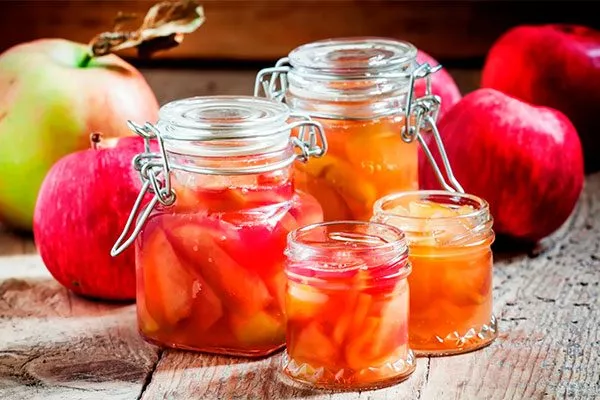
The Belarusian variety's harvest is versatile. The fruits are delicious not only fresh but also cooked. They are widely used in home cooking. Housewives make drinks and various treats from them:
- juice;
- compote;
- jelly;
- jam;
- jam;
- jam;
- marshmallow;
- marshmallow;
- marmalade;
- candied fruits, fruit chips and dried apples;
- pie filling;
- Canned food for the winter.
Fruiting period, growth, ripening
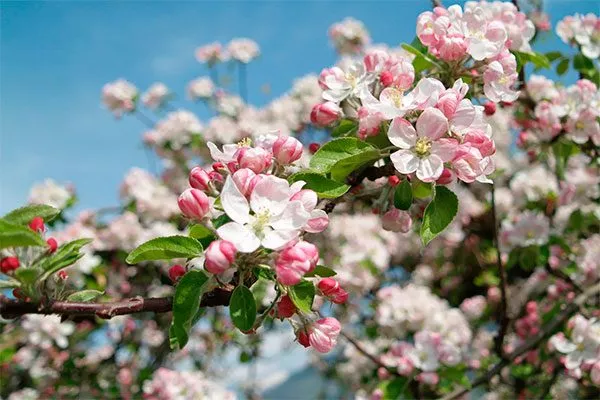
The Antey apple tree begins to bloom in the first year after planting, and by the age of three, it begins to produce a full harvest. After that, fruiting becomes regular and consistently abundant. The fruit ripens mid-late. Gardeners harvest them from the second half of September to mid-October.
A fruit tree grows and bears fruit in one place for 30-35 years. The most productive period is considered to be from the third to the 25th year of life.
Productivity and pollinators
The Krasnobokiy variety delights gardeners and farmers with its excellent fertility. Its characteristics are as follows:
- On average, one adult tree that receives good care produces 50-55 kg of apples;
- at least 15 kg - the first harvest that can be collected from an apple tree that has reached the age of 3 years;
- 70 kg is the maximum fruit yield of 1 stem;
- 45,000 kg per 1 ha is the productivity of an apple orchard grown for commercial purposes.
The Antaeus tree's advantage is its lack of pronounced fruiting cycles. It produces flower buds annually, not every other year, even during unfavorable seasons. It produces a consistently abundant harvest throughout its productive life.
The apple tree cultivar is self-sterile. For it to produce fruit, pollinators must be grown nearby.
Gardeners consider the following to be the best pollen donors for her:
- Welsey;
- Anise;
- Pepin saffron;
- Golden summer;
- Papirovka's daughter;
- Yandykovsky;
- Dachny.
Winter hardiness and growing regions
Antey delights gardeners with its excellent tolerance to low temperatures. The tree can withstand temperatures as low as -30-35°C. It is also resistant to spring frosts, dampness, and gusts of wind. It is distinguished by its hardiness and undemanding nature.
Thanks to its good frost resistance, the red-sided variety can be grown in many regions of the country, including Belarus and Ukraine. In areas with harsh climates, the crop requires adequate insulation.
Disease resistance
The Antey apple tree doesn't boast a strong immune system. It's moderately susceptible to insect attacks and diseases. It's also prone to scab. Gardeners can address this problem by taking the following measures:
- strict adherence to agricultural technology rules;
- preventive treatments with fungicidal and insecticidal agents.
Subspecies and variants
Summer residents and farmers grow Belarusian apple trees on different rootstocks, resulting in subspecies with different characteristics.
On a dwarf rootstock
This variety produces a low-growing, compact tree that's easy to care for. It's chosen to reduce labor costs during fruit cultivation and harvesting. Rootstock 62-396 is used.
With this method of cultivation, a dwarf apple tree must be shaped:
- Immediately after planting, shorten the central conductor to a height of 40 cm;
- trim lateral shoots to 18 cm;
- bend branches to form wide angles in relation to the trunk.
The height of a plant on a dwarf rootstock will not exceed 2 m. It will begin to bear fruit in its second year.
Columnar variety
The Antey fruit tree can also be grown as a columnar tree. In this case, gardeners create an elongated crown without skeletal branches. The trunk height is up to 2 m.
This option is suitable for small garden plots. You can plant an entire orchard in a small area, maintaining a distance of 40-50 cm between columnar apple trees.
Landing
Plant the Antey variety in the spring, before bud break, or in the fall after leaf fall (at least 4-5 weeks before the first frost). The second option is preferable. This way, the plant will focus all its energy on root formation rather than on growing foliage.
Site selection and preparation
To ensure that a Belarusian apple tree sapling takes root well in your garden and begins to grow, select a suitable location for it:
- with good lighting;
- windless, protected from drafts;
- located far from tall trees or walls (the crop develops poorly in dense shade);
- not flooded by groundwater and not swampy (excessive soil moisture causes root rot)
- with fertile soil, loose, loamy or sandy loam, with an acidity index of 5.5-6.6 pH.
Prepare the selected site for planting the apple tree in advance. Do this in the fall if you're planning to plant it in the spring, or 3-4 weeks beforehand if you're planning to plant it after the leaves have fallen. Dig the soil, remove weeds, and add organic fertilizer. Enrich acidic soil with chalk or ash, and heavy soil with peat and sand.
Dig a planting hole 2-3 weeks in advance. Measure it: 1-1.2 m in diameter and 0.6-0.8 m in depth. Line the bottom with a drainage layer: broken brick, gravel, or expanded clay. When planting in groups, maintain a distance of 4 m between holes.
Add a fertile soil mixture on top of the drainage layer. Make it from the following ingredients:
- humus or compost;
- black soil;
- wood ash;
- Superphosphate.
10-14 days before planting, the hole will need to be watered generously.
Preparing the seedling
When purchasing an Antey apple tree from a nursery, inspect it thoroughly. High-quality planting material should meet the following requirements:
- be healthy;
- with well-developed roots, juicy, light-colored, without signs of rot;
- have a straight trunk with smooth bark;
- with flexible branches, evenly distributed;
- with live, tightly attached kidneys;
- free from defects (cracks, growths, damage, signs of disease and presence of pests);
- age - 1-2 years.
If you purchased a container-grown seedling, water it thoroughly a couple of hours before planting. If you've chosen a bare-root apple tree, perform the following rooting manipulations:
- straighten them out carefully;
- remove damaged segments and broken parts;
- immerse for 3-8 hours in water with the addition of a stimulating drug such as Epin or Kornevin;
- treat with a mixture made from water and clay.
The landing process
To ensure the Antey apple tree quickly and successfully establishes itself in its new location, follow these step-by-step instructions for planting:
- Form a mound of soil and fertilizer mixture at the bottom of the hole.
- Pour in 20-30 liters of water.
- Place the seedling on the mound. Spread out its roots.
- Cover them with soil. Do not bury the root collar. It should be 3 cm above ground level.
- Compact the soil around the trunk.
- Water the seedling using 30-40 liters of water.
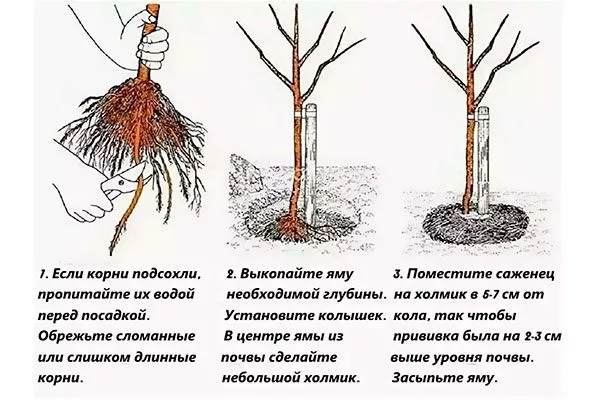
Immediately install a staking stake next to the apple tree. It can be removed in the tree's third or fourth year.
Care instructions
It is sufficient to follow the rules of agricultural technology for fruit crops to ensure the proper development of the Antey apple tree and its good fruiting, protecting it from diseases and attacks by insect pests.
Tree watering and fertilization scheme
Water the soil thoroughly immediately after planting. Continue watering as needed. Once a month, using 20 liters of water, is sufficient. During hot weather, increase watering to once a week.
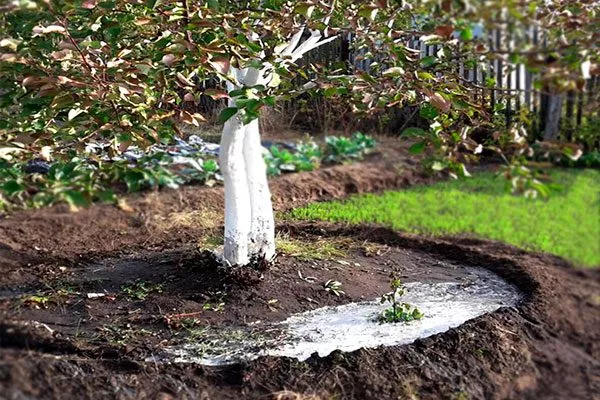
Follow the watering schedule and rules:
- carry out water treatment for the first time in the spring before the buds appear;
- the second - after flowering has completed, to prevent the ovaries from falling off;
- the third - during the ripening of apples;
- fourth - after harvesting;
- 20 days before harvesting, stop watering the tree to improve the taste of the fruit;
- use settled water, heated in the sun in tanks;
- pour it under the root;
- perform the procedure in the morning or evening;
- during the flowering phase, discard it so as not to damage the ovaries;
- mulch the soil around the tree trunk after watering with sawdust, hay or compost to help it retain moisture longer;
- If possible, arrange drip irrigation for the apple tree.
If there has been no precipitation for more than 10-12 days and the weather is hot, urgently moisten the parched soil beneath the tree. Use 50 liters of water, dividing it into two portions (morning and evening). The moisture should be sufficient to penetrate the roots.
Maintain the Antey apple tree's trunk. This includes the following essential procedures:
- loosening the soil;
- weed removal;
- elimination of young root shoots and shoots of other trees that take nutrients from the apple tree;
- mulching.
Provide the plant with additional nutrition. In the spring, apply a nitrogen fertilizer to the root zone. Then, use fertilizers with sufficient phosphorus, potassium, and nitrogen—elements necessary for flower bud formation and good fruiting. Use mineral fertilizers and organic matter.
The frequency of application of fertilizer mixtures depends on the soil type, its density and fertility:
- If the tree grows in light and poor soil, feed it several times a season annually;
- If the soil under the apple tree is rich and fertile, it is enough to apply nutrient compounds once every 3 years.
Pruning and crown shaping
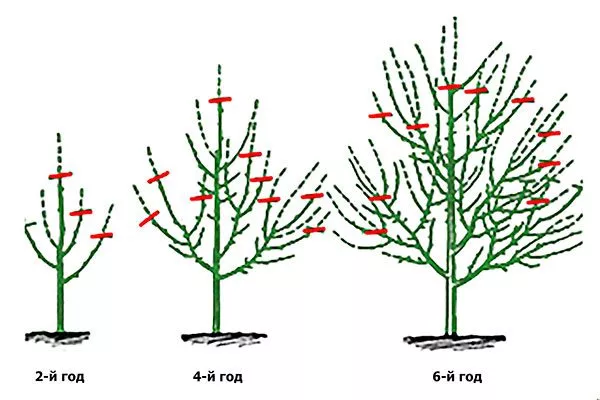
The Antey variety requires sanitation and crown-shaping procedures. These procedures help maintain health, increase yield, give the tree a well-groomed appearance, and simplify care and fruit harvesting. Follow these guidelines:
- all skeletal shoots that you leave should be as far away from each other as possible;
- arrange them in tiers;
- the trunk is supposed to rise above the other shoots;
- shorten the branches by 1/3, keeping track of the height of the main conductor;
- Do not prune too many branches in one operation (no more than 1/4 of the total mass), otherwise the tree will experience severe stress;
- When performing sanitary procedures, remove diseased, dried, damaged shoots, as well as those that thicken the crown and grow incorrectly;
- use a sharp, disinfected tool and treat the cuts with garden pitch;
- Carry out pruning during the dormant period, when there is no sap flow.
Preparing for winter
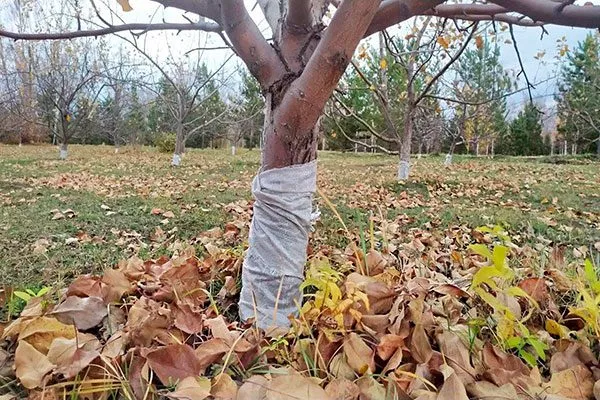
Despite the Belarusian apple tree's excellent frost resistance, it requires winter insulation in cold climates. Young trees are especially vulnerable to this. To ensure they survive the harsh season, wrap the trunk in burlap and cover the root zone with the following materials:
- spruce branches;
- mulch (hay, straw, sawdust, etc.).
To protect the bark of fruit trees from rodents, lubricate it with grease and whitewash the trunk and skeletal shoots.
Pest and disease control
The Antey apple tree is moderately resistant to pest attacks. To protect the tree from insects, treat it with a multi-action insecticide every spring. Suitable products include Nertus and DuPont.
Additionally, set up traps for parasites (sticky trapping belts), use folk remedies such as tobacco infusion.
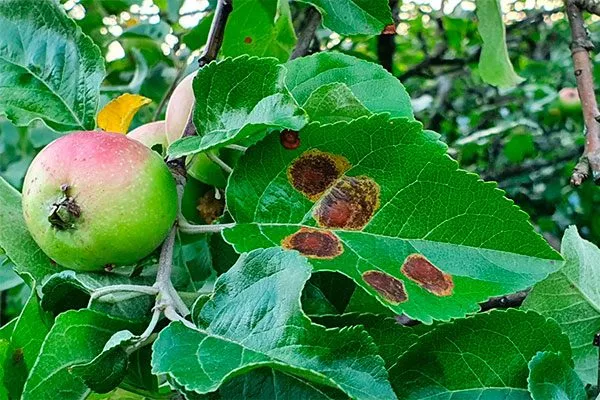
This variety is susceptible to a fungal infection called scab. It causes damage to foliage and fruit. Its development is facilitated by damp, cold summer weather. Take preventative measures and treat them when signs of the disease are detected:
- tree inspection for timely detection of the first symptoms of ill health;
- preventive use of Horus, Skor or copper sulfate solution before bud swelling;
- sanitary pruning;
- cleaning of fallen leaves and fruits.
- treatment of the fungus-affected crop with Oxychom, Bordeaux mixture, and colloidal sulfur.
Collection and storage
Harvest the fruit from the branches towards the end of September. Work on a dry day. Take care not to damage the stems or the waxy skin.
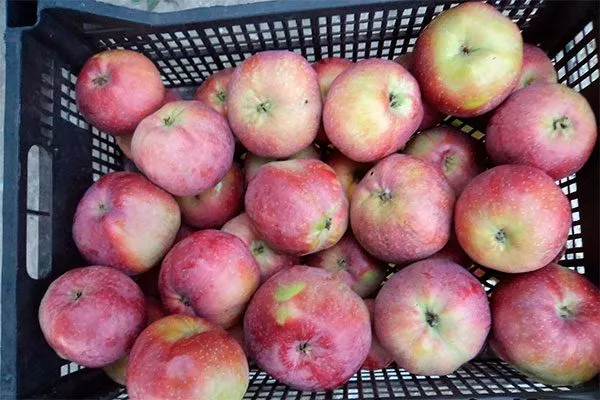
To ensure fruit storage as long as possible, store it in a cool, dry place (cellar or refrigerator). Before storing, discard any damaged or overripe fruit. To ensure shelf life for six months, maintain optimal conditions:
- temperature range: from 0°C to +4°C;
- air humidity - 85-95%.
Pros and cons
This Belarusian variety has gained popularity among domestic gardeners due to its numerous positive characteristics:
The Antey apple tree has its drawbacks, which should be considered before purchasing a seedling from a nursery. Gardeners note the following among them:
Reviews
Antey is a Belarusian winter apple variety popular with farmers and gardeners. Its tolerance to adverse conditions, particularly its excellent frost resistance, makes it suitable for cultivation in many regions of Russia. The trees produce beautiful and tasty fruit that withstands transportation well and can be stored for up to six months in cool, dry conditions.