
The Alesya apple variety is a late-winter variety. It was developed by Belarusian breeders whose goal was to develop a variety with fruit that could be stored for a long time. Their efforts were not in vain – Alesya apples retain their flavor and nutritional qualities until mid-spring, making them particularly valuable.
History of apple tree breeding and regions for cultivation
A group of specialists, including renowned scientists D. V. Grakovich, V. G. Kovalenko, and G. K. Kovalenko, successfully developed a unique Belarusian apple variety, Alesya, using intervarietal hybridization technology.
The foundation for the creation of the new variety was laid using two predecessor varieties: Banana and Belarusian Raspberry, from which Alesya inherited its best attributes.
Origin features:
- After successfully passing the tests, the Alesya variety was officially registered in the State Register of the Republic of Belarus in 1999;
- It was soon included in the Russian Register of Breeding Achievements (in 2002).
The hybrid is especially valued in areas with a temperate continental climate, where it demonstrates all its advantages, and is recommended for cultivation in the central and northwestern parts of Russia, as well as throughout Belarus.
Despite its high frost resistance, growing this variety in colder regions such as Siberia or the Urals may be impossible due to the insufficiently long growing season for the fruit to fully ripen.
Features and specifications
Alesya is a medium-sized tree, but it can take a while to mature: a mature tree can reach 400 cm. This apple tree, thanks to its attractiveness, will be a beautiful addition to any garden, and its fruit will delight you with its aromatic flavor.
The appearance of the tree
A young tree, which is only a year old, can reach almost 100 cm in height (more precisely, from 90 to 98 cm), and a ten-year-old specimen varies from 300 to 400 cm.
Varietal characteristics:
- An apple tree with a crown that can be either round and moderately dense on a dwarf rootstock, or spreading on a seed rootstock.
- The bark of the tree is dark brown, and the fruits are formed on rings.
- The branches of this apple tree are straight, brown-toned, medium to thick, growing at an angle of approximately 45 degrees from the trunk and directed upward. They have a small lenticel, and the internodes are shortened.
- The leaves are characterized by a bright greenish color, with a lighter underside, have an elongated rounded shape with a pointed end, medium pubescence, wrinkles and a rough structure.
The leaf blade is downward-sloping, slightly convex, with a slight curve at the edges. The petiole is thickened, medium-length, and not heavily pubescent. - The flower buds are pinkish-white in color, and the flowers themselves are medium-sized with rounded, hairless petals.
Description of fruits
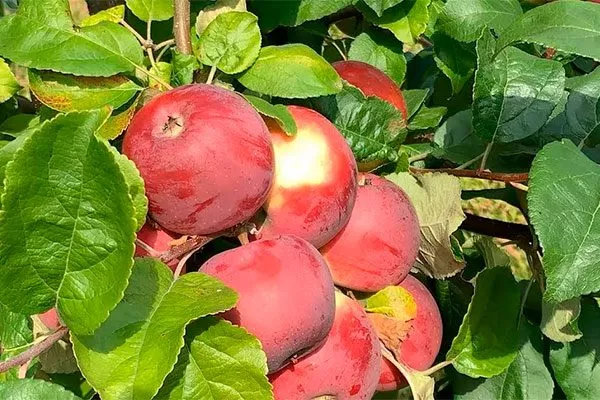
Apples are distinguished by their tightly packed clusters, forming impressive bunches. They produce fruit in abundance and can be described as follows:
- Shape and color: The fruits have a perfect round, slightly flattened shape. Their surface is smooth and shiny, and the skin is quite dense and colored green with bright red shades and spots during harvest, but later the apples acquire a yellow color with a bright red blush.
- Appearance: It can be rated highly, 4.8-5 out of 5.
- Weight: The weight of apples varies depending on the height of the tree; on tall trees they can reach a weight of up to 200 g, while on low trees they weigh less than 150 g.
- Pulp: It is light cream in color, dense, fine-grained, has increased juiciness and a pleasant sweet aroma.
- Safety: Alesya apples are famous for their durability – they can be stored from autumn to spring without losing their taste or marketability.
- Taste: It is harmonious, mostly sweet with a slight sourness, and is rated at 4.5-5 points out of 5.
- Compound: 100 g contains 8-12 mg of vitamin C (ascorbic acid), 0.97 g of acids, and 13.4-13.7 g of dry matter. The caloric value is 51 kcal per 100 g.
Apple tree pollinators, productivity
For an apple tree to produce abundant fruit, it requires pollination. This process can be accomplished by insects such as bees, or by timing its flowering with other apple varieties.
The best donor group for Alesya includes:
- Imrus;
- Pinova;
- Florina;
- Cameo;
- Braeburn and others.
The yield of this Belarusian hybrid is comparable to foreign varieties. Its productivity increases each year, and it bears fruit every year. It's difficult to predict the yield of a young tree, but:
- The State Register indicates that in the Central Black Earth District it is 60 c/ha;
- There is information that a five-year-old apple tree produces about 22 kg, while a seven-year-old tree produces up to 29-32 kg.
Apples of this variety can be picked last in the orchard, as they hold well on the branches even when fully ripe.
Ripening and fruiting
Trees begin to bear fruit at different times, depending on the rootstock they are grown on:
- trees planted on dwarf and semi-dwarf rootstocks can produce their first harvest as early as the third or fourth year;
- On trees grown on seed rootstocks, the first apples can be harvested only at the age of five to six years (although it is impossible to talk about a full harvest, it will still be possible to harvest 5-15 apples).
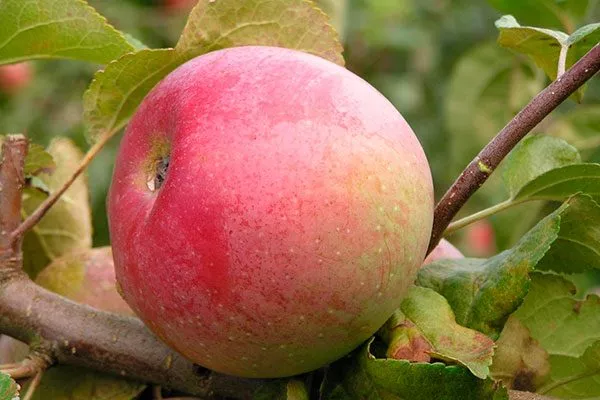
Alesya buds begin to form between April 202-25 and May 10, but this period may be delayed by adverse weather conditions (low temperatures, late frosts, or prolonged rains). Flowering continues for 10-11 days.
Subtleties of fruiting and growth:
- In the first years of its existence, the apple tree grows quite quickly, reaching an increase of 45-50 cm per year, and over time the growth rate decreases.
- Full fruiting doesn't begin until the tree's seventh to ninth year. From this point on, the apple tree begins to actively increase its production.
- Alesya is characterized by stable fruiting every year without interruption throughout its life.
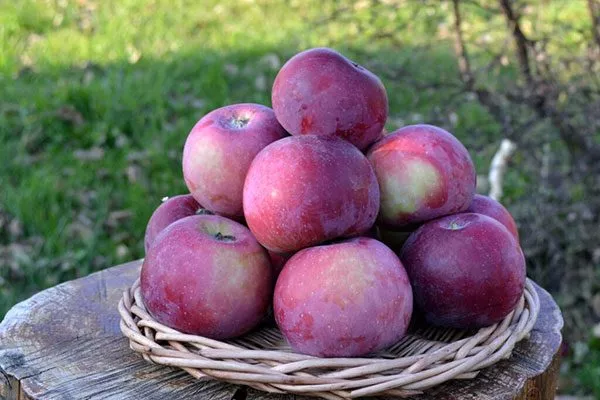
The fruit on the Alesya tree begins to ripen only after mid-October or even early November if the summer was cold and rainy. However, this is only the technical maturity, at which point the apples are typically harvested for cellar storage. Consumer ripeness occurs towards the end of December, when the apples have gained sugar and become more delicious, juicy, and aromatic.
Frost resistance
The State Register does not contain information on the apple tree's frost resistance. However, breeding experts identify the apple tree as a variety with high resistance to winter frosts and classify it as a winter-hardy crop.
At the same time, there are reports that in January 2016-2017, record low temperatures of -39.2°C were recorded in the Yaroslavl region, posing the harshest challenge for the local apple tree. During this period, the variety showed a frost resistance rating of 3 out of 5.
At the same time, it was noted that the variety has a high ability to recover from unfavorable weather conditions.
Storage of the harvest
Once the apples have been harvested, store them indoors for a while to allow the sugars to saturate and develop their full flavor. Therefore, it's recommended not to use them for food or sale until December.
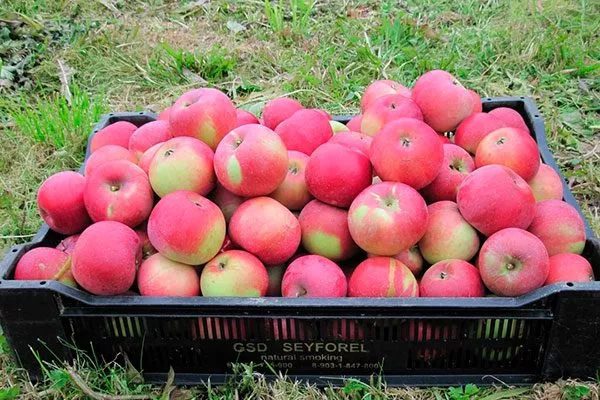
In order for apples to retain their quality for a long time, they must:
- carefully pack into wooden boxes, laying them in layers and covering each layer with thick paper;
- Store in a room with a moderate temperature of 1 to 3 degrees Celsius, in dry conditions, without direct sunlight and with good ventilation;
- Periodically check the apples for spoiled specimens, which are important to remove so that they do not affect the condition of the remaining fruits.
Rootstocks and subspecies
This young apple variety does not yet have any varietal forms, but it can be grown on a variety of rootstocks:
- On a tall rootstock, the Alesya variety can reach a height of 450 cm, although frost resistance may decrease.
- By growing it on dwarf and semi-dwarf rootstocks, it is possible to achieve a compact tree size, which makes this option the most popular.
Landing algorithm
Effective cultivation requires careful timing, adherence to planting guidelines, and selection of healthy, high-quality plants.
Landing time
It is advantageous to plant seedlings in the spring, which will allow them to gain strength by the end of summer, strengthen their root system and prepare for the first winter period.
An excellent period for planting is the last week of March or the first of April, when frosts usually stop and the soil temperature reaches +10…+12°C.
Selection and preparation of planting material
It's best to purchase seedlings from specialized stores or nurseries, where you can be sure of the variety and quality. When choosing a plant, carefully inspect the above-ground portion, checking for any mechanical damage or signs of disease, and confirming the freshness of the material.
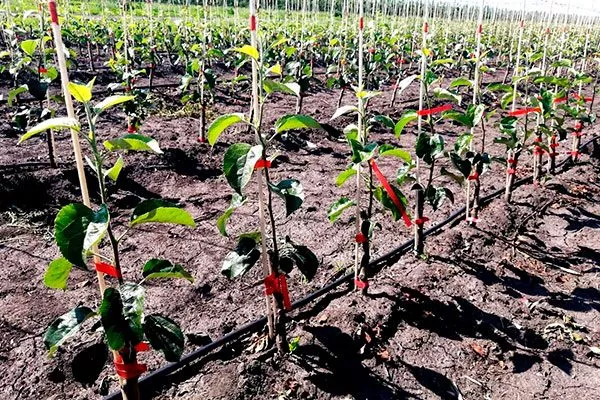
It's preferable to purchase seedlings with a closed root system and approximately two to three years old. Such planting material tolerates transplanting better and establishes more quickly in a new location.
How to plant?
The preparatory and planting stages for young trees include a number of important steps:
- A few weeks before planting, dig holes for the future trees. The holes should be 70-75 cm wide and 80-90 cm deep, with the dimensions being larger than the seedling's roots.
The distance between planting holes should be at least 400 cm, so that in the future the trees do not face a lack of space, nutrients and moisture, that is, they can develop without interference. - Install a stake to support the young trees. Place it near the center of the hole, 10-15 cm away.
- Pour drainage material into the bottom of the hole – about half a bucket (the standard container volume is 10 liters) of screenings, pebbles, brick chips or crushed stone to ensure proper drainage of excess moisture.
- Fill the hole halfway with fertile soil made from equal parts garden soil and compost. In this case, it's best to use soil taken from the top layers when digging the hole.
Add about 50-70 g of potassium sulfate and superphosphate, as well as 150-200 g of wood ash to the substrate. - Once all preparatory work is completed, carefully place the seedling into the hole so that the root collar remains above the soil level.
- Distribute the root shoots throughout the hole so that they lie freely, without bends or kinks.
- Fill the holes with the prepared mixture. As you fill, compact the substrate to prevent voids from forming.
- After this, water each tree with 20 liters of water. Try to use warm water to prevent the roots from overcooling.
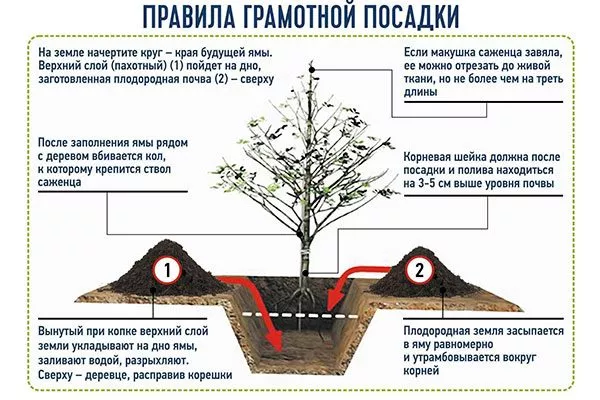
At the final stage, the seedling must be tied to a support using rope or twine, and then the space around the trunk must be mulched with humus or peat.
Care
To ensure a tree bears fruit abundantly and remains strong and healthy, it is necessary to pay attention to its care, which includes regular feeding, shaping the bush through pruning, and adequate moisture.
Watering
During the first few months after planting, water the seedling daily (except on days when it rains). Later, once the tree is established, five waterings per season will be sufficient, with each apple tree needing approximately 35-45 liters of water.
- the first time irrigation should be carried out at the beginning of spring;
- the second - before budding begins;
- the third - after flowering is complete;
- fourth - during the formation of fruits, but when the apples are almost ripe, watering should be stopped, since excessive moisture can lead to cracking of the fruits and their wilting;
- the last one should be carried out shortly before the onset of cold weather (this procedure is called moisture charging).
After each watering, fertilize the soil around the tree trunk by mulching with organic matter (compost, peat mixed with straw, green grass, etc. are suitable). Avoid overwatering during rainy periods.
Top dressing
If you planted a tree in the fall, the first fertilizer application should be done approximately one and a half to two months after the first winter frosts. Choose a low-nitrogen mixture and distribute it around the trunk. When the snow melts in the spring, the tree's root system will receive important nutrients that will promote healthy growth.
For further feeding, follow the following sequence:
- In early spring, use nitrogen-containing fertilizers for trees;
- Before the buds begin to open, use compositions containing phosphorus and calcium;
- two weeks after flowering ends, add nitrogen, calcium and phosphorus;
- After the tree has leafed out, apply fertilizers containing phosphorus and calcium, but with a minimum nitrogen content.
Trimming
Alesya doesn't require special pruning, but it's important to perform sanitary and maintenance pruning. The optimal time for this is spring, before the buds begin to swell, or fall, after the growing season has ended.
Prune a young tree a year after planting. Remove one-third of the growing branches. Any diseased or damaged shoots should be removed first.
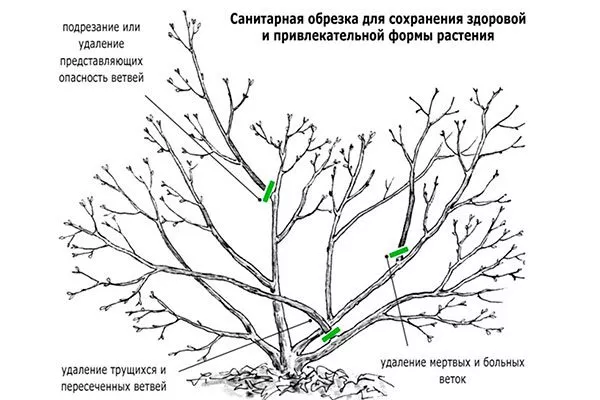
Branch pruning is carried out in the following cases:
- to extend the growing season;
- to make the tree more resistant to low temperatures;
- to stimulate early fruiting.
Pruning allows you to control the number of buds, which positively impacts the growth and ripening of larger apples. In the first year of the tree's life, all flower buds should be removed, and in the second year, half of them.
Protection from frost and rodents
In central and middle parts of Russia, simple sheltering methods are sufficient to protect apple trees from winter frosts:
- before the first autumn frosts, the soil around the roots is covered with mulch;
- then add fallen leaves, spruce branches or use special material to protect plants.
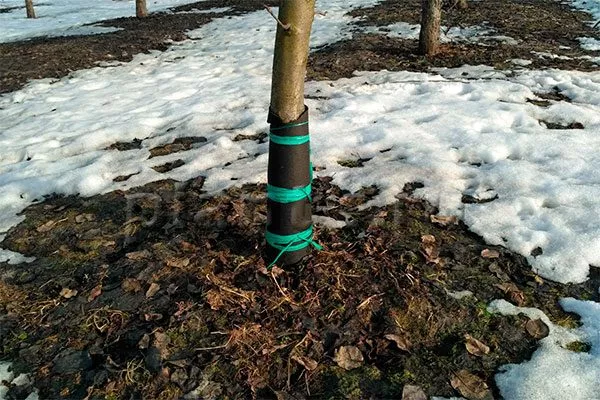
When snow falls, tree trunks are covered with a snow canopy. Trunks can be wrapped with bags, agrofibre, roofing felt, or roofing felt. In cooler areas, it is recommended to cover the roots with a 10-15 cm layer of soil in the fall and apply mulch on top.
Pest and disease control
Apple trees have good resistance to fungal diseases such as powdery mildew and scab. If the tree does become infected, it may indicate poor care or infection of neighboring plants. Improper planting and care can also lead to the following diseases:
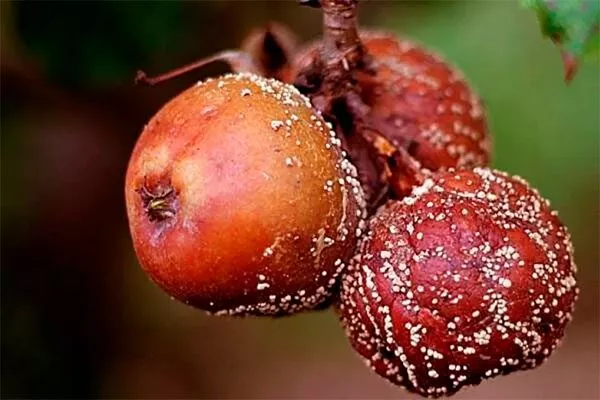
- Fruit rot. It causes fruit spoilage, manifesting itself as hardened flesh and an unattractive appearance. Treatment involves removing infected fruit, then treating the tree with a solution of iron or copper sulfate.

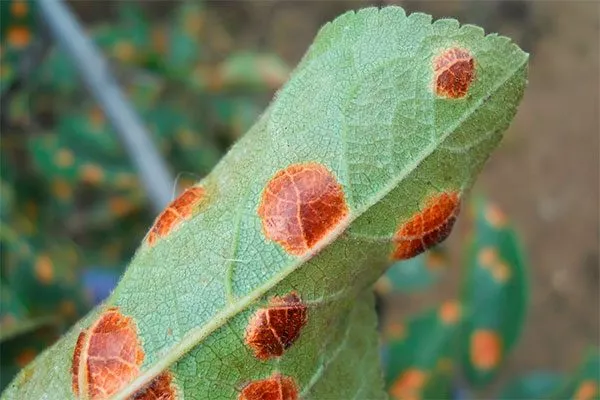
- Rust. It manifests itself as brown and reddish spots on the leaves, which eventually lead to yellowing and death of the foliage. Treatment involves copper sulfate or Bordeaux mixture.
Among the pests that can attack the plant are caterpillars and aphids. It is essential to respond quickly to their appearance and take control measures, otherwise the tree will lose its ornamental appearance, yield will decrease, and growth will be stunted.
Insecticides are used to destroy pests:
- Fitoverm;
- Karbofos;
- Aktar.
To prevent disease, treat trees with fungicides annually. In early spring and late fall, spray the soil around the tree and its crown with copper sulfate or Bordeaux mixture.
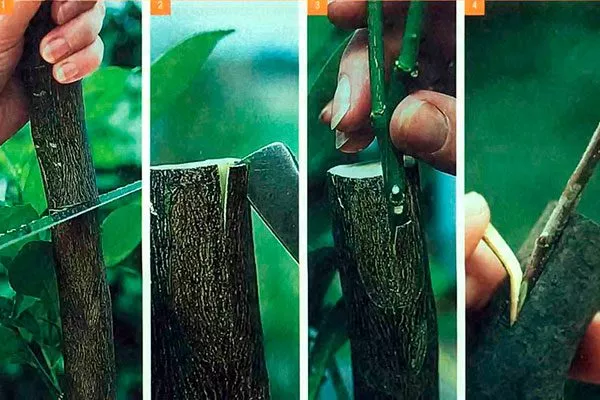
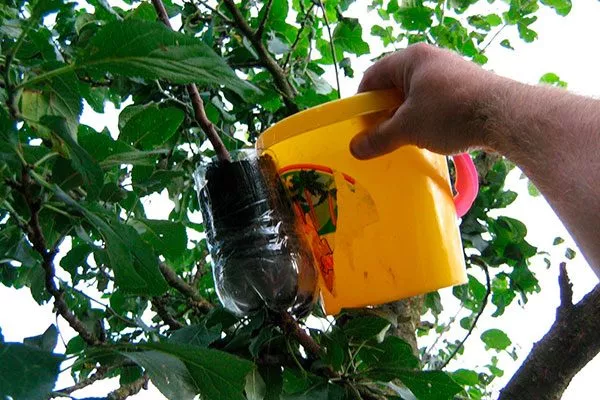
Methods of apple propagation
To renew apple orchards, expand their variety range, or save individual plants from extinction, apple tree propagation is necessary. This can be accomplished using various methods:
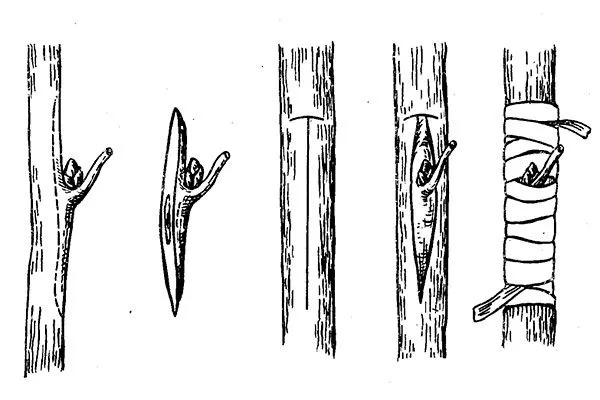
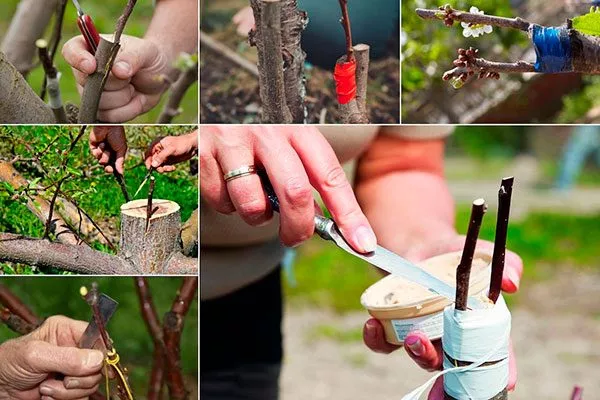
- Method of grafting-budding. The optimal time for this method is spring, when the plants begin active growth. One-year-old shoots with terminal buds are inserted into a young tree, where a T-shaped rootstock is first created. The graft is secured with tape for support.
- Technique of grafting on a stump. The old branch is removed, leaving a stump on which cuts are made and cuttings are inserted, after which the rootstock is fixed until it is completely healed.
- Bark grafting method. The cutting is placed into a cut in the bark and fixed.
- Method of using air layering. A cut is made on the fruiting branches, which are then immersed in a moist substrate, such as mineral wool for hydroponics.
By maintaining constant moisture, after some time roots will appear in this place, forming a ready-made seedling with a root system, which is then separated and replanted.
Pros and cons
Alesya apples remain on the branches once they reach maturity, significantly increasing their commercial value. But the variety also has other advantages:
No critical defects have been identified in the variety, but some gardeners point out that the taste of the fruits is not the best.
Reviews
Alesya is considered one of the best late-winter apple varieties due to its many characteristics—excellent storage quality, excellent fruit flavor, and resistance to low temperatures and some diseases. The tree requires little care and bears fruit annually.