
The Újfehértóy Fürtós cherry is distinguished by its versatility, high yields, and resistance to the main cherry diseases and pests. Despite its Hungarian origins, the variety adapts well to domestic climates, making it suitable for cultivation even in harsh winters.
Breeding history
The Újfehértóy Fürtós cherry variety, developed by Hungarian breeders, descends from the Pandi variety. Through selective breeding, they succeeded in creating a new variety with unique qualities and superior fruit, distinguished by high frost resistance down to -32 degrees Celsius.
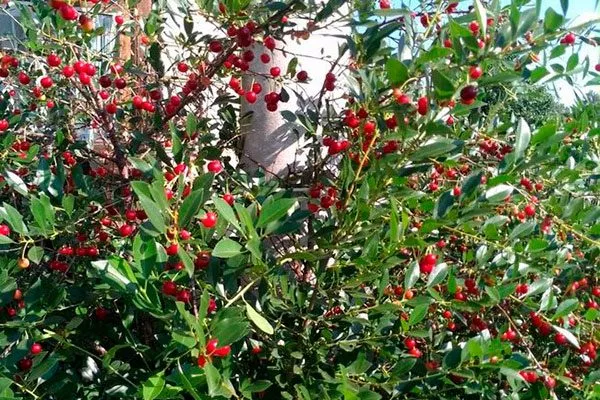
Description of the plant and fruits
This cherry tree is considered a common variety and is medium-sized. Experienced gardeners easily recognize the variety by its external characteristics:
- crown – pyramidal, but compact;
- thickening – moderate;
- foliage – large in size, dark green in color, oval-elongated in shape;
- leaf blade – with serrated edges and a fold along the central vein;
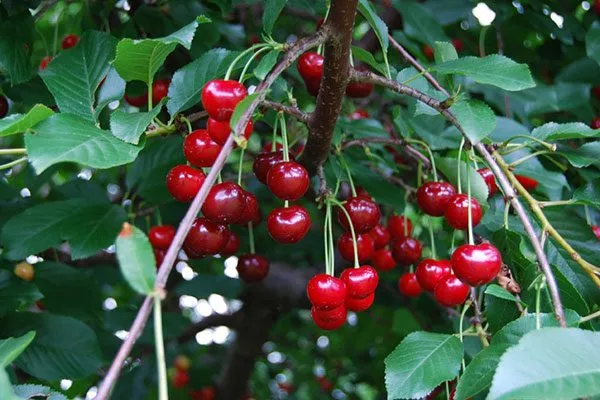
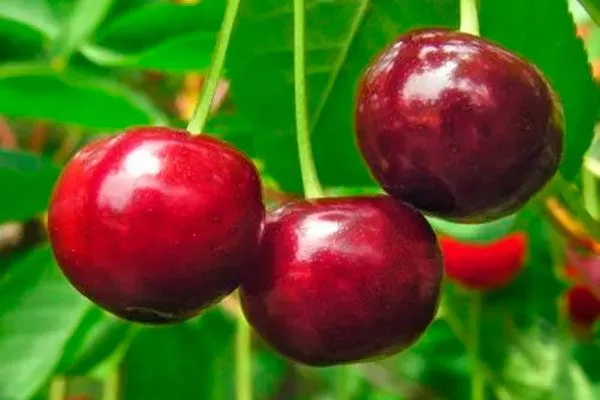
- berries - quite large, their weight is 4.5-4.9 g;
- skin color – dark red;
- fruit shape – rounded;
- pulp – increased juiciness, dark red;
- bone – small, easily removed from the pulp;
- the top of the berry – concave;
- depression at the base – medium type;
- side seam – small in size, poorly expressed;
- peel – refined yet strong;
- subcutaneous inclusions – multiple;
- surface – shiny.
Taste and purpose
The fruits have a sweet flavor with a pleasant tartness, giving this variety a unique charm. These cherries are suitable for a variety of culinary uses, including wines, jams, compotes, and products intended for drying and freezing. The juice is a rich, dark red.
Ripening and fruiting
Ujfehertoy Fürtos ripens mid-season. Trees begin bearing fruit in the third year after planting, and the harvest can be collected throughout the first two weeks of July. This variety is characterized by regular and annual fruiting.
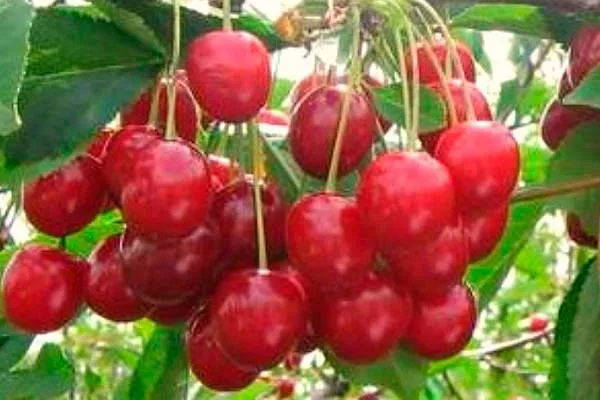
Flowering lasts about a week, with the fruits ripening simultaneously in late July in the south or early August in the central part of the country. The variety is resistant to fruit drop, allowing them to remain on the branches for a long time.
Productivity
The Újfehértóy Fürtös variety produces a high yield—an average of 20-25 kg of fruit per tree. This yield makes it popular among gardeners and farmers.
Self-fertility and the need for pollinators
The tree is self-fertile, but to improve yield it is advisable to have other cherry trees nearby, which will promote more effective pollination and the formation of a larger number of fruits.
Requirements for soil and climatic conditions
The variety thrives in temperate climates, preferring fertile soils with good moisture retention. Trees require adequate light and protection from strong winds.
Resistance to diseases and pests
Ujfehertoy Furtosh stands out for its resistance to diseases, including coccomycosis and moniliosis, which simplifies its cultivation and minimizes the need for chemical pest control.
Landing
When planting cherries, choose sites with well-drained, neutral soil and avoid low-lying areas with stagnant cold air. The planting hole should be approximately 55-65 cm deep and up to 75-80 cm in diameter.
- ✓ The soil pH level should be strictly within 6.5-7.0 for optimal nutrient absorption.
- ✓ The depth of groundwater should not exceed 1.5 meters to prevent rotting of the root system.
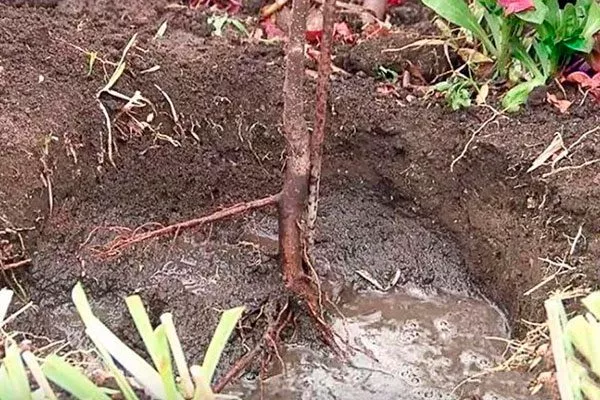
The top layer of soil is mixed with organic and mineral fertilizers (except nitrogen-containing ones) and charcoal. After planting, it is important to water the plant thoroughly and mulch the area around the trunk to retain moisture and prevent weed growth.
Cherry tree care
In the first year, caring for a planted cherry tree consists of the following mandatory procedures:
- regular watering to provide moisture;
- loosening the soil to improve its structure and air permeability;
- mulching tree trunks to protect the root system and retain moisture.

With the onset of the fruiting period, fertilization begins:
- organic (rotted manure, compost) are applied once every few years;
- phosphorus-potassium - in the fall to prepare the plant for winter;
- Nitrogen fertilizers are applied in the spring to stimulate vegetative growth.
- In spring, before the growing season begins, apply nitrogen fertilizers at a rate of 30 g per 1 m² of the tree trunk circle.
- In the fall, after harvesting, apply phosphorus-potassium fertilizers at a rate of 40 g per 1 m² of the tree trunk circle.
- Once every 3 years, in the fall, add organic fertilizers (rotted manure or compost) at a rate of 5 kg per 1 m² of the tree trunk circle.
Additionally, after flowering, it is useful to feed the tree with phosphorus-potassium fertilizers twice at intervals of two weeks.
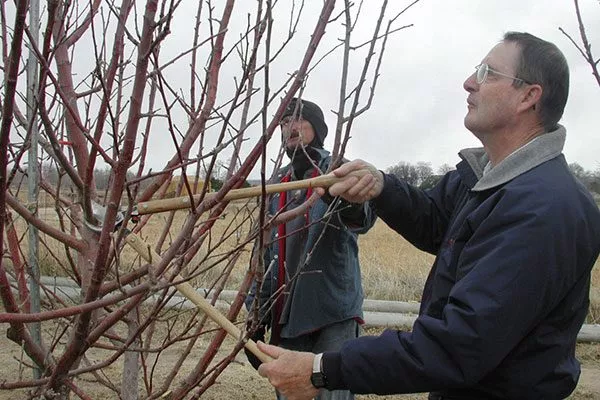
Due to its tendency to grow quickly, cherry trees may experience crown thickening, so proceed as follows:
- Branches longer than 45-55 cm should be pruned. A lighter, more sparse crown promotes long-term preservation of fruiting branches, improves the quality and size of fruit, and promotes healthy foliage.
- The optimal crown shape for this tree is sparsely tiered.
Preparing for winter
Preparing cherries for winter includes the following steps:
- you need to bend the branches and remove old, damaged or dry ones;
- cover the pressed shoots with tops or straw;
- cover the soil around the tree with a layer of snow, if there is enough of it;
- Protect the tree trunk by wrapping it in paper or putting on a burlap cover.
It's important to consider the plant's age. Young plants require more careful protection from the cold:
- before frost, their tree trunks are mulched with a layer of compost or humus at least 10-12 cm thick;
- cover with cardboard or other light non-woven material to prevent pests from damaging the bark;
- After the first snowfalls, the tree trunk circle is additionally insulated with snow sprinkled with straw or wood sawdust.
A protective layer of mulch is sufficient for a mature cherry tree, but avoid allowing it to come into contact with the trunk to prevent bark rot. In severe winters, the trunk can be insulated with spruce branches.
Reproduction
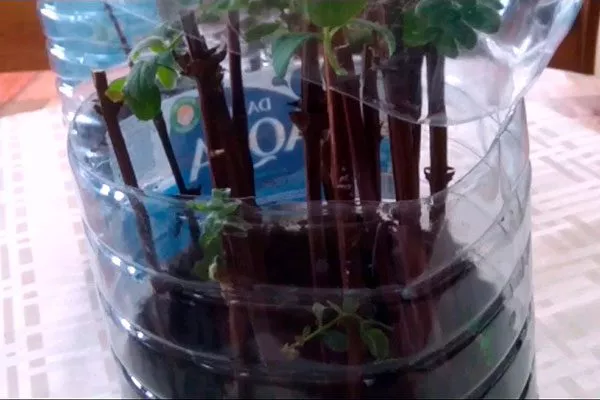
The Újfehértóy Fürtös variety can be propagated using three methods: cuttings of green shoots, grafting onto cherry trees, and root suckers. Before you begin growing trees in your garden, carefully familiarize yourself with each propagation technique and choose the best option for you.
Use for medicinal purposes
Cherries are a valuable source of nutrients, consumed fresh and processed. Rich in macro- and micronutrients, they help improve metabolism and eliminate toxins and excess cholesterol. Research shows that daily consumption of cherries in certain quantities inhibits cancer cell growth due to the ellagic acid they contain.
Reviews from summer residents
The Újfehértóy Fürtös cherry is characterized by its low maintenance, ease of planting, and excellent taste. The berries can be used for cancer prevention and to cleanse the body of harmful substances. The fruit is heat-resistant, preserving all its beneficial substances.