
Cerapadus is a stone fruit crop not found in nature. It is a man-made hybrid that inherits the best qualities of its parent plants. Let's learn about the crops that are Cerapadus's ancestors, what it is, and how to plant and grow it.
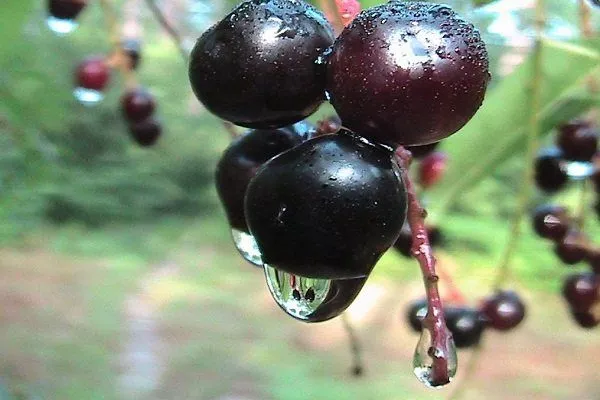
Cerapadus
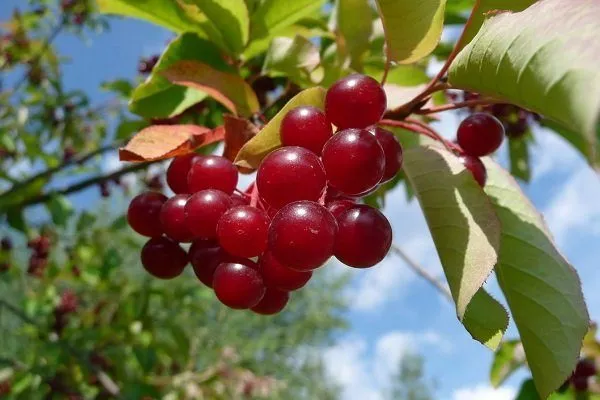
Cerapadus tastes sweet and sour
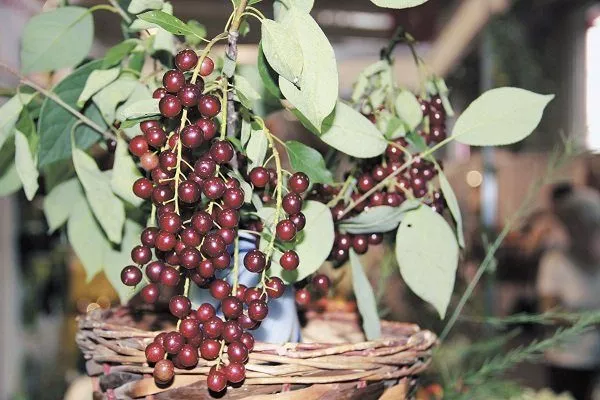
Cerapadus has high frost resistance
History of appearance
Cerapadus was first obtained by I.V. Michurin by crossing steppe cherry and Japanese bird cherry (Maack's chokecherry). Attempts to cross cherry with common bird cherry were unsuccessful.
The cherry tree served as the mother plant when developing the hybrid. The name of the new stone fruit comes from the Latin names of the parent plants: Cerasus (cherry) and Padus (bird cherry).
A hybrid in which the parent plant is not a cherry, but a Maack bird cherry, is called not a cerapadus, but a padocerus – the parts of the word are reversed.
The first cerapadus trees had strong roots and a strong immune system, but their fruits were small and bitter, smelling of hydrocyanic acid. Therefore, they were primarily used for vegetative propagation – they make excellent rootstocks for fruit trees.
Description and characteristics
Cerapadus is a self-fertile tree, requiring no pollinators. In appearance, the hybrid resembles a large, heavily foliated cherry tree with numerous branches and shoots. When flowering, the tree resembles a bird cherry, but its flowers are much less fragrant.
Brief description of Cerapadus:
- crown – thick and dense, well-foliated;
- leaves - oblong, similar to cherries;
- root system - powerful, deeply penetrating;
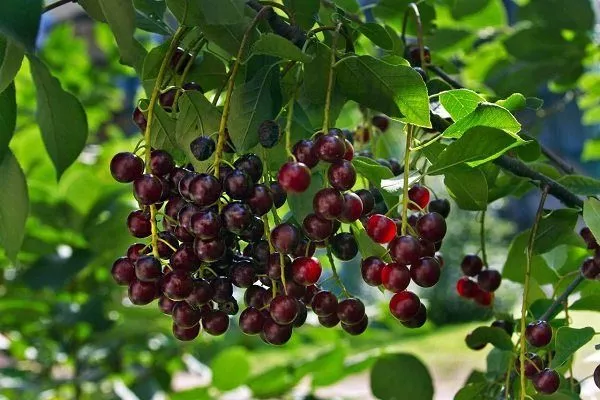
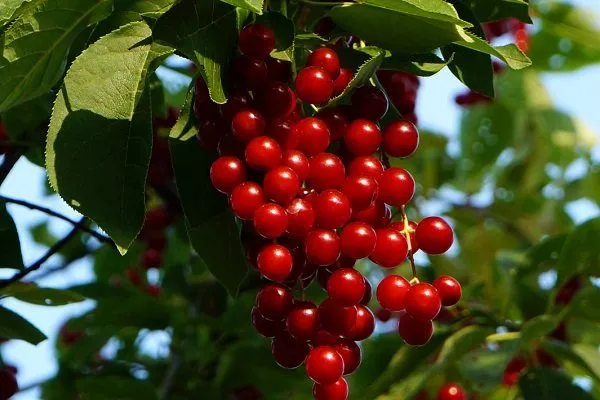
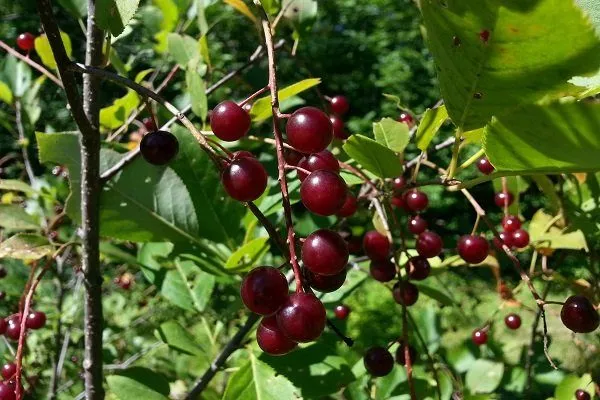
- fruit – round, dark, weighing about 1.5 g, sweet-sour and sugary.
Cerapadus fruits are versatile: they are eaten fresh and used for preserves, such as juices, compotes, and jams. A single tree yields 10-15 kg of berries.
Cerapadus inherited bird cherry's high frost resistance, so it thrives far beyond the temperate zone. All cultivars (varieties) created from the first Cerapadus hybrids are distinguished by their frost resistance, high immunity, high yield, and large fruit size.
Cerapadus berries are used in folk medicine, treating the eyes, respiratory system, colds, and gastrointestinal problems.
Popular varieties
| Name | Ripening period | Disease resistance | Fruit size |
|---|---|---|---|
| Novella | Mid-early | High | Large |
| Rusinka | Late | High | Average |
| Meeting | Average | High | Large |
| In memory of Lewandowski | Average | High | Large |
Thanks to selective breeding, dozens of cerapadus varieties exist today. While differing in nuances, they all boast high frost resistance and high yields—these are the hybrid's main advantages.
The most popular varieties of cerapadus:
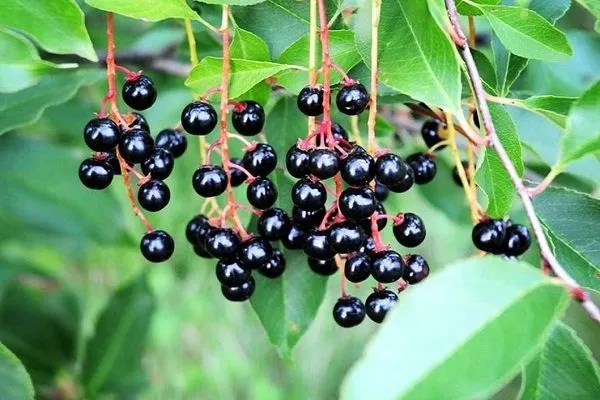
- "Novella". A self-fertile, mid-early variety. Tree height: 3 m. Fruits are large, black, glossy, weighing up to 5 g. Can withstand severe frosts.

- "Rusinka". A self-fertile late-ripening variety. It usually grows in a bush-like habit. The tree grows up to 2 m tall. The berries are medium-sized, black, weighing 3-4 g. They make a delicious jam with a unique flavor.
- "Meeting". Height: up to 2.5 m. Berries are dark coral in color. Each fruit weighs 4-5 g.
- "In Memory of Lewandowski". A self-sterile variety. Cherry-colored fruits weigh 4-5 g. Bush height: up to 1.8 m.
Landing features
Cerapadus is planted according to the rules and schemes for planting fruit trees. The main thing is to consider the hybrid's growing conditions and properly prepare the planting site and seedlings.
Deadlines
Cerapadus seedlings, like other garden crops, are planted in the fall and spring. The choice of season depends on the gardener's preferences and, to some extent, the climate—the harsher the winter, the more advantageous spring planting is.
Recommended planting times:
- In the spring. Planting begins after the snow melts, approximately mid-April.
- In autumn. Before the first frost. The seedlings should have 3-4 weeks to root. If they don't have time to take root, they may be damaged or even killed by frost in the winter.
Cerapadus seedlings quickly adapt to a new location thanks to their well-developed root system and large reserves of vital energy.
Choosing a location
The main requirement for a site for planting cerapadus is exposure to the sun and moderately fertile soil with neutral acidity.
Adverse factors:
- fences or other barriers that impede the passage of air flows;
- high groundwater level – less than 1 m.
But on the north side, barriers are welcome – they will protect the tree from gusts of cold wind.
Cerapadus is recommended for planting near apple trees. It protects them from many insect pests, promoting healthy growth and development.
There's no need to cultivate the soil before planting. All necessary fertilizers will be added to the planting hole. If the soil is very poor, it's recommended to fertilize it by adding compost during digging – one bucket per square meter.
Acidic soils are deacidified with slaked lime. Apply 0.2 to 0.5 kg of slaked lime per square meter, the dosage depending on the soil's acidity level.
Selecting and preparing a seedling
Don't buy cerapadus seedlings at the market—they might sell you a completely different plant. Buy planting material from nurseries; they sell high-quality seedlings that match the stated varieties.
- ✓ Presence of live buds along the entire length of the seedling.
- ✓ No signs of fungal diseases on the bark and leaves.
How to choose a healthy seedling:
- discard specimens with damaged, dried, broken, or diseased roots;
- give preference to medium-sized seedlings;
- the roots should be of medium density;
- branches - whole, healthy, without damage;
- bark - dark brown.
Planting Cerapadus
For self-sterile cerapadus, it's essential to purchase a couple more pollinator varieties. For example, the popular 'Novella' produces best fruit alongside the 'Vladimirskaya' and 'Zhukovskaya' varieties.
Even self-fertile varieties need pollinators, since due to weather conditions or other factors, they can become partially self-fertile, resulting in many empty flowers appearing among the flowers.
Planting holes for spring planting are prepared in the fall. For fall planting, dig them 2-3 weeks before planting. If the holes weren't prepared in the fall, dig them again in the spring at least a couple of weeks before planting.
Cerapadus planting order:
- Prepare the root system of the seedlings by soaking them in water, or even better, in a Kornevin solution.
- Prepare standard 60x60 cm planting holes with intervals of 2.5-3 m. The distance between rows (if you are planting many trees) is 3-3.5 m.
- Prepare the soil mixture. Mix humus and the topsoil obtained from digging the hole in a 2:1 ratio. Add 100 g each of phosphorus and potassium fertilizers.
- Fill the hole with soil mixture to form a mound. Do not level it.
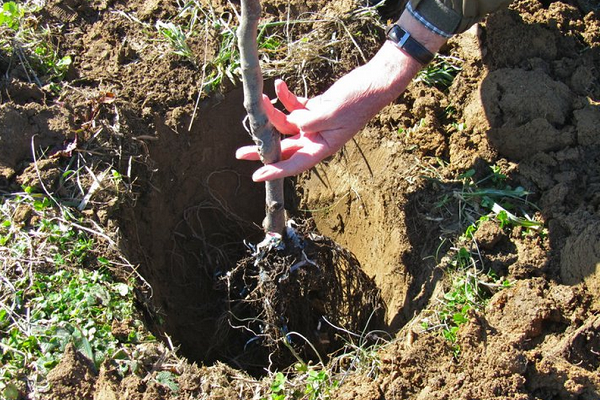
- Place the seedling in the hole, spreading the roots along the mound of earth. Fill the hole halfway with soil.
- Firm the soil and add 10 liters of warm water to the hole. Once the water has been absorbed, fill the hole to the top and add another 20-30 liters of water.
- After the water has been absorbed, sprinkle the soil with peat, wood shavings or other mulch.
Care and cultivation
Cerapadus, like its ancestors, requires little maintenance. A few standard treatments annually and occasional provision of the tree's essential water and nutrient needs are sufficient.
Watering and fertilizing
The cerapadus has strong roots, which help it cope with temporary moisture deficits. The trees require watering for the first two years after planting. Subsequently, the hybrid does not require artificial watering; it receives sufficient moisture from rainfall.
Young trees are watered according to weather conditions. The soil should not dry out completely. As soon as the soil dries to a depth of 2-3 cm, the cerapadus is watered. When the soil dries out slightly, it is carefully loosened.
Cerapadus is fed three times during the season:
- in early spring, add 1 tbsp of nitroammophoska per tree;
- during flowering, after watering and loosening the soil around the trunk, add potassium sulfate and superphosphate - 10 g each;
- After harvesting, wood ash is added - 400 g per tree.
Fertilizers are applied 2-3 years after planting. Until then, the young tree receives sufficient nutrients from the soil placed in the planting hole.
Pruning and crown shaping
With the help of formative pruning, cerapadus can become either a standard tree or a shrub – the choice depends on the characteristics of the specific variety.
Features of the formation of cerapadus:
- To make the plant look like a bush, leave 3-4 strong shoots, and cut the rest to 0.7-0.8 m.
- When standardizing, the trunk is made 0.6 m high. The crown is formed from 2-3 tiers, each of which contains 3-4 skeletal branches.
Crown shaping is a complex process, so many gardeners skip it, letting the tree grow as it pleases. If it's well-cared for, it will produce a bountiful harvest even without formal pruning. However, it cannot do without sanitation.
During sanitary pruning the following branches are removed:
- dry;
- sick;
- deformed;
- damaged by diseases, frost, pests;
- thickening the crown, and in the shrub form - the above-ground part.
Reproduction of a hybrid
Cerapadus is propagated using a simple and proven method: from shoots growing near the trunk. The hybrid, like the cherry, has plenty of these.
How to propagate cerapadus from root suckers:
- Dig up the shoot.
- Transplant it into the prepared planting hole.
- If the soil is infertile, apply fertilizer.
- Water the planted shoot.
The second method of propagating cerapadus is by cuttings. Planting material is collected from plants that have entered the peak fruiting stage. The hybrid used for cuttings must be at least five years old.
How to propagate a hybrid by cuttings:
- Cut planting material from the tips of young shoots. The cuttings are approximately 8 cm long.
- Place the cut shoots in a nutritious soil mixture and place in a shaded area.
- When the cuttings take root, transplant them to a permanent location.
Protection from diseases and pests
The hybrid, with its strong immune system, rarely gets sick. It's even less susceptible to insect attacks. Such trees don't exist in nature, so pests don't like the taste of the fruit and leaves—after tasting them, they move on to find more appealing food.
But to ensure that there are no problems, the tree is sprayed:
- Early spring. Cerapadus is sprayed before the buds open. This treatment helps prevent potential diseases and pest attacks. The most popular and versatile solution used is 1% Bordeaux mixture.
- During the growing season. The crown and the soil beneath it are treated with biological preparations, such as "Planriz", "Boverin", "Aktofit", etc. Additional treatments against fungal infections are not required for cerapadus.
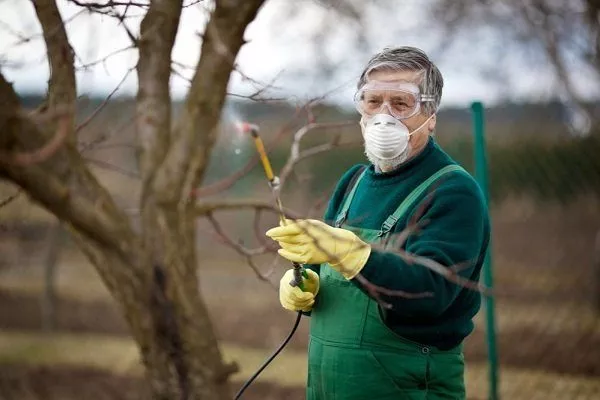
Insects are not interested in the hybrid where there are plenty of alternative prey. If left with no choice, they may attack the cerapadus. Potential pests include weevils, leaf miners, bird cherry moths, hawthorn moths, and aphids.
If pests do appear on the hybrid, it should be sprayed with an effective insecticide, such as Aktara or Karbofos, at least 20-30 days before harvest. Another option is Fitoverm, a broad-spectrum biopreparation with low hazard to humans.
Harvesting
Cerapadus fruits ripen before frost sets in. Harvesting, depending on the plant's shape and height, is done from the ground or from a stepladder. The hybrid's berries are small, making harvesting quite labor-intensive.
Cerapadus in shrub forms, thanks to its rapid growth, unpretentiousness, endurance and dense crown, is ideal for creating living decorative hedges.
Cerapadus isn't exactly a popular crop among our gardeners and summer residents; many aren't even aware of its existence. Now you know all the benefits of this interesting hybrid and can plant it in your garden as soon as it's time to plant.