
Gardeners and gardening enthusiasts face the challenge of choosing the right cherry variety due to the wide range of options. Tamaris is especially popular, recognized for its impeccable characteristics and delicious berries. With proper care and minimal effort, you can grow a strong and fruitful tree.
History of selection and region of breeding
Breeders led by T. Morozova crossed a seedling of the Shirpotreb Chernaya variety with a chemical mutagen. They succeeded in achieving their goals. The variety was named Originator.
Appearance of Tamaris cherry
Ideal for landscaping small gardens, it takes up little space and is often used as a hedge. A detailed description is provided below.
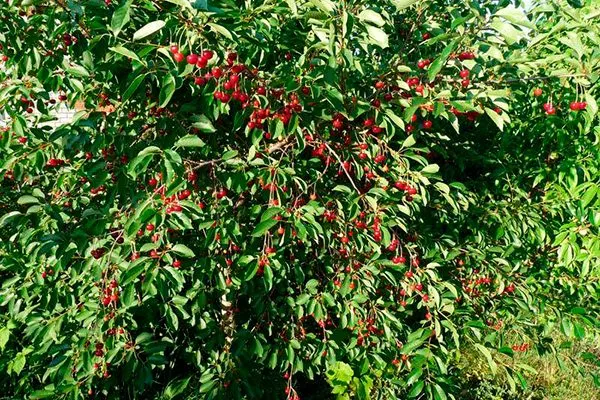
Tree
It is a low-growing variety, giving the mature plant a natural dwarf appearance. A significant advantage is its high yield combined with its compact size. A mature plant does not exceed 2 m in height. Some specimens can reach up to 2.5 m.
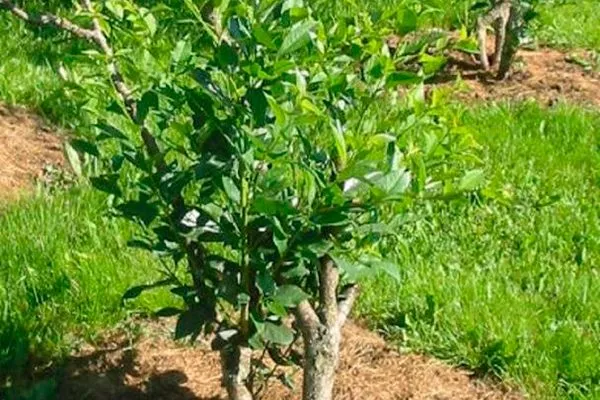
Characteristic features:
- The crown is spreading, but not too dense, has a rounded shape and a pronounced upturn.
- The bark on the main branches and trunk has a brown tint.
- The shoots are long, with a small number of lenticels formed, and the buds are oval in shape.
- The leaves are smooth, pubescent, with teeth along the edges of the leaf blade, and their petioles are short.
The inflorescences consist of medium-sized white rose-shaped flowers.
Fruits and taste
They are distinguished by their large size, round shape, and rich dark red hue. The pit is large, and the flesh has a juicy, sweet-and-sour flavor. The acidity is moderate, with the sweetness predominating.
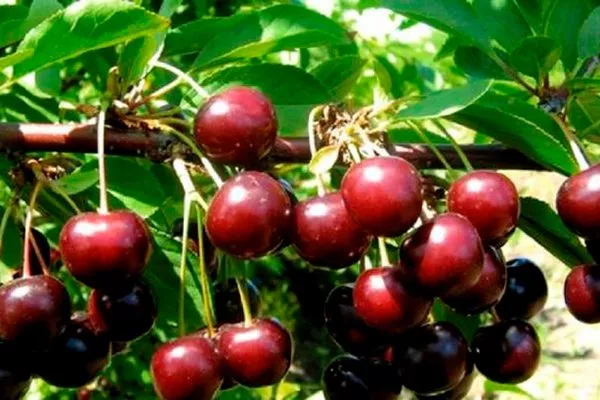
They are rich in vitamin C, with 38 mg per 100 g. The sugar content is almost 10%, and the acid content is 1.67%. Each cherry weighs approximately 5 g. Transportability is rated as average, so gardeners strive to quickly sell or process their harvest.
- ✓ Self-fertility, eliminating the need for additional pollinators.
- ✓ Resistance to coccomycosis, which significantly reduces the need for chemical treatments.
Brief description of the variety
It's important to take a closer look at the key characteristics of this plant that attract gardeners and make it a favorite choice for planting. Below are the characteristics of Tamaris.
Drought resistance, winter hardiness
It is distinguished by its resistance to winter cold, withstanding temperatures down to -24°C even without shelter. Its drought tolerance is average, so regular irrigation is recommended during periods of severe drought and high temperatures.
Pollination, flowering period and ripening time
It possesses a unique self-fertility, bearing fruit on bouquet branches, with ovaries forming while the flowers are still closed. Thanks to this characteristic, the variety is capable of producing fruit independently, without the need for additional pollinators.
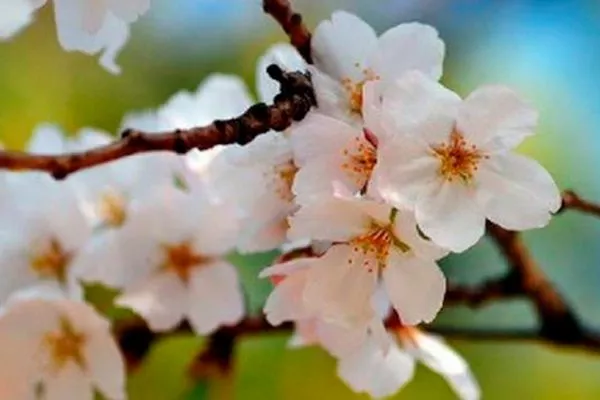
It has a late ripening period, ensuring fruit formation when the risk of spring frosts is minimal. Ripening occurs from mid-July to early August.
Productivity, fruiting
Berries begin to appear within 2 or 3 years after planting. Gardeners harvest up to 10 kg of ripe berries per season from a single mature plant.
With industrial cultivation, the yield increases significantly. On a large scale, up to 80 centners can be obtained per hectare.
Application of berries
They have a wide range of uses thanks to their excellent taste and quality. Fresh, the aromatic and juicy fruits can be enjoyed as a dessert or added to fruit salads. They are ideal for making juices and drinks.
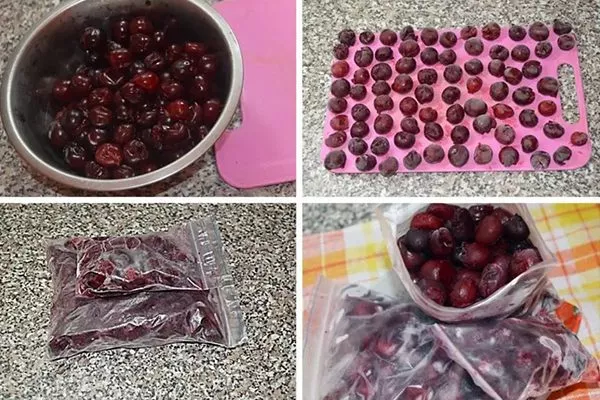
They retain their shape, moisture, and flavor perfectly when frozen. This opens up the possibility of creating delicious and healthy desserts, such as ice cream and pies, or using frozen berries as a cocktail additive.
They are used to make preserves, jellies, and compotes, and are also used for drying. They can also be eaten as a healthy and tasty snack.
Resistance to diseases and pests
It exhibits disease resistance and is particularly valued for its ability to cope with coccomycosis. Other fungal diseases rarely affect the crop. It is rarely attacked by pests.
What crops can and cannot be planted next to cherries?
When growing various crops in the garden, choosing the right neighbors influences development, fruiting, and yield. For the Tamaris variety, a plot located near cherry, grape, or hawthorn trees is considered preferable.
Planting close to apple, pear, plum, apricot, or cherry plum trees is not recommended. The optimal distance between cherry trees and unwanted neighbors is 6 m.
Advantages and disadvantages
Before planting, it's important to weigh the pros and cons. The plant has many advantages:
Among the disadvantages, gardeners note average transportability and the need for frequent pruning and crown shaping.
Landing features
Planting can be done in spring or fall. For northern regions, spring planting is preferable to avoid winter freezing of the seedlings and improve yield.
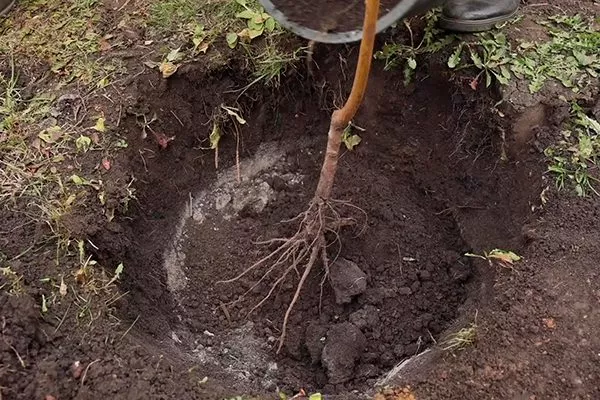
The plant prefers full sun, so choose spacious, sunny sites, such as wind-free slopes or hills. Soils with a mixture of clay and sand are preferred.
- ✓ The optimal soil pH should be in the range of 6.0-7.0. If the pH deviates, the acidity must be adjusted.
- ✓ The depth of groundwater should not exceed 1.5 m to prevent rotting of the root system.
If the soil is acidic, apply a wood ash solution to neutralize the acidity. When planting multiple seedlings, maintain a distance of at least 3.5 m between them.
Step-by-step instructions:
- Prepare the area by removing debris and remains of last year's plants.
- Treat the soil with HOM or Bordeaux mixture solution to disinfect.
- Dig a hole measuring 60x60 cm, mixing the top layer of soil with humus and adding superphosphate or ash.
- Soak the seedlings in room temperature water for 4 hours before planting to ensure the roots receive sufficient moisture.
- Place the seedling in the hole and install a wooden stake nearby to protect it from the wind.
Fill the base of the seedling with soil and compact it. For the first two days, water the plant regularly with warm water and mulch it with grass clippings, hay, leaves, or sawdust.
Subsequent care of the culture
Proper and regular care is essential for successful cultivation. This includes several key aspects:
- Watering. Provide moderate watering during the first two years – 4-5 times per season. Dig a trench 50 cm from the trunk and add room-temperature water. Mulch the soil to ensure deep penetration of moisture and prevent evaporation.
Water mature trees in the spring and after flowering, reducing the amount of moisture during the fruit ripening period. - Fertilizers. Mineral and organic fertilizers are used to strengthen the plant's immune system and improve fruit quality. Starting in the second year after planting, use ammonium nitrate, urea, superphosphate, and compost. Avoid overfertilizing to avoid harming the plant.
- Pruning and crown shaping. Perform this procedure in spring, summer, or fall. This process affects the tree's longevity, yield, and fruit quality. Remove shoots that obscure the crown, preserving those shorter than 30 cm.
Before winter, prune branches that extend at a sharp angle from the trunk. When shaping the crown, lift young branches and tie them to strong shoots to stimulate growth.
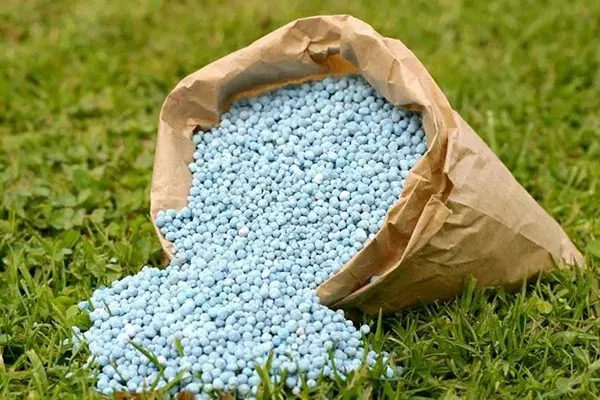
Provide the crop with basic agricultural practices that will help strengthen its immunity and produce stable harvests and large berries.
Features of tree wintering
It has high winter hardiness, thriving both in the Moscow region and in northern regions with cold winters. Regardless of climate conditions, it is recommended to provide additional protection during the first winter after planting, using suitable materials such as burlap or agrofibre.
Diseases and pests, methods of control and prevention
It's rarely attacked by pests, but young seedlings are sometimes attacked by fruit borer mites, which feed on shoots and leaves, disrupting the plant's metabolism. For prevention and treatment, spray the plant with Fufafon or Fitoverm.
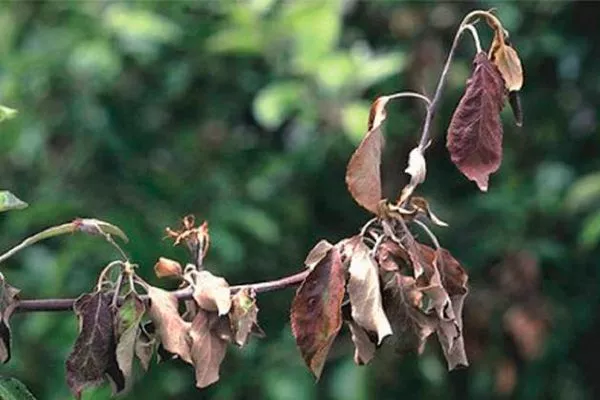
Another common pest is the cherry aphid, which sucks the juice out of the berries, causing them to become small and unpleasant-tasting. The aphids overwinter at the base of the buds and become active in early to mid-summer. To control them, use Kemifos or spray with a copper sulfate solution.
Methods of reproduction
There are two main methods used for propagation: cuttings and budding. Let's look at each in more detail:
- Cuttings. Begin the procedure in June or early July. Select healthy, strong branches early in the morning when they are saturated with moisture and the outside temperature is not too high. Take the cuttings above the bud, leaving 1 cm between them.
Trim the top of the cutting just above the bud. The total length of the shoot ready for planting should be 6 to 15 cm. Submerge the cut branches in water with a growth accelerator: Kornevin, Zircon, or Heteroauxin.
For planting, prepare a bed in partial shade with loose soil. Plant the cuttings at a 45-degree angle, covering them with plastic to prevent moisture loss. Provide regular care: ventilation, watering with warm water, and soil moistening.
Under optimal conditions, cuttings will root within a month. Transplant to a permanent location after 1-2 years. - Budding. For budding, prepare the rootstock seedlings in advance. Use the bud and part of the bark as the scion. Perform the process in July or early August. Remove the tip of the scion, leaving a 10 cm (4 in) tall section of the trunk.
Insert the scion bud into the cut in the rootstock bark and wrap it tightly. This method preserves the genetic characteristics.
You can increase the number of seedlings at home using any available method.
Harvesting and storage conditions
Harvesting is done only once to avoid attracting birds and insects to the remaining fruit. Harvested berries, stemmed and unstalked, can be safely stored in a cool place for approximately 10-15 days. If berries are harvested without stems, consume them fresh or process them within two days.
To extend the shelf life or ensure safe transportation of the berries, stop watering the tree a week before harvesting. To preserve their flavor and nutritional value, they can be frozen. This preserves their quality, and once thawed, they can be used in drinks or desserts.
Similar varieties
Cherries with characteristic traits such as short stature, high yield, and sweet flavor include several varieties. These include:
- Youth.
- Garland.
- Chocolate girl.
- Lighthouse.
- Zhukovskaya.
- In memory of Mashkin.
These varieties attract gardeners with their compact size, abundant fruiting and delicious taste of berries.
Reviews
The Tamaris cherry is considered the best choice for those growing fruit crops. The compact tree doesn't take up much space and requires minimal care, following standard maintenance procedures.
I have a tamaris growing at my dacha, but to be honest, I only learned what variety it is thanks to the article. I compared the description of the fruit and the tree's structure – they were identical. Thank you so much for providing such a precise description and characteristics. You really helped!