
The Stoikaya cherry is a popular, yet relatively new, variety that has already gained popularity among gardeners. Its numerous characteristics and positive qualities attract the attention of those who cultivate fruit and berry crops. With proper care, it can achieve a bountiful harvest and a strong immune system.
Description of the variety and characteristics
It's a common species with beneficial physiological characteristics. It's important to carefully study its characteristics if you plan to grow it.
Who developed the variety and when?
Five authors worked on its development: A. F. Kolesnikova, E. N. Dzhigadlo, A. V. Zavyalov, T. A. Trofimova, and G. B. Zhdanov. It was created by crossing three different cherry varieties: Zhukovskaya, Zolushka, and Zarya Povolzhya. Stoykaya was introduced into cultivation in 2006.
The appearance of the tree
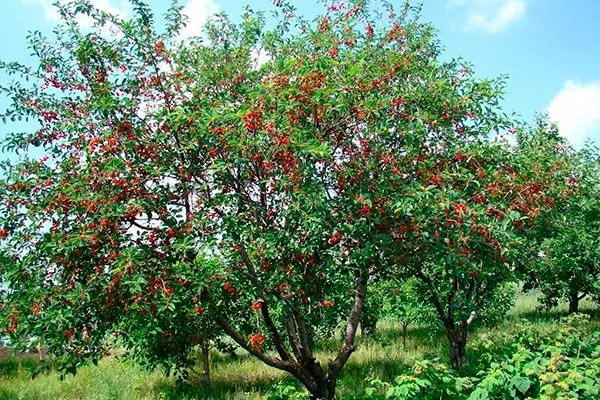
A medium-sized tree, not exceeding 3 m in height. Other characteristics of the plant:
- The spreading crown has a round-oval configuration, slightly raised and of medium density.
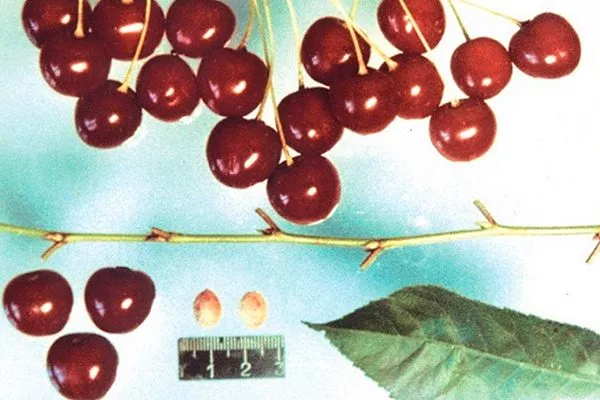
- The erect shoots are medium-sized, colored brownish-brown, and the bark is the same color and prone to peeling.
- The branches are covered with narrow, medium-sized, oval-shaped leaves, colored a classic green. The leaf edges are sharply tapered, with serrated serrations. The foliage is matte and wrinkled, and the leaf blades curve downward.
- The buds, 4 mm in size, deviate slightly from the shoot.
- The petioles are 3.5 cm long.
- Each inflorescence consists of three buds with an open, saucer-shaped corolla.
Fruits and their taste characteristics
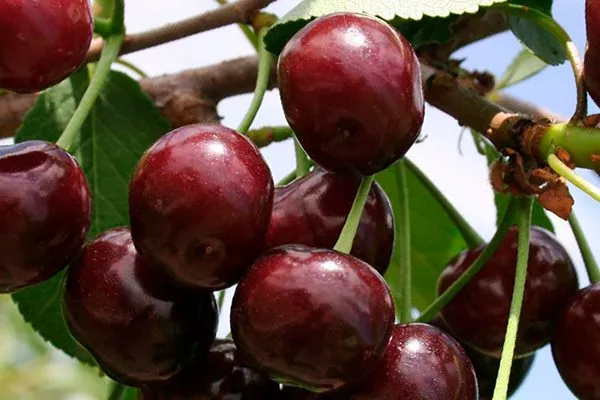
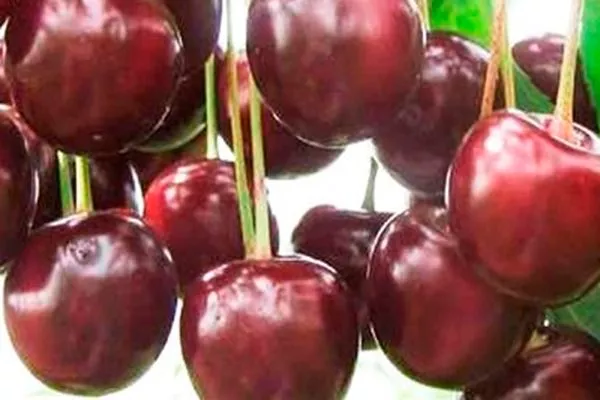
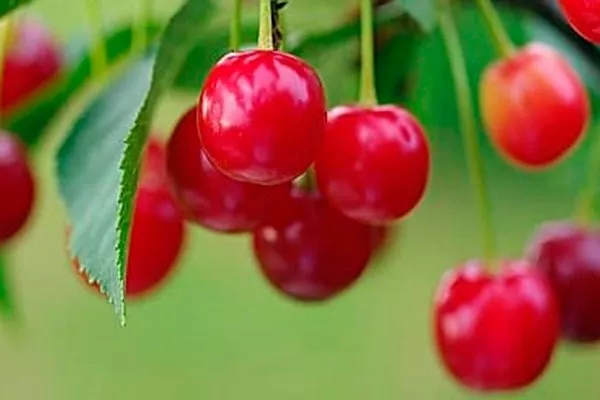
They are large in size and weigh from 4.4 to 5 g. Distinctive features of the berries:
- They have a round shape.
- The peel is dark red in color and the surface is shiny.
- The peduncle is elongated and has no funnels.
- The stone is easily separated from the dark red flesh with a delicate structure and medium density.
- The predominantly sweet taste, with a slight tartness, is due to its composition: 15.3% dry matter, 10.18% sugars, and 1.66% acids.
The fruits are widely consumed fresh due to their excellent flavor. The harvest is often used to make compotes, jams, juices, preserves, and other products. The fruits are also used in the production of alcoholic beverages.
Self-fertility and pollinators
It is partially self-fertile and sometimes capable of self-pollination. To ensure reliable fruit formation, it is advisable to plant another cherry tree nearby as a pollinator. Recommended varieties by gardeners include Lyubskaya, Vladimirskaya, Turgenevka, Griot Moskovsky, and Molodezhnaya.
- ✓ Partial self-fertility requires pollinators for maximum yield.
- ✓ Average resistance of flower buds to frost requires additional protection during the flowering period.
Ripening period and yield
Ripening times are considered average, with flowering beginning between May 17 and 20, and fruiting occurring between July 12 and 16. Early fruiting occurs in the fourth year after planting.
The average yield is 84.2 centners per 1 hectare, but if all care requirements are met and optimal conditions for growth and development are provided, this figure can significantly increase to 125.8 centners per 1 hectare.
Climate conditions
Shows slight susceptibility to frost. Flower buds have moderate frost resistance, so they may be vulnerable to low temperatures, especially during the flowering period.
Use for medicinal purposes
The fruits are widely used in food, both fresh and processed. They are rich in numerous beneficial macro- and micronutrients that are easily absorbed by the body. They have a beneficial effect on metabolism, helping eliminate toxins, radiation, and excess cholesterol.
Varietal characteristics
Flowering typically begins in the second half of May, around the 15th to 20th. Fruit ripening occurs in early July. These timings may be affected by adverse weather conditions or inadequate care.
Its resistance to cold and drought is noteworthy. Even with minor damage, the tree usually recovers quickly. It is characterized by excellent resistance to various diseases and pests, making it virtually immune to problems such as coccomycosis and moniliosis.
Subtleties of planting
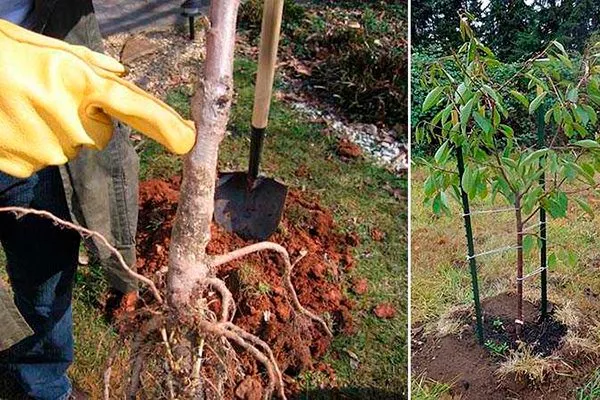
Successful cultivation and a bountiful harvest directly depend on the conditions created for it, including proper planting. Choose well-lit areas with access to sunlight.
Helpful tips:
- The ideal option is planting on sandy soils with a light structure and a high degree of aeration.
- If groundwater is present on the site, it's best to ensure it's at a sufficient depth to prevent root system flooding.
- Loam can serve as a good alternative to sandy soils.
- Prepare the soil in the fall, preferably with neutral acidity.
- When planting, leave the root collar above the soil surface, and maintain a distance of approximately 3 m between trees.
- The size of the planting hole is 60x80 cm.
- ✓ Soil pH should be between 6.5-7.5 for optimal growth.
- ✓ The depth of groundwater is at least 1.5 m to prevent flooding of the roots.
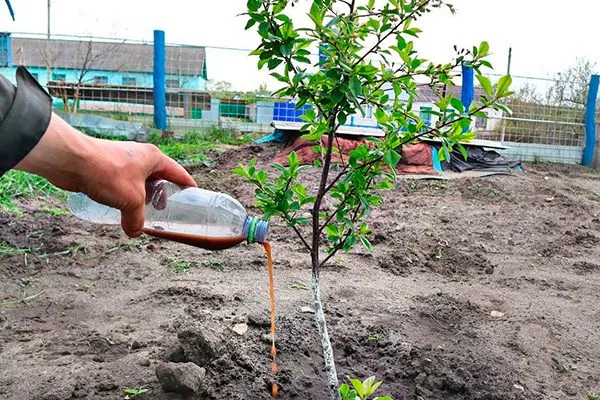
After planting, water the seedling generously, and after a week, apply organic fertilizer.
Care and cultivation
When young, the plant requires careful care. Conduct specific activities depending on the time of year:
- Spring. Do not fertilize for the first three years. Loosen the soil periodically, avoiding deep penetration of the delicate root system. During the fruiting period, increase watering, especially in hot weather. Spraying with a honey-water solution attracts pollinating insects.
In spring, prune, remove shoots, and mulch the soil. Apply preventative treatments against diseases and pests. - Summer. Care includes ensuring adequate watering and protecting against pests and diseases. Regular watering is especially important in hot weather. If the plant begins to lose fruit, feed it with nitrogen fertilizers—they stimulate vegetative processes. After a month, apply potassium-phosphorus fertilizers.
- Autumn. During this period, fertilize with mineral and organic fertilizers. Fertilize young plants by digging the soil 10 cm deep into the trunk circle, and fruiting plants by digging 20 cm deep into the soil. Perform this procedure when the foliage turns yellow.
Moisten the soil if the autumn is dry, without rain.
Advantages and disadvantages
Before planting a new cherry variety in your garden, consider its positive and negative qualities. Advantages of this crop:
- high yield;
- excellent taste
- good external characteristics of fruits;
- resistance to external factors.
Reviews
The Stoikaya cherry is a popular variety with good yields and high resistance to external influences. Its low maintenance and adaptability make it an ideal choice for gardeners, especially given the berries' versatility.