
Gardeners prefer to select only the best cherry varieties for their gardens, characterized by excellent taste and marketability. This article examines many popular early- and late-ripening cherry varieties, as well as others.
| Name | Ripening period | Fruit size | Yield per tree |
|---|---|---|---|
| Chocolate Girl | early ripening | up to 3.5 g | up to 15 kg |
| Miracle Cherry | early ripening | 9-10 g | up to 15 kg |
| In memory of Mashkin | mid-season | 4.5-5 g | 40-66 c/ha |
| Kharitonovskaya | mid-season | up to 5 g | 20-25 kg |
| Bystrinka | mid-season | 3.6-4.3 g | up to 15 kg |
| Vladimirskaya | mid-season | up to 3.5 g | 25-30 kg |
| Morozovka | mid-season | 5 g | up to 35 kg |
| Turgenevka | mid-season | up to 5 g | 10-12 kg |
| Baby | early ripening | 5 g | up to 15 kg |
| In Memory of Yenikeev | mid-early | up to 5 g | 8-15 kg |
| Apukhtinskaya | mid-season | 3.5-4 g | up to 15 kg |
| Cinderella | mid-season | 4 g | up to 15 kg |
| Zhukovskaya | mid-season | 4-7 g | up to 30 kg |
| Ural ruby | mid-season | 3.2 g | up to 15 kg |
| Shpanka | early ripening | up to 5 g | up to 15 kg |
| Ob | mid-season | 3.2-4 g | 1.7-3.8 kg |
| Lyubskaya | late-ripening | 4 g | 25-30 kg |
| Meeting | early ripening | 10 g | up to 28 kg |
| Generous | late-ripening | 3-5 g | 10-15 kg |
| Anthracite | mid-season | up to 5 g | up to 18 kg |
| Youth | early ripening | up to 5 g | 10-12 kg |
| Robin | late-ripening | 3-4 g | 10-14 t/ha |
| Consumer goods Black | early ripening | 4.2 g | up to 15 kg |
| Volochaevka | mid-season | 4 g | 9-10 kg |
| Lighthouse | mid-season | 4-6 g | 10-15 kg |
| Garland | mid-season | 6 g | 25-45 kg |
| Mtsenskaya | mid-season | 4 g | 49-74 c/ha |
| Altai swallow | mid-season | 3 g | 3.9-8.4 kg |
| Griot of Moscow | mid-season | 3.5 g | up to 16 kg |
| Tamaris | mid-season | up to 5 g | up to 10 kg |
| Ashinskaya | late-ripening | 5 g | up to 12 kg |
Chocolate Girl
An early-ripening variety. One of the most popular, recently developed. It gets its name from the bright, rich color of its berries. Breeders have achieved excellent results: the tree grows quickly, is compact, and is virtually disease-free. Two cherry varieties were used in the breeding process: Black and Lyubskaya.
With proper care, fertilization, and pruning of old branches, the tree can live for about 20 years. The fruits are round, up to 20 mm in diameter, and weigh up to 3.5 g. The flesh is juicy, tender, sweet, and slightly tart.
This variety is easy to maintain and requires little attention. It's recommended to plant in early April, when the sap begins to flow, to ensure the plant takes root better. The first fruits are harvested three years after planting, in mid-summer. With proper care, a single tree can yield up to 15 kg of juicy berries.
Miracle Cherry
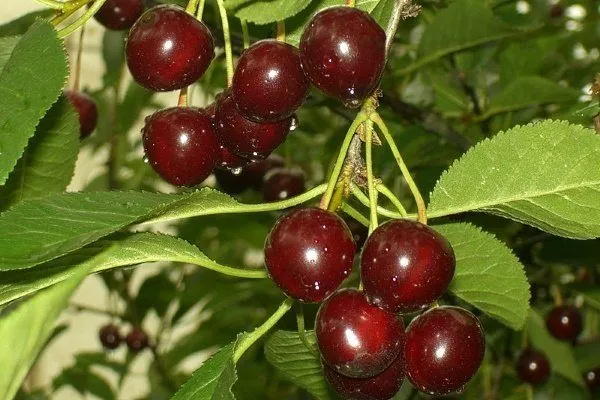
One of the best hybrids obtained by crossing cherries and sweet cherries. An early-ripening variety developed by Russian breeders. Flowering begins immediately after the warm spring weather stabilizes. The fruits are large, weighing up to 9-10 g each. The shape is flattened and round, with a dark red, dense skin. The flavor is excellent, sweet, and not acidic. The flesh has a pleasant aroma.
This variety is characterized by early fruiting: single fruits are formed on 2-3-year-old seedlings, and the tree begins to bear fruit fully by the fourth year. The berries ripen reliably every year. The cherries ripen by the end of June. A single tree can yield up to 10-15 kg of ripe fruit.
Experienced gardeners recommend planting in locations protected from winds and exposed to full sun. This will ensure proper development.
In memory of Mashkin
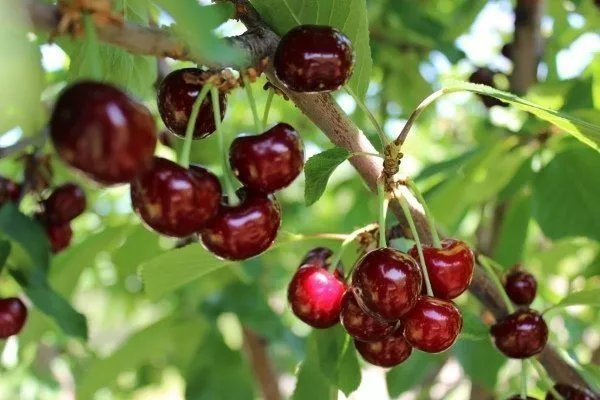
The fruits are predominantly round-heart-shaped, reaching 1.8 cm in height and thickness, and 1.7 cm in length. The skin is red, as is the flesh, medium-firm and juicy. The juice is a rich red. Each berry weighs 4.5-5 g. The flesh is tender, slightly sweet, with a subtle tartness.
Flowering occurs in mid-May. The fruits ripen in mid-July. The tree begins bearing fruit three years after planting. One hectare yields between 40 and 66 centners.
Advantages include good fruit flavor and resistance to cold and fungal diseases. Suitable for growing in the Moscow region.
Kharitonovskaya
This mid-season variety was developed by crossing the Zhukovskaya and Almaz varieties in 1988. This cherry is characterized by a high and consistent yield. A single tree yields 20-25 kg of berries annually. The cherry has a sweet and sour taste.
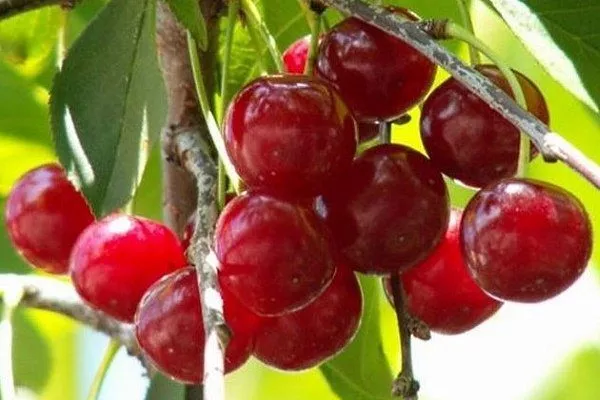
The fruits are large, reaching up to 1.6 cm in diameter and up to 1.8 cm in height. Each berry weighs up to 5 g. The shape is round, the skin is medium-thick, dark red. The flesh is tender, juicy, and red-orange. The juice is light red.
In southern and central regions, it is recommended to plant cherries in the fall—in October. In temperate climates, it is best to plant in early spring, after the frost has passed.
Bystrinka
A mid-season dwarf variety, bred by crossing the Zhukovskaya and Zolushka cherries. Its advantages include high frost resistance and a minimized risk of flower bud freezing.
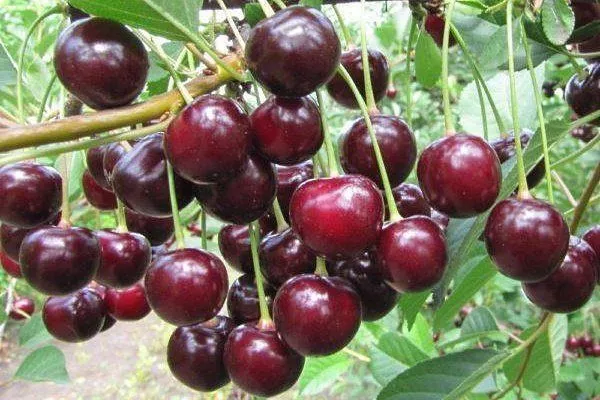
The fruits ripen in early July. They are oval in shape and weigh between 3.6 and 4.3 g. The skin is thick and burgundy, and the flesh is juicy and tender.
Bystrinka seedlings are planted in the fall or spring. Young trees planted in the spring take root better and grow faster, and they are also protected from frost. Before planting, be sure to select a good location with consistent sun and no strong winds.
Vladimirskaya
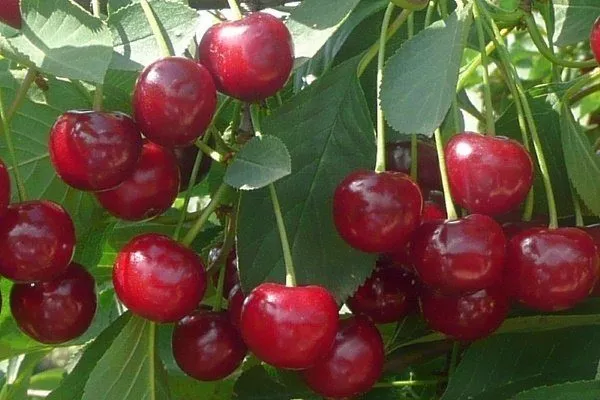
This variety appeared in central Russia as early as the early 12th century, brought by wandering monks. They began cultivating these trees on the slopes near monasteries. The black-red fruits are medium to small in size, weighing up to 3.5 g. The berries are flattened and round, slightly flattened on the sides. The flesh is fleshy, dark cherry-colored, with small gray spots on the skin. The flavor is sweet and sour, but the berries are more sour than sweet.
A mid-season variety, it takes 60-65 days from flowering to harvest. Harvesting is done no later than mid-July. If not done in time, the berries will begin to fall off. Fruit begins to appear within a couple of years after planting. The yield is quite good: 25-30 kg of cherries per plant.
Morozovka
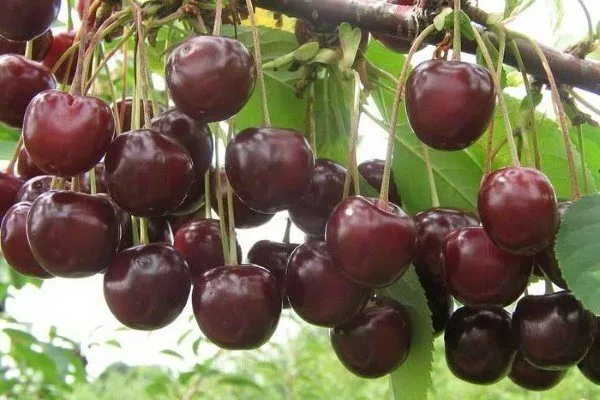
A recently popular variety, developed by Russian breeders who achieved excellent results, Morozovka is described as a mid-season, frost-resistant variety, hence its name. The berries are characterized by a pleasant taste and rich aroma. The fruits are round, large, and weigh approximately 5 grams. The cherries are slightly concave at the base. The flesh and skin are bright red. The flesh is loose, tender, and juicy, with a slightly tart flavor.
The berry harvest begins in early to mid-summer. The plant begins bearing fruit 3-4 years after planting a young tree. The yield is high—up to 35 kg of cherries can be harvested from a single tree.
This variety is highly resistant not only to frost but also to drought, and is resistant to the disease coccomycosis. Seedlings are planted in the fall only in southern regions, but are generally planted in the spring before bud break. Planting holes begin in the fall.
Turgenevka
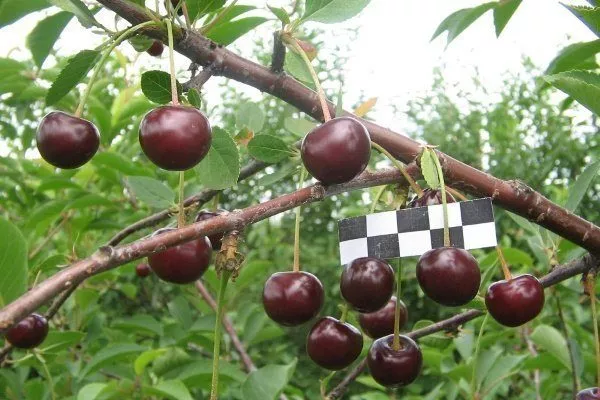
A mid-season variety. When ripe, the fruits become broadly heart-shaped and large. Each berry weighs up to 5 g. The dark burgundy skin and dense, juicy flesh give the berry an exceptional sweet-and-sour, pleasant flavor and distinct aroma. The flesh is slightly lighter than the skin.
It takes four to five years after planting for the tree to be ready to bear fruit. The fruit is harvested in early to mid-July. The yield is small—on average, a gardener can get up to 10-12 kg of berries from a single tree. Mature plants yield twice as much, producing 20-25 kg of berries.
With proper care, the tree will develop properly and the berries will ripen faster. Frequent watering is necessary—at least once a week. Two to three buckets of water are poured under each plant.
Baby
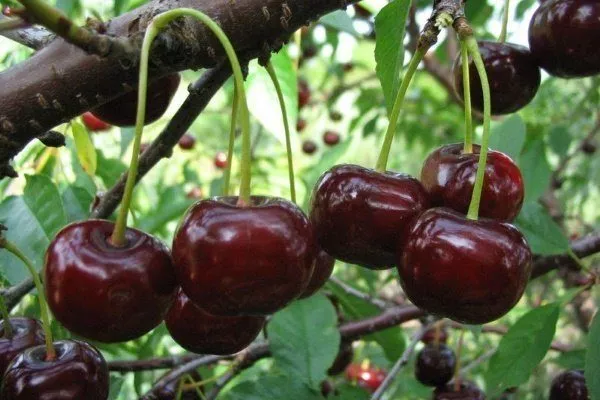
This early-ripening variety was developed by Russian breeders and included in the State Register in 1995. The fruits are uniform in size and shape, weighing approximately 5 g, and are flattened. The skin is thin and dark red, while the flesh is the same shade, juicy and sweet.
Fruiting begins 3-4 years after planting. Gardeners can obtain approximately 15 kg of fruit from a single mature tree. The trees begin to bloom in mid-May and ripen after June 20. In southern regions, seedlings are planted in the fall, before mid-October; in the north, in the spring, in late April or early May.
The Malyshka variety is sensitive to light, so it's recommended to choose a site that won't be shaded by buildings. The trees grow well and are resistant to diseases and pests.
In Memory of Yenikeev
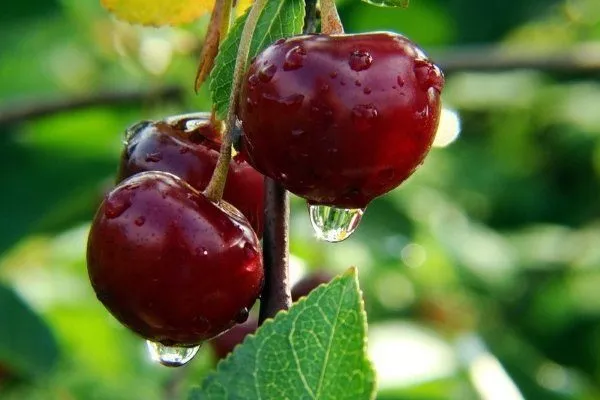
A self-fertile variety. The berries are large, weighing up to 5 g. They are oval in shape with a wide, dark-red core. The flesh is the same color and medium firm. The juice is dark red. One tree produces 8 to 15 kg of ripe cherries, depending on their age. Fruiting begins 3-4 years after planting. The fruits ripen simultaneously.
This is a mid-early variety, harvested in midsummer; in some areas, the cherries ripen as early as late June. Gardeners recommend choosing well-lit areas for planting, preferably near structures, as this helps increase frost resistance.
It's recommended to plant seedlings in the spring, preferably in April. This procedure can also be carried out until September.
Apukhtinskaya
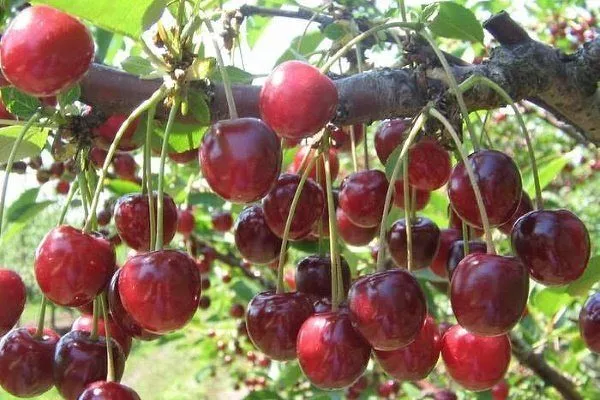
A self-fertile variety. Its name derives from its place of origin—the village of Apukhta. While it has not yet been added to the State Register, it is actively cultivated in Russia. The advantages of the Apukhtinskaya variety include good frost resistance and ease of maintenance.
The fruits are flattened and have a dark red, thin skin. The flesh is firm and red. Each berry weighs 3.5-4 g. The flavor is tart, with a rich cherry aroma.
Planting is recommended in early spring, after the soil has thawed and before the soil begins to thaw. Planting in the fall is also acceptable, but only in southern regions. To ensure proper and healthy seedling development, select fertile soil.
Plant care includes watering, pruning and fertilizing.
Cinderella
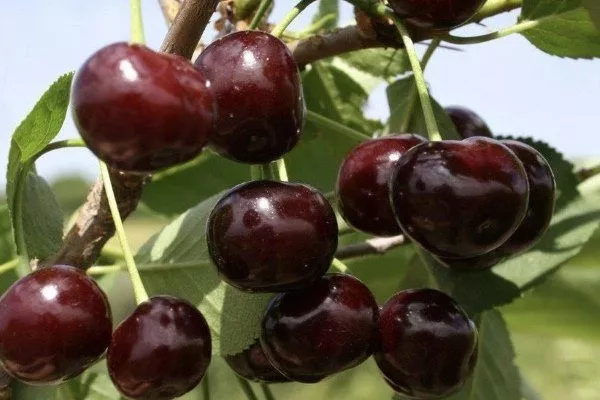
The fruits are medium-sized, weighing about 4 g. The cherries are characterized by a round-oval shape, light red skin and flesh of the same color.
The fruit has a sweet and sour pulp, juicy, and not tart. The aroma is distinct and rich. The juice is pleasantly fragrant, light in color, and slightly acidic.
The flower buds and plant are frost-resistant. The variety is rarely susceptible to fungal diseases. Gardeners can produce up to 15 kg of juicy berries from a single mature tree. Ripening occurs in mid-July. This variety is popular in the Moscow region.
Zhukovskaya
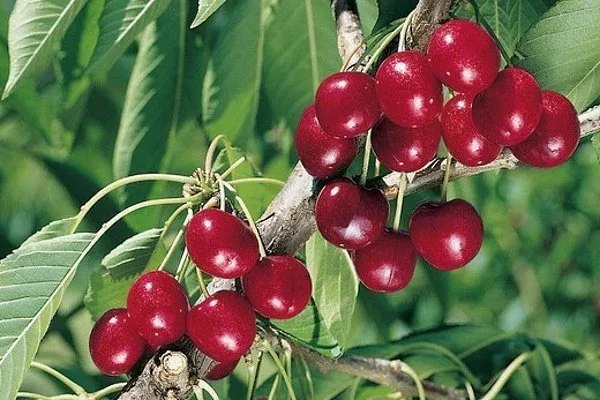
This mid-season variety is characterized by large berries, reaching 4-7 g in weight. The fruits are oval-shaped, with rounded bases and elongated tops. The skin, flesh, and juice are predominantly dark burgundy. The pit is large but easily separated from the flesh. The dense texture of the flesh and its juiciness are the main advantages of this variety. The flavor is sweet and sour, somewhat similar to cherries.
Advantages include a good yield—up to 30 kg of fruit can be harvested from a mature tree. The variety is resistant to shattering and has good immunity to ring spot and coccomycosis.
Cherry trees begin bearing fruit 4-5 years after planting. The harvest is in midsummer. If the season is rainy and cool, harvesting is postponed until August.
Ural ruby
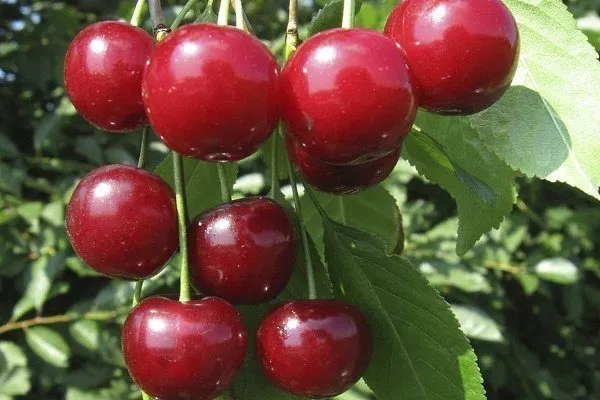
The fruits are medium-sized, weighing approximately 3.2 g. They are round, the skin is dark red, and the flavor is sweet and sour, but mostly sweet. The juice is a rich red color. The fruits ripen in the first half of August. The plant begins to bear fruit three years after planting.
This variety is characterized by a medium yield, with a single plant yielding up to 6 kg of ripe berries, but with excellent care and favorable conditions, this can increase to 15 kg. The trees are resilient to temperatures below -30-35 degrees Celsius. This variety is suitable for cultivation in the Urals and Siberia.
Planting is done in the spring, during bud break, or before mid-October. However, it's best to do this in the spring, as frost can kill the young seedling in the fall. Plant the seedling in a location with plenty of sunlight. It's important to choose a location with no stagnant groundwater, in loose, light loamy soil.
Shpanka
An early-ripening variety, developed through long and painstaking work. Breeders spent a long time mixing different varieties, and only by crossing sweet cherries and sour cherries was the Shpanka hybrid achieved. It appeared over 200 years ago.
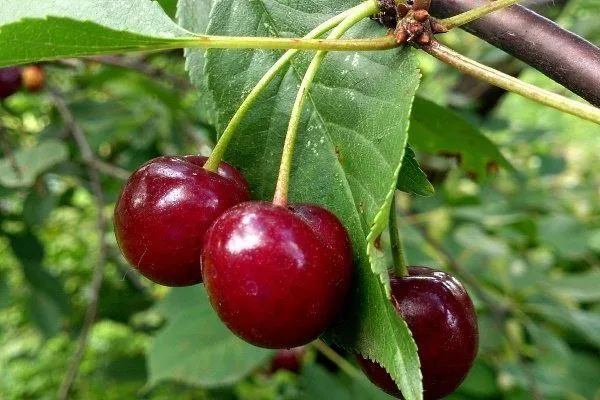
The tree produces large, glossy, burgundy berries weighing up to 5 g. The fruit sometimes has a brown skin. The harvest appears on cluster branches and first-year shoots. The berries are similar in shape to those of cherries: slightly flattened, no more than 1 cm in diameter, with a barely noticeable groove down the middle. The flesh is yellow, juicy, and smooth. The berries have a pleasant, slightly tart flavor.
The tree's planting time depends on the region: in the south, the seedling is planted in September-October, while in regions with moderate weather, it's planted in spring (April-May). The Spanish tree is an easy-to-grow variety, rarely causing problems for gardeners.
Ob
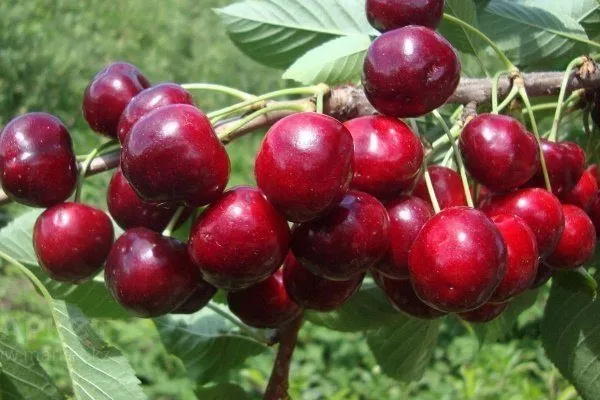
This variety was developed by Russian breeders. The plant is multi-stemmed, reaching a height of no more than one and a half meters. The fruits are medium-sized, with each berry weighing 3.2-4 g. The shape is round-heart-shaped, with dark red skin. The flesh and juice are predominantly light red. The flavor is sweet and sour, not tart. The aroma is distinct.
The fruits ripen in mid- to late July. The variety is characterized by high drought tolerance. Disadvantages include a strong susceptibility to coccomycosis. Among its advantages, it is easy to propagate with green cuttings.
A single bush yields only 1.7-3.8 kg of berries, but their distinctive qualities include excellent taste and attractive appearance. Gardeners prefer to grow this variety in colder regions of the country.
Lyubskaya
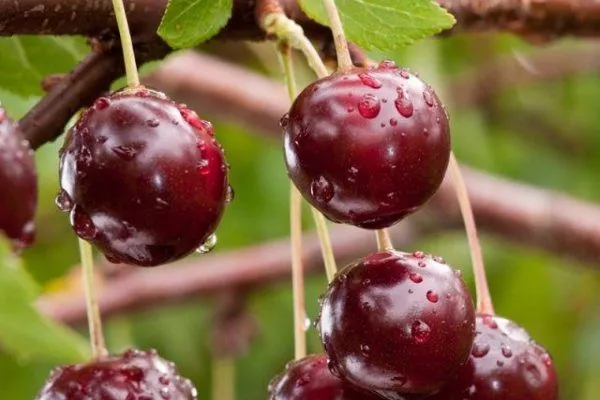
A late-ripening variety. Ripe fruits have a dark red skin, but its color can vary depending on the intensity of photosynthesis. Beneath the thin, glossy skin lies juicy flesh of the same hue. The pit is small and easily separated from the flesh. The cherries are oval-round, weighing no more than 4 g. They usually grow in clusters of 2-4 berries. The flavor is pleasant, sweet and sour.
It's best to plant seedlings in a raised area, choosing a site facing south or southwest. These areas provide good moisture retention and good air circulation. Once the site is selected, prepare it in advance.
The main advantages of the variety include a high level of potential productivity and resistance to long-distance transportation.
Meeting
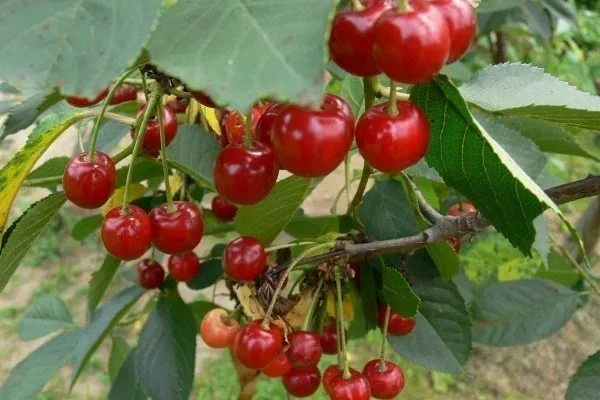
In 1996, Russian breeders succeeded in producing a hybrid by crossing the Lyubskaya cherry and the Kyiv-19 cherry-cherry hybrid.
The fruits are large, with each berry weighing approximately 10 g, and some reaching 15 g. The cherries have a slightly flattened, spherical shape. The pit is medium-sized and separates easily from the tender, juicy flesh. The skin is thick and dark red.
The tree begins to bloom in mid-April to early May, and the fruit ripens in late June. Fruiting begins three to four years after planting. A mature tree can yield up to 20 kg of cherries, with some gardeners achieving the maximum yield of 25-28 kg.
Generous
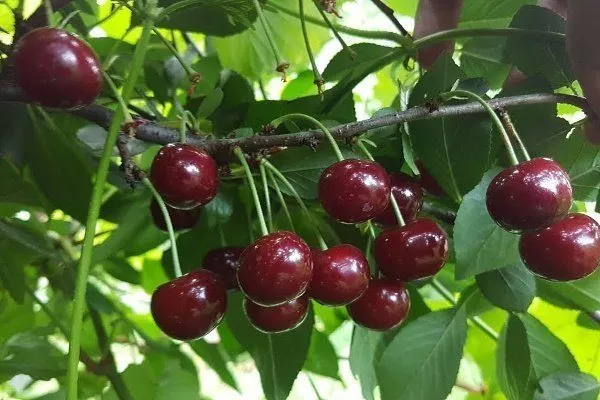
This late-ripening variety was developed by accidental pollination of a one-year-old Ideal seedling. Various cherry varieties, including the steppe variety, participated in the pollination. The berries are not very large, weighing 3-5 grams. The skin is dark red, round, and does not crack when overripe. The flesh is slightly watery, sweet and sour, with a distinct aroma. The stone is large and easily separated.
The variety got its name for its remarkable yield—up to 10-15 kg of ripe berries can be harvested from a single bush. Fruiting begins 3-4 years after planting. Flowering occurs in late May, and the berries ripen in late summer to early fall.
Spring is considered the best time to plant. This variety is easy to grow and doesn't require a lot of soil, but it's best to choose elevated, dry sites with light, sandy loam soil. The site should be well-lit and shade-free. Cherry trees should be planted in locations protected from northerly winds.
Anthracite
This dwarf, partially self-fertile variety produces a good harvest even without pollinators. Maximum fruitfulness can be achieved by planting the Shokoladnitsa or Nochka varieties nearby. Young trees begin bearing fruit 3-4 years after planting. The tree grows for no more than 15-18 years. With proper care, a mature tree will yield up to 18 kg of fruit annually.
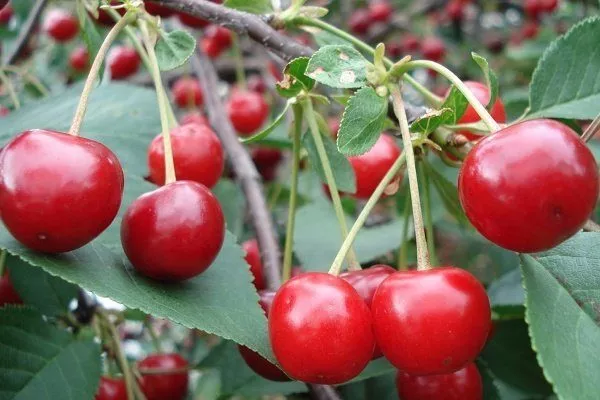
The fruits are formed on last year's growth. Ripening occurs in the second half of July. The cherries are heart-shaped, with a dark cherry, almost black, skin that is thin yet firm. The flesh is dark red, uniform, and has a rich, sweet-tart flavor.
Cherry trees are planted in early spring, especially in northern regions. In southern regions, the Anthracite variety can be planted in both fall and spring.
Youth
Russian breeders worked diligently to create a new early-ripening variety by crossing two cherry trees, the Vladimirskaya and the Lyubskaya. The Molodezhnaya variety was added to the State Register in 1993. The tree grows to a maximum height of 2.5 meters. The harvest ripens by mid-July. Gardeners harvest a modest 10-12 kg of berries per plant.
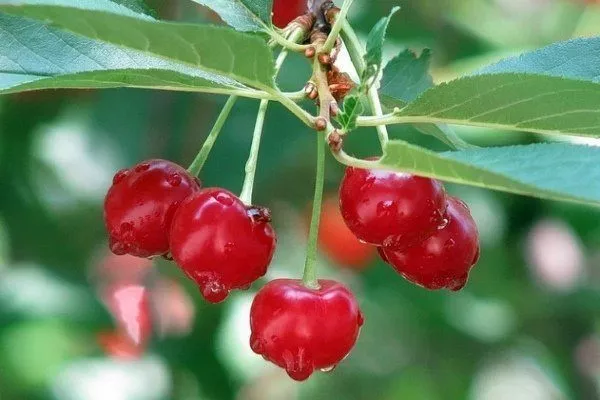
The fruits are oblong in shape and weigh up to 5 g. The flesh is juicy yet firm, dark red in color. The cherries are not tart, leaving no unpleasant aftertaste, with a sweet and sour flavor. The variety is resistant to mechanical damage and long-distance shipping—it retains its marketability and flavor during transit.
It's recommended to plant the seedling in an elevated area—on a low hill, away from strong winds and harsh sun. Sandy loam soil with neutral pH is preferable.
Robin
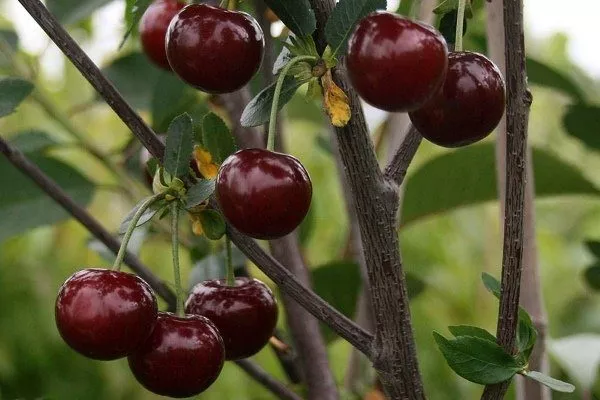
A late-ripening variety. The fruit forms on last year's growth. The cherries are a rich red color. The berries are small but not tiny, weighing 3-4 g. Inside is a small stone that separates easily from the pulp. The juicy, dense pulp contains dark red juice. The flavor is pleasant, slightly tart.
This variety has a late ripening period, with fruits appearing in late July. However, it is characterized by high yields, with 10-14 tons harvested per hectare.
The advantages of this variety include increased frost resistance, high commercial qualities, good taste, and ease of care.
Consumer goods Black
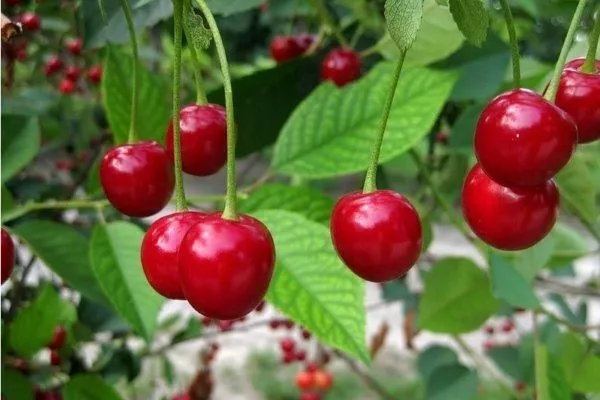
The variety was bred by Michurin himself. It's a low-growing tree with an attractive, unusual-looking fruit and renowned for its excellent taste. Its advantages include early fruiting: the first harvest is harvested just one year after planting. The cherries ripen in early July.
The fruit's skin is predominantly black and shiny. It is heart-shaped, slightly flattened on the sides. The flesh is tender, sweet, and pleasantly tart. Each fruit weighs up to 4.2 g. The juice is a rich, dark color.
It's recommended to plant in a well-lit area to prevent the berries from losing their sugar content. It's best to plant near garden buildings, where they will provide protection from cold winds. Planting should be done in spring for bare-root plants, and from spring to September for container-grown plants.
Volochaevka
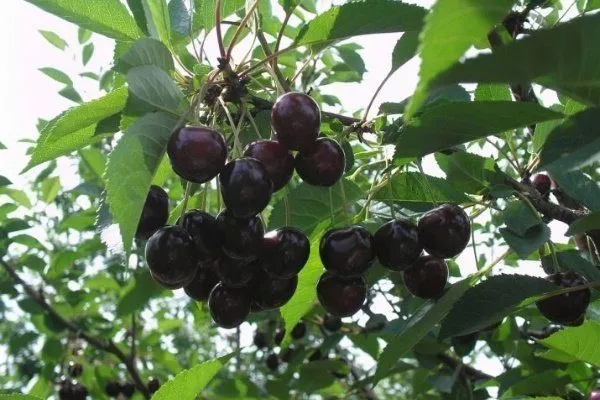
The variety was developed back in the 1980s, but it wasn't registered in the Russian State Register until 1997. The fruits are medium-sized, with occasional larger specimens, weighing no more than 4 g. The skin and juice of the cherries are a rich red hue. The flesh is dense and juicy, sweet and sour, and aromatic.
Flowering begins in May. Full fruit ripening occurs in the second half of July, or less frequently in the early part of the month in southern regions.
Fruiting occurs 4-5 years after planting. The yield of such a plant can vary between 9-10 kg per plant.
Lighthouse
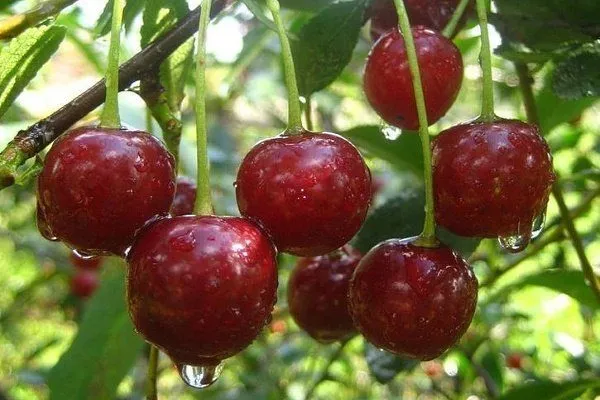
The berries are round, with flattened sides. The cherries are large, weighing about 4-6 grams, with dark red skin and slightly bright flesh. The fruits are juicy, sweet, and virtually acid-free. The pit separates easily from the flesh. Fruiting occurs 3-4 years after planting. The berries ripen unevenly, from late July to early August.
On average, a single bush yields about 10-15 kg of berries, sometimes more. The variety has good frost resistance, withstanding temperatures down to -30-35 degrees Celsius. The Mayak variety is also drought-resistant.
For planting, choose a warm location with well-drained, sandy loam or loamy soil. Avoid planting in low-lying areas or areas with shallow groundwater. During the first year, it's important to water the plant, mulch, and loosen the soil, but avoid fertilizing. The Mayak variety is a good choice for growing in cold regions (the Urals, Siberia).
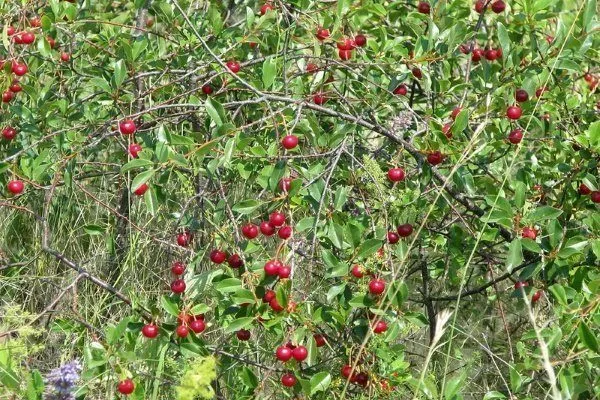
Garland
The trees tolerate frost well, but low temperatures often damage the flower buds. A single berry weighs up to 6 g. The fruits can be heart-shaped or round with flattened sides. The skin is dark cherry-colored, the flesh is bright red, with small white veins. The flesh is juicy and fleshy, with a sweet and sour taste.
A single mature cherry tree can yield up to 50 kg of berries in a favorable season. Typically, 25-45 kg of cherries are harvested. The berries are mainly used to make compote, juice, and jam. However, their high vitamin content means they are best eaten fresh.
Seedlings are planted in the spring, when the soil is well warmed. Timely fertilization and regular watering contribute to a bountiful and tasty harvest. This variety is suitable for growing in southern regions.
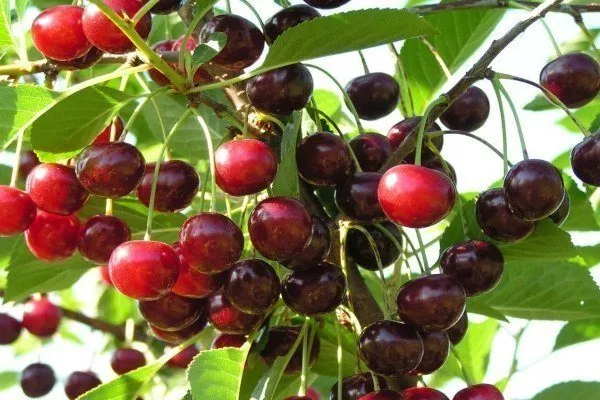
Mtsenskaya
This dwarf variety was developed by Russian breeders by crossing two cherry varieties, the Zhukovskaya and the Lyubskaya. It was added to the Russian State Register in 2005. The fruits are medium-sized, round, and have dark red skin. Each berry weighs no more than 4 grams, is 1.67 cm tall, and 1.4 cm wide. The flesh is dark red, juicy, and tender, without astringency or strong acidity. The juice is dark red.
The plant begins to bloom in mid-May. The fruits ripen in late July. The Mtsenskaya cherry variety begins bearing fruit four years after planting. One hectare yields 49 to 74 centners of ripe berries.
The advantages of the variety include drought resistance, increased resistance to diseases such as coccomycosis and moniliosis, and it is rarely attacked by pests.
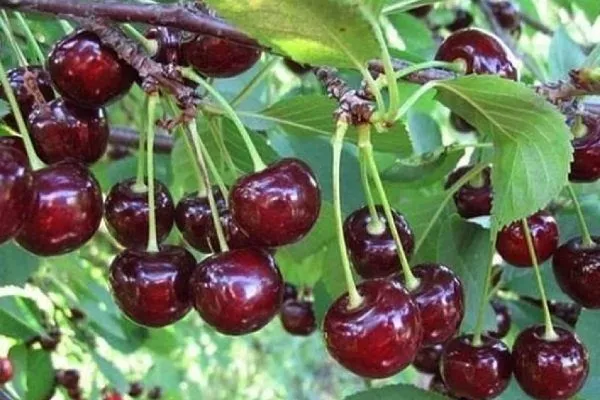
Altai swallow
The plant is short and has multiple stems. The fruits are round, symmetrical, slightly flattened at the top. The cherries are small, weighing no more than 3 grams. The skin and flesh are dark red. The fruits are juicy, firm, and have a sweet-tart flavor with a rich aroma.
The fruit ripens in late July. The variety is characterized by drought tolerance. It withstands long-distance transportation well and is also resistant to the disease coccomycosis. Its advantages include the possibility of cultivation in the northern regions of Russia.
Plant in early spring, around mid-April. It's recommended to choose well-lit areas with sandy or sandy loam soil. Fruiting begins four years after planting. The average yield per bush is 3.9 kg, with a maximum of 8.4 kg.
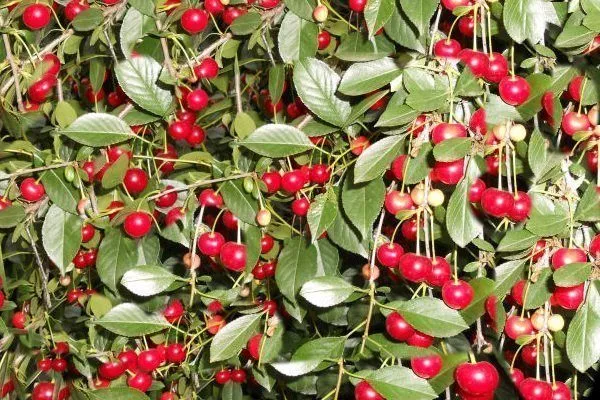
Griot of Moscow
The main advantage of this variety is its high yield and increased frost resistance: it was specifically zoned for the capital and the Moscow region. The tree is small, no more than three meters tall. The berries are small, weighing up to 3.5 grams. The skin is dark red, with a slight clearing on one side.
The flesh is juicy, dark red, and sweet and tart. Cherries ripen en masse in the second half of July. Gardeners can harvest up to 16 kg of ripe berries from a single plant. Fruiting begins four to five years after planting.
It is recommended to start planting seedlings in the spring, having previously trimmed the branches, but without touching the roots.
Tamaris
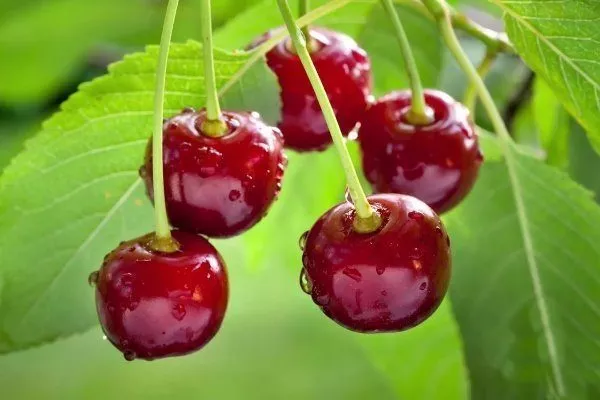
After extensively treating Shirpotreb Chernaya seedlings with the chemical mutagen EI at the seedling stage, breeders have developed a new low-growing variety, Tamaris. The fruits are large and round, with dark red skin and juicy, sweet-and-tart flesh. The taste is more sweet than sour. This variety is suitable for growing in the Moscow region.
The fruits ripen in mid-July to early August. Fruiting occurs in the second or third year after planting. The harvest is quick. One plant yields up to 10 kg, and one hectare yields up to 80 centners of berries. The plant's lifespan is over 20 years. Saplings are planted in spring and fall. When planting in spring, the procedure is carried out before the buds open (in April). When planting in fall, the procedure should be completed no later than October.
For planting, choose a well-lit and ventilated area with loose, light loamy soil.
Ashinskaya
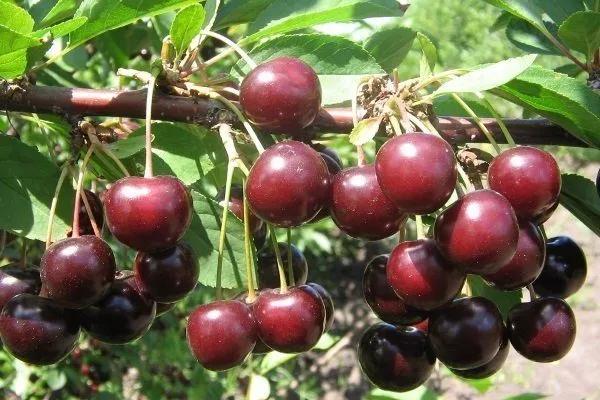
A variety recommended for cultivation in northern Russia. The fruits are large, weighing up to 5 grams each. The shape is round and flattened, with a dark red skin, somewhat reminiscent of unripe cherries. The flesh is burgundy, juicy, and soft. The skin is firm. When ripe, the berries easily separate from the stem. The flavor is sweet with a slight tartness.
The tree begins to bear fruit 4-5 years after planting, but the plant’s lifespan is also long – 30-35 years.
The late-ripening Ashinskaya variety allows for harvesting as late as late July, with fully ripened cherries ideally harvested in the first half of August. The variety produces high, consistent yields. A single mature tree yields up to 12 kg of fruit. On average, one hectare yields approximately 10 tons of high-quality fruit.
Other varieties
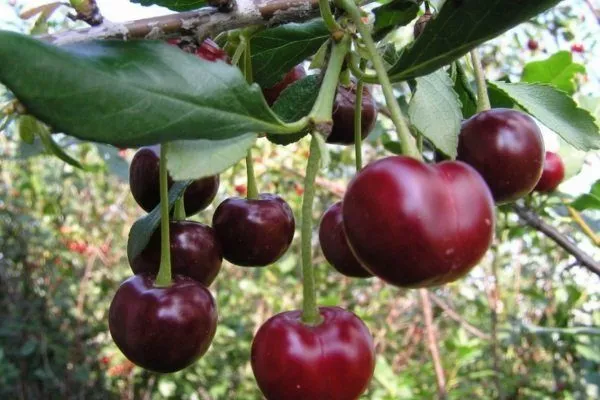
Other popular varieties that have won the hearts of gardeners are also highlighted. These include the following:
- Zaranka. A low-growing tree with a pyramidal crown. The fruit is medium-sized, with dark red skin and flesh. It has excellent flavor. The pit separates easily from the flesh.
- Toy. A plant with a spherical crown. This variety has low frost tolerance but increased drought tolerance. The fruits are large, with red skin. The flesh is juicy, tender, and watery. This is a medium-yielding variety.
- In memory of Vavilov. A tall plant with a pyramidal crown. The berries are large and dark-skinned. The flesh is tender. The yield is high.
- Podbelsky. A tall plant with dense foliage, the crown changes from round to flat. This variety is noted for the appearance of its berries and their excellent taste. The large fruits are a rich red color, with tender, fibrous flesh. A single plant yields up to 110 kg of fruit.
- Minx. A medium-sized but fast-growing tree that produces cherries with dark red skin and juicy flesh with a refreshing flavor. This variety is drought- and frost-resistant.
- Star Star. A tree with a pyramidal crown. It tolerates low temperatures well. The fruits are medium-sized, with red skin. The flesh is tender, with a sweet and sour flavor. The yield is good.
- Brunette. A medium-sized plant characterized by moderate frost resistance. The crown is spherical. The fruits are round, small, and slightly flattened. The skin is dark burgundy, and the flesh is tender. The small stone separates easily from the flesh.
- Bulatnikovskaya. The plant is short and dense. The variety is resistant to low temperatures. The berries are dark, with a firm, sweet and slightly tart flesh.
- Rossoshanskaya black. The tree's crown is pyramidal or stack-shaped. The berries have fleshy, tasty pulp and a nearly black skin. Advantages include durability during long-distance transport and tolerance to cold climates.
- ✓ Resistance to diseases: coccomycosis and moniliosis.
- ✓ Soil requirements: preference for sandy loam or loamy soils with neutral acidity.
- ✓ Frost resistance: ability to withstand temperatures below -30°C.
- ✓ Need for pollinators: availability of self-fertile varieties or the need to plant pollinator varieties nearby.
Comparative tables of variety characteristics
The table shows the ripening period and size of the fruits:
| Name of the variety | Early maturity | Fruit size |
| Chocolate Girl | early ripening | up to 3.5 g |
| Shpanka | early ripening | up to 5 g |
| Miracle Cherry | early ripening | 9-10 g |
| Baby | early ripening | 5 g |
| In Memory of Yenikeev | mid-early (self-fertile) | up to 5 g |
| Zhukovskaya | mid-season | 4-7 g |
| Kharitonovskaya | mid-season | up to 5 g |
| Vladimirskaya | mid-season | up to 3.5 g |
| Morozovka | mid-season | 5 g |
| Turgenevka | mid-season | up to 5 g |
| Lyubskaya | late-ripening | 4 g |
| Generous | late-ripening | 3-5 g |
| Robin | late-ripening | 3-4 g |
| Consumer goods Black | early ripening | 4.2 g |
| Volochaevka | mid-season | 4 g |
| Meeting | early ripening | 10 g |
| Anthracite | mid-season | up to 5 g |
| Youth | early ripening | up to 5 g |
| Bystrinka | mid-season | 3.6-4.3 g |
| Mtsenskaya | mid-season | 4 g |
| Griot of Moscow | mid-season | 3.5 g |
| Tamaris | mid-season | up to 5 g |
| Name of the variety | Resistance to coccomycosis | Resistance to moniliosis |
|---|---|---|
| Chocolate Girl | High | Average |
| Miracle Cherry | Average | High |
| In memory of Mashkin | High | High |
| Kharitonovskaya | Average | Average |
This table shows the varieties that are best suited for certain regions of Russia:
| Name of the variety | For which region? |
| Cinderella | Moscow region |
| In memory of Mashkin | Moscow region |
| Sasha | Southern regions |
| Ob | Northern regions |
| Apukhtinskaya | Southern regions |
| Ural ruby | Urals, Siberia |
| Lighthouse | Urals, Siberia |
| Garland | Southern regions |
| Altai swallow | Northern regions |
| Ashinskaya | Northern regions |
There are numerous cherry varieties, most of which are high-yielding. When planting, be sure to select suitable sites with full sun and protection from wind. Proper care will ensure healthy plants and delicious berries for later consumption.