
To obtain a bountiful cherry harvest, it's important to choose varieties wisely, taking into account the climate of the growing region and the variety's characteristics. All varieties can be classified according to ripening time and divided into three types: early, mid-season, and late.
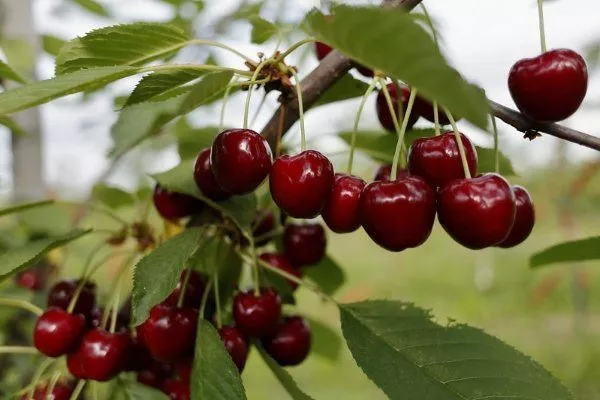
Early varieties
Early-ripening cherries are the most popular among gardeners, as they guarantee fruiting as early as late May or early June. Early varieties vary in cultivation methods, berry size, yield, and other characteristics.
| Name | Ripening period | Productivity | Disease resistance |
|---|---|---|---|
| Valery Chkalov | Early | 50-150 kg | High |
| Ovstuzhenka | Early | 100-102 c/ha | High |
| Ariadne | Early | 54 c/ha | High |
| Aprilka | Early | 20-50 kg | Average |
| Italian | Early | 75-80 kg | High |
| Homestead | Early | 85 kg | High |
| Iput | Early | 25-35 kg | High |
| Bahor | Early | 40-65 kg | High |
| Gorgeous | Early | 18 kg | High |
| Mountain woman | Early | 19 kg | High |
| Bereket | Early | 15 kg | Average |
| Annushka | Early | 15-20 kg | High |
| Danna | Early | Average | High |
| Venus | Early | High | High |
| Pridonskaya | Early | 25 kg | High |
| Valeria | Early | 60 kg | Average |
| Yaroslavna | Early | 100 kg | High |
| Bigarreau Burlat | Early | 80 kg | Average |
| Early pink | Early | Average | High |
Valery Chkalov
This cherry variety with a resounding name is the result of spontaneous pollination from the Caucasian Pink. It was recommended for cultivation in the Caucasus, but eventually adapted to temperate climates. It has stood the test of time. Many well-known cherry varieties have been developed using this variety. Valery Chkalov is considered partially self-fertile, but produces good yields when other cherry trees (for example, Rannyaya Marka and Skorospelka) are nearby.
The cherry tree is in its fifth season of fruiting. The berries are massive, heart-shaped, delicious, and aromatic. Each berry weighs between 6 and 8 g. It is considered a dessert variety. The fruits contain a record-breaking 21.5 mg of vitamin C per 100 g. Valery Chkalov describes the trees as 5-6 m in size with a pyramidal crown. The trees yield between 50 and 150 kg of fruit, depending on the planting site.
Ovstuzhenka
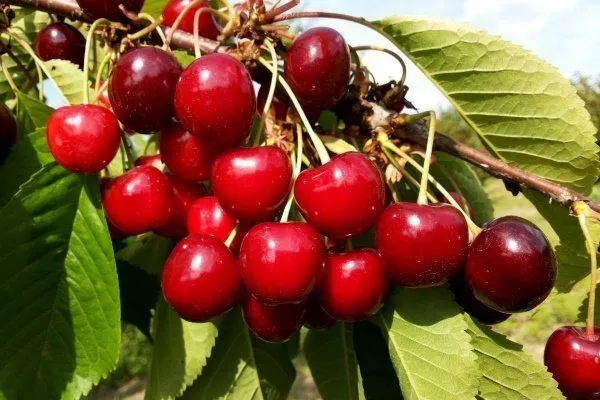
This variety was obtained by crossing the Compact Venyaminov and the Leningrad Black varieties. It has been entered into the State Register for the Central Region of the country. The tree is small and fast-growing, with an upright, spherical crown. It bears fruit early and abundantly, starting in the fourth year. It can self-pollinate, producing up to 5% of the fruit. It is recommended to plant pollinators nearby (Iput, Bryanskaya Rozovaya, Raditsa, etc.). The average yield is up to 100-102 c/ha.
The sweet cherries are medium-sized, weighing 4-4.5 g, and round. The flesh and skin are dark red, and the pit is ovoid. The fruits are juicy and sweet, with a flavor rating of 4.2 out of 5. The variety is highly resistant to fungal diseases and tolerates winters well. Ovstuzhenka was bred for cultivation in the Central Russian region, but it has also proven successful in the southern Non-Black Earth Region.
Ariadne
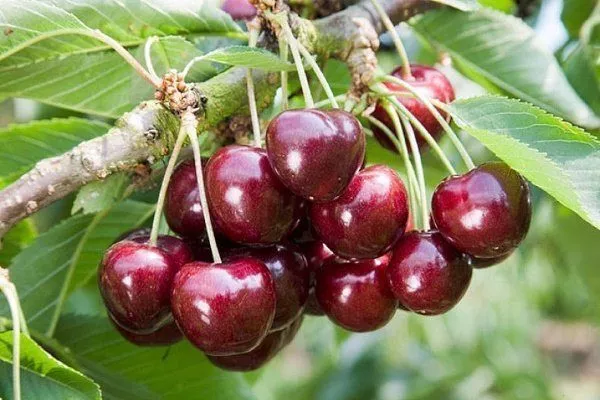
A versatile, early-ripening sweet cherry variety, zoned for the Central Black Earth Region. Originator: I.V. Michurin All-Russian Research Institute of Genetics and Breeding of Fruit Plants. Ariadna begins bearing fruit earlier than other varieties, in the third season. Tall trees with a pyramidal crown produce medium-sized, flat-round fruits. The flesh is sweet and cartilaginous, the skin is dense and red. The taste is excellent – 5 out of 5 points. The variety produces good yields (54 c/ha) and transports well. This cherry is frost-resistant. No disadvantages have been identified.
Aprilka
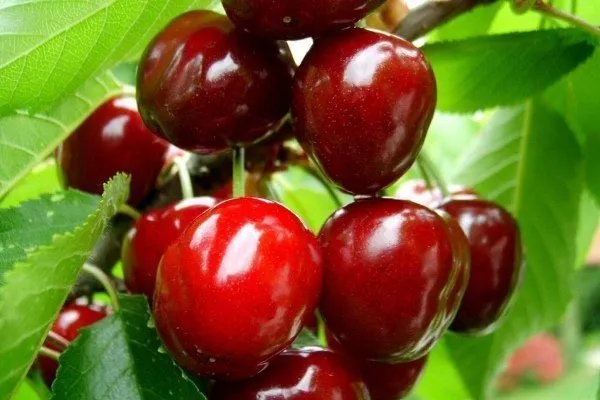
The variety was developed in the late 19th century from a seedling of unknown origin. Since 1947, it has been zoned for the North Caucasus and Lower Volga regions. Aprelka is widespread throughout the country and is prized by gardeners as an extremely early-ripening variety: it opens the cherry season at the end of May. The trees are self-sterile and require pollination. It is recommended to plant nearby Daybera black or Ramon Oliva cherries.
Aprelka produces its first fruit 5-6 years after transplanting into the ground. Small berries (3-3.5 g) appear on medium-sized trees. They are rounded, somewhat compressed, and have dark skin. This variety is considered a table variety. The fruits are eaten fresh; they are not suitable for processing. Aprelka yields approximately 20 kg per tree during the first few years of fruiting (5-7 years), and over 50 kg later. This cherry tree is characterized by average winter hardiness; in disease-prone years, it is susceptible to moniliosis, coccomycosis, and clasterosporium.
Italian
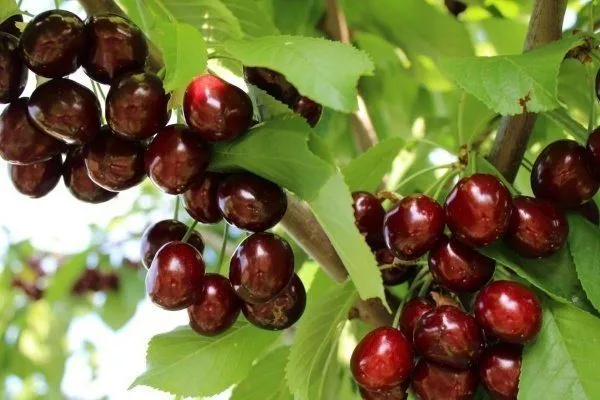
Recommended for testing in the Central Black Earth Region, this variety is also successfully grown in the south. It is undemanding of soil conditions and does not bear fruit early. The Italianka tree bears its first fruit in the fourth or fifth year. The tree is neatly shaped, reaching up to four meters in height. Pollination is required. This cherry is drought-resistant and produces regular, large yields: up to 75-80 kg per tree.
The berries are round, weighing 4-10 g, with dark red skin and firm, pinkish flesh. The fruits are sweet. Italianka doesn't have a long shelf life, but it tolerates cold winters and resists fungal diseases.
Homestead
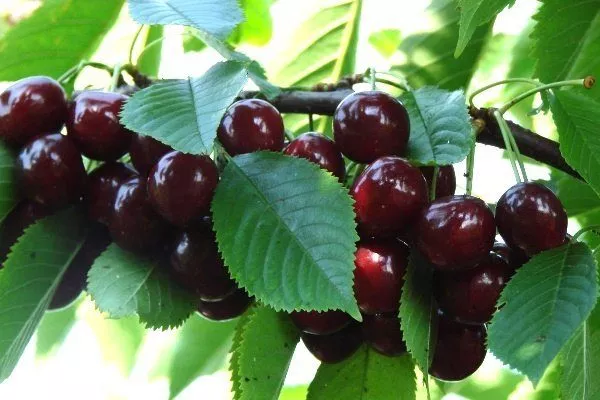
A popular variety with distinctive berries: yellow with a bright blush. The flesh is creamy. Each fruit averages 4-6.5 g, and the tree can yield up to 85 kg. Fruiting begins around the fifth year (after the cherry tree has been transplanted to its permanent location). The tree is medium-sized, up to 4 meters tall; the crown is rounded and not very dense. The variety is self-sterile; its pollinators include Skorospelka, Vinka, and Valery Chkalov.
This hybrid produces a high yield. However, it does not transport well and has an average shelf life. It is suitable for fresh consumption, compotes, and jams. It is cold-resistant. It is zoned for the Central Black Earth region, but is suitable for cultivation in the temperate regions of central Russia.
Iput
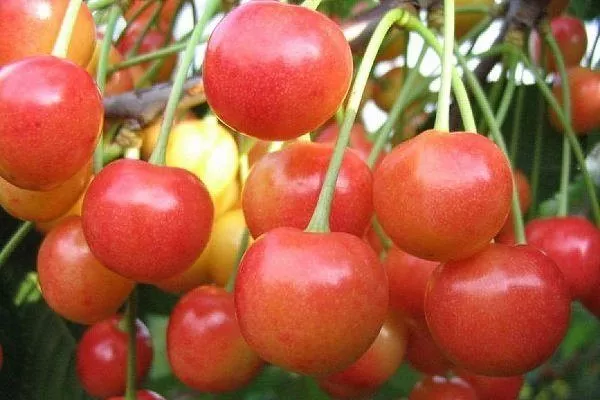
One of the most well-known early varieties and a high-yielding one: a single tree can yield 25 to 35 kg of berries or more. The tree is low, averaging 3.5-4 m, rarely reaching 6 m, with a dense pyramidal crown. It tolerates weather changes, including drought, frost, wind, and the most dangerous diseases for cherries. Iput is suitable for cultivation in the Moscow region and other areas with variable climates. It has good adaptability. However, pollination is required; suitable pollinators include Tyutchevka, Revna, Ovstuzhenka, and others.
The fruits transport well. They weigh up to 9 grams, are firm, and dark in color—burgundy, almost black. Their flavor (rated 4.5 points) is sweet and sour, becoming distinctly sour in low heat and sunlight. A minor drawback is that the pit is difficult to separate from the flesh.
Bahor
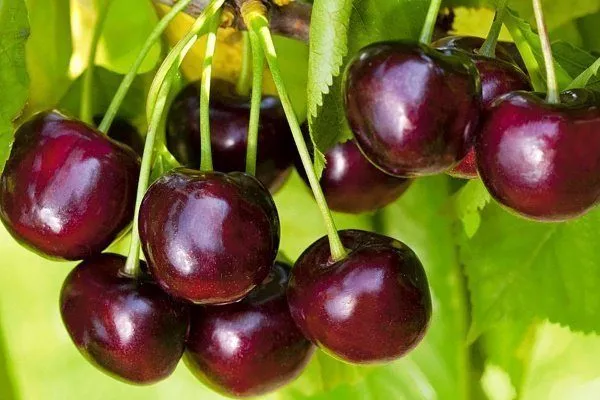
Developed at the Samarkand branch of the Horticultural Research Institute, this variety boasts drought resistance and can withstand temperatures down to -25°C. It ripens early—in the first or second ten days of May—and bears fruit in the fourth year. The tree is medium-sized, with a rounded crown, and grows quickly. The fruits are dark red, weighing up to 9 g each. The flesh is tender and firm, with a pleasantly tart flavor.
This versatile variety has been rated 5 out of 5 for both its fruit and compotes. The fruit transports well. Bakhor produces good yields—40 to 65 grams per tree or more, depending on its age.
Gorgeous
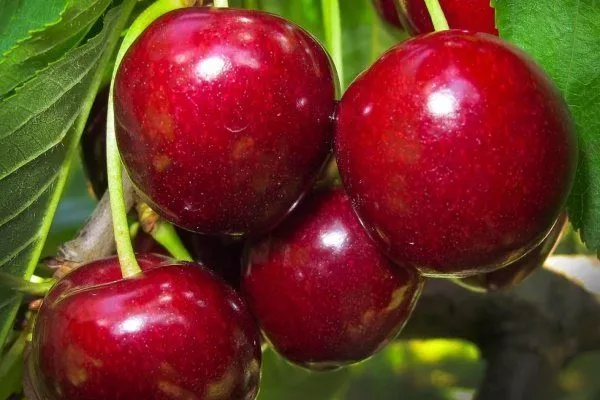
A successful variety for temperate gardening. A seedling from open pollination of the American "Ohio Beauty," developed by Belarusian scientists at the Fruit Growing Research Institute. This versatile variety is early-bearing and partially self-fertile. It produces vigorous plants with a sparse, pyramidal crown. The berries are golden with a scarlet blush on the side, heart-shaped, weighing 6-8 g each. The flesh is creamy, and the juice is sweet and tart. The small stone separates easily from the flesh.
The first harvest occurs in the fourth season, and by the age of eight, the tree produces up to 18 kg of fruit. To produce consistent yields, Beauty requires cross-pollination and the presence of pollinators: Likernaya (preferred) and other varieties. Beauty is above average in winter hardiness, but requires special care and preparation for winter, as there have been cases of the plant freezing.
Mountain woman
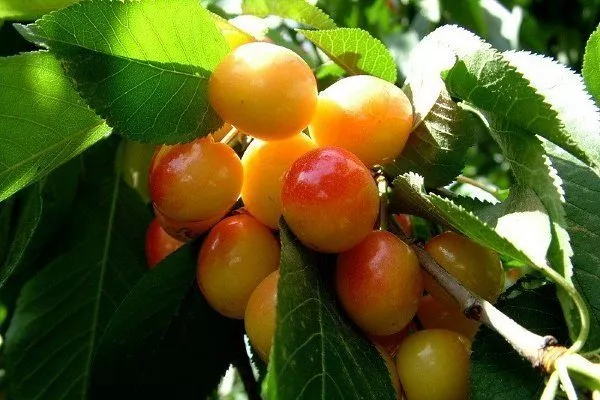
A mid-early variety bred in Dagestan. It blooms on April 19-20 and ripens by June 1-12. The medium-height tree with a well-foiled crown produces 5-7 g fruits, pressed laterally, with glossy, dark-red skin. The insides are the same color, juicy, and sweet-tart. The stone is medium-sized.
This cherry variety is resistant to moniliosis, summer droughts (but not prolonged ones), and winter frosts. It is suitable for intensive orchards. Epimedium requires only standard pruning, not special pruning. After planting in the orchard, the cherry tree begins bearing fruit (approximately in the fourth to fifth year). Trees can yield 19 kg or more of berries.
Bereket
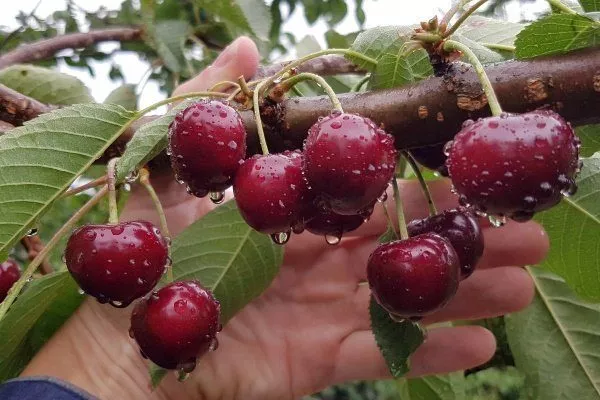
A variety from Dagestan, included in the state register for the North Caucasus in 2000. It was created by crossing two other varieties: Drogana Yellow and Aprelskaya Black. Medium-sized trees produce large (8-9 g), round berries. The skin is dark and thin, yet firm. The inside is red, sweet, and juicy.
Flowering occurs in late April and ripens between June 7 and 17. Yields are approximately 15 kg. Cherry blossoms respond well to watering and fertilization. They tolerate frost and some diseases. They can be grown in the northwestern regions. Moniliosis is a common fungal disease. Prolonged summer droughts also negatively impact the tree's health. Such weather changes lead to wilting.
Annushka
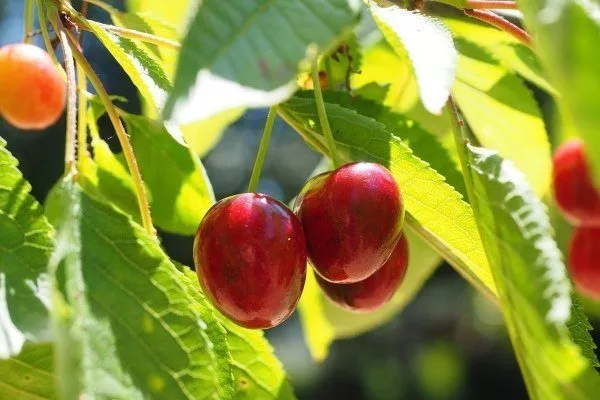
An early (3-5 years) and consistently fruiting variety. It represents the Ukrainian breeding school (Artemovsk Experimental Station) and is zoned for the North Caucasus region. It is self-fertile and produces large yields – over 15-20 kg per tree. The berries are large, sweet, and dark red. The flesh is crisp. Tasting score: 4.9.
Annushka is easy to transport and resistant to diseases and pests. It tolerates both high and low temperatures (not below -35°C). Seedlings hardened over the winter produce good harvests. Disadvantages include average resistance to coccomycosis and sensitivity to moisture and strong winds. Annushka has specific soil requirements: it should not be waterlogged.
Danna
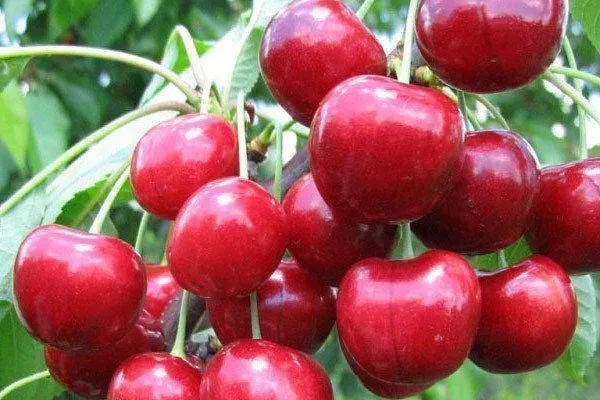
A versatile, partially self-fertile, early-ripening variety. Developed by pollinating the Leningradskaya Krasnaya cherry with the Zolotaya Loshitskaya cherry. It is zoned for the Central Black Earth Region. Its yield is average. Beginning to bear fruit in the 5th to 6th year, the cherry produces fairly large, uniform fruits (up to 7 g) with dark red skin. Their flavor is good, rated 4.7 out of 5.
Danna is a versatile variety. Its advantages include excellent flavor, high environmental resistance, and early ripening. It is resistant to diseases and pests, heat, above-average winter frosts, and spring frosts. Danna is best grown in the northwest of the country.
Venus
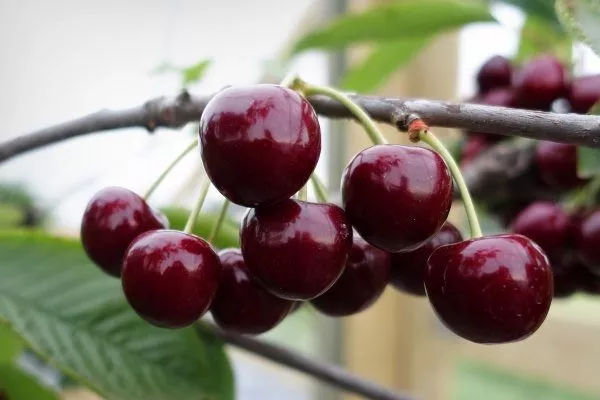
A sweet cherry with a top-rated flavor (5 out of 5). It ripens early and bears fruit in the 5th or 6th season. The Venus tree is medium-vigorous and has a pyramidal crown. The fruits are large, weighing 5-6 grams, and round. Red is their primary color. The flesh is tender, and the pit separates easily.
This young variety, developed in the 1990s, is versatile and partially self-fertile. Recommended growing zones: North Caucasus and Central Black Earth regions, Astrakhan Oblast. Advantages: annual yield, high winter hardiness, early ripening, large, attractive berries with excellent flavor.
Pridonskaya
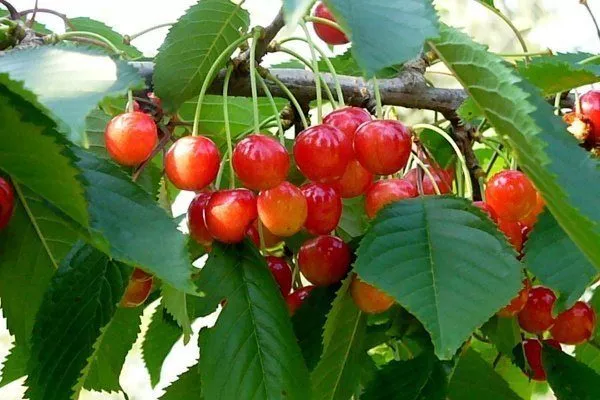
A Russian cherry variety bred at the Michurin Research Institute. It is self-fertile, but growing near Revna and Iput affects yield. The Northwestern region has a favorable climate for cultivation. The first harvest is expected only in the sixth year, later reaching yields of up to 25 kg per tree.
The fruits of the Pridonskaya berry ripen in July. The tree grows up to 3.5 meters in length, with a sparse crown. The berries are uniform in size, weighing up to 5 grams. The skin is blood-red, and the flesh is pinkish-red. It is very juicy, with distinct "cartilages." The variety has high immunity to diseases typical of this crop. It can survive heat and cold down to -28°C without damage.
Valeria
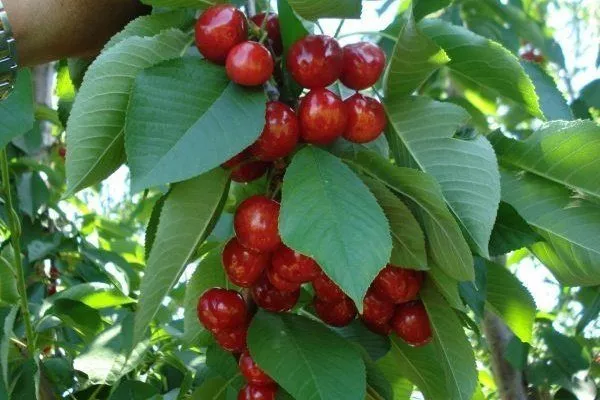
A versatile, high-yielding variety. Developed in the 1960s and 1970s, it is highly resistant to coccomycosis and tolerates other diseases poorly. In warmer climates, it yields twice as much as in colder climates (up to 60 kg). The trees are vigorous, with a medium-density, rounded, spreading crown. They produce berries of a rich red color, sometimes reaching a near-black hue.
The average fruit weight is 8 g. The flesh is dark and fleshy, with pink veins. The flavor is rich. The fruits are suitable for canning. This variety is also valued for its frost resistance.
Yaroslavna
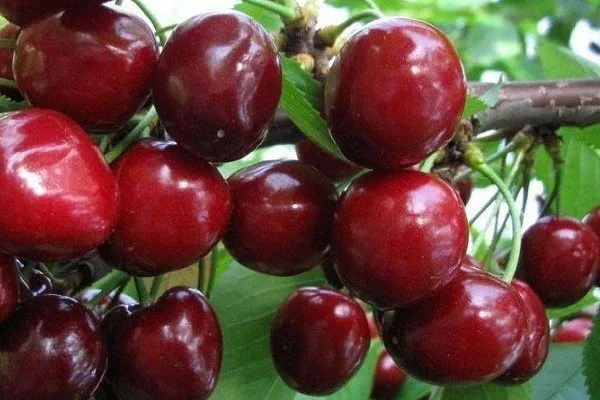
An early variety bred in 1956 in Donetsk. It is included in the State Register for the North Caucasus region. A distinctive feature of this cherry is its high resistance to cracking (in high humidity). It can also be planted in rainy areas. Yaroslavna can also grow in shade, but prefers fertile, warm soil. It also requires pollinators.
Yaroslavna produces a harvest in the fifth year, and by the age of ten, up to 100 kg per tree. It grows to 3-4 m. The berries are large – 8-12 g. The skin is thick, which facilitates transportation. This variety is susceptible to fungal infections, but is not susceptible to coccomycosis. It tolerates cold and drought well.
Bigarreau Burlat
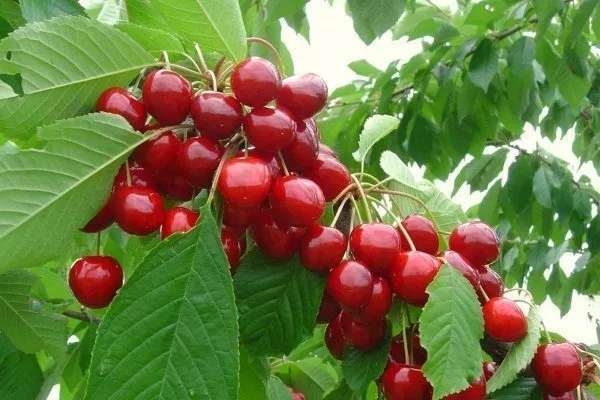
A sweet cherry developed in France in the 20th century. Popular in Europe, it has only recently been planted in Russia, but is a favorite among gardeners. This early variety is one of the first to bear fruit. Large fruits (over 6 g) appear on a medium-sized tree with a round crown. The berries are a rich red color and have excellent flavor. The yield per tree is 80 kg.
The Bigarreau Burlat cherry is moderately winter-hardy and susceptible to berry cracking after rain. However, it exhibits relative resistance to fungal diseases and is valued for its high commercial qualities. It is suitable for cultivation on dwarf rootstocks. The climate is temperate, particularly in southern Russia, Crimea, and throughout Ukraine.
Early pink
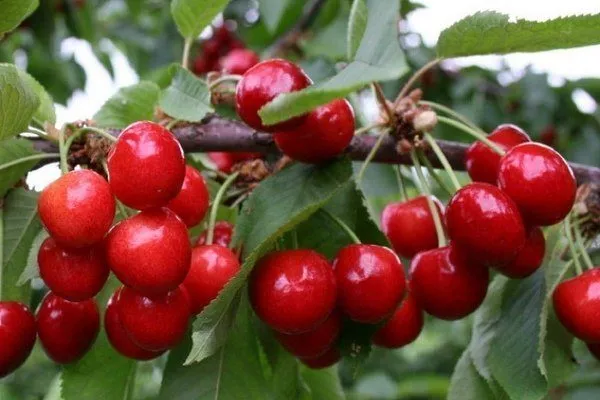
A variety recognized as one of the most delicious. Ripens in mid-June. It is zoned for the Lower Volga and Central Black Earth regions, but is popular in the southern Central Black Earth zone. Early Pink has a medium-sized tree with a leafy crown. The fruits are small but attractive: yellow with a red blush. The flesh is creamy. The advantages of this variety include resistance to frost and the main diseases that affect cherries. Disadvantages include poor transportability and small berry size (5 g on average).
Mid-season varieties
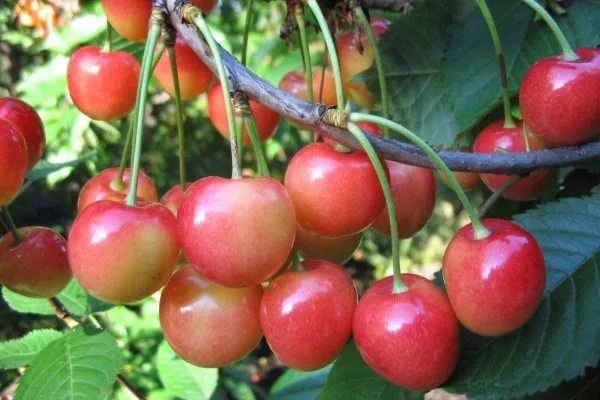
This cherry variety produces fruit from mid-June to early July. It tolerates recurrent frosts less well than early varieties, while producing better commercial quality berries. The fruit can be eaten fresh or preserved.
| Name | Ripening period | Productivity | Disease resistance |
|---|---|---|---|
| Gastinets | Average | 32 t/ha | High |
| Yellow Drogana | Average | 100 kg | High |
| Vasilisa | Average | High | High |
| People's Syubarova | Average | 55 kg | High |
| Bull's heart | Average | High | High |
| Dolores | Average | High | Average |
| Jealousy | Average | 73 c/ha | High |
| Large-fruited | Average | 55-70 kg | High |
| Farewell | Average | 160 c/ha | High |
| General's | Average | 50 kg | High |
| Fatezh | Average | 30-50 kg | High |
| Surprise | Average | High | Average |
| Black Daibera | Average | 90 kg | Average |
| Adelina | Average | 10-15 kg | Average |
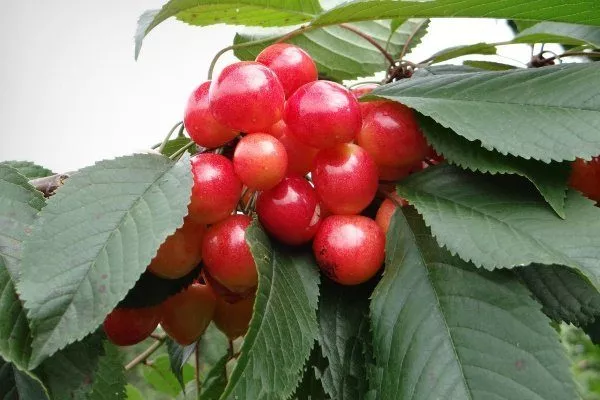
Gastinets
A mid-season sweet cherry. Developed by Belarusian pomologists by crossing the Red Plotnaya and Aelita varieties, this variety is partially self-fertile. Fruiting begins 2-3 years after planting. It produces high yields—up to 32 tons per hectare—and is resistant to coccomycosis and monilial blight, surviving winter well. In Belarus, Gastintz berries are harvested in July, while in Russia, ripening is slightly delayed.
This variety has fast-growing trees with a medium-density, upright, and broad crown. It produces large, round berries weighing over 6 g. The berries are orange in color, with a dark red outer layer. Inside, the yellow, starchy, dense, and juicy flesh contains an oval pit. Gastinets has received a high rating from tasters: 4.8 out of 5. The berries have a full, rich flavor.
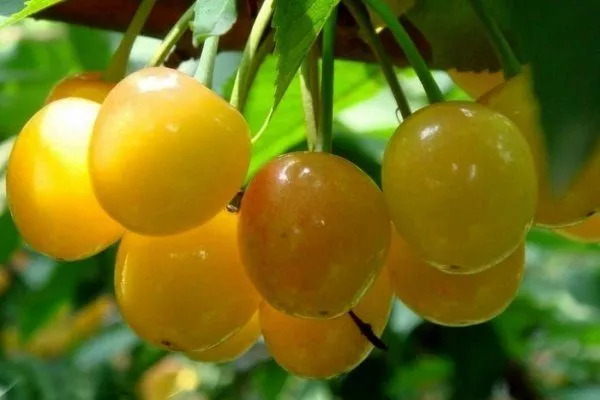
Yellow Drogana
Developed in Germany and named after its breeder, the variety is popular worldwide and boasts excellent adaptability. It is suitable for temperate climates, particularly in the Moscow region. Drogana Zheltaya is one of the few yellow cherry varieties. Its berries are richly colored, yet the juice is clear. The berries are large, weighing up to 8 grams each. Their flavor is pleasant and not overly sweet. It is considered a versatile variety.
The tree is vigorous, reaching up to 6 meters in height. A single tree can yield up to 100 kg of fruit. The plant tolerates mild frosts and relative droughts well. Among the positive qualities of the yellow drogana is its resistance to fungal diseases. Its disadvantages include poor transportability. The berries crack when exposed to frost or high humidity, and the tree's bark is damaged in rainy years.
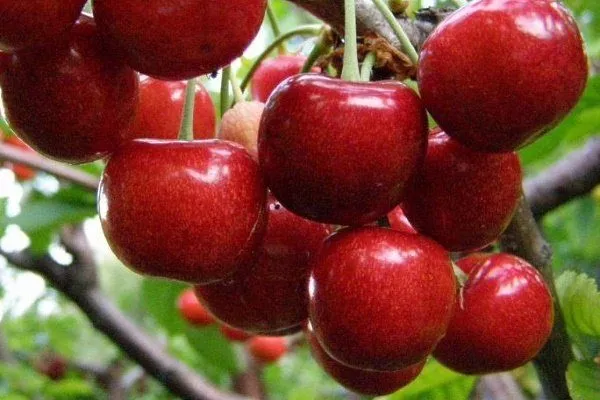
Vasilisa
The fruit of Ukrainian breeders, this variety is a cross between the Donetsk Ugolyok and Donetsk Beauty varieties. It produces some of the largest berries, weighing up to 15 grams each. The fruits are a bright scarlet color. The flavor is refreshing and sweet, with firm flesh. They are delicious both fresh and in compote. Sweet cherries are popular among gardeners. Their trees are short (4 m) and branchy. The first cherries appear in the third year after planting. They ripen in June, but in rainy summers, a harvest is expected in July. This variety is not particularly frost-hardy (it can withstand temperatures down to -25°C), but it survives droughts and resists common diseases.
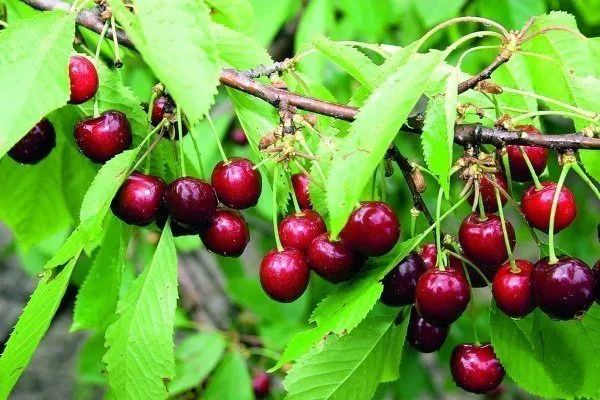
People's Syubarova
This variety is popular with Belarusian breeders and gardeners. Developed by E.P. Syubarova, this cherry tree's distinctive feature is its very robust, powerful tree, growing up to 6 meters in height. Its wide, spreading crown withstands even the strongest winds. Syubarova's "Narodnaya" is distinguished by its overall undemanding nature and undemanding soil quality. The variety is suitable for all regions, producing a stable harvest in both southern regions and Siberia. Seedlings thrive in a variety of soils.
The berries of Narodnaya Syubarova are dark scarlet with glossy skin. They weigh 5 to 6 grams each. A single tree can yield up to 55 kg of berries. The first harvest occurs in the fourth year after planting; the variety ripens in the second half of June. It bears fruit annually. Sweet cherries are disease-resistant and are not susceptible to coccomycosis.
Bull's heart
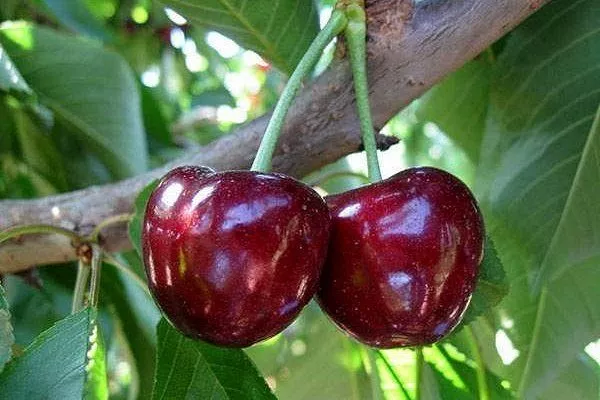
This cherry variety, also known as the Ox's Heart, was recommended for cultivation in Azerbaijan, Georgia, and southern regions during the Soviet era. However, today, its range has expanded, and the variety can be successfully grown in the Central Black Earth Region and even in central Russia. This cherry produces large fruits, resembling a heart, as is commonly depicted on paper. The berries weigh up to 10 g. Their color is dark garnet, almost black.
The trees have a pyramidal shape. Depending on the soil they are grown in, they can be medium-sized or taller. The variety ripens early and offers high yields. It is cold-hardy and disease-resistant, and is virtually immune to coccomycosis. However, there are some drawbacks: large fruits do not store well or transport well. In damp weather, the cherry tree can crack.
Dolores
A sweet cherry obtained by crossing the Napoleon black variety and the Lyubskaya cherry. Originator: Dagestan Experimental Station. Ripens June 10-19. Universal. Compotes and jams made from Dolores are of high quality, and the flavor is also highly rated (5 out of 5 points). The 3-4 m tall tree with a dense, spreading crown produces berries weighing approximately 6 g. Their skin is quite thin and dark: purple-violet, almost black, with dark scarlet spots. The flesh is juicy and melts in the mouth.
The tree's first fruiting occurs in the fourth or fifth year. Dolores easily survives drought, although extreme heat without rain can cause stunted growth and dieback of some shoots. The variety is distinguished by good frost resistance. It is immune to fungal diseases, with the exception of coccomycosis.
Jealousy
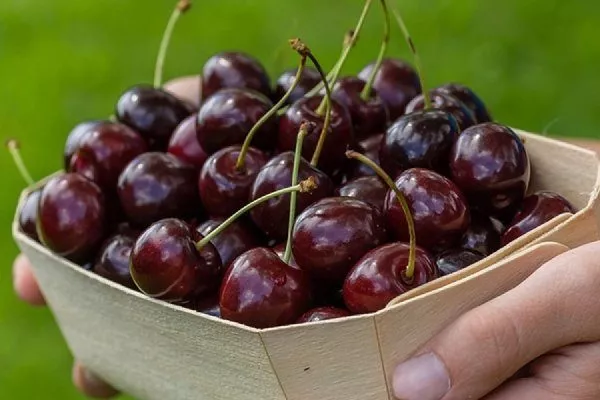
Developed in Bryansk from a Bryanskaya Rozovaya seedling, the variety inherited its best qualities. These include high yield, fungal and frost resistance, and firm fruit that is resistant to cracking. The Revna tree is medium-height, with a pyramidal crown. It tends to branch vigorously. The berries are flat-round, with a small white spot at the base. Each fruit weighs 4-5 g, but specimens up to 7.5-8 g have also been found. The skin and flesh are dark red. The flavor is rated 4.9 out of 5.
Sweet cherries are marketed as partially self-fertile. However, only 5% of the fruit set this way; normal fruiting requires nearby pollinators. The Revna variety is slow-ripening. The tree begins bearing fruit in its fifth year, but only reaches full fruiting capacity by the age of 10. Yields average 73 centners per hectare.
Large-fruited
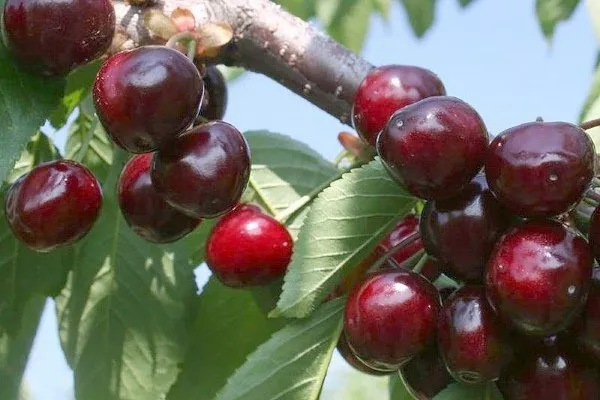
A variety bred by the Institute of Irrigated Horticulture of the Ukrainian Academy of Agricultural Sciences. Ripens in the last week of June. Fruiting begins at age four. As the name suggests, the berries are very large, weighing 12-14 grams each, and can reach up to 18 grams. The berries are firm and dark red. The flesh is also dark red, with a sweet and sour taste. The tree is medium-sized, reaching 5 meters in height. A single tree can yield 55-70 kg (in the first seven years).
The variety is partially self-fertile; Surprise, Oratovsky's Bigarreau, and Francis are the best pollinators. This large-fruited variety tolerates winters and droughts well. Ideal growing regions include Crimea, Krasnodar Krai, and the south of the country. However, it is also successfully cultivated in temperate climates. This sweet cherry is resistant to coccomycosis and bacterial canker of stone fruits and is resistant to moniliosis. The berries are well-suited for transportation.
Farewell
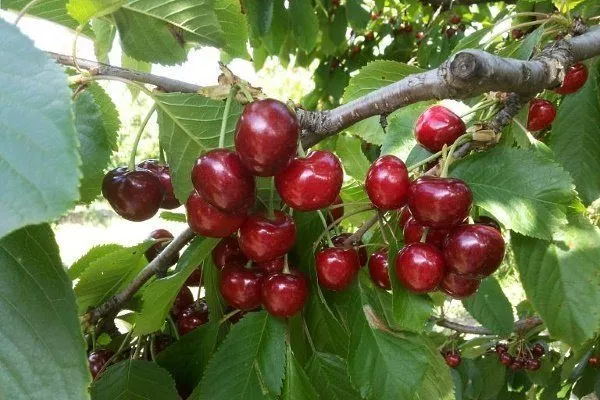
This is a mid-late variety: the fruit ripens between June 10th and 20th in temperate climates. It boasts high and consistent yields: 160 centners per hectare or more (60-80 kg per tree per season). This variety is grown in forest-steppe and steppe regions of the country. Proshchalnaya is one of the best cherries – large and delicious. A single fruit weighs 12-14 g. The color is dark red, the flesh is yellowish, juicy, and slightly tart. The pit separates easily.
The variety is partially self-fertile, but for improved productivity, it is recommended to plant other cherry trees (2-3 varieties) nearby. Suitable varieties for 'Proshchalnaya' include: Aelita, Valeria, Etika, Drogana zheltaya, Valery Chkalov, and others. The first harvest appears in the fourth or fifth year of growth. This variety is undemanding and considered winter-hardy. It also tolerates hot weather well.
General's
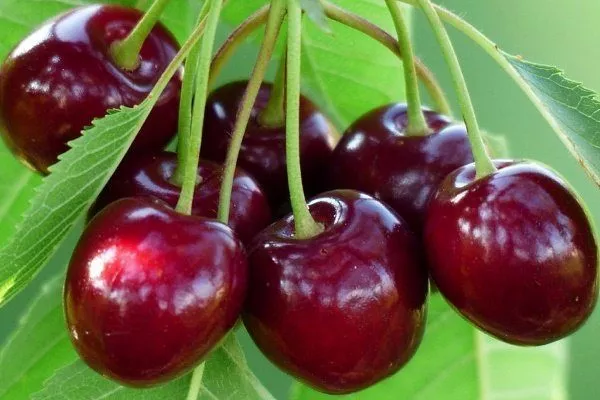
A mid-late variety, ripening in late June to early July. Developed in Ukraine, it produces a regular harvest of up to 50 kg per tree. Cherries reach 12 g in weight. They are fleshy, tart, and firm, scoring 4.8 on a five-point scale for flavor. The berries' skins are yellow with a crimson blush (a color that develops from sun exposure).
The trees of this variety are strong and tall. General'skaya cherry tolerates winters well and is undemanding of growing conditions. It is highly transportable, but not suitable for long distances. It requires pollinators (Tyutchevka, Iput).
Fatezh
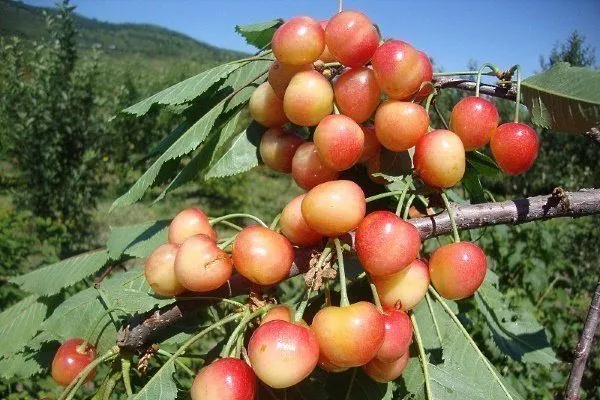
This variety is easy to grow in garden plots, requiring little moisture and fertilizer. Fatezh tolerates frost but dislikes strong winds, and it's best to plant the trees in full sun. It begins bearing fruit in the fourth to fifth year after planting, yielding 30 kg of berries in the first few years, then up to 50 kg. Plants reach a height of 3-4 meters.
The branches are strong, and the crown is spreading and regular. The fruit develops evenly. The berries are uniform in size and weight (4-5 g). The skin is scarlet, but with yellow flecks. The variety has a tart, acidic flavor, and the dense flesh separates easily from the pit.
Surprise
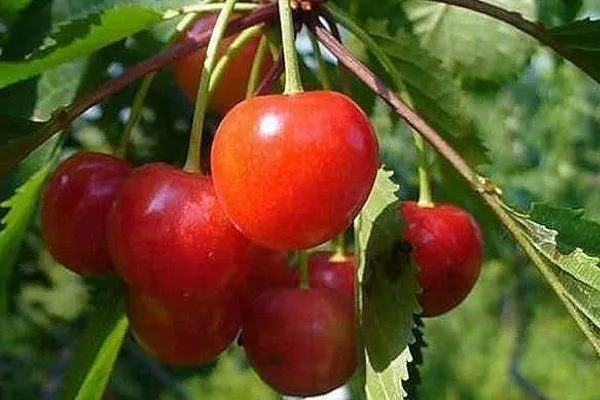
A variety with excellent flavor and yield. Fruiting begins in the fifth year, ripening by mid-July. Large, oval-shaped berries (up to 10 grams in weight) appear on medium-height trees. Their color is garnet-red, with dark skin. The flesh has a tart flavor and a cherry aroma.
Surprise doesn't tolerate severe frosts, but it is drought-resistant. The bark can be damaged by burns. The southern regions of the country are suitable for cultivation, but the trees require proper care. Like other self-sterile varieties, Surprise requires pollinators.
Black Daibera
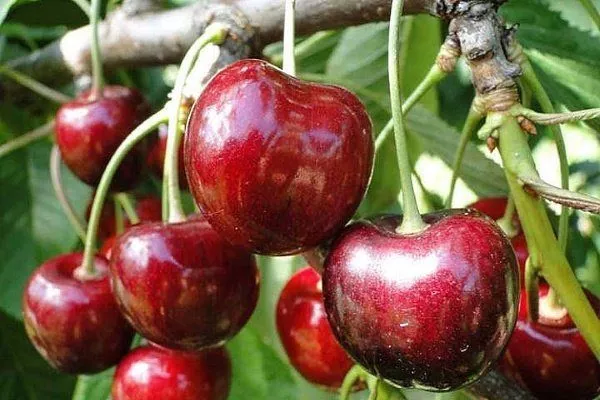
A mid-season variety, developed in the 19th century (in Crimea) and time-tested. Sweet cherries are slow to bear fruit, with the first harvest occurring in the fifth year after planting, but a single tall, well-branched tree can yield 90 kg or more of berries. The fruits reach 6-7 g in weight, are dark in color, and have bright red, juicy flesh.
Black Daibera thrives in the south, but in colder and rainier parts of the country, it bears fruit poorly and is susceptible to disease. It has moderate disease resistance. It is frost-intolerant, with a maximum frost hardiness of -24°C. The best pollinators for Black Daibera are Ramon Oliva, Gedelfinger, Jaboule, and Zolotaya.
Adelina
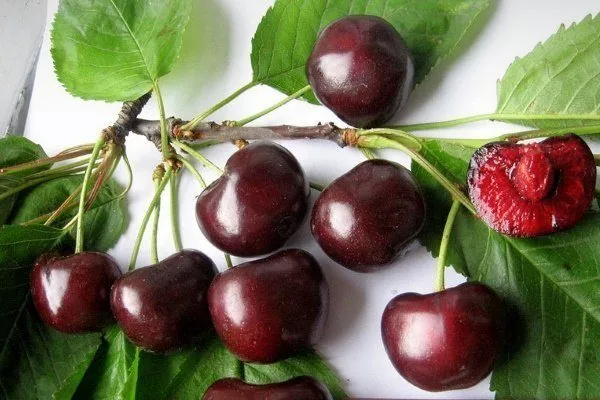
A Russian table variety, a cross between Slava Zhukov and Valery Chkalov. The tree is fast-growing, reaching 3-4 meters. The crown is pyramidal, dense, and upright. The berries are medium-sized, heart-shaped, weighing 5-6 grams each. The color is dark red, and the flesh is red and firm. The pit is easily separated. This variety is recommended for growing in temperate climates: central and southern regions. Pollination is required (the Poeziya and Rechitsa varieties are suitable).
Adelina has a moderate but consistent yield, increasing over the years from 10-15 kg and then upwards. The maximum yield is 140 centners per hectare. The variety requires regular watering and does not tolerate drought well. Frost resistance is also low, but this applies to the flower buds, not the tree. Adelina is relatively resistant to diseases and pests, but the excellent taste of the berries compensates for these shortcomings.
Late varieties
Late-ripening cherries begin bearing fruit in late July and continue into September. Growing them allows you to extend the cherry season and enjoy the taste of fresh berries after early and mid-season varieties have finished blooming. This also allows you to delay the transportation and storage of the berries, increasing their chances of lasting until autumn.
| Name | Ripening period | Productivity | Disease resistance |
|---|---|---|---|
| In memory of Astakhov | Late | 30 kg | High |
| Cordia | Late | 25-50 kg | High |
| Tyutchevka | Late | 40 kg | High |
| Staccato | Late | High | High |
| Lapins | Late | High | Average |
| Sweetheart | Late | 150 c/ha | High |
| Bryansk pink | Late | 20-40 kg | High |
| Regina | Late | High | High |
| Scarlet | Late | 50 kg | Average |
| Bryanochka | Late | 93 c/ha | High |
In memory of Astakhov
A late-ripening variety, ripening around mid-August. It is distinguished by its rapid growth. Trees reach 4-4.5 m, with a rounded, not overly dense crown. The cherry fruits are presentable—a rich burgundy color, uniform in size, large, weighing 8 g or more, with thin skin. The small pit separates easily from the flesh. The flavor is rated at 4.8 points.
The berries ripen 5-6 years after planting. The average yield is about 30 kg per tree. The Pamyati Astakhova variety is rarely affected by typical diseases, and its winter hardiness ranges from -25 to -28°C. This means it can be grown in temperate climates.
Cordia
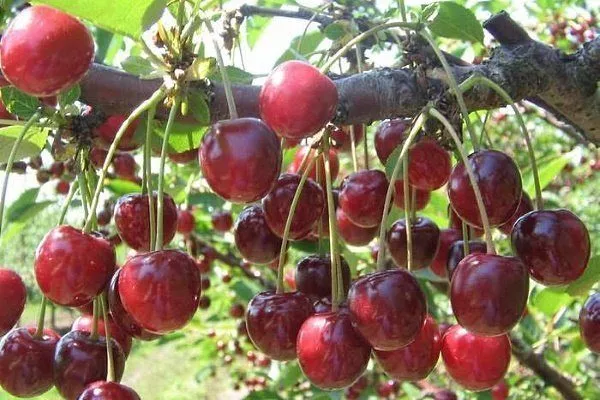
A late-ripening cherry that reaches full maturity in mid- to late July. Developed by Czech breeders and obtained as a random seedling, this variety is suitable for cultivation in the southern regions of Russia, although it can also be grown in temperate climates, such as the Central and Northwestern regions. Cordia is known for its regular and abundant fruiting. One tree yields 25-50 kg (in the fourth to fifth year). The berries are very large (8-12 g) and juicy, with a deep red color.
Cordia fruits are versatile, although more suitable for desserts. They tolerate transportation and excess moisture. Young plants are frost-sensitive and require additional protection, while mature trees can withstand temperatures as low as -25°C. The variety also doesn't tolerate heat well, requiring regular watering during dry periods. Cordia is self-sterile; cherry trees with similar flowering times should be planted nearby.
Tyutchevka
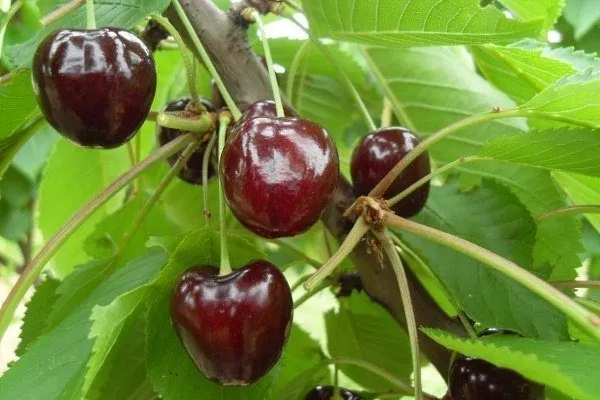
One of the best cherry varieties for growing in the central part of the country: winter-hardy, with low susceptibility to fungus. Bred in Bryansk from a seedling of the well-known "Krasnaya Plomina" variety. The tree is compact, with a not very spreading, sparse crown and large leaves. The cherry tree begins bearing fruit in its fifth year. Large, round fruits appear (averaging 5-7.5 g). The skin is dark red with speckles. The flesh is firm, and the juice is light red. Tyutchevka has a 4.9 rating for taste.
Cherry blossoms and ripens late. Self-pollination can produce up to 6% of the fruit. It's recommended to plant other varieties nearby (Ovstuzhenka, Iput, Raditsa). The variety's maximum yield is 40 kg per tree. Large farms harvest 97 c/ha. Gardeners choose Tyutchevka for its high productivity, dense, large, and transportable fruit, and excellent flavor.
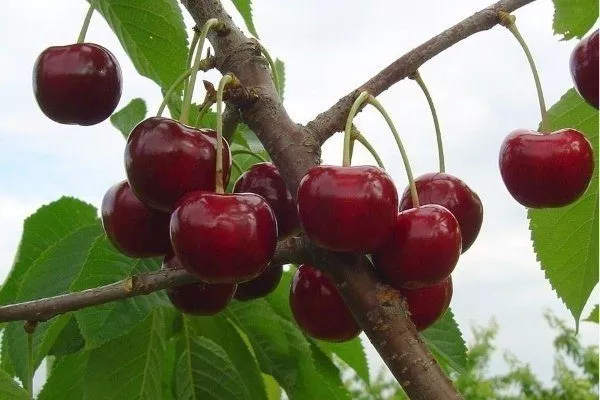
Staccato
One of the latest cherry varieties, the berries are ready for consumption in early August (between the 1st and 10th). Self-fertile, it requires no pollinators. It was developed in Canada and has been grown since 2000. Trees begin bearing fruit in the third year after planting, and the yield is very high. The berries are large, weighing from 9 to 12 g. They are shiny, beautiful, juicy, and aromatic, and do not fall off or crack in rainy weather. The fruit color is red, approaching burgundy. The berries have a tasting score of 4.8.
The trees are medium-sized. The variety has good winter hardiness and is resistant to major diseases. Staccato is one of the most important commercial cherry varieties in Europe and is distinguished by its good transportability.
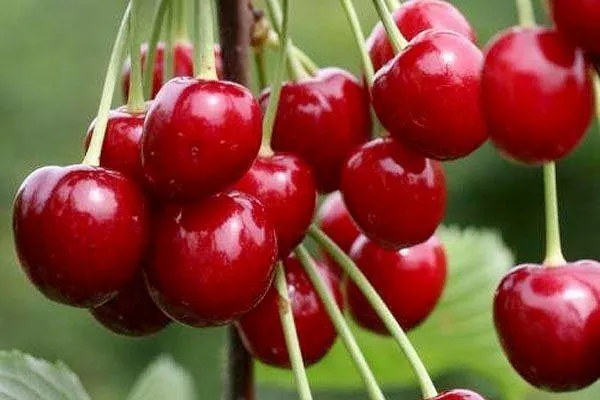
Lapins
A Canadian variety that tolerates frost poorly, it is popular in southern Russia. It grows as a self-fertile, vigorous tree with an upright, spherical crown. The berries are large, oval, and dark red (almost black). They weigh between 8 and 10 grams. The flesh is juicy and sweet, with a hint of tartness.
Lapins is planted in limited spaces because the tree doesn't take up much space and its branches grow upward. The variety is demanding of soil and sensitive to moisture levels. It has little or no resistance to fungal infections and moniliosis. However, Lapins is prized for its flavor (4.8 on a five-point scale), high productivity, and attractive appearance.
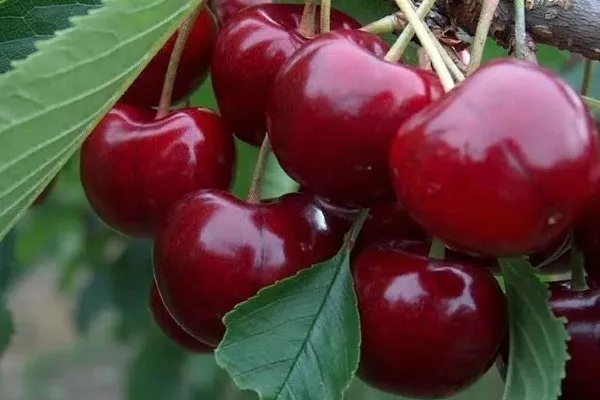
Sweetheart
A promising late-ripening variety native to Canada. It requires no pollinators. If the tree is grafted, it produces fruit in its second year. With irrigation, yields reach 150 centners per hectare. The trees are short, with a dense, oval crown. The berries are large, weighing up to 12 grams. They are dark red, heart-shaped, slightly elongated, and have a dense skin. The flesh is tender and juicy. The positive attributes of the Sweetheart variety include winter hardiness, large, flavorful fruit, excellent transportability (they don't crack), and a bountiful harvest every year.
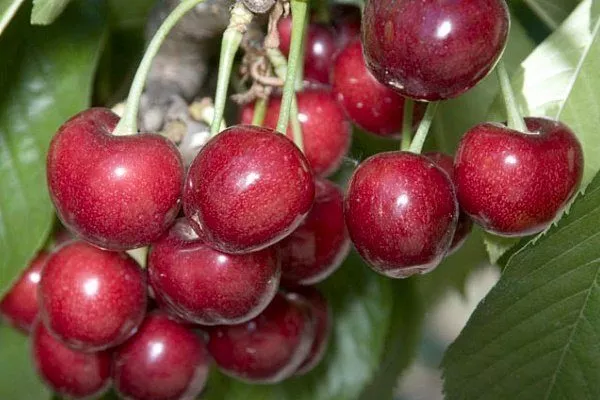
Bryansk pink
A Russian "pink" variety, bred in Bryansk and zoned for cultivation in the Central Region. Its appearance is recognizable: Bryanskaya berries are pink, round, firm, weighing up to 5-6 grams. The flesh is yellowish. The fruits are juicy but do not crack from excess juice and withstand transportation and storage well. This cherry tree begins bearing fruit in its fifth year. The harvest is in mid-July, with 20-40 kg of berries per tree.
The trees are large, with a dense crown, and are cold-hardy, but can be sensitive to spring temperature fluctuations. However, the variety is resistant to coccomycosis, clasterosporium, and monilial blight.
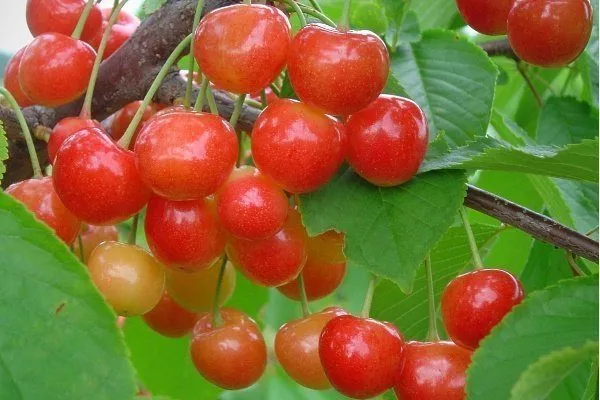
Regina
Developed by German breeders, this cherry is popular in Europe and Russia. It is suitable for both commercial and private cultivation. It is early maturing, bearing fruit in 3-4 years. It is not self-fertile; ideal pollinators include 'Summit' and 'Lapins'. Regina is a short, medium-sized tree with a canopy that is not too dense. It tolerates extreme cold, reaching temperatures down to -25°C.
This cherry ripens later than other varieties, beginning in mid-July. Regina's berries are large, dark red, weighing approximately 8 grams each. They have a rich flavor, earning tasters a 5 out of 5 rating. They withstand long transportation and remain fresh for a long time. If the berries become overripe, they remain fruit-resistant and do not crack. This variety also has good immunity, resisting many fungal diseases.
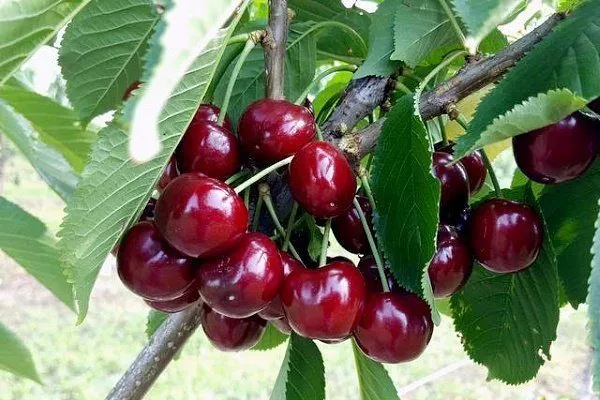
Scarlet
Grown in the North Caucasus region, this sweet cherry is recommended for cultivation in this region. It grows as a tall tree with an upright, moderately dense crown. The fruits are bright red, round, weighing 8-10 g each. The flesh is sweet and sour, moderately firm, and has a flavor rating of 4.8.
The fruits are suitable for processing. Alaya's yield is above average: 50 kg per tree. The cherry ripens late, reaching full fruiting in the fifth year. The variety is relatively resistant to fungal diseases and cold, but does not respond well to lack of heat during flowering. Alaya is also valued for its high marketability.
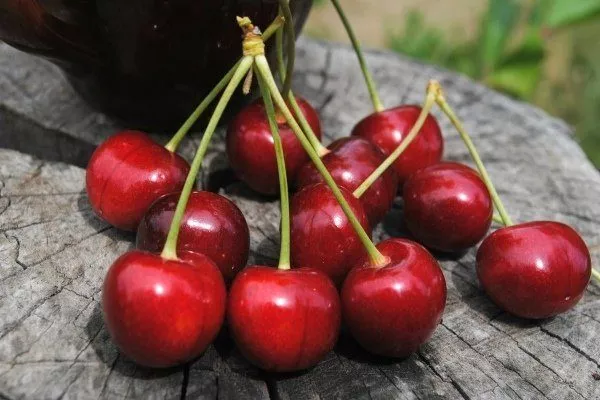
Bryanochka
The fruit of Russian breeders' efforts is a sweet cherry developed for northern regions. The tree is undemanding and cold-hardy. It requires no winter cover and can withstand temperatures as low as -30°C. It grows vigorously, reaching a height of three meters. Berries weigh 4.5-7.5 g and are broadly heart-shaped. The flesh and skin are dark red. The flavor is rated 4.7 out of 5. This cherry is recommended for fresh consumption.
The variety produces good yields: an average of 93 centners per hectare and a maximum of 308 centners per hectare. Bryanochka blooms and ripens late (in July), beginning to bear fruit in the fifth year. Self-sterile, it is pollinated by the Tyutchevka and Iput varieties. Bryanochka's advantage is its frost resistance. It also exhibits high resistance to coccomycosis and moderate resistance to clasterosporium and moniliosis.
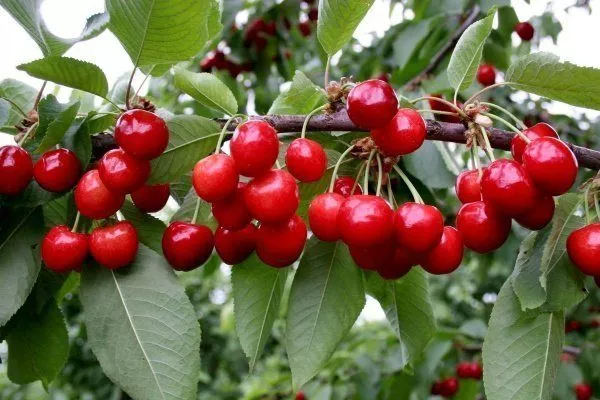
When choosing a cherry variety for cultivation in a small garden plot or for commercial production, many factors must be considered. This includes whether the variety is suitable for the local climate, what yield can be expected, and how soon after planting. The taste of the berries, as well as their presentation, are also important.