
Domestic gardeners consider the felt cherry (Chinese cherry) to be an easy-to-care-for tree with a strong immune system, but even it can sometimes begin to dry out. This problem usually occurs in the spring after flowering of this stone fruit, which many gardeners grow as an ornamental plant. To restore its beauty and health, it is first necessary to determine the cause of the crown's drying out.
Diseases
This low tree (or bush), which is a close relative of the plum rather than the common cherry, is loved by domestic gardeners not only for its spectacular appearance and sweet fruits, but also for its qualities such as:
- frost resistance;
- drought resistance;
- low susceptibility to coccomycosis;
- good resistance to insect attacks.
Moniliosis of felt cherry
Felt cherry moniliosis begins with fungal infection of the pistils. This occurs during the flowering season. Fungal spores penetrate the flower stalks and then the shoots themselves.
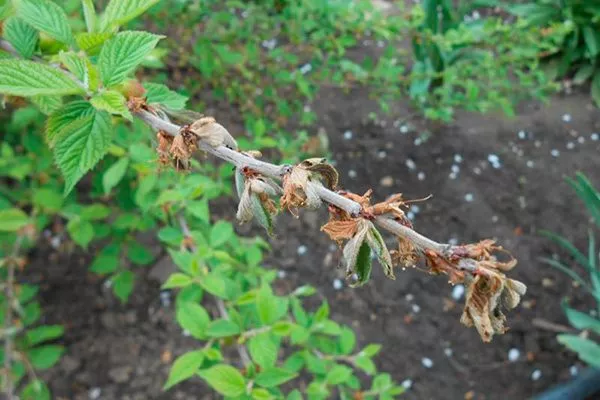
The following signs indicate that a plant is affected by monilial infection:
- wilting of flowers;
- their acquisition of a copper-brown hue;
- drying of leaves;
- damage to the formed ovaries;
- drying out of young shoots.
Moniliosis is dangerous because it causes rapid and widespread branch death. In a very short time, the tree loses most of its crown. If diseased shoots with mummified fruit containing the fungus are not pruned and burned promptly, there is a risk of losing the entire planting of this garden crop within just two years.
See also the video instructions on pruning and treating felt cherry affected by fungal infection (moniliosis):
Pocket disease
This disease is caused by a fungus belonging to the Taphrina family. In addition to drying branches, this fungal infection of Chinese cherry trees manifests itself as stunted, curled foliage and unusual fruit appearance. The fruit has the following characteristics:
- deformed shape in the form of an elongated sac;
- green color;
- the bone is missing;
- There are fungal spores inside.
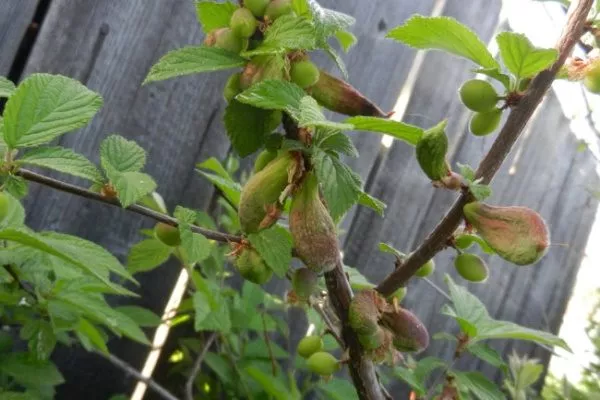
Defective berries, which look like soft sacs, gradually dry out on the branches. They harbor fungal spores. If shoots bearing these fruits are not pruned, infection with pocket disease threatens healthy plants in the garden.
Coccomycosis
Many fruit crops are susceptible to coccomycosis. Felt cherry has good immunity to this fungal infection, but it can sometimes be affected.
A plant affected by fungus has the following signs of illness:
- the appearance of red spots and holes on the leaves;

- the presence of spores on the back of the leaf blade;
- leaf fall.
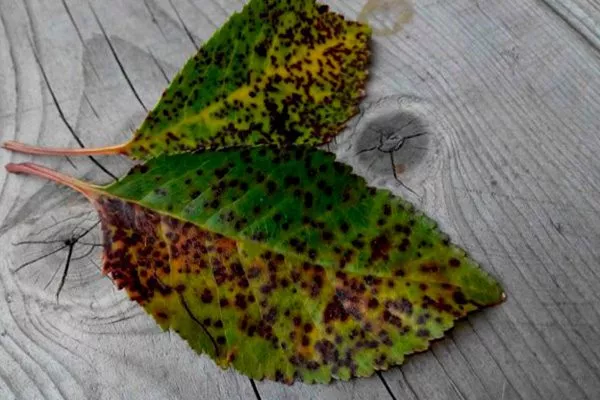
Coccomycosis weakens the tree's root system, causing premature leaf drop and branch drying. This can lead to a sharp decline in frost resistance and even death during winter.
Clusterosporiasis
Like many stone fruit crops, Chinese cherries are susceptible to this fungal disease, which reduces yields severalfold.
Clasterosporium manifests itself with the following symptoms:
- the formation of growths on the shoots that have a brown color;
- unnatural swelling of the buds;
- cracking of the bark;
- the appearance of reddish-brown spots on the foliage, which dry out and crack over time.
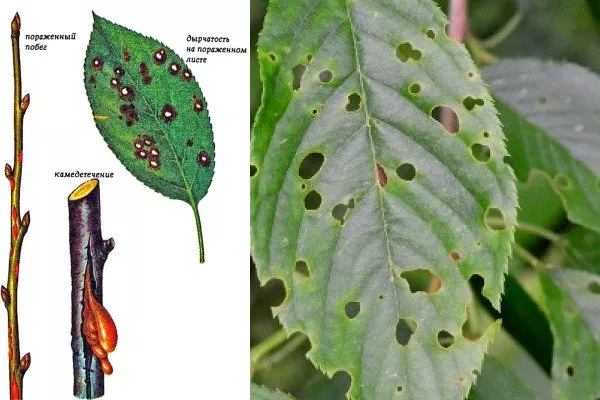
In advanced cases, the foliage of diseased Chinese cherry trees appears perforated, dries up, and falls prematurely. The branches of the diseased tree also dry out, and its fruits appear asymmetrical, as the fungus-infected portion dries down to the pit.
How can I determine what exactly my felt cherry tree is suffering from?
The appearance of the fruit and foliage will help you correctly diagnose the fungal disease that is causing the felt cherry to dry out.
What to focus on:
- If instead of berries you see ugly green sacs on the branches, and the foliage is curled, it is a pocket disease;
- If brown burns with a scattering of pale yellow sporodochia pads appear on the surface of the berries, and the berries themselves begin to rot or mummify, it is moniliosis;
- if the fruits are one-sided and partially dried out, and the leaves are covered with numerous holes - clasterosporium;
- If the berries look normal, but the leaf blades have brown spots with holes in the central part, it is coccomycosis.
General approaches to treating felt cherry diseases
Treatment for any fungal infection of felt cherry is the same. It includes the following measures:
- cutting out each affected shoot on a tree (or bush) and then burning them;
- deep smell of fallen leaves;
- spraying the crown with a fungicide belonging to the triazole group, copper sulfate or another copper-containing preparation.
- ✓ The concentration of copper sulfate should be no more than 1% to avoid burning the leaves.
- ✓ Spraying should be carried out in calm weather, in the morning or evening, to avoid rapid evaporation of the product.
Folk remedies are also applicable for the treatment of drying Chinese cherry:
- nettle infusion;
- mullein solution;
- water with added soda;
- iodine solution.
- ✓ Nettle infusion should be left to stand for at least 3 days for maximum effectiveness.
- ✓ Dilute the mullein solution in a ratio of 1:10 to avoid burning the leaves.
Spray your stone fruit crops with these fertilizers immediately after they finish flowering. This both prevents disease and is an effective measure for controlling it in its early stages.
After treatment, the crown of the Chinese cherry tree appears considerably thinner. Mineral fertilizers can help speed up its return to its attractive appearance. Products such as Bucephal and Mag-Bor have been shown to promote rapid growth of young shoots.
Pests of felt cherry
Besides fungi, the problem of drying branches in this stone fruit crop is caused by attacks from harmful insects. Although it is resistant to most garden pests, it is susceptible to attack by some.
Leaf roller
This pest looks like a green caterpillar. It chews on the buds, flowers, foliage, and fruits of the Chinese cherry tree. The caterpillar then develops into a butterfly.
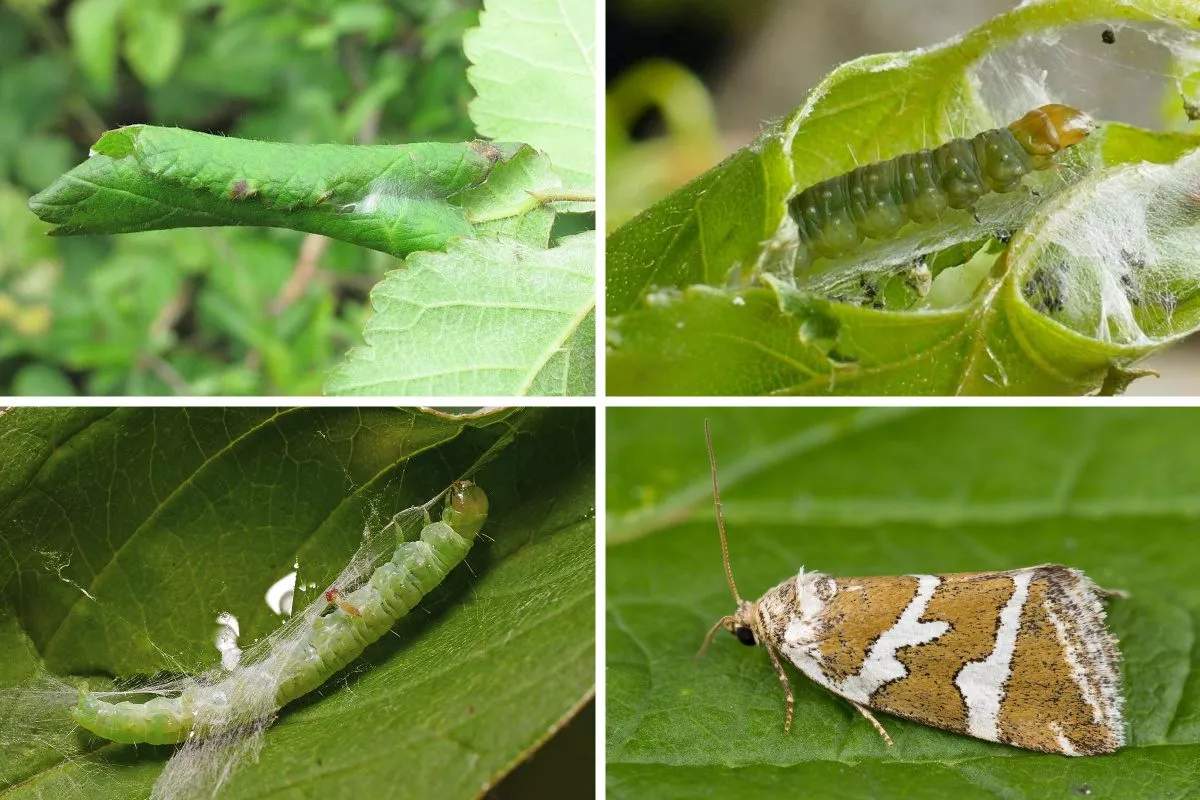
The foliage of a tree suffering from pest attacks is damaged:
- rolls into a tube;
- dries.
Every shoot affected by leaf rollers should be pruned. Dry branches and fallen leaves should be removed from the area and burned, and the plant should be sprayed with Fastak (prepare the solution according to the product's instructions). The treatment should be carried out at temperatures below 25°C.
Aphid
This miniature, black-bodied parasite attacks Chinese cherry trees en masse. To spot it, simply look at the underside of the leaf blade. On an infected tree, it will be covered with numerous insects. A sticky coating will also be present.
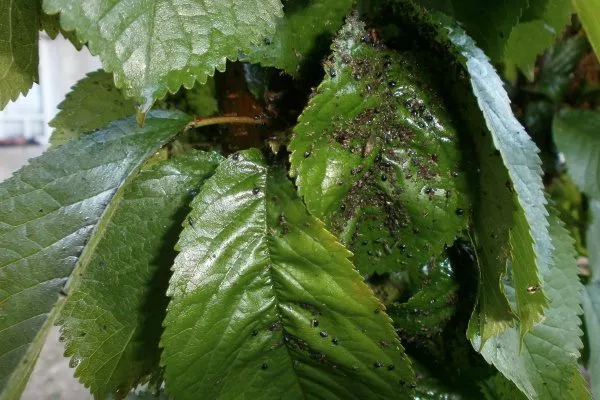
The following remedies will help you get rid of the parasite:
- soap solution;
- ash infusion;
- a decoction of yarrow, tomato tops, tobacco leaves;
- Spark;
- Commander.
Spray thoroughly, paying special attention to the underside of the leaves.
Plum mite
It attacks not only plums but also many other trees. Infestation of the felt cherry tree by this pest is indicated by the widespread appearance of wart-like growths on the shoots or leaves of the cherry tree. These growths harbor the parasite, which feeds on the plant's sap.
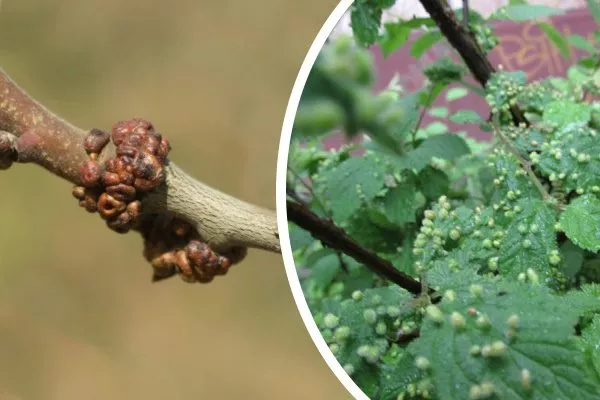
The fight against plum (pocket) mite includes the following measures:
- spring treatment of the tree with very hot water to destroy the pest larvae (carried out twice with a 3-day break);
- use of Aktara or Karate after fruiting is complete;
- removing fallen leaves from the area in the fall and digging up the tree trunk circle.
Plum codling moth
Felt cherry belongs to the genus Prunus, meaning it can be attacked by the same pests. The plum codling moth looks like a small butterfly with a brownish-gray body and wings. Its larvae pose a threat to felt cherry. They feed on the berries' flesh, causing them to dry out and destroying the harvest.
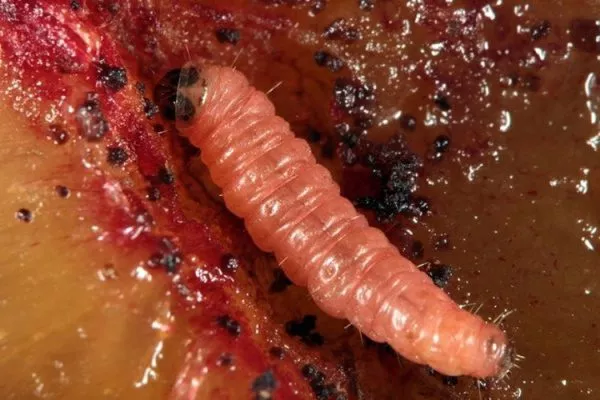
Plum moth control includes:
- using traps with sweet bait;
- spraying with Alatar or Decis after the felt cherry has finished flowering;
- application of Kinmix in the second half of July to destroy the second generation of the pest.
Why is it necessary to cut off diseased branches of a cherry tree?
One of the main treatments for dried-out branches of Chinese cherry trees is pruning. This procedure is essential if the tree is affected by fungal diseases.
The presence of dry branches on the Chinese cherry tree weakens it:
- makes the crop more susceptible to damage by harmful insects and various infections;
- reduces winter hardiness;
- reduces crop yield.
Therefore, they cannot be left.
Prevention
To prevent felt cherry trees from drying out after flowering, don't neglect preventative measures. Here's how to prevent this problem:
- regular inspection of the tree to promptly detect the first signs of fungal diseases or insect damage;
- thinning the crown (in spring, shorten each shoot growing inward by 20 cm, cut off dry, damaged and weak branches);
- spring treatment of cherries, the soil beneath them and stone fruit crops growing nearby with Bordeaux mixture;
- double treatment of felt cherry with Fundazol after flowering to prevent damage by moniliosis;
- early spring treatment of the plant with Profilaktin to protect it from leaf roller attacks;
- regular rejuvenation of the tree (cut out old branches to replace them with young strong shoots);
- using trapping belts to prevent damage to cherries by harmful insects;
- collection and burning of fallen leaves and cut branches outside the site;
- Regular removal of weeds in the garden and loosening the soil under the tree.
If the Chinese cherry tree in your garden has started to dry out, inspect it thoroughly for signs of fungal disease or pest infestation. These two factors are the most common causes of the problem. Pruning dead branches and applying fungicides and insecticides can help solve the problem. Don't neglect preventative measures to keep your tree healthy.