
The Sargent cherry stands out among other varieties for its unique characteristics. It attracts gardeners with its hardiness and aesthetic qualities. Designed for both decorative and practical use, it captivates with its natural beauty and resistance to adverse conditions.
History of origin and description
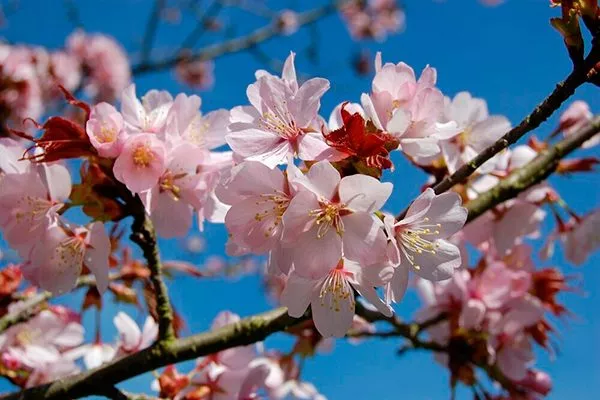
This is an ornamental variety, so don't expect a bountiful harvest. After the spring thaw, the tree stands out thanks to its cloud of pinkish-red blossoms that cover its branches. The leaves are brown with a copper tint during flowering, gradually turning green in autumn, acquiring a rich orange and reddish hue.
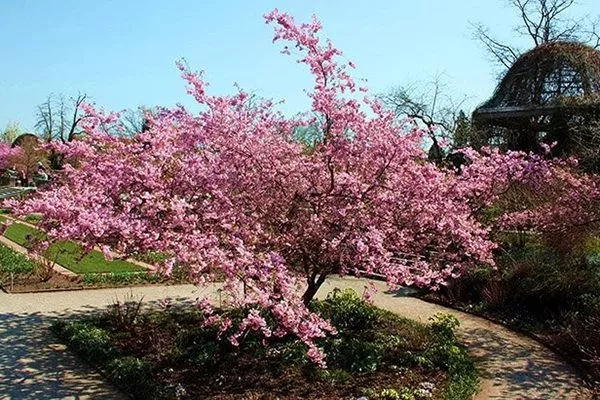
In winter, when the trees lose their summer covering, the cherry tree continues to impress with its brown bark with subtle light stripes. The branches are horizontally arranged, creating a spreading crown. The plant can reach a height of 15 meters.
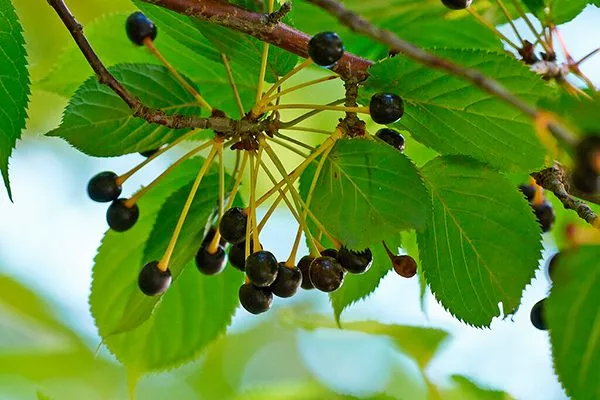
Varietal qualities of wood
It exhibits high frost resistance, withstanding temperature fluctuations and frosts down to -20°C. Despite its ability to bear fruit, it attracts attention primarily for its decorative appearance.
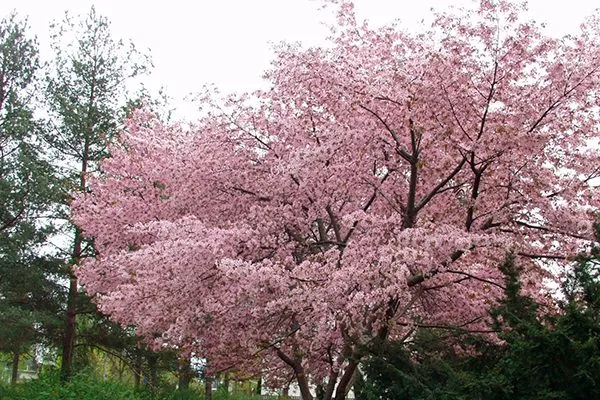
It prefers well-lit areas and is a sun-loving plant. It's not picky about soil, but thrives in fertile, moist soils with low acidity.
Features of cultivation
In the wild, Sargent cherry grows in Japan, Korea, and the Russian Far East, including Sakhalin. It exhibits high resistance, surpassing cultivated Japanese cherry varieties.
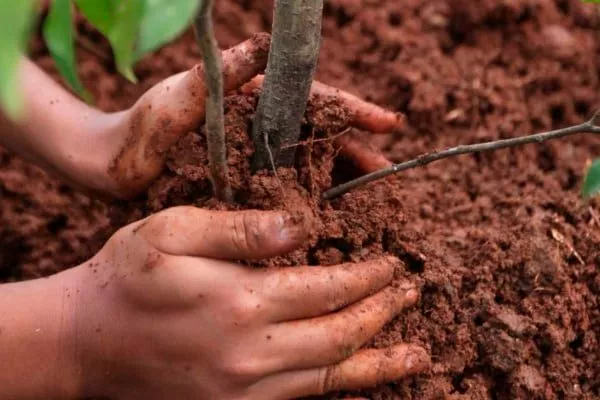
Helpful tips:
- Choosing a planting site is an important step in growing it. A sunny, wind-protected location is considered preferable. It exhibits resistance to recurrent frosts and low winter temperatures, making it suitable for both indoor and outdoor gardens.
- Prefers dry, medium-to-moderate clay soils with a neutral to strongly alkaline pH. The main requirement is sufficient nutrients.
- Plan your planting from fall to early spring. The tree will already be blooming by mid-April, so purchase seedlings in the fall and store them until spring.
- The planting process involves selecting grafted trees with similar growth characteristics to the planting region. Elevated, well-ventilated sites with good drainage are preferred.
- Avoid steep, sloping sites, boggy pits, or waterlogged clearings. West, northwest, or southwest exposures are considered optimal. Transplanting is not recommended, so choosing a planting site should be carefully considered.
- ✓ The optimal soil pH level should be between 6.5 and 7.5 to ensure maximum nutrient availability.
- ✓ The depth of groundwater should not exceed 1.5 meters to prevent root rot.
When planting, form a hole in which to place the seedling, and lightly compact the soil around it.
Care
Sargent cherry has a significant advantage: it requires no pruning, making it ideal for single, alley, and group plantings. Watering frequency depends on soil conditions, but it is recommended to moisten the soil every two weeks, applying up to 5 liters of water per plant.
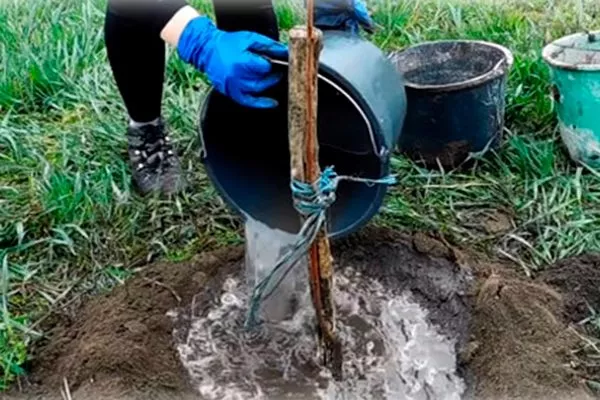
Water regularly for the first four years after planting. Four waterings per year are sufficient for the first three years: before flowering, during fruit set, after harvest, and before frost.
Pests and diseases
It exhibits high resistance to fungal diseases, but if not properly cared for, it can be susceptible to pest attacks. It's important to address the problem promptly to avoid unpleasant consequences.
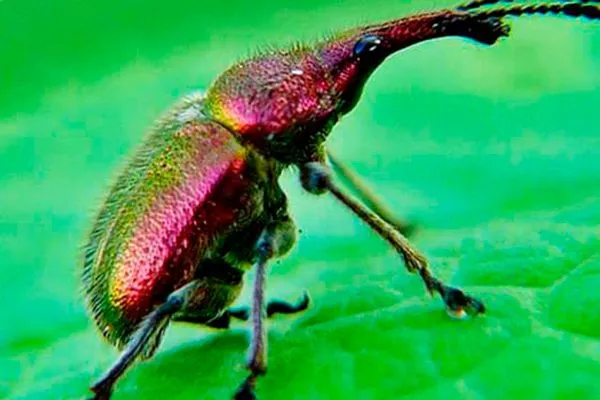
Cherry weevil
The red-golden beetle, with its long proboscis, sucks out nutrients and juices, damaging buds, young leaves, and flowers. A chamomile infusion made from 100 g of dried chamomile flowers per 10 liters of water is effective for controlling this pest.
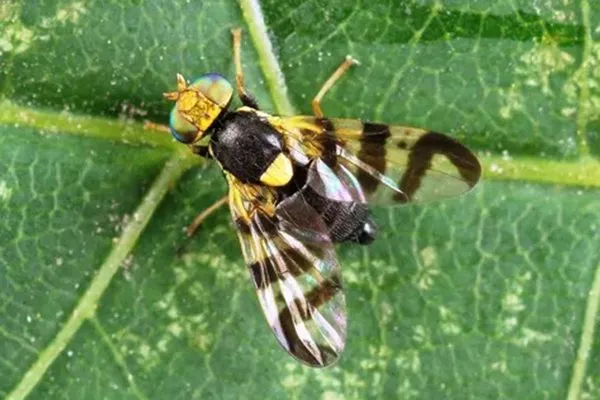
Cherry fly
It attacks leaves and crops, creating winding brown trails that interfere with photosynthesis. Use sticky traps and spray the plant with insecticides such as Actellic, Zolon, Calypso, Spintor, Iskra, or Karate Zeon.
| Insecticide | Validity period (days) | Efficiency (%) |
|---|---|---|
| Actellic | 14 | 95 |
| Zolon | 10 | 85 |
| Calypso | 21 | 98 |
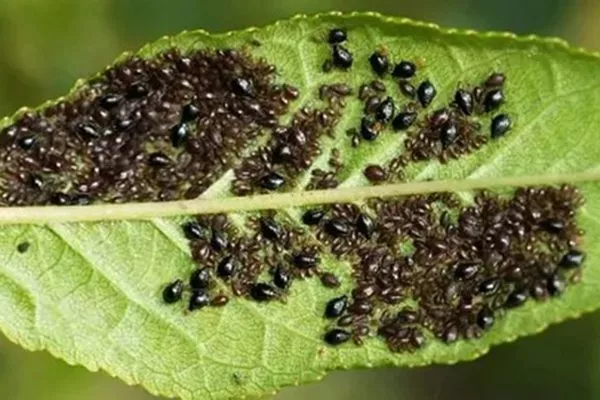
Aphid
Small white or black beetles are a problem for crops, causing stunted growth and making them more susceptible to fungal diseases. Aphid control involves finding and destroying anthills, which often serve as aphid carriers. Attract birds capable of destroying the insects.
The Sargent cherry tree combines aesthetic appeal with practical gardening benefits. It's easy to care for, accessible even to novice gardeners. Its popularity is justified by its ornamental qualities.
A very unusual cherry tree; I saw one like it at a friend's neighbor's. I even took a seedling and planted it, but what they told me about planting and care was completely different from what was described in the article. That's probably why my seedling died. Thank you for the detailed and, most importantly, reliable information. Last year, I followed your recommendations, and the seedling thrived.