
The Rovesnitsa cherry is an excellent choice for those seeking a bountiful, high-quality harvest from their garden. Despite some shortcomings, this variety has a number of positive qualities that make it popular among both novice and experienced gardeners. Proper care will help overcome potential problems.
History of selection and region of breeding
Developed in the city of Orlov using selective breeding methods, it is the result of successful work at the fruit and berry station under the direction of A.F. Kolesnikova and the result of crossing the Krasa Severa No. 11 and the Shirpotreb Chernaya variety.
Appearance of the Rovesnitsa cherry
The Rovesnitsa cherry is the ideal choice for those seeking a self-fertile variety with a high yield. It is specifically adapted to the Central Black Earth Region, offering gardeners an excellent opportunity to achieve a bountiful harvest with minimal labor.
Tree
The tree is characterized by a crown shaped like an inverted pyramid. Other features:
- It has a compact size and reaches no more than 3 m in height.
- The trunk and branches are covered with smooth, dark brown bark.
- The leaves of this variety are characterized by a wide shape and a sharp point at the end of the leaflet; their surface is wrinkled.
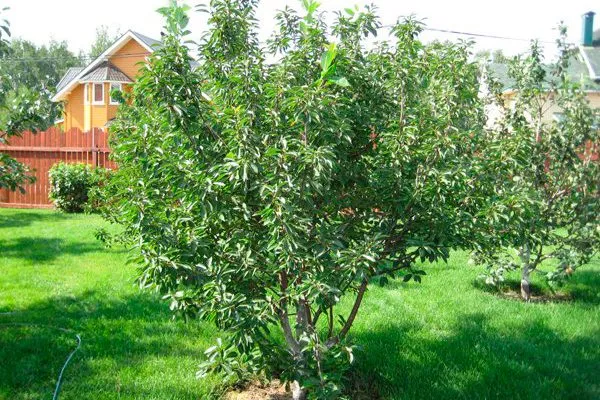
When exposed to sunlight, the leaves become shiny and richly green.
Fruit
Each one weighs approximately 3.5 grams. The skin is thick and burgundy. The flesh is firm and red in color, and the juice is dark red.
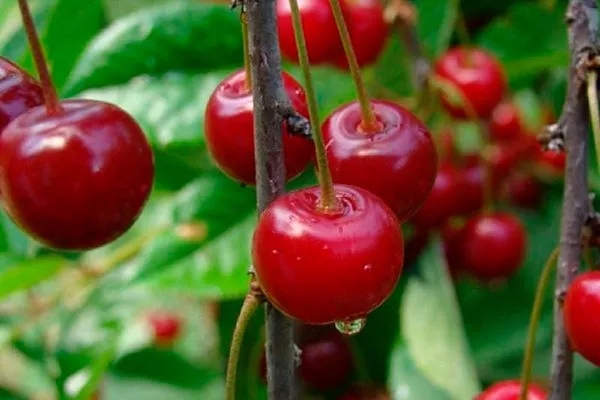
The pit inside the fruit is small and easy to remove. The flavor is delicate, rich, and sweet and sour. It receives a taste rating of 4.6.
Characteristics of the variety
Thanks to the pleasant taste and appearance of its berries, this variety is considered universal. The fruits not only meet but exceed the requirements for table grapes.
Self-fertility and pollinators
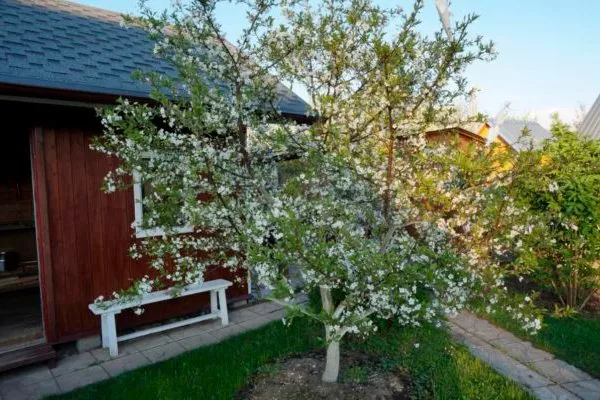
Flowering begins in late May, covering the shoots with snow-white flowers with a subtle, pleasant fragrance. This hybrid is semi-self-fertile, as berries form more successfully when pollen from neighboring varieties is present.
| Pollinator variety | Flowering period | Pollination efficiency |
|---|---|---|
| Turgenevka | Mid-May | High |
| Griot of Ostheim | End of May | Average |
| Vladimirskaya | Beginning of June | High |
Ripening period and yield
This is a mid-season variety, beginning to bear fruit in mid-July. The first harvest is usually not harvested until the fourth year, but the trees then produce fruit annually. A single plant can yield between 20 and 34 kg of berries.
On an industrial scale, the yield is estimated at approximately 40 centners per hectare, with the possibility of reaching a maximum level of 64 centners per hectare.
Flowering period
It blooms mid-season, approximately from May 17th to 22nd. Fruit ripening occurs on average between July 12th and 15th, all occurring simultaneously.
Planting and care
Choose strong, healthy seedlings without any damage. Give preference to two-year-old specimens—they adapt more easily to new conditions and root successfully.
- ✓ The optimal depth of the planting hole should be at least 60 cm to provide sufficient space for the root system to develop.
- ✓ The distance between seedlings should be 3-4 meters to ensure sufficient space for growth and development of the crown.
Follow the recommendations:
- The planting time (spring or fall) depends on the region. In southern Russia, fall planting is preferred, while in central and northern regions, spring planting is recommended to allow the seedlings sufficient time to adapt and avoid frost damage.
- If the seedling has affected roots, carefully remove the affected areas and treat the cut areas with activated charcoal to prevent bacteria from penetrating.
- Place the plant in open ground, setting it in the prepared hole next to a stake, which will serve as support for planting and protect it from wind damage. The root collar of the seedling should protrude 3-4 cm above the soil level.
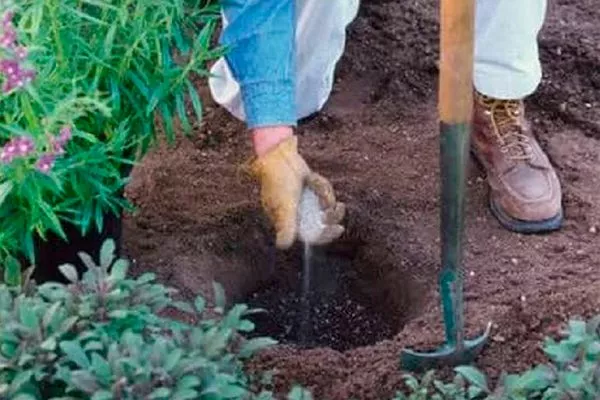
It's enough to water the bed only 3-4 times per season. Don't forget about fertilizing: apply organic and nitrogen-rich mineral fertilizers in the spring, and superphosphate in the fall.
Diseases and pests
There are numerous diseases and pests that can seriously damage trees, reducing or completely destroying future harvests. Many diseases are easier to prevent than to treat. The Rovesnitsa cherry tree is characterized by good resistance to the fungal disease coccomycosis.
The culture may face the following problems:
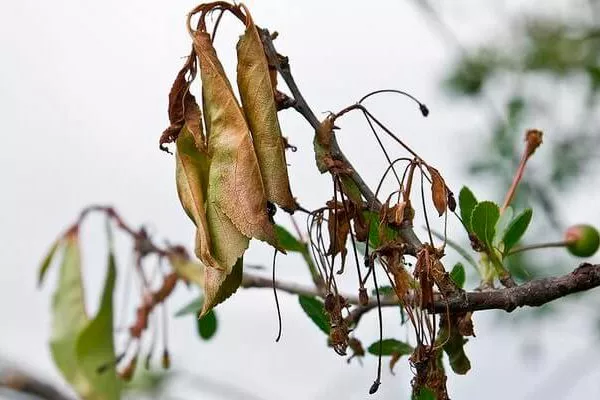
- Moniliosis. Fungal spores germinate in the pistils, disrupting the sap circulation in the plant. This damages ovaries, flowers, and young leaves, giving the branches a scorched appearance. Under the influence of the disease, the fruits turn an ash-gray color.
When the first signs of moniliosis are detected, remove all affected areas, trim the healthy part of the shoot by 15 cm, and then burn it. For prevention, treat with Bordeaux mixture (3%), ferrous sulfate (3%), or copper oxychloride. - Aphid. It often attacks young trees. To prevent colonies from forming, which can damage not only the leaves but also the crop, treat the plant with insecticides such as Oleocuprit or Nitrafen in early spring. Additional treatments with Metaphos, Fosfamide, or Karbofos are carried out before flowering.
- Worms. They are controlled with insecticides such as Molniya, Iskra, or Aktara. Conduct treatment in two stages: the first during acacia bloom, when the air warms up and the flies become active, and the second two weeks later.
Other pests, such as fruit mites, fruit moths, leaf miners, gypsy moths, and leaf rollers, can cause damage to crops. Preventative insecticide spraying combined with proper agricultural practices is usually effective in controlling these pests.
Advantages and disadvantages
Before planting a young plant in your garden, examine its positive and negative qualities. Rovesnitsa has many advantages:
- drought resistance;
- resistance to fungal diseases;
- fruiting every year;
- excellent taste of fruits;
- ability to adapt to different climatic conditions.
Rovesnitsa Cherry: Gardener Reviews
The Rovesnitsa cherry is a popular, high-yielding variety. It attracts attention with its abundant fruit production and pleasantly flavored berries, making it a favorite among many gardeners.