
The Prizvanie cherry is a versatile choice for gardeners seeking a highly productive and easy-to-care-for fruit tree. Its compact size and excellent fruit production make this variety ideal for smaller gardens. It boasts early ripening and sweet, juicy berries, but requires specific care and maintenance.
Who developed the variety and when?
Developed by N. I. Turovtsev at the Melitopol Research Institute of Irrigated Horticulture in the 1980s, it has long been popular among Russian gardeners. It is successfully cultivated in the southern regions of the country and throughout Ukraine.
The appearance of the tree
This compact, low-growing plant reaches a height of 2.2-2.5 m, making it ideal for small gardens and country plots. Distinguishing characteristics:
- The miniature plant has a dense, spherical crown with high branching and abundant green mass.
- The leaves are large, elliptical in shape, with pronounced matte finish and venation.
- A strong root system ensures stability.
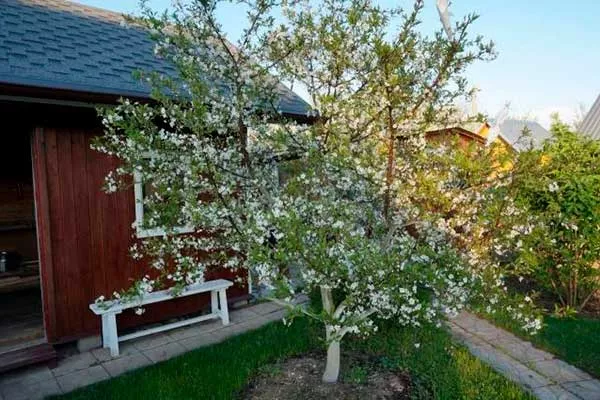
Flowering begins in late April or early May and lasts no more than 10-12 days. Lush pink flowers cover the crown abundantly, filling the air with a sweet aroma. They can appear singly or in small clusters, adding decorative appeal to the tree.
Fruits and their taste characteristics
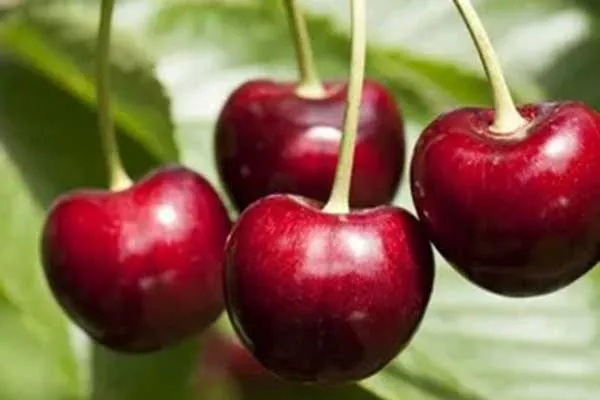
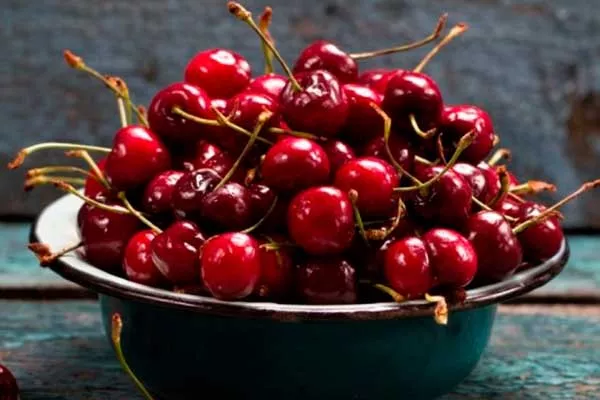
The shape is round, slightly compressed at the sides. They are large, weighing 5-6 g, with a burgundy, shiny skin. The flesh is firm but very juicy. The pit is small and easily separated without much effort. Fruit composition:
- fiber – 16%;
- sugar – 10%;
- organic acids – up to 1%.
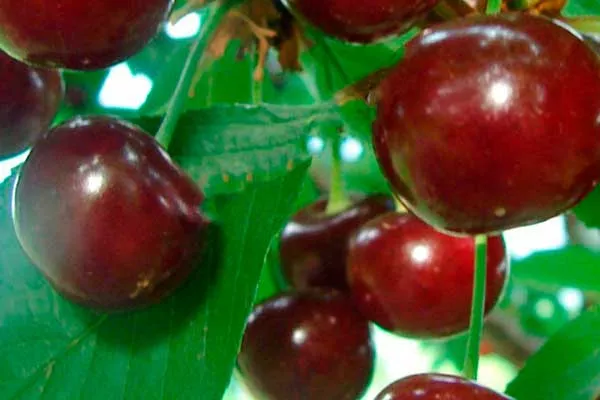
The juice and pulp contain many beneficial microelements and vitamins. Thanks to their high sugar content, the berries have a sweet taste with a pleasant tartness. They have a tasting score of 4.6.
Characteristics
Most of the Prizvanie cherry's varietal qualities can satisfy even the most demanding gardeners. It's important to research them before planting the tree.
Drought resistance, winter hardiness
The crop tolerates short periods of moisture stress well without significantly reducing yield. However, to maximize yield, it is recommended to maintain moderate soil moisture, especially during periods of active growth and fruiting.
The Prizvanie variety is well adapted to cold climates and can withstand temperatures down to -30°C. Its high winter hardiness makes it a popular choice for gardeners in central and northern Russia.
Pollination, flowering period and ripening time
This is an early-ripening variety. Fruiting occurs in the second half of June. It is self-sterile, so for pollination and good yields, it is important to have at least two other cherry or sweet cherry varieties growing nearby.
Flowering times should coincide with the Calling. Best pollinators:
- Memory of Enikeev;
- Sania;
- Youth;
- Chocolate Girl;
- Baby;
- Griot of Moscow.
Plant pollinator trees 3-4 m apart.
Productivity, fruiting
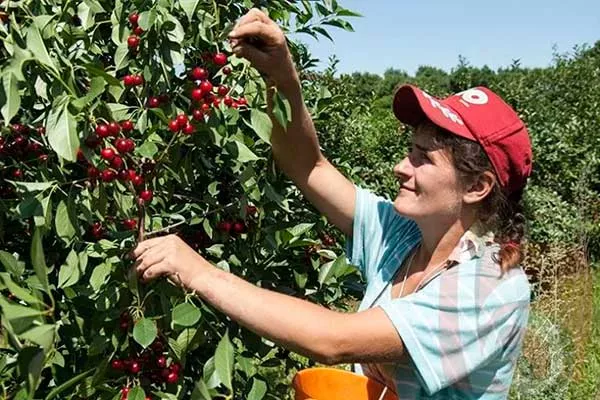
It is characterized by rapid fruiting, beginning to bear fruit within 2-3 years of planting. The fruit production increases with each season, and an 8-10-year-old tree can produce up to 30 kg of fruit.
Application of berries
This versatile variety boasts exceptional flavor. Cherries are used to make aromatic jams, preserves for the winter, and delicious liqueurs. They are also suitable for drying, freezing, and making candies, pastilles, and other culinary products.
- ✓ High early fruiting: first harvests 2-3 years after planting.
- ✓ Resistance to brown hawthorn mite and good resistance to moniliosis and coccomycosis.
Resistance to diseases and pests
The plant has a strong immune system. It resists the brown hawthorn mite well and demonstrates good resistance to common diseases, including moniliosis and coccomycosis.
Landing features
To ensure fruit plants continue to provide years of enjoyment, it's important to consider certain nuances when cultivating them. These factors determine their development and productivity.
Recommended timeframes
It is best to plant cherry tree seedlings of the Prizvanie variety in early spring, before the sap begins to flow, or in autumn, in late September - early October, 3-4 weeks before the onset of frost.
Choosing a suitable location
A sunny, wind-protected site is the key to a long life and abundant fruiting. Improve heavy soils by adding sand, and to neutralize acidic soils, add wood ash to the planting hole.
What crops can and cannot be planted next to cherries?
Avoid growing this variety near shrubs (raspberries, sea buckthorn, gooseberries, currants) and trees with extensive root systems (oak, linden, poplar, birch, pine, spruce). It does not tolerate proximity to vegetables from the nightshade family:
- tomatoes;
- pepper;
- eggplants.
It's not recommended to plant apricots and peaches next to each other due to differences in their growing techniques. Plums, cherry plums, blackthorn, cherries, elderberries, honeysuckle, rowan, hawthorn, and grapes are favorable for this crop.
Selection and preparation of planting material
To select the right cherry tree seedling, pay attention to several key factors. What should the plant look like?
- Age - 1-2 years. Young trees take root more easily and begin to grow faster.
- Root system – Well-developed, fresh, not over-dried, and without visible damage. For bare-root seedlings, check by lightly scraping the root—it should be white and moist beneath the bark.
- Escapes – flexible.
- Kidneys – dry and not over-dried.
- Trunk – straight, without cracks or mechanical damage. The bark is smooth and free of signs of disease.
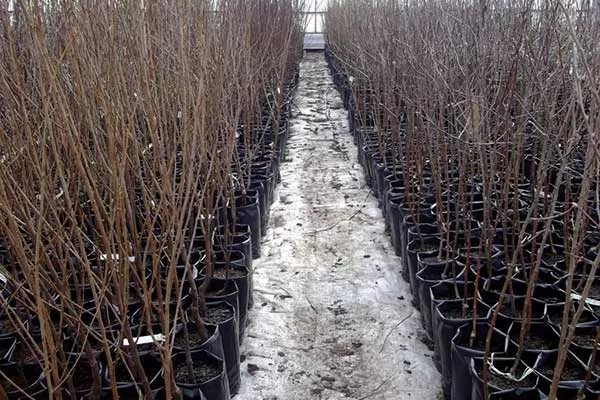
Carefully inspect the roots. If there are any damaged or dry areas, carefully trim them back to living tissue. To improve root survival, soak the roots in water for 2-4 hours before planting. Add rooting stimulants (such as Kornevin). Treat with a weak solution of potassium permanganate.
Landing algorithm
When planting a seedling in spring, it's important to ensure its buds aren't open yet—this promotes better survival. Step-by-step instructions:
- Dig a hole measuring 60x80 cm.
- Place a peg in the center of the hole.
- Carefully spread the roots and gradually fill them with fertile soil. The root collar should be level with the soil. Firm it thoroughly.
- Tie the tree to a stake for stability.
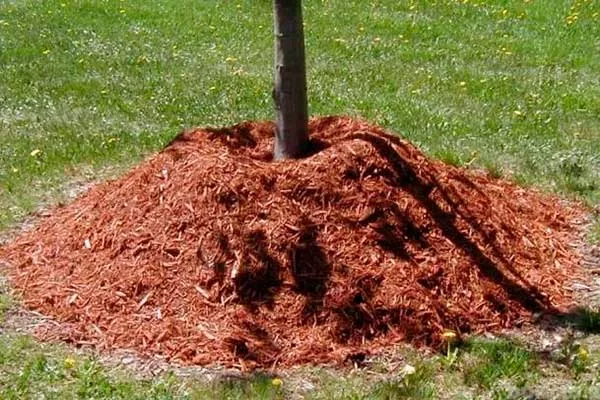
Moisten the soil generously and mulch the tree trunk circle.
Subsequent care of the culture
Plant care involves several key aspects that help ensure healthy growth and abundant fruiting. Follow these simple gardening practices:
- Watering. Provide regular watering, especially in the first few years after planting. Water the plant 3-4 times per season – in the spring, during flowering, during fruit formation, and in the fall, before frost. Water deeply to moisten the soil to a depth of 30-40 cm. Increase the frequency during dry periods.
- Top dressing. Cherry trees respond well to fertilizer. In the spring, apply nitrogen-rich fertilizers to promote active shoot and foliage growth. During flowering and fruit formation, complex fertilizers containing potassium and phosphorus are effective. In the fall, apply organic matter, such as humus or compost, to strengthen the roots for the winter.
- Trimming. Annual pruning is important for shaping the crown and maintaining the plant's health. In spring, remove damaged and dead branches and thin out dense areas to improve ventilation and light access.
In summer, carry out sanitary pruning if dry or diseased branches appear. In autumn, prune excess shoots to prepare the tree for winter.
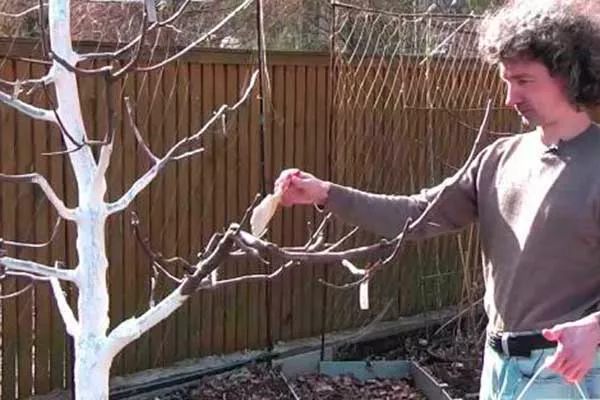
Regular care of the plant ensures its long life, stable harvest and protection from diseases.
Diseases and pests, methods of control and prevention
The plant is characterized by strong immunity, but if not properly cared for, it can be susceptible to various problems. It's important to begin treatment promptly:
| Disease/Pest | Description and symptoms | Methods of control |
| Moniliosis | It manifests itself in the wilting of shoots, leaves turn black and dry out, fruits rot. | Removal and burning of affected parts, treatment with fungicides (Topaz, Skor). |
| Coccomycosis | Small brown spots appear on the leaves, which fall off early. | Spraying with copper oxychloride, fungicides (Horus, Skor). |
| Clasterosporium (shot hole) | Red spots and then holes appear on the leaves and berries. | Use of fungicides (Horus, Skor), removal of infected areas. |
| Brown hawthorn mite | It affects the leaves, they turn brown, dry out and fall off. | Use of acaricides (Actellic, Fufanon). |
| Aphid | Insects suck the sap from young shoots, causing leaf deformation and slow growth. | Insecticide treatment (Fitoverm, Actellik). |
| Cherry fly | The larvae damage the fruit, making it unfit for consumption. | Spraying with insecticides (Confidor, Iskra). |
| Gray mold | The cherries become covered with a grey coating, become soft and rot. | Fungicides (Topaz, Horus) are effective. |
Basic recommendations for prevention:
- Sanitary pruning trees in early spring and autumn helps remove potential sources of infection.
- Timely watering and fertilizing strengthen the plant's immunity, making it more resistant to insect attacks.
- Regular treatment with fungicides and insecticides before flowering and after harvest reduces the risk of infection.
- Cleaning up fallen leaves and fruits prevents the spread of diseases and pests that overwinter in the soil.
These measures will help significantly reduce the risk of cherry infection and ensure its health.
Positive and negative qualities
Cherry Prizvanie is not only sweet and juicy berries, but also a combination of many other benefits.
Reviews
The Prizvanie cherry combines many qualities that make it attractive to both novice and experienced gardeners. This variety will delight you with its productivity and flavor for many years to come. To maximize your harvest, proper care is essential, as this determines your yield.